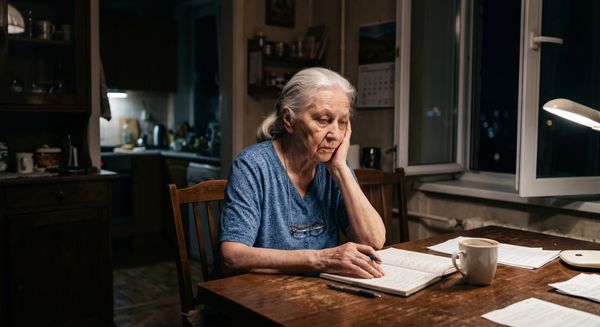
Caregiver Burnout: Signs, Symptoms, and How to Recover
Caregiver burnout can affect your health, relationships, and ability to care. Learn the signs, symptoms, and practical steps to recover and protect yourself.

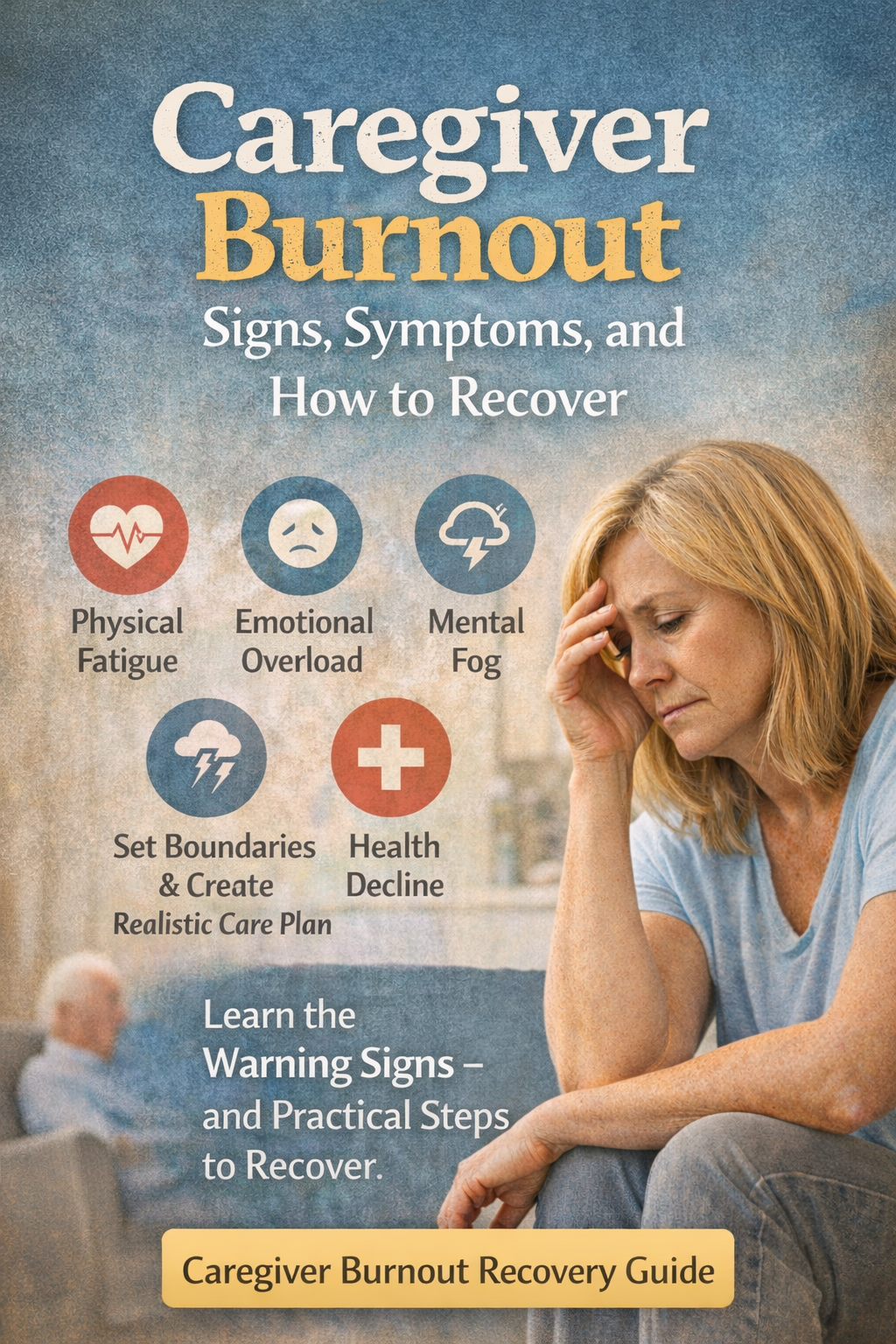
Caregiver burnout is one of the most serious—and most overlooked—risks facing family caregivers, often developing slowly until it begins to affect your health, decision-making, and ability to continue caring safely.
What Is Caregiver Burnout?
Caregiver burnout is a state of:
- Physical exhaustion
- Emotional overwhelm
- Mental fatigue
It happens when the demands of caregiving exceed the support, time, and resources available.
👉 Over time, burnout doesn’t just affect you—it affects the care you are able to provide.
Early Warning Signs of Caregiver Burnout
Burnout builds gradually. It rarely happens all at once.
Common early warning signs include:
- Constant fatigue
- Irritability or frustration
- Feeling overwhelmed
- Loss of patience
- Neglecting your own needs
👉 Learn more in 10 Early Warning Signs of Caregiver Burnout
Caregiver Burnout Symptoms
As burnout progresses, symptoms become more serious and harder to ignore.
Physical Symptoms
- Chronic fatigue
- Sleep disturbances
- Frequent illness
- Headaches or body pain
Emotional Symptoms
- Anxiety
- Sadness
- Anger or resentment
- Emotional numbness
Mental Symptoms
- Difficulty concentrating
- Forgetfulness
- Decision fatigue
Caregiver Burnout vs Depression
Many caregivers question what they are feeling.
👉 Is this burnout—or something more serious?
- Burnout is often tied directly to caregiving stress
- Depression may persist even when stress is reduced
👉 Learn how to tell the difference in
Caregiver Burnout vs Depression: How to Tell the Difference
Why Caregivers Burn Out
Burnout is not caused by one thing—it is usually a combination of pressures:
- Increasing care demands
- Lack of support
- Financial strain
- Emotional stress
- Unrealistic expectations
👉 Many caregivers are placed into roles they were never prepared for.
Burnout Is Often a System Problem—Not a Personal Failure
Caregiver burnout is not a sign that you are failing.
👉 It is often the result of:
- Early hospital discharges
- Limited insurance coverage
- Lack of care coordination
- No clear plan for long-term care
👉 Learn more in
Unsafe Hospital Discharge: What Family Caregivers Must Know
The Financial Stress Behind Burnout
Many caregivers experience burnout because they are:
- Providing unpaid care
- Reducing work hours
- Taking on unexpected financial responsibilities
👉 Learn more in
Does Medicare Pay Family Caregivers?
When Burnout Becomes Dangerous
Burnout becomes serious when:
- Your health is declining
- You feel unable to cope
- Care is no longer safe
- You feel emotionally detached
👉 At this point, something must change.
How to Recover from Caregiver Burnout
Recovery is possible—but it requires intentional action.
Step 1: Acknowledge What Is Happening
Recognizing burnout is the first and most important step.
Step 2: Reduce the Care Burden
This may include:
- Asking for help
- Bringing in outside support
- Reassessing what you can realistically manage
Step 3: Set Boundaries
Boundaries are essential—not optional.
Step 4: Prioritize Your Health
- Rest
- Nutrition
- Medical care
- Emotional support
Step 5: Create a Sustainable Care Plan
Caregiving cannot continue long-term without structure.
👉 Learn practical steps in
How to Recover from Caregiver Burnout (Step-by-Step)
The Role of Guilt in Caregiver Burnout
Many caregivers feel:
- Guilty for needing help
- Guilty for feeling overwhelmed
- Guilty for wanting a break
👉 These feelings often prevent necessary changes.
👉 Learn more in
Caregiver Burnout and Guilt: Why You Feel This Way
When You Need to Step Back
In some situations, continuing at the same level of care is not safe.
👉 Stepping back may be necessary to protect both you and your loved one
👉 Learn how in
When to Walk Away from Caregiving (And How to Do It Safely)
The Caregiver Balance Guide Connection
This page is one pillar of the Caregiver Balance Guide — a structured framework designed to help caregivers care for others without losing themselves.
Caregiver burnout does not happen because you are weak.
It happens because the system expects too much from one person without enough support.
The Caregiver Balance Guide helps you:
- Set realistic boundaries
- Build a Caregiver Relief Team
- Navigate complex care decisions
- Protect your health, time, and finances
👉 Explore the full system: Caregiver Balance Guide
Get the Support You Actually Need
Burnout is not something you fix with self-care alone.
It requires guidance, structure, and support.
👉 Start here: Caregiver Guidance & Support
This pillar gives you access to:
- Education and care strategies
- Real-world caregiver guidance
- Support navigating difficult situations
- Tools to reduce overwhelm
You Are Not Meant to Do This Alone
Caregiving becomes overwhelming when:
- Responsibility falls on one person
- Support is limited
- Expectations are unrealistic
👉 You were never meant to carry this alone.
Create a Caregiver Relief Team to share responsibilities
You Do Not Have to Keep Doing This Alone
If you are exhausted, overwhelmed, or unsure how to continue:
Caregiver coaching can help you:
- Understand what is happening
- Create a realistic care plan
- Set boundaries without guilt
- Protect your health and well-being
👉 Schedule Your Caregiver Coaching Session Now
❓ Frequently Asked Questions
What are the first signs of caregiver burnout?
Fatigue, irritability, and feeling overwhelmed are common early signs.
Can caregiver burnout be reversed?
Yes—with support, rest, and changes in caregiving structure.
How long does burnout last?
Without change, it can worsen over time.
Is burnout the same as depression?
No, but they can overlap.
- 10 Early Warning Signs of Caregiver Burnout
- Caregiver Burnout vs Depression: How to Tell the Difference
- How to Recover from Caregiver Burnout (Step-by-Step)
- Caregiver Burnout and Guilt: Why You Feel This Way
- When to Walk Away from Caregiving (And How to Do It Safely)
- Unsafe Hospital Discharge: What Family Caregivers Must Know
- Does Medicare Pay Family Caregivers?
- Caregiver Balance Guide
- Caregiver Guidance & Support
Explore the Caregiver Balance Framework
Each section of the Caregiver Balance Framework provides practical tools to help family caregivers organize care, prevent burnout, and build reliable support.
• Caregiver Boundaries & Support Plan
• Family Caregiver Agreement
• Caregiver Relief Team
• Caregiver Guidance & Support
• My Vital Vault