
Caregiver Support and Guidance: How to Manage Stress, Medical Decisions, and Family Care
Structured caregiver guidance for medical decisions, burnout prevention, financial planning, and sustainable family care.

Caregiver support and guidance provides family caregivers with practical help for managing stress, making medical decisions, navigating financial planning, and building a sustainable care plan.
If you are a family caregiver feeling overwhelmed, you are not alone. Millions of caregivers are navigating complex medical systems, emotional stress, and financial pressure without clear guidance or support.
Caregiving is not static.
Conditions progress.
Behaviors change.
Financial pressure increases.
Family dynamics shift.
What worked six months ago may not work today.
Family caregivers need ongoing support and guidance. Not guesswork.
What Is Caregiver Support?
Caregiver support provides family caregivers with practical tools, guidance, and resources to:
- Manage stress
- Make informed medical decisions
- Prevent caregiver burnout
- Coordinate care effectively
When caregivers have access to structured support and trusted resources, they are better able to make informed decisions, reduce stress, and avoid crisis-driven care.
Why Family Caregivers Need Ongoing Support
Most family caregivers were never trained for this role.
Yet they are expected to:
- Coordinate complex medical systems
- Manage multiple specialists
- Navigate insurance challenges
- Handle medication changes
- Respond to behavioral symptoms
- Make long-term financial decisions
Without proper support, caregiving becomes overwhelming.
Guidance reduces uncertainty and helps caregivers feel more confident and in control.

Common Challenges Family Caregivers Face
Medical Decision-Making
- Understanding diagnoses
- Managing medication changes
- Coordinating specialists
- Preparing for appointments
- Interpreting discharge instructions
Healthcare systems are complex. Clear guidance helps caregivers advocate effectively.
Behavioral Changes
- Cognitive decline
- Sleep disruption
- Agitation
- Wandering
- Aggression
- Resistance to care
Understanding behavioral changes can reduce emotional stress and improve caregiving strategies.
Financial and Legal Stress
- Medicaid planning basics
- VA Aid & Attendance eligibility
- Long-term care cost awareness
- Responsible spend-down planning
- Protecting retirement security
Caregiving often impacts long-term financial stability, making early planning essential.
Emotional Burnout and Stress
- Recognizing early burnout
- Setting boundaries
- Managing guilt
- Reducing isolation
- Maintaining identity outside caregiving
Caregivers who protect their emotional well-being are better able to provide consistent care over time.
Caregiver Support for Elderly Parents
Many caregivers are supporting aging parents while balancing work, family, and financial responsibilities.
Common challenges include:
- Managing multiple medical providers
- Coordinating care at home
- Handling resistance to care
- Making long-term care decisions
Having structured caregiver support can reduce stress and improve outcomes for both caregivers and their loved ones.
Warning Signs of Caregiver Burnout
Caregiver burnout can develop gradually when responsibilities expand beyond what one person can sustain.
Common warning signs include:
- Chronic exhaustion
- Irritability
- Sleep disruption
- Resentment
- Withdrawal from relationships
- Declining physical health
Burnout is not weakness.
It is a signal that the caregiving system needs more support.
How to Get Help as a Family Caregiver
If you are feeling overwhelmed, you are not alone.
Family caregivers often struggle with:
- Managing medical decisions
- Coordinating care
- Emotional stress and fatigue
The solution is not to “do more.”
The solution is to build a structured caregiving system that includes:
- Clear boundaries
- Shared responsibilities
- Reliable guidance
- Practical tools
Caregiving should not cost you your health.
How the Caregiver Balance Guide Provides Support
The Caregiver Balance Guide provides practical structure for managing caregiving responsibilities.
It includes:
- Caregiver Boundary and Support Plan
- Family Caregiver Agreement
- Caregiver Relief Team development
- Emergency preparedness planning
- Financial guidance to help caregivers plan for long-term care costs and protect family resources
- Long-term caregiving sustainability strategies
This framework focuses on practical structure — not just emotional encouragement.
Helping caregivers care without losing themselves.
👉 Create a caregiver support plan to reduce burnout and stress
Caregiver Financial & Life Organization Tools
Caregiving often requires managing not just health needs, but also financial, legal, and household responsibilities.
Without clear organization, important information can be difficult to access during emergencies or care transitions.
These tools help caregivers stay organized, reduce stress, and make informed decisions.
Financial Clarity Tools
Understanding the financial impact of caregiving is essential for long-term sustainability.
- Caregiving Cost Tracker
- Monthly Care Expense Worksheet
- Caregiver Income & Financial Support Worksheet
These tools help caregivers track expenses, identify income sources, and plan for ongoing care needs.
Life & Document Organization Tools
In a crisis, having critical information organized can save time, reduce stress, and prevent costly mistakes.
- Caregiver Banking & Accounts Master List
- Caregiver Insurance & Policy Master List
- Monthly Income Sources Worksheet
- Real Estate Information Organizer
- Vehicle Information Record
- Master Locator (Emergency Information Guide)
Having this information organized in one place helps caregivers make faster decisions, reduce confusion, and protect their loved ones in times of crisis.
Get Your Caregiver Organization Tools
Download the essential tools to help you manage caregiving responsibilities, reduce stress, and stay organized.
- Caregiver Boundaries & Support Plan
- Family Caregiver Agreement
- Caregiver Relief Team
- My Vital Vault
- Caregiver Balance Guide Overview
These tools help reduce stress, improve communication, and create a more balanced approach to caregiving.
 Diane Carbo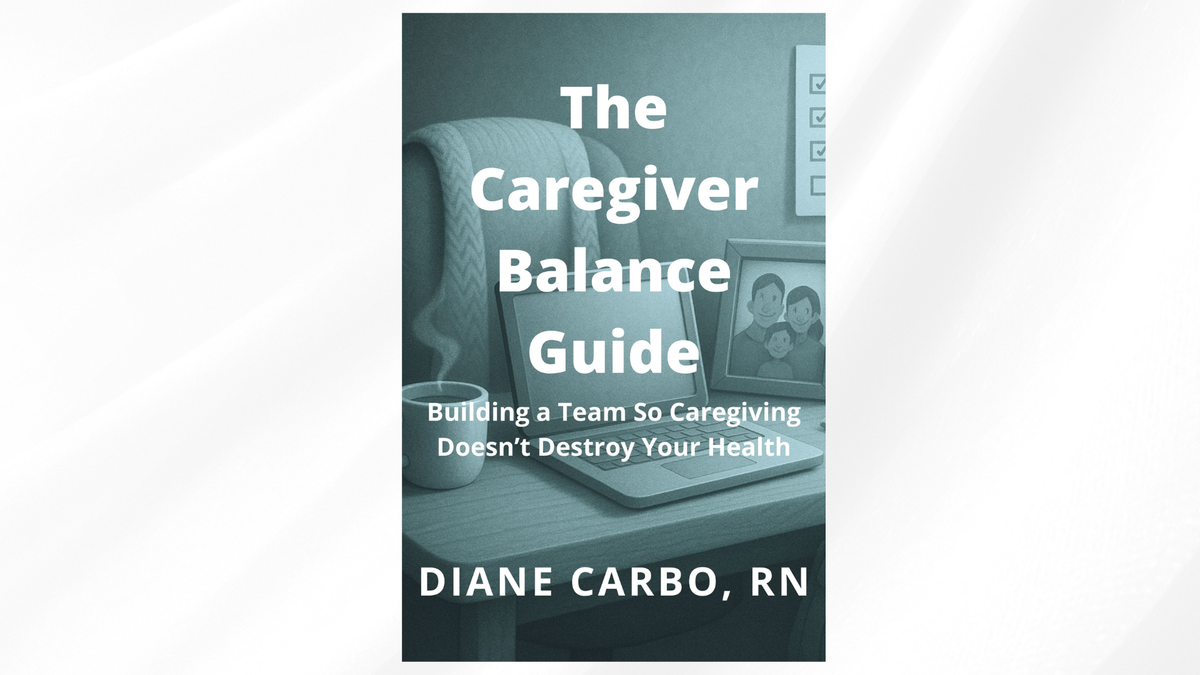
Frequently Asked Questions About Caregiver Support
Where can family caregivers get support?
Caregivers can receive support from healthcare providers, patient advocates, care managers, elder law professionals, and trusted caregiver education resources.
What is a patient advocate?
A patient advocate helps families understand medical information, navigate healthcare systems, coordinate providers, and ask informed questions during medical appointments.
When should caregivers seek professional guidance?
Professional guidance is helpful when navigating complex diagnoses, insurance issues, behavioral changes, long-term care planning, or family disagreements about care.
How can caregivers prepare for medical appointments?
Bring a medication list, write down questions in advance, document recent symptoms or behavior changes, and ask providers to clarify any instructions that are unclear.
How does caregiver support help prevent burnout?
Reliable guidance reduces uncertainty, improves decision-making, and provides practical strategies for managing stress and complex care situations.
Start Building Your Caregiver Support Plan Today
Caregivers deserve more than encouragement.
They deserve clear information, practical tools, and support that evolves as caregiving changes.
Start building a caregiving system that protects your health, your time, and your future.