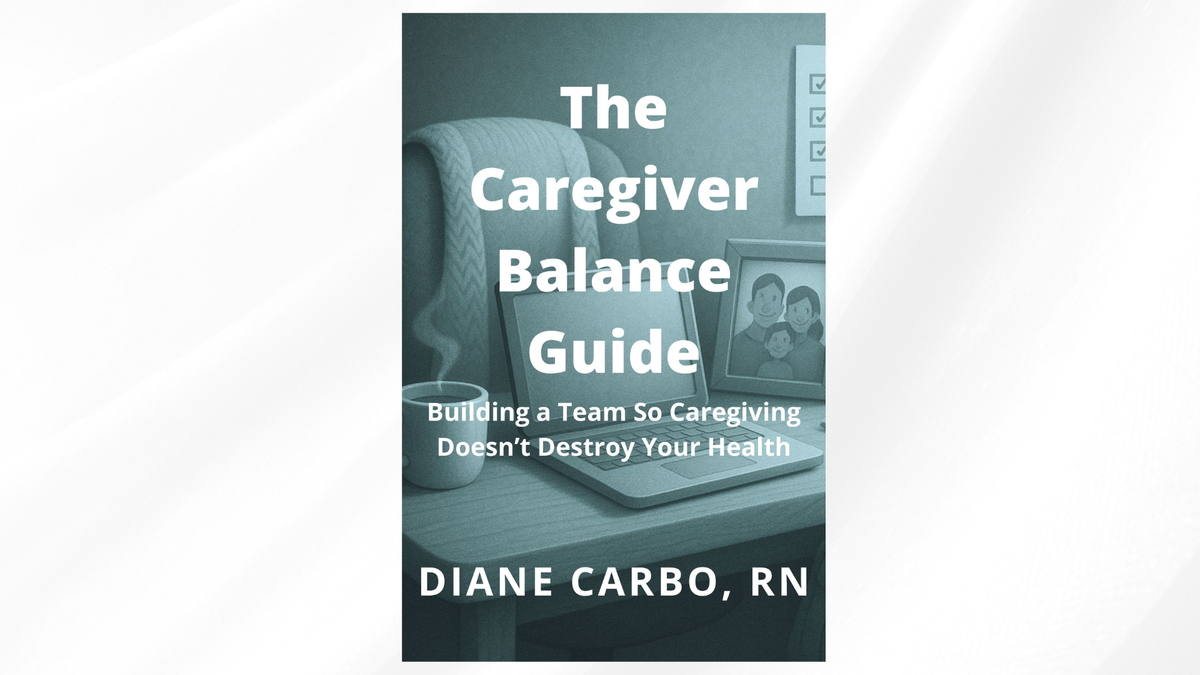
Caregiver Boundaries & Support Plan
Learn how to set healthy caregiver boundaries, prevent burnout, and create a sustainable caregiving plan with clear roles, support systems, and family agreements.
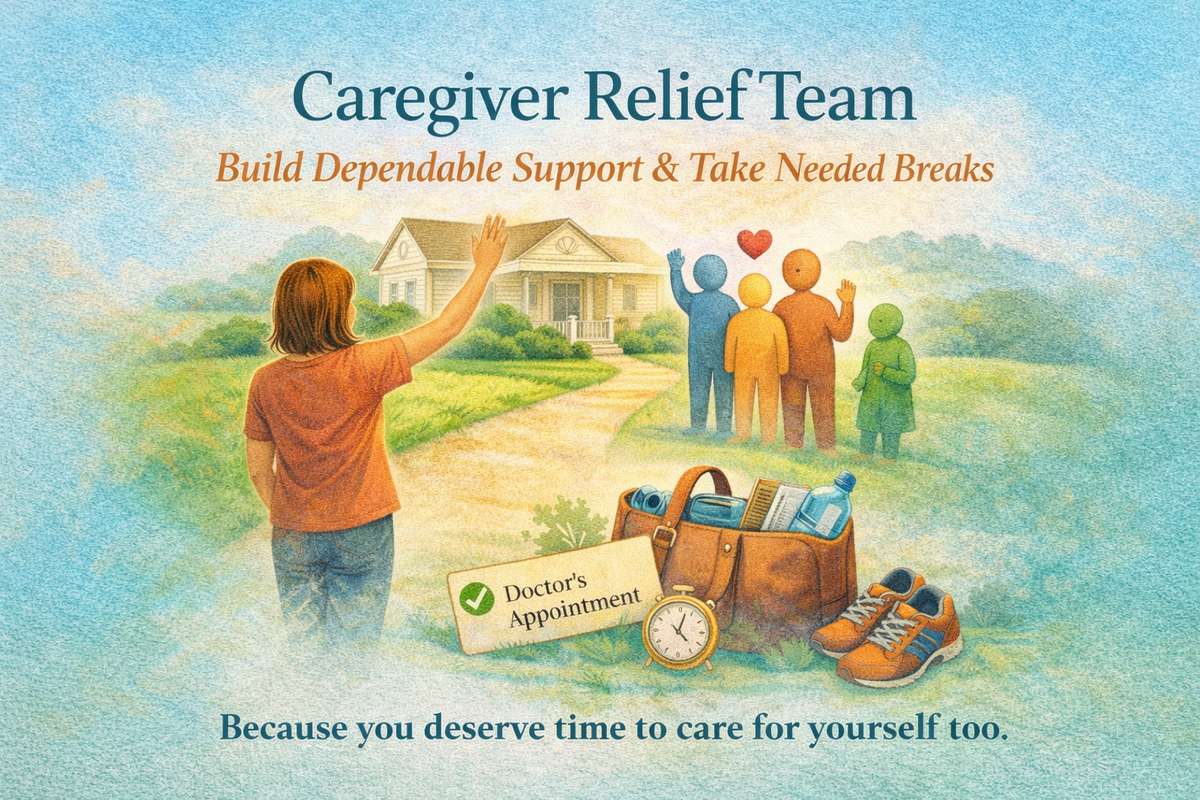
This page is one pillar of the Caregiver Balance Guide — a structured framework designed to help caregivers build sustainable support, clarify responsibilities, and protect their health.
Clear caregiver boundaries protect your time, your income, and your long-term ability to provide care without burnout.
Learn how to set healthy caregiver boundaries, prevent burnout, and create a sustainable caregiving plan with clear roles, support systems, and family agreements.
Caregiving often begins quietly.
What starts as helping with a few tasks can quickly grow into coordinating appointments, managing medications, handling finances, advocating at medical visits, and being constantly available.
Many caregivers say yes to everything because they care deeply.
But without clear limits, caregiving expands until there is no room left for your health, your rest, your work, or your future.
Helping caregivers care without losing themselves begins with boundaries.
Many family caregivers struggle to set healthy boundaries because caregiving responsibilities grow gradually and expectations are rarely discussed openly.
Many family caregivers search for guidance on how to set boundaries when caring for aging parents without damaging family relationships.
What Are Caregiver Boundaries?
Caregiver boundaries are clear limits that define what a caregiver can realistically provide without sacrificing their health, financial stability, or personal life. Healthy boundaries protect caregivers from burnout and help ensure caregiving remains sustainable over time.
This helps the page rank for searches like:
- caregiver boundaries
- setting boundaries as a caregiver
- caregiver burnout boundaries
Why Caregiver Boundaries Protect Against Burnout
Family caregiving often begins gradually and expands without structure.
Without clear caregiver boundaries, responsibilities increase, expectations remain unspoken, and burnout becomes likely.
Caregiver boundaries are not walls.
They are guardrails.
They protect:
- Your physical health
- Your emotional well-being
- Your financial stability
- Your relationships
- Your long-term ability to continue providing care
Without boundaries, caregiver burnout becomes almost inevitable.
Support for the caregiver behind the care begins by protecting the caregiver.
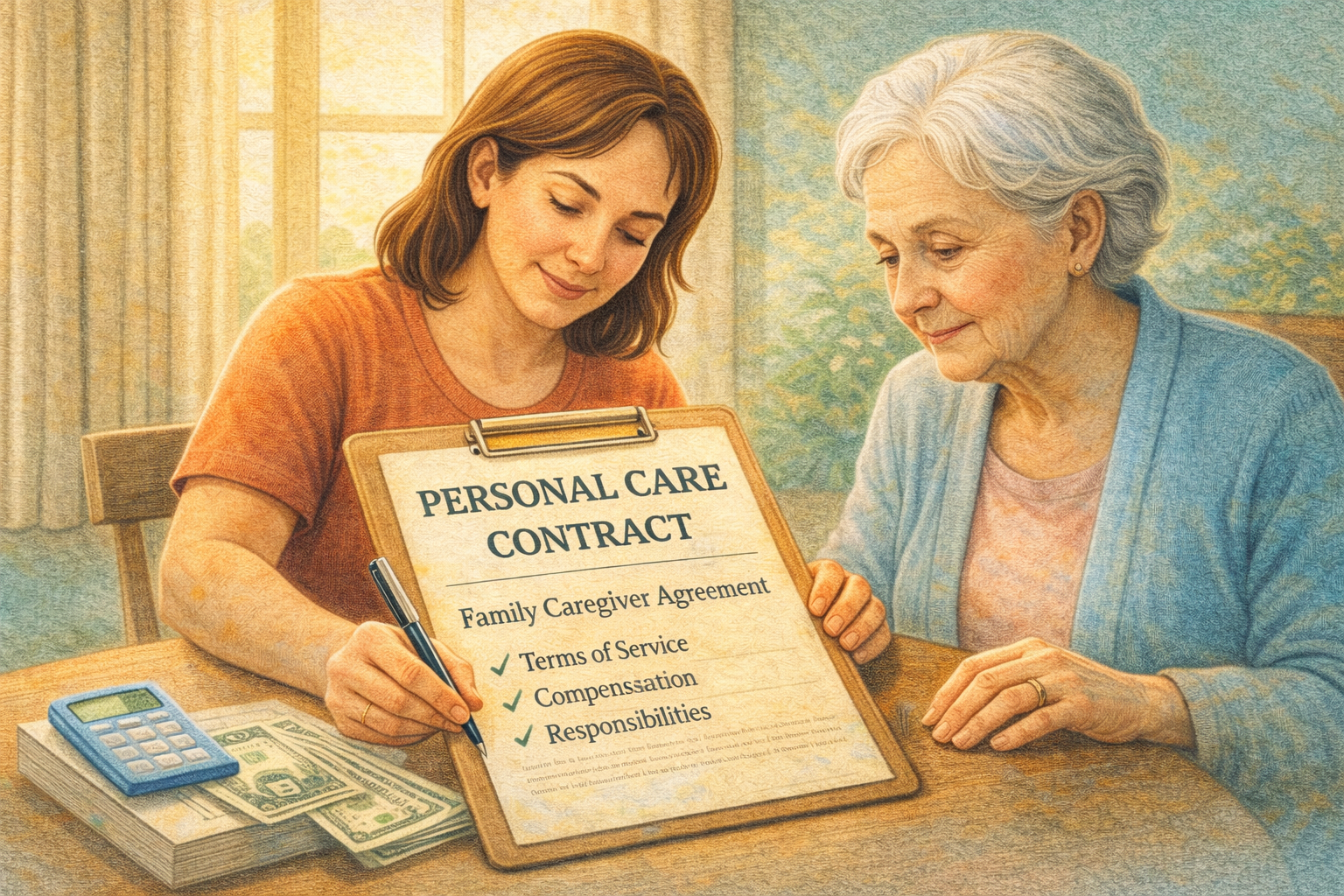
One of the most effective ways to formalize caregiver boundaries is through a Family Caregiver Agreement.
A written agreement transforms expectations into structure.
It defines responsibilities, time commitments, financial arrangements, and time off.
👉 Learn how a Family Caregiver Agreement protects caregivers and families
Setting limits is not failure — it’s how caregiving becomes sustainable.
Signs You May Need Stronger Caregiver Boundaries
You may need clearer boundaries if you:
- Feel constantly exhausted
- Have postponed your own medical appointments
- Feel resentful but keep pushing through
- Have reduced work hours or left employment
- Feel like everything depends on you
- Avoid asking siblings for help
- Feel guilty saying “no”
If this sounds familiar, you are not failing — you are likely carrying too much caregiving responsibility alone.
You are carrying too much alone.
What Boundaries Are Not
Boundaries are not:
• Abandonment
• Lack of love
• Refusal to help
• Selfishness
They are structured limits that allow care to continue long-term.
What Are Healthy Caregiver Boundaries?
Healthy caregiver boundaries define what you can reasonably provide without sacrificing your health, financial stability, or personal life.
Boundaries help caregivers:
• set realistic limits on time and responsibilities
• protect employment and income
• maintain their own medical care and well-being
• prevent emotional exhaustion
• encourage shared family responsibility
Without clear caregiver boundaries, responsibilities often expand silently until one person is carrying the entire burden of care.
Healthy boundaries do not mean refusing to help.
They mean creating structure that allows caregiving to continue safely and sustainably over time.
When caregivers have support, defined expectations, and time to rest, they are better able to advocate for their loved ones and provide thoughtful, compassionate care.
Many family caregivers feel guilty setting limits, but boundaries are essential for sustainable caregiving. Clear expectations reduce conflict, prevent caregiver burnout, and protect both the caregiver and the person receiving care.
The Family Caregiver Agreement: A Critical Step in Setting Boundaries
One of the most important tools for protecting both the caregiver and the person receiving care is a Family Caregiver Agreement (sometimes called a Personal Care Contract).
- This is not about paperwork.
- It is about clarity.
- It is about fairness.
- It is about sustainability.
A Family Caregiver Agreement clearly outlines:
- Who is responsible for what tasks
- How much time is expected
- A Family Caregiver Agreement should clearly define how time off, respite care, and vacation coverage will be handled so caregivers can rest without guilt.
- What financial arrangements are in place
- How decisions will be made
- How changes in care needs will be addressed
It gives structure to a role that often grows without discussion.
And structure reduces conflict.
A Family Caregiver Agreement Should Include Time Off and Vacation Coverage
👉 Learn how a Family Caregiver Agreement works
Setting Expectations for Siblings and Extended Family
Caregiving should not automatically fall on one person without conversation.
A Family Caregiver Agreement helps establish expectations for all involved family members — including siblings and extended relatives.
If someone is unwilling or unable to participate physically in caregiving tasks, there are still meaningful ways they can contribute.
Support does not have to look identical to be valuable.
Family members who cannot assist hands-on can:
- Contribute financially toward paid respite care
- Share the cost of home health aides
- Manage bill payments
- Research medical conditions and treatment options
- Coordinate benefits and insurance inquiries
- Handle pharmacy refills
- Order medical supplies
- Schedule appointments
- Provide emotional support through regular calls
If physical help is not possible, financial contribution is a reasonable and fair expectation.
Time off is not optional in long-term caregiving. A sustainable plan must include regular breaks and backup coverage.
Caregiving is shared responsibility — not silent sacrifice.
Because caregiving should not cost you your health or your financial stability.
👉 Learn how to build a structured Caregiver Relief Team

Why Caregivers Struggle to Ask for Help
Many caregivers hesitate to bring up formal agreements because they fear conflict.
You may worry about:
- Appearing greedy
- Creating tension
- Being seen as “keeping score”
- Hurting family relationships
But avoiding structure often leads to deeper resentment later.
Boundaries reduce conflict.
Unspoken expectations create it.
Written agreements prevent unspoken expectations.
👉 Explore how a Family Caregiver Agreement creates clarity and protects caregivers
When Caregiver Compensation May Be Appropriate
Caregiving often impacts income.
Many caregivers:
- Reduce work hours
- Leave employment
- Drain savings
- Delay retirement
Discussing compensation is not selfish. It is responsible.
In some situations, a properly structured caregiver agreement can:
- Allow fair payment for care provided
- Protect eligibility for Medicaid (when done correctly)
- Prevent future disputes during estate settlement
- Document services provided
This is not about profit.
It is about sustainability.
Helping caregivers care without losing themselves includes financial protection.
Compensation arrangements should be documented carefully and may require consultation with an elder law attorney to protect Medicaid eligibility.
How Boundaries Improve Care Quality
When caregivers have clear limits:
- They are more patient
- They are less reactive
- They advocate more effectively
- They experience less resentment
- They provide better care
Caregiving done in constant crisis mode is unsustainable and eventually harms both the caregiver and the person receiving care.
Boundaries protect both the caregiver and the person receiving care.
Before accepting additional caregiving responsibilities, it can help to pause and evaluate what you are realistically able to provide.
Before You Say Yes: A Caregiver Reflection Checklist
Before agreeing to expanded caregiving responsibilities, ask:
☐ What specific tasks am I agreeing to?
☐ How many hours per week is realistic?
☐ Who will cover when I need time off?
☐ What financial impact will this have?
☐ Who else can contribute?
☐ What happens if my health changes?
☐ How will disagreements be handled?
Clarity now prevents burnout later.
You Do Not Have to Carry Caregiving Alone
Support for the caregiver behind the care means protecting your capacity to continue.
Setting boundaries is not a sign of weakness.
It is a sign of wisdom.
Because caregiving should not cost you your health.
Creating a Family Caregiver Agreement is not about control.
- It is about clarity.
- It is about fairness.
- It is about sustainability.
When expectations are clear, resentment decreases.
When responsibility is shared, burnout is less likely.
When structure exists, care improves.
Helping caregivers care without losing themselves begins with honest conversations and clear agreements.
Ready to Create Your Family Caregiver Agreement?
If you would like a simple framework to guide the conversation, I’ve created a practical starter guide to help you organize expectations and plan your next steps.
Explore the Family Caregiver Agreement here
Ready to Formalize Your Boundaries?
Caregiver boundaries become sustainable when they are written down.
Learn how a structured Family Caregiver Agreement protects caregivers, reduces conflict, and creates shared responsibility.
👉 Explore the Family Caregiver Agreement
If you would like a practical framework to begin the conversation, download the free Family Caregiver Agreement Starter Guide.
Frequently Asked Questions About Caregiver Boundaries
What are healthy boundaries for family caregivers?
Healthy caregiver boundaries define what you can realistically provide without sacrificing your health, finances, relationships, or long-term stability.
How do I set boundaries with siblings who won’t help?
Start by defining specific responsibilities and expectations in writing. If siblings cannot provide hands-on care, discuss financial contributions or administrative support. Clear structure reduces resentment and miscommunication.
How do I set boundaries as a caregiver without feeling guilty?
Caregivers often feel guilty setting limits because they care deeply about their loved one. However, boundaries protect the caregiver’s health and make caregiving sustainable. Without limits, burnout becomes likely, which ultimately harms both the caregiver and the person receiving care.
Is it selfish to ask for help as a caregiver?
No. Caregiving is often a long-term responsibility that can last years. Asking for help protects your health and allows you to provide better care over time.
How do caregiver boundaries prevent burnout?
Defined limits reduce emotional overload, physical exhaustion, and financial strain. Boundaries ensure time off, shared responsibility, and structured expectations.
Should caregiver boundaries be written down?
Yes. Writing expectations into a Family Caregiver Agreement creates clarity and protects all parties involved.
A strong support system also protects caregiver boundaries.
👉 Explore how to build a Caregiver Relief Team
Explore the Caregiver Balance Framework
This page is one part of a larger system designed to protect caregivers from burnout and financial strain.
Explore the other pillars:
• Family Caregiver Agreement
• Caregiver Relief Team
• My Vital Vault
• Caregiver Guidance & Support
• Caregiver Balance Guide Overview
 Diane Carbo