Caregiver Relief Team
Caregiving often falls on one person. This page shows you how to build a team that provides practical support and respite so you can share responsibilities, protect your health, and advocate for your loved one without doing it all alone.
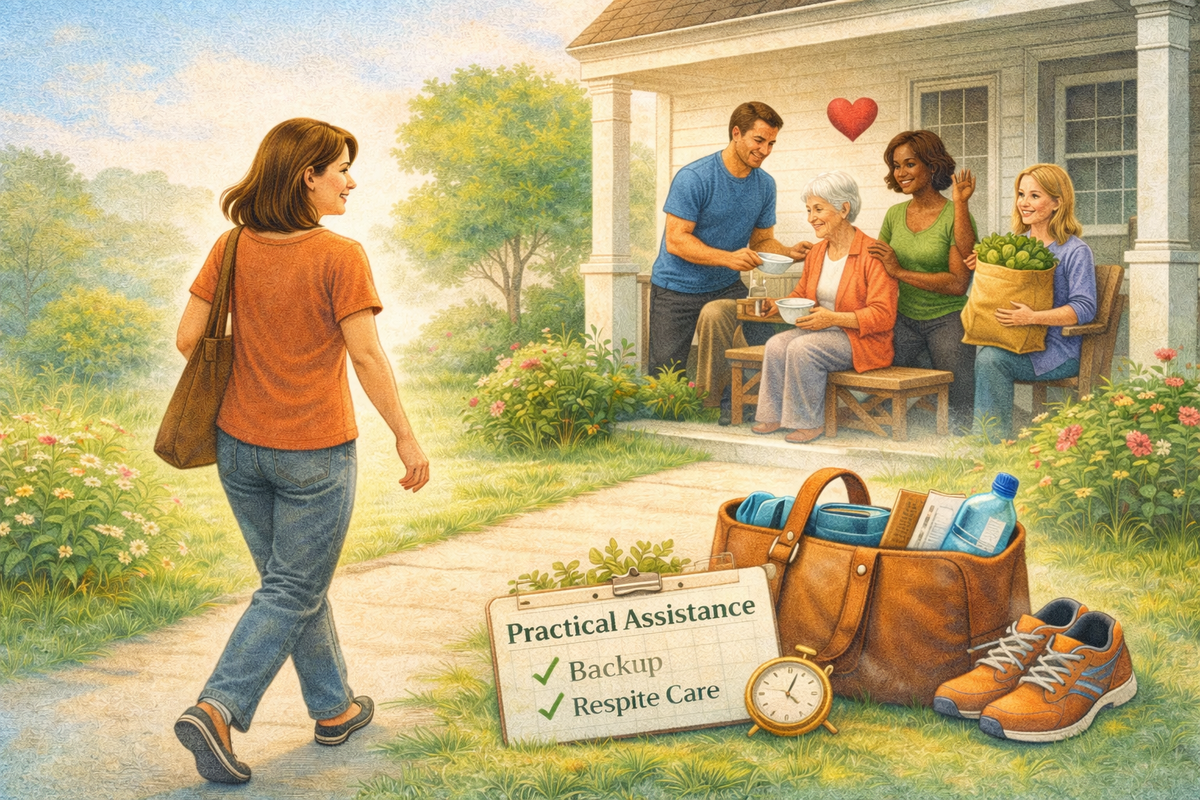
This page is one pillar of the Caregiver Balance Guide — a structured framework designed to protect caregivers from burnout and financial strain.
Caregiving often falls on one person. This page shows you how to build a team that provides practical support and respite so you can share responsibilities, protect your health, and advocate for your loved one without doing it all alone.
This part of the Caregiver Balance Guide focuses on building dependable, real-life support so caregivers can step away, rest, and care for themselves — without guilt, fear, or everything falling apart.
What Is a Caregiver Relief Team?
A caregiver relief team is a structured support system made up of family, friends, neighbors, or paid helpers who share caregiving responsibilities so one person does not have to carry the entire burden alone.
What a Caregiver Relief Team Solves
Needing help does not mean you are failing — it means caregiving has grown beyond what one person can reasonably sustain.
A Caregiver Relief Team is a practical support system that shares caregiving responsibilities, so you can keep going without sacrificing your health, finances, or future.
A relief team provides practical help such as:
• meals
• transportation to appointments
• companion visits
• medication pick-ups
• scheduled respite breaks
You are allowed to protect your health, your time, and your future. Caring for someone else should never require erasing yourself.
Signs You Need a Caregiver Relief Team
Many caregivers try to manage everything alone until exhaustion forces a crisis.
You may need a Caregiver Relief Team if you:
• feel constantly overwhelmed
• have postponed your own medical care
• rarely leave the house
• feel resentful but continue pushing through
• have reduced work hours or left employment
• feel like everything depends on you
Needing support does not mean you are failing. It means caregiving has grown beyond what one person can reasonably sustain.
Why a Caregiver Relief Team is Essential
1) Advocacy: On hard days, your loved one needs someone to speak up, ask questions, and notice changes.
2) Shared responsibility: Caregiving is too much for one person long-term. A team helps prevent burnout and protects your well-being.
If you feel hesitant, that’s normal
Your loved one may not want help. You may feel guilty asking. Or you may feel like you need control to keep things safe. Many caregivers also don’t realize this journey can last years—even decades.
But here’s the truth: support keeps caregiving possible. Even small tasks delegated to others can make a big difference.
How to Start Building a Caregiver Relief Team
Building a support team does not have to happen all at once. Start small.
Begin by identifying two or three people who are willing to help in specific ways.
You might ask someone to:
• pick up prescriptions once a week
• bring a meal occasionally
• sit with your loved one while you go to an appointment
• check in by phone regularly
• help coordinate supplies or transportation
Small, consistent support can dramatically reduce caregiver stress.
Over time, these helpers form the foundation of your Caregiver Relief Team.
If caregiving expectations have never been clearly discussed, a Family Caregiver Agreement can help families define responsibilities and reduce conflict.
👉 Explore the Family Caregiver Agreement

You Were Never Meant to Do This Alone
Many caregivers believe they should be able to handle everything themselves. They worry about burdening others, or they feel guilty asking for help.
But caregiving was never meant to be a one-person responsibility.
When one person tries to manage appointments, medications, household tasks, emotional support, and medical advocacy alone, exhaustion becomes inevitable.
A Caregiver Relief Team allows responsibilities to be shared so the caregiver can continue providing care without sacrificing their own health, work, or relationships.
People often want to help—they simply need to know how.
Creating clear roles makes it easier for family members, friends, and community supporters to step in and contribute in meaningful ways.
Once you begin identifying people who are willing to help, the next step is giving them clear roles.
A caregiver relief team works best when each person has a clear role, manageable responsibilities, and a simple way to communicate with the rest of the team.
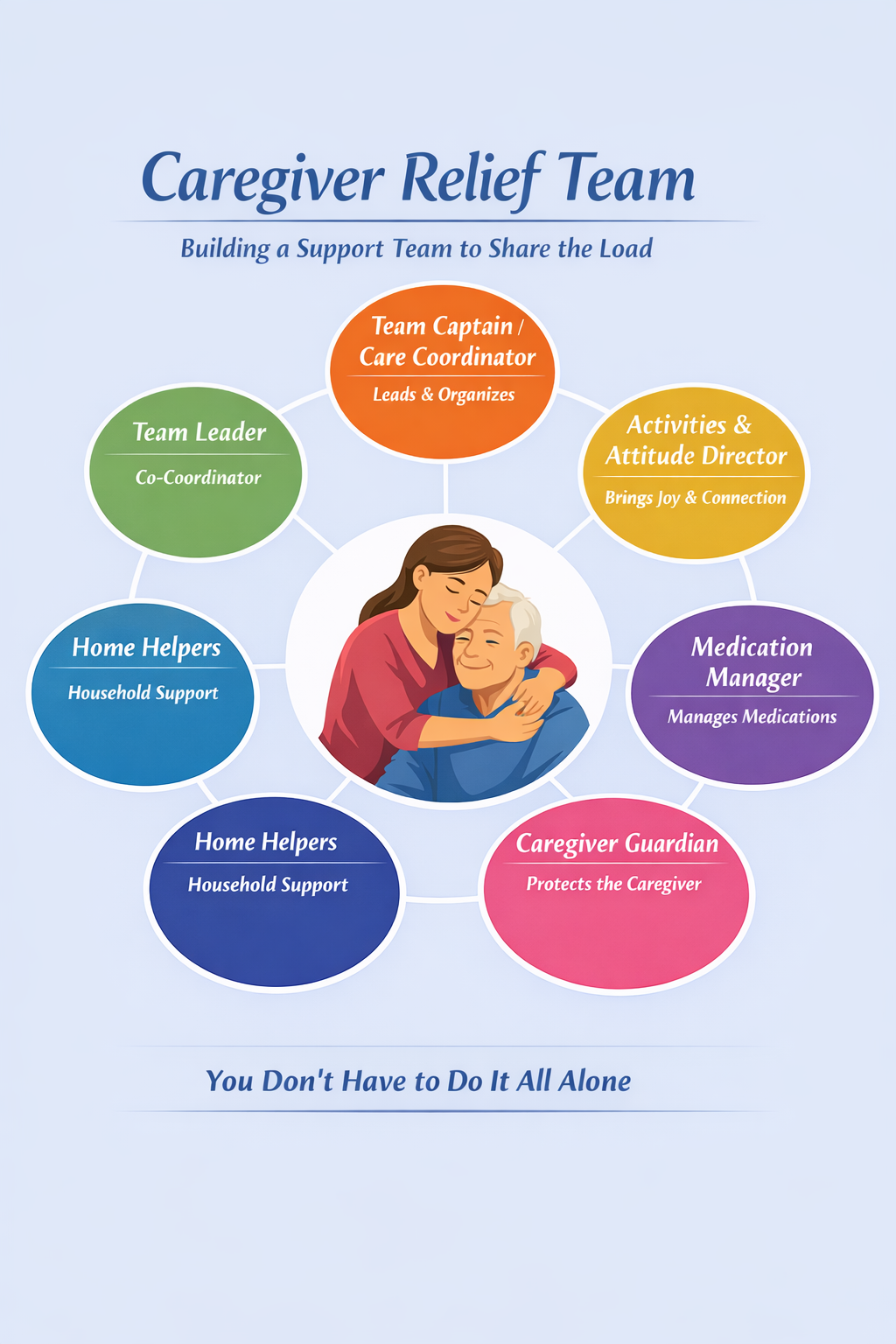
Caregiver Relief Team Roles
People often want to help but don’t know what is needed. Creating clear roles allows helpers to participate in meaningful ways without confusion or duplication.
A Caregiver Relief Team works best when each person understands their role.
Team Captain (Care Coordinator)
The Team Captain is usually the primary caregiver. This person understands the overall situation and helps coordinate support among team members.
Responsibilities may include:
• monitoring changes in health or behavior
• coordinating appointments and medical communication
• updating family members about care needs
• identifying when additional help is required
• keeping the care plan organized
Being the Team Captain does not mean doing everything yourself.
Your role is to coordinate the team, not carry the entire burden alone.
Team Leader
The Team Leader helps support the Team Captain and keeps the team organized when caregiving becomes more complex.
Responsibilities may include:
• helping schedule visits or support shifts
• assisting with communication between helpers
• helping organize family meetings
• stepping in during difficult periods when extra coordination is needed
In some situations, the Team Captain and Team Leader may be the same person. In other families, this role helps share leadership responsibilities.
Activities and Attitude Director
This role focuses on quality of life and emotional well-being.
Caregiving should include moments of connection and joy—not just medical care.
Responsibilities may include:
• planning visits or simple activities
• encouraging hobbies or favorite pastimes
• bringing music, books, or movies
• organizing social visits from friends or family
• helping maintain a positive environment
This role helps preserve dignity, connection, and emotional health.
Medication Manager
Medication management can become complicated, especially when multiple prescriptions are involved.
Responsibilities may include:
• organizing weekly pill boxes
• tracking medication schedules
• refilling prescriptions
• picking up medications from the pharmacy
• monitoring medication supply
This role helps reduce the risk of medication errors and ensures prescriptions remain current.
Home Helpers
Many caregivers become overwhelmed by everyday household responsibilities.
Home Helpers provides practical assistance that reduces daily stress.
Possible tasks include:
• meal preparation or meal delivery
• grocery shopping
• lawn care or snow removal
• pet care
• light home maintenance
• organizing supplies or errands
Small tasks can provide tremendous relief for a caregiver managing many responsibilities.
Information & Advocacy Partner
The Information & Advocacy Partner helps the caregiver navigate healthcare systems and medical decisions.
Responsibilities may include:
• taking notes during medical appointments
• helping research medical conditions or treatment options
• assisting with insurance or billing questions
• helping review hospital discharge instructions
• supporting the caregiver when asking questions or advocating for care
This role helps ensure important information is understood and decisions are made with confidence.
Caregiver Guardian
The Caregiver Guardian looks out for the health and well-being of the caregiver.
Caregivers often push themselves beyond healthy limits while focusing on their loved one.
Responsibilities may include:
• checking in regularly with the caregiver
• encouraging breaks and time away
• reminding the caregiver to attend their own medical appointments
• helping arrange respite care
• providing emotional support during difficult periods
Protecting the caregiver helps ensure that caregiving can continue safely and sustainably.
A Relief Team Protects Everyone
A Caregiver Relief Team does more than share responsibilities.
It protects:
• the caregiver’s health
• the loved one receiving care
• family relationships
• long-term caregiving sustainability
Caregiving works best when it becomes a team effort instead of a one-person responsibility.
Even small contributions reduce caregiver stress.
Who Can Be Part of a Caregiver Relief Team?
Start with people who already care about your loved one:
• spouse
• adult children or grandchildren
• extended family
• friends
• neighbors
• church or community members
• coworkers
• club members
What makes a great teammate?
You don’t need perfect people—you need reliable support.
Look for people who are :
- trustworthy and respectful of privacy
- emotionally steady on hard days
- reliable and punctual (especially for appointments)
- comfortable communicating changes (confusion, appetite, mood)
- available locally when possible
Can you have too many team members?
Yes—large teams can create conflict, old family roles, and competing opinions. That’s why you need clear roles, a simple communication plan, and occasional check-ins (family meeting rules help here).
Download the Free Family Meeting Guide to help you have a successful meeting.
A Caregiver Relief Team Is an Army of Advocates
It protects your loved one — and it protects you.
Person-Centered Care Profile for Your Caregiver Relief Team
Helping Your Caregiver Relief Team Provide the Right Care
Every person receiving care is unique.
Medical diagnoses are only part of the story. To provide truly compassionate care, helpers need to understand the individual behind the medical condition — their routines, preferences, personality, and emotional needs.
This is where a Person-Centered Care Profile becomes extremely valuable.
A Person-Centered Care Profile helps your Caregiver Relief Team understand how to care for your loved one in a way that respects their preferences, dignity, and emotional well-being.
Instead of guessing, caregivers and helpers have clear guidance about what works best for your loved one.
This simple document can dramatically improve communication and reduce confusion among caregivers, family members, and medical professionals.
Why a Person-Centered Care Profile Matters
When multiple people are involved in caregiving, important details can easily be missed.
A Person-Centered Care Profile helps ensure that everyone understands:
• important medical conditions
• daily routines and preferences
• communication style and emotional needs
• triggers for anxiety or confusion
• comfort measures that help calm or reassure
• mobility or safety concerns
• food preferences and dietary needs
• cultural or spiritual considerations
This information helps caregivers provide care that is respectful, consistent, and compassionate.
It also reduces stress for both the caregiver and the person receiving care.
A Tool for Your Entire Caregiver Relief Team
Your Caregiver Relief Team may include family members, friends, neighbors, and professional caregivers.
A Person-Centered Care Profile helps every team member quickly understand:
• what is normal for your loved one
• how to respond during stressful moments
• what routines help maintain comfort and stability
It can also help new caregivers feel more confident when stepping in to help.
Emergency and Hospital Care Profiles
During emergencies, medical professionals often have very little time to learn about the person they are treating.
Having a short emergency care profile available can help hospital staff quickly understand important information such as:
• medical conditions
• medications
• allergies
• communication challenges
• mobility limitations
• important personal preferences
This information can be especially helpful during emergency room visits or hospital admissions.
A More Comprehensive Profile for Your Care Team
In addition to the emergency profile, a more detailed Person-Centered Care Profile can be shared with your Caregiver Relief Team.
This version may include:
• daily routines
• personal history and interests
• calming strategies during confusion or anxiety
• sleep habits
• preferred foods
• social and emotional preferences
• religious or spiritual considerations
Understanding these details helps caregivers provide support that respects the whole person — not just the medical condition.
“Good care treats the illness. Person-centered care honors the individual."
Create Your Person-Centered Care Profile
If you are building a Caregiver Relief Team, creating a Person-Centered Care Profile is one of the most helpful steps you can take.
This simple document helps everyone involved in caregiving provide consistent, thoughtful care.
👉 Download the Person-Centered Care Profile
👉 Download the Emergency & Hospital Care Profile
Emergencies and hospital visits are easier to manage when important medical and legal information is organized in advance.
Learn how to create a My Vital Vault emergency plan
Caregiving must include clear limits and personal protection for the caregiver.
Caregivers also need reliable information when medical decisions become complicated.
Explore Caregiver Guidance & Support
What If Family Members Refuse to Help?
One of the most painful realities caregivers face is feeling abandoned by family members who are unwilling to participate.
If relatives cannot provide hands-on care, other options can still be discussed.
Support might include:
• contributing financially toward paid respite care
• helping cover the cost of home health aides
• managing administrative tasks such as insurance calls
• scheduling appointments
• ordering supplies or medications
When caregiving responsibilities are clearly discussed and documented, families often find it easier to contribute in ways that match their abilities.
A Family Caregiver Agreement can help clarify these expectations and reduce long-term resentment.
👉 Learn how to create a Caregiver Boundaries & Support Plan
Are You Carrying Too Much Alone?
Many caregivers don’t realize how much responsibility they have taken on until exhaustion begins to show.
You may benefit from building a Caregiver Relief Team if:
• you rarely have time away from caregiving
• your own medical appointments keep getting postponed
• you feel like everything depends on you
• you worry about what would happen if you became sick or unavailable
• you feel guilty asking others for help
• family members assume you “have it handled”
• you feel physically or emotionally exhausted
If several of these feel familiar, you are not failing as a caregiver.
You are experiencing something millions of family caregivers face every day.
Caregiving becomes sustainable when support is shared.
The Caregiver Relief Team Planner will help you identify helpers, assign simple roles, and build a support system that protects both you and the person you care for.
Free Caregiver Relief Team Planner
Use this simple worksheet to organize helpers, assign caregiving roles, and create a dependable support team so you don’t have to do everything alone.
👉 Download the Caregiver Relief Team Planner
Frequently Asked Questions About Caregiver Relief Teams
What is a caregiver relief team?
A caregiver relief team is a structured support group of family, friends, or paid helpers who share caregiving responsibilities to prevent burnout.
Who should be part of a caregiver relief team?
Spouses, adult children, extended family, friends, neighbors, church members, and even long-distance family members can participate in practical or administrative support roles.
What if no one wants to help?
If hands-on help is not available, financial contribution toward respite care or paid assistance should be discussed. A neutral third party may help facilitate these conversations.
How do I organize caregiver responsibilities?
Use written task assignments, scheduled check-ins, and clear communication methods. Defined roles prevent confusion and duplication.
Why is respite care important?
Respite care allows caregivers to attend medical appointments, rest, maintain relationships, and protect their long-term health.
Explore the Caregiver Balance Framework
• Caregiver Boundaries & Support Plan
• Family Caregiver Agreement
• My Vital Vault
• Caregiver Guidance & Support
• Caregiver Balance Guide Overview
 Diane Carbo