Unsafe Hospital Discharge Crisis: Why Families Are Being Forced to Provide Medical Care at Home
Unsafe hospital discharge is putting caregivers at risk. Learn how to spot early discharge, file a Medicare appeal, and protect your loved one from being sent home too soon.


A Growing Crisis in Caregiving
Unsafe hospital discharge is becoming a national crisis, leaving family caregivers responsible for complex medical care at home without training, support, or protection.
Many caregivers are facing unsafe hospital discharge situations without understanding their rights, their options, or how to prepare for what happens next.
Across the country, families are facing a dangerous and rapidly growing problem: unsafe hospital discharge.
A loved one is hospitalized. Within days, the hospital says they are “medically stable” and ready to go home.
But when they arrive home, reality looks very different.
They may be:
- Weak or unable to walk
- Confused or cognitively impaired
- Dependent on complex medical care
And suddenly…
👉 The family caregiver is expected to manage it all.
This is not just stressful.
It is a major driver of caregiver burden in 2026—and it is putting both patients and families at risk.
What “Medically Stable” Really Means (And Why It’s Misleading)
When hospitals say a patient is “medically stable,” it does NOT mean they are safe at home.
It simply means:
They no longer need hospital-level care.
But they may still require:
- Medication management
- Wound care
- Mobility assistance
- Monitoring for complications
- Cognitive supervision
This gap between hospital-level care and home readiness is where unsafe discharges happen.
“Medically stable” does not mean safe—it means the hospital no longer needs to provide care.
Why Unsafe Hospital Discharges Are Increasing
This problem is not random—it is driven by systemic changes.Medicare has moved to a cost sharing patform.
1. Medicare Payment Pressure
Hospitals are under pressure to:
- Shorten hospital stays
- Reduce costs
- Avoid penalties
This has led to earlier discharges—even when families are unprepared.
2. Medicare Advantage Coverage Limitations
Many families are discovering serious Medicare Advantage problems, including:
- Prior authorization delays
- Limited rehab coverage
- High daily copays (often $200+/day)
- Denials for skilled nursing care
As a result:
👉 Patients are sent home instead of receiving proper rehabilitation.
Shortage of Professional Caregivers
There simply are not enough:
- Home health workers
- Skilled nursing placements
- Rehabilitation beds
So the system shifts responsibility to the one group always available:
👉 The family.
The New Reality: Family Caregivers Providing Medical Care
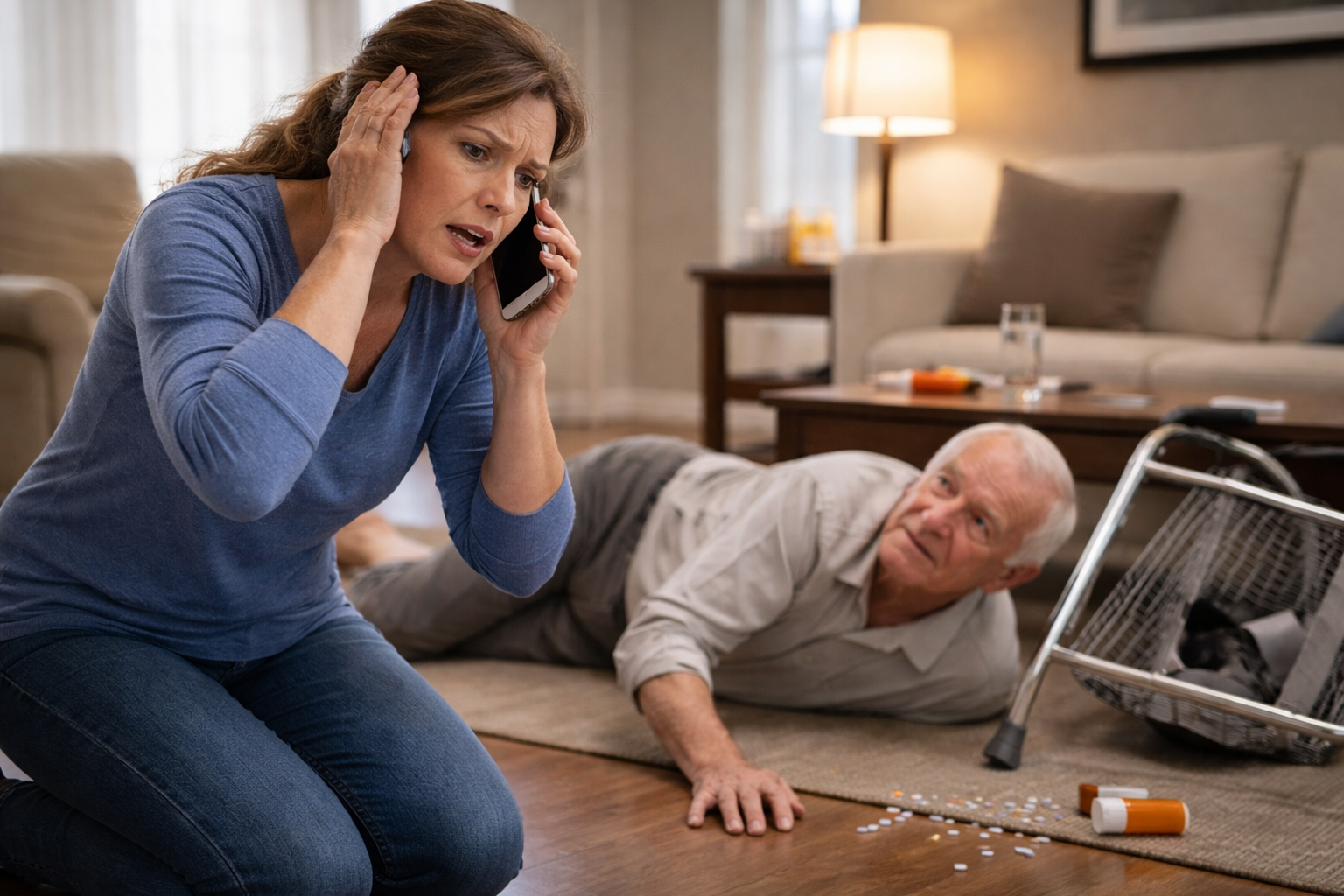
Today’s caregiver is functioning as an untrained care manager, nurse extender, and safety monitor—often without support.
They are expected to perform clinical-level tasks, including:
- Managing medications
- Monitoring for infection
- Preventing falls
- Using oxygen or feeding equipment
- Coordinating follow-up care
Most receive little to no training.
This is why family caregiver responsibilities have dramatically expanded—and why burnout is accelerating.
The Hidden Cost: Caregiver Burden in 2026
Unsafe discharge doesn’t just affect the patient—it puts the caregiver at risk of physical injury, emotional collapse, and long-term health decline.
The emotional and physical toll is enormous.
Caregivers often experience:
- Chronic stress
- Sleep deprivation
- Financial strain
- Health decline
This growing caregiver burden in 2026 is not sustainable—and it is one of the most overlooked public health issues today.
Your Rights: Medicare Discharge Appeal Include
Many families do not realize:
You have the right to challenge a hospital discharge if you believe it is unsafe.
This is called a:
👉 This process can:
- Delay discharge
- Trigger a formal review
- Give you time to prepare
👉 Learn exactly how to file an appeal step-by-step:
Medicare Discharge Appeal: How to Stop an Unsafe Hospital Discharge
You must:
- Request it before leaving the hospital
- Contact the Quality Improvement Organization (QIO)
Once filed:
- The discharge is paused
- The case is reviewed
- The hospital must justify the decision
Even if denied, this process often buys critical time.
Signs of an Unsafe Hospital Discharge
You should question discharge if:
- The patient cannot safely walk or transfer
- You were not trained on care tasks
- Equipment is not arranged
- Medications are unclear
- Follow-up care is not scheduled
- You feel unprepared
👉 Trust your instincts. They are often right.
What Caregivers Should Ask Before Discharge
Do not leave the hospital without answers to:
- What care will be required at home?
- Can I get hands-on training?
- What complications should I watch for?
- Who do I call with problems?
- What services are being arranged?
This is where many unsafe discharges could be prevented—but often aren’t.
How to Protect Yourself and Your Loved One
You cannot control the system—but you can prepare.
Essential Steps:
- Organize medical information
- Build a caregiving support team
- Set realistic caregiver boundaries
- Prepare emergency documents
- Understand your Medicare rights
Preparation turns crisis into control.
The Bigger Problem: A System Shift Onto Families
This is not just a personal issue—it is systemic.
The U.S. healthcare system is increasingly relying on unpaid caregivers to:
- Replace skilled care
- Fill workforce gaps
- Absorb financial pressure
Without support, families are being pushed beyond their limits.
Policy Changes That Must Happen
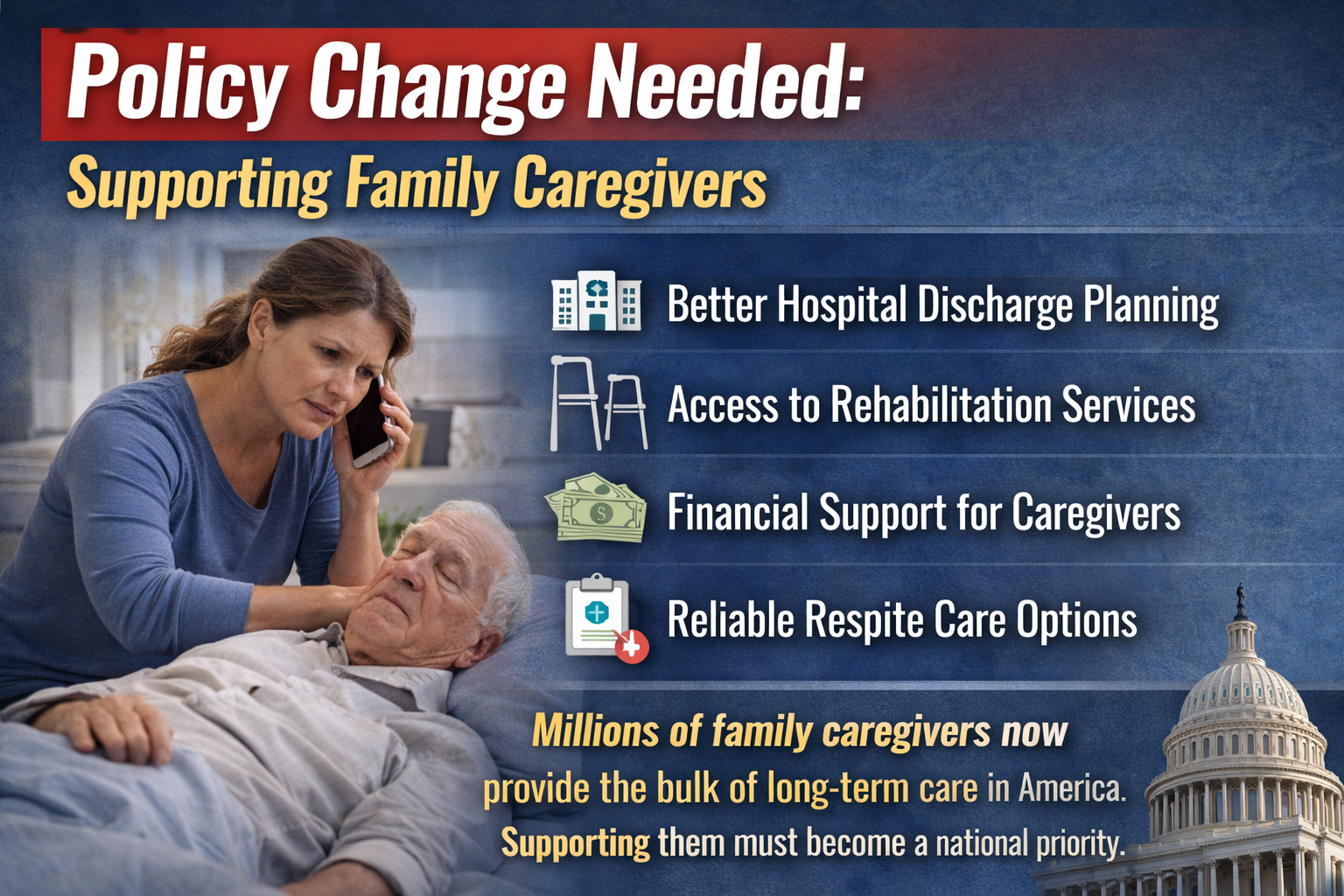
To fix this crisis, we need:
1. Safe Discharge Planning Requirements
Caregivers must be:
- Included
- Trained
- Prepared
2. Expanded Rehabilitation Access
More access to:
- Physical therapy
- Skilled nursing
- Post-acute care
3. Financial Support for Caregivers
Caregivers should not:
- Lose income
- Sacrifice financial stability
4. Respite Care Expansion
Caregivers need:
- Breaks
- Backup support
- Mental health protection
The Bottom Line
Family caregivers are now the backbone of long-term care.
But they are being asked to do more than ever—with less support.
Unsafe hospital discharge is not just inconvenient.
It is a patient safety issue.
And it is one of the biggest drivers of caregiver burnout today.
Frequently Asked Questions
What is an unsafe hospital discharge?
An unsafe hospital discharge occurs when a patient is sent home without adequate support, training, or care planning in place.
Can I file a Medicare discharge appeal?
Yes. A Medicare discharge appeal must be filed before leaving the hospital through the QIO.
Why are discharges happening so quickly?
Due to Medicare payment changes and Medicare Advantage problems, hospitals are incentivized to reduce length of stay.
What are family caregivers expected to do?
Today’s caregivers often manage medications, mobility, wound care, and medical monitoring—tasks once handled by professionals.
How can I prepare before a crisis?
Use structured planning tools like the Caregiver Balance Guide to organize care, set boundaries, and reduce risk.
You Should Not Have to Do This Alone
If you are facing an unsafe discharge, you are not overreacting—and you are not alone.
The system is asking family caregivers to do more than ever before, often without the training or support needed to do it safely.
👉 You deserve guidance, clarity, and a plan.
Work with a caregiver expert to:
- Navigate discharge decisions
- Advocate effectively with hospital staff
- Protect your health and limits
- Build a safe plan for what comes next
👉 Schedule Your Caregiver Coaching Session Now
👉 Get the Tools to Protect Yourself
Access the Caregiver Balance Guide to:
- Plan ahead
- Reduce caregiver burden
- Protect your health and finances
- Navigate complex care decisions
Helpful Resources for Family Caregivers
If you are caring for an aging parent, spouse, or loved one, preparation can make a tremendous difference in preventing caregiver burnout.
The following resources can help you plan ahead and protect your own health while caring for someone you love.
Caregiver Balance Guide Resources
Download caregiving planning tools, checklists, and worksheets designed to help families organize care and prepare for emergencies.
👉 Visit the Caregiver Balance Guide Resources Page
Before You Say Yes to Becoming a Family Caregiver
Many people agree to caregiving without fully understanding the responsibilities that may arise. This guide helps families think through the realities of caregiving before making long-term commitments.
👉 Read: Before You Say Yes to Becoming a Family Caregiver
Caregiver Burden Self-Assessment
Caregiver stress often develops slowly. This assessment helps caregivers recognize early warning signs of burnout and emotional exhaustion.
👉 Take the Caregiver Burden Self-Assessment
Family Meeting Planning Guide
Caregiving works best when families communicate openly and share responsibilities. This worksheet helps families prepare for productive caregiving discussions.
👉 Download the Family Meeting Planning Guide
You can find additional caregiving education, planning tools, and expert guidance at CaregiverRelief.com.
If you feel unprepared or overwhelmed, don’t wait.
👉 Get immediate support:
Caregiver Burnout Help
👉 Or work with a professional:
Caregiver Coaching Support
Related Guides for Caregivers Facing Unsafe Discharge
If you are dealing with a hospital discharge right now, these step-by-step guides will help you take action:
- How to Stop a Hospital Discharge (Medicare Appeal Guide)
- What Happens If You Refuse a Hospital Discharge
- Observation vs Inpatient: Why It Matters for Rehab
- Hospital Discharge Checklist
- Who Is Responsible After Hospital Discharge
- Unsafe Hospital Discharge: How to Get the Right Medical Equipment and Avoid Costly Mistakes
- Unsafe Hospital Discharges in 2026: How Medicare Advantage Is Shifting Care to Family Caregivers
- Medicare Discharge Appeal : How to Stop an Unsafe Discharge
- Medicare Denials After Hospital Discharge: Why Delayed Care Turns Dangerous for Seniors
- Who Is Responsible After a Hospital Discharge:What Family Caregivers Need to Know
- How to Appeal a Skilled Nursing Facility Discharge
- Observation vs Inpatient: Why It Matters for Rehab
- Hospital Discharge Checklist
- Can a Nursing Home Kick You Out?