How to Recover from Caregiver Burnout (Step-by-Step)
Feeling overwhelmed by caregiving? Learn step-by-step how to recover from caregiver burnout, reduce stress, and create a sustainable care plan.

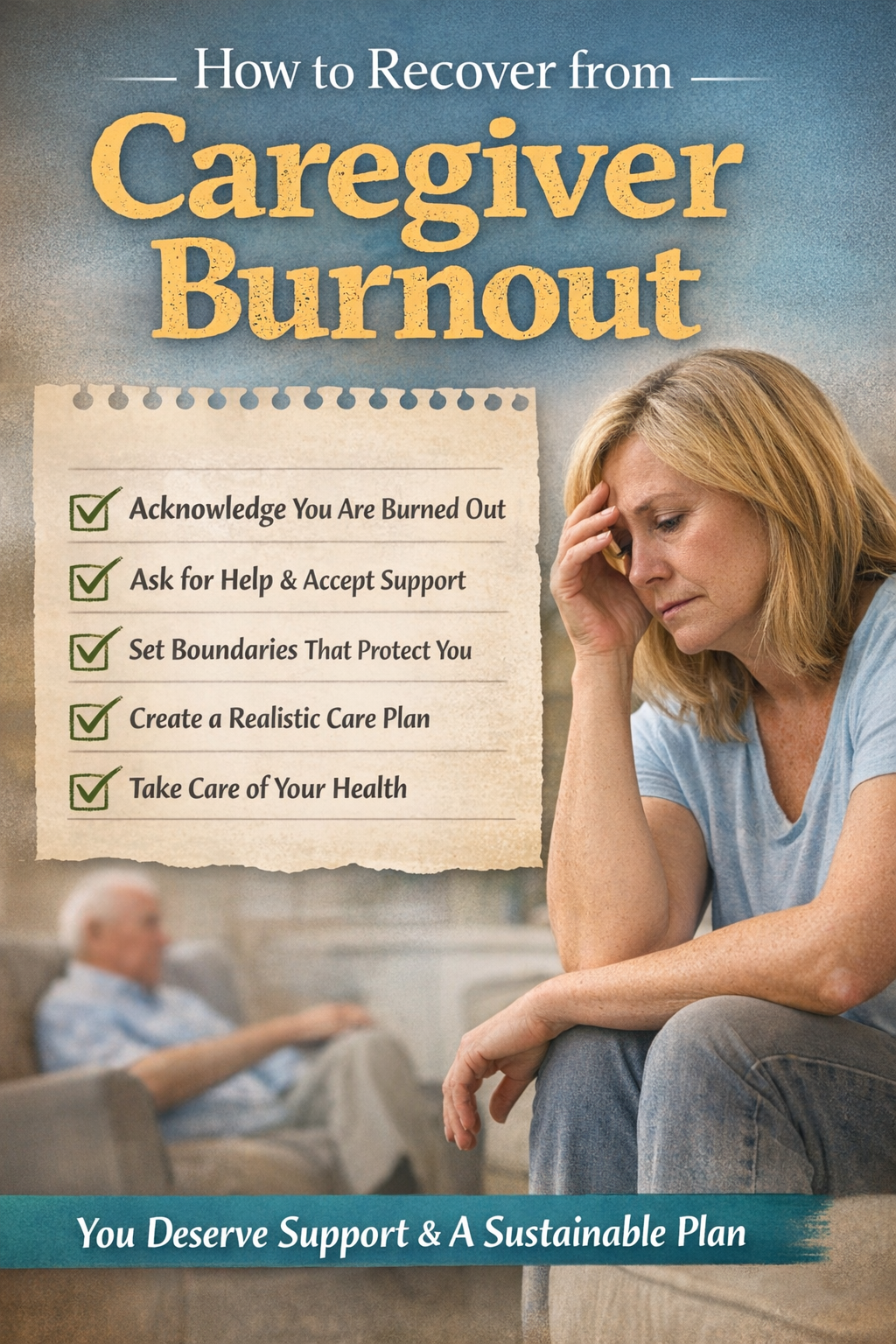
Recovering from caregiver burnout is possible—but it does not happen by pushing through exhaustion. It requires stepping back, reassessing your situation, and making intentional changes to protect your health and well-being.
First, Understand This
If you are burned out, it is not because you are failing.
👉 It is because you have been doing too much, for too long, without enough support.
Burnout is not fixed with “self-care” alone.
👉 It requires real changes in how care is structured
Step 1: Acknowledge That You Are Burned Out
Many caregivers minimize what they are feeling.
You may tell yourself:
- “I just need to push through”
- “Things will get better”
- “I don’t have a choice”
👉 But ignoring burnout allows it to worsen.
Recognizing it is the first step toward recovery.
👉 If you are unsure, review
10 Early Warning Signs of Caregiver Burnout
Step 2: Stop Doing Everything Alone
Burnout thrives in isolation.
Recovery begins when you:
- Ask for help
- Accept help
- Stop trying to manage everything yourself
👉 Even small support can make a difference.
Step 3: Identify What Is Causing the Burnout
Ask yourself:
- What is overwhelming me the most?
- What tasks are unsustainable?
- What is creating the most stress?
Common causes include:
- Unsafe discharge situations
- Lack of family support
- Financial pressure
- Increasing care needs
👉 Learn more in
Unsafe Hospital Discharge: What Family Caregivers Must Know
Step 4: Set Boundaries (Even If It Feels Uncomfortable)
This is one of the hardest—but most important—steps.
Boundaries may include:
- Saying no
- Limiting what you can do
- Asking others to contribute
- Adjusting expectations
👉 Boundaries protect both you and your loved one.
Implementing a Family Caregiver Agreement helps you set boundaries and give everyone involved realistic expectations.
Step 5: Address Financial Stress
Financial strain is a major contributor to burnout.
You may be:
- Working less
- Paying out of pocket
- Providing unpaid care
👉 Understanding your options matters.
Start with:
Does Medicare Pay Family Caregivers?
Step 6: Create a Sustainable Care Plan
Caregiving cannot continue long-term without structure.
A sustainable plan includes:
- Defined roles
- Shared responsibilities
- Outside support when needed
- Clear expectations
👉 Without a plan, burnout will return.
Learn about creating a Caregiver Relief team
Step 7: Put Structure in Place
Structure reduces stress and confusion.
This may include:
- A caregiver agreement
- A care schedule
- Defined responsibilities
👉 Learn how to create structure in
How to Create a Family Caregiver Agreement
Step 8: Take Care of Your Health (Without Guilt)
Recovery requires attention to your own health.
This includes:
- Sleep
- Nutrition
- Medical care
- Emotional support
👉 This is not selfish—it is necessary.
Step 9: Address Guilt Directly
Guilt is one of the biggest barriers to recovery.
You may feel:
- Guilty for needing help
- Guilty for setting limits
- Guilty for feeling overwhelmed
👉 These feelings are common—but they should not control your decisions.
👉 Learn more in
Caregiver Burnout and Guilt: Why You Feel This Way
Step 10: Reevaluate What Is Realistic
Sometimes the current situation is not sustainable.
You may need to:
- Adjust the level of care
- Bring in additional support
- Consider different care options
👉 In some cases, stepping back is necessary
👉 Learn how in
When to Walk Away from Caregiving (And How to Do It Safely)
The Caregiver Balance Guide Connection
This page is one pillar of the Caregiver Balance Guide — a structured framework designed to help caregivers care for others without losing themselves.
Recovery from burnout is not just about rest—it’s about creating a system that supports you.
The Caregiver Balance Guide helps you:
- Set boundaries
- Build a Caregiver Relief Team
- Navigate care decisions
- Protect your health, time, and finances
👉 Explore the full system: Caregiver Balance Guide
🤝 Get the Support You Actually Need
Burnout recovery is not something you should have to figure out alone.
👉 Start here: Caregiver Guidance & Support
This pillar provides:
- Real-world caregiver strategies
- Support navigating difficult situations
- Tools to reduce overwhelm
- Guidance to create a sustainable plan
You Cannot Go Back to “Just Pushing Through”
If you return to the same situation without changes:
👉 Burnout will return.
Recovery requires:
- Support
- Structure
- Boundaries
- Planning
You Deserve Support—and a Plan That Works
If you are overwhelmed and unsure how to move forward:
Caregiver coaching can help you:
- Understand what is happening
- Create a realistic care plan
- Set boundaries without guilt
- Build a sustainable path forward
👉 Schedule Your Caregiver Coaching Session Now
❓ Frequently Asked Questions
How long does it take to recover from caregiver burnout?
It depends on the situation, but recovery begins as soon as changes are made.
Can burnout go away on its own?
No—without changes, it usually worsens.
What is the first step to recovery?
Recognizing and acknowledging burnout.
Do I need to stop caregiving completely?
Not always—but changes are necessary to make it sustainable.
- 10 Early Warning Signs of Caregiver Burnout
- Caregiver Burnout: Signs, Symptoms, and How to Recover
- Caregiver Burnout and Guilt: Why You Feel This Way
- When to Walk Away from Caregiving (And How to Do It Safely)
- Unsafe Hospital Discharge: What Family Caregivers Must Know
- Does Medicare Pay Family Caregivers?
- Family Caregiver Guide: How to Recognize and Stop Family Taking Advantage of You
- Stress Buster Course
Explore the Caregiver Balance Framework
Each section of the Caregiver Balance Framework provides practical tools to help family caregivers organize care, prevent burnout, and build reliable support.
• Caregiver Boundaries & Support Plan
• Family Caregiver Agreement
• Caregiver Relief Team
• Caregiver Guidance & Support
• My Vital Vault