Caregiver Burnout vs Depression: How to Tell the Difference
Is it burnout or depression? Learn how to tell the difference, recognize the warning signs, and get the support you need as a caregiver.

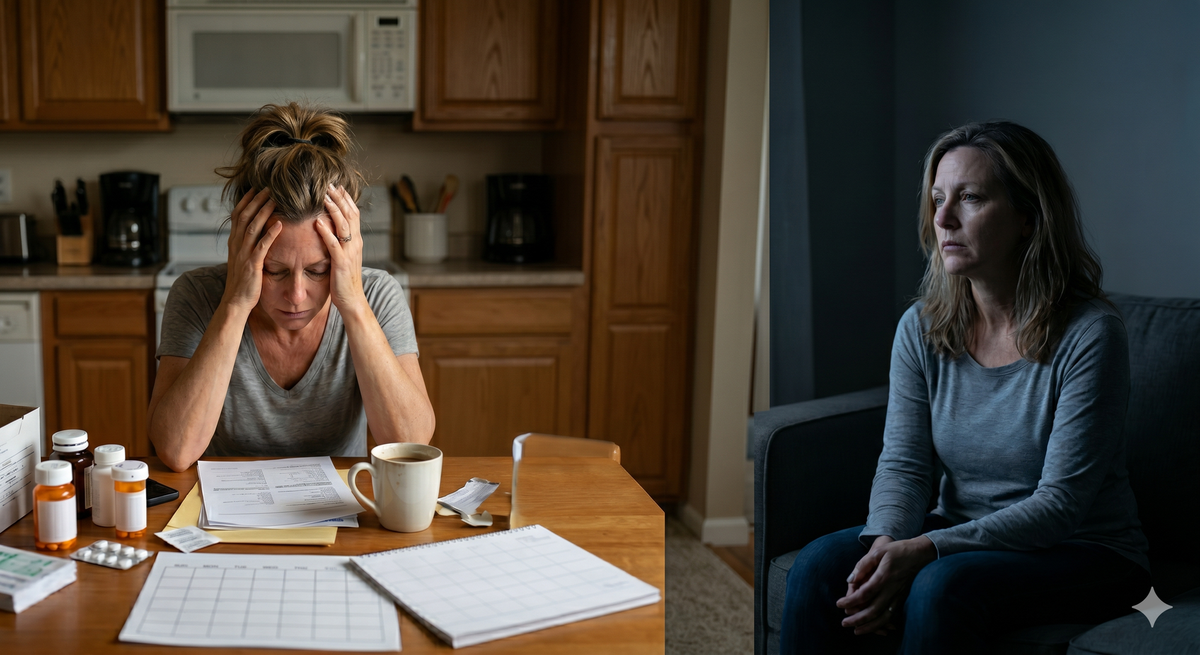
When Caregiving Becomes More Than Just Stress
Caregiving is demanding.
But sometimes, what you’re feeling goes beyond normal stress.
You may feel:
- Exhausted all the time
- Emotionally drained
- Overwhelmed or hopeless
👉 And you may start to wonder:
Is this caregiver burnout—or something more serious like depression?
Many caregivers search for this because the symptoms can feel very similar—but understanding the difference is critical.
What Is Caregiver Burnout?
Caregiver burnout is a state of physical, emotional, and mental exhaustion caused by prolonged caregiving stress.
It often develops gradually over time.
Common Signs of Caregiver Burnout
- Constant fatigue
- Irritability or frustration
- Feeling overwhelmed
- Difficulty sleeping
- Neglecting your own needs
- Feeling resentful or trapped
👉 Learn more:
10 Early Warning Signs of Caregiver Burnout
What Is Depression?
Depression is a medical condition that affects how you feel, think, and function.
It is not just stress—it is a deeper and more persistent condition that impacts all areas of life.
Common Signs of Depression
- Persistent sadness or emptiness
- Loss of interest in activities
- Changes in appetite or weight
- Sleep disturbances
- Difficulty concentrating
- Feelings of hopelessness or worthlessness
Key Differences: Burnout vs Depression
| Caregiver Burnout | Depression |
|---|---|
| Linked to caregiving stress | May occur without a clear cause |
| Improves with rest or support | Persists even with rest |
| Frustration and exhaustion | Deep sadness and hopelessness |
| Situation-specific | Affects all areas of life |
👉 Burnout is often situational
👉 Depression is more persistent and pervasive
Why Caregivers Are at Higher Risk
Caregivers often:
- Put others first
- Ignore their own needs
- Experience chronic stress
- Feel isolated
👉 Over time, burnout can lead to depression if it is not addressed.
Warning Signs You Should Not Ignore
Pay attention if you experience:
- Ongoing hopelessness
- Loss of motivation
- Withdrawal from others
- Thoughts of giving up
👉 These may indicate depression—not just burnout.
What You Can Do Right Now
1. Acknowledge What You’re Feeling
You are not weak.
👉 You are overwhelmed.
2. Take Small Steps Toward Self-Care
- Rest when possible
- Ask for help
- Take breaks
3. Talk to Someone
- A trusted friend
- A healthcare provider
- A counselor
4. Build Support Around You
You should not be doing this alone.
👉 Learn how to build support:
How to Build a Caregiver Support Team
When to Seek Professional Help
Seek help if:
- Symptoms persist
- Daily functioning is affected
- You feel hopeless or stuck
👉 Depression is treatable—and support is available.
Why This Matters
Ignoring burnout or depression can lead to:
- Declining health
- Poor decision-making
- Increased stress
👉 Taking care of yourself is not optional—it is essential to caregiving.
Common Mistakes Caregivers Make
- Ignoring their own needs
- Waiting too long to ask for help
- Assuming exhaustion is “normal”
- Trying to do everything alone
👉 These can worsen both burnout and depression.
What You Should Do Next
Step 1:
Recognize your symptoms
Step 2:
Take them seriously
Step 3:
Reach out for support
When to Seek Professional Help
Seek help if:
- Symptoms persist
- Daily functioning is affected
- You feel hopeless or stuck
👉 Depression is treatable—and support is available.
Why This Matters
Ignoring burnout or depression can lead to:
- Declining health
- Poor decision-making
- Increased stress
👉 Taking care of yourself is essential to caregiving.
Frequently Asked Questions
Can burnout turn into depression?
Yes. Prolonged burnout can lead to depression.
How do I know if I need help?
If symptoms persist or affect daily life, seek professional support.
Is it normal to feel this way?
Yes—but that doesn’t mean you should ignore it.
Final Thought
Caregiving is one of the most demanding roles a person can take on.
But you are not meant to carry it alone.
👉 Your health matters
👉 Your well-being matters
👉 You matter
👉 If you are struggling:
👉 Build a structured caregiving plan: