
Medicare Denials After Hospital Discharge: Why Delayed Care Turns Dangerous for Seniors
Medicare denials after hospital discharge can lead to unsafe conditions, delayed care, and serious health risks. Learn how to recognize the warning signs, protect your loved one, and take action before a preventable crisis occurs.

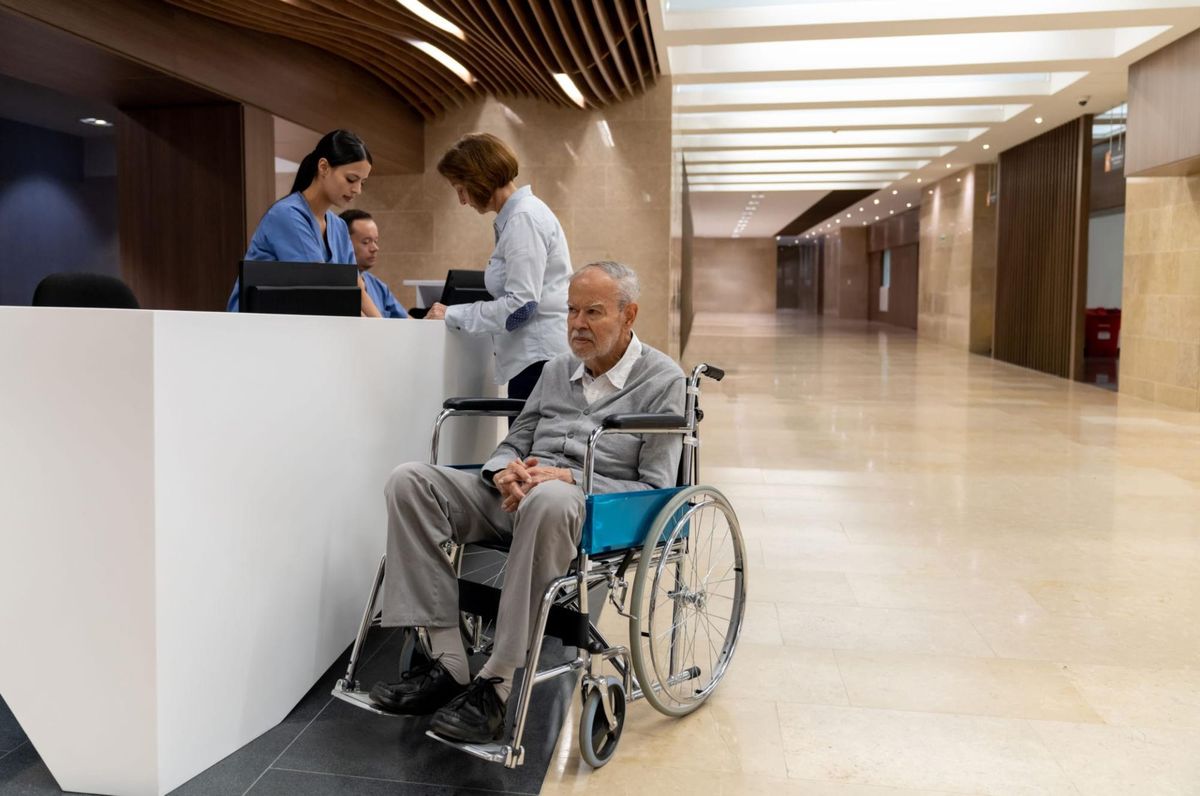
Medicare denials after hospital discharge can delay critical care, leading to unsafe discharges, worsening health conditions, and preventable medical crises for seniors.
ou finally get your loved one through a hospital stay—only to be told they’re being discharged.
But something doesn’t feel right.
They’re weaker than before.
They can’t walk safely.
They’re confused.
And now, Medicare is denying the very services they need to recover.
This is where many caregivers find themselves trapped—between a hospital pushing discharge and an insurance system denying care.
And the consequences can be devastating.
The Hidden Link Between Medicare Denials and Unsafe Discharge
An unsafe discharge doesn’t always look dramatic.
Sometimes it looks like:
- A senior sent home without enough support
- A denied rehab stay
- Home health services cut too early
- Equipment not approved in time
These are not small issues.
They are decision points that determine whether someone recovers—or declines.
When Medicare denies care after discharge, it creates a dangerous gap:
- The hospital is done
- The care plan isn’t funded
- The caregiver is left to fill the gap
This is how unsafe discharges happen.
This is part of a larger crisis families are facing every day. Read more here: Unsafe Hospital Discharge Crisis: Why Families Are Being Forced to Provide Medical Care at Home.
Why Medicare Denials Lead to Medical Crisis
1. Delayed Care Turns Manageable Conditions Into Emergencies
A denied physical therapy plan may not seem urgent—until a fall happens.
A denied diagnostic test may not seem critical—until symptoms worsen and require emergency care.
What could have been managed early becomes:
- A hospital readmission
- A long-term disability
- A life-threatening event
If you are already at the point of discharge conflict, this guide can help: What Happens If You Refuse a Hospital Discharge? A Caregiver’s Guide.
2. Caregivers Are Forced Into Medical Roles They’re Not Trained For
When services are denied, caregivers are expected to:
- Manage medications
- Assist with mobility
- Monitor for complications
- Provide hands-on care
Without training, without support, and often without warning.
This is not just stressful—it’s unsafe.
3. Seniors Decline Faster Without Proper Support
Recovery after hospitalization is fragile.
Without the right support:
- Muscles weaken quickly
- Cognitive confusion worsens
- Chronic conditions spiral
What should have been a recovery period becomes a decline.
The Real Cost of Denied Care
Medicare may deny:
- A short rehab stay
- Home health visits
- Durable medical equipment
- Follow-up therapies
But the long-term cost is far greater:
- Falls and injuries
- Hospital readmissions
- Permanent disability
- Increased need for long-term care
And often—these outcomes could have been prevented.
Before leaving the hospital, caregivers should also use this resource: How to Stop a Hospital Discharge
Why This Happens: The System Problem
Medicare decisions are often based on:
- Strict coverage criteria
- Documentation requirements
- Short-term cost control
But they do not always reflect:
- Real-life recovery timelines
- Caregiver capacity
- Safety at home
This creates a dangerous disconnect between what is approved and what is actually needed.
And when that gap grows too large, families are forced to fight back fast. That is why understanding the appeal process matters: Medicare Discharge Appeal: How to Stop an Unsafe Hospital Discharge (Step-by-Step Guide).
What Caregivers Can Do Right Now
If you’re facing a Medicare denial after discharge, you are not powerless.
1. Appeal the Decision Immediately
You have the right to appeal Medicare denials—often within very short timeframes.
Read: Medicare Discharge Appeal: How to Stop an Unsafe Hospital Discharge (Step-by-Step Guide)
2. Speak Up Before Discharge Happens
Ask:
- “Is this a safe discharge?”
- “What services were requested and denied?”
- “What are the risks if we go home without this care?”
Do not assume the system is looking out for you—it often isn’t.
3. Refuse an Unsafe Discharge if Necessary
If the situation is unsafe, you can push back.
Read: What Happens If You Refuse a Hospital Discharge? A Caregiver’s Guide
4. Use a Discharge Checklist
Preparation is everything.
Read: Hospital Discharge Checklist for Caregivers (Printable)
5. Understand the Bigger Pattern
Many families are being discharged into impossible situations without the care they were told would be in place.
Read: Unsafe Hospital Discharge Crisis: Why Families Are Being Forced to Provide Medical Care at Home
6. Prepare for Emergencies Before They Happen
When care is denied, you need to be ready.
This includes having:
- Medication lists
- Medical history
- Emergency contacts
- Legal documents
All in one place—when seconds matter.
Why Preparation Matters More Than Ever
When Medicare denies care, the system shifts the burden to you.
That’s the reality caregivers are facing every day.
And when something goes wrong, decisions have to be made quickly—often in the middle of a crisis.
This is why having a structured system in place is not optional.
It’s protection.
FAQ: Medicare Denials After Hospital Discharge
Can Medicare deny care after a hospital discharge?
Yes. Medicare can deny coverage for services like rehab, home health, or equipment if they determine it is not medically necessary based on their criteria.
What should I do if Medicare denies care after discharge?
You should file an appeal immediately. Timing is critical. This guide explains the process: Medicare Discharge Appeal: How to Stop an Unsafe Hospital Discharge (Step-by-Step Guide).
Can I refuse a hospital discharge if care is denied?
Yes. If the discharge is unsafe, you can challenge it and request a review. Read: What Happens If You Refuse a Hospital Discharge? A Caregiver’s Guide.
Why does Medicare deny needed care?
Denials are often based on strict guidelines, documentation issues, or cost controls—not always on the patient’s real-world condition or caregiver ability.
What are the risks of delayed care after discharge?
Delayed care can lead to falls, complications, hospital readmissions, permanent disability, and even life-threatening emergencies.
How can I prepare before my loved one comes home?
Start with a discharge plan and checklist: Hospital Discharge Checklist for Caregivers (Printable).
Final Thoughts: This Is Not Just a Coverage Issue—It’s a Safety Issue
Medicare denials after hospital discharge are not just about paperwork or policy.
They are about:
- Safety
- Recovery
- Quality of life
- And sometimes—survival
An unsafe discharge combined with denied care creates a perfect storm.
And too often, caregivers are left to navigate it alone.
If you are seeing these patterns, you are not imagining it. This larger issue is affecting families everywhere: Unsafe Hospital Discharge Crisis: Why Families Are Being Forced to Provide Medical Care at Home.
If you are caring for someone after a hospital stay, do not wait for a crisis to get organized.
My Vital Vault was created to help caregivers prepare for exactly these moments—when decisions must be made quickly, and critical information can’t be missing.
Get prepared before the next emergency happens.
Because caregiving should not cost you your health.
Explore the Caregiver Balance Framework
Each section of the Caregiver Balance Framework provides practical tools to help family caregivers organize care, prevent burnout, and build reliable support.
• Caregiver Boundaries & Support Plan
• Family Caregiver Agreement
• Caregiver Relief Team
• Caregiver Guidance & Support
• My Vital Vault