What Happens If You Refuse a Hospital Discharge? A Caregiver’s Guide
Can you refuse a hospital discharge? Learn what happens, your rights, and how caregivers can protect loved ones from unsafe discharge.


Can You Refuse a Hospital Discharge?
Many caregivers search for what happens if you refuse a hospital discharge because they are being asked to take a loved one home before they feel it is safe.
The short answer:
👉 Yes, you can refuse—but it does not guarantee the hospital will keep the patient.
What Happens When You Refuse Discharge
If you refuse a hospital discharge, several things may happen:
1. The Hospital May Still Proceed with Discharge
Hospitals can discharge a patient if they determine:
- The patient is medically stable
- Acute hospital care is no longer required
👉 Even if you believe your loved one is not ready.
2. Insurance May Stop Paying
Once discharge is ordered:
👉 Medicare or insurance may no longer cover the hospital stay
This means:
- You may be responsible for additional days
- Costs can become out-of-pocket quickly
3. Patient Status May Change
Hospitals may change the patient’s status to:
- Observation
- Outpatient
👉 This can directly affect coverage for rehabilitation and follow-up care.
👉 Learn more:
Medicare Observation Status vs Inpatient Admission
4. Refusing Is NOT the Same as Appealing
This is where many caregivers make a critical mistake.
👉 Simply refusing discharge does not stop it
👉 You must formally appeal the discharge.
👉 Learn how to do this:
Medicare Discharge Appeal: How to Stop an Unsafe Hospital Discharge
Why Hospitals Push for Discharge
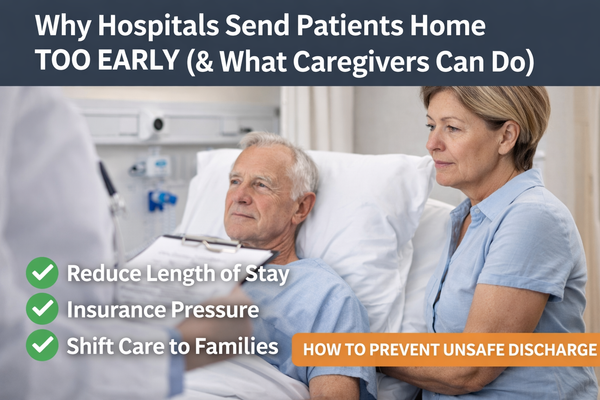
Hospitals are under pressure to:
- Reduce length of stay
- Avoid penalties for extended admissions
- Free up beds
👉 This can result in patients being discharged sooner than families expect.
👉 Read more:
Unsafe Hospital Discharge Crisis
What Caregivers Should Do Instead of Just Refusing
✅ 1. Ask Specific Questions
Before agreeing to discharge, ask:
- Why is discharge being recommended now?
- What criteria were used?
- What risks exist if we go home today?
✅ 2. Request a Safe Discharge Plan
You should receive:
- Medication instructions
- Equipment arrangements
- Home care or therapy plans
- Follow-up appointments
👉 If these are missing, the discharge may not be safe.
✅ 3. File an Immediate Appeal (CRITICAL)
If you believe the discharge is unsafe:
👉 Request an appeal immediately
This can:
- Delay discharge temporarily
- Trigger an independent review
✅ 4. Document Everything
Keep track of:
- Conversations
- Instructions
- Names of providers
👉 Documentation protects you.
I suggest that you record conversations. Of course, you must ask that it is OK. Recording conversations will help you to re listen and digest the information. It is also a way for other family members and care team partners to also listen.
Warning Signs of an Unsafe Discharge
- You feel unprepared to provide care
- No clear instructions are given
- No equipment is arranged
- No follow-up care is scheduled
👉 These are serious red flags.
The Reality Caregivers Face
Many caregivers are:
- Expected to perform medical tasks
- Given little or no training
- Responsible for complex care at home
👉 This is why preparation is critical.
👉 Learn what to do next:
What to Do After a Hospital Discharge
Common Mistakes Caregivers Make
- Refusing discharge without appealing
- Not asking enough questions
- Leaving without clear instructions
- Assuming the hospital will manage everything
👉 These can lead to unsafe situations.
What You Should Do Now
Step 1:
Ask questions
Step 2:
Request a clear plan
Step 3:
File an appeal if needed
Step 4:
Prepare the home environment
👉 If you need guidance:
Frequently Asked Questions
Can I legally refuse a hospital discharge?
You can refuse—but hospitals may still proceed unless you file an appeal.
Will Medicare continue to pay?
Not necessarily. Coverage may stop after discharge is ordered.
What is the safest step to take?
File a discharge appeal immediately.
Final Thought
Refusing a hospital discharge is not a solution—it is a signal.
👉 You need more information
👉 You need more support
👉 You need a safe plan
👉 If caregiving is overwhelming:
👉 Build a structured caregiving plan: