The Right to Music: How a Playlist Can Change a Life with Dan Cohen, Founder - Episode 102
In this deeply moving episode, host Diane Carbo sits down with Dan Cohen, the visionary founder of Right to Music and Memory, to explore a truth that is often overlooked: music is not just background noise—it's a human right that can fundamentally transform lives.
Dan's story, which began with a transistor radio tucked under his pillow, evolved into a global movement to bring personalized music to those who need it most: individuals living with dementia, isolation, or in long-term care facilities. This isn't about generic tunes; it's about reconnecting people with their own personal soundtrack. Dan explains how, in 2006, he realized that while iPods were everywhere, they were completely absent from the lives of nursing home residents. This observation sparked a mission to bridge that "digital divide" and give a voice back to those who society had often forgotten.
Why Music is More Than a Melody 🎵
- A Powerful, Non-Pharmacological Tool 💊: As Dan and Diane discuss, our healthcare system is often quick to prescribe pills for behavioral issues. However, music offers a powerful, side-effect-free alternative. Research highlighted in the episode shows that personalized music can reduce depression by a staggering 48% and improve sleep quality by 30%. It's a tool that can reduce neuropsychiatric symptoms by 22% and has been shown to be more effective and humane than antipsychotics in many cases.
- The Science of Memory and Joy ❤️🩹: Dan shares a compelling finding from a Deloitte report, supported by AARP, which found that for every dollar invested in music engagement, there's a $2.40 return in savings. This is because music has the power to bring joy, reduce violent behavior to zero in some cases, and even help people remember how to swallow, reducing choking incidents. Music stimulates a person's physical memory, allowing even famous musicians with dementia, like Glen Campbell, to perform when a favorite instrument is in their hands.
- Transforming the Caregiving Experience ✨: For family caregivers, the stress can feel overwhelming. Dan reveals that music engagement can reduce caregiver stress by as much as 25%. It provides a valuable tool that can calm a loved one, giving the caregiver a much-needed moment of respite. It can even transform the dynamic between a caregiver and a loved one, shifting it from one of stress to one of shared joy and connection.
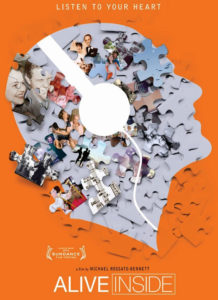
- A Sense of Self and Dignity 🤗: The episode shares stories that will move you to your core, like the famous Henry video from the documentary Alive Inside. Henry, a man who was withdrawn and mostly head-down in his nursing home, was instantly reanimated when he heard his favorite Cab Calloway songs. His eyes opened, he started singing, and for the first time in years, he was able to tell stories from his past. This viral video, with over 50 million views, offers a message of profound hope: people with dementia are still "alive inside".

A Call to Action 📣
Dan emphasizes that while institutional change is slow, individuals have the power to make a difference. He encourages listeners to become "deputized" advocates. You can:
- Advocate for Personalized Music: If you have a loved one in a facility, demand a personalized music program. Remind them that a nursing home is a residence, a home, and their needs should be accommodated.
- Educate Others: Share stories, research, and the documentary Alive Inside to help others understand the transformative power of music. The film is a powerful tool to break down the perception that dementia means no hope.
- Start Your Own Program: Find out what your loved one loves, whether through conversation, family stories, or by guessing songs from their youth, particularly from ages 10 to 15, a key period for musical memory. Programs like the Dementia Alliance of North Carolina offer support in creating personalized playlists.

Dan’s work is a testament to the fact that while a cure for dementia may still be a long way off, we can improve the quality of life for those living with it today. As he puts it, music is "a moral imperative" that everyone should have access to.
Don't let this powerful message end here. Share this episode with a friend or family member who could benefit, and let's spread the word that music can change a life.
Podcast Episode Transcript
Diane: Welcome to the Caregiver Relief podcast. Where we support family caregivers, navigate the challenges of aging, dementia, and caregiving with compassion and clarity. I'm your host, Diane Carbo,
Diane: and in today's powerful episode, I'm joined by Dan Cohen, the visionary founder of Right to Music and Memory.
Dan's story begins with a transistor radio under his pillow and evolves into a global campaign to bring personalized music to the most vulnerable among us, those living with dementia in isolation, or in nursing homes. You'll hear how music has the power to reduce behavioral issues, uplift, spirits, and even rekindle lost memories.
Dan's work reminds us that music is. More than just background noise. It's a tool for healing and a human right. So whether you're a caregiver, healthcare provider, or simply someone who understands the magic of a favorite song, this episode is for you. Let's dive in. Dan, thanks for joining me today and I've been a huge fan of yours for decades.
in fact, you're the one that made me aware of the power of music.
Dan: Awesome. thank you for having me, Diane. And I'm thrilled to have an opportunity to talk about this because the use of music for people who have cognitive decline and is, really underappreciated and underutilized. it certainly by families and by the healthcare system, right?
We're all about,the pills first, right? The pills. The pills, and when it comes to behavior and how we, and thinking and psych stuff. we don't really have a lot of. wonderful for dementia, there is no cure, right? And,and the cure is many years off. even though for the last 15 years it's been around the corner, it's around the corner. in the meantime, people go through their lives, get the disease, and many years later, whatever pass away, and all of that didn't help them. So what can we do today? to improve their lives. And we're also working against societal attitudes towards people with dementia. Yes. Oh, no one's home.
It's all over. Even when a neurologist may give 'em a diagnosis, very often it's reported by people who've been through this. they said, yes, you do have, Alzheimer's disease and go get your affairs in order and maybe we'll prescribe a pill for you and, but with other.
Maybe cancers, they're given a binder. Here are all of the things you should know to maximize your quality of life. Here's a support group you could contact and meet. Talk to your peers. Going through the same thing. It's a whole different level of, hope and reality of like you can change things. People aren't dying tomorrow.
They got years to go. and many years, and for many people, many years. And what can we do today to change the trajectory and music, is turning out to be a really important part of that.
Diane: Dan, I've worked in senior behavioral health. I've worked in acute rehab with head injuries and stroke survivors, and people with Parkinson's.
And, one, you're right, the most underutilized, activity that we have that could bring means be so meaningful. It's affordable, it's. Easily accessible and it is. It's just neglected And caregivers out there, or even healthcare professionals don't understand just how powerful a simple song that somebody knows can help them relate to something.
Have that human connectivity for a moment, and I think that's so important.
Dan: that's been one of the outstanding, relatively consistent outcomes is so often people are, inward. They're, when you have this disease even earlier on, when you're still can think about, you're in the present.
You can, you have all of your long-term memories and very much in the present. You're living and you're talking with others and you're thinking about this. It's super anxiety provoking, scary as heck. And, and then o over time, people just o others around them. May, oh, friends don't call. Oh, they have dementia.
Oh, I really can't visit them. I don't know, I'm nervous. What do I do when I'm there? What if they do this, do that? And so as a result, people don't visit. And that facilitates that, that loneliness slide and loneliness and depression even increased. shortening of lifespans is.
Correlated with loneliness and depression and exactly. but because people, some they don't understand often is that, our emotional systems are still very much intact. We are who we are. and the music though will help if they're not communicative. the music may help them just start by singing a song together that they know and love, and then that people become more alert and engaged, may recognize the people in the room.
And that connectivity thing just starts to. Snowball. Now when the music ends or the visit ends, there is some residual effect and that can be five minutes or five hours. Yeah. People say there's a big, study or in New York City, big hospital, 100 people with advanced dementia, and they gave them like 30 to 45 minutes of music in the morning and the same in the afternoon.
And they had that mu 35, 40 minutes. 45 minutes. last the rest of the morning generally, and the same thing for the afternoon. So then you're getting. All day, improve, day quality of life and Exactly. People are happy, more joyful. It's right, and they feel more sense of self and they're not worried about their life and their families and how they feel because they're, totally swept up by the music.
It feels good and it's not just sitting around, in nursing homes in the us, way more than 90% of time of people in nursing homes, especially those with dementia, is spent idle. And Exactly. the Centers for Disease Control did a study and they said that people in nursing homes only have 11 minutes a day of meaningful engagement on average.
And in assisted living it's 20 minutes per day of meaningful engagement. And that's of all kinds, including music. wow, that's Shocking. These are shocking numbers. And of course there's variety. It's a range, it's an average. Some places maybe will are very vibrant and they've embraced music and if that's maybe 5% of, and I'm not just talking about, we have somebody come in once a week or twice a week to perform for an hour.
No, that's not what we're talking about. We're talking about. Understanding what you love and providing it in different ways, not just listening, maybe with headphones, but singing or singing together, or, or dancing, or playing an instrument that you used to, people still have that physical memory and there are lots of stories about famous musicians and such.
They just, they may not,have that. short term memory, but, give them their guitar or the drums or the banjo, whatever it is, and, they're off and running. Glen Campbell, that was a perfect example. He went on tour,even though his dimension just kept going where his family went and they put him on stage and he sung, he played.
but when he got off the stage, he was struggling. If he wasn't,that music just really was critical. Yeah.
Diane: I think, one of the things I wanna point out to my listeners is you really promote personalized music. so what was the moment or realization that you inspired, inspired you to have people bring iPods, that personalized music to people in nursing homes?
Dan: This was in 2006. On the radio. I heard a journalist talking about how iPods were ubiquitous. They were everywhere. I thought,a lot of young people have 'em, a lot of adults, but certainly if you're older, you're in a nursing home, you have dementia, you have no device, nobody's. and so I called up nearby nursing home.
I'm in New York, a large one, a public one. And I said, I know you already have a lot of music. You have karaoke and live music and entertainers come in. But can we see what added value there is to reconnecting people with their music? And so I went in as a volunteer and every couple of weeks I'd set up people with, playlists and I'd get them a, headphones with the music and an iPod and,
people would light up. So it's a light up moment, which would happened time and again for people. Yep. But it would only happen if it was their music. it wasn't mine saying, oh, the family said he likes country music. Oh. And so what? I pull out one of the 10,000 country song, a list of 10, of.
It won't work. Anybody knows that whatever genre they love, we're still very particular and what we wanna, what we will enjoy now, what we feel like listening to now. and, and so there's a big difference between just, oh, knowing the genre or even if, somebody said, oh, my mom loved Elvis.
And so then they went ahead and they made a 100, Elvis has 114 songs that were top 40, right? Billboard. But if you, wow, maybe this person only loved five of his songs and the rest he's never heard. So that's not necessarily a good fit. That could be hard to, oh, I can't listen to this. They take off the phones, they say, it's not working.
it's not working. 'cause we didn't hit that sweet spot. so yes. The more we know about what someone really likes, the more successful we'll be. So people will report, they say, I made them that genre list, and they're reacting. So yes, it's better than nothing and sitting in quiet all day.
so maybe you get that 10 or 20%, change in behavior. But we're missing the a hundred percent. And we don't, with medications, we don't say, here's a medication. take it, three times a day and it will have this impact. And it's the best there is out there. We don't say, you know what, we're gonna give this to you one pill every two weeks.
we don't do that. That's kind of malpractice. Yeah. And so we have this tool that is like medicine and if we, prescribe it and regularly have it every day or twice a day. In different forms. It doesn't have to be just headphones, right? wow. We're going to usually get that, that, outcome.
Sometimes people get tired of the particular song or a different song. Fine, pull 'em off, it's a process. Update it. What else could we get? Let's think about this. let's try that. that kind of thing.
Diane: I was at in a doctor's office the other day. and, I was so surprised because they had, we're all, everybody there had gray hair and there it, there was equipment around and they were playing music from when I was younger.
And I can tell you that everybody was singing along with the music and it was because we all relate to that era and I thought. They're really smart because everybody was happy, everybody was singing along. just being silly. And it was fun because, people were actually looking at each other singing it, it was rock, Classic rock. I just giggled because I thought I was thinking of you Dan and I'm thinking, oh man, he must have contacted these people because, for a special effect on their clients. Now it def definitely wasn't personalized, but it was a genre. That everybody, the gray-haired people in the, office could enjoy and listen to.
So I appreciate that.
Dan: I was at a, New York Mets game last night and I love the way they put these, like before the, pitcher throws the next page maybe to get everybody all riled. They have Five seconds of, a Billy Joel song or Diana Ross Supremes or, and they pick that little segment that right away fires up the audience and they know the words and they all start singing.
It's, but yeah. So yes, there is a, there are. pieces in common and songs in common. Oh yeah. But everybody's playlist is different. You can have two people. It absolutely is from the same part of the country, the same age, the same demographic kind of history. and when I've done this with groups, like in a day program, and I'd set up, let's say 15 people with their music, and,
maybe they'd have 30% overlap, but the rest would be different because their parents come from different countries, or they just had a different, they like, one person's parent liked to take them to, musicals all the time, and, so they had different playlists. ultimately
Diane: I have, a good friend who, raised her boys watching westerns.
Now They're only teenagers now, but she worked in a dentist office and they had this machine and they would put in,old westerns and the songs that would come. Those kids, when they grow, they're teenagers now and they still. Relate to those songs from that era, which is, how do a 13 or 14-year-old boys like that kind of music, because it's from a different era.
But you're absolutely right. That's, and like I told you before, my, one of my clients. Was a boxer. Very poor man. Grew up, and lived in very bad institutional settings all his life. But when he was young, his mom took him to the opera. She snuck him into the opera. And he was a boxer. He had, dementia, developed dementia, but the most calming thing to him was his opera.
And when you say you're right, the nurses would put it on 'cause he was a grumpy growly guy. When he got older, surprise, the best thing they did was before they even started care for him in the morning, they would put his little headset on with opera. And he would sit there and, he was not able to speak all the time, but he would say some words and sing along.
And I'm like, it's not over till the fat lady sings. And he was, it was just impressive. And, they did it twice a day, where before he got up and at night, before he went to bed and during the day if he wanted it, but it really changed his life and gave him a better quality of life for a longer period of time.
Dan: So it's very interesting. So when we talk about grumpiness and just, people who are, let's just say in, who are distressed Yeah. And,within their dementia or might get physical or angry and, what we've, what research has found and what experience, people in the field know that.
Yes. Just like that. If you have, good music, people are not going to be,anywhere near as angry or upset. They're gonna be listening to their music. and people are also not gonna hurt anybody else or hurt themselves 'cause they're listening to music. and that is part of that New York City, hospital system.
Study there, and it was a lot of people, maybe who've been previously homeless or a lot of, maybe a lot of anger in the room. and their violence went to zero. Zero. Wow. and, and also the other thing that happens. So that's one really great thing. at home though, people say, mom,I told you I would keep you home, and take care of you.
But Mom, I can't help you anymore. Yeah, we're gonna go to a nice place and mom might be angry or this and that, but because mom was,just. not maybe too agitated or for whatever reason, but the music could really help to calm that at home. It changes the environment, it changes the interaction to be more positive and therefore, in my opinion, I'd love to see people can stay home longer.
exactly. It was some interesting results. A RP actually just sponsored a big,report by Deloitte on quality of life. can you summarize the world's research on music and dementia. And they just issued this report. Anybody could find it, a RP, Deloitte Music, able to pull it up.
And they said that, music reduces depression by 48%. That was the time. Wow. Which is huge, right? Yes. if there was a pill that could be given out that would just reduce depression without any side effects, right? Yeah. That would be an instant new big blockbuster, multi-billion dollar.
Exactly. they found that people's, emotional wellbeing improved by 30%. Their sleep improved also by sleep quality by 30%. Neuropsychiatric symptoms, as they describe it, decreased by 22%. and, Also they found, and one of the big problems about, a lot of people will implement this, certainly if you're home, you're a caregiver, you have the power to make something happen pretty easily.
But if you are in one of our, 14, 15,000 nursing homes or 30,000 assisted living communities in the us you don't have such a power. And so at a lot of those places, some of them. Again, that five or 10% will walk the walk. We're gonna make this happen for our residents. the other 90% says,this is not making us any more money.
And so we have the basics. We have people come in, do music, we bring people together once in a while,and do sing along. but there's no financial, motivation. So what Deloitte found is that for every dollar invested in music engagement, $2 40 cents comes back. In, savings.
Diane: Impressive.
Dan: So that's very huge. Doesn't help someone at home, but for those of who are maybe working or connected with long-term care or having a parent go to long-term care, you can ask for, it's like I had this woman in,in Toronto. I was up and, she said to me, I've had my mom at home for.
Five years. I know about this music thing. I've set her up with the music. It's worked great, but now her condition has declined physically. She needs to go to a nursing home. And she went to the nursing home with her mom, and she said, here's my mom's music. And she had a music player set up and Can you make sure my mom gets this, every day?
And they said, oh no, we can't guarantee that here. we don't have the staffing individualized, attention this way. And she flipped out and she, and went tried to escalate it to the government and so it just wasn't. Consider the norm by, we, yeah. Because long-term care, they're responsible.
Three meals a day, a safe place and medication, but there's nothing about quality of life that's really, you can depend on equally across the system. one place. Yeah. depending on the leadership and the money available, not that this involves, any real money. It's really Yes. 'cause somebody could hum you know, a song as they're working with them, bathing them.
because music's really great for, Preventing this is something called bathing without a battle, right? that it's a lot of people just, what are you, who are you and what are you doing to me, kind of thing. But when they have music a few minutes beforehand and during then the bathing, experience runs smooth and is fun.
and the same with grooming and other activities of daily living and going places. Maybe going to a doctor, a medical appointment, where people might get really anxious. The music can help get through the appointment rather than, oh no, we have to go home now 'cause it's too much, chaos going on.
Diane: What one of the sad responses from this facility, the nursing home facility, said it wasn't in their realm or it was too much. The sad part is nursing homes are supposed to be a home setting. 'cause you don't call people patients, you call them residents and this is their home now and you're supposed to accommodate their needs in their homes.
So when I hear that. It makes me sad because here in the States, of course, I'm a fierce advocate like you are Dan. I would just tell the administrator or tell the doctor that's over that patient, I want this onri or script written that this is given to them every day, and they do have activities, directors in the facility.
An activities director should be able to bring those. iPods iPads around or headsets around and let people do that, or, it can be doing as a treatment. They're treatment for the day. There are ways to work around that, and I'm sharing that with my family caregivers because, you really wanna go in and, encourage the facilities to support a personalized music program for their loved ones.
Dan: Yes. the challenge to that activities director is they would love to do it. they work tirelessly, right? And often they are overwhelmed. Look, during the pandemic, they were just consumed with setting up video calls, right? Yes. Those people couldn't visit, so everything else felt. to the side.
but it takes, leadership to be totally universally the person in charge of,the social work, the administrator, the director of nursing, the assistant director of nursing, everybody to say, yes, it's something we're gonna do and everybody can do it. It's not oh, that's their job. and activities says, oh, I have 200 people to have, I can give them a, a music player, but they don't know how to recharge it.
Yeah, even if they could turn it on, so somebody's gotta every day be checked. There has to be a system around that. So there's where the, that's where we start running into, if you're serious about it, like anything else you do that's gonna apply to everybody. You sit down, you make a system, and you can, and there are a systems by different, there are national programs and regional programs that are meant that, like they do this, Easily You a hundred people, no problem. Here's how you roll it out and they'll work with you and they'll train you and you can make it happen. So it's doable. It's not, you don't have to reinvent the wheel. exactly. And so it's just like now we're seeing more and more, smart speakers.
Somebody has an Alexa next to them or a Google Home. Yep. Apple,home Pod Mini and it's set up to say, yeah,play Sam Cook's top songs, or play the top songs from when I was 10 years old. Play the all the times. They play that. Top songs from 19 61, 62 when I was 10, 11, 12, 13.
and that's a good way to, just instantly get most songs that you're gonna And when you don't wanna listen to a song, you just say, skip this song. So for those of your listeners who say, I don't have a smart speaker, I said,find someone who's got one. And they may even, some people have extras now.
It's like the old days. People that went to generations of
Diane: Exactly.
Dan: Music players. And they may have one sitting around. You can have and you need to have. A subscription to like Spotify or something. And that also is a foreign language to a lot of people. Again, get that grandkid in here and if they have a family plan with five, people, five slots on there and there's two slots free, take one of those slots.
You won't have to pay that 10 or $15 a month for music. and get them in to show you, but also don't let them go too far because they can show you and then you forget and oh, I forgot how to get, it's not working. and so you can write out instructions, say, Alexa, play this, play that, put it in writing and then that could work very well.
Just the way, say, Alexa, what time is it or what's the weather out? and so that's a new, there. So we have op many ways. There's. The, what's going on in terms of, local, it's the summertime. There's always community,entertainment going on and shows and musical and what would this, what would my loved one,and let's go out.
Diane: I've been in many nursing homes over my decades. and, one of the things that I saw when you were talking about a team approach to any kind of activity, I've been in, I've been in two buildings in this whole career, and I've been in a lot of buildings. But these two, the leadership was, totally different from anything I've ever seen, and they were not associated.
At all, but from the administration, the cce, the administrators to the DON, to the cleaning staff, every day they had to, that staff was, designated to feed patients at lunch, breakfast, lunch, or dinner. And, there were other activities where they would bring, one, they were having problems with water, getting water passed.
one of the administration was. every day. And it's good for the administration, the people up, up on top to be able to see, especially in nursing homes and assisted living, to see everybody every day because they get familiar with patients or residents. They get familiar with the families.
So I really think that, any family member out there, nudes them along, when you're looking for a personalized, music, program in your facility. Dan, can you share a story that really moved you where you saw music truly transform someone's mood or behavior or sense of self?
Dan: Sure. Actually, this is a story. We're talking, offline, a little bit about strokes and I'm going to, anything can happen just 'cause you have your dementia. You can have anything else. You can have a stroke, you can have a heart attack. Yeah, you can have, aphasia. You can, so this one gentleman I was calling, he is probably in his forties and, he's in a bed and he was, had his, I don't know, foot amputated or something diabetic.
Sort of related advanced stages or something. And so he warned me. He said, I have a very,eclectic,playlist of songs I like. And I did that and that worked out fine. I came in every couple of weeks, fixed it up, and then I came in and when they said, he had a stroke and he's, or something like that, and he's in a coma and what should we do with the music?
And I said, I don't know. Let's. with the nurses, let's try keeping the music going. And we divided up the music. So different music played. and then I came back, said, so how's that going? They said, all we know is that when the music is playing, his eyes are moving.
Diane: Oh, wow.
Dan: And, and we don't know if that's an automatic kind of reflex or whether that really reflects, he's in stuck inside there and he is huge hearing that music.
and that was one thing, but the, Henry video, which went viral to me, was at a huge, early on for me, a huge,accurate statement of, someone who was in a really good nursing home for eight or 10 years, mostly head down, didn't say anything, and people just didn't think he had anything to say.
And then when we played his cab Callaway. Favorite songs,the guy just sits up, eyes open and he is listening to the music, and then when the music turns off, he starts talking a blue streak. Yeah. When I was 10 years old, my father died. I had seven brothers and sisters. I became the man of the family.
he was like, it was mind blowing. and and it didn't stop. He had his music for. Four years till he passed. And, and Yvonne and who was his, certified nurse assistant and recreation person,she just updated the list and made sure work with the family and And that was a thing that changed,his life there. Yes. and it became actually the this, so we, I was lucky to just get a camera person in for an afternoon to just, can you catch this? And he did. You can't make something go viral. But this video did go viral and, it's now the most, most viewed video on anything having to do with Alzheimer's or dementia globally at over 50 million views.
and then I said,that's crazy. Why would so many people watch this? and the conclusion I have come to is that it's because up until now, everybody had a perception of dementia equals no hope. No hope for happiness, no hope for connection, no hope for your sense of self being maintained.
and so this really gave people hope. Look at this guy. Look how he's responding. And so that sparked, others to try it and to, right away with their family members. And now I will say there's. No guarantee that it'll work.
Diane: exactly
Dan: the closer we get to and sometimes we don't know what someone loves.
Diane: Yeah. Gee,
Dan: I never talked about that with grandpa or, and I don't know. So there are things you can do. You can guess you can go by those date of birth and from 10 to 15 is a great, time period. But, so I'll give an example, two different, there's a program in Toronto and a program in North Carolina, in Toronto.
the, their Alzheimer's Society there 14 years now. Anyone in Toronto who's got dementia, they will set them up today with a music player with all their favorite music and they've done like 9,000 people that way. wow. When I asked them, so how, what percentage of people does this work for? A percentage people, like it works like it does works most of the time, but if I ask a nursing home, what percentage of the people does it work?
Do I get a different answer? I get an answer. it works really well for one third of the people here. It works well. Someone might be more relaxed when they're fidgety or have a smaller reaction for another third. And the last third was no apparent reaction. And so what's the difference between these two scenarios?
They're both giving people with dementia, these devices. the answer is that in, in, when people, go to get a diagnosis, usually it's still early on, they're perfectly communicative and they can tell you what they love, right? But in a nursing home, very often it's people of go there, they advances the dementia's, very advanced, they can't tell you anything.
There may be no family around that can help. and so they gotta guess and it's hard to guess. So they're not gonna be successful because they didn't have the right music.
yes. in North Carolina, for anybody listening of your listeners who are in North Carolina, the Dementia Alliance of North Carolina, which is statewide, they'll do the same thing.
Anyone who's got. cognitive decline. They'll set them up with a music player. they'll help you come up with that customized list. they'll do it even during the pandemic. They started testing it online, like before they shipped it out. You told me the music that your mom loves.
We've put it together on a music player. But before we send it to you, let's get your mom on Zoom and we'll play five seconds, 10 seconds of each song to see if she responds. And so as long as she responded to each song, that song stated if she didn't, the song came off. So when they got it delivered, this was, this was a big win.
and the and number they gave it, how many it works with, they said, we don't know. We don't really track exactly, over 90% for sure. and, where do you get that success anywhere else? And so it's unique. We don't have a lot of cho choices of how do we improve quality of life.
Nobody's talking about that.
Diane: Yeah.
Dan: and so we talk about how many more people are gonna have the disease, all the research and this and that, but nothing to really help people today except. Our system is mostly focused on giving people the tools to understand the disease and how to, make, do your best within the situation for yourself.
Oh, and also there's talking about doing for yourself so that a ar a RP Deloitte report also concluded, that, caregiver stress is reduced on average by 25%. And they said all of their numbers were conservative. they based it on mu people getting music for 30 minutes, two times a week for a year.
and in a small group, of with a music therapist. And so I'm like, Hey, you give somebody music every day and you vary it up and you give 'em their own music. those numbers are low and especially the caregiver stress numbers 'cause there are other re other research that's been done. and really they indicated more of it cuts it in half.
because you can, for caregivers or family, you can give someone their music. they're gonna sit for 20 minutes and love it while you, do something in the kitchen or you go on the phone, you need time to yourself or you need to go outside, or you need to walk the dog. the person's not gonna get up, walk out the door, get into trouble in the kitchen or any such thing.
and also you can. Put on your music while they put on their music on your two headphones, or you put on the music, you both and you dance. I know this couple in Singapore and they went, they actually had a, the TV station paid for a dementia choir and research. So people came with their.
Partners and they did this for 90 days and they came whatever, twice a week. And, and it was great. And the gentleman with dementia, he like lit up from being, really just down and depressed. But then it ended. 'cause the funding ended. So they went home and he right away started the slides.
So his wife just cleared out the living room, made space, turned up the music, and they dance. So they dance every day, once a day in the middle of the day. And now, so he holds onto that, that alertness, that, yes, vivaciousness right. And they have a good time together. So everybody wins.
Diane: Yeah. I love that.
Dan, you've worked so hard, to close the digital divide in elder care. what barriers still exist and how can you listeners help break them down?
Dan: I think people should, in hearing this, there's no downside. There's no danger, there's no symptom that's gonna, yes, somebody might say, oh, I don't like that song.
or, ah, I don't like that song. I had somebody who was, they stopped in the nursing home. They stopped giving this gentleman his music. because, and let me just make a note to myself so I don't forget what I'm gonna say. And so the, I called, 'cause I helped them set up, it happened to be the son of, this gentleman in the nursing home was the father of a prominent researcher, Alzheimer's researcher.
Oh, wow. And he called me and to help, can you get, make sure they do this. My father said, fine, maybe they'll do more than this, but in the home, but with him, he'll be part of that. And so then, couple weeks later I asked, said, how's it going with Mr. and so we stopped the music Because he was crying. So I called the son and I said,his son, they stopped the music. He was crying to the music. we didn't wanna upset him too much. And he said, what song was he listening to? And so the rec director said, told me the name of the song. I don't remember.
It was, and then when I told that to the son said, oh, that song was, his wedding song.
Diane: Oh.
Dan: Oh, and he misses his wife.
Diane: Yes. Let him
Dan: cry. He needs to have a good cry. Put the music back on. Yes. So we have to, be sensitive to what people are going through. Wanna watch how people respond to music.
Yes. in case is a negative reaction to get that, ideal list. but in terms, so my point here is everybody should, feel confident. I like to say you are now deputized. Say, This works more than anything else, majority of the times. Certainly. and we need to get in there early. We need to work hard at it and,and then we will, reap the benefits.
But overall, I think we're talking institutional inertia. The doctors should be recommending it. The primary care doctors, the geriatricians, the neurologists, the psychiatrist. Everybody's coming in touch with the nurses nursing world, Yeah. Music also reduces the perception of pain, which a nursing world knows.
The one of the first studies I saw. almost 20 years ago was, about music's impact on dementia, on pain, in the Advanced Journal of Nursing out of the uk. And they said, yeah, we know this. And it, it reduces the perception of pain by 20 something percent. And, but it doesn't get used because it's easier to just, that pill, that medicine cart goes around, everybody's gotta get their pills and we don't have time.
And and
Diane: you know what's sad about that is Yeah. With pain pills, they give them to you and then when you, yeah. Become used to it and you need more, they wanna take them away. Whereas music can be a real solution in the beginning. Music, might be a better alternative in initially, and on ongoing, versus having to throw those pills to people.
I know I can't take pain pills and I, I. I'm gonna use music now I'm gonna get myself a program, together.
Dan: 20% is not like no matter what, Yeah. But as I spoke to one woman, she said, when I'm listening to my music, I don't feel the arthritis in my wrist. Yep. it'll vary.
Try it again. No guarantees.
Diane: Absolutely.
Dan: But if it works, this, you have all of this upside. And so going back to obstacles, I would say we need to advocate like that, daughter in, in Toronto. and just, and no, I want to speak to the administrator. I want to speak. This is what, thousands of other facilities, in the US there are 40,000 long-term care.
places. Yeah. so if you have, maybe, 10% really doing this well that means you have 90% that aren't,they'll tell you, oh, we have a full music program here. Look at our schedule. No, I don't wanna see what you have in terms of schedule. I wanna know what percentage of people never go.
Diane: Exactly
Dan: right. For whatever reason. What are you doing for them? And for those who go, how would they rate it? Are you asking for feedback? My mother just died not too many months ago at 96 from in assisted living. And and they had, always music, performances. And she said, and I said, she was there for seven years.
I said, did they ever ask you what you like or she said, no. Or what? and I was talking to, somebody that runs something called, a big nonprofit called Sing for Hope, and they provide like singers in, in n nursing homes and musicians and stuff, live music. And,this is, we need to, it's important.
It's part of their credo. No. It's a responsibility of long-term care to know what it's not. They may ask on admission, what music does your mom and dad like? And it's there, but does it just go in a drawer and sit there forever? Or is it posted in their room or somewhere where they can always see?
oh, they love this, or they love that. So you can, instead of just, good morning, Mrs. Smith, how are you? What a beautiful day. You say, oh, let's, start humming, whatever. Tune from whatever, I know you love so and and,I'm gonna put it on my phone right now for the, person who's making the bed, or the maintenance person who's fixing the heater, or a light bulb.
Everybody can be doing this and stuff. yes. So we need to be more proactive and, it's within our rights to demand. That's why write to music, I'm saying, this is a no-brainer. Of course. We all, because we all during our lives study show, listen to more than two hours of music per day on average, we listened to a total of 1.3 million songs.
averaging three minutes each in our lifetime. Wow. And two out three people, when surveyed will say two outta three people will say, music has really been important and is for my mental health and wellbeing. So we have a case to make that we shouldn't say, oh, no music that da no music is integral to their life.
And,they don't hesitate to put in TVs. And when we went from big. Bulk hulking TVs to flat screens. Bam. The money happened. Every room got 'em because they had to keep up with the competition. So in this case, it's the same thing. Competition is using it, it is a competitive advantage. and that's the, one incentive.
So we need to better train, our doctors and nurses or include non-farm. approaches like music, and, we need to raise public awareness and that's my job. A RP has been great. They view, music as one of the 12 sort of main. Pillars of mental, of brain health. So that's, and their website now is just flowing with music and, and brain health, and dementia. In fact, they did a,a infographic with them. It's on the website and I can, send to you if people want it,on just the Dementia journey. Sorry, music and the dementia journey, so you know, whether you're home, yes, you can be doing all these things when in the community music and look for places like a day program, or a, memory, or a, Dementia choir in the community or something, And then if you go to assisted living or a nursing home or a hospice, and so all the way through this, so if you create that playlist, you want that list or device to be going with or in the hospital. People think, oh, I can't bring music in a hospital.
They're not gonna allow with devices and with wires and No. Yes, they will. and they'll,they know. 'cause all the surgeons globally, they got music on themselves when they're doing surgery. the patients in this case. they're, that's a big thing Now. They know that you could, they'll ask you maybe what music do you want while you're going under?
and it's not just, it's a whole more complicated than that different kind of music when you're under, you don't want lyrics or any such thing. Yeah. and, but before, and to help with,coming out of,anesthesia and stuff,and recovering is, can help facilitate recovery.
so it's really just, communicating to others. when Thanksgiving comes, everybody's around the table. Somebody's gotta say, who's taking care of grandma and grandpa's music? Do they have it every day? Is somebody checking in? Are the lists being updated? you know who's gonna be responsible ongoing?
Yes. The grandkid who's in from college can certainly go visit and have a great time with music, but then they're gonna leave, go back to school, right? for whatever number of months. and so we're off for the summer. And so how do we work that out? So it takes, again, this is a teamwork at home.
as people just tell me the, they keep saying me, gee, this was a huge change in my mom. Even in our relationship, it kicks off, it reminds the way we're interacting before,'cause now it's might be annoyed that, you put me in a nursing home and just, it's all here.
Why'd you put me here? I wanna go home. and, it, it helps.
Diane: It does. I worked in a very large Jewish facility in, Philadelphia. Outside of Philadelphia and Christmas time, Christmas and Hanukkah time was very challenging, and the facility wanted to make, it the residents aware that they, the public TVs would not show the Christmas shows, the songs and stuff, and.
I had so many. Residents in that facility be really upset because while it, they're Jewish and they had a strong faith, they really liked the Christmas music and they were up in arms because that made them happy and feel good. So I giggle because you're right. it doesn't mean that, it's not bad if you're another faith and you hear a Christian song or even a.
a holiday song and it's, what you grow up with. And of course, when you're in a multicultural, society, like we have, you have to have respect for everybody's choices. But they all, there were so many said. They would go to their rooms and go, I'm watching the Christmas special in my room because I wanna hear the music.
So that's the, those are stories that I really like. Yeah. Just because,you are of a different faith or you look poor and you're doing, and you love opera, you can't correlate what people like and with the way they look or what their beliefs are because, it can be very different.
Dan: Absolutely. which reminds me the best way to convince someone I've found so far. the movie was Alive Inside was made in 2014. It's still being used from middle schools to medical schools, globally. It's just integral to introducing people to that people are still there. And also how music can help.
it's 78 minutes long. It's for free, available on, YouTube. but it's a very effective tool when you're talking to someone else. The question is, if they've seen Alive inside, then they're gonna know that you know what you're talking about. And then they know that's really the way things are.
Because 11 Side follows sort of seven different people, most of whom have dementia and with through the healthcare system and at home. and it's a very powerful, effective way to break down the barrier. People all think or often think be that, be that they're,everybody's their own expert on music because we've had it our whole lives.
We can't remember when we haven't had it. And what do you mean that music has a special impact on dementia? Dementia's a big disease, can't be connected. And so this, Issue about people are,hollow they're not there. and when that's totally wrong and that, so we wanna get past that.
And the movie does both. It addresses, both that yes, they are alive inside. Also that we have a path, this is how we can get there. And here are people in the system from their various perspectives on the families. It's a very moving film. It rates really high, like for those that follow internet movie database with all community response 8.2.
So it's as high as some of the best movies ever made. They won the, Sundance Film Festival,audience award. So the 50,000 people that went to Sundance picked it as the best doc US documentary. Wow. 400 films. and so you'll like it. It's also on Amazon Prime and Apple TV if you have that already.
to me that's a powerful icebreaker when you're talking to other family members. Let's all watch this. It's a great intergenerational film bringing teenagers and, everybody in, it's rated G and, And it's also good to say to an,as, leadership in a nursing home, have you seen alive inside?
the full, not if they say, I saw the clip. No. Have they seen the full movie or, the clip is good, the Henry clip, but,and that'll get you. I think that should be helpful. And so why are you not doing this? I don't understand.
Diane: I'll put a link to that. on the bottom of the our page, when we post this podcast, we'll create a page.
Dan, can you tell us about your new initiative, to music, what are your goals? Then how can individuals or organizations get involved?
Dan: So I'm looking on. To, help, I trained about 5,000, of nursing homes and hospitals and assisted living and hospitals and,day programs, programs at home.
and, but as I said, there are over 40,000,long-term care and then up over 50 when you talk hospitals and some of these others. So that means, nine out of 10 places don't really, have. a, a system of learning what someone really loves. with music in Memory, which I founded in 2010 and in the next nine years, I trained these 5,000 virtually over a, an approach to how do you set a personal list for large numbers of people.
And but then I said, okay. I the rest of them, I said, no thanks. We have music here. Even if people are head down and don't like the music. and maybe two people out of 20 like it really like it and some are paying some attention and the rest are like, I've nothing better to do.
and i don't like music so much. so that's my how do, what has to happen systemically to change to make it, standard and the, these other. 35 whatever thousand,facilities in the us. and so that means,what can change the way a policy, there is a, the good news is there are a number of, there's a lot of research going on.
A lot of research has already been published. it's the most published of all in non-pharmacological approaches. and there are a lot of people that are pushing for this now. But it's a, the system is hard to deal with and it takes a lot of, people working together. So that's, my focus.
And I also work with people in other countries, who thought they were alone in saying, we need to have more music for people with dementia. And we communicate regularly in trying. build that up and then have a, the strength of an international collaboration to help come back here at home, to, just help get, raise credibility and such, so people can, I do write a blog on, LinkedIn, and I'm not on social, other social media, and some people can reach me through my website, write to music,dot com or LinkedIn, as, as well.
and that'd be great. I'd love to hear from people
Diane: and i will put all those links to find you and connect to you. on the bottom of the page we create with the podcast on it. Dan, if you could leave our caregivers and listeners with one powerful message about music, what would it be?
Dan: Wow.
mu music brings joy. Music improves life of include, improves life for everybody in the family. or even in, I've seen in a nursing home, if they really go in, the staff gets into it. the morale just is, just goes up when mu music becomes an important way. sometimes when you said quickly, but,when music is fully embraced by a,a nursing home, say, the, the change is, is,you can feel it, it just changes the mood in a place.
and, so I, I would say. Just,try it, get other people involved with it,and feel comfortable speaking out. Even with doctors when it comes to reducing antipsychotic medications. We haven't even gotten into that. does my of one really need, all those doses of antipsychotics, most of the time that's just to help calm people.
But it also has, these other really negative kind of double mortality rates. And does stuff to your way, you think, and act. And, it may calm you down, but you pay a price and, it's not really needed except for Tourette Syndrome or Huntington's Disease. But the rest of it, like one or 2% may be appropriate and the rest of it is, Off label and not really use music. Can we try to move people off of those drugs using music, even if we can't completely re, eliminate them, maybe we can reduce it. And if a doctor says, oh no, this is the way it has to be. in some cases it may be just that's the way it has to be. But most of the time, no.
Okay. So sometimes people, have to really go toe to toe, with the doctor. The doctor is just doesn't wanna try. What I mean, let's try this, right? everybody should be with you 'cause this is, I got to speak to 300 doctors at one of their conferences. Doctors involved in long-term care and they saw the movie, they gave a standing ovation to the movie, and they told me afterwards that this group has never done a standing ovation for anything.
they're into it, you do most of the time. And yes. So that's, and that's why you could tell the doctor, watch Alive inside with your family at home, one night this week and let's talk. that's the way I do it. I say, okay, let's watch a movie and then let's talk.
my thing is how to make things happen. How to make things change. And i see alive inside as what. Just works better than words. That's why we end up making the Henry clip and then the movie is because words people just don't, understand a lot of the time by just describing things or reading something.
It's, we are now the video generation or society and, boom video. so let the, if we go with that, I think you'll make progress and then, you'll be happy for it.
Diane: one of the things I'm trying to encourage is all my caregivers out there is I want them to think that.
Of music as a way to make life easier for them in their caregiving journey because,and taking the time to learn what music your loved one enjoys and making a simple playlist is, takes some time in the beginning, but it may help you throughout the rest of your caregiving journey. decreased stress, decreased challenging behaviors, decrease anxiety and sleep better.
Everybody sleeps better and feels better, if they're on a hap. Live out, start the day on a happier note.
Dan: And also so unexpected outcomes. People don't fall as much. Especially if they're right, they don't fall as much. It helps stimulate appetite. When people are like bummed out, they don't feel like eating.
and even there's one study in Wisconsin where they, which was published, which for people who were were, had choking problems and they gave 'em pureed food. And when they had the music before they, ate, they tended to remember how to swallow.
Diane: Oh, wow. He
Dan: choked much less often. It was a small study that it was, also wrote Dr.
Steven Post, who's a,a, a. What's the word? ethics and end of life care. and he wrote a book about sort of dementia and he just, and with this report,he said this, it's our moral imperative to be doing this. This is, every day people should be receiving, be, have access to their music.
yeah. And anyway. So that's a
Diane: beautiful, that's beautiful.
Dan: The caregiver experience is really important. There, there aren't many tools. the research shows that, they feel better about, their own life. 'cause people tend to Lose their lives. they have more time. There's a little bit of stress relief a little bit because you have a new tool that, good chance it's gonna work.
and, When you have the music yourself to listen to.
Diane: Yeah.
Dan: Even if it didn't work with your loved one, then, you've got that plugin. Don't forget it. There was a study done in California and they found that people, families, even though they had a very rich music life, when the person got dementia and the caregiver, the couple was like, just, it's all very stressful, just trying to get through the day every day.
They didn't even think about focusing on music. Yeah. Didn't even think about it. But when they heard, this has got a unique. benefit,for,people with cognitive decline. definitely you try it, then they're all over it.
Diane: Dan, thank you so much for your time. I really appreciate it.
And, to my listeners out there, to my family caregivers, you are the most important part of the family caregiving equation. Without you, it all falls apart. So please practice self-care every day. Learn to be gentle with yourself. Hey, include music in your daily, life, because you are worth it.
Caring for a loved one can be overwhelming — but you're not alone. If you have questions, big or small, our expert team is here to help.
👉 Click here to Ask the Expert
Our Resource section can help you find the information and tools that you need. We have courses, videos, checklists, guidebooks, cheat sheets, how-to guides and more.
You can get started by clicking on the link below. We know that taking care of a loved one is hard work, but with our help you can get the support that you need.
Click here to go to Resource Section now!
You might also like this article:
 Diane Carbo
 Diane Carbo
 Diane Carbo