Music and Memory: The Healing Power of Personalized Music with Justin Russo - Episode 90
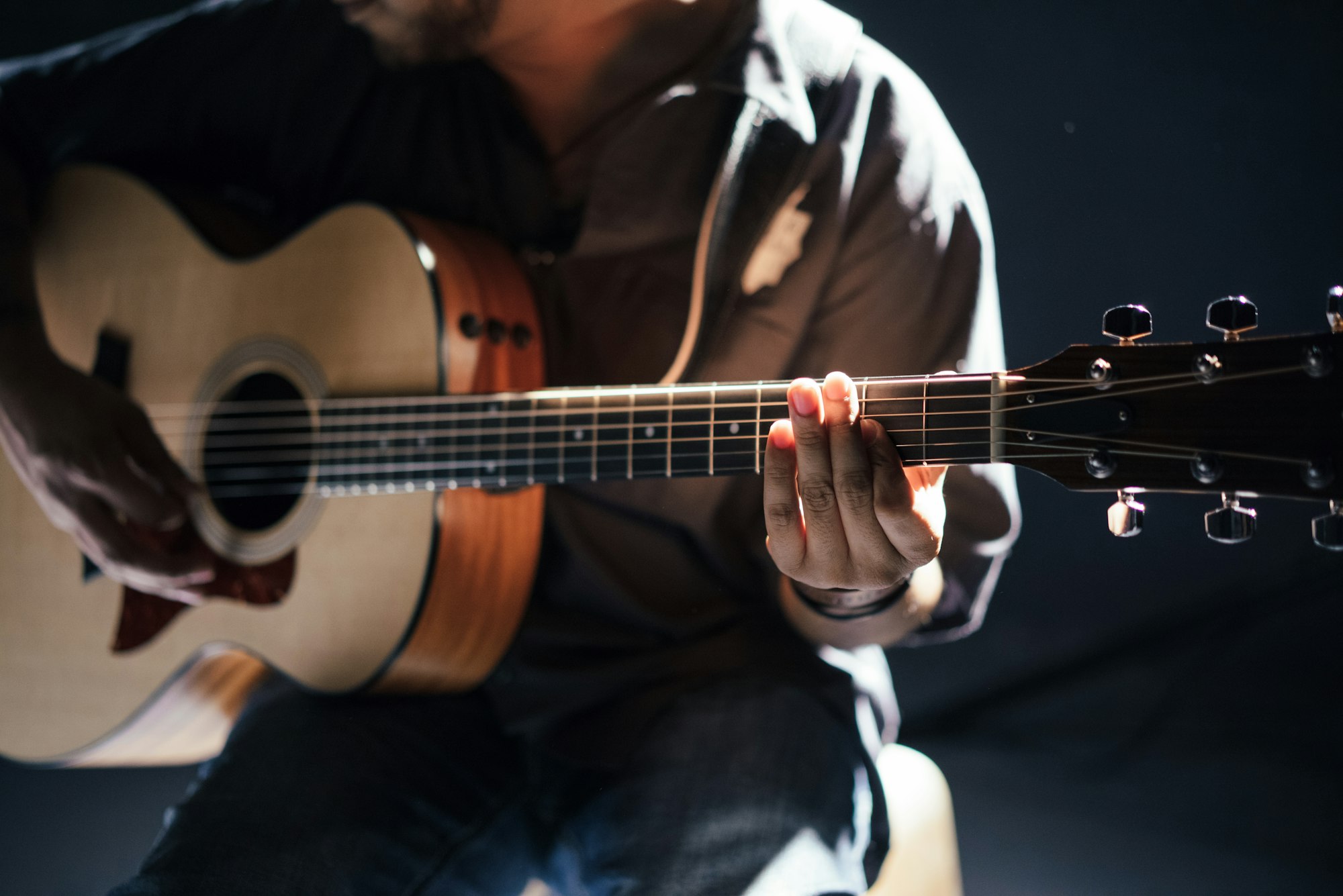
🎉 This week, we're diving into the remarkable world of "Music and Memory: The Healing Power of Personalized Music with Justin Russo."
About the Episode
In this episode, host Diane Carbo, RN, sits down with Justin Russo, the director of programming at the Institute for Music and Neurologic Function. Justin also oversees the globally recognized Music & Memory certification program, which uses personalized music as a therapeutic tool for individuals with dementia and other cognitive impairments.
Justin and Diane explore the profound connection between music and memory, discussing the neuroscience behind music's effect on the brain and how personalized music can be a powerful tool in dementia care. They share personal anecdotes, including stories of a loved one's musical memories and the universal language of music.
Key Takeaways
- The Power of Personalized Playlists: Favorite music becomes embedded in our brains and stays with us our entire lives. For individuals with dementia, hearing the right music can tap into the brain's emotional memory system, bringing them into the present moment.
- Music as a Therapeutic Tool: Personalized music can be used proactively to achieve specific therapeutic benefits. These can include boosting mood, reducing agitation and distress, and supporting activities of daily living (ADLs). It can also help with transitioning between environments, improving sleep, and supporting nutrition during meal times.
- The "Music Detective" Process: Caregivers can become "music detectives" to find an individual's favorite songs. This involves having musical conversations, sampling songs, and asking questions like, "What was your wedding song?" or "What radio stations did you listen to?". The goal is to create a playlist that evokes memories and triggers cognition.
- Benefits for Caregivers: For family caregivers at home, personalized music is an excellent non-pharmacological alternative for managing challenging behaviors. It can also serve as a respite tool, giving caregivers a much-needed break while their loved one is safely engaged and happy.
- Beyond Dementia: While the Music & Memory program is well-known for its work with dementia, music therapy can also be beneficial for other conditions, such as Parkinson's, aphasia, and chronic pain. For complex cases, it’s recommended to consult with a board-certified music therapist.
How to Get Involved
- For Family Caregivers: It's never too early to start creating a personalized music playlist for a loved one. The Music & Memory program offers a free guide on their website to help families through this process. You can also contact them for additional guidance and support.
- For Facilities: The Music & Memory program trains interdisciplinary teams, including nurses and CNAs, to make personalized music a normal part of care. Families can respectfully advocate for the program to be part of their loved one's care plan.
Don't miss this inspiring and informative episode! Tune in to learn how music can heal, connect, and bring moments of joy to the caregiving journey. ✨
Podcast Episode Transcript
Diane: Welcome to the Caregiver Relief Podcast, a space where we come together with open hearts to share stories, resources, and real conversations about the caregiving journey. I'm your host Diane Carbo, an RN and founder of caregiverrelief.com.
Diane: Today we're exploring the remarkable intersection of memory, music, and healing, and I'm very honored to welcome Justin Russo, the director of programming at the Institute for Music and Neurologic function, where he leads innovative training and program development.
To bring music therapy practices into healthcare and senior wellness settings. Justin also oversees the Globally Recognized Music and Memory certification program, which uses personalized music as a therapeutic tool for those living with dementia and other cognitive impairments. In today's conversation, we'll dive into the neuroscience behind music's effect on the brain, how caregivers can harness music to spark joy and connection, and why personalized playlists can be such a powerful tool in dementia care.
So grab a cup of coffee or tea and get comfortable. Let's discover how music truly has the power to heal, connect, and restore memory. Justin, thanks so much for taking time to share your expertise on music and memory with us today. I'm really excited to have you 'cause this is a positive, upbeat, A topic that I enjoy talking about.
Justin: it's lovely to be here. Thank you, Diane.
Diane: Justin, I see that you're a lifelong musician. Can you tell me about your earliest memory of music and how it shaped your journey?
Justin: Sure. one of my earliest memories was listening to Light FM on the way to church, actually with my parents growing up in upstate New York.
and a lot of my memories associated with that music, are still with me today, and that's really the power of how music embeds itself in our brains and stays with us for most of our lives.
Diane: Was there a specific moment or experience that made you realize the healing power of music, particularly with those with dementia or cognitive challenges?
Justin: Not before arriving at Music and Memory, in 2015, in my early life, as a musician, I definitely wanted to reach people. and I saw music as a very good vehicle for connecting with others because music was such a positive force for me growing up. a healing force. I learned so many lessons through music.
lyrics are so powerful, and when people convey their own emotions, it tends to stick, right? And so as a musician myself, I wanted to recreate some of that, and connect with people also. And that definitely influenced, my work moving forward, but it wasn't, and I would often try and make songs that really stuck with people.
you hear a lot, when it comes to music production about hooks and things that really stick with people, Keith Richards, I think went on record saying that, he dreamt the guitar riff for the song satisfaction. and when he woke up, he recorded it immediately, right?
Because it was just such a powerful thing and he knew it would connect with people. And that's something I had always wanted to do, but it wasn't until I got to music and memory that I really understood the implications of why all those hooks were so important and what it was really doing for people, not just when they were younger, listening to those songs, but throughout their whole lives is because what happens is,
From the perspective of our relationship between music and the brain, the music that we love the most stays with us our entire lives. it becomes a part of our brains. It stays with us. It's a part of our mojo. Yes. and we carry it with us our whole lives, and it's just so important and it can come to our aid over and over again.
so it really has this just remarkable lasting power and we just have a wonderful relationship with music.
Diane: My first recollection is my dad was a letter carrier. We lived in the suburbs. My next door neighbor, Mr. Elliot, God bless him, he's passed long ago, but he wrote jingles, famous jingles,
Justin: right?
Diane: For commercials. There you go.
Justin:
Diane: And when you're saying that. how many times do you hear something in your brain and it's a jingle from way past and you can still remember it even now, even though that product may not even exist anymore.
Justin: Right.
Diane: So I get a giggle out of that dog because I'm thinking, yeah, that, nothing like remembering jingles, but that was, and I started playing piano because I was interested in music.
One of the things I find fascinating about music is that. I want our listeners to understand is you may speak 1,000 different languages, there's millions of different languages out there, but music is one that is universal. even reading the music is the same all over the world. It's not different.
And I think that's fascinating and I've had lots of experience with music, so I really can't wait to, we get more into this, so I wanna ask you,
Justin: I definitely agree. it's absolutely universal. Yes, and I think there are just some pieces that really demonstrate that. the best example I can think of is,
Samuel Barber's, adagio for strings, which is a lot of people know it as the soundtrack for Platoon. Do you remember that War movie?
Diane: Oh, yes.
Justin: For whatever reason, that piece is so strong. It can crack your heart like a walnut. Yes. and it does it for me time and time again, there are no words. It's just really the power of the music.
Diane: Yes.
Justin: And I think it's just true for everyone. There's just pieces out there that can do that.
Diane: Exactly. And, I've seen the very power of music in my life, in my years of nursing. So now you've had a very unique career path. It merges media, music, and lead. So how has your creative background influenced the way you lead programs at the Institute for Music and Neurological Function?
Justin: it's certainly very easy for me to talk about the power of music. having been steeped in it for so many decades before arriving, in the dementia care space. I certainly, when we talk about music triggered memories, with music and memory, which I'll get into in, in just a minute, our process.
But when we talk about that, it's very easy for me to do because again, I just have so many moments, where I have a memory attached to a song and it's still with me today. I'll give you a great example, and then we'll launch into the music and memories process. I'm dating myself a little bit here, but there's a nineties rock band, called Guns N Roses.
Yes. And they have this song, sweet Child of Mine. And I have this memory of being 15, I was 15 years old, in 1990, and I was allowed to go to the county fair for the first time by myself. This was a big deal. Huge deal. So I'm walking into this, into the fairgrounds with throngs of young people.
It's early evening, dusk is falling, and I hear the rides and the games and all the sounds and around me. It's just young people everywhere. And as I get into the rides section, there's this. Particular ride. It's like a Viking ship swinging back and forth and I see kids with their arms up swinging back and forth and screaming with joy and above it all is playing.
Sweet Child of Mine by Guns N Roses.
Diane: Oh wow.
Justin: And now some 30 years later, 35 years later, anytime I hear that song, I'm right back in that moment. Yes. Walking back into the fair. Feeling like my life is opening up for the first time. It's just a beautiful, positive memory, and I can tap into that positivity anytime I want.
Yes. And that's really for me, that is a great example of music triggered memories and I've had those my whole life. So it's really easy for me to talk about it as part of my role, within the organization.
Diane: In your own daily life, how do you personally use music as a tool for connection, relaxation, or reflection?
Justin: I think it's fair to say I eat music. I'm always listening to music. I live and breathe music. There's always music on. I use it. For compositional purposes. I'm always looking for inspiration for what I wanna write. but I also use it for relaxation. And when I need to, calm down or be inspired, I listen to different things.
I have a catalog of different types of music that do it for me. I go back to my old favorites. when I need to feel, when I need to feel good about myself, or if I'm feeling down, or if I'm feeling like I need to be more grounded. Yes, I go to my favorites, I'll put on Bob Dylan, I'll put on George Harrison.
I'm a big seventies devotee. so all your Todd Rundgren and your, all your Lou Reed and, David Bowie and all those greats.
Diane: I am the oldest of four, but I come from a very big Irish family. And, I was born in the fifties, and I'm from Pittsburgh, Pennsylvania, so I, I grew up with my cousins listening to Doop Elvis, and I can still remember.
seeing the Beatles on Ed Sullivan for the first time, Mike, we had this little TV and we were all at my cousins. There were bunches of us and we're all huddled around being excited over the Beatles and their songs. So that was their breakthrough here in the States. Sure. Ed Sullivan.
and I can tell you through my decades of nursing. One of the favorite evenings, that seniors in nursing homes enjoy is Saturday or Sunday because, Lawrence Welk would be on.
And he was always huge with big shows every week. And, the seniors, the boomers. Somebody like me, enjoyed that.
and it's the most well attended TV event, in the nursing homes is when Lawrence Welk is on. and you know what? It brings you back to a happier time. It really, really does.
Justin: It does. and, that really has profound implications for the way we provide care for older adults, especially those with, different types of dementia or other types of cognitive loss because music is so powerful, right?
Favorite music or personalized music as we say it really works. what it does is it taps into the brain's emotional memory system. So even when other types of memory fade, which is often the case as we go through the aging process, right? The brain often retains the ability to recognize and respond to music, especially music that has personal meaning.
it makes a lot of sense and that's why personalized music is so critical in care. It's not just about playing, background music or even calming music. For us at Music and Memory, it's about finding the songs that truly resonate with an individual's life story. Yes. Right? Yes. And for someone living with dementia, hearing the right music can bring them into the present moment.
because thanks to the wonders of neuroplasticity, right? or rather our brain's ability to respond to external stimuli, you can actually trigger. cognition through the memories attached to the music. so by, using an outside source, the music, you can actually stimulate a person's cognition, through those music triggered memories.
it doesn't last forever. Usually it lasts about 30 to 45 minutes. But during that time, they're generally, it tends to call the whole person forward when it boosts their cognition and allowing them to converse to, so to socialize sometimes remember family members' names and ultimately to be more present in their own lives.
it's really a wonderful gift. And if you've seen any of the videos on Music and Memories website, music and memory.org, which clearly demonstrate this impact, it's truly amazing. There's one great example, Henry's story, which is from the movie Alive Inside, which was made about music and memory in 2014.
And initially Henry is more or less non-responsive. He can't recognize his daughter, but then they play him his favorite music and suddenly Henry can. Dive deep into his past. Talk about not just what's going on with him now, but the favorite moments of his lives. So the music is triggering the cognition, it's calling him forward, and that's its therapeutic value.
So one of the things we do at Music and Memory is we train. Care practitioners how to find these favorite songs, to go through a process of music detective, if you will, where you're sitting with the person engaging in musical conversations, sampling songs, asking questions. We have a music assessment questionnaire, which has questions like.
What was your wedding song? Did you go to church? Did you like, gospel music? Did, were you in the military? Did you go to big dances and things like that? What radio stations? Do you remember what TV shows, like you were saying? Were you listening to, that really resonate with you? And these all help a.
The practitioners solve that musical favorites, mystery. And once they have those songs, a playlist of say, 15 or 20 songs that really evoke those memories, then they're ready to go. Then they can start thinking about how to apply those songs for therapeutic benefit. And so the other half of Music and Memories process is using that playlist that you've created proactively to achieve specific therapeutic results.
what do I mean by therapeutic results? holistically speaking, wellness, the ability to, it tends to boost mood. It tends to reduce agitation and distress. life is generally less overwhelming because, the boost in cognition allows you to understand where you are in your environment.
It helps you to transition between environments. It helps you to recognize the cues from your caregiver that are being given to you. and it helps to support what practitioners call ADLs or activities of daily living. I'm sure as an rn you've heard this a million times, right? Oh, yes. Yes. So say in the person's care plan, they, generally sundown right around 4:00 PM using music and memory on the CNA assignment sheet.
There will be a note that says, offer the music at three 30 before the episode usually happens. So using the music proactively and consistently, you can usually avoid that sundowning episode entirely. And that's simply because you're changing, you're calling that person out. You're boosting their cognition, you're changing their mood, you're boosting their wellness.
we're really, we have close ties with the organization, the Eden Alternative.
Diane: I'm very familiar with it.
Justin: They're wonderful. Right? and they have these seven domains of wellness that they talk about a lot and They talk a lot about this well of wellness, and how you can contribute to it proactively. And music is one of those great ways to do that because when you contribute to it, proactively, you have that additional wellness as a buffer against stress or distressing beha times, or things that are going on in the environment which may draw from that.
So it gives you a little, buffer against, things that might bring you down. and that's just a really wonderful way I think of looking at this process. But that in a nutshell is what music and memory trains, practitioners how to do, how to support people with dementia using music.
and I want to just say right off the bat that this is very much a scalable model of music therapy. These are best practices that were taught to us by board certified music therapists. We're not music therapists ourself, but we have the clinical support of The Institute for Music and Neurologic function, which really supports our clinical backing for this type of work.
And it's all very well documented. There are many studies that, not just about the value of personalized music for older adults, but there, there have also been studies on music and memory specifically on why this process works to support, health and wellness, for older adults.
Diane: I had, been working in a senior behavioral health unit and this little black lady probably in her eighties, this little old lady was in a reclining chair. She was catatonic. We had no communications with her at all, and she'd been in the facility for a few months, trying to get meds adjusted and stuff to see if we can help her in any way. And she did have, she was in the mid to late stages of dementia.
Now, what I learned from this little old lady was from her family, was that she was a gospel singer and she was, the Southern Baptist, churches, where they have the most amazing. Singing and music. And I brought a friend in who played guitar and played some gospel music for her.
And I asked the family, 'cause I didn't, this is before I knew about music and memory. this was 30 years ago. this little lady who was catatonic that never had any response. the musician that I brought in. Was playing these gospel songs. We found some that were, that her family said that she would used to sing, and we had no idea what was gonna happen.
But it was so powerful and so profound because here's a woman we have bathed and dressed and fed, and she had no response to anything at all. And after playing two or three songs, we thought, oh, nothing's gonna happen. And all of a sudden he starts singing.
Justin: Right.
Diane: her family was there.
They were sobbing because they were shocked. And as the staff we're like all getting teary-eyed because it was something we had not expected or anticipated. So I'm really, and I've seen this happen time and time again throughout my nursing career, where music touches people in a way that even if they're far off and they don't seem like they're with us.
You're like you say, it brings them out and it's powerful, profound, and also it just makes you feel good that you have that one connection, that moment of connection again.
Justin: that's funny that you bring that up. our wonderful founder, music and memories founder and former executive director Dan Cohen, used to tell me, Justin, all those wonderful benefits aside, supporting nutrition and supporting sleep and the avoidance of sundowning, that's all great.
If nothing else though, it's gonna put a smile on their face. And that's been true more often than not with almost every person we've worked with.
Diane: Yes. and I will tell you, it gives families that one moment of connection where they, it gives them hope and a sense of that their loved one's still there.
Certainly it's not the mask.
Justin: Certainly. Yeah. Dementia is not an identity, it's a diagnosis and people still continue to be who they are. let's talk about family caregivers for a minute, because, there are for every person in residential care there, there's another five people aging in place at home, right?
With some type of dementia. And presumably there's a family caregiver struggling to support them. So I wanna speak directly to them and just say, this, I've talked a little bit about how We train practitioners, but this is definitely a process that any family caregiver at home can execute on their own.
now you may not know the music that your parent or grandparent was listening to when they were a teenager, but that's the music that you can find if they're able to converse with you or you're able to. go through old record collections or however you need to do it, but if you can find those old songs, you can play them to therapeutic to this and achieve the same benefits on the home front.
And additionally for family caregivers. I really want to point out that this has additional value for them as an excellent respite tool. Yes. Family caregivers, yes. Often don't get the break they deserve. I watched my uncle care for both my grandparents for about five years as they declined.
It changed him. it's a hard job and that's an understatement. So any little tool for a break, I think is worth mentioning. And this is definitely one of those great tools, that you can use, effectively right up to the end of that person's life. this is music works as an a wonderful non-pharmacological,
Alternative for helping that person and also getting a break because while they're engaged with the music, you can do, you can get a break for yourself. You can, you can catch up on some of the chores that around the house that needed to be done, but ultimately you can get a little time for yourself because you know they're safe, engaged.
Happy, enjoying the music for that half hour or whatever the amount of time is.
Diane: And Justin, I have to tell you, most family caregivers don't think about activities as a way to, keep somebody busy. they think sitting them in front of the TV or listening to the news, and if they, or like in the sundowning situation, if you can prevent sundowning, oh my lord, that's.
Huge because it just wears the caregiver out more so than the person with dementia. So I'm all for, explaining. can you walk us through how the music and memory program works and what the certification process involves for caregivers or facilities?
Justin: certainly So music and memory started, I'll start at the beginning, in 2010 with again, our wonderful founder Dan Cohen, a social worker at the time who was visiting his father in a nursing home and couldn't understand, why music people weren't being able to listen to their favorite music.
And so for him, what started out as a small pilot eventually grew into a movement. Yes. and with the clinical backing of the Institute for Music and Neurologic function, grew into a program, that is part activity and a part, nursing intervention, 'cause we really do consider it, the process.
it should be a part of everybody's care plan, right? This is a real way to achieve. Real therapeutic benefits. and so when we train staff, generally we train an interdisciplinary team, because we want it to be in the care plan. So we want RNs to be there. We want the director of nursing to be aware of what's going on.
But we also want to train activities professionals, therapeutic recreation professionals, and of course CNAs who are working directly with staff. Yes. with. Participants often they have the best and strongest relationships typically. and so we train the entire team, because we understand that at any moment, any one of them might be called upon to administer the music.
And certainly they all need to understand the value of the music and how to offer it safely. we've found that. A lot of these activities and tools that are brought into senior care, they're not as, they're not that personalized, right? You'll see Yep. Group activities. You'll see, a TV on playing the what.
The oldies or you'll hear senior radio playing as we call it, which is just any music from 1935 to 1965. Yeah. But it's not truly personalized. And so what we try to do is we train staff to make it a normal part of care for everyone. to think about how music can improve quality of life, especially for frontline staff like CNAs and other aides who work directly with people.
Why can't music help on a day-to-day basis? And so we train staff how to become a music detective, right? And how to find those songs with each person. Then we train them how to track impact of the music. once. They're using it for those specific outcomes. We train them, how to achieve five specific outcomes.
supporting nutrition at meal times, helping a person maintain a healthy weight is very important. and the music if used proactively, definitely helps the person recognize food to and swallow. The music also helps to relax the person during the eating experience, take away some of that anxiety that usually comes around the eating experience.
And so it definitely, it helps them to recognize the cues from their caregiver. So using it proactively in that way really helps. And we also advocate for morning routines. As one of the five benefits transitioning between environments, which is often overwhelming, especially if you're going to a medical appointment or something where you're changing to a loud environment.
That can often be overwhelming for someone with dementia. But if you can get ahead of that, you can usually make the process much easier for them. So we talk about it from that perspective. We talk about it as a way to improve sleep. As one of the five benefits, because it definitely helps the body get down.
falling asleep is very much also a physical process. So music helps tune our bodies. It helps get our heart and respiratory rate down to a place where our body's ready to take on sleep, and that's very important for ulcer adults too. And finally we talk a lot about music as a respite tool, for caregivers and how they can use it to get a break themselves.
'cause we've seen statistically through studies that it improves not just quality of life for the participants, but through interacting with those participants. It improves quality of care and it makes the job easier for caregivers. We've seen that in the professional settings and at home settings too.
So it's really beneficial for everyone. So we teach to, Go for those five, benefits specifically and to track them using two specific impact forms. We've got one for people who can respond verbally and one where you have to really, rate body movements. And, look for, turning in the direction of music.
If you're working with someone who's in the late stages of dementia who might be in hospice care by that point, they may still respond to the music, but the responses will be very different. So we train staff to look out, if considerations for advanced dementia care, to look out for those and to track those different eye movements or body movements to show a positive impact with the music.
We train them how to make it all part of the care plan. because we think that, and I'm putting on my advocacy hat a little bit here when I say that, the more you embed it into the care plan, the more widely it'll be talked about during QPI meetings or staff meetings about care or just care plan meetings with family
And once it starts being talked about more, and people are more, people will be more comfortable saying, oh, have we tried music with Mrs. Smith? it's worked for all these other people who are isolated in aloof, maybe music would spark more social engagement for her. So we wanna have people having those conversations.
And again, we do consider it a nursing intervention for that reason. we want it to be part of the care plan because we want it to be a part of care, universally speaking, because it's such a powerful non-farm. Logical alternative to medications, which are often still overprescribed and overly used.
Diane: Exactly for this
Justin: population. So,
Diane: Are there other conditions like Parkinson's, depression, or stroke where you've seen music therapy make a difference as well? The reason why I'm saying that is I have clients that have all kinds of diagnosis and I don't want them to think it's just for dementia.
Justin: Okay, so there's a couple areas I want to cover here. The first is, as a staff person, you know what to look for, in terms of what's really going on with that person that you're working with is very important. So we talk a lot about personalized music as a way to help people live with mild chronic pain, and that's very common for older adults with dementia.
But I always qualify first by saying, you need to understand the source of that pain before you apply music. and I'm drawing from the wisdom of another expert, Tepa snow when I say this. This is very much Tepa. Yes. A tepa, if they might be in pain and not be able to tell you what's going on.
she gives an example of, I saw once, a person broke her hip and she was just very angry the next day. And people were like, why is she so angry? It's because she broke her hip and couldn't talk about it. when you are, I always say to staff, understand what's going on with the person before applying music.
A personalized music playlist is wonderful to help someone get away from mild chronic pain. But it's not good for moderate to severe pain and obviously you need to understand where that pain is coming from. Right? Yeah. so that's where a situation, the situation can get a little bit more complex.
Okay. And I also qualify that there are some instances where you do want a board certified music therapist to step in and help you. music and memory is wonderful, just generally speaking for people with dementia. But there are more complex issues like the examples you provided where you do want to.
Trust the expertise of a board certified music therapist. And there are, ways that music can be beneficial. you really do need their expertise. For example, some may be living with dementia, but also living with Parkinson's, right? Yes. And so they may, but a music therapist can definitely help
them, with movement rehabilitation, that's very different. And it would involve something other than personalized music playlists, right? Similarly. Exactly, yes. If someone's living with aphasia, a music therapist can step in and do, melodic intonation therapy or something like that. where they're using a music or they're speaking with a musical rhythm.
and that helps the person, to regain speech in that way. these are different tools. they're generally speaking, when we train staff, we always say, if you have a more complex case, come to us and we'll pair you with a music therapist. that's part of music and Memories support.
Network that we have, and that's one of the things that we offer trained organizations is clinical backing from the institute. So we always say if you have, if you're working with someone with a more complex case, and you need to speak with a neurologist or a music therapist or an audiologist we set you up, with those contacts. I think, an audiologist is an important consideration too. when older adults. Step into residential care. In many cases they'll get a screening, a hearing screening, yes. But it's sometimes the case that they won't. But understanding someone's hearing ability is just as relative, I think, in terms of, helping the person stay safe because hearing loss varies, right?
Diane: yes it does.
Justin: and you really need to understand whether or not you should offer someone headphones. What type of headphones should you use a Bluetooth speaker instead? There's so there's just a lot of considerations and that's also part of our teaching process. We talk a lot about hearing loss, and we've got a lot of supplemental videos on all these side topics, which we think are very important.
Diane: everybody's different and everybody has different needs and requirements. one of the things, that I would like you to address is a family caregiver is at home. they don't have access to formal training. and their loved one is going to assisted living or they're going to a nursing home.
How do they get in touch with you or how do they go through the process to get music and memory in their facility?
Justin: Generally speaking, we are often approached by family members of loved ones who are in some type of residential care and who want to get a music device. Or their loved one. it comes down to the organization's interests.
we train organizations primarily, so if the organization is interested, I always say just have them contact us. Okay. and we'll talk to them about certification. And if that's not possible, we work with the families individually. we don't supply the equipment. But we train the family.
We have a free guide that we offer and then they get on our list for family support and they can write in or zoom with us anytime and we'll walk and talk them through the process of supporting their loved one. that's something that we do quite a lot because we're all about access at music and memory.
we want to make sure that, broadly speaking, family members too have access to these tools 'cause they're just so important for quality of life.
Diane: Yes. So what are some simple ways a family member with no experience, can start using music to enhance their loved one's quality of life? Do you have a few tips you can give us?
Justin: Sure. I think, the most important tip I think I could offer is simply that, It's never too early to start thinking about not just your loved one's personalized music post, but your own, you know, there's a real intergenerational component to this, you know, because most of these important musical favorites are forming during our teenage years, right?
Roughly between the ages of 12 and 25 when neuroplasticity is at its height, right? And when we're really absorbing all of this life experience, and it tends. Stay with us. so it's really never too early to start thinking about that, even if your loved one, is not in decline yet. but, or just with my mild cognitive impairment, you can certainly start thinking about working with them.
It's never too early and it's just a wonderful process that. Connects family members, we always say that this is the gift that gives twice. because not only are you providing these five therapeutic benefits on a regular basis for a love of them, but you've, you've taken the time to get closer to them.
through the music detective process you're talking about the music that makes them who they are. The my musical favorites make me who I am. Yeah. And you're getting in touch with that person and you're talking about how important that is. That's a gift too. So I would say it's never too early to start.
and it's also gr intergenerational in the sense that grandkids, kids, or other family members can get involved with this too. we have a number of student groups, high school and college groups that go out and do this on a regular basis because they too understand that, just because I don't resonate with love me tender as much as my dad does, it doesn't mean that I can't get in on the fun.
Diane: Exactly. Exactly. you've worked with thousands of certified organizations through the music and memory program. What do you think has made the program resonate so widely across different care settings?
Justin: Simplicity. It's a simple program. It's all about access to music. We're equipment agnostic. Yeah. It's just about empowering frontline care staff with the tools, simple tools for just providing simple care.
and that's what's marked music and memory and it's marked success. Over the last 15 years, we've certified over 5,800 healthcare and community sites. including, dementia community organizations and libraries. hospitals, nursing homes, assisted livings, where in every state, 29 states have made music and memory part of policy.
and that's simply because it works. It's a simple process. We've had a lot of people, say to us, why haven't you joined the 21st century? Why are you still offering MP three players, to people? This is 25-year-old technology at this point. And we say because it works, because the learning curve on the new technology is still too high for some people, believe it or not.
and it can be an impediment to care, so we. Simplify the technology as much as we can. and we lower that learning curve. And that really is one of the main reasons why it just continues to proliferate and be successful because it's easy.
Diane: I had a home care case many years ago, and I had an older gentleman, he had, several pianos in his house.
He had been a symphony orchestra conductor at one time for the state of Washington. And he loved this was always surprised me. He loved hearing his round, what do you call it? The round turntable. Yeah. And I thought that was strange for him, but I think he just, it was familiar to him from his youth that he would listen to the music that way and he would sit and listen to these beautiful Oreos.
just, and operas and different things like that, just through the turntable. Because he wanted that.
I thought that was weird for, he was in music, but it was from his youth.
Justin: Oh, I think that's relevant. And we talk about, How you were listening to the music a lot. we're pretty strict devotees to that I think, we talk about, if you listen to the radio, then listen to it on the radio because that's the sound that was embedding itself in your brain so many years ago.
It was the sound of the turntable. Yeah. As much as it was the sound of the music. Yeah. And we know that, especially with analog recordings. lacquered records right from the old days and 40 fives, there are actual tones and frequencies that you're actually not hearing, but that are coming out and that are a part of it too.
And those, especially with early digitized recordings, those were not brought in. And that's why they feel different when you're listening to them because it's actually less, it's less frequency. in terms of the total span. things have obviously changed, but, so for family caregivers.
I would add this additional point, if they liked listening to records back then play the records again. Now I wanna qualify that's music and memories process. If you, it can be just as beneficial if you play those favorite songs on a guitar, as a music therapist would often do.
or sing along with them as a music therapist would often do. Those can be powerful too. And that's why you see dementia choirs, becoming more prevalent. and why groups going in and singing at nursing homes also works just fine, but for us to maximize the results. If it was a studio recording of Frank Sinatra's, my Way that Your dad grew up listening to, like my dad, we played the studio recording of Frank Sinatra's My Way.
Not a cover, not a live version, right?
Diane: Yep. But
Justin: that particular version.
Diane: Exactly. and you can't judge a book by his cover when you look at a person to know what kind of music they want. I had, an older gentleman who, his name was Ralph. He was in a nursing home. Ralph had a very challenging life.
he was a boxer and he had all kinds of head injuries and stuff, and was always in, institutional settings when he was young. His mom, she loved the opera. Now here he is this poor old soul now, but she would sneak him into the opera in Philadelphia to hear music, through the music and to that till the day he died.
He listened to opera every day and people would always be shocked because he's this big. Big, massive guy, had been knocked around so many times that he wasn't all there upstairs all the time, but music, he could relate to it and that's what he wanted was opera. And people were just surprised.
Justin: So
Diane: I love that.
Don't judge him.
Justin: That's a great story. Yeah,
Diane: yeah. Yeah.
Justin: so we know it works.
We know, that it's inexpensive. it's non-pharmacological. and it has a measurable impact. So why isn't it everywhere in care? why aren't we seeing this in senior care? certainly in the United States, where there is some funding for this.
but why isn't it more prevalent? Yes. And we're starting to slowly reach, I, hopefully this inflection point where it starts to change, where music will hopefully become part of care. Because study after study just continues to demonstrate not just how well it works for the participant, but also for the people offering the music.
we haven't seen them yet, but I'm sure pretty soon we're gonna see studies on how it affects staff turnover. 'cause we've seen at music and memory over the year, over the years, how well it works in that regard. and a new information is starting to come to light, that is demonstrating a return.
Or investments for senior care organizations that do invest in music engagement and music therapy. a recent study from the, from, the Neuroscience Resource Center, sponsored by A A RP. Put out an economic analysis on the return on investment for, residential care organizations that invest.
It showed for every dollar they invest in music engagement, you get a $2 and 40 cent return. Wow. for a long time, the idea that, this type of. care, which was often relegated to, activities or recreation, isn't reimbursable and that was the major. block to this being more wildly adopted.
now finally we're starting to be able to show, hey, this has a measurable return. so we know we can look at it from a cost perspective now and say, Hey, why isn't this more prevalent, in senior care around the nation? And that's a big part of music and Memory's mission moving forward, is just spreading this information, that hey, we're now out of time where, from a technological perspective.
And just in terms of, our priorities in terms of person directed care. we can now start thinking about how to bring music into day-to-day care, not just, here and there as part of a group activity, but how we really support someone as they age every day.
Diane: The, present situation we have in the country right now is we have more seniors than youth and we have to look at creative and humane ways to provide care for our seniors.
And that's why I contacted you guys to be able to talk about your program, because I want my family caregivers to be able to go into a facility and say, Hey. can you contact music and memory or, I'm going to be contacting them and learning their program and I hope that you will. and the families can absolutely kindly and, respectfully insist that it be part of their care plan, the pa family, the patient's care plan, and then they'll have to do it.
But, 'cause people. People don't feel the staff will look at it initially as without any knowledge that it's gonna be more work for them, and when in fact, I've seen it myself. It's less work and it's much more manageable to handle challenging behaviors. you have less negative behaviors and you just have staff and people happy all the time.
Justin: You do. You really do.
Diane: Yes. Yes.
Justin: So for anyone who's interested in learning more about the science behind music in the brain and how it really, has proven beneficial for older adults, both in residential care and at home, they can go to the, music in the brain section of our website, music and memory.org and see several studies, on why this really helps and how.
and for anyone who's interested, in learning more about using this process to support a loved one, again, we have a free guide, how to make a personalized music playlist for a loved one at home that's up on our website. and of course, you can write to us anytime for additional guidance on this process.
We're happy to work with you.
Diane: Justin, thank you so much for spending time with us today. I love your topic. I love what you guys do, and I want my caregivers to know that you're out there and they need to be reaching out to you because they're being challenged and, in so many ways right now. So any thank you Last minute tips for anybody out there.
Justin: don't be afraid to give this a shot. even if your family member wasn't a huge music devotee, chances are there was something during their teenage years that really resonated with them. So give it a shot. You'll be surprised.
Diane: Thank you for that tip, for my family caregivers out there.
Remember, you are the most important part of the caregiving equation. Without you, it all falls apart, so please learn to be gentle with yourself. Practice self care. Every day. It may be listening to a playlist because without you, it all falls apart. You deserve better.
Caring for a loved one can be overwhelming — but you're not alone. If you have questions, big or small, our expert team is here to help.
👉 Click here to Ask the Expert
Our Resource section can help you find the information and tools that you need. We have courses, videos, checklists, guidebooks, cheat sheets, how-to guides and more.
You can get started by clicking on the link below. We know that taking care of a loved one is hard work, but with our help you can get the support that you need.
Click here to go to Resource Section now!
You might also like this article:
 Diane Carbo