Dementia Caregiver Help: Why Dementia Behaviors Happen and How to Respond Without Burnout
Dementia behaviors can be confusing and exhausting. Learn why they happen and how to respond in ways that reduce stress and prevent burnout.

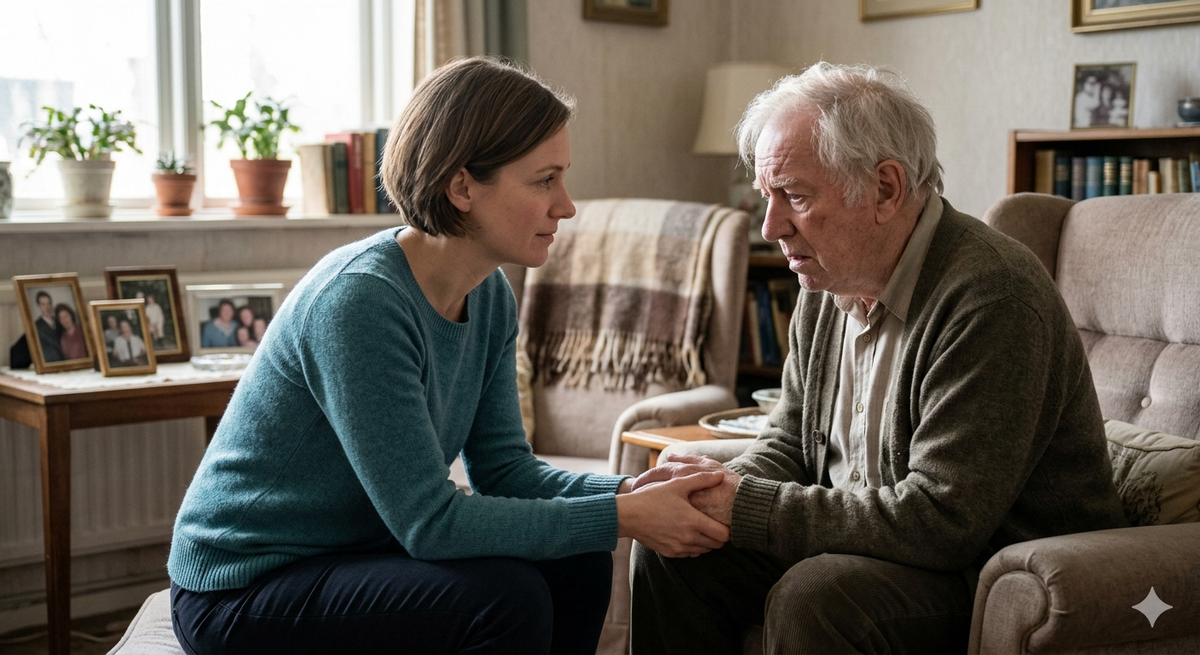
Dementia behaviors are not intentional—they are the result of changes in the brain, and understanding this is the first step to responding without frustration or burnout.
Many caregivers feel overwhelmed, confused, and even hurt by the behaviors they see in their loved one.
But these behaviors are not personal.
They are communication.
When you understand what is happening, you can respond in ways that reduce stress, for both of you.
Why Dementia Behaviors Happen
Dementia affects the brain’s ability to:
- Process information
- Communicate clearly
- Control emotions
- Understand time and place
As the disease progresses, behaviors become the person’s way of expressing unmet needs.
Common Dementia Behaviors
Caregivers often experience:
- Repeating the same questions
- Agitation or anger
- Wandering
- Sundowning (increased confusion in the evening)
- Accusations or paranoia
These behaviors can feel exhausting, but they are predictable patterns.
Behavior Is Communication
Instead of asking:
👉 “Why are they doing this?”
Ask:
👉 “What are they trying to communicate?”
Possible underlying needs:
- Pain or discomfort
- Hunger or thirst
- Fatigue
- Fear or confusion
- Need for reassurance
This shift in thinking changes everything.
Read- Personality Changes in Dementia: Why Your Loved One Feels Like a Different Person
How to Respond Without Escalating the Situation
✔ Stay Calm
Your reaction sets the tone.
If you become frustrated, the situation often escalates.
Read:
How to Handle Dementia Aggression and Anger Safely (Caregiver Guide)
✔ Validate Feelings
Even if the facts are incorrect, the feelings are real.
Instead of correcting:
- Say: “I understand why you feel that way.”
✔ Redirect Attention
Gently guide them to another activity or topic.
Distraction is often more effective than correction.
✔ Simplify Communication
- Use short sentences
- Give one instruction at a time
- Speak slowly and clearly
What NOT to Do
Avoid:
- Arguing
- Correcting repeatedly
- Raising your voice
- Taking behaviors personally
These responses increase stress for both of you.
Managing Specific Challenging Behaviors
🟡 Repetition
Respond calmly, even if it feels repetitive.
Use reassurance rather than correction.
🟡 Agitation
Look for triggers:
- Noise
- Fatigue
- Changes in routine
Create a calm environment.
🟡 Wandering
- Ensure safety measures are in place
- Use supervision when needed
- Maintain consistent routines
🟡 Sundowning
- Reduce stimulation in the evening
- Maintain consistent sleep routines
- Keep lighting soft and steady
Download - Sundowning Fact Sheet
How to Protect Yourself From Burnout
Dementia caregiving is emotionally draining.
To protect yourself:
- Take regular breaks
- Ask for help early
- Maintain your own health
- Stay connected to others
See: How to Care for Someone With Dementia Without Burning Out (Step-by-Step Guide)
When You Need More Support
You may need additional help if:
- Behaviors are escalating
- You feel constantly overwhelmed
- Your health is suffering
Support options include:
- Respite care
- Support groups
- Professional caregivers
Need more support? Talk to a Caregiver Coach
Final Thoughts
Dementia behaviors can be difficult—but they are not random.
They are signals.
When you understand what your loved one is trying to communicate, you can respond with patience instead of frustration.
And that shift can reduce stress, improve care, and help you avoid burnout.
Because caregiving should not cost you your health.
- How to Care for Someone With Dementia Without Burning Out (Step-by-Step Guide)
- Daily Caregiving Routines That Prevent Burnout (Step-by-Step Guide)
- Caregiver Burnout: Signs, Symptoms, and How to Recover
- Caregiver Daily Routine Planner
- The Essential Caregiver Toolkit: Tips and Strategies to Make Your Life Easier
- How to Deal with Challenging Behaviors of Dementia Without Medications
- The Caregiver Daily Rhythm Planner
- Caregiver Survival Guide:What No One Tells You
- How to Handle Dementia Aggression and Anger Safely (Caregiver Guide)
Frequently Asked Questions
Why do people with dementia repeat themselves?
Repetition is often caused by memory loss and anxiety. Reassurance is more effective than correction.
How should caregivers respond to dementia anger?
Stay calm, validate feelings, and avoid arguing or correcting.
What triggers dementia behaviors?
Common triggers include fatigue, confusion, environmental changes, and unmet needs.
How do I avoid burnout while managing behaviors?
Take breaks, ask for help, and use strategies that reduce stress rather than escalate it.
Explore the Caregiver Balance Framework
• Caregiver Boundaries & Support Plan
• Family Caregiver Agreement
• My Vital Vault
• Caregiver Guidance & Support
• Caregiver Balance Guide Overview