How to Handle Dementia Aggression and Anger Safely (Caregiver Guide)
Dementia aggression is stressful and unpredictable. Learn why it happens and how to respond calmly and safely without escalating the situation.

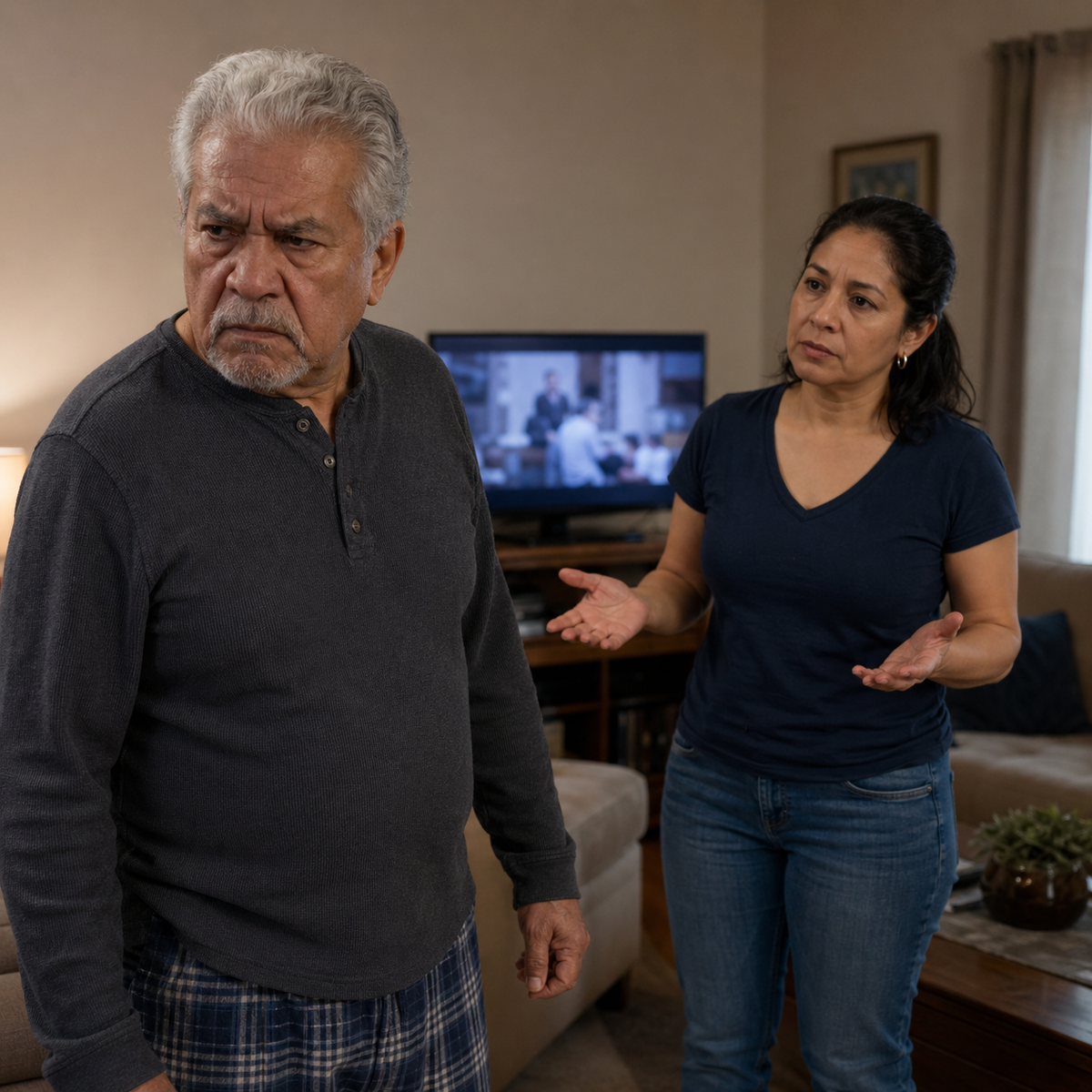
Dementia aggression and anger are not intentional behaviors—they are often the result of fear, confusion, or unmet needs, and understanding this is the first step to responding safely and effectively.
When a loved one becomes aggressive, it can feel shocking, hurtful, and even frightening.
But reacting emotionally or trying to “control” the situation often makes it worse.
This guide will help you respond in a way that keeps both of you safe.
Why Dementia Causes Aggression
Aggression is usually triggered by:
- Fear or confusion
- Pain or discomfort
- Overstimulation
- Changes in routine
- Feeling rushed or overwhelmed
As dementia progresses, the brain loses the ability to process and respond appropriately.
What looks like anger is often a stress response.
Understanding the “Positive Approach” to Care
One of the most effective ways to manage dementia behaviors is a person-centered, calm approach that focuses on reducing stress rather than correcting behavior.
This approach emphasizes:
- Approaching slowly and from the front
- Using a calm tone of voice
- Respecting personal space
- Avoiding confrontation
👉 The goal is not to control behavior
👉 The goal is to reduce distress
Early Warning Signs of Escalation
Aggression rarely comes out of nowhere.
Watch for:
- Raised voice
- Restlessness
- Facial tension
- Repetitive movements
- Increased confusion
👉 These are signals to slow down and adjust your approach
How to Respond in the Moment (Step-by-Step)
✔ Step 1: Stay Calm and Grounded
Your tone and body language matter.
- Speak slowly
- Lower your voice
- Avoid sudden movements
The person with dementia may not always understand your words, but they will sense your stress, frustration, and emotional tone.
It is important to be aware of how you are feeling before you respond.
Take a deep breath.
Pause.
Then speak with kindness, calm, and reassurance.
Avoid forcing or faking emotions. They can sense when something is not genuine, which can increase anxiety and confusion.
Your presence matters as much as your words.
✔ Step 2: Do Not Argue or Correct
Trying to “prove a point” will escalate the situation.
Instead:
- Validate feelings
- Acknowledge distress
Example:
✔ “I can see this is upsetting for you.”
✔ Step 3: Give Space
If needed:
- Step back physically
- Reduce stimulation
Crowding someone can increase fear.
✔ Step 4: Redirect Attention
Gently shift focus:
- Change the activity
- Offer something familiar
- Move to a quieter environment
✔ Step 5: Identify the Trigger
Ask yourself:
👉 What just happened?
- Were they rushed?
- Were they confused?
- Are they in pain?
What NOT to Do
Avoid:
- Raising your voice
- Arguing
- Forcing compliance
- Taking it personally
These responses increase agitation and risk.
How to Prevent Aggression Before It Starts
Prevention is the most effective strategy.
✔ Maintain a Routine
Consistency reduces confusion.
👉 See:
✔ Reduce Overstimulation
- Limit noise. Turn the TV off. Put on calming music. Keeping lighting soft.
- Keep environments calm
✔ Approach Slowly and Clearly
Always:
- Make eye contact
- Use simple language. One- or two-word sentences.
- Avoid surprises
✔ Watch for Physical Needs
Aggression is often linked to:
- Pain
- Hunger
- Fatigue
When Safety Becomes a Concern
If aggression becomes frequent or severe:
- Ensure your own safety first
- Do not try to physically restrain
- Seek medical guidance
- Consider additional support
Protecting Yourself From Burnout
Repeated aggression can lead to:
- Emotional exhaustion
- Anxiety
- Burnout
You must:
- Take breaks
- Ask for help
- Set boundaries
Related Dementia Care Resources:
- How to Care for Someone With Dementia Without Burning Out (Step-by-Step Guide)
- Dementia Caregiver Survival Guide: What No One Tells You About Managing Care Without Burnout
- Dementia Caregiver Help: Why Dementia Behaviors Happen and How to Respond Without Burnout
- Dementia Wandering: How to Keep Your Loved One Safe Without Constant Fear
- How to Care for Someone With Dementia Without Burning Out (Step-by-Step Guide)
- Daily Caregiving Routines That Prevent Burnout (Step-by-Step Guide)
- Dementia Sundowning: Why it Happens and How to Manage Evening Confusion
Final Thoughts
Dementia aggression is not a personal attack.
It is a sign that something is wrong—and your loved one does not have the ability to express it clearly.
When you respond with calm, understanding, and the right techniques, you can reduce stress and improve safety for both of you.
Because caregiving should not cost you your health.
Frequently Asked Questions
Why does dementia cause aggression?
Aggression is often caused by fear, confusion, or unmet needs, not intentional behavior.
What is the best way to respond to dementia anger?
Stay calm, validate feelings, and redirect attention instead of arguing.
Should I correct someone with dementia when they are upset?
No. Correction often increases frustration and agitation.
When should I seek help for aggression?
If safety becomes a concern or behaviors escalate frequently.
Explore the Caregiver Balance Framework
• Caregiver Boundaries & Support Plan
• Family Caregiver Agreement
• My Vital Vault
• Caregiver Guidance & Support
• Caregiver Balance Guide Overview