
Behavior Modification
How to Handle Dementia Aggression and Anger Safely (Caregiver Guide)
Dementia aggression is stressful and unpredictable. Learn why it happens and how to respond calmly and safely without escalating the situation.

Behavior Modification
Dementia aggression is stressful and unpredictable. Learn why it happens and how to respond calmly and safely without escalating the situation.

Behavior Modification
Dementia wandering can turn into an emergency fast. Learn step-by-step what to do if your loved one goes missing and how to prevent it.

Types of Dementia
Caring for someone with dementia can feel overwhelming. This survival guide helps caregivers manage behaviors, reduce stress, and avoid burnout.

Behavior Modification
Stress can induce hallucinations, sensory experiences without physical origin, including seeing or hearing things absent in reality. They can occur in healthy individuals or those with mental health issues, categorized into perceptual (imaginary sensations) and cognitive (vivid thoughts).

Activities
Learn how to effectively manage challenging behaviors in dementia patients with these practical tips. Discover alternatives to arguing, distraction and diversion techniques, and reminiscing as a tool for caregiving. Optimize your dementia home care approach and improve your caregiving experience.

Behavior Modification
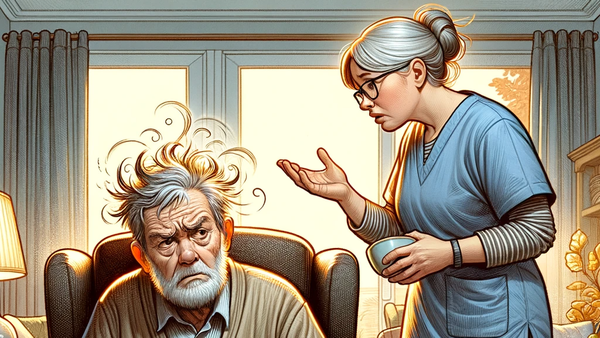
Providing care for an aging family member or friend can be challenging, especially when dealing with mental health or behavioral issues. Share your stories and experiences and find support and guidance from others in similar situations.
Behavior Modification
Explore key strategies for managing dementia confusion and Alzheimer’s. Learn about recognizing signs, using the Confusion Assessment Method, and adapting daily routines for better care of affected individuals

Behavior Modification
Incorporate these dementia communication tips into your home care strategy for more success in interacting with and caring for your loved one. Learn how to maintain eye contact, not take behaviors personally, and adjust your communication style to suit their abilities.

Behavior Modification
Delve into the challenges of paranoid dementia, offering insights into its symptoms like delusions and false beliefs, and effective communication strategies. It guides caregivers in empathetic care for loved ones emphasizing understanding, patience, and support.

Activities
"Nurturing Engagement" offers practical activity ideas for early-stage dementia patients. It covers shopping, exercise, technology, community resources, and caregiver roles. Tailored for cognitive health and emotional well-being, it aims to slow cognitive decline and enhance life quality.

Alternative Approaches to Care
Discover how baby doll therapy can bring comfort and joy to individuals with dementia. Learn about alternative options, such as interactive stuffed animals and PARO, and tips for introducing these activities to your loved one.

Behavior Modification
Hallucinations involve sensing things that aren't there, from seeing or hearing to tasting, smelling, or feeling. They vary widely and can stem from mental health issues, physical conditions, or substance use. Recognizing and understanding them is key to seeking proper treatment.