Hospital-Level Care at Home: What Caregivers Need to Know Before Saying Yes
Hospital-level care at home is becoming more common, but many caregivers are unprepared for the medical responsibilities they take on. Here’s what you need to know before saying yes.

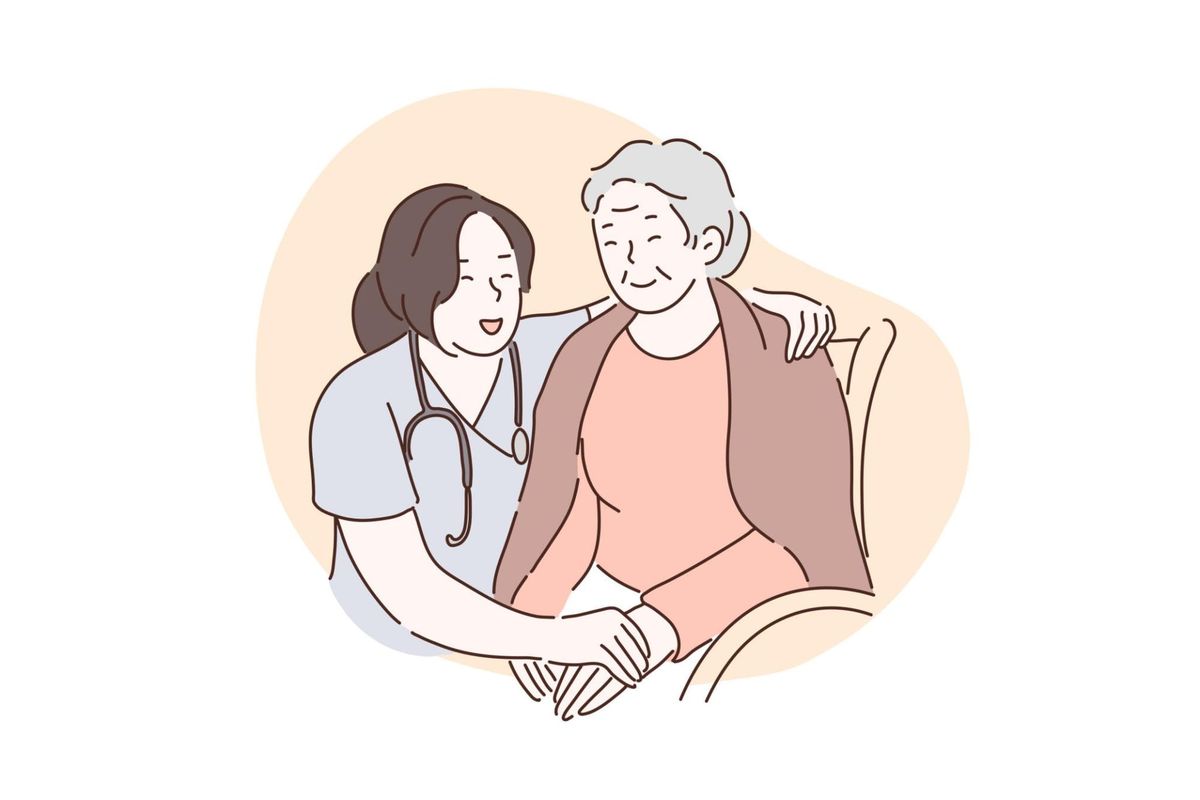
Hospital-level care at home places complex medical responsibilities on family caregivers who may not be trained, supported, or prepared for the risks involved.
Hospitals are increasingly offering “hospital at home” programs as an alternative to inpatient care. While this may sound convenient and even appealing, many caregivers are not fully informed about what this actually means for them.
Before you agree to bring your loved one home under hospital-level care, it is critical to understand the realities, risks, and responsibilities you may be taking on.
What Is Hospital-Level Care at Home?
Hospital-level care at home is a model where patients who would normally stay in the hospital are discharged to receive advanced medical care in their home.
This can include:
- IV medications and fluids
- Oxygen therapy
- Wound care
- Monitoring of vital signs
- Post-surgical care
- Coordination with visiting nurses and providers
While healthcare professionals may visit periodically, the day-to-day responsibility often falls on the caregiver.
Why Hospitals Are Pushing Care Home
There are several reasons hospitals promote this model:
- Hospital bed shortages
- Cost reduction
- Infection prevention (especially after COVID)
- Insurance reimbursement structures
While these programs can be beneficial in the right situation, they are not always appropriate for every patient—or every caregiver.
The Benefits of Hospital-Level Care at Home
While there are real concerns caregivers must consider, hospital-level care at home can offer meaningful benefits when the situation is appropriate and the right support is in place.
Understanding these benefits helps you make a more informed, balanced decision.
Comfort of Being at Home
Patients often recover better in familiar surroundings. Being at home can:
- Reduce anxiety and confusion
- Improve sleep and emotional well-being
- Support a sense of dignity and independence
This is especially important for individuals with dementia or cognitive decline.
Reduced Risk of Hospital-Acquired Infections
Hospitals carry a higher risk of infections such as pneumonia or other complications.
Receiving care at home may reduce exposure to:
- Hospital-acquired infections
- Overstimulation and stress
- Unnecessary interruptions during rest
More Personalized, One-on-One Attention
At home, care can feel more individualized.
Instead of rotating hospital staff, care may include:
- More focused attention from visiting providers
- Greater caregiver involvement in decision-making
- Care tailored to the patient’s routines and preferences
Potential for Faster Recovery
Some patients recover more quickly at home due to:
- Better rest
- Familiar routines
- Reduced stress
However, this depends heavily on the level of support available.
Greater Family Involvement
Caregivers are more directly involved in:
- Care decisions
- Daily routines
- Monitoring changes
For some families, this can lead to:
- Better communication
- Stronger connection
- Increased confidence in care decisions
Important Reminder for Caregivers
Even with these benefits, hospital-level care at home is not “less care”—it is simply care delivered in a different setting.
In many cases, the responsibility shifts significantly to the caregiver.
That’s why it is essential to fully understand both:
- The benefits
- The burdens
before agreeing to bring complex medical care into the home.
The Hidden Risks Caregivers Face
Many caregivers say yes without fully understanding the risks.
1. Medical Tasks Beyond Your Training
You may be expected to:
- Administer medications
- Monitor symptoms
- Recognize complications
- Use medical equipment
2. Lack of Immediate Support
In a hospital, help is immediate.
At home, you are often the first responder.
3. Physical Strain
Without proper training or equipment, caregivers risk:
- Back injuries
- Falls during transfers
- Long-term physical damage
See: How to Safely Transfer a Patient at Home Without Injury (Caregiver Guide)
4. Emotional and Mental Overload
Caregivers frequently report:
- Anxiety about making mistakes
- Sleep deprivation
- Burnout
See: Caregiver Burnout: Signs, Symptoms, and How to Recover
What You May Be Expected to Do
Before agreeing, ask for a clear explanation of your role.
You may be responsible for:
- Medication schedules
- Wound care support
- Monitoring changes in condition
- Communicating with providers
- Managing equipment
If this feels overwhelming, that’s because it often is.
Questions to Ask Before You Agree
Do not say yes until you have clear answers to these:
- What exactly am I responsible for?
- Who do I call in an emergency?
- How quickly can help arrive?
- What training will I receive?
- What equipment will be provided?
- What happens if I cannot manage the care?
You have the right to say:
👉 “I do not feel safe managing this level of care at home.”
When to Say No to Home Care
It may not be safe to accept hospital-level care at home if:
- The patient requires complex or unstable care
- You have physical limitations
- You do not have backup support
- You feel unsure or overwhelmed
- The home environment is not safe or equipped
In these cases, you may need to appeal the discharge or request alternative care.
(See: Medicare Discharge Appeal: How to Stop an Unsafe Hospital Discharge (Step-by-Step Guide))
How to Prepare If You Have No Choice
Sometimes caregivers feel they have no option.
If you must move forward:
✔ Ask for Hands-On Training
Do not leave the hospital without demonstrating:
- Transfers
- Equipment use
- Medication management
✔ Get Everything in Writing
- Care instructions
- Medication list
- Emergency contacts
✔ Prepare for Emergencies
Have a system ready for:
- Quick access to medical information
- Provider contact details
- Legal documents
(See: Hospital Discharge Checklist for Caregivers )
How My Vital Vault Helps in a Crisis
When you’re managing complex care at home, organization can make the difference between chaos and control.
My Vital Vault provides a structured system to keep:
- Medical information
- Medication lists
- Emergency contacts
- Legal documents
all in one place—so you’re not scrambling in a crisis.
Final Thoughts: Protecting Yourself and Your Loved One
Hospital-level care at home can work—but only when caregivers are truly prepared, supported, and willing.
Too often, families feel pressured into accepting care they are not equipped to provide.
You are not “failing” if you say no.
You are protecting:
- Your loved one’s safety
- Your own health
- The quality of care being delivered
Because caregiving should not cost you your health.
Use your exact post titles as anchor text:
- Unsafe Hospital Discharge Crisis: Why Families Are Being Forced to Provide Medical Care at Home
- Medicare Discharge Appeal: How to Stop an Unsafe Hospital Discharge (Step-by-Step Guide)
- Hospital Discharge Checklist for Caregivers
- Caregiver Burnout: Signs, Symptoms, and How to Recover
- How to Safely Transfer a Patient at Home Without Injury (Caregiver Guide)
Frequently Asked Questions
Is hospital-level care at home safe?
It can be safe in certain situations, but only if caregivers are properly trained, supported, and the patient’s condition is stable.
Do caregivers have to accept hospital care at home?
No. Caregivers have the right to refuse if they do not feel safe or capable of managing the care.
What happens if I cannot manage care at home?
You can contact the care team immediately and request reassessment or escalation of care.
Can I appeal a discharge if I feel it’s unsafe?
Yes. Medicare and other insurance programs allow for discharge appeals if the situation is unsafe.
Explore the Caregiver Balance Framework
Each section of the Caregiver Balance Framework provides practical tools to help family caregivers organize care, prevent burnout, and build reliable support.
• Caregiver Boundaries & Support Plan
• Family Caregiver Agreement
• Caregiver Relief Team
• Caregiver Guidance & Support
• My Vital Vault