
How to Know If Your Aging Parent Needs Help at Home (Caregiver Assessment Guide)
Not sure if your aging parent needs help at home? Learn the signs, risks, and how caregivers can assess care needs with confidence.

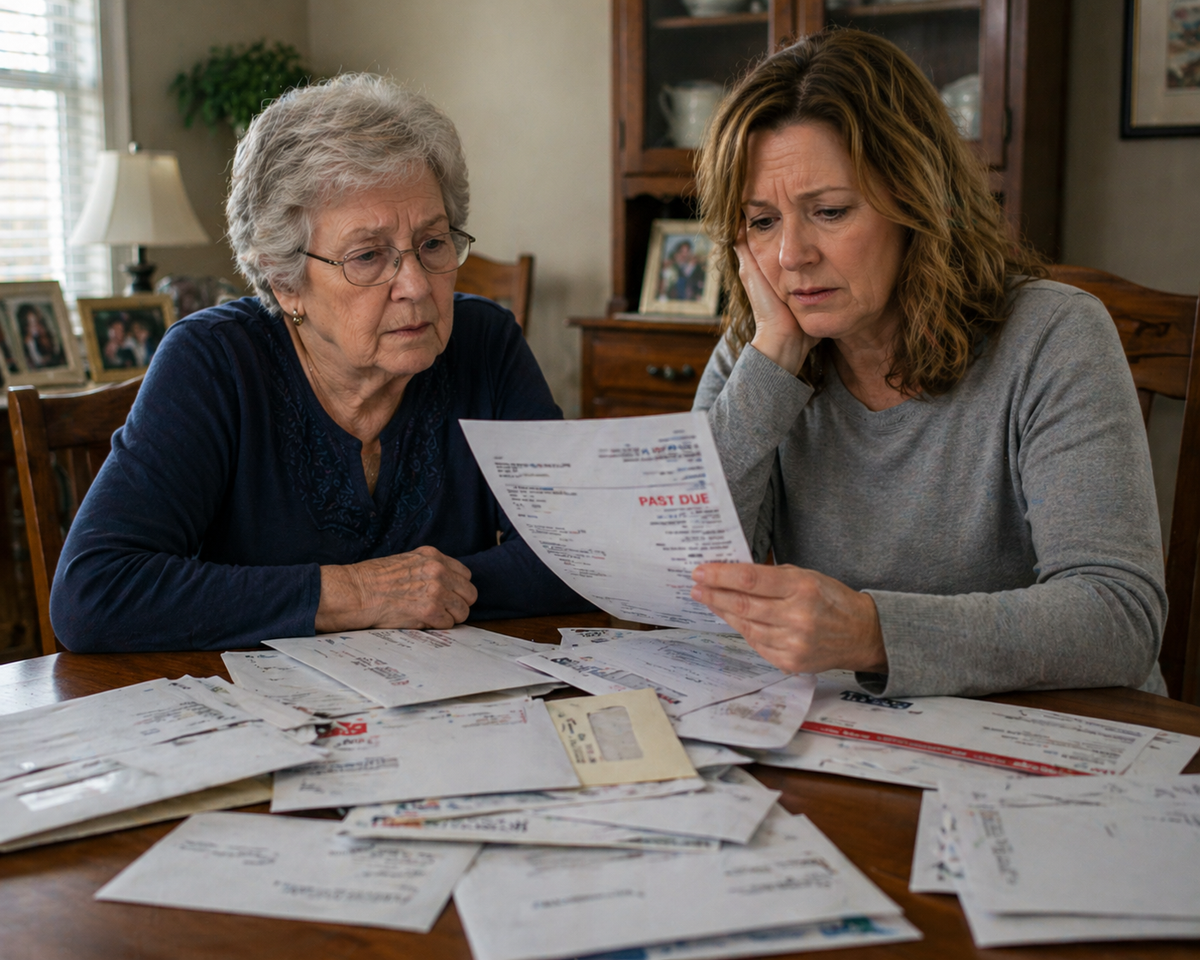
When You Start to Wonder If Something Is Not Right
Many caregivers search for how to know if an aging parent needs help at home when they begin noticing small but concerning changes in daily life.
Many caregivers begin with a feeling:
👉 “Something isn’t right… but I can’t quite explain it.”
You may notice small changes:
- The house is not as clean
- They seem more forgetful
- They are not eating as well
👉 These early signs matter.
👉 Learn the warning signs:
10 Warning Signs Your Aging Parent Needs Help at Home
Why It’s Hard to Know When Help Is Needed
Care needs often change gradually.
Families struggle because:
- Changes happen slowly
- Parents minimize problems
- Caregivers second-guess themselves
👉 By the time it’s obvious, the situation may already be unsafe.
The Areas You Must Pay Attention To
1. Physical Health
Watch for:
- Weight loss
- Fatigue
- Falls or injuries
- Changes in mobility
2. Daily Living Activities (ADLs)
Can they still:
- Bathe independently?
- Dress themselves?
- Prepare meals?
- Take medications correctly?
👉 These are key indicators of independence.
3. Home Environment
Look for:
- Clutter or mess
- Spoiled food
- Unopened mail
- Safety hazards
4. Cognitive Changes
Watch for:
- Memory loss
- Repetition
- Confusion
- Poor decision-making
5. Emotional and Social Changes
Notice:
- Isolation
- Mood changes
- Anxiety or depression
- Withdrawal from activities
When These Signs Become a Pattern
Early recognition of these patterns can prevent hospitalizations and unsafe situations at home.
One issue alone may not mean much.
👉 But patterns matter.
If you see:
- Multiple issues
- Increasing frequency
- Worsening conditions
👉 It’s time to act.
What Caregivers Often Miss
Many caregivers wait too long because they think:
- “It’s just aging”
- “They’ll be fine”
- “I don’t want to upset them”
👉 This delay can increase risk.
What You Should Do Next
Step 1: Start Observing Clearly
Write down:
- Changes you notice
- Concerns
- Patterns
Step 2: Have the Conversation
Approach gently:
👉 “I’ve noticed a few things—can we talk about how to make things easier?”
Step 3: Do a Structured Assessment
👉 This is where most caregivers need help.
You need to evaluate:
- Abilities
- Safety
- Daily functioning
👉 Use this tool:
Home Care Assessment Checklist
When It’s Time to Bring in Help
Consider help if:
- Safety is a concern
- Daily tasks are not being completed
- Health is declining
- You feel overwhelmed
👉 These are clear signals.
Why Early Action Matters
Getting help early:
- Prevents crises
- Reduces stress
- Improves quality of life
👉 Waiting often leads to emergency decisions.
Common Mistakes Caregivers Make
- Ignoring early signs
- Waiting for a crisis
- Trying to do everything alone
- Not asking for help
👉 These increase risk.
What You Should Do Now
Step 1:
Observe
Step 2:
Document
Step 3:
Assess
Step 4:
Act
👉 If you need guidance:
Frequently Asked Questions
How do I know if my parent needs help?
Look for patterns in physical, cognitive, and daily functioning changes.
When should I step in?
When safety, health, or daily functioning is affected.
What is the biggest mistake caregivers make?
Waiting too long to act.
Final Thought
Knowing when to step in is one of the hardest parts of caregiving.
👉 Trust what you’re seeing
👉 Trust your instincts
👉 And take action early
👉 If caregiving is becoming overwhelming:
Explore the Caregiver Balance Framework
Each section of the Caregiver Balance Framework provides practical tools to help family caregivers organize care, prevent burnout, and build reliable support.
• Caregiver Boundaries & Support Plan
• Family Caregiver Agreement
• Caregiver Relief Team
• Caregiver Guidance & Support
• My Vital Vault