When Families Are Part of the Plan: Person-Centered Dementia Care with Mary Underwood - Episode 82
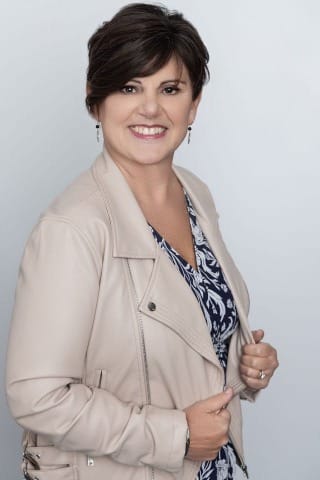
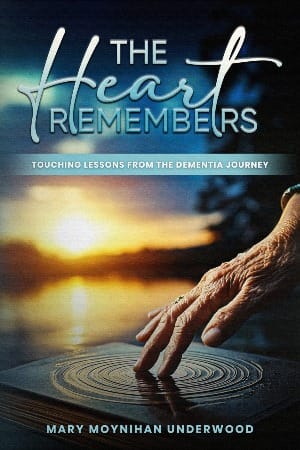
This week, host Diane Carbo, RN, is joined by the incredibly passionate educator, dementia care expert, and author, Mary Underwood. Her inspiring book, "The Heart Remembers: Touching Lessons from the Dementia Journey," serves as the perfect springboard for a deep dive into what true person-centered dementia care really means.
Mary and Diane unpack critical topics, moving beyond checklists and routines to explore the dignity, emotion, and individuality that should be at the core of dementia support. You'll discover why families are not just informed, but are vital partners in the care process, and how listening with your heart can unlock profound connections, even when memories fade. 🤝❤️
In this enriching episode, you'll learn:
- Beyond the Checklist: What is True Person-Centered Care? 🤔 Mary redefines person-centered care, emphasizing that it's about seeing the individual, not just the disease. It's about honoring who the human being is, putting tasks on the back burner, and emotion on the front burner.
- The Power of Observation & Heart-Listening 🎧: Discover why truly listening with your heart, observing body language, and understanding emotions are paramount, as the "brain is broken, but the heart is not."
- Families as Indispensable Partners 👨👩👧👦: Mary stresses that families must be included in the care planning process from beginning to end, as they are the primary caregivers who know the person best.
- "What Do WE Need to Understand?" - A Game-Changer in Communication ✨: Learn why shifting the conversation from "what families need to understand" to "what do we need to understand?" can transform professional-family partnerships.
- Breaking Down Barriers in Care 🚧: Explore common obstacles professionals face in truly partnering with families, including time constraints, task-oriented mindsets, and high turnover rates.
- Simple Actions, Big Impact 🌟: Get practical examples of how everyday moments, like using humor, offering compliments, and finding joy, can promote dignity and foster meaningful connections.
- Advocating Respectfully for Your Loved One 🗣️: Gain insights on how family members can effectively and respectfully advocate for true person-centered care, even when faced with challenges.
- The "Silver Tsunami" and the Need for Better Care 🌊: A crucial discussion on the growing challenges in senior care and the importance of adopting more human-centered approaches.
Don't miss out on these touching lessons and empowering insights! Take a deep breath, settle in, and tune into the full conversation with Mary Underwood.
Podcast Episode Transcript
Welcome to the Caregiver Relief Podcast, a space where we come together with hearts to share stories, resources, and real conversations about the caregiving journey. I'm your host, Diane Carbo, rn, and today I'm truly honored to welcome a very special guest, Mary Underwood. Mary is passionate educator, a dementia care expert, and the author of the beautiful inspiring book, the Heart Remembers Touching Lessons from the Dementia Journey.
In today's episode, we'll dive deep into the person-centered dementia care truly means, and how both families and professionals can work together to honor the emotional, spiritual, and human side of the dementia experience. Here's what you'll learn in this episode, what real person-centered care looks like beyond chest gliss and routines.
It's about dignity, emotion, and individuality, why families must be included, not just in formed, but treated as vital partners in the care process. You also learn how to listen with your heart because even when memory fade, the heart remembers.
It helps us reach more caregivers just like you because no one should walk this journey alone. Now take a deep breath and settle in and join me for a heartfelt conversation with Mary Underwood as we explored what it really means when the heart remembers.
Diane: Mary, I just wanna thank you for being here today. Your book, the Heart Remembers Touching Lessons from the Dementia Journey, is such a moving and insightful read. I love the personal stories, your gentle wisdom, and you really do shine a light on the emotional depth of the dementia experience, not just for those living with it, but their families too.
so can you tell me, Mary, what inspired you to write? The Heart remembers?
Mary: thank you for having me. I always love talking with passionate professionals, passion, and, there's so much to learn and so much to talk about. But I've been in the professional field for about 35 years now, working in, memory care, dementia care, and.
I've done hundreds of trainings, probably thousands of trainings, and what I learned at the end of each training is that people would come up and say, that story you told was very impactful. I learned so much from that story that, so many times the training is about facts, but I found that if I can connect it to a story that was much more impactful for the people learning it.
So, I said, not everybody can go to a training. Not everybody has access to the resources. So why not just put these stories together so that other people can hear the lessons and, maybe learn, maybe be inspired, and maybe feel like, wow, that's my story and can relate to it.
Diane: Well, I loved reading some of your stories because storytelling is a fine art and people do learn better when they hear stories. Okay. And your stories were not only relatable, but I loved at the end of the chapters, you have spaces for people to write their own thoughts and about their journey. And I really like that it just helps people, connect with their own feelings and put them down on paper.
Mary: Exactly. And I think too that it was, that was part of it. It was not just, here's a story, but it was, here's a story, oh, by the way, and here's a lesson to go with that story. But then it was people saying, well, I can't relate exactly to that situation, but. Here's my situation. And they could journal and they can write it down and they can go back to it and they can add to it.
My goal is not to have this book. You pick it up, you read it, and you're done. But you go back to it and say, you know what? Now this story I can relate to a little more than I could maybe six months ago. So it's a work in progress for the person reading it.
Diane: And I love that because I think you did a really fine job on the way you set it out.
I really like that.Mary, we're gonna talk about person-centered care. How do you define person-centered care when it comes to supporting someone with dementia?
Mary: I think we hear person-centered so often that it's almost become cliche. Yeah. But, and it's a little bit, I think having lost its meaning, I think people think person-centered care means, oh, we decide what time the person, the person can get up at this time, or they can wear that.
But person-centered care to me is really taking the disease. Putting it on the back burner. It's about not saying the person needs this because of dementia, or the person should do this because of, it's almost saying, let's not even think about the disease. Which sounds very strange when you talk about memory care and dementia care, but it's about who not just was this human being, but who is this human being that we're caring for?
and I don't think we, when I train and talk with, especially salespeople and executive directors and nurses, I say, get out of your head that you do memory care. Forget that you do dementia care. Do human being care. because, and in the book there's a chapter that we talk about where a professional referred to, my dad as they, they need time to adjust.
And that word just completely takes away any sense of person centered care.
Diane: I actually really Promote, person-centered care on my website, and one of the things I do is I have two different person-centered care profiles and one is just a one page one and it, I want the photo on there and what I want you to know about me.
Yeah. and I tell my clients when I'm working with them, take this with you. When you go to the ER or to any hospital or anything, and put it up because that way the, they are forced, the healthcare professionals are forced to see the person. As a human being and not a diagnosis.
And I think that's so important.
Mary: Oh, it's so important and not that I understand a little more, but I understand at the er you are there for a diagnosis, you're there for something acute. When you're in the hospital, it is a little more medical. But when you move into a long-term care community, whether it be independent, living all the way down to skilled, that's your home.
Yeah. That's where you are going to live your life for the rest of your life, most likely. So it's how can we, again, take care of that human being and their feelings and their emotions and their needs in the same way we do for people without dementia?
Diane: Yes. Well, I'm coming across people that are in the ER for days, and that is when I think you, you just have to take this and make sure that they know, because
You can see if somebody sundowns or starts yelling, they're frightened. just being able to have them look at that sheet and say, oh, this is so and so. They call him this and, oh, he wants us to know he was a farmer. So we talk, they can then say what's going on?
can you tell me about yourself? or, are you worried about the cows or something you just don't know? I've worked in dementia care and stuff for so long, I just learn how you just learn how to try to relate to somebody at, At that level. At their level.
Mary: Right. And even, and I think you can do that even if you don't know the person. I go into a lot of communities to help assess and work on programs, and somebody will say, I'll say, hi, my name is Mary. And they'll go, oh, I'm Patty. I'll be like, oh, you know what? I have an Aunt Patty and this is what she liked to do.
And Are you Patricia? Or is like, there's just ways to exactly talk like a human being that we need to get better at.
Diane: What does person centered care look like in everyday life?
Mary: It looks mostly, which again, which we're not great at. I think it need to get better at, it's mostly listening. It's less talking and more listening.
it looks like. again, in a community setting or even at home, it looks like lunch being whatever time the person wants lunch. It means putting on getting outta your pajamas. When you wanna get outta your pajamas, it means maybe not having a shower on a certain day because we all have gone days without showers.
It means listening to the emotion and the experiences that the person is having that day and adapting it to them on whatever given day. and like I said, we put dementia on the back burner. We need to learn to put the tasks on the back burner and put the emotion on the front burner.
Diane: I love that. Yeah.
The other thing I would recommend caregivers also do, or professionals do, is observe the environment they're in and observe them, do they look, are they anxious? Do they look like they have to go potty? Yeah. Do they, do they look like they're having pain? you really have to look at somebody.
are they just confused? Is there too much noise? I was just telling you, I was ha having anxiety here 'cause we're, I'm at home today and the community, they're cutting the grass and it's like, oh no.
Mary: Yes, exactly. and when I do training, and again, the name of the book is The Heart Remembers is because what I try to get into caregivers heads is their brain is broken, but their heart is not. So stop talking to the brain. Stop listening to the brain. Stop listening to the logic and look at what is the emotion?
Are they anxious? Are they fearful? Are they happy? Are they con? What is the emotion? Because that's not lying at the moment.
Diane: Oh, Mary, that, that's well said. That's beautiful. I think we all need to hear that. you emphasize in your book the importance of family involvement, when and how should families be included in the care planning process
Mary: from the minute they meet until the minute they pass away.
Amen. Amen. And I, and again, I think part of that is not only just the professionals, but the families also have to realize that you might know this disease very well, but I know my dad really well. I know who he is, what he was, what makes him tick. and you would think that professionals would want to know that to make their job easier to decrease, any of those negative behavioral expressions.
But I think families are,again, one of the things I train is that no matter how much care you might do for a person, you'll never be their primary caregiver, even if the family does not. One minute of direct. personal care, they are still the primary caregiver. we often think that we have to call the family with a solution when the reality is sometimes we need to call them for the solution.
We should not be talking about an issue about a client, call the family and say, we've been talking about your dad and this is what we think. Well, how could you talk about my dad with not, without including me? So anytime somebody's being talked about that family needs to be involved and listened and asked, and, they are the most important part of the caregiving team.
Diane: I have to tell you, for decades, all I've heard is how healthcare professionals ignore the family. And, I had a personal experience where I had a dear friend that was in her eighties, was having a trans ischemic attack while she was driving. I was in the car with her and I pulled her over and took her directly to the hospital.
Now we're sitting in, it was the first time that they actually saw it happen. She's had these before, but they always resolved before the hospital got there. And this was my experience. She's in the room, in the er and she's, they're asking her questions and I'm listening to her answers and I'm saying, excuse me, but that's not accurate.
They asked me to leave the room. They didn't wanna hear what the truth.
Mary: Wow.
Diane: I was like, beyond myself because she was literally lying about what she had been doing. and, she was a noncompliant diabetic, there were so many issues that she had and, yes. she was just, I loved her to bits.
But, and I've seen this over and over again. Families want to tell what's really going on. even in the physician's office and the healthcare professionals don't take us aside and say, tell me more. They tell us to hush. Sit in the corner like we're children and listen to what the, patient is saying.
Yeah. And they are not always truthful.
Mary: Exactly. Well, I put together, actually it's called purple, P-U-R-P-L-E, and it's designed for. Emergency rooms, hospitals, even housekeepers in anywhere that touches a person with dementia. And the P is, and I'm not gonna go through the whole thing, but the first P is provide simple one instruction at a time.
But the R stands for reinforce information with family, which says, listen to the person, but reinforce that information with the family. But I think what's interesting too is when the person is in the earlier stages of the memory loss and the disease, they don't wanna hear from the family. But then as the person progresses, they don't wanna hear from the person, they only talk to the family.
Yeah. So we have to kind of meld that somewhere where everybody's listening to throughout the whole process.
Diane: Mary I inclu, I encourage my families to create a care team partner approach to, to care. And one of the things I do is, because so many caregivers have complained about how they feel invisible is to make to, and I tell them this jokingly, but I'm seriously get a little lab coat, take a clipboard, take a pen, have your questions ready, and all of a sudden you're gonna be looked at differently because you look like you're part of the team.
Mary: Yeah. when my dad ended up in the emergency room time and I, my mom was his primary caregiver and I tried to empower her as much as I could, even though, I'm the professional in this situation. Yeah. So he was having an acute episode, knew we needed to get him to the er and I said to my mom, let me just do the initial talking like after that you are good to go, but let me just, 'cause I know what needs to be said.
So we get in, you go to the little admitting place. And the woman said, what seems to be the problem? And I go, my dad has had a significant change in his cognitive and functional abilities. And she looks at me and she goes, oh, like she knows what she's talking about. Like, yes, yes. We were in the back of the emergency room.
We were in a room within two minutes within, and as we were being wheeled in, there was a doctor coming in behind us because knew the language, knew what to say, but most families don't have that. They just, they need us. They need support.
Diane: Really do. and, that's what I love about your book, because you break it down into bite-sized pieces
For people so that they can relate. At any time during their journey.
Mary: Yeah. The, because it intentionally, again, the layout is, the very first chapter was about us learning about dad's diagnosis and the denial that comes with it, even when you've been a professional for 25 years at that point. and it's just, again, it goes back to the heart that even as caregivers, we have this ongoing battle with our head and our heart.
Our head might know one thing, but our heart knows the other. But then it goes through all the way through, not being recognized to, not being able to drive. It's, again, there's something for everybody, including professionals as to lessons we can all learn and need to be reinforced.
Diane: we often hear professionals say the family needs to understand. Oh yes. Can we talk about that phrase a little bit? What does it reveal about the current state of communication between care providers and families?
Mary: One, it reveals it's not a partnership. First and foremost. second of all, I think it reveals that the professionals think they're the experts in caring for this person.
And again, that's where it goes. The disease has to go on the back burner. and I have, I have a client one, he was a resident in one of the assisted livings I was working at. and actually this is another story in the book where the daughter had come and saw the dad who was dancing very, he was very animated and clearly enjoying, and she was horrified and said, he needs to stop.
He cannot do that. It must end right now. And, so the team all got together and talked about what did this daughter need to understand? She needed to understand that this is part of the disease and inhibitions are decreased and moments of joy, blah, blah, blah. I was like, wait a minute. Before we can tell her what she needs to understand, we need to figure out what do we need to understand?
What is it? That got her so upset about this, So we sat with her and first thing, and again, the team was ready to be like, okay, listen to her, but then we're gonna tell her what she needs to know. Yeah. We sat down and said, we saw how upset we're sorry that this was such, a difficult thing for you to see.
Can you please explain this? we wanna help. We wanna understand. Yeah. And she, in tears explained that she didn't care if her father danced, she understood the disease, but that she promised him that she would protect him and protect his dignity and that she knew that he would not want to be behaving as she said in that way.
But if we didn't ask first, what do we need to understand, then that partnership is broken. So it's, again, it's when we say what the family needs to understand. We're taking care of a disease. When we say, what do we need to understand, then we're taking care of a person.
Diane: I love that, Mary. That, and you know what, that's something that I have never heard in my 52 years of nursing.
Anybody that cares about, even in psych nursing, they don't approach the family. What do we need to understand? So I love that approach.
Mary: Wow. Yeah. It's, and it's such an easy thing to, it's such an easy thing to start with because when you start with that question, you're also starting with the fact that you're in this together.
We are here for, we are a partnership. We're gonna figure this out together. Versus starting off with What you need to understand, Diane, is it becomes, whoa, whoa, whoa. Wait a minute. Like, we're not on the same team. And it takes a village, it takes a team.
Diane: It absolutely does. So what are some of the barriers that you've seen that prevent professionals from truly partnering with families?
Mary: Oh, I think part of it is the, just, it's years and years of just this feeling of seeing them as a patient, even the word patient, that they refer to them patients. I even do a situation where I work with nurses and I say, show me your documentation and how do you document about somebody?
And most times they start with resident was blah, blah, blah, blah, blah. I go, why did you use their name? And they're like, well, you know, I go, don't tell me HIPAA because you're writing their name and their chart. and it's just the mindset of. We have tasks to do. We have patience to care for. and I think sometimes we as professionals think that families aren't educated on the disease.
And even if they're not, it doesn't matter. They're educated on the person. So I do think it's a bit of a time commitment. I think it's a task mindset. I think the turnover we see in long-term care communities really has an impact on how well we get to know and care for people. But when it's done right, there is nothing better.
Diane: So how do you think we can, those barriers can be broken down?
Mary: I think it has to start with training, and not just training at the community, but training when you go to become a CNA or when you go to become a nurse, that needs to be part of the training because most CNAs, when they start out in the job, they know how to give a shower.
They know how to dress somebody. They know how to make a bed. They don't know how to talk to a family. They don't know how to listen to a family. So, and I think that's true in nursing, for people who go for nursing. So I think it starts way back then. I think it starts with, again, we talk about how we get to know, and I'm with you, that we have, forms to fill out.
What do you wanna know about the person? And I have, developed one, that's one that's six pages, one that's eight pages. Yeah. But we need to do one of those for the families. Also, what three things would tell you that your dad is being cared for. Because that would help us understand what is important to the families.
But again, it's looking at them as care partners. I think it's using the name care partner more than caregiver. it really is. I think it's a lot of work. but I. I think it's once people see how beneficial it is and how much easier it makes their job, that it hopefully will continue to be more of the norm in long-term care communities.
I.
Diane: Mary, I've been a nurse for 52 years and when I first went into nursing, we actually had, as nurses had times we could interact with a patient. I was always taught, to assess and educate as you're giving care. And we don't even have that experience anymore. I mean, they throw a wet one at you and that's your AM care.
it's nurses are pushed beyond the what is humanly possible for any, and the aides is even more, when you think of how the ratio staff ratio is, it should be according to acuity levels. But when an aide has like six or 12 patients, on a shift, nobody gets adequate care.
Nobody gets their needs met, to the level that they should because it comes down to dollars and cents.
Mary: But I also think part of what we're asking for takes no additional time that when you are showering somebody, you're giving a shower anyways. Why not talk to them about their love of the New York Yankees while you're showering them?
Again, we're not asking to take more time. I would love again, to say everybody could sit and have a half hour with every resident, but while you're doing those tasks, do it in a person centered way. Even, things. And when I talk to CNAs about it, I get a look of like, I never thought of that about.
Think about when you take a shower, how many ti, how many people and half, probably half the people face the shower head for a majority of the shower and half of the people face the back. A majority of the time. We put residents in the shower the way we shower ourselves. So if you are somebody who showers facing the front, but I'm somebody who showers with the facing the back.
That simple person-centered care is going to make your job easier, my experience better, and it takes no more time. So again, it's about finding ways not to add time, but to make that time the best we can with the residents.
Diane: That's beautiful. I love that approach. I have to tell you, when I worked rehab, we put red boots on in the showers over our shoes.
And, I sing, I talk to people depending on their, on how they respond, but, I know a lot of people just, it's a job they go in. For me, it's always been, I wanna know a little bit about you while we're doing it. Of course, there's always the little old lady or little old man who's screaming their lungs out while you're trying to bathe them.
And then it's a calming thing. That's what I do. I sing nursery. Things. I just think calming things, to try to get them, to a level where we, they can possibly enjoy it. And by the end of the shower, I have the lady say, or the man say to me, oh, I feel so good now.
Mary: Yeah. But again, you have to, yes, I understand there's tasks and I understand that people go in with their assignment sheet and what has to be done, but I would love to see every place put as the very first task for everybody is to give the resident a good emotional day or a good emotional moment.
That should be everyone's number one task that they get done. And the best way to do that is to know them and know what they like to talk about and know what their favorite color is and know even what they like to be called. Sometimes they can get that right.
Diane: Yes, yes. that's very important because.
I had a patient that was a doctor, a very prestigious man, and he had a stroke and had developed dementia. And, the family wanted us to call him doctor. He didn't respond to that.
Mary: Yeah,
Diane: he responded
Mary: to Ed. Yeah, exactly. Yep. and on the other case, my husband's aunt, she was 73 years old, living home alone.
Worked a full-time job, drove, took care of her two cats, completely independent, had a stroke, lost it all, lost her job, lost her home, lost her cats, lost her driving. Ended up in an assisted living after rehab. and I had filled out all the paperwork and I said. Please do not call her Patricia. She hates the name Patricia.
You can call her Patty or you can call her aunt. that's what she liked to be called. Aunt or Patty or Aunt Patty. Okay. So she's now leaving rehab. She is in depression because she knows everything that she just lost. Yeah. She knows she's going to this new home. I wheel her in and she's greeted with, oh, you must be Patricia.
And I thought, here is this, this is like the worst time in this woman's life. You can't even call her by the right name. And I was just heartbroken for her because it was just a reminder of one more thing she lost.
Diane: Yes, yes, yes. the, one of the things I used to do when I was a DON of a, an assisted living with memory care, I would introduce myself as Diane, and then I'd, the first thing outta my mouth is, what do you want me to call you?
Mary: Exactly.
Diane: Yeah.
Mary: and I. Again, it's perception. 'cause I go into places too. I always put out my hand and say, hi, my name is Mary. And staff will say, oh, she won't answer. I will tell you, 95% of the time somebody puts their hand out to shake it.
Diane: I will tell you that, that is huge, Mary. they, it's a natural long-term memory response.
And we in healthcare don't give people our patients, our residents, whatever you wanna call them, the opportunity to respond in a, in normal fashion. Yeah. We just take it for granted. They're not going to respond.
Mary: And I think that's one of the things I love about what I do. 'cause I don't work in a community anymore.
I, do a lot of consulting. I know nothing about anybody, like nothing. So to go in and see somebody and say, hi, I'm Mary, and put my hand out and again, 90% of the time the hand comes out and probably 80% of the time they tell me their name, even for, and the staff look at me and go, she hasn't said her name in a year.
It's like, because you haven't given her the chance to say her name.
Diane: Yes, yes. and I've seen those kind of interactions too. one of the reasons why they call it the long goodbye is because we have moments of connectivity with the, our patient or family member, and then it goes away.
But we, over time, we don't give them the opportunity. To show who, what's inside. Right, right. And can make that connection. So I really love, what your book e exposes and guides people to, to think differently. Yeah. And I love that. Yeah.
Mary: It was definitely a labor of love and it was, there I tell you could write a book.
So many of us who are in the, you have written books, actually. There's so many of us in the field who could write a book because there are other people's stories. there's, and as the, in the beginning it says they're everybody's stories. everybody can relate to. Somehow I just happened to put them together in book form, but they really are, everybody's stories
Diane: just brought to light.
So, Mary, in your experience, what do families need most in order to be effective advocates for their loved one with dementia?
Mary: I mean, I would love to say they all need to have a professional in their corner, but that's not realistic. Yeah. I think it's just to be empowered to know that this is your dad, your husband, your wife, your, you know that you have the right to say what you need to say and that because they're professionals doesn't mean they're right.
And I think that's a really, and I think probably generationally we're getting a little better about that. Yes. But it's just not taking everything to heart. If something doesn't feel right, if something doesn't sound right, if somebody's saying something that says, you know what, that's not what my dad or my mom, that's not what I'm, speak up.
Like, don't be afraid to speak up because they can't for themselves. So you have to for them.
Diane: Exactly. that yes, I agree. I totally agree. So your book talks about emotional and the human side of dementia care. So how can we as professionals make space for the emotional needs of both the person with dementia and their family?
Mary: that's a great question. I wish it was an easy answer. I think it's like we talked about a little bit ago. M make the assumption that those connections can happen. Don't assume they can't. And I think there's too many times, again, we go in and that's why I don't like the term dementia care, because dementia care tends to be about what the person can't do.
Human being care is about what the person can do. So I think it's, again, going into it with the belief of I'm going to get a moment out of this. And if you do that, the worst thing that happens is you don't get a moment out of it. And that's okay. But if you go in and think, I'm not gonna have a moment, you potentially are missing that opportunity.
Connect. We went, I always talked to my dad, as if he understood a hundred percent of what I was saying, and I always talked to him as if he was going to answer. and probably 95% of the time he understood, but didn't answer because of the type of dementia he had. But I never. Gave up that he would come up with something.
And I remember bringing my son, he has two great, I have two children, a son and a daughter, and they both live outta state. And I brought, my son was in the state, so I brought him to the nursing home to visit dad. So I went into dad's room and I said, oh dad. I said, i have a surprise for you. Somebody's here to see you again.
That was just the conversation, not expecting an answer. And he goes, is it Lindsay? And I just went, oh my gosh. I said, no, it's not Lindsay, who is my daughter. He goes, is it Connor? And I go, it is Connor. And he like, he, but that, if I hadn't given him that moment, I think what people don't realize is that in return, I had a moment, I had a moment where he remembered his grandchildren's name, that he was excited to see them.
So if we don't give them the opportunity to have a moment, we ourselves are missing out on those opportunities too.
Diane: I had a similar experience. My grandmother s my grandma Smith, I loved her. And I was the first grandchild and a girl, so, oh, forget, I had a lot of time with my grandma. You were the princess.
I, I was. Yeah. Now I'm just the know it all. Bossy sister. but I, my grandmother had a pacemaker in and I lived out of state and she was going into the hospital and she had dementia, so she was going in the hospital to have her pacemaker. batteries changed in those days you had to go in, and have it removed.
Not like they do now. Anyway, she was in, and my family, I hadn't seen my grandmother. I've talked to her, on the phone, but I hadn't seen her in probably a year. I went and every, my whole family says, she's not gonna remember you. She doesn't remember any of us. She, she's not. So I went in and she was just waking up from her anesthesia and I didn't expect her to even talk at all.
But she woke up and she looked over at me and she said, you look just like my Diane. Oh. I started crying. 'cause I thought, nah, she remembers me, not you people. Me. She remembers me.
Mary: She
Diane: remembered me. Yeah. That was, that had was such a mean, I, in fact, here it is, she's been gone like 40 years and that is still one of the most precious memories I have of my gram.
Mary: Oh, absolutely. It's again, but it's giving them those opportunities for those moments. And that's what we need to do. And that's, we need the time, the patience. Just the to walk by a resident who's sitting in a hall and not to say hello or not to say something. We just have to give those opportunities for connections because they are still there.
And the example I give, 'cause there's been a recent study out about the harm of loneliness and isolation, and that on your physical health, it's equivalent to smoking 15 cigarettes a day. I know, which I was shocked. So I say to caregivers, would you ever walk by and just hand your residents cigarettes?
And they're like, of course not. I go, well, that's what you're doing when you walk by them and don't say hello. So when you do that, just imagine you're handing out cigarettes because it's the same physical impact as not saying hello, not saying hi, not making eye contact.
Diane: You know what, I'm from Pittsburgh, Pennsylvania originally, and I lived all over and West Midwesterners are very friendly people.
And one of the things I, I walk on the beach o often here in Myrtle Beach and whatever time it's, I say hello to everybody that's on the beach. I had, an old friend with me. She goes, do you have to talk to everybody? I said, of course, you. What you're going, who you're gonna meet, and what you're going, what, what interaction you're gonna have.
And one of the most meaningful interactions I just had recently is a 98-year-old man who walks every day. And I stopped him and I said, I'm, I admire you so much. You're out here every day. He was a World War II veteran, and he walks three miles on the beach. His son brings him every day,
Mary: okay?
He's making me feel bad about myself now.
Diane: it's just that, I, because I work at home and I've got lots, I'm always on the computer. I don't, I have limited interaction with people except for people like you and, where I'm interviewing people and stuff, or my clients.
But, when I'm out, it's like, it's just nice to make connections to see, and I've gotten some great cooking recipes, that people have shared with me just in a simple interaction
Mary: just at the low, because like you said, you don't know what that person's experiencing at the moment.
I walked by, I was in a community and there was a woman there who I see all the time, and I walked by and we, every day we did the, hi, how are you? Good, how are you? Like that was, so I walked by the room, I go, hi, crystal, how are you? She goes, good, how are you? I go, oh, you don't sound good.
And she's like. You are the first person to ask. And I go, you're just not yourself. And she, let go of her burdens. I said, can I give you a hug? And I, she gave me like the biggest hug you could imagine. And she goes, I already feel better, but how many times do we just walk by people and don't make those connections?
And in the world of dementia, you might say, we already had a good connection. Well, in five minutes they're not gonna remember that they had that connection. So you have to give them another and another and another. Exactly.
Diane: So now we talk about listening. So what role does listening, I mean, truly active listening play in delivering person-centered care?
Mary: Listening is, again, it goes back to the brain is broken, the heart is not. In the world of professional caregiving, we tend to listen to what they're saying and what they're saying is broken. So it's listening to, is what they're saying filled with anxiety? Is it filled with excitement? Is it filled with joy?
Is it filled with fear? because that's what has to be listened to. It's not the words because the words we know are very broken. So it's really just listening to how something is said. What is the body language? And I always say, don't listen with your ears, listen with your heart, because that's how we have to listen to people with dementia.
Diane: I had a one little lady, she was a cute little soul and she was in behavioral health with dementia, and her family was upset because she was having delusions, and I thought they were the most adorable delusions I've ever heard.
Mary: She
Diane: had a boyfriend. And she talked, at first when I first met her, I didn't know any of this.
I was just, coming onto a shift. I was doing agency nursing, and this was one of my, my, my regular spots. And this little old lady sitting there, and I'm talking to her and I thought, I didn't know she was a patient initially. And she's sitting there and I said, what are you doing here? And, she says, well, I'm waiting here for my boyfriend.
And I said, oh. And she starts telling me this elaborate story about, oh, he travels all over and he calls her all the time, but she's never able to. she's, she can't, she's not been able to go with him because he travels so far. And I said, oh, how do you get in touch with him every day? And this is when I realized she was a patient.
She picks up her little hand and cups it to her ear and she says, oh, we talk like this all the time. Oh. And and the, and her delusion was not harmful to her. And I felt really bad. They were trying to medicate this poor little
Mary: lady. And that goes, again, back to listening to, they people described, oh, this person's delusional.
That person's delusional. And, but the reality is, most of the stories, yes. And most of the delusions have some piece of truth in it somewhere. We have to figure it out. maybe it was her son who travels all the, whatever it is. There's probably some piece, my grandmother, and again, this is another story in the book.
Nobody's gonna have to buy the book. I'm gonna have all the stories. But, so I went to visit my grandmother one time, and she was in a nursing home. She had several strokes and she says, oh, I'm glad you're here. She goes, somebody stole my slipper. I said, oh Graham, I'm so sorry that your slipper, your slippers are missing.
She goes, they're not my slippers, it's my slipper. I go, one slipper Graham. Yep. I go, well, Graham, why would somebody I go, who would steal one slipper? not saying she was being diluted, she goes, the lady down the hall. I go, oh. So now we have a suspect. I go, so the lady down the hall, why did she only steal one slipper?
And she goes, 'cause she only has one leg. So now again, she's being labeled delusional because she's thinking somebody stole her slipper. But the reality is one slipper was missing because she was a hoarder and hid things, and it was missing. There was a one-legged lady down the hall so her mind put it together.
So people were calling her delusional. I was calling her. Brilliant. I was like, that is brilliant. To be able to put these pieces together. so the listening again is, and I, it's the fun part of dementia care, which sounds a little odd. it's being that detective, it's like, what piece of this story is, how do they fit together and how can we help the person, see the world like that?
And it just, and again, if it's harmless, it's harm. Who cares if she thinks she has a boyfriend, if it makes her happy. God bless her.
Diane: Exactly. That's what I was thinking. if she's happy and she was probably lonely. And if this was her way of coping with her loneliness and giving her comfort, then I say let her be.
Mary: Oh my, not delusions, but hallucinations.
Auntie Patty again, she, as she progressed, started to have delusions. I mean hallucinations. and she was seeing bunny rabbits. Well, auntie Patty was the biggest animal lover there was in the world. And it's like, I'm not gonna take 'em away from her. She enjoyed when they visited. She loved seeing them.
She goes, they're so hard to catch. They're so fast, I can't catch 'em. And, but she talked with joy, so it's like, I'm not going to give you this strong medication to remove something. Exactly. That brings you joy. But then they turned into spiders.
Diane: Oh, now that's ugly.
Mary: Yeah. So that became a whole different issue.
But yeah, it's looking at the whole picture and not the,
Diane: I agree. if it's giving them joy and it's not causing anxiety or harm to anybody, let them believe what they believe, at that stage of their dementia. I mean, it, you're not, I always say choose your battles wisely because you don't want to, some fa family members feel a need to bring them back to reality.
Well, the reality is. Not what we think it is. So I just think it's just better to, let them have that delusion as long as it's healthy and happy and they're happy, but it's like, oh my god.Well, of course we have people that are paranoid and accusatory and those things, and then that's a different approach.
Right. But even with that, I look at and I tell staff,
Mary: what are we doing to add to that? we have a very common thing we hear in communities. if a wife lives there and the husband is not there, does not have dementia, the wife will say, my husband's cheating on me with her.
Point to a caregiver and people are like, oh, they're paranoid, but here's a woman who doesn't sleep in the same bed as her husband doesn't see her husband when he shows up. The first person he goes and talks to is that woman over there who happens to be the nurse. But she doesn't know that. So again, we look at it and put all the blame on the person with dementia when the reality is we need to look at what are we doing?
you are poisoning me. Well, yeah, we're putting cream and sugar in their coffee and then bringing it to them. They don't know it's cream and sugar. So again, what are we doing? What pieces of the puzzle should we own? And I don't think we're good at that. We tend to put all the blame on the person with dementia.
Diane: I will tell you, I have even seen that in, senior behavioral health. we don't have the proper training, is what I'm gonna say. And, and it takes work. And so I love that you are an advocate. it's just you're doing wonderful things and I love that you're bringing this to the forefront because we need, we have a silver tsunami coming.
Mary: Yeah.
Diane: we don't have enough youth to take care of our seniors. So they're going to have some major challenges in the next, just in the next five years, but in the next 10 or 20, it's going to be very challenging for us as a country with all the seniors. And I think that we need to, I love the fact that you're taking a teaching on an approach that can help us be better people, better caregivers, better professionals.
Mary: And by doing it too, by doing some of the simple things in the lessons in the book for professionals can, it's not only better for the person you're taking care of, but in the end it's better for you. It makes your job easier, it makes them less paranoid, it makes them less combative and resistant and more of a trusting partnership.
So again, everything we ask is, yes, it's great for the resident and the client, but it's also good for you as the caregiver.
Diane: Mary, you mentioned that small everyday moments can have a huge impact. You, can you give us some examples of simple, meaningful actions that, can center the person and promote dignity as at the same time?
Mary: Yeah, I think humor goes a long way. I think that, using humor in, I was doing a training once and there was a woman who was so resistant to a shower and, we were just in the moment and I said to her, you know what, if somebody were to give me a shower, I'd prefer it be Robert Redford and not me.
And kinda chuckled at the moment. So it's doing it, it's getting ourselves out of that moment and just pay the resident a compliment. your hair looks so good today. I love the sweater we're putting on, Use an uplifting, use, a positive use humor. in some cases you just have to kind of take a deep breath and walk away and say, oh, you know what, I'll be right back.
Deep breath. Get yourself centered. But I truly do think, again, compliments humor. and the residents, the clients with dementia often, sometimes know when we need that as much as they need that. so again, it's find, it's not laughing at them. We absolutely know that, but it's just finding humor and just laughing and finding joy, and finding something nice and complimentary to connect you with them as a human being.
I say to people, think about if you were to walk into a room and see your best friend, what would you say to them? oh, I like this or this, do that for the residents and don't walk in and say, it's time for a shower, because that's not building that connection.
Diane: that's lovely. I really like that.
I had a situation in an assisted living in a, this met gentleman should have been in memory care and he was not. and he went to the dining room my first day on the job as the DON in this posh place. and the, I have clients, residents coming to me and saying, he smells bad. He shouldn't even be down here.
And what shocked me was this man had an attorney that was overseeing him. So he didn't have family and he was this, I said to him, Hey, let's go upstairs and, let me get you, we will get lunch upstairs and let's go and get you cleaned up. And I, I said, so I brought him upstairs. We went up to floors, in the elevator and stuff.
And I had an aide stop me. Which was very disturbing. She says, you don't wanna go into his room. I said, what do you mean I don't wanna go into his room? And I opened the door and it was foul. Yeah. And he had been try and this was ma this is, wait, it makes me crazy. 'cause he should have been in memory care and he was not.
And this had gone on for a long time. He had been hoarding, used toilet paper in his cabinet and in his room. And there was poop everywhere. I mean, literally fried stool. Ugh. And they, and their thought, they said, he refuses care. Well, excuse me, you let him live like this. Right, exactly. That's so wrong.
And there is a way to work it. And that's the issue I have with many assisted living. If a patient refuses care, they go, okay, we just won't care. And it's, so I said, I had another. I went to help a friend with her mother-in-law in assisted living. The husband had dementia, and then the mother-in-law was just one of these old southern bells.
She would not get out of bed and she would not take a shower, and she would only change her underwear once a week. Oh. And it was gross. So it, and here's the thing, I said to the, I went to the administrator and I said, you gotta do something. I mean, that's UTI, urinary tract infections. There's so many things.
And I said, can't, you take your staff, take a different approach to her so that when she gets up to the bathroom, they clean her up and they didn't think about that.
Mary: and you know what, and again, if that goes back to just thinking about the shower, my job is to get her to take a shower. She said no to the shower.
Therefore, I did my job. We had a client who refused. I mean, we tried, you name like she was not taking a shower. Nobody was telling her what to do. Well, we learned that she was referred to by her coworkers and her family as the queen of birthdays. So if it was, in the office, she would be the one to get the cake and get the card and have everybody sign it.
And, she just loved celebrating other people's birthdays. So whenever it was shower day, the person would go in and say, Hey Josephine, let's, how about we do a shower? I'm not taking a shower. And the aide would try a little bit and she goes, you know what? It's fine. I'll just have a lousy birthday.
And Josephine would. What? And she said, oh yeah, it's my birthday, but no big deal. It's, I'll just go get in trouble. And she's like, well, since it's your birthday, I'll take the shower for you. It wasn't about convincing her why she needed one. It was using what we knew about her Yes. To get her to, and she, by getting her in the shower, she thought they were on her terms.
I'm getting in the shower because I choose to because it's your birthday. Yeah. And it's finding those little tricks. And it's not saying, do you wanna shower? because they're all gonna say no.
Diane: Yes. that's an amazing tip. I love that. It was so much fun. And everybody's like, and again,
Mary: because of her dementia, she never said, wait a minute, your birth.
Yep. Yep. And you know what? Every once in a while we would let her skip one and find, but she was clean. She was getting enough showers and she was doing them on her terms. Her
Diane: terms. Exactly. Yep. So Mary, how can family members respectfully advocate for change when they feel their loved one isn't receiving true person-centered care in a facility or even in their own home?
Mary: Right. the word is respectfully, and I think sometimes, well, I think the biggest thing I wanna say for this is, and I hear it all the time from families, is I don't wanna speak up because then they're gonna be retribution against my loved one that, again, I've been working in the field, you've been in it for a long time.
That is not the case. absolutely. Again, I, and I can't stress that enough. They're not gonna say, oh, this family's complaining. We're not gonna do X, Y, and Z. Actually, if you complain, they're gonna try to go above and beyond 'cause they want you to stop complaining. But it's one, don't think that there's going to be repercussions if you.
Complain. I think again, it's just as we ask the staff members to listen to the family members that the families, again, it's a partnership to say, I'm really struggling with my dad not getting up in the morning. Can we talk through what's happening with dad? Again, it's to try to make it a we are in this together, not a, you are not doing this right and you're not doing that.
Right. And more of a, let's talk through, I mean, if it's really important, obviously if there's any abuse or neglect that is non-negotiable, that is right to the top and get that there. But if it's my mom's room isn't clean enough or she's not getting, the juice she likes with her meals or her clothes are stained again, it's just going in with the we approach.
It's, you know what I noticed my mom's. Clothes are stained a lot. Do we need to bring her some clothing protectors or what's going on so that we can do this together? But again, you have to be the advocates because they're not able to. I think one of the harder things for IC for communities is when a family member is trying to advocate for another resident, and that, that kind of becomes a little, I, we know people mean well and their intention are good, but again, you don't know what's behind the scenes.
You don't know what's happening. But it's all about a partnership. It's all of us. it can't be an us versus them mentality.
Diane: and that's a good point. and I wanna tell my caregiver listeners out there, when you are advocating and trust me, I have gone, advocated for so many people over my life and when it's really, my son was a so soldier, a disabled soldier, and he was in the VA, at the military medical delivery system.
And, you try to be nice and kind and I have to tell people you have to try to be respectful. And it's really hard sometimes, but I don't know. and I come from the perspective like. I could be this nurse or I could be this doctor. And I have to listen to this. So what can I, how do I approach it so I'm not hurting people's feelings?
I'm not attacking, and there, and I will tell you there are times, 'cause I have been there myself. Just wanna hit your head against a wall because it's not working.
Mary: and I think too, it's, I'm actually doing a training for a community, in a couple days. And for the families it's talking about what your head knows and what your heart knows.
And that, I think when there's these episodes, it's our heart that gets in the, it's our heart that's reacting and being very emotional. the example. And it's very easy to say, well try to balance. It's not so easy when you're faced with a situation. I went in to see my dad and visit him one time, and it was 11 o'clock in the morning and I went down to his room and he was still in bed, which, some families would've been like, what's going on?
I understood he has dementia. However, he was only in an adult brief, no other clothing. His covers were off. His bedroom door was wide open. People had passed back and forth, and when I saw him, my heart react. My heart was like, how dare you treat my dad this way? But it was taking a deep breath, going, okay, all right.
Went down, saw the charge nurse, and I said, i need you to come with me for a minute. So she comes down and she goes, oh, I know your dad's still in bed. I go. I understand that he's in bed, he has dementia. There may be mornings he doesn't wanna get up and I stood in front of my dad's door and she just looked at me and went, oh dear.
So it was like pointing out, but it took everything I had for me not to go and just lose my, up. I,
Diane: I understand totally. Yeah. I have been there myself, and I, there are, and my way of handling it is if I don't get a decent response or an adequate, response to this to satisfy me, or I, it keeps happening over and over again.
I just take it to a higher level. Exactly. Yeah. And people don't, and I think that's one thing that the caregivers don't understand. there are avenues you can take beyond just the initial head nurse or whatever. If you're really, and the administrator, and if I recommend all my fa family caregivers and families, get to know the staff, get to know the administrator, make them your friends.
If your family member is in memory care, it's really important because that way. When you know them, you have a relationship with them and it's easier to have a communication with them than to just always go and find something wrong. there's gotta be good things that are happening.
Mary: Exactly. And I was gonna say too that, I think part of it is we're very good at pointing out when things aren't being done the way we want them to, but to thank and to, just acknowledge those things. But also, having worked on the inside for as many years as I have, yes, there are some bad apples, but those are few and far between that most people want to do a good job.
They want to make sure your loved one gets the care that they do. they don't know the person as well as you do. So again, it's becoming this partnership that, and I tell families that I work with, if your loved one is in a community that you really do not feel has your loved one's best interests, then move them because you shouldn't have that level.
Of doubt and uncertainty and all, and anxiousness. But I do think most try to do it right. Communication is an issue throughout all of communities because again, of that turnover of the different shifts of all the tasks. But truly, and I could be wrong and I could be Pollyanna, but I do think most want to do the best they can for your loved one.
Diane: You're right. and one, I had a situation where one of my clients called in a panic. His mom is in memory care and she's having off the wall behaviors that were so unnatural were not, yeah. Something to have. And she'd had 'em for like two weeks and the facility said to, hi the son, look, we got, you gotta move her.
She's gotta get outta here. And he goes, he calls me in a panic. What am I gonna do? And I said, first. Did they do a urinary, a specimen to see if she had a urinary tract infection? And he goes and he asked and they had not, they didn't even consider it. Oh, they, that just makes me my heart stop.
Mary: I know,
Diane: because that's memory care 1
Mary: 0
Diane: 1.
Mary: I mean that Care 1 0 1, that's senior care. 1 0 1, not even memory care.
Diane: And so for two weeks she had all these terrible behaviors. Well, it turns out she was turning septic from her urinary tract infection. And I said to him, get her to the er, get a diagnosis and if they find nothing, 'cause we didn't know she had a urinary tract infection, then I said, if they know nothing, have her admitted to a Senior Behavioral health unit for observation first.
Well, he calls me back and says, Nope, they had to put her in the hospital for an IV.
Mary: Diane: antibiotics because her infection was so bad and I just told him, I said, you gotta get her outta that place because they obviously aren't providing adequate care to her. and that's something that family members, and I told 'em, and I tell all my family members, Mary, that assisted living is based on a social model, not a medical model.
And everybody in assisted living, according to the social model, is supposed to be able to express their concerns, express their way ex, to be able to direct their care.
Mary: Right.
Diane: And that's where Ma Memory Care fails. fails because it does, it's incongruent with their social model. And, obviously this facility didn't have anybody in it at the time that had taken care of seniors and never thought about urinary tract infection
Mary: with assisted living too, each state has their own different rules and regulations, and even companies, you can be in the same state and one company can say X and another one would say Y.
And again, I think they're a great option. I think. Again, families oftentimes hear all the horror stories about assisted living and skilled nursing. but sometimes they are the best place for somebody with dementia. It's,
Diane: I don't doubt that at all. And I feel that way too.
But what my point is, family caregivers must stay on top of their family member in the facility. Oh, I'm sorry. Again, to observe. And if they see a change, say, oh, could this be, don't take it for granted that the facility staff is gonna pick up on any changes. Again, back to person centered care.
Mary: And too, what we had said is that the family will always be the primary caregiver. Yeah, always, no matter how much physical care they're doing or not doing, they are always, and this, I mean, this goes also for home care too, that,there's, when you have a live in, it's just, it's again, everybody has to work for the same goal of comfort and quality of life and partnership and moments and all the things we've talked about.
Diane: I totally agree. and Mary, that's a really good point. And that's something that families think that, oh, we're just gonna put them in there and let things go and we'll stop once in a while or once a week or something. And it doesn't work like that. you have to have a more, you have to, it's hard work, but you have to be the one to be the eyes and ears for your family member.
And that's the point I wanna make is, yeah. you don't relinquish your power. You don't relinquish your caregiving abilities or your advoc ability to advocate,
Mary: right?
Diane: It's just as strong now as it ever was.
Mary: And I compare it, I do not, and I mean, anybody who's ever talked to me, I do not think people with dementia are like children.
But there's stories that we can share that kind of give us the same sense. when you send your kids to school, you don't wash your hands of being their parent for the six hours that they're in school, and then they come back and go, okay, now they're mine again. That no matter where your kids are, you are their parent.
And it's the same with no matter where your parents are, they are your parents or your husband or your wife or whatever. Even if they're not living in your home, you're absolutely right that you are still have that responsibility on your shoulders.
Diane: Well said. I like that.
So, Mary, if you could give one message to care professionals and one to family caregivers about working together more effective, effectively, what would it be?
Mary: For professionals? It's, and I think something we said at the beginning, you're not taking care of a disease. you're taking care of a human being and to kinda, if you want to do the best care you can, then you need to learn about who that person was as a human being and include the families and to see them as part of your team and not part of your opposition.
And for family members, I would say, have the strength and the confidence that you might know more about the person and not, you might know you know more about the person than they know about the disease. And when you put those together, it really is the best care possible for both. And ask questions and ask, because I walked the journey with my dad knowing everything I know.
And it was really hard. I can't imagine not knowing. So when we as healthcare providers are throwing terms around and saying things and you're like, what are they talking about? Ask, say, I'm sorry, I'm not familiar with that language. Can you please explain that to me? Or if they explain something and you want it explained in a simpler term, ask because they do want you to understand.
You wanna understand and do not be afraid to feel like I should know this. I was talking to a family once and again throwing all this stuff around, knowing that he didn't know a lot about healthcare, so I was very conscientious. But we're talking and he goes, I have to ask you a question. I said, okay.
He goes, you keep talking about ambulation. I don't know what that means. And I thought, I'm so glad he asked. 'cause I never would've assumed. That he didn't know what that means. Yeah. So don't know. Ask the questions and ask it out of concern. Don't worry about being embarrassed or you should have known
ask. And that's both sides. Professionals ask and families ask.
Diane: I love that, Mary, I wanna thank you for sharing all your knowledge. I wanna recommend to all my listeners to pick up your book of the Heart remembers touching Lessons from the Dementia Journey. You're going to have an approach here that you, nobody else is bringing to the table.
Mary. You're just a pioneer in changing dementia care and how we approach it. So I wanna thank you for that and thank you for being with me today.
Mary: Well, thank you. Like I said at the beginning, I always love talking with people who have the same passion, the same energy, and the same goals as those of us trying to be pioneers in the business.
Diane: Yes. Well,
to the family caregivers out there. Please remember, you are the most important part of the caregiving equation. Without you, it all falls apart. So please remember to. Be gentle with yourself, practice self care every day because you are worth it.
Caring for a loved one can be overwhelming — but you're not alone. If you have questions, big or small, our expert team is here to help.
👉 Click here to Ask the Expert
Our Resource section can help you find the information and tools that you need. We have courses, videos, checklists, guidebooks, cheat sheets, how-to guides and more.
You can get started by clicking on the link below. We know that taking care of a loved one is hard work, but with our help you can get the support that you need.
Click here to go to Resource Section now!