Viruses That Linger: Epstein-Barr, Shingles, and Seniors’ Wellness with Linda Mac Dougall - Episode 157
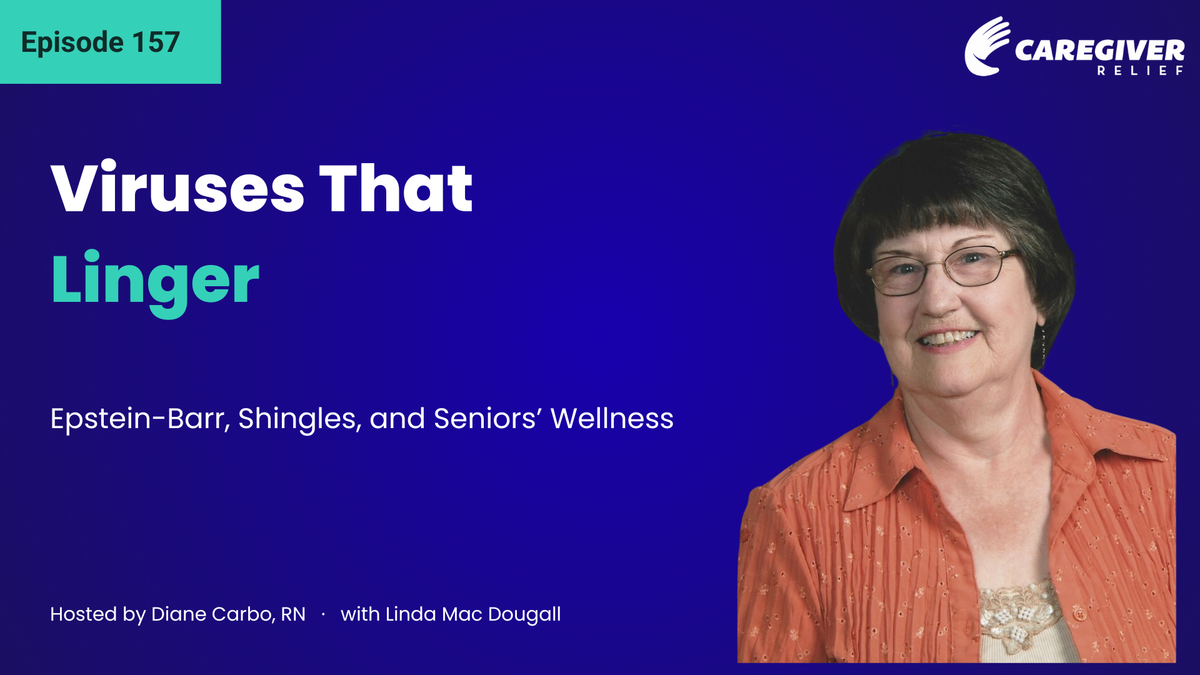
As we age, our immune systems can naturally weaken, allowing viruses that have been "sleeping" in our bodies for decades to wake up. This conversation explores the connection between these viral loads and chronic conditions like Multiple Sclerosis (MS), Chronic Fatigue Syndrome, and even Alzheimer’s.
Diane and Linda provide practical advice on how caregivers can spot these "invisible" symptoms and advocate for better diagnostic testing to improve a loved one's quality of life. 🛡️
📝 Key Discussion Points
1. The Connection Between Epstein-Barr and MS
- The Root Cause: Linda shares her research discovery that Epstein-Barr virus (EBV) is often found at the root of Multiple Sclerosis.
- The Diagnostic Gap: Many seniors with chronic pain are prescribed muscle relaxants or painkillers without ever receiving a viral load test or antiviral treatment.
2. Shingles: More Than Just a Rash
- Early Detection: Diane highlights a case where early antiviral intervention reduced a Shingles recovery from months to just two weeks.
- Atypical Presentation: In seniors, especially those with dementia, Shingles may present as nerve pain or sensitivity before (or even without) a significant breakout.
3. The "Type 3 Diabetes" Link
- Alzheimer’s Research: The episode explores the theory that plaque buildup in Alzheimer’s (sometimes called Type 3 Diabetes) may be linked to long-term Herpes Simplex 1.
4. Holistic Immune Support
- The "Bio-Booster Trio": A mix of turmeric, black pepper, and coconut oil to help block viral replication.
- Key Supplements:
- Zinc: Physically helps stop viruses from replicating.
- Lysine: Effective against the herpes virus by counteracting arginine.
- Oregano Oil: Contains carvacrol, a natural antiviral.
- Lauric Acid: Found in coconut oil, it acts as a powerful antimicrobial agent.
📋 Caregiver Checklist: What to Ask the Doctor
If your loved one is experiencing unexplained fatigue, brain fog, or localized nerve pain, don't let it be dismissed as "aging."
- Request a Viral Load Test: Specifically ask the doctor to check for viral overload.
- Be Firm: Don't let healthcare providers discount symptoms; demand the blood work.
- Consider Functional Medicine: These specialists often take a more whole-body, holistic approach than traditional specialists.
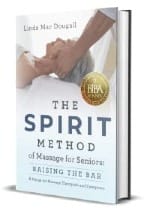
🌟 Connect with Our Guest
Website: LoveYourLongevity.com
💡 Final Thought for Caregivers
"You are the most important part of the caregiving equation. Without you, it all falls apart, so please learn to be gentle with yourself." — Diane Carbo, RN
Podcast Episode Transcript
Diane: Welcome to the Caregiver Relief Podcast, where we bring clarity, compassion, and practical guidance to family caregivers and aging adults. I'm your host Diane Carbo, a registered nurse, and today we're talking about something many people don't realize that can quietly impact health as we age. Viruses that linger.
My guest today is Linda Mac Dougall, a holistic health practitioner, author, educator, and massage therapist who specializes in working with seniors and individuals with disabilities. Linda brings decades of experience from direct care work and mental health settings to serving as a federal advocate for Hawaii's developmentally disabled.
Her work bridges, physical observation, emotional insight, and real world caregiving challenges. Today's conversation focuses on Epstein Barr shingles and other viruses that can remain dormant in the body and reemerged later in life, often contributing to fatigue, pain, brain fog, or symptoms that may be mistaken for just aging.
We'll explore how these viruses affect seniors, why caregivers should be aware of them, and how a holistic observational approach can help identify concerns earlier. This episode is meant to educate and inform, not diagnose, but it may help caregivers ask better questions, notice, overlook symptoms, and advocate more effectively for their loved ones.
Diane: Let's welcome Linda. Linda, thanks so much. I love when we have our conversations,
cause
Diane: I want our listeners to know you're a regular contributor and we often talk about the challenges of, aging and, that are not often addressed. So before we dive in, what first sparked your interesting, the connection between viruses like Epstein Barr and chronic health in seniors?
Linda: I guess it was a year or two ago, I ended up all of a sudden getting two, multiple sclerosis clients at a, about the exact same time. And one of them I stayed with for a while. and she was praying every night just to die. She was Impacted by her disease.
And she was in a wheelchair, in a little apartment with a cat and.
I just felt so sorry for her.
Diane: Yes.
Linda: Because I knew she didn't have money as well.
So I told her she could pay me whatever she could afford, I don't normally do, but I knew in her case she needed what I had to offer.
Diane: I do the same thing I do. I get it. Yeah.
Linda: Yeah. So I just. Started doing research on ms.
'cause I hadn't actually run across MS clients before.
Diane: Okay.
Linda: And right off the top I'm reading and I see that often Epstein Barr is at the root of multiple sclerosis.
Diane: I didn't know that, but when you told me about that initially I looked it up and I started looking because I'm seeing ms. I'm 72, but I have people around me that are getting diagnosed with ms and I was shocked because that's not a common disease, but it's like more prevalent than it's ever been, I think.
Linda: and the fact that neither one of these ladies. that I got out of nowhere suddenly. Yeah. These of them had their, physician do a viral load test.
Or given them anti any antivirals. Now, if you're a doctor. Shouldn't you be doing that?
Both. Both of these women were getting pain pills and muscle relaxants, and that was it. Oh, so nothing was being addressed.
Diane: I'm seeing that more and more too. I'm seeing that. In fact, I know a nurse friend who, is in the same situation. She knows she, she needs better care. She knows, but nothing's getting addressed and unless you really advocate for yourself, you get lost.
for the listeners out there who may not know, what is Epstein-Barr virus and why is it so common?
Linda: It is very common. I don't know exactly what it is other than a virus. I know also that my parents both had Epstein Barr because I, after they passed in, going through their stuff, there were medical tests that showed they had a viral load test.
Both of them, for whatever reason, and Epstein Barr was the highest one there. they both died of different cancers. So my dad had, bone, no, my mother had bone cancer. My dad had lymphoma, I think. No leukemia. I knew it was an L.
Diane: Yeah.
Linda: So yeah, that's, they both had different cancers, but they both had Epstein Barr too.
and Epstein Barr, as well as other viruses are at the root of some cancers as well.
Diane: I now that I am learning too. now Epstein Barr, does it typically show up in, in childhood or adolescence or, or in later life? Do you have any idea?
Linda: My guess is it shows up fairly early 'cause it is so common.
Diane: Okay.
Okay.
Linda: So many people have it that, my guess is it comes on fairly young. And just stays around for the rest of your life.
Diane: I am reading, I was reading just the other day an article that was saying that, We are a culture that has a lot of chronic fatigue and that these illnesses, these viruses are dormant in us.
Yep. And we're seeing a lot of people that are going undiagnosed. And, that surprised me because, Epstein Barr's been around for forever, and I just thought our medical delivery system was further along. But I think, we only get 15 minutes of time before a doctor. so they don't, I think doctors are missing a lot because they don't have a chance to really listen to the patient and, see their, get their signs and symptoms and really, connected to be able to provide a diagnosis.
Linda: And I think that's very true. I know I had a friend who said that she would. Get to her doctor, get out, and later she get that written report of their visit.
Diane: Yes.
Linda: She said he had questions in there with answers and he had never asked those questions and she had never given answers, but he has to fill out for the insurance company that he asked these questions.
Diane: Yeah. Yeah. Yeah. how does, the, chronic fatigue or epstein var virus, lay dormant for so many years?
Linda: Oh, all viruses. You get pretty much lay dormant once you've gotten them, and you just have to make sure you get enough. Immune system support, especially antivirals. And there are many natural antivirals that you can keep them submerged and not flaring up somehow or other and giving you problems.
Diane: I just had, recently, just this week, one of my clients called me and says, I have this pain that's on my chest. It's not. chest pain, but it's like the skin hurts and it's radiating down into my arm. And I said to her, are there any blisters or anything? And she says, no. I said, you get to the doctor really fast 'cause you may have shingles.
And it was shingles, but she caught it very early and she got, she was able to get the, vi, get the viral antiviral medications. Now the other, she's still in a lot of pain. It's very painful and people don't understand that shingles, how painful they can be, but they really go hit the nerve.
it's all along the nerve. And, and she's a relatively young. Healthy, 60-year-old. and she's really in a lot of pain, but I said to her, hopefully that the virus with the antiviral medication, she's going to decrease the time she had it. Now, what she did have. Yesterday she told me, 'cause she's been on it now for five days, she had one little outbreak, tiny little blister on her arm breakout.
And that is all, that's a blessing. And I think that she is going to be able to avoid her recovery instead of six to eight weeks or longer, is going to be maybe two weeks because she was proactive in getting. To, the doctor right away.
Linda: I caught that on my father when he was in his odd dementia state and living with my sister for the last year of his life, and I was there visiting him.
She was at work and he started little bitty complaining about something on his side. So I lifted up his shirt and looked and I go, ah,
Diane: yes.
Linda: I think I know what that is.
Diane: Yes.
Linda: So I looked around in my sister's medicine cabinet and found some coconut oil. And I put that on him. 'cause coconut has some good antivirals in it.
Diane: Oh, okay.
Linda: Smeared it on him. And then I told my sister, you need to get him to the doctor. I think he's got shingles
Diane: and that is so painful. It is.
Linda: He luckily didn't have a whole lot of pain. I had a tiny outbreak that I'm pretty sure was, shingles, Maybe a year or more ago, but it was so mild 'cause I had one shingle.
Shot a while ago and things started happening and nothing ever got the second one, so I never got it. So when I had that, I said, that's probably what that is, but it'll go away fast. 'cause I'll treat it.
Diane: yes. can you tell, talk about some of the long-term health effects or flareups that caregivers should be aware of with these viruses?
Linda: shingles we just talked about that's gonna. It often resurfaces if somebody doesn't have the shingle shots and things like that. the herpes virus, either herpes one with which is oral or herpes two, but they can be mixed up depending on your, what you've done with your sexual life.
Diane: yes.
Linda: So you can have herpes two elsewhere and herpes one elsewhere. I once knew a young man. Who had his herpes outbreaks all over his face.
Diane: Oh.
Linda: that was so weird. I had never seen anything like that. and it wasn't just, a little canker sore. It was, the whole face was involved. So herpes can live on the nerves, just like all the other viruses can live happily on your nerves.
Yeah. But you need to keep them. under undercover and not let them flare up if you can. And if you do get to a point where they flare up, then you need to treat 'em real fast, either naturally like I do, or. With the shingle shot, which I had, like I said, one of, I never got the second one. 'cause of the,
Diane: I actually know a woman, that had the old shingle shot decades ago, and it literally caused her to have.
Ongoing shingles. it was awful. She lived, every month she would break out in shingles. It was awful. And of course she did have to go. This was before, now the new one, I feel that it must be much safer. but she just was a person who had a, an adverse reaction to the vaccine that, affected her.
Im immediate health on a regular basis. how do these viral reactivations present differently in seniors compared to younger adults?
Linda: they're usually stronger because we have weaker, weakening and weaker immune systems, so they're gonna be stronger and the. Like I was real happy. I only had a very mild thing that I figured was shingles.
I didn't go to the doctor because I got rid of it real fast. But my dad also was very mild for someone of his age 'cause he was in his eighties at that point.
Diane: I want,
Linda: he was what
Diane: people to understand that if you think, you see a cults or you have these unusual pains, you really need to go into the doctor as soon as possible.
Let them see it, diagnose it, and treat it with antivirals. Because the sooner you get in and get treated, the shorter your recovery's going to be. Yes. And I think that's really important. Yes. Now Lynn, I'm gonna ask you a question. What symptoms might mimic or overlap with dementia, chronic fatigue, or other auto-immune issues?
because your dad had dementia? I think you might be a good person to understand this
Linda: with chronic fatigue, it's part of viral underpinnings or part of the autoimmune problem.
So again, somebody needs to be treating, testing, and treating for the viral. Component and I don't know that happens much either.
'cause I've known plenty of people with autoimmune disorders and I never heard once of an antiviral.
Diane: yes. I think, my goal here is to ex encourage caregivers. that have a family member that may have shingles or, epstein bar or chronic fatigue, to actually in ask the doctor to do blood work, to look for viral load overload.
That's really important if that's the one key question that I want people to ask their doctors. That is one, because, things get missed in our medical delivery system right now and it's very sad. But, we have doctors that are not getting time with us, enough time with us to really understand what's going on, and they're in a hurry to get to the next.
Physician or the next patient. And I'm seeing this over and over where things are getting missed a lot. In fact, I'm seeing in hospitals where nurses aren't turning patients because the patient doesn't wanna be turned because they hurt skin is breaking down and other, complications are occurring because they have rights to refuse care, which is so harmful.
So I think we're in a, and they're not looking at their skin all the time and they may miss a nurse, even in the hospital, may miss the stuff because they're not checking their bodies.
Linda: and being a massage therapist, checking the body is real important because massage is about the only place you get that anymore.
Diane: Yeah. You know what? You're absolutely right. I'm seeing, I have horror stories I'm hearing right now that aren't related to this, but it's just a lack of, Proactive care and in, in nursing. it's just the nature of the beast right now. now can you tell me what role the immune system plays in keeping these viruses quiet or allowing them to resurface?
Can you explain a little bit about that?
Linda: any time your immune system lowers
You're prone to get anything that happens to be floating around, not only in your system, but out in the world. I was lucky during COVID. I didn't, I never got it, but, a lot of people did long COVID is that particular virus reactivating and causing people trouble?
Constantly. I've got a very good friend who's got long COVID and she, I've, I haven't seen her in years, but I've talked to her on the phone.
And she sounds horrible.
Diane: Yeah.
Linda: And she's younger than I am.
Diane: What gets the immune system outta whack?
Linda: What gets it out of whack?
Diane: Yeah.
Linda: Poor it. being exposed to maybe too much of something.
Diane: Stress.
Linda: Like with COVID, all you have to do is be around it.
Diane: Yeah.
Linda: Stress
Diane: is another one. Yeah. But I think people don't understand poor diet, poor hygiene, like not washing your hands. that's
Linda: why all the alcohol
Diane: I know. Yeah. There's so many things that people can do to improve or enhance their immune system.
Can we, I know you take a holistic. Approach. So can you tell me some things that a person can do to enhance their immune system?
Linda: Ah, yes, of course garlic. Garlic is one of your best.
Diane: I love garlic. I can't help it. I just, I put it in everything and people go, oh, I don't even care that I have garlic breast, because it's so healthy for you.
And it is, it has anti-viral and anti-bacterial. Benefits. And I think that's really important. And I know people don't wanna take garlic, but, I don't know if the product garlic that they sell is any good or not. it's
Linda: that, I don't know.
Diane: I want, I think it's a processed product that, that I can't imagine it being good for you or doing what it wanna
Linda: take something like that.
I've got, let me go get it real fast.
Now, I don't sell this or anything, but I found it to be one of the best. It's quantum super lysine and it's got garlic and all sorts of things in it. Okay. And lysine will go against the herpes virus because. I love peanut butter, Uhhuh and nuts and seeds and all those things are high in arginine, uhhuh.
And if you take enough lysine, arginine will, will cause herpes breakouts. Okay, so lysine fights the, arginine.
Diane: Okay?
Linda: And this has got. Super lysine and then vitamin C, echinacea, licorice, propolis, and odorless garlic.
Diane: Gotcha. I know people, avoid a lot of people. Some people either take lots of supplements and then there's ones that don't take any, Are there foods that people can eat or, foods that they can avoid?
Linda: arginine foods, yes. Depending on what virus they have.
Diane: Okay.
Linda: But arginine is the one that helps the herpes virus breakout.
Diane: Overall, what is, what lifestyle or wellness practices can help strengthen the body against viral flareups?
Linda: Oregano oil is another one that's really good against, many things, and it's got carpool and carbo coal is an antiviral.
Diane: How would you use oregano oil? Oregano oil.
Linda: Just little capsules.
Diane: Oh, okay. Okay. I'm not a familiar with all of this, so I'm just curious.
Linda: Yeah, just little capsules and of course, lysine, which we just talked about.
And I'm gonna read you some things 'cause I, I did a whole thing on this because I was fascinated.
Diane: Okay.
Linda: Okay. So the replication blockers, because what the virus do is they get into your cells and they replicate.
Diane: Yes.
Linda: So these are replication blockers, star, anis, turmeric, and ginger.
Curcumin and there it goes. Fresh ginger again. And it says the bio booster trio mix is turmeric, black pepper and coconut oil.
Diane: Interesting. So are there treatments, traditional or alternative that have shown promise in helping people manage chronic viral effects?
Linda: basically what we've just said.
Diane: Yeah.
Linda: let's see.
I did a lot of these, like I said. Okay. The bullet is zinc, and that's in oysters, pumpkin seeds, and beef. Zinc physically stops the virus from replicating the gun. Cor Seton is in onions, apples, and capers. That's helps the bullet zinc get inside the cells.
Diane: I know that when people have, de cubit eye pressure sores, we up their vitamin C and zinc, for and increase their protein for, healing.
And so I know zinc has a lot of good properties that, that we don't eat enough of or get enough of or give zinc credit for. So zinc and lysine are two products that, two supplements that people may consider. I know it's, I've had, I had chicken pox, I've had measles. I've had so many things, and I know that these viruses are.
Lingering in me. I'm not a person who has had, herpes viruses, I don't have cold sores and those types of things. but I do worry because when I get my brother who, recently had a bad episode of shingles and I know that chronic fatigue, is often. Labeled as it is, just we're aging and we're, it's not, it doesn't have to be.
I know for me that I have, I, I'm 72 and people think I have high energy, but I feel tired all the time and it's just, I just had my blood drawn and they went over it and, I'm, and they didn't even tell me I was anemic, when I went on my appointment with the doctor.
But I looked at my blood work and,I'm mildly anemic, which I've never been in my entire life. So I'm, eating lots more spinach and that kind of stuff because. I know stress and, stress management's important. we can't let ourselves get stressed out, to the point where we're going to get sick.
And that's, important. And we need to be aware of what we put in our bodies because that's really important too. Eating healthy, is really important and getting. Out in nature every day. I know that sounds silly, but that just that alone can improve your, enhance your immunity just from uplifting your spirit and getting some fresh air in your lungs.
so I'm just, I worry because people discount, when we say we're tired and I'll tell you right now, I really feel that a lot of our healthcare professionals don't see are not spending enough time with anybody to really see. That's why so many are chronic fatigue, is a, a crisis in this country, which I didn't realize.
I just read an article about that. And it's just people are not being diagnosed with these viruses, the Epstein bar. and I don't know what they're called. S cytomegalo viruses. They're the big, they're big viruses. not that, not nothing small and tiny like the eb, the Epstein bar or the shingles virus.
These are big viruses that attach to us. And but people do struggle and I think that the vi viral flareups, to prevent them, you need to. take a holistic approach and it's eating better. It's, maintaining, good hygiene. wash your hands. don't cough into your elbow versus into your hands, and to prevent that viral.
Overload as we have a, a flu coming around now that,is hitting people pretty hard. and again, it's a virus and people, if they know they're gonna get it or have been exposed to it, need to get to the doctor right away to, to get the, what is it, Tamiflu or whatever the drugs are right now.
because it can prevent them from being,hospitalized actually, or have their immune system compromised to a point where, things like the, Epstein Barr or shingles will present its ugly heads again.
Linda: You were asking earlier about, dementia. It's not dementia in particular that is affected by viruses, but they suspect highly that, the type three diabetes, which is Alzheimer's
Diane: Yes.
Linda: Is plaque buildup is from long-term herpes one.
Diane: Ah, I did not know that. Yes. I know that, people with dementia o often have, have episodes of, attacks with, Epstein Bar or, the, shingles and, it's definitely, A virus that is, that people ignore because they don't pay attention because the person has dementia and they can't express what they're feeling.
So what can caregivers do if they suspect their loved one's? Fatigue, brain fog or pain may be virus related.
Linda: I'd say get them to a doctor. But I'm almost thinking you almost have to get 'em to a specialist these days
Diane: and you can't. and, because of Obamacare and Medicare, right now we have a shortage of doctors and specialists.
We, we are in really big trouble here because that's why I. because the reimbursement rate is so low, doctors aren't going into medicine. They're going into other fields, where they can make a decent wage and not have to be dictated by the government, what you can and cannot do. And it's, we're in, it's a crisis here for sure.
But, I think that, caregivers that are interested in alternative medicine, I think it's really important to, talk to some practitioners out there that, are into helping people with the viral overload and, addressing it on a, holistic basis. But you try, my, I encourage every caregiver or every senior that.
Is not feeling well, because they think, it's chronic fatigue or they have brain fog or they have a pain going down into a ner their nerves that is very painful. but their blisters haven't, emerged yet. Get to the doctor, ask for a viral overload test. In fact, don't let them discount you.
Dismiss you. Just say, I want this and Exactly. because, I know people think, oh, doctors are gods and I can't argue with you. I'm not telling you to argue, but you can be firm and demand, That test be done. And, that will give you an answer. And then hopefully with that, the results of that test, you can get immediate antiviral, medications that will address this.
But you brought up the point that you put. Coconut oil on your father. So you're, I know you're a holistic, practitioner and you're very much into alternative approaches, so I found that fascinating. 'cause I would've never thought, I don't, I didn't know enough about coconut oil to even do that.
Linda: it's got, lo I wanna say Loeden. It's got, loic acid. That's what it is. But loeden is another thing I have in my arsenal over here, and they're little pellets of coconut. And you do not wanna chew those suckers. You wanna swallow them right down with water. Let me tell you, I made the mistake of chewing him one time and I was sorry.
Diane: Oh. Interesting. So there, there are coconut oil pellets that you take orally and Yes.
Linda: Write down.
Diane: Yeah. and as a preventative for
Linda: a preventative and a if, if you're, you feel like you're coming down with something, either way you want it, you wanna get that antiviral in there so that you are keep kept well or kept as well as you can be.
Diane: So that's lauric acid.
Linda: Ric acid is what the, coconut.
Diane: Coconut,
Linda: yeah.
Diane: Gotcha, gotcha. Because the first thing I always think of is echinacea. Yeah,
Linda: echinacea too.
Diane: I take echinacea when I think I'm getting sick, but I don't know if that Yeah. I don't know if it would, work for, viral loads, but viruses, but I do take it for colds, which are viruses, so I guess.
Yes. I'm not thinking, I'm thinking bacterial, but No, it's viral. what message of hope or encouragement would get you give to caregivers who feel overwhelmed by the challenges of chronic viral illnesses in their loved ones?
Linda: Oh, again, get them to a doctor and if they. There's no crime in moving doctors if you're not getting what you need from one, by the way, because I have changed several times and I'm still not sure I'm gonna stick with the one I have now, I will keep going until I find somebody who will work with me correctly.
Diane: I, I'm actually, recommending people go to a functional medicine doctor.
Linda: Yes. You
Diane: can afford it to
Linda: do that.
Diane: Yeah. If you can afford it, absolutely. you need to do it because they're not just medical doctors, but they also look at medicine from a different approach, a very holistic approach.
Everybody in our medical delivery system right now is very specialized. for example, when I first went into nursing. Orthopedics, orthopods, orthopedic surgeons used to do every bone in the body. whoever was on call got the hip or the knee or whatever, and they did knees, hips, ankles, broken arms, et cetera.
Now you have a doctor for every, for hands, for feet, for shoulders. it's absurd and doctors are have gotten
Linda: that way.
Diane: Yes. Yes. And it, and everything is specialized now, to, it's absurd because there's no holistic approach to anything. Nobody looks, takes a whole bo a whole body approach,
usually vice therapists. yes. it's, and it's really unfortunate, but, functional medicine doctors, if you can, but I said, Linda, how do people reach out and find you, if they have questions about viral load and some approaches to, to help them?
Linda: let me tell you first of all, that recipe I gave you
Diane: Yeah.
Linda: To send out to your people,
Diane: Uhhuh,
Linda: that chef took functional medicine. Courses, which is why he does what he does.
Diane: Interesting. I'll put that. Recipe at the bottom of the PO post we, or the page we create as well,with Michael's picture on it. And so he gets credit for the recipe.
Linda: Yeah.
Diane: But yeah, that's, we'll include that's a, that, that's a recipe for a tea that you can drink several times a day, that will help you, enhance your immune system.[00:34:00]
Linda: And I just met him and his company it, he works for ra, R-E-S-T-A-U-R-A. And I met that company's, growth officer at the think tank I just came back from in Texas. And when we started talking and I found out he does.
That company works for senior feeding places, whatever that may be.
So then he got me on a Zoom call with Michael and him and me and Michael and I were going back and forth and back and forth. 'cause we were both talking the same thing, same language. So yeah, it, there are people who know what they're doing food wise and there are people that know what they're doing functional medicine wise and that's so nice.
But anyway, for me. I am, I have a website, it's an older website. It's going to be updated shortly. As soon as I get the funds coming in, I've got some funds hanging in the wind, and as soon as they come in, I'm having everything revamped. But it's love your longevity.com
and you can also email me at speaker holistic@gmail.com.
Diane: Great. I'll put all that in the show notes and on the page that we create too. To my family caregivers out there, you are the most important part of the caregiving equation. Without you, it all falls apart, so please learn to be gentle with yourself.
Practice self-care every day because you are worth it.
Caring for a loved one can be overwhelming — but you're not alone. If you have questions, big or small, our expert team is here to help.
👉 Click here to Ask the Expert
Our Resource section can help you find the information and tools that you need. We have courses, videos, checklists, guidebooks, cheat sheets, how-to guides and more.
You can get started by clicking on the link below. We know that taking care of a loved one is hard work, but with our help you can get the support that you need.
Click here to go to Resource Section now!