Safer Living at Home: Fall Prevention & Personalized Equipment Plans with Dr. Vanessa Grenyion with Episode 95
In this heartfelt and informative episode of the Caregiver Relief Podcast, host Diane Carbo welcomes Dr. Vanessa Grenyion, a licensed pharmacist and founder of Health Quest Medical Supply, to discuss her passion for compassionate, person-centered care. Dr. Grenyion shares how her Jamaican upbringing and the bond with her grandmother inspired her work, which focuses on helping people age with dignity and independence. This episode is a must-listen for family caregivers seeking practical advice and a supportive community.
Episode Outline:
1. A Personal Journey Inspired by Family ❤️
- Dr. Grenyion explains how her personal history and strong bond with her grandmother, Pearl, in Jamaica shaped her approach to caring for the elderly.
- She describes a nostalgic memory of her grandmother making her favorite rice porridge, a moment that cemented a deep connection and love for her.
- The episode highlights how these early experiences have influenced Dr. Grenyion's "heart-centered healthcare" philosophy today.
2. From Pharmacy to Health Quest Medical Supply 💊
- Dr. Grenyion and her husband, both with pharmacy backgrounds, founded Health Quest with the goal of providing a more personalized approach to patient care.
- She shares her frustration with the "lick stick and pour" mentality of traditional pharmacy and her desire to spend more time consulting with customers to understand their needs.
- The discussion emphasizes that medication is a support tool, not the only option, and that lifestyle modifications are crucial for proactive health.
3. The Urgency of Fall Prevention ⚠️
- Falls are a monumental issue for older adults, with one in four Americans aged 65 and over falling each year.
- Dr. Grenyion explains that the mind and body can be out of sync as we age, slowing down reaction times.
- The conversation covers common in-home risks, such as rugs, poor lighting, and clutter, which act as "booby traps". The bathroom is noted as the most common place for falls due to wet and slippery surfaces.
- Dr. Grenyion is a Matter of Balance fall prevention coach and highlights the program's vital tips and accessible guidance.
4. Overcoming Obstacles and Finding Solutions 🛠️
- The episode addresses the common challenge of convincing aging adults and their families to make home modifications, which can often feel like turning a home into a hospital.
- Dr. Grenyion advises starting with a conversation and empowering individuals to make their own decisions to maintain autonomy.
- She explains the importance of choosing the right medical equipment, emphasizing that big box stores and online suppliers often lead to unsafe choices. Health Quest provides a personalized service, fitting equipment based on individual needs, height, weight, and mobility.
5. The Critical Role of Diabetic Shoes 👟
- Dr. Grenyion highlights the importance of therapeutic shoes for diabetics to prevent ulcers and potential amputations.
- She explains that these shoes, which are covered by Medicare, are designed to be supportive and prevent friction.
- At Health Quest, patients receive a professional foot assessment to ensure a proper fit and address specific needs like swelling or calluses.
6. A Vision for the Future and Community Support 🫂
- Dr. Grenyion's vision for Health Quest is to expand its support as a "safety net" for the community.
- She stresses that her work is not about the money, but about the mission of serving others and "saving lives".
- The episode concludes by providing listeners with contact information for Health Quest Medical Supply, a hidden gem for personalized medical equipment and compassionate care.
Listen to the full episode to learn how to create a safer living environment for your loved one and gain valuable insights from Dr. Grenyion’s expertise. Your health and safety—and that of your loved one—are worth it! 💖
Podcast Episode Transcript
Diane: Welcome to the Caregiver Relief Podcast, the place where we share real stories, resources, and expert advice to support family caregivers on their journey. I'm your host Diane Carbo, a registered nurse and a lifelong advocate for compassionate person-centered care.
Diane: Today I'm really honored to welcome someone who truly embodies Heart-Centered Healthcare, Dr.
Vanessa Grenyion. Vanessa is a licensed pharmacist who earned her doctorate in pharmacy in 2005 and has spent nearly two decades serving her community with compassion, integrity, and purpose. In 2016, she founded Health Quest Medical Supply in Fair Oaks, California. And through Health Quest, Vanessa delivers a deeply personalized approach to matching people with the right medical devices, education and support.
They need to live safely and independently. Vanessa is also a certified senior home safety specialist, a licensed real estate agent in Northern California, and a matter of balance fall prevention coach, all roles that reflect her unwavering commitment to aging in place with dignity. Today we'll explore the inspiration behind her work, her fall prevention workshops, diabetic shoe fittings, home safety assessments, and how she's making a real world impact, one caregiver and one client at a time.
So let's dive into this conversation with Dr. Vanessa. Vanessa, I wanna say thank you so much for, joining me today. I know, taking time out of your busy schedule. And I'd like to start by having you share your personal journey with my listeners. I'd like to share how your upbringing and your grandmother's in Jamaica inspired your work today.
Vanessa: thank you Diane for that beautiful introduction. right now It's very, close to my heart to work with individuals that really bring about that sense of, community, just trying to help individuals that. Perhaps they are more vulnerable now as they age. And, my grandmother Pearl and we call, I called her granny now.
I was the youngest of the bunch and she was raising me while my parents were in America. And I just sometimes, you are very, you get nostalgic about your childhood and you remember what your grandma. Used to do for you? one day I remember coming home from school and I was like, I was hoping grandma was making my favorite, one of my favorite porridges, which is rice porridge.
And that was on my mind so much. I was running home and I was just thinking about it. And would you believe when I got home it was, she had rice porridge for me? And it was the best rice porridge I've never had. I've never tried to replicate it. I just remember that was unique for her to do.and my grandmother also in the US too, it's like you find, you have a bond with, individuals because of a certain age, because you're this reminiscence of your own.
Relationship with your grandparent. And so that's where that comes in. And my grandmother used to go to the market in Jamaica. She used to sell produce, she used to garden and farm. And I love to do that now. And she was just, she was stern, but she was very, she was my rock, And all I knew mom and dad together for a while until I came to the United States, back in the late 1980s.
So that's part of it, and that carries through. Anytime I interact with somebody that's is an elder, an elderly individual, it is due to that kind of relationship. and I
Diane: love that. You know what, it's who we are and it makes us who we are today. So I really, I appreciate that. I also had a bond with my grandma Smith.
And, I understand that when you talk about food, that's again, when as we get older, the memories that come back that will, you know. I'm sorry that you don't know how to make your porage to the degree that your grandmother did be. It's a fond memory and as soon but you hear it or you smell it or you taste it, and it just brings you back to a happier time or a time of, when she was around.
And I love that.
And it's nice to know how certain of those things with food, now food, it really cement a memory. of time that stays with you. And I believe I might have been about six years old. So it really, really ingrained itself in me because of the food and, that relationship with my grandmother, Yeah. Very special. Oh, I understand that. Very
Vanessa: special.
Diane: My, I know this is off topic here a little bit, but my grandmother had a big, dining room cabinet and in the cabinet was, canisters of candies and stuff. And I can remember as a kid going over and opening up the cabinet and getting candy and, After many years, after my grandmother passed, my, cousin had gotten her furniture and it was so weird 'cause the first thing I did was go over and I could still smell the candy and my grandmother, and it just brought all those feelings back. So I love that. In a way you're honoring your family by moving forward and encouraging community in your present life, in your.
Present and hopefully your future. Yes. Now, I understand you and your husband both have pharmacy backgrounds, so I'd like for you to share your experience evolving into the creation of health Quest.
Vanessa: that, sometimes you put something, you manifest something and you, encourage that to that little seed to start growing.
And I believe When I was, we were expecting our second child, Maya, it was back in about 2010, I believe around 2010. Now, the idea was to have your own business where you could help people in the way you feel that you can deliver that service. that, this idea that you are in service to others.
Basically was on my mind, on my heart to go through with that. And we were looking and thinking about, oh, we can also do the pharmacy and do the, durable medical equipment side and go in that direction now as being an expected mom. that idea was always like, that was something that was,interesting to have while you're trying to have, prepare for a child.
But, we did the research, we, knew of a, friend who also owned his pharmacy. And. As time went along and life happens your life and go and do your thing. I proceeded to keep that in mind and keep manifesting. And then by the time I got pregnant again with our third, our son, that's when things really started,rolling along.
I think he was almost two years old when we opened Health Quest. The journey was when I'm, of course in pharmacy, I found that we're just doing, as my professors would say, it's lick stick and pour. We're lick sticking and pouring, and we're a glorified technician. But, we're more than that too.
you have to do a consultation. And with me, I want my supervisor used to say, Vanessa, why it's, Takes you so much more time is because you spend so much time with the customer. And I go, that's part of my job description. I need to consult with the customer.
And, you really get to find out the issue behind what's going on and the reason as to why someone is on a medication. And it's, and then you're you build, trust. When you can build trust, then you can actually, they can rely on you for, making recommendations that will support their health better.
Diane: Yes.
Vanessa: and that, that was part of it too. I'm like, I'm not gonna be, I'm I number, I'm not gonna just be focusing on the key performance indicator and to say how, what's the volume of prescriptions we're putting out today? How many people are we gonna have on prescription drugs? Because we're not really proactive about the health.
We are actually putting a bandaid on the problem. Exactly. It doesn't go away. Yeah. And I just wanna make sure people are aware that medications are a support, but they are not the only option. you have lifestyle modifications. There's so much options for people today, and medication does not really alleviate the issue.
the only thing that really cures anything is antibiotics. and then, there's other things, but for the most part, I want people to understand that the medication is part of the journey to, perhaps. A more health conscious way of living when you think about it. I don't wanna be on this medication.
How can I make it so that I can, not have to take it? Whether you're, you type two diabetic, or you have,high blood pressure. So that's a long, roundabout way trying to explain to you why we started this. But the gist of it is. I wanted to foster a community. I wanna make sure that I'm on, not on a time crunch.
I wanna be able to listen to patients. I wanna make recommendation and improve their quality of life in a nutshell. And, just bringing it all together, I felt that, you know what? Maybe I'm not more aligned with the pharmacy part. I'm more aligned with the durable medical equipment part, and as well, we termed it home medical equipment so that we can make sure people age safely in their home and still be able to support them as they're doing so.
But being able to listen. Listen and learn, because I'm always doing both. They are teaching me and I am teaching them. And so that's a synergistic thing that I, have found over the years that's really allowed me to,empower people to be proactive about their health and to be knowledgeable about the device they're using and, just, the freedom to do more.
And that's basically. to be able to help others the way I wanna help. Yeah.
Diane: it seems to me like you've taken personally and professionally, you've combined your heritage, compassion, and clinical knowledge to provide services to your community and how fortunate your community is to have you.
I love that. On the other note, I just wanna make a side note here to my listeners, if you are on medications and or your loved one's on a medications, I really encourage every six months you review. Your medication list with your doctor, and because this isn't done enough, it's they keep adding on and not subtracting and literally asking, what can I take away or decrease now?
And that's really important. and physicians even aren't proactive enough about that. So I think I'm just throwing that tip out there to everybody, review your medications every six months and say. What can I get rid of and what can we decrease over time and totally eliminate?
I wanna get onto your home safety and fall prevention pro plan that you have. So let's talk about fall prevention, because it is one of the most urgent issues of aging adults. What prompted you to start offering a fall prevention workshop and what can families expect from it?
Vanessa: yes. And the thing is, one for Americans, age 65 plus and older fall each year, which is about 14, roughly 14 million individuals, older adults.
I, the bottom line is that what I'm doing is I'm, recommending mobility devices. Okay. And that's to really per minimize people from falling.
Diane: Yes.
Vanessa: And that's mainly, that's a big chunk of what, I've been doing. The,the balance issue, the instability issue that older adults face is, monumental.
Not to mention in the home is like a booby trap. Yep. and the other thing that we have to discuss is the cognition of the individual as they're aging and how sometimes even, and we are all risk of falling. We, that, that doesn't negate anything because we of a certain age. But the thing with an older adult is that their mind and their body are not in sync.
I learned that your mind think you can do certain things. You can turn fast. Your mind say, okay, but your body is slow to react. Yeah. And so it slows, everything slows down as you age and you just have to be more mindful, be careful, be slower, and just be more cautious in that, area. So when I was curious.
I was always curious. I'm like. there's a lot of people needing these mobility devices and I saw how some of them would try and use it and I
roll later, or the walker with the seat and I said, oh my goodness. There's so many people that don't know how to use what they are, that what's supposed to keep them safe.
Diane: Yeah.
Vanessa: and also Why is this an epidemic in this country? Yeah. And, talk about getting over the vanity of it all.
trying to have individuals go, you need that. Yes. no, this is not appropriate for you. But the simple fact of the matter is that I believe there has not been enough education out there for our seniors. They, it's not very accessible. And where I'm at in California, there are. Programs with the hospital, like Stop falls are matter of balance now, matter of balance, I really gravitated to it because it's all, it's in the different counties and you can actually, we were the first for-profit, company to be offering it to the community.
and I thought the tips that they, Actually have in the program was vital. And it actually, like I said, some people are nervous. They're like, where do we start? You don't know what you don't know. And so this offered them, here's where you start. Here's just, you don't have to do too much all at once, but here is some, a guideline and you can be, you can actually.
Start slow and build, but at least, and people are different levels with their, fall risk. So that being said, and it's a, an expense that we have to, for our society have to,Be mindful of. It's very expensive. And once somebody falls, especially when it comes to a hip fracture, that sets them up to be bedridden or bed bound and a lot of people,it really impacts their quality of life, if not lead to their, them dying.
exactly.
Diane: most seniors don't realize, and I hear this all the time, oh, walkers are for old people. they're 80 and 90 and they're still not seeing themselves in reality. But most seniors don't realize that falls are the number one independence robber of seniors. One fall can keep you.
Ever returning home. And, the other thing is that most people don't realize is our homes were built for young bodies. They were not built for the aging body. And that's why, you have to make adaptations to your home over time and help yourself, ensure that you can stay there a longer period of time.
so I'd like to ask you, what are some of the most common but often overlooked safety? Risk you can find when doing a senior home safety assessment.
Vanessa: Oh, gosh. the simple thing. Okay. When the rugs, every time you go into a home, sometimes people have, I don't know. There's people that love a lot of rugs now.
Those are trip hazards. Yeah. They're easy to just move to the side. another thing to be mindful of is the lighting. And yes, as far as you just mentioned, the homes are not built for folks that to age in place. There are, home modifications that can be done and, Like as simple as adding a grab bar when you're getting into the home or even into the bathroom, now falls occur.
Most falls occur in the bathroom in the, and because it's wet and individuals, tend to be, it's slippery. And so that's one thing, that we've. Learned over time to be mindful when somebody's in the bathroom or put a door hanger. So if you're in the home or you have an elderly person with you living with you, they put a little, door tag on the outside to let you know they're in the bathroom.
Okay? And so that way, if they've been in there too long. You are, need to check on them because it, could be quiet, but they, I would honestly say, I've dealt with customers that had a really, near fatal fall and they were in rehab for months and that's incredible to get through that.
But that happened in the bathroom. yep. And so I wanna just let folks know the bathroom, you also. The other thing too that people overlook is just the clutter. A lot of times there is too much things in the way and our death perception changes and as we age as well, so we can't see things very clearly, so clear that space and sometimes, individuals are in a home that is not an open floor plan.
it's the, you have corners, narrow hallways and big bulky furniture or furniture you don't use anymore. Exactly. And then you just have to really get rid of the things, that you really don't need and clear that pathway as much as possible. you have to make it about your safety.
it comes down to that as simple as that. Make it about your safety, not about things. things are just there. They created memories and you have those memories. So now it's time to get rid of those things that can actually be, a detriment to you.
Diane: Exactly. I have a younger brother, I'm 72.
He's probably 67. He married an older woman and his wife is hard of hearing and she's in the early stages of dementia. He came home one night from, they own a restaurant. He came home from work and was in the bathroom. She was already in bed and, He had been working at the restaurant all night and he passed out in the bathroom and fell on the floor and was found 10 hours later and he was close to death.
He had undiagnosed diabetes and his blood sugars were sky high. But because his wife was hard of hearing and, she was sleeping, he didn't get help until she got up the next morning and found him. so those things do happen and people really need to be aware that they ha they need to put systems in place for those times.
'cause, and it's always, the caregiver doesn't think it's gonna happen to them. Spousal caregivers are just as at risk for falls and injuries, just like their family member that their loved one they're taking care of.
Vanessa: Exactly, yes. and, we know that the caregiver, has to carry so much stress that sometimes it really impacts them more than the person they're caring for.
Caregiver burnout is really a thing.
Diane: the statistics are 63% of family caregivers become seriously ill from the chronic stress or even die before the person they're caring for. I really encourage family caregivers to really practice self-care, get help. I encourage them to build a care team partner group, but that's a, a, a.
A topic for another day. one of the big questions that I, issues that I ha and obstacles that I find that caregivers and family members have an OA hard time overcoming is they don't want to make changes to the home because they don't wanna make it feel like a hospital. How do you help caregivers and family members overcome that?
Vanessa: first,it has to be. Oh, actually it has to start with the mindset and, yeah. And then I think once you explain to them why you're recommending what you're doing, then they start to buy into it and they can see it and they're,they have to come to a point where they're ready and open for, those suggestions such as.
Okay. I might not be able to make it to the bathroom at night. I'm on steady on my feet. my recommendation is do something very simple. Okay? You can actually have a three in one commode in the bedroom, or you can just, you can actually use a, a disposable, adult diaper. Or underwear so that you don't have to struggle to get outta bed and get to use the bathroom or, the commode.
Those are the simple things. And so once you try and you, I always believe start, you have to start where they, you and them can have agreement so they can buy into that agreement with you and then they can see the bigger picture as things. get, get,where my question is, do you think you are going to get better?
over the years? Or how can we support you so you can meet, you cannot be independent making your decisions at this time in your life and so that someone else is not coming in making it for you. Now I'm giving them the power to tell them, Hey, I. I am the one going, I'm capable of doing it right now.
I don't want someone coming in when I have no, ability to think for myself rationally and doing it for me. So when you encapsulate it that way, they feel like they have autonomy. They feel like they have a way of making decisions for themselves without. Being forced to do and you're always talking to them, you're not trying to treat them as a child, so they understand better, this is the reason for this particular, item here, or this is what I'm telling you is these are the reasons as to why you should be doing this.
And as you go along over the space of a couple hours. They're like, okay, they can see what they can do, and you really empower them. they really, after that two hours or two and a half hours, it's almost as if they were the ones to make all the decision you told them.
Diane: Exactly. And that's the important thing is as long as they think it's their idea, you'll be successful.
I recently had, Vanessa, I recently had a situation where I have a asked the experts section on caregiver relief, and I got this, this email saying, Hey, I am, 71. I have a history of Ms. Multiple sclerosis since I'm 15 and I am looking for robots to pick me up. Yeah, to take me to the bathroom and I went, whoa.
So I started, because there are caregiver robots and there are things that can do that. I always, it makes me cringe worthy, because I worry about skin tears and all of those things. So I started asking her what she was, why she wanted that. 'cause she didn't wanna have to depend on somebody to help her up out of bed.
And she uses a scooter to be mobile. Anyway, I did a lot of research and she was worried about getting up to go to the bathroom and so many times during the night. And here I am, I'm like,I, she didn't know there were female urinals. She didn't know that there are these new systems where they will, you can not have to get up and They have a proce,I don't know the names of the products, the women can use them and they have a drain that will, it's pure wake. The pure wake. Pure. Thank you. Thank you. I could not remember that pure wake. I said, there's so many other alternatives that would be less costly.
That's the other thing, I go for. Most cost effective approach first, and then we'll move on. But it, that was an issue. and it was a learning experience for her because she says women have urinals. I said, oh yeah, they've been around for forever. Yeah. And it enlightened her, it really did enlighten her to, less costly, approaches to her issues.
And I said, there may come a time when you. We're gonna need somebody to help you. And I was trying to break that into her slowly. and the sad part is she was living in a continuing care retirement community and she has help around her all the time, and she's still an independent living, but she doesn't want to ask for help.
And that is a personal growth experience that we all have to face as we get older. You just have to accept the fact that sooner or later. I know I'm fiercely independent. I've cared for people all my life and I don't wanna be a burden or anybody to take care of me. But, as I age and my years of nursing have just ruined my body, I have chronic pain.
I just have to accept that, yeah, there's somebody gonna have to take care of me one of these days, and I just have to learn to accept it graciously. And that is, my own personal struggle that I go through and that I identify with the clients
Vanessa: sorry Diane, I just wanted to just put in there, it's, actually in our society, it's a societal problem because we are always thinking of ourself as an individual, right?
Yeah. so we don't wanna ask for help, but we don't wanna be a burden. But in a true community, that mindset that, way of thinking is not there.
Diane: what? I wanna hug you right now because I think we've lost that sense of community.
Vanessa: yeah. because it's, I hear that time and again.
I don't wanna be a burden to anyone. And that builds in stress on the individual because they feel like they're trapped and they have no way of. Truly helping themselves. And until they have, they are in a situation where they get hurt. And I would say that in a society where you do have a community that thought is not in there.
In that it's not in there,
Diane: yeah.
Vanessa: That's not in their head at all because it's a honored tradition. Yes, you take care of those that are vulnerable in your community. You take care of those that need your need help, and they don't even have to ask and no one thinks twice.
Diane: That's a beautiful, beautifully said. and I grew up with a big Irish family, and we always pitched in. somebody gets sick, you're bringing them food, and I grew up with that community, but because we have a society where everybody lives somewhere else now, and we don't have those strong family ties like we did, we've lost that and we really need to come back to that.
I really believe that because we've got so many aging seniors now and, loneliness is a big issue.
Vanessa: And isolation. Yes. Oh,
Diane: it's terrible. Vanessa, many families are really overwhelmed when it comes to choosing the right medical equipment. Now, I go crazy with this 'cause as a rehab nurse I see things and I just wanna fix them.
And I know it's not my place when I'm out in society, but how do you guide people to the
Vanessa: right choices? okay. First of all, it's going back to listening, okay? What are their needs? who's there to support them? and what's their, how strong are they, And is this a temporary thing or is this gonna be something that is lifelong?
So fir first, I need to get some of those things clarified. And what are they really thinking they need now? And so I'll, sometimes I have to assess, the, whether that matches up with the equipment. They think they, they are trying to. By, because I've had a situation where an individual was in a wheelchair just,I believe from a fall, and they were actually still trying to get back on their feet.
But they were, I think they were pushing themself way too, quickly to do And so they came in to try walkers with a seat. And, I saw that they were unable to even stand, much less walk. And I said, this is not come back later on when you actually can get out of the wheelchair and, walk.
Better because right now this four wheels is not where you need to, you do not need to incorporate a device with four wheels to help your mobility because you are not ready for that. So I was a disaster.
Diane: Yeah. Yeah.
Vanessa: I have to send them back and say they did come back.
Diane: And
Vanessa: then that was the time to, to, observe them using the rollator and to see if they can actually navigate with the rollator safely.
you have to be very cautious when you're saying, having someone, use a device with wheels because it can go too fast and the they don't know that they can still control it or they're not even. Their mobility's so limited, they not, can't pick up their feet, they shuffle. So there's different things to observe with, how someone is actually using a walker.
Or it could be, simple as they just need a cane,Or if they have instability on right and left side. I tend to go with a very simple folding walker. it all depends on what I'm observing. And it's nice to know that they can, try it versus being looking online. So many people are purchasing things online, which is inappropriate for their needs and very unsafe.
Yes. So when they're talking to a community expert that can support them where they are, you can be the, you can be like the safety coach.
Diane: Yes. Yes, exactly. but I'm sure that's what sets Health Quest personalized equipment fittings apart from big box stores and online suppliers. and I want you to address that.
you go through a process to make sure, we just discussed this a little bit. Yeah. But people don't understand that, we've lost that, that, ability. It used to be, the. Physical therapists were able to help us and get the right tools, but that's not covered by insurance anymore.
So it's ignored and there's so many mistakes made. Oh, it makes me sad because it causes injuries and, some are never, you're never able to get over because Yes, lack of knowledge.
Vanessa: Exactly. And Diane, what we said all through this interview is empowering people with knowledge. Yes. And the fact is that this is really where I'm, this is my, this is something that's near and dear to my heart.
And I, I really think that people are suffering needlessly when it comes to this area because when you have. All of us brick and mortar stores in your area, which is, a dime a dozen. Yeah. you can go in and they, what that, expert is gonna tell you that DME expert should be telling you is saying Okay.
Asking you what's your height, what's your weight, and fitting you to that equipment. Just making sure everything we do in our store is we fit the individual. We're not gonna say, just, there's some walkers over there, there's some canes over there, there's some lift chairs over there. Just go try it. See what you like. None of that. never. I always, I'm talking about, it's so imperative for me to know, height and weight and then also. As simple as how are you fitting? How do you get out of, get off of that walker with a seat and it's doing it safely? How do you fold it up? How are you gonna put it in your car?
Are you the one putting it in your car? Can you even lift it? is it too big and bulky? Very simple things. But even, just the safety aspect of, I'm thinking from. They're taking this home. I want, I don't want 'em to this to cause them to fall. I don't want 'em to use it incorrectly and then they fall. So the biggest thing with us versus someone shopping online is that you get that personalized experience when you come to our store.
You get to make sure And that safety, the knowledge of being safe.
Diane: Yes.
Vanessa: So that's a big nugget for it. And we are actually wanting to be transparent. Tell you what is appropriate and not appropriate, and how to properly use a device, because these things is not like you're driving a car, but some of these things I people have described, this is my mode of transportation, right?
This is my car, this is my, Cadillac, or what, whatever they wanna call it. And they like to have, they like to feel. independent and safe. but I know family members that are younger like to make the choices for them. And sometimes you hear mom or they get the, they order it online and it's not put together correctly.
So that is also another safety peril. so in everything we do is, at the backbone of our store is actually. Being, making sure things are safe for the individual, making sure they're, they have the knowledge of how to use it properly and stay safe as, yeah. And if things change down the line, they're gonna come back to us.
If they need, a repair, if they need brake checks, brake replacement, or are other things of the sort, we can, we're accessible.
Diane: We're
Vanessa: accessible. And that's something you don't get when you get online.
Diane: Oh, it's something you don't get in the big box stores either. I'll tell you, I recently had a neighbor, come home from the hospital.
They said she was independent, but they had sent her home with a wheelchair. No bedside commode, no home assessment of any kind was done. She had 17 steps to get up to her bedroom. There was no bedroom downstairs. Long story short, they, she came home and she couldn't get up the steps, couldn't get into the bathroom, fell her first 30 minutes at home, which, if I had been there, I would've sent her back to the hospital, but I wasn't.
And,the student nurse, my roommate's daughter was helping them. And when she heard and she ran out to the, she told them, told the husband. Go get a bedside commode, the potty chair. And he comes home with the cheapest thing. Now his wife, God bless her, she's almost six foot tall.
and she's,big stocky girl. not overweight, but just, strong. And,it was just a challenge. She didn't even have a bed. they didn't even have a recliner in the room. they had these bamboo, kidney shaped, Chairs that they used to sit in that were swerve, she spent a whole week in that at it.
It just made me crazy 'cause we couldn't get a hospital bed for the facility wouldn't order it for the, it was just a nightmare. That's the kind of thing that's happening right now in our world, and that's why I'm focused on educating, like you are the public that they need.
your mom and pop stores in your community, are the ones to go to for this kind of help because you are going to get the personalized service that you don't get anywhere else.
Vanessa: Yes, that's so true. And Diane, I have to tell you that those situations happen all the time that there's a crisis right now.
The family's having a crisis, somebody's being, released from the hospital and they don't have what they need at home. So we're the bridge and care for that until they can get the insurance sorted out. So we can say, okay, you, I know not a lot of people can afford, all of these things, but rent them.
And so when you rent them, then you can, even with us, we are Medicare provider. I'm like, we can turn that rental, into, if we get, The, order sent over. We can turn it, we can actually transition it over to the insurance and so we can actually be that bridge for you to make sure your loved one comes home to something, safe if they need a hospital bed and you think that's what they need.
even if it's for a short time. Yes. Yes. Yes. Go ahead. Go ahead and set that up. Yeah. And then let's take care of the insurance. Later on. But the thing is about making sure they are gonna be safe at home with their discharge. Yep. And so you can always navigate that. If we are not the person that you're gonna get these things through and the insurance is say,want you to go to an in-network provider that they prefer, then at least we can, you can transition, Exactly. You can, you don't have to be stuck. And that's another thing people don't understand. you can actually not have to wait on the insurance, or wait on the doctor to call in an order. But as you, and a lot of times you have to be and your own health advocate for your, for you or your loved ones.
And so that being said, that's where the bridging care comes. a as well in the community that we are accessible. And if you need something right away, chances are you can get it the same day and I will move really fast. I will move as quickly as possible to get that item out to the client.
Client's home.
Diane: And you know what, that's different from the big box stores and online too, because They do it in their time and in their way. And, one of the things we lack in the country right now is good customer service. And that's what I love about your kind of organization because you are, You're a hidden gem in your community that is, has a valuable resource that people need to learn about. Vanessa, I have something else I wanted to discuss with you. I just recently had a client who was in acute rehab. He has MS had back surgery and, Has neuropathy, diabetic neuropathy.
And he was in the hospital. They sent him home after 14 days, he was not ready to come home. And when he got home, he was only home two hours and they had to send him back. He fell. It was just a nightmare. But this is happening right now. but what we discovered, and this is what this is, what I'm moving towards, is diabetic shoes.
The man developed a. Bullet A. A huge. Pressure sore on his heel. Now, as a rehab nurse, I was mortified and angry because that's preventable. And in acute rehab, how does that even happen? but it's happening now because of everything's but's pushed through and it's all about money, not about quality of care anymore.
And I can say that. because I know I, I've been around a long time, but, people, I, and what I was also surprised at is he didn't have any diabetic shoe. He didn't, he wasn't wearing diabetic shoes. So I would really like you to explain why they are so important and what people need to know about getting the right fit.[00:43:00]
Vanessa: Yes. that is, that is, Because I have a history of, my, my father having, he passed away several years ago, but he was a diabetic and so many of my, aunts and uncles on his side. again, The people don't know what's out there for them. A lot of people don't know that this is a covered,especially if you're diabetic, you, this is a covered,item through your insurance.
The most important things to know about the therapeutic shoes or orthopedic shoes as they call them, is there is to minimize, and prevent, the development of ulcers. Okay. Yeah. And, and possible amputation. So these shoes are designed in, they have to meet a certain criteria.
They're not shoes that you can go into the store and just, purchase. Okay. So the first thing is just the make of the shoe, how it's supposed to help its stability and balance, and the, the sole of the shoe or the shank area. It only bends where the forefoot is. It's not gonna be, so these shoes are not twisting, they're not gonna be, very pliable.
They're really supportive and inside they have to be made of breathable material. so it can be, leather, it can be like a mesh material. But it has to encase the shoe so that there's no rubbing and friction developing. And a lot of times people will develop, blisters or the likes, during the shear, that part of the.
So it's the shoe. And also the shoe is, it has to be fitted to them properly. once again, you come in, you're not picking out a shoe, you're gonna be fitted. I'm gonna do a foot assessment. I'm gonna make sure that the, you have enough, your feet, the widest part of the foot, it's gonna be accommodated by the shoe.
Okay? I'm gonna also make sure that, this shoe is not something. it's gonna address the needs because some people have swelling, okay? Some people have, they're flatfooted and some people, may have even need, wear a brace. and also to look where the callous is forming, where those pressure points on the foot.
We wanna offload those areas and, we wanna make sure that we have either,with the inserts that we get, you get three inserts. and I'm talking from Medicare here. Three inserts are covered annually, along with a pair of shoes and three pairs of inserts. Yeah. and that not annually, I should say every calendar year, because somebody, some people think that Okay, got 'em in June.
This year I'm eligible in June the next year, no, when the year changes. That's when you're eligible. Okay. And it's so important for people to understand that this is a covered benefit. Yeah. And you don't have to worry. it is actually, not utilized enough because people don't know.
Our people will get their shoes and inserts and they'll take about two, five years to come back and, be reassessed. in that part. When you, when I do it, I am assessing the foot. I'm not just saying, let me measure you and then we'll pick some shoes. And you're on your way. No, this is a more customized care.
I have to look at the bottom of the foot. I have to check for, protective. We are checking for how the neuropathy part, we're checking for circulation. capillary refill. We're checking for,the pulse of the foot. We're also checking to see, Where we can make total contact with that insert better for the patient.
So a lot of people tend to get custom inserts because it's needed and required, but there's heat moldable inserts. and again, that has to be total contact. we'll get that in and heated up and make sure it's a good fit. And the other thing too is that once the shoes do come in, because everything has to be ordered, we make sure that the, the shoe.
Is the right fit? Once again, what observing them to walk, having them let us know if they can feel, any discomfort. it is,it's actually something that you have to do a lot of to become more in tune to what people need. it's not like going to the shoe store.
These shoes are not available in the big box shoes, big box stores at all.
Diane: Yeah.
your commitment to personalized service has made such a huge difference in the lives of the people in community. In your community. What's your vision for the future of Health Quest and how can our listeners connect with your services?
Vanessa: That's a great question. My vision is always to have, like a team to. Expand that support to the community. be there as, a bridge, be there as what you call the safety net to catch people. yeah, absolutely. As but also to expand on the idea of what is available and to make sure that, I'm not gonna have, I can't clone myself to have a lot of,stores all over the nationwide.
But the idea is. To make sure that, I touch as many people as possible and they can be the ones to spread the information as well. Yes. Because you wouldn't believe when someone, when you do,give them that knowledge, they actually can, they can actually pass that on. And I've seen it in person.
It was like incredible. but yes. So the long term goal for Health Quest is to. Make sure that we are able to, offer services that are also in line with what the insurance covers. And a big part of it that we do is the diabetic shoes, but also it could be mastectomy products. We do, compression garments as well.
now lymphedema, if you have lymphedema, those garments are covered with, majority insurance plans. Medicare has picked it up as well. so the customized approach is what we are focusing on. just building on that and making sure people, have that one-on-one, time to get what they need with us.
and as far as we're located now in,health Quest is located at 88 20. Greenback Lane, suite D in Orangeville, California, and you can reach us online. Our website is health quest hme.com and our phone number is (916) 238-1700, and our fax number is 9 1 6 2 3 8 17 0 1. Now we can accommodate folks nationwide.
Say you are. And this is on the topic of being a diabetic, say you would need a continuous glucose monitor,
Diane: then
Vanessa: we do it that as well. And Diane, it is just, there are so many things out there that you find out that people are just in it for the wrong reason. They're in it for the wrong reason.
And I can honestly tell you, being in this industry as a small. Community oriented business. It's not about the money, because if it was about the money, I would've already left.
Diane: you don't, you'd be a, you'd be a big box store. Yeah.
Vanessa: Yeah. You'd be just online. Yes, just online.
And, it's about truly being,offering This idea of serving the community, being off service. And that's truly where it fills my cup up so much. Because you know that you are not wanting, you're not trying to get something out of them. You are trying to give them something.
Yes. that's sometimes not very tangible. It's accessible to them. And that's something that a lot of time people like yourself already, can appreciate that. and it's knowing that you are actually keeping people safer.
Diane: Yes.
Vanessa: even if there's not a lot of them that truly know about you.
Yet you've actually, you're saving lives. It is, one of my professors in school always said, make it about saving lives. And so you're just, that's what you're doing. you're just going out there and you're making sure that you can touch as many people as possible Exactly.
And make them safe.
Diane: My goal is to give everybody, the knowledge and the ability to have a better quality of life. And that's what's important, I think, and we're losing that in our society at this point in time. That's why I love people like you with your wonderful organization. Vanessa, thank you so much for spending your time with me today.
I know you've got a busy day ahead of you. to my family caregivers out there, you are the most important part of the family caregiving equation without you. It all falls apart, so please learn to be gentle with yourself, practice self-care every day because you are worth it.
Caring for a loved one can be overwhelming — but you're not alone. If you have questions, big or small, our expert team is here to help.
👉 Click here to Ask the Expert
Our Resource section can help you find the information and tools that you need. We have courses, videos, checklists, guidebooks, cheat sheets, how-to guides and more.
You can get started by clicking on the link below. We know that taking care of a loved one is hard work, but with our help you can get the support that you need.
Click here to go to Resource Section now!
You might also like this article:
 Diane Carbo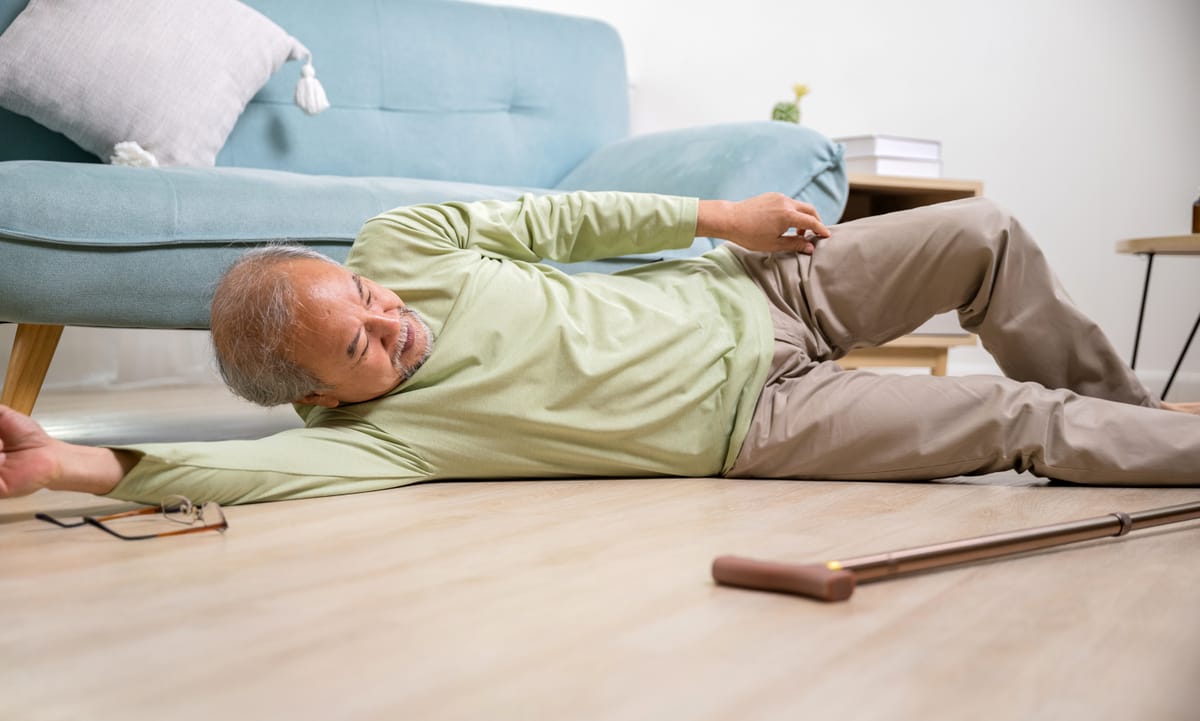
 Diane Carbo