Palliative Care for Serious Illness: When to Ask for Help and How to Find It with Patricia Fogelman - Episode 249
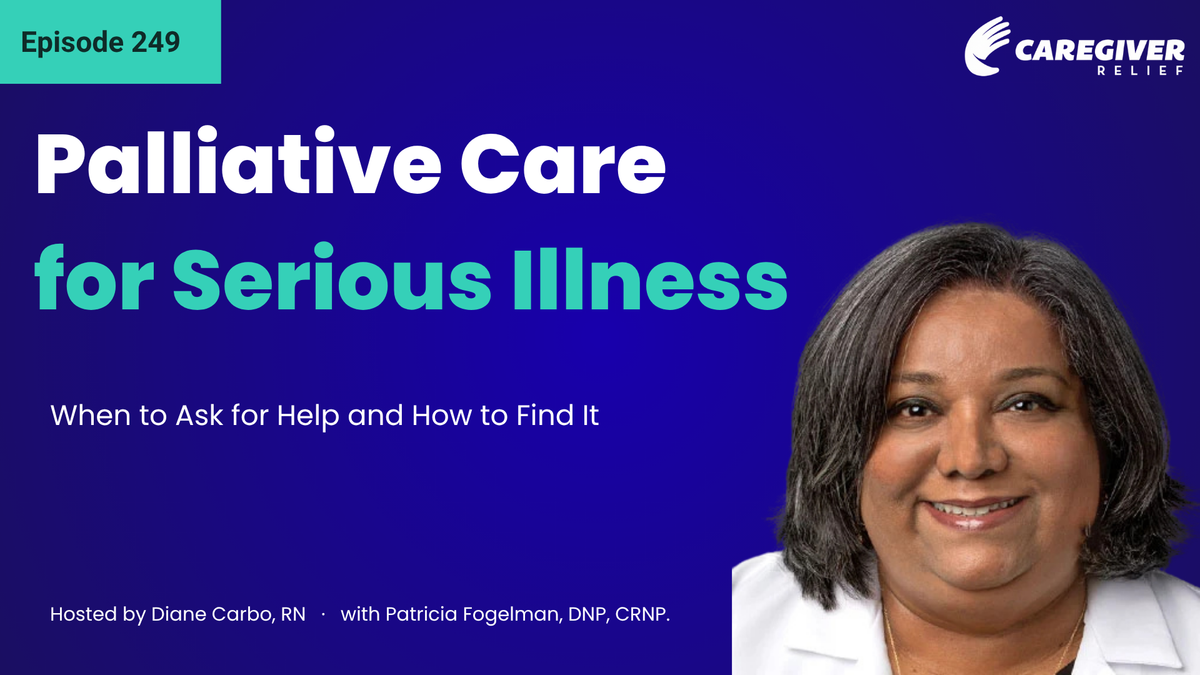
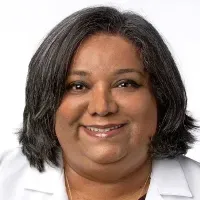
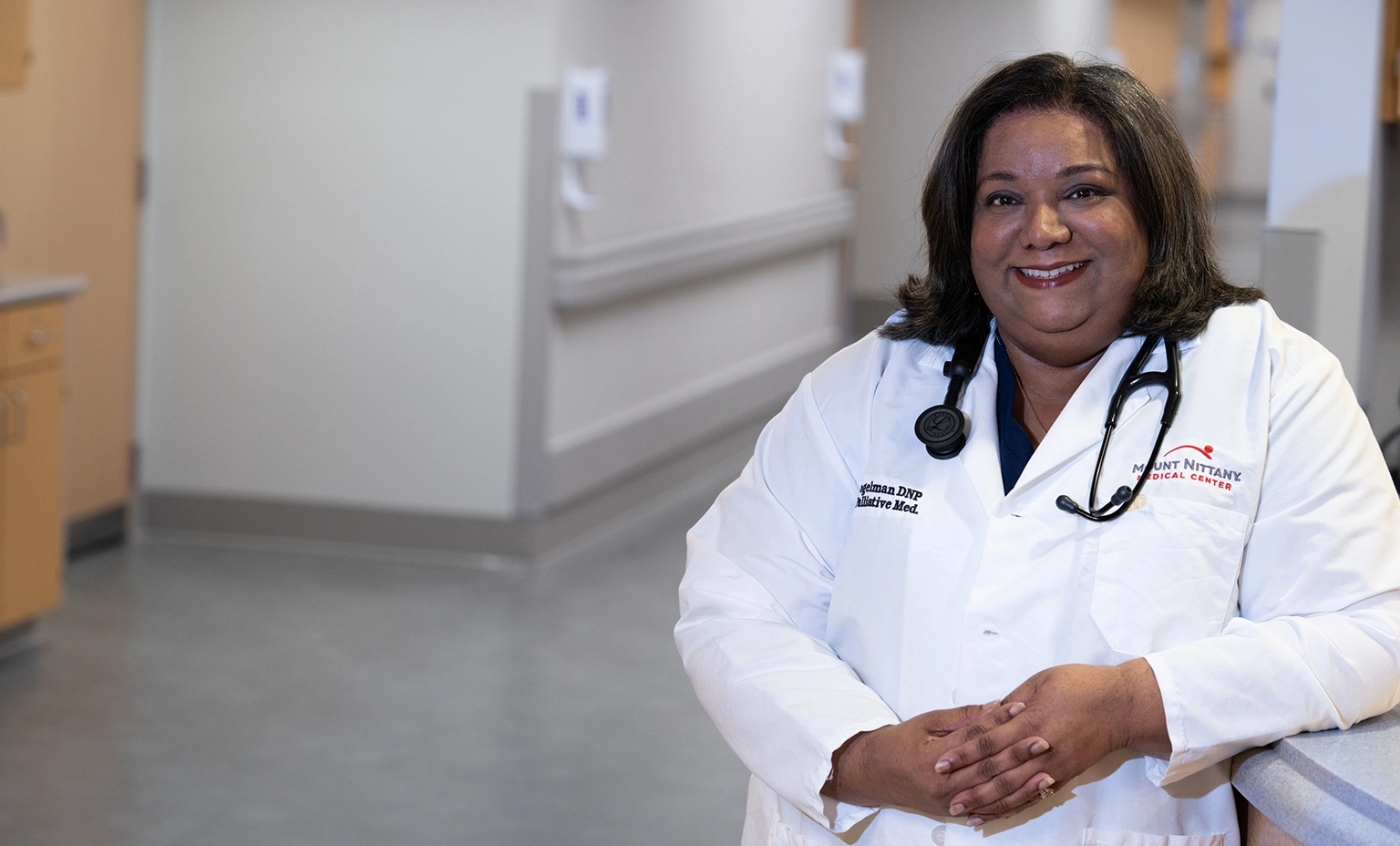
In this episode of the Caregiver Relief Podcast, host Diane Carbo, RN, sits down with Patricia Fogelman, a nationally recognized palliative medicine specialist with over 20 years of clinical experience. Together, they break down the myths surrounding palliative care, explain how it drastically improves quality of life for patients and family caregivers, and provide actionable steps on how to access these critical resources.
Episode Highlights 🎧💡
- The Inspiration Behind the Scrubs: Patricia shares her personal journey into nursing, guided by her mother’s 44-year career as an OR nurse, and how an unexpected invitation led her to build system-wide palliative programs.
- Palliative Care vs. Hospice: Clearing up the single biggest misconception in healthcare. Palliative care is not end-of-life care or hospice; it is a specialized medical service focused on managing symptoms and improving quality of life at any stage of a serious illness while patients continue active treatments.
- Becoming a "Symptomologist": How palliative teams act as problem-solvers for everything from physical pain, nausea, and shortness of breath to deep-seated anxiety and psychosocial distress.
- Supporting the "Second Patient": Addressing the invisible toll on family caregivers—who often experience high burnout and health crises of their own—and emphasizing whole-person, family-centered care.
- Innovative Care Models: Highlights from Patricia's work, including setting up groundbreaking pulmonary-palliative clinics and integrating specialized palliative massage therapy.
Episode Outline 📋📌
- Introduction: Diane Carbo welcomes listeners and frames the widespread misunderstandings around palliative medicine.
- Guest Background: Patricia Fogelman’s background in psychology, emergency/trauma systems, advanced lung disease, and leadership in rural healthcare.
- What is Palliative Medicine? Defining the scope of care and explaining how it functions alongside primary care and specialists.
- Palliative Care vs. Hospice: Key distinctions, transitional home care programs, and why asking for palliative support does not mean giving up treatment.
- When to Ask for Help: Identifying trigger points—from unmanaged pain and mobility issues to emotional trauma and caregiver overwhelm.
- Caregiver Support & Whole-Person Care: Recognizing the family unit, involving loved ones, and protecting the mental/physical health of the caregiver.
- How to Request Care: Self-referrals, hospital consults, navigating doctor conversations, and leveraging online directory tools.
- Complex Communications: How palliative specialists help families navigate tough medical decisions, goals of care, and advance directives.
- 3 Action Steps for Families: Immediate, practical guidance for anyone seeking palliative services today.
- Closing Thoughts & Resources: Where to connect with Patricia Fogelman and final encouragement for caregivers.
3 Steps to Access Palliative Care Today 🚀🔍
- Speak with Your Leading Provider: Ask your primary care doctor, oncologist, or cardiologist directly for a palliative consult to help manage symptom burden and advance care planning.
- Check Your Referral Requirements: If your insurance permits, self-refer directly to a local hospital or clinic palliative program without waiting for a doctor's order.
- Use Directory Tools: Visit GetPalliativeCare.org to take a quick self-assessment quiz and search for palliative providers using your ZIP code.

Podcast Episode Transcript
Diane: Welcome to the Caregiver Relief Podcast. My name is Diane Carbo, RN, and today we're going to talk about a very challenging subject and a misunderstood subject, palliative care. When someone we love is living with a serious illness, the medical system focuses on tests, treatments, medications, and managing the disease.
But patients and family caregivers may still be struggling with pain, shortness of breath, fatigue, anxiety, uncertainty, repeated hospitalizations, and difficult decisions about what comes next. They may also be trying to coordinate several doctors, understand complicated treatment choices, and care for someone whose needs are continually changing.
This is where palliative medicine may provide an important additional layer of support. Unfortunately, palliative care is still widely misunderstood. Many people believe it is the same as hospice, and that it is only available for the end of life, or that accepting it means they must stop treatment.
Because of these misconceptions, patients and caregivers may not ask for palliative care until they are exhausted, frightened, or facing a medical crisis.
My guest today is Patricia Fogelman. Patricia brings more than 20 years of experience and dedication to the field of palliative medicine. She is a nationally recognized educator, has authored textbook chapters and journal articles, and has contributed to palliative care initiatives through the American Thoracic Society and the Society of Critical Care Medicine.
Patricia also played an important role in developing Columbia University Medical Center's lung transplant program and Center for Advanced Lung Disease. She was instrumental in creating one of the nation's first pulmonary palliative care clinics, bringing pulmonary and palliative specialists together to better support people living with serious respiratory illnesses.
Today, Patricia will help us understand what palliative medicine offers, who may benefit, when family should ask for help, and how to find services in their community. We will discuss how palliative care may be delivered in a hospital, outpatient clinic, nursing facility, community program, or in the patient's home, and why those programs may differ We will also explore how palliative medicine supports people with advancing lung disease, including those coping with shortness of breath, anxiety, fatigue, repeated hospitalizations, and changes in their ability to function.
Most importantly, we will talk about how palliative care can support the family caregiver as well as the patient.
Diane: Patricia, I'm so glad you were able to join with me, join me today. Palliative care is so misunderstood, so thank you for taking time out of your busy schedule. I really appreciate this.
Patricia: Oh, thank you very much for the invitation, Diane.
I'm excited to join you today.
Diane: Now, before we discuss the clinical side of palliative medicine, I would love for you to tell us a little bit more about yourself. What drew you to nursing and palliative care and what kept you passionate about this work for more than 20 years?
Patricia: So I always tell folks, that I kind of rolled into nursing in the most fortuitous way.
My mom was a nurse. She was a operating room nurse for 44 years. She was honestly my favorite human. And, you know, still remains, this very foundational principle, and guiding light for me. And so when I was in college, I was initially pursuing a degree in psychology, and my mother was just very insistent that I really rethink that and consider getting my degree in nursing.
And she was just like, "I think you can still use your psychology degree. I just think you could use it better." And, so when I graduated from college with my bachelor's in psychology, I then started the program at Pace University here in New York, and it was the combined degree program back then.
So if you had a non-nursing bachelor's, you went through the accelerated BSN. And then from there, I went on to get my MSN, became a family nurse practitioner.
Diane: Wow.
Patricia: And, I was working at Columbia Presbyterian, as you said. And then when I met my husband, moved to central Pennsylvania, which was a big shift from, urban academic medicine with all the bells and whistles
Diane: Yes
Patricia: to a rural health system. But, I landed at Geisinger Health System in Danville, and I was there for 12 years. And Geisinger is a level one shock trauma academic medical center, which is an integrated platform, of a very sophisticated and extensive rural health system. Multiple hospitals, multiple community-based, facilities as well, a big primary care network, and a specialty practice network.
So that really landed me, I think, in a good space where my comfort level for academic medicine was still maintained, but my setting of practice was a little different. And, I just was working in internal medicine for the first year that I was there, and we had been planning a wedding and building a house, and there's a lot going on.
And I was just randomly one day called by the director of palliative medicine, who said, a good friend of mine is one of your patients. You're her primary care." And, she was also a nurse at the hospital. And in discussion of my wanting to grow palliative medicine and what I think I need to do to get this take, you know, to take this off to a multi-platform growth, I think that you should come join me 'cause she spoke so highly of you."
So he invited me to lunch with him and, I always joke because Dr. Ellison is this amazing human, but if you didn't know him that well and all you know was, like, your encounters in grand rounds and M&M meetings and stuff, I was just very kind of like, "Oh my gosh, this guy is so dry, so sarcastic."
Like, I don't know if this is gonna work. Then I went and met with him, and it was just this opportunity to launch this program, across more than it was doing. It was initially just housed in the oncology clinic, but now it was going to be across the health system, 100% dedicated, adult, pediatric, neonatal.
And I thought it just really gave me a great bridge for both in the hospital practice and in the clinic. I love both, but I have to have a balance. I can't do either full time. I don't, I'm not happy that way, right? So I'm at my happiest when I can do inpatient and outpatient medicine And so it was a great opportunity.
That's what I did at Columbia. I came in on the ground floor. We built a lung transplant program, from the rubbles, I like to say. And so this was, like, another opportunity to come in on the ground floor and really make something. And so we did. We took it and, over the next several years we made it into a system-wide, multi-platform program.
We extended its reach out to multiple advanced disease clinics, including pulmonary, advanced nephrology, so the dialysis clinic, for example, the skilled nursing facilities, so geriatrics and dementia became another focus. And then, when the JCAHO rules required palliative for heart failure and LVADS, we then incorporated into the heart failure team as well.
So it was just this opportunity, to take all this experience that I had in advanced lung failure. And at Columbia, the on-call team for cardiothoracic transplant is heart and lungs, right? So we did the VADs, the BiVAD, LVAD, RVAD, then the, the heart transplants, the lung transplants. So going into, VAD with JCAHO requirements for palliative was another great space 'cause I had that experience.
And it was really just an amazing opportunity, and that kind of grew into, we have to do more for advanced care planning and bring that into the system and change how we're doing that in primary care and multi-specialty clinics and rolling out education. And Dr. Ellison is one of these physicians that is a nurse's physician, right?
He wants you to do the very best you can be. He doesn't think you're capped at any point just because you're a nurse, whether it's, you know, RN, NP, DNP. He was very kind of like, "There's more you can do. I really think you can expand your platform." And so it went from, that to then opening up nursing grand rounds and, then from nursing grand rounds we started an annual conference called Perspectives in Healthcare.
And by the time I left Geisinger, those things were embedded, large volume things. And we had our conference annually drew in, like, 200-plus people. We had a lot of great speakers, Betty Ferrell, Carol Taylor, Pat Benner. Some really amazing keynote speakers. And then, I started that pulmonary palliative clinic.
That ended up becoming there wasn't one nationally, and that ended up becoming a model. And so a couple of other advanced lung centers started to call and say, "How'd you set this up? Can you mentor us through this?" And so it just kind of was this space, I think, that fostered growth. And then Dr.
Ellson was constantly like, "You should do more. You could be a leader in this space." And I was very, like, I just didn't see myself in that kind of a role. And, it just kind of coincidentally happened then that this opportunity for leadership came up, and he had recommended me even though the system at the time was looking at physician candidates, right?
And so I took on the role as the system director for palliative care, and that was, up until then really a physician-held position, so that was, like, the first space you enter where, now the arena looks different. And then, I had great mentorship, so Betty Ferrell and Pat Quine and Judy Pace, these really amazing icons of palliative care.
And then Dr. Ira Byock, who's one of the leading physicians in palliative care, were all kind of these great resources of just giving me guidance, giving me support, encouragement frankly, right? And I was able to step into this leadership role and really launch a palliative care program across a five-hospital rural health system, and then got that through COVID, led actually the COVID response, embedded ourselves in the ICU, did all these things, recruited a study, for COVID treatment at the time.
And then I got tapped to come here to Mount Nittany, and this happened to just be in the direction that was closer to family as well for us. And, we really we lived in a college town at the beginning of our marriage. We liked that energy. We liked the vibrancy of it. So we made that leap, and we came here, and it'll be four years for me here in October, and it's just amazing.
It's just this opportunity to keep building and keep growing and expand that outreach. And rural health, is so challenging because the access is constantly limited. The resources are very different. And so it gives us this opportunity to, sit at the table and be like, "How can we think out of the box?
How do we make this more accessible or more understandable or more engaging?" And some of that starts with the basics, right? When I came on board, I'm like, "Let's revamp this website. You know, the information's not as understandable." And then the brochure, and then why aren't the brochures out in the hospital?
Why aren't they on the floors in the units? And then starting to partner with the specialty services like hospitalists, cardiology, pulmonary, ICU, starting to go to those morning huddles and showing up, and now we're an embedded part of the residency education. We're an embedded part of the nursing education.
And it's just been this, really phenomenal ride. So anybody who asks me, I'm constantly like, "I've just been so lucky and so fortunate." I really do think my mom's looking after me. I very much feel like this is, someone's, like, constantly just shining down good luck on you. So it's just been this real opportunity
Diane: It's rare in nursing that you find a mentor who encourages you, so
Patricia: Oh you were very blessed.
Diane: No, and he's
Patricia: You were very, very blessed
Patricia: literally still one of my best friends, right? He's retired. He's professor emeritus, but he is one of my best friends. We speak on the regular. We still bounce ideas off him. Sometimes I will call him with a difficult case and be like, "This nonsense happened today."
Diane: Yeah.
Patricia: You know? And he'll be like, "Okay, let's, number one, talk you down off the ledge." And then, number two, how can we resolve this?
Diane: Yeah.
Patricia: And sometimes it's just humor, right? A couple of months ago, I had a patient, who was checking in for a clinic with me, and her son was like, 'cause the lobby where they check in has, a lot of echoing a, at times, and he was very loud.
And he's like, "We're checking in to see Dr. Fogelman, my mom's paleontologist." And I'm like, "Yeah." "I could do that, too." Like, you're just kinda "Okay, you're here to see a paleontologist." And so I texted that to him and he sent back, a dinosaur emoji. I mean, these are the things, right?
You can ... I feel like a lot of people think palliative medicine is so depressing. Oh, you know, you must ... How it must be so sad for you, and I'm like, "Honestly, it is not." That's why that ... But that is why the balance of inpatient and outpatient
Diane: Yes. Yeah
Patricia: to me is important, right? Because in cancer clinic, I'm treating people through their cancer treatment.
Diane: Yeah.
Patricia: They ring that bell, and they don't necessarily come back to see me. They might for survivorship symptom management.
Diane: Yeah.
Patricia: But I'm getting you through treatment. So if your chemo's making you so sick or so nauseous, or you're having so much pain that you're like, "This isn't worth it," or, "I'm gonna stop it," but maybe you have a very treatable disease
Diane: Yeah
Patricia: that's one of the ways we step into the oncology space, right? And say, "Let me help you." "Let me bridge you through this treatment." Or getting people through advanced lung failure while they're bridging their way to transplant, and how do you control your symptoms while you're waiting, maybe, for your transplant evaluation.
And then same for heart failure. So I feel like I don't think people see that side of the work, that we can be following patients for years, that they become, as if, I was their primary care. They're seeing me quite frequently. I know the patients. I know their families and their caregivers.
I have an incessant curiosity, you know, for the human story, and so I want to know their stories.
Diane: Yeah.
Patricia: And so it's not gonna be unusual for a clinic to be like, "What's going on with the dog now?" Or, "What happened, on vacation?"
Diane: Yeah.
Patricia: Or, "How was the wedding?" and I think part of that is also the problem solving.
Like, they'll come in and say, "My granddaughter's getting married, but I'm not ... I'm not gonna go 'cause it's just too much, with my care needs." And then you're like, "How can we fix that?" You know, and, "How do we get your oxygen delivered to the hotel or a portable concentrator?" And I don't think people are aware that things like portable concentrators can be borrowed for the week, right?
Diane: Yeah.
Patricia: From home health companies. And I think they all feel like, "Oh, well, I don't have one. They won't give me one. Therefore, I can't go." I'm like, "Yeah, but have we asked?"
Diane: Yeah
Patricia: have we asked?
Diane: you are really thinking out of the box, and I love that. How do you explain palliative medicine to a patient or family caregiver who's never even heard of it?
Patricia: Yeah, that's always fun, right? 'Cause sometimes they come in leading with, "We're not here for hospice." neither am I. Great.
Diane: Yeah. Great. Exactly. Exactly.
Patricia: That is fantastic, 'cause now we're on the same page, right? and I, you know, I'm very, it's, like I'm not quick to anger or anything like th- I'm just historically a, kinda like check the vibes kind of a person.
So I was very... I like to tell people, look, what I do here is I help take care of people who have any kind of serious or advanced illness. As a general rule for somebody to qualify to see me, they have to be pretty sick and or it has to be pretty serious. That being said, your provider, recommended that I see you for these reasons.
Tell me a little bit about what's been going on. And then I always make sure they leave clinic, with our brochure because I think, under times of stress what I think generally some of the data shows we recall about 30%, you know, of what was discussed. And so they're not gonna remember everything, so I'm like, here's an additional brochure to refer back to.
Diane: Yeah.
Patricia: And, when people also say, what other things can palliative do, I think the single greatest asset out there that people do not put out enough is the CAPC website, right? The Center to Advanced Palliative Care has a patient-forward website called the, it's www.getpalliativecare.org. It's fantastic.
It tells you what palliative is. It'll tell you how it can help by disease state, right? Oh, I have ALS. Let me see how it'll help me. I have, musculoskeletal neuromuscular failure. This is how it'll help me. I have dementia. And so you can look up these very specific disease states and say, this is how it might help me, and see if it fits your needs.
Then it has a resource finder, find palliative care near me. So you type in your ZIP Code and it'll pop up you know, a little list. And it'll even say how to discuss this with your provider, to see. And it has a little, I think it's like a four question little quiz, is palliative right for you?
Answer you right on the screen, it just pops up, "Yeah, it might help you," or, "No, it's not appropriate." it's the, the greatest tool and I'm like, "Why are we not using this?" So I put that out there. I tell my primary care folks to do it. I said, "You can..." and then there's a space for providers on the page as well, so not just patients.
And I think there's a lot out there to just help inform and educate. So I always kind of try to lead with, "Let me empower you with knowledge, and let me tell you that these are the ways" Yes ... "I think I can help you. And then if you tell me what your struggles are and we can have that dialogue, then I think we can start pinpointing."
Diane: Yeah.
Patricia: And some patients are very, "I don't really know." And some patients are like, "Here's a list," and a scroll comes out with 100 problems.
Diane: Yes. And so I'm always like, "Okay, well let's talk about, the top two or three things that bother you the most." Those are going to be the things we try to address today, and then every visit subsequently we'll keep chipping away at it.
Diane: Yeah.
Patricia: but it's great.
Diane: How is palliative care different from hospice?
Patricia: That is the million dollar question, right?
Diane: I know. And you know what? I've dealt with this for so long.
Patricia: Yeah, yeah, yeah. And, That's right. Love it.
Diane: you know, all of a sudden they hear palliative care. Well, I'm not ready to die.
I know. I don't want
Patricia: I don't want hospice. I know.
Diane: I know. Yeah. I know.
Patricia: So I always, I make two big distinctions for people. I say palliative medicine is a medical subspecialty just like any of your other medical specialists. So primary care or cardiology, GI for example. Hospice is a visiting nurse service, that is a visiting nurse-based service that comes into your setting of care, whether it's at home, a nursing home, a rehab, whatever.
And their objective is to help support you, from a quality of life perspective when your illness may have reached a point where further treatment would not be beneficial or is harming you, and a quality of life and comfort-focused plan is, you know, your wish at that point. I said, "So that's that pivot point."
And I always make it super clear, I just want to be very upfront that anybody on your care team, your provider team, can refer you to hospice. That is not uniquely my domain. your primary can refer you, your cardiologist can refer you. I said, "But certainly, part of what I can do to help you is to talk through where you are at in the sequence of your illness, what stage of things are we facing, what are the things we can try to improve, what are the things that maybe we can't necessarily make a dramatic impact on."
And then we can talk about do we think hospice is the right choice for you today, or is that something we can talk about maybe in the future? And, I think one of the best things Medicare has is some home health agencies offer a transitional care program, right? So it's-
Diane: Yeah
Patricia: it's that right in the middle. And it's for people who are, like, sicker than what standard home health can provide and need a little more support. But not quite sick enough or maybe not ready for hospice. And maybe they're still getting immunotherapy or radiation treatments, or there's a surgery coming. And so you get this little bit more of, attentive support, a little bit more robust, aide, caregiver support.
But it's not quite at the level of hospice, but that readiness to pivot to hospice is much easier
Diane: Yeah
Patricia: when this hybrid team of home health and hospice nurses and aides are following you. Because as those changes happen, and as that decline is happening, there's this earlier identification and an earlier trajectory, onto hospice.
And I think that's something that a lot of home health companies miss an opportunity
Diane: Yes
Patricia: to be in. we're in Centre County, which is a very, luckily a demographically blessed county in the state of Pennsylvania. The cost of living's high, but the average salary is also relatively high.
And, we have, 11 agencies to choose from. But of
Diane: Oh, wow
Patricia: of those 11 agencies, two offer some version of a transitional care program. One offers what I would consider a true transitional care program. The other offers what they call community palliative care, and that's really, once a month there's a nurse visit or an aide visit.
Which as patients kind of say, sometimes is not what they need. They need more hands on support. Yeah. So I think it very much it varies. And the use of the word palliative, we don't, we want a corner on that market, but we don't own it. 'Cause palliative in general, the translation of the word is to make better.
Diane: Yeah.
Patricia: Yeah. All medicine is palliative. All nursing is palliative.
Diane: Yeah.
Patricia: All healthcare should be palliative, right?
Diane: Yeah.
Patricia: So do I own that specialty? No, but, there's this big dialogue nationally about should we change the name of the specialty, what should it be? And there's should it be supportive medicine?
Well, there's a, you know, an argument to be made that's not clinical enough, right?
Diane: Yeah.
Patricia: Cardiology is cardiology. GI is gastroenterology. Liver is hepatology. Why am I supportive medicine?
Diane: Yeah.
Patricia: or, do we keep it palliative medicine, do a better job educating and aware-ing? But, and I think somewhere in the middle there is probably an answer.
I don't have the best
Diane: Yeah
Patricia: answer to that. I've heard this now for 20-plus years, you know on a national debate, and I think it's a great question. I just ... And I don't even have a proposal for what else you can call us.
Diane: Yeah.
Patricia: You know? And I love, Chris Jones is a physician at Duke. He's the director of outpatient palliative medicine there, and Chris likes to say, "I am a symptomologist."
Right? That he manages the symptoms of your advanced disease, whatever it may be, to improve the quality of your life. I really like that. And so I steal it. I steal, I'm unashamed to admit that. and so I'm just kinda, yeah, I'm a symptomologist. Like
Diane: Well, you know, and I think if you explain that to clients, your patients, I'm there to help, with manage your symptoms.
Patricia, when's a good time for patients and caregivers to ask for help?
Patricia: I think at any point when the burden of your illness is beginning to affect the quality of your life in a substantive way
Diane: Yeah
Patricia: you need to ask for help. So if you are having a lot of uncontrolled pain or other symptoms, can that be shortness of breath or GI issues or neuropathy or sometimes there's mood issues, right?
I mean, we've all had to treat things like anxiety, depression, psychosis, and sometimes that anxiety, it's like, when you go to code things it's like anxiety about health or anxiety about dying, and sometimes that is the anxiety.
Diane: Yes. Yes.
Patricia: It's not just some general not otherwise specified anxiety.
Sometimes it's an advanced heart failure patient who's literally like, "I'm afraid to die."
Diane: Yeah.
Patricia: or, "I'm afraid what dying will..." not that I'm afraid to die and that I know that's normal, it's coming, but I'm afraid of the dying process.
Diane: Yes.
Patricia: And so helping people kind of navigate that path and helping them sort through those issues, try to manage those issues, referring them to the appropriate supportive resources.
I mean, I put a lot of people into pulmonary rehab or home-based PT or physical therapy in general. I put a lot of patients into other supportive care. Lymphedema clinic. I have sent them, you know, sometimes it's psychotherapy. I mean, we are lucky that we had a, very recently, we had a licensed massage therapist who actually works at our hospital who went on to pursue this additional training in palliative and oncology massage, and she needed to get her clinical hours in, so we got her to be with us for, six or seven months.
Diane: Oh,
Patricia: Wow. And so she was with me in oncology clinic and she was with us in the hospital, and patients responded so well to those interventions. Yeah. And so now in clinic, when patients are like, I can't get comfortable. I'm like, "Yeah, there's a palliative oncology massage therapist in the area.
Here's her number."
And she trained here in this cancer clinic with us, and so I think we're all comfortable recommending her. And honestly, when you look up, there's only, one other person in this area that does, quote, unquote, "oncology massage," but that other person is at a big, commercial massage studio, and those sessions are substantially more expensive.
And so it's kind of like, you know, you get people, you try to, like, meet them where they're at and try to say, "How do I help you?" And so I always tell patients, if you're worried about your disease process, if it's starting to consume more of your time, if it's taking away your quality somehow, it's physically affecting you in more ways, harder to climb a flight of stairs, harder to carry in groceries walk and talk at the same time.
Like, whatever that might look like. I can't pick up my grandkids. I can't walk to the baseball field. Maybe it's time to come see palliative medicine, right? Maybe we can help you with some of those symptoms. Sometimes when, the folks who are like, "I can't get to the baseball field anymore, it's too far, from the car."
Like, well, how about if we got you a wheelchair?
Diane: Yeah, yeah.
Patricia: Because if you got a wheelchair to the bleachers, can you step... yeah, I could probably get up onto the bleachers. I'm like I mean, it's just the transport, right? It's such a, it's such a
Diane: Exactly
Patricia: low intensity intervention. And sometimes, honestly, a lot of clinic can, with certain diseases, turns into down the line psychosocial support.
Diane: Yeah.
Patricia: And my mother, if she was here, would tell you, "Well, that's where her psychology degree finally comes in useful." but it's true. Like, you have to, sit and listen to people and be like, "Tell me what's going on. How are you feeling?" And, caregivers don't get that attention. And, I very often I turn to the caregiver and "Tell me how things are going with you, and how are you doing, and what do you need?"
But I learned to be a lot better about that and much more adept at engaging the caregiver when I met Jen Wescoe, who leads the Wescoe Foundation for Pulmonary Fibrosis here in Pennsylvania, and partners with a lot of advanced lung disease programs to get more education and support. And the premise of the Wescoe Foundation is not just to empower the patient with like, "Here's access to clinical trials," or, "Here's how to get oxygen in different formats approved," but also to support and empower the caregiver, right?
And so a lot of the Wescoe programs are very focused on improving care for the caregiver and providing more support.
Diane: That is something that the caregiver is the second in just
Patricia: Absolutely
Diane: the patient, and they're always
Patricia: Absolutely
Diane: ignored. They all feel that they're ignored. So I really like that,
Patricia: I wish, Diane, there was a way that we could do, like every for like oncology clinic, for example, right? We do the NCCN distress screen, and we record it on the patient. I so wish we could go ahead and record it on the caregiver. But, you know, there's there's HIPAA rules, and you're not our patient.
Diane: I know
Patricia: and I can't access your chart and... But I just so wish that, we could just somehow tie it in.
Maybe you guys could just take this quiz together, you know? Because it's like, it's so important. And so I, like when... I don't do as much here pediatric, but at Geisinger, we had a pediatric clinic, right?
Diane: Yeah
Patricia: We had pedes oncology, the pedes ICU, neonatal, high risk MFM. So we were doing a lot of work with children of all ages.
And I will tell you, like, you know who's overlooked in that setting? The siblings.
Diane: Yes. Yes. Yes.
Patricia: And, sometimes it's the, the patient who's the child is getting good attention, I think, in care, right? Yeah. I think the parents sometimes get good support, but, we're forgetting about the siblings.
Diane: Yeah. Yeah.
Patricia: And I feel that's, that happens here with the caregiver, 'cause we do a great job giving, taking care of the patient
Diane: Yeah
Patricia: and you're coming with them to every visit, and you're supporting them, and I'm telling you, like, "Hey, do the oxygen this way," or, "Do a, you know, let's add an extender to the oxygen tubing," or, "Hey, we can get him in the car with this portable version of oxygen."
And then, maybe they die or something happens, and who's keeping in touch with the caregiver?
Diane: Yeah. I don't know if you're aware of this, Patricia, but 63% of the family caregivers become seriously ill or die before the person they're caring for passes.
Yeah.
Patricia: I didn't know it was that high, but I knew
Diane: Yes.
Oh, it's gonna even be higher now because it will the reimbursements change so much that we're putting more and more pressure on and expectations for the family caregiver. It's astonishing. We're the medical delivery system is expecting the family caregiver to provide care once only provided by healthcare professionals.
Patricia: Right.
Diane: they're untrained, they're, unprepared for everything that's thrown at them. and it's really sad, and we really are in a public health crisis at this moment.
Patricia: Absolutely.
Diane: It's really sad. So I want to know: How does a patient or caregiver even request palliative care?
What should they say, or who should they go to?
Patricia: So I think the first thing I want to make sure everybody knows is that you are entitled and empowered to ask for the care you need.
Diane: Yes.
Patricia: You don't need anyone's permission to see the specialist of your choice. If you were having high blood pressure and it wasn't well controlled, or you didn't care for the meds, or you were having trouble and you said, "I'd really like to go see a cardiologist," I feel like most of the time the medical establishment's like, "Yeah, sure.
Okay." No problem. But if you suddenly walk in and say, "I want to see palliative," "Oh, no, what's going on? You don't need hospice yet." So I think as a patient, the first step is, do you need a referral? Check that first. Sometimes a lot of patients have insurances that do not require referrals.
So I'm like, if you don't need a referral, go ahead and self-refer to the palliative
Diane: Yes
Patricia: program nearest to you, right? If you need a referral, talk to your provider and say, "I have gone onto the CAPC website," or, "I have reviewed palliative medicine services. I would like to see them for these following reasons."
Like, be specific, "I'm having uncontrolled symptom burden from my illness," or, "I really feel like I need to start working on advance care planning and goals of care," or, "I need a little bit more psychosocial support. I'm just not sure I have all the resources, that I need." And kind of delineate those reasons.
I think sometimes the more specific we could be in the ask, the more likely the ask can be fulfilled, as when we just throw it out there as a vague request, it's harder to get. But at the end of the day, as patients, we're all entitled to the care that we want, right? And so you don't have to accept the no.
You could just be like, "Okay, I respect that you don't agree with my request or my choice, but nevertheless, I want to see palliative medicine. I'm entitled to see specialists of my choice. I would appreciate the referral being written. If not, do you need to recuse yourself from this and I get, someone else in the practice?"
Which is a step I don't think you need to take. I think if you have a respectful dialogue with a provider you have a relationship with, most of the time there's not objection. I mean, every once in a while I think you're going to encounter, like somebody who maybe is just kind of like, "No, I can do it," or, "You don't need that."
And that that's okay, but you have every right to ask for the care you need. And if you're in the hospital, it's infinitely easier. If the hospital has a palliative medicine service, then you can just say, "I would like a palliative medicine consult for X, Y, Z." uncontrolled pain, symptom management, I want to talk about, disease course progress and goals of care, whatever that might look like for you.
I mean, I had a patient a few weeks ago I saw in the hospital, and the patient was the B bed, over by the window. And then by the time I finished that consult, I'm walking out and A bed is saying to, to their spouse, "I gotta get one of those consults." they were just kind of like, "I need a palliative medicine consult."
And sure enough, by the next day we had a consult order to see A bed.
Diane: Oh.
Patricia: And so it was just very funny, 'cause we were just "Okay, free marketing."
Diane: Yeah.
Patricia: You know, it works.
Diane: Well, I think healthcare providers don't know enough about palliative care to refer all the time, because there's so much of a need for it out there.
And, I think our own PCPs and, our healthcare practitioners, are, not as... They're just not, they don't provide the services or recommend the services that are available out there. So you really have to be a little detective and reach out and figure out stuff. That's why I'm so glad we're doing this podcast today.
Patricia: Yeah, and I think caregivers have that unique opportunity too, to be like, you know, look, as the caregiver for my person
Diane: Yes
Patricia: I'm watching them suffer in the following ways, or I'm watching these things changing. We need a palliative medicine consult to help address some of this, and I need some more support to help navigate this.
And I don't think that's an unreasonable ask. And sometimes, there's always this mixed bag of referrals, right? So I get referrals sometimes that'll be, oh, this person, needs more social support services. We want you to increase the number of hours of caregiver support they get in the house, like through private I'm like, I...
You know, that's not a me thing.
Diane: Yes, yeah.
Patricia: That's, you guys have been following this patient. If their needs are increasing, you call the agency and submit whatever that
Diane: Yeah
Patricia: paperwork is. And so sometimes you have to push that back and be like, "That's not an appropriate consult." I will tell you very recently I got a very interesting consult request, from somebody who wanted to pursue medical assistance in dying.
And that is not legal in Pennsylvania.
Diane: Yeah.
Patricia: And so I had to decline that consult because I'm like, "Unfortunately, I can't help you because number one, it's not legal in the state. But number two, I have no experience in that," right? "To be very honest with you." "And so I'm not even the best choice for you"
Diane: Yeah
Patricia: for that. I couldn't, I wouldn't know really how to do that. So I think that also important, on the palliative medicine end of things, as the people doing that work is, know your limits, right?
Diane: Yeah.
Patricia: And know where your talents and skills lie, and work to develop that.
But also, if you see yourself deficient in knowledge somewhere, work on improving the knowledge. my basis of understanding of, medical cannabis was very minimal, a couple years ago. But very, when I worked at my prior organization, our location straddled the New York and Pennsylvania borders.
And it was very easily accessible on the New York side, right?
Diane: Yeah.
Patricia: And so patients were coming to see me, and I was like, "I really have to improve" my knowledge because, people are throwing out this tincture, this concentration, and I'm like Yeah ... "Okay, you say so. I don't know." Yes. And now I'm in a much better place, more informed, more like, "Oh, okay, that, this is how that version, that formulation works, and here's what you could do with a topical formulation or an oil."
And it's just a very different conversation with patients now. And
Diane: Yes
Patricia: so I think that equally on us is, like, never stop learning, right? And I think I try to keep myself academically engaged and always looking to make sure that not only am I educating about the work we do, but that I'm also educating myself, especially in spaces that I'm not familiar with or comfortable with.
And so it's been like it's really, it's a journey, but caregivers can access us. Patients can access us. You can if you don't need a referral, you self-refer. Just go on the, the CAPC website, for example. Find the place nearest to you, or you can call your local hospitals and be like, "Do you have a palliative medicine program?
Do they have a clinic? You know, can you give me that number?" and then, and, sometimes it's a little hit-or-miss because I had a patient call, couple weeks ago and they, for whatever reason, they called the main operator. I think it was a new employee, and they were like, "There's no such thing as palliative medicine here."
I'm like, "Hello." "I have a whole department. I run the department." "I assure you, we have cards and everything." And so it was a little so there's always, like, those little bumps, but
Diane: Yes, yes
Patricia: I think it's out there and, we're here to help. We want to help you.
It is a, certainly a small medical subspecialty, probably one of the smallest, in the nation compared to some of the bigger groups like cards or critical care. But we are a group of providers that I think you will find collectively care about, human suffering and care about quality of life and very much want to help improve those.
Not just for the patient, but Ira Byock tells us that, you have to remember to deliver whole-person care, right?
Diane: Yes.
Patricia: And whole-person care, I think some people can define that very literally. oh, all of this person. their mental status matters as much as their physical status, as much as their electrolyte status.
Okay. Ira, Dr. Byock took that a little step further for, those of us who remain the disciples and those of us practice, and I've adopted this, that the whole person includes the people that come with that person.
Diane: Yes.
Patricia: Right? Yes. So your caregivers, your family, your, whatever your care team looks like.
And I will say, the world has changed. So you really can't go into things like, "Tell me who's your family member that helps you the most or who means the most." that's not the question anymore. Today's question is, who in your adult life has been the most support to you?
Diane: Yeah.
Patricia: And should that person be part of these conversations?
If they can't be here in person, can we get them on the phone to join us, right? And I think that's such an important perspective to take because families don't look like some cookie cutter traditional model. Absolutely not. You know, you have to ask people, what is your family? Like, who are the people that matter the most to you?
Who should be here? And for a lot of patients who have, a private caregiver team or are in, personal care or a group home or something, those caregivers are their family.
Diane: Yeah. They are.
Patricia: And you can't discredit that with this flip comment of, you're not a relative or you're not
Diane: Yeah
Patricia: you know, a I'm like, well, it's not really the question, right?
Diane: Yeah.
Patricia: The question is to this patient, who matters the most to you?
Diane: Yeah.
Patricia: And can I have that person here for you? Because honestly, any conversation about disease progression or breaking bad news or difficult communication always goes better if the people who provide that love and comfort to the patient are with the patient.
Diane: Yeah.
Patricia: Right? And equally, it is important for that person who does love that patient to hear this information at the same time as the patient so that if they have questions, we're all asking our questions in front of each other.
Diane: Yeah.
Patricia: We're not confusing ourselves, and there's no lingering I'm not sure that's what they meant kind of commentary going on.
Diane: Well, that leads me to the question, how does palliative care help with difficult decisions?
Patricia: So we have an extensive amount of experience and training in complex communications, right? And so one of the biggest, I would say, our flex or our procedure, right? If RVUs could be calculated for communication, ours would be very high.
So we all come in with a substantial amount of training in complex communication. I also think there's a certain amount of intuitiveness that comes with people who come into this space, who pick this specialty. So there's a lot of nuanced emotional intelligence. There's a lot of nuanced complex communication skills training.
There's this ability to navigate these difficult conversations. I also think it's important that and I think everyone has a different approach. I'll just share mine with you though.
That I want to know kind of when I come into the room, I'm very upfront with patients, and I'll just ask them directly, and their caregivers, like, "How do you like to receive information?"
And, do you need a lot of details? Do you want a lot of technical details? Do you want just the bullet points? Do you want it, like, how technical or untechnical do you need this explanation to be?" And I think you have to meet people where they're at. And in rural health, I will tell you, that is especially more profoundly true than anywhere else
Diane: Yes
Patricia: I practice in my urban practice, right?
Diane: Yeah.
Patricia: So you can't walk into a room and be like, "Well, you know, the nephropathy blah, blah, blah, and then, the creatinine does this." you need to be able to come into the room and be like, unfortunately, your kidneys, which help filter the blood, are really not working that well anymore because your heart is getting weaker.
And when that cycle happens, which happens at the end stages of a failing heart, the kidneys get worse and worse. They start to shut down, and those are the changes we're seeing now with these symptoms or these physical changes." And I'm, and I use a lot, there's training out there, but one of the models of communication for us is, like, the wish, worry, wonder statements, right?
And I will say, personally as a palliative provider, those have worked remarkably well for me, right? I worry that we're in a different place. I wish things could be different. I wonder if maybe pivoting to this could be more appropriate right now in offering you more quality of life. However that has to look.
And those aren't the only ways to communicate. Just happens to be one method that works really well for me.
Diane: Yeah.
Patricia: But it could just be that's how I communicate, right? and I'm not right or wrong. It's just what works for me.
Diane: Right. Exactly.
Patricia: But I think that caregivers have every right to be vocal, And you know, there's, I don't know if you follow him but there's on social media Dr. Glaucomflecken. And he does a lot of medical parody, and his wife has been very vocal as being like, the surviving caregiver. And he arrested at home and she did his CPR.
Diane: Oh, my.
Patricia: You know, and she resuscitated him and she's like, "No one talks about, the residual trauma that I felt."
Diane: Yeah.
Patricia: that I have dealt with. That, that somebody that I love had this life threatening crisis that I had to respond and act through and then they had, an acute health issue that followed and we've had to deal with all that. And so she's really doing a lovely job kind of leading the charge of bringing attention to the caregiver as part of the who might be suffering as well, and how do we better support them?
And I think we're still in that stage of like, you know, you can't really document it in the other person's chart so you can put it in the patient's chart but you can treat your patient. You can't necessarily, I can't medicate your caregiver. I think at least acknowledging it and recognizing it, giving it a name, putting
I'm very big on let's name this, right? Let's put it out on the table 'cause we've said it out loud, we're acknowledging it's a real thing. You're not making it up. You're not imagining it. Let us acknowledge here formally that you are in fact suffering because your person, the one you love, is suffering or has suffered or has, things have happened. And I think that's an important part of that recognition and that acknowledgement. And honestly frankly it's respect in a different way, but it's respect.
Diane: Yes. Yeah.
Patricia: And people who are doing the hard work, like just coming to clinic and seeing us for 30 minutes, 60 minutes, whatever, that's a small thing.
But do we as the provider, do you recognize what it took for that person to come to clinic? Maybe
Diane: Yeah
Patricia: that person needed an hour and a half to get ready. Who had to get up two hours earlier to do it?
Diane: Yeah. Yes. Yes.
Patricia: And you they gotta get them into their wheelchair, get them bathed and dressed and fed and into the car, then out of the car, and then wheeling them in and out of the clinic rooms and it's a whole thing.
Diane: Yes it is. Yes it is.
Patricia: And there's not enough like recognition of that. And so sometimes it's just maybe I can't treat you as the caregiver, maybe I can't hands on do something, but I can certainly pay you the respect.
Diane: Yeah.
That you deserve. Which is something most physicians are not even acknowledging they, the- the caregiver exists. And and that's a whole nother ball game. But now Patricia, for the patient or family caregiver listening today who believes palliative care might help, what are the first three steps that they should take?
Patricia: I think the first step that's always the most direct is you speak to your primary care provider. Or you know, if it's a specialist you're seeing, if you have a very specific, like do you have heart failure, do you have lung failure, do you have advanced cancer, then you can speak to your cardiologist or your pulmonary doctor or your oncologist, right? But you speak to the, the one provider you see the most for the problem that's the most pervasive, and you say, I'm really experiencing a lot of suffering from the burden of my illness, and I know that this can be offset sometimes with a palliative medicine consult to kind of help me manage the burden of this illness, improve my quality of life.
And maybe also just help me with some advanced care planning, goals of care type conversations. I know they're not hospice. I don't want hospice right now, but I really need some help just to help see if I can make my quality of life better. It's getting hard for me." Or, "It's getting hard for my caregiver, and I think I need some support."
And sometimes, people qualify for things like home health or rehab or transitional care, and it just hasn't been offered. I mean, I bring up transitional care, I would say, like 30 times a week on rounds. And people are still surprised by it, right? And I literally have a smart phrase that I blow into the record, like dot transition.
And I blow it into the record just so you know how I explained it. And I'm just if you read my note, like like
Diane: Yes
Patricia: you read it over and over again. I feel like, can't I burn it into someone's brain now? just really kind of ask for that. And then, if you don't need a referral and you can self-refer if your insurance is set up that way, then self-refer yourself, right?
Call your local hospital and see if they have a program. If not, look it up on CAPC. And if you're just really kind of scratching the surface, you're not sure you want palliative medicine, then by all means go to the getpalliativecare.org webpage. Look it up by the disease state you're interested in learning more about it for.
See if you fit. Those criteria, take that little four or five question quiz to get a sense of it's right for you right now or maybe down the line, could be the answer. And just go from there. there's a ton of, I will say also, palliative medicine teams do a lot of community outreach and education, so sometimes just signing up for the newsletter with your local hospitals for these community education workshops.
I mean, I do a bunch of stuff. I do workshops for, Penn State has the outreach adult learning program. I do stuff there. I do stuff during November for National Hospice and Palliative Care Month. So I am doing a reprisal, I'm doing it annually now, of a art and healing event that's for patients or their caregivers.
Diane: Right? And it's really meant to help. We have, Penn State has the Palmer Museum of Art. We're really lucky to have some beautiful art here. And the Palmer will support, we partner with them in a collaboration. We have an art therapist that joins us. We have a mediated discussion of some curated selections.
Patricia: We move into the art studio. We have a guided art therapy session. And it's really just meant to help this community, support themselves, find some reprieve from their suffering through the medium of art, And to find that space for reflection, that space for a little mindfulness, a little let me turn off the craziness in my mind for a little bit.
And, what I do is I, as, I call it the swag bag, but when you leave, like, everyone gets a little Mount Nittany Health gift bag, and we have, a little art kit in there and some paints and brushes and a sketch pad and a fine-line pen, and things to just help you carry that forward, And I don't care if you take your sketch pad and write poetry in it. I'm not coming to grade you on it. I just want you to do something
Diane: Yes
Patricia: for yourself. And I'm work I'm just constantly trying to think of other ways to support the community, right? So just not just doing the work and having clinic and hospital time, but also, how do you educate this community?
How do you support this community? What are other things we could be doing? and, you know, some, there's always some interest in, should we talk about an event like, Death Over Dinner, like those types of community conversations about advance care planning. That's a little larger, you know
Diane: Yeah
Patricia: than I could do on my own, and so I'm always well, if there's a, one of the community organizations wants to partner on that, always happy to show up and give the information about what is advance care planning, what is an advance directive, how does that look. But, I think that you just have to be willing to educate.
And honestly, as a patient or a caregiver, if you're just not sure, but you found a palliative program in your community, call them and just ask to speak to the provider. You're not gonna get a free consult. Like, no one's ever gonna give you medical advice without seeing you in the office because it's just
Diane: Exactly
Patricia: it's not advised. It's a liability.
Diane: Yeah.
Patricia: But if you call me and you say, "My loved one has, really bad kidney disease, and they're getting dialysis, and they're having so many symptoms. I'm just not sure what to do." And I'll ask you a few questions, "What are some of those symptoms?" And you'll answer them for me, and I'll ask you what's going on from your perspective.
And then I'm probably gonna say, I think I might be able to help. Why don't we get an appointment scheduled to help you?"
Diane: Yeah.
Patricia: And sometimes if those people are within network, like within our health network, like if they're PCPs where I can message the PCP, sometimes I'll just ask, "You want me to do it?"
Yeah. And I'll message the PCP and be, called me. These were the, the contents of our discussion." And they screen positive, right? Yeah. They're screening positive for qualifying, and "Would you mind putting in the consult because I think I could really help them?" And
and I always tell, I tell everybody up front, "I'm not replacing anybody."
"I'm not your new PCP. I am not your new cardiologist. I'm really another specialist that's joining the team of people caring for you"
Diane: Yeah
Patricia: with the same intention of helping optimize your quality of life." And I have a I think every one of us in healthcare, any- whether we're in nursing, medicine, social work, speech path, whatever, like we should all have some sort of a personal mission, right?
What is your mission statement when you come to work every day? What is your ... what's the one thing? And like mine is really, my goal every day is to help reduce human suffering. I do that a variety of ways. Sometimes I manage your pain, it's really great. Sometimes I get your nausea under control, fantastic.
Sometimes I just listen, or we had a funny moment, or we had a joke, or I helped you laugh, and that was the thing I did to help reduce your suffering today. it's going to look different day to day, right? It looks different person to person. But what is your mission?
Diane: Yeah.
Patricia: and my mom had I like that
My mom had, like, one simple rule. I mean, my brother's an anesthesiologist. He works with the military and he does military burn trauma. And, she had, like, one ask, right? Whatever you do, wherever you go, do the most good.
Diane: Yeah. Yeah, I like that. Yeah. Patricia, I want to thank you for spending so much time. You've given us so much information.
Patricia: Thank you.
Diane: I really appreciate that. How do people reach out and find you or learn more about palliative care?
Patricia: So if they want to find out about palliative medicine, in my area, you can go to the Mount Nittany website and just click by department for palliative medicine.
We come up there. Tons of information. You can also link to us through the getpalliativecare.org, search mechanism. I think getpalliativecare.org is a great website to start when you're looking for info. And then I'm, you know, I'm also on social media if people want to find me there. I have, on Instagram, pfogelmanpalliates.
And then if you are more ICU based, on the provider end of things, then we, Dr. Aaron Bendis and I are the co-chairs for an ICU special interest group. And so we have on Instagram a page called @icupalliative. And so we put out a lot of ICU based palliative education. And then on Facebook I have pfogelmanpalliates as well.
So that's probably the most common ways to reach me or look for more palliative information and output. Thank you. And then, you and I connected on LinkedIn, so there's that.
Diane: Yeah. Yes. Yeah, exactly.
Patricia: There's that too.
Diane: Thank you. Yeah. Thank you so much.
Patricia: Yeah
Diane: To my family caregivers out there, you are the most important part of the caregiving equation.
Patricia: You are.
Diane: Without you, it all falls apart. So please learn to be gentle with yourself. Practice self care every day because you are worth it.
Caring for a loved one can be overwhelming — but you're not alone. If you have questions, big or small, our expert team is here to help.
👉 Click here to Ask the Expert
Our Resource section can help you find the information and tools that you need. We have courses, videos, checklists, guidebooks, cheat sheets, how-to guides and more.
You can get started by clicking on the link below. We know that taking care of a loved one is hard work, but with our help you can get the support that you need.
Click here to go to Resource Section now!