No Country For Old People a Documentary with Susie Singer Carter - Episode 176
The latest episode of the Caregiver Relief Podcast is here, and it is a powerful, gut-wrenching, and necessary look at the reality of elder care in America.
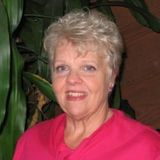
Host Diane sits down with Susie Singer Carter, an award-winning filmmaker and advocate, to discuss her documentary No Country For Old People. This isn't just a story about one family; it is an exposé of a systemic crisis where profit is prioritized over human lives. 💔
📝 Episode Outline: What You’ll Learn
- The "Five-Star" Illusion: Susie shares her personal heartbreak of moving her mother into a coveted facility, only to witness her "disappear" due to neglect and over-medication.
- The Chemical Restraint Crisis: A deep dive into the use of drugs like Depakote to keep residents "manageable" in understaffed environments.
- The Business of Elder Care: Understanding how private equity and real estate investors have turned nursing homes into "wealth care" machines with little transparency.
- The Medicaid/Medicare Myth: Diane and Susie break down the unsustainable reimbursement rates and the "performance" of regulations that are rarely enforced.
- A Call to Action: Introducing ROAR (Respect, Oversight, Advocacy, and Reform)—a grassroots movement to demand dignity for our seniors and those with disabilities.
⚠️ Why This Episode is a Must-Listen
The "Silver Tsunami" is here. As the Boomer generation ages, our long-term care infrastructure is crumbling. This episode pulls back the curtain on:
- The Staffing Crisis: Why two aides for 40 residents is the "standard" and the moral injury it causes workers.
- The "Never Events": The tragic reality of preventable injuries like stage four bedsores and sepsis.
- The Family Toll: The immense physical and emotional burden placed on unpaid family caregivers.
"This is not my mom's story. This is all of our stories." — Susie Singer Carter
🎧 Listen Now
Don't wait until you are "sucker-punched" by a crisis. Listen to the full episode below to become an informed advocate for your loved ones and your own future.
Podcast Episode Transcript
Diane: Welcome to the Caregiver Relief Podcast, where we give voice to the stories that need to be heard. Today I'm honored to welcome Susie Singer Carter, an award-winning writer, director and producer, and the powerful voice behind the upcoming documentary. No country for old people. This film is more than a story about one family.
It's a national wake up call. After documenting her mother's final six months in a five star nursing home, Susie exposes the deep cracks in America's long-term care system from neglect and abuse to the financial greed that puts profit over people.
In this episode, we'll talk about her journey, what she uncovered, and why this documentary is a rallying cry for the change in elder care.
Diane: Susie, thank you so much for joining me today and for your courage in turning personal heartbreak into advocacy for millions of families. this project for me is so personal, because I've worked in, Some very large nursing home chains, as well as different, nursing in my career. can you start a little bit by sharing what your mother and about your mother and what inspired you to document her last month's?
Susie: Sure. Okay. I just wanna say that the documentary is out.
Diane: It's out. Yes.
Susie: It's been out.
Just to make sure everybody knows that it's on, it's, it streams on, Amazon Prime also to be, and around the world as well on different platforms that you can find on our website. But anyway, just so they know. 'cause I think it's so important. I'm, I just want people to watch this because as Diane
Diane: Yeah.
Susie: It's hellish and we, unless you're in it, you don't know. And I didn't know until I was forced to know, and I want other people. To know for two reasons. One, so they don't get sucker punched like I was. And two, to hopefully, initiate, and motivate and galvanize our public to demand change because it's been going on too long there.
Diane: And we have to Susie, because we have a silver tsunami, the boomers are here and we, have nobody to care for them.
Susie: So true. No, it's absolutely true. And in our current administration, the outlook is even worse because of all the cuts, to our,assistance, our financial assistance. And yeah, it's a slippery slope.
So my mother was. at a five star facility, as you said, and a place that was here in Los Angeles that wa is coveted, that everyone, that was anyone said, when your mom runs out of money, which most people do, if they live long enough and if they have a progressive disease like Alzheimer's, they're going to run out of their savings because it's very expensive.
Assisted living is very expensive. Having caregivers at home is very expensive. it's actually not doable for most people. Yes. And I found,there was a three year waiting list to get into this place. And I was, I did a song and dance and I, I was determined to jump the line and I did.
So I got her in and on my own podcast called Love Conquer Alls, I would say every week. Thank God I got my mom in this place. I can sleep at night. I know she's well cared for. I don't have to be a helicopter daughter. I can go in, I, yada, yada. All the things that you hope are true. And then boom comes COVID.
And we are locked out from our loved ones and we are reduced to having weekly, finally took a month or two finally to have weekly Zoom calls. and my mom, by the way, was in a wheelchair. she wasn't able to walk anymore and she was incontinent. Can I just inject one second that the reason why she was in a wheelchair and also incontinent was because at her.
Assisted living before she, they had put her on Depakote, which is a way to mental, to chemically restrain people when Yes, they're understaffed. And I thought my mom's Alzheimer's was progressing 'cause my mom was walking five miles a day when she lived with me. And, was very healthy physically.
So suddenly she became a zombie. Was incontinent. Yeah. All this stuff. I thought that, my mom's gonna die soon. I really didn't. Didn't think there was anything else.
Diane: I'm gonna stop you there because I want my listeners to know that assisted living is based, and this is a misconception that you probably were not aware of.
Assisted living is based on a social model. Not a medical model, right? They have, they are not, the people that are in assisted living are supposed to be able to direct their care. That's why I have a hard time with memory care and assisted living because they don't have trained professionals in there and they miss a lot.
And I can tell you right now that memory care, they're not even scheduled in assisted living, is not even, Scheduling to acuity needs, meaning that if they have heavy duty patients and memory care can be very heavy duty. They have maybe two aides for 20 patients or 30 patients. That's, and they don't call them
Patients, they're residents.
Susie: Residents.
Diane: That alone is a wake up call. And I can't tell you, the miscommunication that happens because the people in that pay all this, these big bucks to be in assisted living are only paying for it to look nice because they are not paying for quality care to be provided.
Susie: Hundred
Diane: percent.
Susie: So
Diane: there's that one.
Susie: A hundred percent and medi, and can I just say Medi memory care is really a marketing tool because
Diane: Yes,
Susie: there is no memory care really.
Diane: 100%. I'm in agreement. I can tell you that. The other thing I wanted you to do my listeners to know you had a waiting list of.
Three years for the waiting list for this nursing home that was supposed to be amazing. And your mother obviously spent down her money in assisted living and now was qualifying for Medicare or Medicaid or Medi-Cal in California. Now, here's something that people don't understand Before assisted living people, and because I worked at a, a regional level, I can tell you nursing home chains wanted people that had.
Three years worth of funding. So they needed several hundred thousand dollars to be able to be accepted into, a nursing home and as private pay so that then they could turn to, Go into Medicaid because what people don't, I know they're talking about the present administration and all how bad it is.
I will tell you right now, Medicaid is not sustainable. I've worked for two chains that had the most Medicaid in the country, and it's not sustainable. the moneyThey provide maybe a hundred dollars a day for a person and they have to feed them and care for them and it's ugly, so it's Medicaid is not sustainable.
With the rates that they're paying now. And that's one whole big issue that we have. I understand where you're coming from, but people don't understand that the nursing homes are closing because we have, it's not sustainable. They have, and Medicare, here's another thing that you probably aren't aware of, but Medicare reimbursement has gone so low for the to provide therapies, rehab the skilled units.
Were kept, are the fac are the part of the, nursing home that kept the rest of them going. it because the skilled care paid a reasonable rate. Yeah. Now facilities are, and I'm, I just wanna clarify everything so that people understand where we're going with this, that the Medicare has. Now pays more for not providing care.
So we used to have a hundred days of coverage in a skilled or care or rehab, and now they're kicking them out in 20 days. Or if you have Medicare Advantage, they're kicking you out in 11 to 14 days. So that skilled benefit is no longer carrying the rest of the nursing home. So there's a whole bunch of things going on here.
Medicare is also, if you have an advantage plan, it's a disadvantage because the copays are anywhere from 200 to $500 a day copay to be in the nursing home for skilled care. So I don't wanna get off track here, but I know that this once five star place probably catered because they had huge funds.
with wealthy people or people that had money, at least three years of funding, and now that is gone and Medicaid is not sustainable and we're in big trouble in this country, and that's why I'm glad you've made this video or made this documentary because it's going to draw attention to how bad it really is.
Susie: Thank you. Thank you. I wanna just say,I want to correct you and you can push back if you want to. Okay. But daily rate on Medicaid is not a hundred dollars a day. It's actually between two 50 to $400 a day. And the reason why that's not there is because, let me just finish and then you can rebut,
Diane: okay?
It's
Susie: because. the business model has been gained, the system has been gained by the owners, especially in franchises, and they are tunneling the money from Medicaid out of theirs. So they're, the monies that are coming in are not going to the quality of care they are being taken out by. So when you say maybe a hundred dollars, that's because, not because of CM.
S. Centers for Medicare and Medicaid, they are paying a reasonable amount. What's happening is the owners, and that's not the owners. That's not the people that you see as a family member every day that are administrators and so on. No, we're talking about the corporate owners who own these franchises that have avail.
There's no transparency. We can't even indict them. So their business model is such that. to pay the lowest amount of everything, pay their staff the lowest amount staff understaffing is chronic. that is the biggest part of their, of any of these,businesses, because it costs the most, your staff costs the most.
So all of these regulations and cries for, proper staffing, minimum staffing requirements. When you've got the lobby, the nurse, the nursing home lobby coming and saying, we just can't pay this. There's not enough money. there is enough money. They're just taking it out. And they keep telling the government, we need more money 'cause there's not enough money.
Yes, there is enough money. They're bringing in people that at the lowest price point,they're pushing pe they're pushing the vocational. Caregivers out because they can't work in that environment. They can't keep up, like you just said, two, two care, two CNAs for, 40 people.
It's not doable. Yeah, it's not doable. And they're experiencing moral injury. they can't, if they're vocational care providers, they can't live, they can't work within this environment and they're underpaid. They don't have benefits, right?
Diane: Yes. Medicaid is different in every state.
The reimbursement rate will be based on each state. So California maybe. But I will tell you, I agree with you 100% on that. The money doesn't flow down, and I'll tell you why. I saw in. Many nursing home chains, and there's a bunch of them, but these businesses have corporate offices that are amazing.
They have layers of administration and layers of management that are unnecessary, that are making huge dollars. They have corporate planes to travel. To, and I can say that in several of the groups, when somebody from the big office came, they came. In their corporate jet, which is like a fortune an hour to keep it running, and be available, to these places, to tour the facilities.
And they only toured the nice ones. They didn't tour the ones that were really hurting and bad, and that needed work. I can, I already know Yeah. That, that you're absolutely a
Susie: hundred
Diane: percent.
Susie: And if they tour at all, like I can't, that it's shocking. to even have them come and tour.
Most of them haven't even stepped inside of a nursing home. They don't really know it. They, these are business adventures. These are business ventures. The, they answer to their board, they answer to their stockholders. Yeah. They don't answer to their staff because that's not their allegiance.
Their allegiance is to their investors, their. So this is what's happening. So when you say profit over people, it is profit over people times a million. It's, it is there and There's billions of dollars to be made in this industry, and especially, and it has been this way for 50 years.
This is nothing new.
Diane: I agree. It's
Susie: been happening for, since nursing homes became a business and, we're taken out of the hands of families and communities. So this has been going on forever. And it's just the gaming of it has gotten worse and worse and worse. and you, we are no longer as residents, as family members, as human beings.
We're no longer the customer. the government is the customer really? 'cause the government's the one Correct. and the government doesn't really provide the proper oversight and doesn't and enforcement or penalties. Any, any penalties that they might be worried about are just the cost of doing business and they're, they're worked into their business model.
Trust me on that.
Diane: when I heard the five star rating, I laugh because, if you go to Medicare Compare,
Susie: yes.
Diane: It's all self-reporting. So they are telling you what they want you to know about their facility. And that's why, I. Help people pick out nursing homes and, but again, their only other alternative is assisted living, and that's not a good choice either because of what's happening.
Susie: Oh, yeah.
Diane: Now, at what point, Susie, did you realize that you were witnessing, wasn't an isolated thing, but was very much a part of a larger systemic issue?
Susie: So when my mom was, I could see, just real briefly, and I won't, belabor this, but when my, when I started seeing my mom, once a week on Zoom, notwithstanding that she was in a wheelchair before, she still was very, alive and interactive.
And was, talking and we had, and I could see my mom disappear every week on a Wednesday at 3:00 PM Yeah. Yeah, and it wasn't too, it didn't take too long to find her, not in her chair anymore, but in bed. And not dressed and clearly not, groomed or anything. And I kept saying to the CNA, who I became good friends with, it's my only contact.
Diane: Yes. Who,
Susie: what's going on? What's is mom? Why is she in bed? what's going on? And she would say, gosh, Susie, I don't know. It's crazy here right now. It's crazy because every day, you know anybody that was a caregiver to you had a family member in long-term care. Emails and, vo and voice messages saying, five, five, staff members have been identified, positive with COVID and are being quarantined for two weeks, like the next day, 10 the next day, 12 the next, and you're going wait.
Where's, where are the employees? who's taking care? Yeah. So you know what happened
Diane: when, and then to add insult to injury. The many of the governors in some in the states were ha having patients that were positive with COVID d. Placed in nursing homes. Yep. Which was, just a death sentence for so many of our seniors.
Yeah. that, was wrong on so many levels. So it was a nightmare. And,I can't imagine, I know we had, I had a cousin, a first cousin who died in a nursing home alone during COVID. And what you're describing is just what her family went through as well. And it just breaks my heart. Now,
Susie: you know that, that's.
Can I just give this outstanding piece of data? Is that Yes. Over 200,000 residents, nursing home residents died during COVID. Not because of COVID, but because of failure to thrive. Because they were isolated. I neglect and how many of those died alone?
Diane: Most. Majority of them did. yes. it was terrible.
And it was mishandled on so many levels. It's not even funny. Now, your documentary includes over 70 interviews. What patterns emerged across those conversations that shocked or anglers you the most?
Susie: I, it really is the understaffing, which is the root of all evil, and the understaffing is tied into.
the business model. Yeah. And like getting back to what you said about Medicare, you know the things about, Medicare pays higher rates than Medicaid. So anytime a nursing home can incorporate a Medicare, billable item, they're gonna do that. And because of that, hospice, which is covered by Medicare has become tremendous business.
It's become, a business of choice because Medicare can pay anywhere from. Six, 700, $800 a day, up to $1,500 a day, depending on what area you're in. That's over 30,000 a month. And when?
Diane: For hospice?
Susie: For hospice, in a nursing home,
Diane: in a nurse. And you know what's funny is the nursing home, I don't know how much of that goes to the nursing home because the hospice company is paying.
'cause I will tell you right now, every hospice in a nursing home is the staff does not wanna take care of the patient that's on hospice. They want, because they're not, they're saying they're not getting paid. There's so many issues with that, and that's another, a reason that it's poorly run, but.
Otherwise, that's the only moneymaking pro thing other than skilled care. And in order to qualify for Medicare skilled care, you have to be in a hospital three nights overnight stays. So they can't bill for Medicare. And that's the other thing, Susie, the families don't understand. Medicare doesn't pay for nursing homes.
They really don't. And people have to understand that it's coming outta their pocket. It's private pay to, or it's Medicare,
Susie: Medicaid.
Diane: Medicaid,
Susie: yeah.
Diane: And, to get through Medicaid is a horrendous process in itself. That is It's difficult and the days of people leaving their homes to their children and leaving money to their children, unless they're very wealthy, isn't going to happen anymore.
Susie: no. You have to pay. You have to be poor. You are poor. And you are, and that is the level that you're at. And so therefore you're extremely vulnerable. Not only are you vulnerable with your health and the status of your, your acuity and your comorbidities and so on and so forth, you are.
Also financially vulnerable and you are dependent on Medicaid, which is really, you don't see it. It goes from the, from CMS to the biller,and to, and so you are not the customer. You have no leverage. If I said, I don't want my mom to have a feeding tube, and they'd go, we understand, then take her home.
You know you can't because now she needs skilled nursing because you've pushed her to the point that she has a tube that she doesn't even need. 'cause she can eat.
Diane: You know that's a whole nother ball game because they don't like, usually want feeding tubes because it costs them more money.
Except for some homes, which I don't understand why they would encourage feeding tubes, but
Susie: they do. because it came from the hospital when they, when my mother was,
Diane: yes.
Susie: Yeah. So my mother was admitted with a stage four bedsore.
Didn't know what that was. Didn't even know. Thought it was like a booboo, right?
and that, and by the time she got to the hospital, she had that with sepsis and pneumonia and, 10% kidney function. And then the charge nurse called me from the hospital to make sure I knew. that the bedsore did not come from them, that she arrived with it because nobody wants to take responsibility because it's called, 'cause a bedsore is called.
From CMSs, regulations a never event. A never event. It should never happen. And you can get,
Diane: it's totally preventable. And we are seeing, and Susie, I will tell you right now, we're seeing undocumented. Wounds, like the bed sores, the pressure sores, heel sores in patients coming home from, discharged from hospitals or nursing homes that weren't even documented because the staff didn't take the time to provide any care.
Here's another problem that I want my listeners to be aware of. Nursing homes all of a sudden have decided that. and in hospitals and some hospitals too, they're saying the patient doesn't wanna turn, he doesn't wanna do this, he doesn't wanna do that. And they're letting him, they're not turning him.
And here are the things that happen when you don't follow the rules of turning and keeping a person clean and neat. They develop pressure source, which a small one costs a hundred thousand dollars to treat. Just a small de cube, a small, but they also, it causes pneumonia, it causes all these things, and you cannot allow this patient.
Thing is, I don't know it, yes, you have rights, but there's a point where you have to say. This is not you. You lost your rights when you're not cooperating with us. I've turned patients all my life, every two hours. We had to. And you, but
Susie: they don't rec can't anymore because they don't have the step, Diane, that's the problem.
They
Diane: I
Susie: know. Yeah. That's the problem. And that's why when my mom. Was released from the hospital, they gave her a feeding tube in the hospital because she had to be intubated, right? So they gave her a feeding tube because she had to be intubated. So when she was released and when I got back to the hospital and I was like, why does she have a feeding tube?
My mom lives to eat. that's her joy. And they went, oh, she's aspirating. I said, no, she's not. No she's not. I just gave her food. She's totally fine. Oh no, don't feed her. she's gonna aspirate. And I said, I want the tube out. Then take her home. My mom never had that tube out for the last six months of her life because it was easier for them.
Diane: Were they actively feeding her that through that tube?
Susie: Yep. That's what, and oh, and sometimes, I'm sorry to hear you, parts of my documentary, you'll see that I came in one night at 10 o'clock at night and saw that the flow of the bag was up double. And the nurse, who was on charge that night said, oh, no, it's supposed to be at one 20.
I said, I don't think so. I've been, I come here every day and it always says 60. And she was like, looking at cheat notes. She was looking at cheat notes and going, I think maybe you're right. I don't know. I'm gonna turn it off and turn it back on again. So my mom went for like five hours at double the rate, which she could have actually died from that because yes,
Diane: she had
Susie: grown up and aspirated from that.
Diane: yes. here's the thing, now with the way that as a care manager, I would, and you were a family member, I would encourage you to say. if she, why is she aspirating? What are, where are the tests? What results? Did she have a cookie swallow? Did she have a speech therapy eval? All of those things and then prove it to you.
but they also, you obviously weren't her power of attorney.
Susie: I was.
Diane: You were. And they put a feeding tube in.
Susie: Yep. It was. They int they intubated her without telling me,
Diane: oh my Lord. And they didn't give you any of that information?
Susie: no.
Diane: Susie, what a nightmare.
Susie: It was a nightmare, I'm telling you. and it is like a free for all now.
And it's because there's so many people, because there's been an exodus of doctors and nurses and CNAs, they are. Flying by the seat. It
Diane: continues. This problem continues.
Susie: It continues. And my mother, so I listen, I asked for a speech eval every day. Speech eval. Speech eval. I want to see it. Show me that she can't swallow 'cause I'm giving her stuff.
And they were like, if you give her stuff, we're gonna, we're gonna ask you to take her home. And I'm oh my Lord and my mom's mouth. You'll see in the documentary if you watch it. It builds with this thick, almost like wax from being so dry in her mouth that I would have to pull it out.
Diane: that's also the result of not having oral care.
Susie: Exactly.
Diane: Yes. Yeah.
Susie: And I would pull it out and she would be like,because she, it's Heartbreaking. And when I, and finally I took me two months to get a speech therapist to come in who put two fingers like this on her throat and said, yep, she's aspirating. I said, she's not, let me show you. And I, and she said, oh, you're right.
She's swallowing. And she goes, I don't trust any of the CNAs, so I'm only gonna write, I am gonna give you permission to from a sponge. So my mother had to suck a sponge.
Diane: I want you to know, I, I want my listeners to know the feeding tube is. Is not a good, a good avenue to provide because as they're trying to prevent, especially in a nursing home, I will tell you right now because you have to be sitting up when they're getting the food and they do aspirate, vomit and aspirate.
And it should be, and the, and they leave it on all the time. our body's not used to having bought food all day long. That's a whole nother ball game. So there's so many things wrong. And the food feeding tube. When you go through your death and dying process and you do stop eating and swallowing, your body starts shutting down, and it goes through a process that will, and I know people say, oh, hospice is killing my family member.
They're not feeding them. That's not true. first of all, it doesn't make sense because nobody's getting paid if the person dies. So there's that. On that level. But a feeding tube does not prolong life. And if it does, it's not a quality of life for many. and that's a whole nother ballgame. But I'm so sorry.
I can't believe, I can't believe all these rules were broken during COVID. and they're probably in some ways continuing today. 'cause they got away with them. Yeah,
Susie: they're, they are. And that's the pro that is, that's why it's so paramount that we. Try to change this as, as a collective, as a society, as constituents because, there is a very powerful, nursing home lobby that is as, as strong as the pharmaceutical lobby, if not, yes.
Stronger. Yes, I agree. And it's just under the radar. And they have billions of dollars, hundreds of millions of dollars that they go, and they. Contribute to our politicians.
Diane: Yes.
Susie: Yes. To their campaigns. They have seats in our legislature, so traditional advocacy. there's all these advocacy groups that have been around for 50 years.
You, they go to Congress, they pitch a bill. The bill may get go under consideration, it's going to get killed. They all do. Yes. And they get killed because they. The nursing home lobbyists who have seats in our legislature are looked at as the experts. And so they're referred to, should we pass this?
Oh no, we can't pass this bill. Yeah, it would be, this is why. and so they do not get passed. And the few that do, because they're performative because they're show for show. They're not enforced. Like in California, we have a minimum staffing regulation. However, it's not enforced because there's not enough manpower to enforce it or incentive.
Diane: Yeah. I can tell you right now that if, even if it is enforced, it's not enough because the staffing ratios were for when the, they haven't changed in forever either. And the people in the nursing home now are sick. They are really sick, and they're not in the olden days. Like, when I was young, you'd have patients that were up walking around, assisted living type people were in nursing homes. That no longer exists.
no. There's a trend happening in the elder care industry that has me very disturbed there. It's quietly become profit-driven, machine backed by private equity and real estate investors. what did your research uncover about that connection?
Susie: yeah, that's exactly what it is.
It's the business model, and that is who our owners are. There's no transparency. that is one of the things that, the best advocates who you'll hear in our documentary who have, done their forensic research and the business model is no different than.
Criminal enterprise. It, it looks just like that. there's money laundering, there's, you were talking about managerial companies and all these different companies, that, real estate, all of those companies are owned by these private equity investors and these groups who then pay themselves.
So they own those companies and they jack up the prices. They jack up their rent, they jack up their rates, and they pay themselves. Exorbitant amount of money instead of a reasonable amount of money, and no one's overseeing it. And because they are protected by the corporate structure, there's no way to, like I said, indict them.
So what happens is if there's anything that happens,if you do get, by a chance to even find a lawyer who might represent you when there's been neglect and abuse. They're gonna go after the nursing home. the nursing home, they have insurance. They'll take care of it through insurance.
The cost of doing business, if something happens, if by chance remotely it happens that you get to take them to court. but the fact is that they're not responsible really. They're doing what their owners are requiring them to do or they leave. They either do their job or leave. So they.
Adjust, many of them adjust their integrity, their morals, their values, and to not lose their job. And that is a horrible place to be in. The suicide rate for doctors and nurses has skyrocketed, by the way.
Diane: Yes. Yeah.
Susie: And, and it's no coincidence. No, because the healthcare, the industrial healthcare complex is not, it's everywhere.
It's not, it's wealth care, not healthcare.
Diane: Yes. And I can tell you right now with the cost sharing that is going on with Medicare, their platform that, the elderly, the highest rate of suicides. Next to veterans, 22 Vets a day, complete suicide due to the poor, awful, substandard and abusive care, our healthcare systems now mirror the military system.
And I can tell you, the elderly, the suicide rate is the highest, is the next highest level of suicides in the country. And. The, those o the suicide homicide rate. Of those over 80 is the husband caring for the wife and feels hopeless and helpless. That is the second, highest rate of suicide homicide in the country right now.
That's growing at unforeseen rates we are, not. Taking care of our elderly at all. No, and it's really frightening. And healthcare. I've been a nurse for 54 years. I'm glad I'm not in the hospital. Nurses are getting the crap beat out of 'em.
Susie: Yeah,
Diane: they're getting, people feel entitled and don't feel like they're getting the proper care.
They're just taking it out and attacking nurses. I mean,
Susie: you watch the pit go watch the Pit, if anyone hasn't watched it, that it's a series that came on this year and literally like exactly what you're saying. and it mirrors even though it's a hospital.
Yes.
Susie: It mirrors the business.
model, absolutely. Because the administration, the head of administration keeps coming down the pit is the emergency room. Yes. And they keep,
Diane: it's in Pittsburgh, Pennsylvania. I know.
Susie: Yeah.
Diane: Yeah.
Susie: And they keep coming and she keeps coming down the, director of the hospital and saying, you really gotta do this.
And you really gotta, and he's, and the head of the, I don't know all the terms, but you would know. But the head of, but the doctor in charge says, give us more nurses. We can't handle this. And she's you've got this, you're going to handle it 'cause you're not getting any more nurses.
And that's the way it goes because they're answering too. they're bored. And too, The people that they have to pay their
investors?
Diane: well, we've hit, a critical mass where we can't cut anymore and, nurses want more pay. Medicare's cutting back on reimbursement.
Medicaid people are more and more people are not prepared to, retire, are not prepared to pay for. Nursing home care thinking that they'll be able to stay home or go to assisted living, and it's just a nightmare. it just really is, it's just one big circle of despair and abuse, by our healthcare system.
Hey, you only get 15 minutes to see your doctor when you go to an appointment. That 15 minutes is, you've gotta. Be assessed by the doctor, you, they've gotta do, they've gotta diagnose, try to diagnose, then they've got to treat, write a prescription and then write the notes and document and go on to the next person.
And it's, they only get 15 minutes. You don't have time for in 15 minutes to even. Be able to see what's wrong with a person.
Susie: Oh, it's one size fits all is what's happening.
Diane: Yes, it is. Now, Susie, as a daughter and an advocate, how did you balance the emotional toll of caregiving with the drive to expose this injustice publicly?
Susie: the last six months of my mom's life, I met, I watched a docu, a, not a documentary, a miniseries called Dope Sick, which was about the,
Diane: yes, I'm familiar with it. Yes.
Susie: So it's about the two main pro, federal prosecutors who go after Purdue pharma. Yeah. The family who are responsible for the egregious and horrific, Oxycontin
Diane: Yes.
Susie: Crisis. And, in the last episode of the series, the main prosecutor, Rick Castle, played by Peter skarsgard and his partner, talk about their next. Case, which was against Abbott Labs who mar who are the manufacturers of Depakote. Yeah. And who are off marketing, Depakote to nursing homes. And I was like, holy cow.
That's what happened to my mom. I need to have this gentleman on my, the real gentleman Yes. On podcast. So I did to talk about men a chemical restraining.
Diane: Yeah.
Susie: which is why most people, when you go to a nursing home, you'll see like this, Parade of, of people sitting in their wheelchairs like zombies with their heads down.
It's not because they're sleepy. It's because they're drugged. They're sleepy. Because they're drugged. For the most part, it's because it take, it's easier to take care of them. So at that point, when Rick came on and talked to me, he told me, he said off air, he said, what's happening to your mother is not unique to you.
It's not, yep. It, and it's not unique to the facility. This is a systemic crisis. I, he, it turns out he had, prosecuted, federally prosecuted nursing homes for over 20 years. Yeah. And he said as many cases as he won, there was no changes. It's only gotten worse. He was, ironically, he was retiring. This was three years ago.
And he said, I didn't know what I was gonna do with my 15 minutes of fame. And he said, I do. 'cause I said, I was thinking about doing a documentary. I hadn't thought of it until, I was thinking what's going on? And when he said, this is a systemic crisis, I was like, okay, this is, this has to be revealed.
this is, people can't go on doing la. it, it's not, like I don't wanna get older. Like I, I don't want to, it's scary. And he said, I'd like to do, I'd like to work on this with you. And, having someone like Rick that understood the politics of it and who understood the actual business and the people that we.
With the actual agents of this, it was incredible. And he vetted everybody that we spoke to a federal prosecutor. And
Diane: good for him. Yeah.
Susie: So everything you hear and see in our documentary is a hundred percent true. Is a hundred percent vetted by one of the best. He's an award-winning.
he won his case, by the way, with Abbott lab, and it was the big judgment ever. $1.5 billion judgment against Abbott Labs. By the way, they're still in business. so that's a whole nother topic.
Diane: Oh, yeah. now you can't get pain meds and our people that are in are going to street drugs now because they can't get, be provided care because of pain relief, because those with chronic pain are treated like criminals.
Now they're drug tested. That's a whole nother ball game. But,
Susie: and that's a whole nother thing, but
Diane: Oh,yes. that. But this is just another avenue like. people want to avoid putting their family member in a nursing home and assisted living's the other option, and that is the worst option. because it's not regulated at all, like nursing homes, which is frightening that this can occur, when they are regulated so much, they're regulated.
Nursing homes are regulated more than that.
Susie: But they have the regulations,
Diane: but they don't follow them,
Susie: Diane. Exactly. And they, and it's not even that. They don't Yeah, they don't follow 'em. And then the oversight is, and it's
Diane: not enforced. yes. So
Susie: what Rick says is it's a show.
It's all show. Yeah. It looks good on paper. it's like when you walk into a nursing home, a five star nursing home, we call it, they call it buying the lobby. You walk in as a family member and everything looks beautiful. There's. Fountains and beautiful tile, and it looks like a hacienda and it's gorgeous.
Like a vacation home.
Diane: Yeah,
Susie: but you don't go back behind the wall, behind the great Oz and find out what's really happening.
Diane: All you have to do is go into the kitchen and look what they're serving and you'll know that it is not what it's pretending to be.
Susie: and talk to the people that work there and talk to the other residents if they can talk.
Diane: Yeah.
Susie: And really get an idea of what's going on. So yeah, it's all show because it's big money.
Diane: Yeah.
Susie: So what can we do? Is that where you're headed?
Diane: That's, I was just gonna say, so what changes at the policy or structural level do you believe are absolutely necessary to protect older adults and their families?
Susie: all the regulations and all the policies, honest to God, are in place. If, see, if you read the CMS, regulations and policies that have been already put into place, especially since the nursing home, act in 1987 when they did the Reform Act. They were all in there, minimum staffing, everything.
But it hasn't been adhered to. So that's the problem. It's the system has been gamed and the nursing home lobby has, usurped the MS Yes. To do everything. And CMS is underfunded and because nobody cares. And why don't they care? Because we're an ageist society and who cares?
They're gonna die anyway.
Diane: you know what I sadly, I think that you're absolutely right about that. In fact, they see us as a burden. That's why they are, they have changed it so much so that we aren't provided care. the Medicare Advantage plans that they promote, oh, get free this, get free that.
guess what? What you don't have is good care at the end of life. they keep you from seeing specialists. They want you to pay. I took a course, an insurance course to see what they are teaching, agents that sell Medicare Advantage and stuff. And they completely come out and say that the high deductibles, high copays are meant to deter use of benefits.
So we only have the illusion of healthcare.
Susie: Exactly. And by the way, that's what I'm saying. Everything is performative. Even A RP. Is a performative organization. You think that they're an advocacy voice for the elder? They're not. They're an insurance company. They're, they are. United Healthcare Insurance.
Diane: Yes, they are. And people do not understand that A RP is not out for the benefit of Seniors. United Healthcare is their, it is their not for profit. And, people don't understand that. And they charge a lot more for their plans than the very same plans that other people are selling. Yeah. They have to be uniform.
Part A, part B, part C, the sub and the supplementals. But they charge way more because they think they have a captive audience of very wealthy Americans.
Susie: And they do.
Diane: And they, oh
Susie: yes,
Diane: they
Susie: do. And their marketing has been spectacular. it's it's all about, they, it's like Johnson and Johnson marketing to mommies and babies.
In meantime, they're killing people. If you read the book out on them, on an expose on them. But that's a whole nother topic. So what do we need to do? halfway through the production of the documentary we're like, we can't leave people with this information, with no call to action.
what can we do? We don't believe that traditional advocacy is going to work. It doesn't work. It hasn't worked. So that's just a waste of time. So we need to, like any other. Major change in our society. It has to come from the people. It has to come from us. We have to demand it as constituents.
We, we have launched a movement of 5 0 1 C3 movement called roar, which stands for respect, oversight, advocacy, and reform for long-term care. And we are having our members who are rowers. And who are going to roar for people of the most vulnerable, not just elderly, but the pe but people with disabilities that have to live long-term care.
it's not just older people. And I'm really trying to shift the cultural, our culture, our collective perception of aging are, are able ballistic kind of per, perspective of people who have dementia as if they're. They don't exist. they're just, the chaplain told me when my mom was in hospice, don't worry about your mom.
She has holes in her brain. She doesn't know anything. And I was like, oh my God. This is the perception that is held by a gra a great majority of our society, and even professionals in the field doc, most doctors don't understand Alzheimer's or dementia. They dismiss it and they are discriminated against.
They are. So I want, so we are starting a movement, a grassroots movement that includes educating the, everyone, getting out of the echo chambers of the advocacy groups. Because we already know. We're like, yep, like you and me. yep. We know 'cause we've seen it. I need, we want people outside who haven't seen it yet to be appalled.
To be worried about their own future, about their own families and to understand that if we don't fix this now. they are inheriting this issue.
Diane: Yes.
Susie: and that we as constituents, that is our currency. It always has been. it comes down to people like they just had the No Kings March, one of the largest marches this last weekend.
That those are the kinds of,peaceful protesting, education, Reaching out to the younger generations, getting into university settings and really, indoctrinating people into understanding that this is, it's the circle of life. Everybody, like we can't, what happened, we've othered older people as if they don't count.
we've devalued them to the point of them becoming cogs in, in a business. they are, we are warehousing people.
Diane: Yes. the other issue we have is the family caregiver. They provide $650 million of unpaid care every year. They also, 63% of them become seriously ill or die.
Because of lack of supportbefore the person, they're caring for passes. Yep. And it's a real issue. And what we are doing as a nation right now is putting more and more responsibility on the family caregiver. And here's the other issue we're dealing with every generation after the baby boomers has not replaced, had a fewer births, so low birth rates.
Every generation. we have no one to care for our seniors. Whether and Right. Our infrastructure.
Susie: Yeah.
Diane: People are, those in their forties, don't have anybody to care for them when they get older because fewer and fewer people are being born. So what is the issue here? the issue is our youth are our tax base and they are our workforce.
And when you don't have people out there working and creating an an incomer of any kind or. Then we're in an issue and having an issue. And that's what we are right now. This is globally. This is globally, this has happened and it's really se serious. We are having, nursing homes. Skilled facilities and rural hospitals closing at unprecedented rates.
And that's because our healthcare system failed us and has been failing us for decades.
And that's why I love what you're doing. I actually had, started a, A petition for family caregivers and I couldn't get anybody to sign it. And it was to advocate for them to get paid, to get respite care, to get things, and they just, people are just not interested.
That's why I think it's so important that you have such a powerful voice and you have a, this venue through. Video, this documentary for people to actually see. Yeah. And when they see the documentary, they feel you can feel the pain and you allow people to understand what is happening and realize that this could happen to them.
Yes. This
Susie: is not my mom's story. This is all of our stories.
Diane: yes.
Susie: This is all of our stories.
Diane: It is 100% Susie, I agree with you. because it, and it's going to be our story if we don't take, a chance and listen and make a difference. Yes. so finally, Susie, what do you hope audiences will feel and do after watching No Country for Old People?
Susie: I hope that they will, go to Roar. For long-term care or to our other, our website, my mom, no country for old people, dot com and, explore the possibility of becoming a rower and, helping,to launch this grassroots movement so that we, don't have to experience what people are experiencing right now as we're speaking, which is neglect.
It really is torture and it really is it comes to a point where you're like, how, and I don't, I'm not blaming the people that work there. The ones that are there and are staying have desensitized because they had to. They have to. They had to.
Diane: Yeah.
Susie: so do, is that the kind of life that you want for your own parent or your own husband or wife or brother or child even.
People with disabilities end up in long-term care. It's,
Diane: yes, they do.
Susie: Let's ask the big question. What are we here for and what are we doing? Yeah. it's a,it's, we got to get out of ourselves and become a community again.
Diane: And you know what? That's the one thing that I can say, about our present society. We've lo we lost the sense of community, and we are, that's why seniors are seen as a burden or those with disabilities are seen as a burden. And you're right, we actually have to get back to a sense of community because, Otherwise, we're not gonna, we're all going to be in a very dire straits when as we get
Susie: on here, it's ugly. It's ugly, and we devalued those people and those people Honestly, I love, listen, everybody's, there's good older people. There's bad older people. There's good young people and bad young people, but there's so much. value to someone in the eighties that if you sat down and talked to 'em, you would walk away with a treasure trove of wonderful things,
and we only have to look at people that are in their nineties and even a hundred who are active because they're productive because they're, they have a purpose.
Diane: yes. And when you put them in a nursing home and they're not getting, nursing homes are supposed to provide,activities and do all this stuff and one activities per person for the whole building is just not enough.
Yeah. And they, and you're right, the aids there's not enough aides. There's not enough, and it's because the aide are treated badly and they're not paid enough. Yeah. to be able to work. And it's strenuous work. I have chronic pain from, I tell people I used to pick up men for a living, because I did.
I literally I worked in rehab and I transferred. Big guys, firemen's lifts or whatever to get them from a wheelchair to the bed or bed to the wheelchair or to the potty or whatever. it's hard and family caregivers are now being able to expect it to do this.
To my family caregivers out there, you are the most important part of the caregiving equation.
Without you, it all falls apart. So please learn to be gentle with yourself. Practice self-care every day 'cause you are worth it.
Caring for a loved one can be overwhelming — but you're not alone. If you have questions, big or small, our expert team is here to help.
👉 Click here to Ask the Expert
Our Resource section can help you find the information and tools that you need. We have courses, videos, checklists, guidebooks, cheat sheets, how-to guides and more.
You can get started by clicking on the link below. We know that taking care of a loved one is hard work, but with our help you can get the support that you need.
Click here to go to Resource Section now!