Navigating the World of Durable Medical Equipment With Tara Slaughter - Episode 83
Are you overwhelmed by the maze of durable medical equipment (DME)? You’re not alone — and this episode of the Caregiver Relief Podcast is here to guide you! 🧭
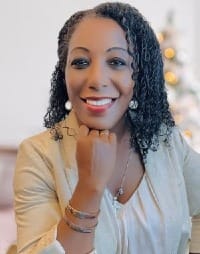
Join host Diane Carbo, RN, and DME specialist Tara Slaughter, founder of CFS Medical Supplies and Equipment, for a practical, compassionate, and eye-opening discussion that every caregiver needs to hear. With over 30 years of experience, Tara shares insider knowledge that can save families time, stress, and money 💸 — while keeping loved ones safe at home.
🎙️ LISTEN NOW 👇
🛑 Avoiding Common Mistakes
Learn why buying DME online can lead to dangerous outcomes — and how to avoid poor-fitting or inappropriate equipment.
🛠️ Consulting vs. Just Selling
Discover why Tara’s approach focuses on consulting first to assess needs before suggesting a product.
💰 Insurance vs. Private Pay
Understand documentation, billing codes, and why calling your insurance with the right language matters.
🏠 Creating a Safe Home
From low beds to transfer aids and rollators, explore how choosing the right equipment protects both patients and caregivers.
🧠 Future-Proofing Equipment
Tara explains how planning ahead for evolving medical needs can help avoid unnecessary expenses and equipment changes later.
👩⚕️ Caregiver Support Matters
Find out why caregiver well-being is central to safe, sustainable care—and how equipment can reduce injury and burnout.
🎁 Bonus: Subscription Access
Tara’s platform offers video modules, expert checklists, and discounts on premium equipment for subscribers.
🔊 Why This Episode Is a Must-Listen:
Whether you're a seasoned caregiver or just beginning your journey, this episode offers practical guidance, expert insight, and real stories that will transform the way you approach DME. It’s more than gear — it’s about empowering you to care with confidence. 💪💡
🛒 Helpful Links Mentioned in the Show:
🔗 CFS Solutions – Consulting, education & resources
🔗 CFS Medical Equipment – Equipment store with expert guidance
🎥 Video Module Access: Learn everything from billing codes to bathroom safety
🙋♀️ We Want to Hear From You!
If this episode helped you, please like, share, and subscribe. ⭐ That simple act helps us reach more caregivers who need guidance, just like you.
💌 Have a question for Diane or Tara? Submit it via our Ask the Expert section!
❤️ Remember:
You are the most important part of the caregiving equation.
Without you, it all falls apart.
Take care of yourself — because you are worth it. 🌷
Podcast Episode Transcript
Diane: Welcome to the Caregiver Relief Podcast, where we bring you real stories, expert insights, and practical solutions to support the often overlooked heroes of caregiving. I'm your host, Diane Carbo, rn, and today we're pulling back the curtain on a topic that every caregiver faces. At some point, we're gonna talk about durable medical equipment, whether it's a walker, a hospital bed.
Bathroom safety gear or assistive devices. Having the right equipment in the home can make all the difference. Joining me is Tara Slaughter, a seasoned healthcare professional and founder of CFS medical supplies and equipment with over 30 years in the field and a deep understanding of both the clinical and personal sides of caregiving, Tara is here to share what families really need to know.
Before they make costly or dangerous decisions. Key takeaways from this episode will include avoiding common DMM durable medical equipment mistakes, why product fit usage training, and safety checks matter. We'll discuss insurance versus private cash pay. What you need to know about documentation, coverage and timing.
We're also gonna discuss creating a safe home setup. How proper equipment can prevent injuries, ease transfers, and improve quality of life.
Now let's dive into this essential conversation with Tara Slaughter and learn how to make informed confident choices when it comes to durable medical equipment.
Diane: Tara, I'm so excited. You're my go-to girl for durable medical equipment , and I'm being generous here, sharing you with the world.
Tara: Oh my gosh, Diane, you know what? I am happy to be here. This is a passion of mine and I love what I do it comes easy. So thank you for having me.
Diane: I'd like to start about asking how your journey in healthcare began and what led you into the world of durable medical equipment?
Tara: Oh my gosh. I'll take you back a little bit. I started in skilled nursing at 18 and, I was doing activities assistant, which at the back in the day was called the candy striper. And it's so funny, because I know when I talked to you, you had mentioned that's what you were doing and I was like, oh, how funny.
Right?
Diane: That was it. As a young girl. I too was a candy striper.
Tara: Yeah. And I enjoyed it. It was so crazy because I never knew it was,a calling or a purpose. It was just something that it was a job at first, right? It was just a job. And then I'm like, okay. And then I start really liking it.
So I'm like, this is so cool. I was getting something from the, residents and they were getting something from me, talking to them about the day of the week and who the president was. It was just so awesome activities with them and it was just really great. And I did that for about, I think it was like three or four months. And then social services was like, you know what, we wanna see if you can come help us a couple of hours. And I'm like, okay. And so I did, I split my time between the activities assistant and a social services. And then eventually I worked in social services full time.
And then I did that for a few months and then administration said, Hey, can you come and help us over here in the administration office? And so I did that and, yeah. And so ironically, one of the pharmacists that would come into the facility at the time, he would come in and bring the medication to the residents at the facility.
And I would take care of his and the billing and all that, make sure his in the insurance cards and that's when the insurance cards and all that stuff back in the day, you could make a copy of 'em and all this stuff. And so I would do that. And then, I was there for about two years and then after that I end up going to work for him.[00:05:00]
The pharmacist and so I got in there and started doing workers' comp and personal injury. Had no idea what I was doing, and but I just taught, kinda started learning it and researching it. And ironically with the workers' comp and personal injury, it was about the medication that he was giving those, patients, right?
So some of these patients start asking for things like walkers and wheelchairs and canes and crutches and knee braces and walker boots and all these different things. And I'm like, we don't have any of that stuff. So I started researching it and then I said, oh my God, we can bill for this too.
Like this is another, niche that we could get into. So I went to him. And of course he had became my mentor 'cause he had been in the business for what, 40 some odd years. Even then back that how long it goes back. And so he says, well this is on you. If this is something you wanna do, you, but you're gonna have to take the lead on it.
And I said, okay. And I did. I researched it and end up getting us to be able to build the insurance for it. I did more research on it, took a couple of courses, specializing in workers' comp and the rest is pretty much hi history. We started doing that. And then eventually he told me, Tara, you know what, I'm gonna get, be retiring soon.
I'm probably gonna sell the business. And I had been there, I think it was like 12 years at this point. throughout that process we were doing the DME. And in that point I was like, oh my gosh. I had told my husband, it's ironic too, I met my husband at, while I worked at this job. So I, was telling him like, oh my God, he's gonna be selling the business.
Like I really, like what this worker's comp and I really like doing the medical equipment and stuff like that. And he, we worked together and we end up opening up a business, selling medical equipment. And I had learned how to do the insurance part of it because remember I had did that with him, with the pharmacist.
And so I was doing that too. And yeah, so that's pretty much how, that's how I got into, DME. And it was came a passion and a love and then just being able to help families with, resources. And I just always found myself like no matter what it was, if I was talking to patients and their families, always giving 'em a resource for something, if they share information with me, I would research for 'em.
Even down to like transportation, whatever it was to help them. That's what I was doing and that's where I'm at now. You could be a care manager girl. That's what I do. Oh my goodness. Well, I guess, you know what? I think that, if you think about it, all of us, I guess if you're in healthcare in certain aspects, you serve on that, right?
Given resources and helping families and people and patients.
Diane: if your heart's in it, you just wanna help and that's to me. So you have over 30 years in the industry. What's been the biggest shift you've seen in how patients and families access medical equipment?
Tara: Oh, wow. I tell you what, today because of online, a lot of patients, and families, they'll go online and they'll order these products, unfortunately
it has not been a good outcome. Exactly. And the reason for that is because, every patient has a different situation. Yes. And I always tell families, before you start purchasing these products, I don't care if it's even down to a walker, you wanna make sure an appropriate walker for your loved one.
Diane: Yes.
Tara: Do they know how to use it? there's so many different layers that goes into it. And so for us, it's all about educating. The patient and the families. And so I feel like the difference now is that going on, people going online, that wasn't really a available back then, but you're seeing more of that where people can just buy medical equipment online and it's just, it's been a nightmare.
Diane: And Tara, I can attest to that as well because when I'm doing my caregiving coaching, Inc. And care management. There are times, or I'm out advocating for somebody teaching the family caregiver how to advocate. I can't tell you how many bad decisions families made because they wanted to buy the, they got this cheap product that they thought would be usable, and they don't know how to use it.
They, don't know if it's right. There's so many situations. That they are in. And it just frightens me because, you often talk about saving people time, stress, and money. And, that's where I love that. can you tell, share with me and your, my listeners a story of where you helped a patient or a family in a meaningful way?
Tara: Okay. So basically when you talk about save time, save money. So just an example, we talk, talking about going online, ordering a product. So here you are, you're going on there, you are ordering a product for your loved one. I'll give you an example. It may be a basic, it may be a rollator with the breaks in a seat.
And your loved one may have some memory, issues going on that may be not, that you may see, but you're not really sure. But you notice that they may forget some things. Yep. I wouldn't recommend that loved one use a walker with the seat and hand brakes. However, there are walkers out there with the seat, but it breaks itself as you push it with a push down, or it has two wheels in the front and glas in the back, which means the patient doesn't have to remember to put it on yet.
They're still able to sit down and they accomplish the same goal as if they were using the one with the hand brakes. You wouldn't know that unless you were speaking to someone like myself who's a consultant and a coach. Exactly. That would advise you of that. Because what happens when the patient is forgetting to put those brakes on the wheels are gonna keep rolling and they're gonna fall and now you have a broken hip bone or, and things of nature.
Head injury. A head injury. Exactly. So what is, what happens to that? Had you spoken to myself or another person who does this or specialize in this and did an assessment? did a consultation, you would've known this and you wouldn't have bought that particular walker online. So guess what I've done?
I've saved you money. Because now you gotta go back and buy another walker for your loved one. So you are gonna save your money and save time because time is money. Right? And so,
yeah.
Diane: I have to ask, why do you think education around medical equipment is so overlooked? and how are you changing that through your consulting and video modules?
Tara: Well, it's overlooked because I think people don't know until they need it. If you think about it, I tell you, a gentleman told me, he says, he told me one day, he said, you can leave your, you can leave your business open and no one's gonna come in there and steal your product. I'm like, what?
Diane: Not in today's world.
Tara: I'm like, I dunno about that. But anyway, it was but what he was saying is. It's not something that's talked about. No one even looks at it unless you need it. And the reason why I know that, 'cause we get, people say oh my God, this is so new to me. I don't know what I'm doing.
Yes. we get people come in or they'll call me and they say, oh, they went online and they brought all this stuff. They've spent hundreds of hundreds of dollars, sometimes about thousands of dollars and getting all this stuff. I'm like, why in? You don't need all of that stuff. Like you got stuff that you can't use 'cause this is not gonna work for your loved one.
And it, 'cause every situation is different, right? Every scenario is totally different. And yeah, so basically doing that consultation is so critical. And how we educate people is by what we're doing now, doing the, the podcast. Yeah. I even had did a webinar, we were doing like on Saturdays where people can chime in, but it was kind of limited 'cause everyone's on different time zones.
Yes. And it's hard to chime in like that. And so I just felt, and then someone was telling me, Tara, you should just do a podcast because now you can reach people all over the world. Yes, people can listen in who I mean from other countries and hear what you know, the specialties and what's out there and stuff.
And then when it comes to the video modules, what I did is I said, okay, because you find so many times the patients and families, they don't know. So I created these mod video modules and a subscription, it's like 9.99. But what it does is it tells you everything about first, the beginning of DME.
If you get a prescription, what to do if you call the insurance, what to do, what to ask your doctor. If your doctor hands your prescription and it doesn't have certain information on that, what to ask him next. 'cause what is that gonna do if you have the information and know what to do? You're gonna save yourself time.
'cause now you're not calling all over the world. Your loved one isn't having to wait for days and weeks sometime to get the product because you're going back and forth with the doctor's office. it's just so many different layers that go into that. So these modules tells you all of this information, and then it also go, does a, the videos show you different product categories.
So I'll give you an example. You have wheelchairs. And so we do a whole module video on wheelchairs. I show you different type of wheelchairs. All together, which ones are covered, which ones may not be covered. different brands, just all these different things that you need to know. And especially like you may, your loved one may have a certain condition, they may not, can't sit in a certain type of wheelchair.
And if they are sitting in that chair, they may need a certain type of seat cushion. Every seat is not conducive for every patient. So all those different things that goes into,the videos
Diane: And I wanna, bring, attention to, because you are a specialist. You know your products, you know what works, what doesn't work after 30 years.
And I can tell you doctors, nurses, there are physical therapists and occupational therapists that don't know. About all the products you know about and because you're dealing with so many people on a day-to-day basis with different needs, and I know from my experience, just as a rehab nurse, I worked with doctors, in other settings that didn't, they'll say, oh, just here's a script for a wheelchair.
They don't order the seat cushion. And of course, here's me, Hey, what about a seat cushion? What do they, yeah, what do they need? What are they gonna be using this for? and something. And I said, alright, you're gonna get a wheelchair. How are they gonna get into the wheelchair?
Do we need a transfer? A gate belt. Do we need a transfer board? What's that? Yeah. Doctors don't know those things.
Tara: I tell people, 'cause and we get this too, where we'll have a. A patient and they may have a prescription example goal, which you're talking about for a wheelchair.
And I, when I look at the read the report and look at the diagnosis and things of that nature, I'm like, Ooh, this patient needs a seat cushion too. And so we'll call the family and or the family will call us and say, asking for status or whatever. And we're like, okay, yeah, we're gonna take care of the wheelchair, but we're all trying to talk to the doctor because based on what we're reading here, if we don't give this patient your father, your loved one, a seat cushion.
You may have a wound issue going further, depending on, especially if they're sitting all day, in a chair like that, it could be creating another problem. And so those are the type of things that we analyze and look at. And I don't expect the doctors to know that because that's not what they do.
And they don't do DME. And so there's so many different layers and so many different products out there. And even down there you talk about, OTs and PTs, they wouldn't, a lot of stuff they know about the basic, some of the basic stuff. Yeah, the basic, the walkers and the rollators, your wheelchair, your cans, your quads, your hemis, your, all these different things.
Yes. But when it comes to some of your, certain parts of retractor beds, some of your Hercules devices, some of your, I mean, there's so many different devices. You have devices out there where you have to, you need two caregivers when you're lifting someone with a hoyer lift. They have products out there, depending on the patient's condition that you only need one caregiver.
They have beds out there where you, instead of having two caregivers, you only need one caregiver. there's all kind of things out there that they wouldn't know about it because that's not what they do.
Diane: One of the things that you and I have talked about in the past is the low bed. Yes. As a dementia care specialist and a nurse who worked in rehab with
head injuries, I have seen patients that have dementia go through these periods where they're so terribly confused in the middle to later stages and they have sleep disorders, so they're getting outta bed and they're falling. Yeah, and I was in an assisted living recently, very posh one, and, the family was trying to get
a bed alarm and the facility won't let them have bed alarms. And here's a dementia patient in the late middle stage of dementia. Very, confused, very disoriented. Definitely a fall risk. So I said to them, let's get a low bed in here. And they said, you can't put a bed on the floor.
And I,
Tara: oh my gosh.
Diane: They had no idea what a low bed was. Tara, I want you to explain to our listeners, because there's so many out there that will benefit from just this little tip of knowledge.
Tara: Yes. Oh my gosh. So I'll give you an example. So basically if you think about the hospital, the semi electric beds or even a full electric bed.
I'll say semi 'cause that's what normally the insurance pays for, right? It is your semis, the semi where the head goes up, the feet goes up, but the high, low part of the bed does not operate with the remote. It remotes with a crank. So of course, if you have a full electric bed, you have that option to be able to raise the high, low component of the bed.
But what it doesn't do, it doesn't go to the ground. Those beds that the insurance normally pay for, they don't go all the way to the ground. So we call those, we are looking at a long-term care bed. Now, depending on what kind it is, it may go low enough, it may not. So we have these beds we call, they go nine inches to the floor, and then you put a floor mat next to that, and then the patient is good to go.
And the thing of it is too exactly what I like do. I like certain type of beds, certain brands. And the reason for that is, is because. Certain ones, they will also allow the functionality to be the same, whether it's up high or if the bed is down low. Because you, even if you have the patient down low, you still want the patient to still have the same functionality with the head going up, the feet, going up, and all those things.
If it's still down low. And exactly, yes. Yeah.And you want that. And then what's a benefit, which is really great too. Is that, think about the caregiver when that bed goes up high enough, it's going up at maybe 30, what? 35 to 40 inches high. Which means it's gonna also help the caregiver.
Diane: I want my listeners to know, I want them to really listen to what you're saying here because nobody ever thinks about the caregiver. And it's one thing that really impresses me about your, you and your knowledge and your service is you're thinking about the caregiver. So my caregivers out there pay attention to what Tara's saying here.
This is really important.
Tara: Oh my God. You know what? And when I say this is because when I do an analysis or a consultation with a family, tho it's the patient and the caregiver together. Because guess what? If you don't take care of the caregiver gets not be there to take care of your loved one or you as a patient.
And one thing I find too is that, just an example you have sometimes where families have a caregiver and they are, they only want that caregiver. Because, let's just be honest, care. It's tough to find good dedicated caregivers that you know that you can love. Leave with your loved one. They are there, that you don't have to worry about anything.
They're gonna take care of your loved one, and that's what you want. But in the process of keeping them, you wanna make sure that you have the proper products and supplies that they can have to use to help your loved one. And caregiver, when you think about people churning patients over, moving them, positioning, the bed needs to be high enough for them to do that.
So if you're looking at a bed that only goes to a certain level, which are your standard hospital beds. Then that's not helping the caregiver. And you wonder why the caregiver turnover is so high. What are we at 79.2% of caregiver turnover? Yeah. and it's not gonna get better. It's gonna get worse because people are living longer and they're aging in place.
Because people are living longer.
Diane: it's falling on the family caregiver, Tara. That's what's happening. Yeah. The family caregiver is being left to provide services and care once provided by healthcare professionals. And because we are in a public health crisis right now with not enough direct care workers.
Because they're not getting paid enough. They're treated badly. There's so many, they don't get benefits. Many of them have to have, the direct care workers have to have two or three jobs to survive, so they leave. They leave, the care, hands-on care, and go off to do something else because they can make more money and be treated better or have benefits.
The family caregiver is the one that is going to be dealing with this, these, and that's why I think it's really important that we make them aware that their health is important too and they need to make sure that they protect their back and learn transfer techniques and that kind of thing.
Tara: Yeah. And a good caregiver's, not easy to come by. Literally, having the proper product is so critical. I had one client, she has a, she had a live-in caregiver and she was an older lady and she ended up hurting her arm from lifting. Yep. So she's no longer able to do it, and they were like, oh my god.
Had they known about a certain type of bed. so because they got those, the standard bed, but sometimes people don't want to pay for a more expensive bed that can accommodate you, which would've helped you not hurt your, help your caregiver not get hurt because it would've been high enough.
there's different things that go into it, but you may have to come out of pocket, but you're saving yourself, you're saving your body and the caregiver if you have one
Diane: inside home. Exactly. And I want you to know that the average family that needs a, an outside caregiver goes through on the average they ha go through six to seven caregivers before they will find one that fits.
Their needs and works well with them. Yeah. So that's a lot of people to go through. And if you lose someone because of an injury It just, it's, that's a game changer.
Tara: Oh yes. Oh yes.
Diane: That's a big game changer.
Tara: It's a game changer. And, the scary part about that is, is that I've heard families tell me that they were waiting on a caregiver.
They one caregiver, they didn't show up. They were supposed to come, they didn't show up. They waited on them. Yep. Nobody has time for that. you're talking about caregivers that don't even call 'em and tell 'em they're not coming.I see it.
Diane: I tell all my caregivers, you have to have a plan B for everything, and sometimes you need a plan C.
Yes. what we're seeing is people, these companies aren't able, they don't have enough workforce to cover all the shifts, and if somebody calls off, it's a disaster. So I always, encourage family caregivers to work with one or two. outside sources, if you're gonna have, people come to the,come to the house and, always have a backup because, and to ask questions, I have a list of questions you could ask because you definitely wanna make sure that if they're not going to show up, either have a cover coverage for you, or that they'll work with the other organization to get
somebody in there, you have to do that. And I think that, caregivers need to learn to advocate for themselves as well, because they need their time.
Tara: Yes, yes, they do. And I just say, it's so sad to 'cause some caregivers, they feel like they're just out here alone. And that's one of the things, I always try to express it.
I'm like, you're not alone, so don't feel like you are. I know it, it does feel like that a lot of times because it feel like. my God, what can we do? Like you have people at their wits end, we get a lot of clients who they'll say, oh my gosh, sorry, I can't do this anymore. What in the world?
I'm changing. Eight and nine times a day, my loved one because of due to incontinence issues, and we advise them on the product and we do that analysis and consultation on that. breaking down what you're spending versus what you're not spending. What versus the good quality product.
so we, I do all of that. And it has been a helpful and a blessing to a lot of families, but they have to talk to someone. You can't go this thing alone.
Diane: Exactly. and so many caregivers feel that they are failing if they ask for help and they see it as a weakness. And I'm telling you to ask for health is a strength.
Yes, it is. Ask for help. It really is. It's Tara, I already know the answer to this, but I'm gonna ask you because I want my caregivers to hear this. What is your business different from larger suppliers or online retailers when it comes to customer service or product selection?
Tara: I would say what makes us different is the fact that, first of all, we are a consulting service first.
What does that mean? What means we're consulting, we're doing assessments and things of that nature based on what's going on with the patient. Now you have some companies that sell medical equipment as well, and they're just selling a product and that's fine. there's nothing wrong with that.
'cause we sell products as well. But, when it comes to certain products, we definitely want you to have a consultation first, get an assessment done, making sure that it's appropriate product for you or your loved one. That's the difference that you don't get with some of the bigger companies, because that's not what they do.
They're just selling product, and so. They sell product. And so that's the difference. And then when it comes to purchasing online, we also sell online as well. But one of the things, if you go on our website, we do push about, talk about assessment and consultations, right? Yeah. And so in doing that, it saves you from buying the wrong product.
So it goes again, we don't want you just going on there just shopping. We want you to. Now, if you purchased a product before, you already know what you're getting. You already know what you're doing. By all means, go ahead. But that's what you don't get. If you go on some of these platforms where people are going online and they're just selling product online on certain, on different platforms, and they're just selling a product, so you have DME companies, some of them, they just basically, their whole focus really is probably insurance.
So they're not really geared to doing a consultation, if that makes sense. Yep. Not for them, but they're just building insurance. Some of 'em, they don't even not open to the public, so that's not really what they do. And then you have, yeah, so that's not what they do. They're not gonna be consulting with you.
They're not gonna do this analysis with you. They're not gonna do a virtual consultation with you. They're not gonna take that product and allow you to zoom in with you and your family from anywhere. And say, Hey, this may work for you. This may not work for you. You may be online looking for a particular product and you may think that product will be great for you.
when we get done talking to you and doing an assessment and ans asking you all these questions and narrowing things down, you'll find out like, oh my God, we've saved you because you're about to purchase a bed that may not work for you. exactly. And, thousands of dollars sometimes I've had people call us and say, oh my God, I purchased this bed and it, I paid like $8,000 for it, and it has all the bells and whistles.
But guess what it didn't do? He found out I needed rails Now. You need bed rails. now you need bed rails, but the type of bed you purchased was, even though it has the up and down massaging and all that stuff, it is more of a, these regular type beds, but it's not clinical. Can't go back and add rails to that particular one.
Had you did a consultation. For the specialist, you would've found out that you would've, we would've recommended a different bid that you can go and add rails to. We call it future proofing, so you may not need the rails today. But I wanna recommend the same type of the, not the same type of bed, but a bed similar to what you have already.
But guess what? If you need rails down the line, you will be able to go back and add those rails on because it's considered a clinical bed. And not only that, it's gonna have the functionality to work for the high low component for a caregiver if you need one now.
Diane: That's the other thing that you bring to the table that I really like that future proofing.
Yes. I like that term because one of the things that I work with when I'm planning, helping a family plan for care is you look to what the future needs might be and With our knowledge, we and their diagnosis, we have an idea of yes, where they're going to be at certain times. The timeframes may be different, but it's eventually going to happen.
Exactly. And, people don't understand that, if you spent, I know it's comes down to money sometimes, but If you can, I can keep you in using one product for the length of your life, the rest of your life, that's gonna give you a quality of life better than, this product where you may be, ha, you may have to have, you might need to get three or four wheelchairs, or four or five walkers of different walkers or potty chairs because you didn't get the right one.
Tara: Oh my gosh. oh my gosh. I'll give you that now. That right there, Diane. That is so, important because. You are right, and most people will think, oh, it's just a wheelchair. Well, guess what? If you have a wheelchair and you may have a patient that needs to be transferred and you have a fixed to arm wheelchair, well, guess what?
Now you are having to lift that patient out, right? Instead of using a transfer board and lifting that, flipping that arm back, or removing that arm where you can just slide that patient over people that would, they don't know that. So here you are, you're purchasing this chair, and you may not have to transfer your loved one now, but they may have.
We will give with Parkinson's and it may be progressing. Yes. And so right now, you may not need one with, removable arms, but if you call, if you, if I do an assessment with you and you tell me your loved one has Parkinson's, I'm gonna recommend to you a chair that has removable arms or flip back arms.
I'm gonna recommend these things based on the diagnosis, right? Yeah. And not because you have it right now, because I'm future proofing you for the future.
Diane: That's what makes you different. And the other thing that makes you different is your customer service. You're going to actually talk to people. I can't tell you how many times I've tried to get customer service for my clients only to learn that we're on the phone, on hold for an hour and they can't help us.
Tara: Oh no, we don't do that. Not a CFS? Absolutely not. Absolutely not. No, no. If you call CFS, we have a team that handles our insurance and they're very good at what they do. And then you have the customer service side. If there's something they can't handle, they transfer it over to, mike, to our, to the main office.
To our physical location and that's where we help. And then of course we have the, like I mentioned about the modules, we have those. And then of course we have videos on our website. It's that you probably can get, gather some information from. But ultimately you need to be able to speak to someone.
And I do one-on-one consultations.
Diane: so Tara, you have a subscription service. I'd like for you to explain to my listeners, how it works and who it's designed to help. Is it for patients, caregivers, or healthcare providers?
Tara: All three. It's for all three because what it does is that there is a videos that talk about what to do if you need DME.
When you get a prescription, what do you do? What did you say to the insurance company when you called them to see if it's gonna be covered? If it's a certain billing code, if it's a certain product I'm gonna give, I'm giving you the billing code to ask them. because a lot of times when you call the insurance companies, a lot of times they don't know.
They're just. Given eligibility information, a lot of times they don't even know. So if I'm preparing you to be specific in what you're gonna ask them, so like sometimes people say, oh, I'm just calling, I do I have medical supply coverage or do I have coverage? They don't know the word dribble.
Medical equipment is so critical the, to distinguish that. And so those are the type of things you get from on there. So I'm pretty much telling you like the, my life of what we deal with every day on a daily basis and what we go through. I'm pretty much telling you that in the videos so that you are prepared and you can save yourself time and money and not, and be so stressed out because we find that this happens all the time where families are spending days and hours trying to figure out.
What to do, what to do, how to go about doing this. I've been calling for five days. I've been calling for two days, and it's just been, it's just crazy because they don't, they don't have the information and the knowledge that they need to really get asked this particular questions.
And so that's, that's very critical. And so that's what the videos do. The videos actually tell you how to go about navigating. The world of DME. And and I'm pretty much, I tell people I've taken about 30 years of information and just dumped in videos. That's what I've done. And then when it comes to, the, different categories, it's giving you information on what type of wheelchair to look for, what type of bathroom equipment to look for.
In your bathroom you may have a vanity next to your toilet. You wanna make sure that you get the appropriate one. Is it elongated? Is it oval? I it is so many does it glass in your bathroom? oh my gosh. You name it, you we get it. So it's telling people all that type of stuff, and it's just been, and it has been great for people too, because people are like, oh my God, like just that simple information.
Just help me figure this out. Like stuff that you wouldn't even think of. downtown down to the shower head. Okay. Where's your shower head located? it's just all these different things. okay, if a patient is, because people are calling, oh my gosh, I want this suction, this suction grab bar, and I'm like, I don't really re depending on what's going on with the patient, I don't recommend those.
so it just depends on what's going on. It depend on the type of material you have in your home. it, it's so many different things. And so a lot of those videos give you that information, that you, that help you, so you're prepared for the journey.
Diane: And that's priceless. Tara, I wanna thank you so much for joining me today.
I'm excited. Tara is going to be a, on a regular contributor to caregiver relief. I'm really excited about that because. Springs knowledge of durable medical equipment to help all of you out there when you need it. through our Ask the Experts program or just contact her through me, or we'll give you her information.
Tara, share your, your site information and how people can find you.
Tara: Sure. So on our solutions part of it, it's www dot cfs. That's Charlie Frank Sam. Solutions DBS, that's David Boy S, so that'swww.cfssolutionsdbs.com. And then when it comes to the medical equipment side of it, it's www dot cfs. That's charlie frank sam medical equipment.com.
and then also too, if you are a subscriber on the solution side of it, you do get 10 to 15% off. Of products that you purchase, if you are a subscriber, when you purchase through, the medical equipment side. Ooh, that's nice. Yeah, it is. Well, on the premium, on the premium products, but that could be very, a great discount though.
Yes. Because those things sometimes are expensive. being able to have that, and not only that, you get that aftercare, what we call I like
Diane: that. I like that. Yeah. To my family caregivers out there.
You are the most important part of the caregiving equation. Without you, it all falls apart. So please learn to be gentle with yourself, practice self-care every day because you are worth it.
Tara: Awesome. You know what, Diane, thank you for having me. I'm looking forward to future calls and anything we can help to do to help the, patients, caregivers, and all that great stuff.
Diane: Thank you, Tara. I appreciate you. All right.
Caring for a loved one can be overwhelming — but you're not alone. If you have questions, big or small, our expert team is here to help.
👉 Click here to Ask the Expert
Our Resources section can help you find the information and tools that you need. We have courses, videos, checklists, guidebooks, cheat sheets, how-to guides and more.
You can get started by clicking on the link below. We know that taking care of a loved one is hard work, but with our help you can get the support that you need.
Click here to go to Resources Section now!