From Diagnosis to Daily Care: How Tembo Health Guides Families Living With Dementia with Amy House - Episode 199
In this episode of the Caregiver Relief Podcast, host Diane Carbo, RN, sits down with Amy House, a certified dementia practitioner and care navigator from Tembo Health, to discuss a revolutionary resource for families navigating the complexities of cognitive decline.
🎙️ Why This Episode is a Must-Listen
If you are a family caregiver, you know the exhaustion of carrying the journey alone. Amy House shares how Tembo Health—named after the Swahili word for elephant, creatures known for caring for their elders—is bridging the gap between a doctor's office and the reality of home care.
📋 Episode Highlights & Key Takeaways
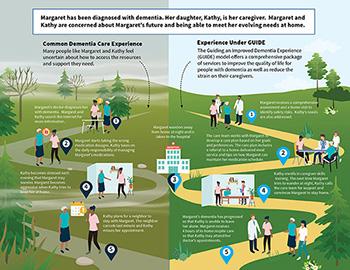
- The Medicare GUIDE Program: This eight-year pilot program provides a free care navigator, 24/7 support, and caregiver education for those with original Medicare.
- Respite Care Support: The program offers approximately $2,500 a year in respite funds, which covers about 18 to 19 four-hour home visits to give caregivers a much-needed break.
- Proactive Safety: Amy discusses the importance of planning ahead for wandering, fall prevention, and home safety assessments before a crisis occurs.
- Behavioral Strategies: Learn practical tips for handling challenges like bathing or medication refusal by using visual cues and maintaining the patient's dignity.
- Polypharmacy & "Less is More": Tembo’s medical directors help review medication lists to see if certain prescriptions can be reduced to improve quality of life.
- Rural Access: As a national program, Tembo Health uses telehealth to reach caregivers in rural areas who often lack access to specialized dementia resources.
🛠️ The Caregiver's Toolkit
- Care Navigator: Provides monthly check-ins to talk through safety, medications, and backup plans.
- 24/7 Support Line: Access to advice on the weekends or during "sundowning" episodes, plus telehealth urgent care staffed by ER physicians.
- Geriatric Psychiatrist: Offers consultations to help adjust medications for behavioral challenges or reduce unnecessary prescriptions.
- Activity Coaching: Teaches caregivers how to use household tasks and "jobs" to keep a loved one engaged and busy.
💡 Notable Quotes
"You don't get a roadmap. You go to the neurologist... they say it's dementia and we'll see you in six months, and then it's now what?" — Amy House
"Activities are the most underutilized tool that a caregiver has in their toolkit that could dramatically change their days." — Diane Carbo
🔗 Resources Mentioned
- Tembo Health: Visit tembo.health or email care@tembo.health.
- Think Dementia Podcast: Amy House’s podcast providing practical, hands-on information for caregivers at think-dementia.com.

Ready to stop caregiving in isolation? Click the player below to listen to the full conversation and learn how to access these vital supports. 🎧✨
Podcast Episode Transcript
Diane: Welcome to the Caregiver Relief Podcast. I'm your host, Diane Carbo, RN. This podcast is for family caregivers, those caring for aging parents, spouses, or loved ones with dementia, who often feel overwhelmed, exhausted, and unsure where to turn next.
Today's conversation is especially important because I'm joined by Amy House from Tembo Health. She's a certified dementia practitioner and care navigator. Amy works directly with families living with dementia, offering monthly support, education, and guidance, sometimes being the only consistent check-in a caregiver has.
Boy, do, is that a reality. So if you've ever felt like you're carrying this journey alone, this episode is for you.
Diane: Amy, thank you so much for joining me today. I'm really excited about this topic because, we have a healthcare crisis now, not enough people to care for our elderly, and the family caregiver is definitely being pushed beyond what's humanly possible.
So thank you for coming today to share your information.
Amy: Yeah, thank you for having me, Diane.
Diane: Before we dive in, can you share what drew you personally to dementia care? And for caregivers hearing about Tembo Health for the first time, what is Tembo Health and what role do you play there?
Amy: Sure. Uh, I got into senior care at a very young age.
My mom was a registered nurse, and she came home one day and said, "I signed you up for a CNA course." And I said, "What's a CNA course?" And- ... that's a certified nursing assistant, and I was signed up for the course at 15. And then I got my first job at 16 at the local nursing home, started working with people living with dementia, and worked as a CNA for over 10 years.
Then I dabbled in emergency medicine and disability services, but I kept saying, "I really want to get back to working with people living with dementia." I had a grandfather with possible Alzheimer's and, but just all of the people that I met over the years, I still remember them from when I was 16 years old and the interactions we had and how I really loved figuring out what I could do to get them to participate in their cares.
And it just, it was just always such a great relationship that I wanted to give back to that. Tembo Health is a telehealth company, and originally
Tembo Health was founded by Dr. Gupta, and he looked at the situation that he was having with his grandfather, and although there were three doctors in the family, when it came to caregiving at home, they didn't know what to do, and they felt so lost. And they just felt like it was so hard to get any support or idea of what was going on, especially with incontinence care.
After that caregiving journey, he decided to start a telehealth company to help caregivers.
Diane: That's awesome. Now, I'm reading about the Medicare Guide program. Can you explain what that is and what it actually means for families?
Amy: Sure. The Medicare GUIDE Program stands for Guiding and Improved Dementia Experience.
For all the families out there, you probably know what I'm talking about when I say that you don't get a roadmap. you go to the neurologist or you go to the doctor, they say it's dementia and we'll see you in six months, and then it's now what? if you don't have, the familiarity of that with caregiving for someone before or if you don't have the resources or connections, it's just, you're just always flying by the seat of your pants and you don't know what you don't know.
Diane: Yeah.
Amy: So the Medicare program is a eight-year pilot. It started a year and a half ago, and it is free through original Medicare, if someone has original Medicare insurance, and it provides, three different things for the family, and it's designed to be a telehealth program through video or phone. And it provides, one, a care navigator.
So everybody gets a designated care navigator like myself, and we meet with the family on a regular basis. I'm also available to them in between our meetings, and we go over a lot of different topics. We talk about safety, medications, advanced planning How the caregiver is caring for themself backup plans.
I talk about backup plans with them. What if something happens to you? Who is going to take care of your loved one? And with that, the care navigation also finds resources that are local in your area. We help with education and support. And that is a monthly visit, sometimes more than once a month. And again, I'm available when something comes up.
If somebody's in the hospital, they give me a call and we talk through it. If something has changed or if the person's acting differently than usual, if there's some new caregiving challenges, all of that is covered by phone or video, 'cause caregivers are busy, so it's easy to do from home. The se-
Diane: Wow.
Amy: Yeah. The second part of the program is having a 24/7 support line. And this can be a care navigation line where, somebody can answer the phone on the weekend if your loved one is suddenly saying that they need to go home. They need to go home. This isn't my house. if this is the first time you've gone through something like that, it can be really scary, and so you can call the 24/7 line and get some advice about how to handle the situation.
But for Tembo, because we are a telehealth company, in about, I think, 10 states, we offer with our 24/7 support, we offer a 24/7 telehealth urgent care. And so that is- Wow ... staffed by emergency room physicians. And if a family member has a situation and they're thinking about going to the hospital, which is a very confusing place for someone living with dementia-
Diane: Yes
Amy: And I don't know how many caregivers like sitting in the emergency room for 10 hours, this is a way to just pull up a virtual appointment with an emergency room physician and get advice. Maybe it's something that can be managed at home. Maybe you have to watch for certain signs or symptoms, and if it gets worse, you would go to the hospital.
But the idea is let's avoid going to the emergency room unless it's necessary. And,
Diane: Would they direct them to, I call them a doc in a box, like the urgent care centers that are open during the day. Most of them aren't in the evenings or overnight, but would they re- direct them to that level of service versus the ER if they can?
Amy: Yeah, absolutely. They're gonna help them find the level of service that's appropriate, and that's gonna get them the care that they need. but, I have had caregivers who are just shocked to be able to talk to a doctor on Labor Day weekend and not have to go to the emergency room when they thought that's where they were gonna be spending their holiday.
Diane: Our healthcare system is so broken, Amy, and what I'm finding is, and my listeners ha- need to understand, your PCP, your primary care physician, They don't know dementia. They really don't. There's not many doctors out there that do, and, they don't know what you're going through, and you'll know more at the end of your journey than a lot of healthcare professionals.
That's just the reality of the situation. It just is. let's talk about when a caregiver enrolls, what kind of things do you talk about during those monthly check-ins?
Amy: Sure. I just want to cover one more thing that the program covers-
Diane: Oh, absolutely. Yeah. I'm sorry. Forgive me. No.
Amy: Yes. No worries.
One more thing that the program covers is some respite care, and respite just means a break for the caregiver. So if somebody is at the stage of dementia where they can't be left home alone and they need help with activities of daily living like bathing or dressing, and they need that support and can't be left home alone anymore, it can be really tough for the caregiver to get a break, and home care is very expensive.
But what we do is we partner with home care organizations in their area, and they have been approved by Medicare to provide the respite services through the respite funds with Guide. And it's about $2,500 a year, and that equals about 18 or 19 home visits, and each visit is a four-hour visit. That's all preset by Medicare, so we can't change that, but it is a chance for a caregiver to get out and do something on their own.
Maybe go out to lunch with friends that they've lost touch with, or sometimes just go for a drive and listen to music and just not do anything. but that is the idea of the respite services, to provide that extra support so that they can get a little break now and then.
Diane: Oh, that's a great support.
I encourage my clients when, oh, and my listeners out there to, to build a care team partner, group, support group, caregiver relief support group, so to speak, of, so that they can have respite on an ongoing basis and not have to pay for it. So to offer any kind of respite at all, even for four hours, is amazing.
I can see caregivers absolutely grabbing onto that and embracing that because it's so hard for them. For so many reasons to get a break. I'm liking this Tembo, right?
Amy: Yeah. Yeah. And like I said, home care is very expensive, so it's nice-
Diane: Yes
Amy: That we get to try it out for free.
Diane: Yeah.
Amy: The bill for those shifts doesn't even go to the family. It comes to Tembo, and we work with Medicare for reimbursement for the home care company. And that way, the family can try out caregiving for a couple weeks and see how it goes, and not have to have that financial obligation right away.
And sometimes when the family gets done with the free respite care
Diane: Yes
Amy: Sometimes they do continue with home care afterwards, 'cause they find that the value in it, and they do want to pay privately. But other times, they just take a break from it until the new year starts, and then they get 18 free visits again.
Diane: Wow.
Amy: So it's just something to look forward to.
Diane: Yes, absolutely. I, as Medicare's moving to a cost-sharing platform, we are moving more and more towards private pay. The, and my listeners out there need to know that you're going to have to pay out of pocket for a lot of services and, recommended treatments, especially if you're on a Medicare Advantage plan.
And that's, families aren't ready for that or prepared for that, and it's a shock to them. Just to know that, you offer this service for, free is, astonishing,
Amy: Yeah
Diane: To say the least. .
Amy: To say the least. It started at UCSF as a pilot program, and it was also done here in Minnesota where I'm at- with Allina, and they just found that having that caregiver support really changed the outcomes for the person living with dementia and their caregiver and their stress levels.
Diane: I hope the study, it's for eight years, I hope that it's successful and, finds a way to continue to provide those services for free for clients, because, that's a big one, a huge one for so many that can't afford it.
I want to talk about safety and medications. They are major stress points for anybody with an aging, loved one at home. It's even more stressful when, the loved one has dementia. How do you help caregivers manage those concerns realistically?
Amy: Yeah. W- we talk about safety, and I always try to get through that our first meeting because it's so important.
And, when you're a caregiver, you are just living in the moment. You're reacting to every moment. You don't have time to plan ahead for when that person might change and suddenly be at risk for drinking cleaning chemicals, or be at risk for not knowing, how to use the correct thing to open up a package and they grab a big butcher knife out of the butcher block.
You don't have time to plan for those things. So we go over that at, definitely at our first onboarding meeting, and talk about wandering, what we're doing to ensure that person doesn't leave the house accidentally and get lost. Or if they're very independent still, I've had people that are early and still driving.
But I help families understand, here's a app or here's a device that you can put on their car, and that way if they do change and they get lost, you can find them. Or if they do run out of gas because they didn't look at the gas tank and pay attention to that, you can find them. So it's just a matter of helping them plan ahead for what may happen, or if there's something happening, to make sure it doesn't happen again.
And fall prevention is a huge part of safety.
Diane: Yes, absolutely.
Amy: Yeah. Many people living with dementia pass away from fractures due to falls or head injuries.
Diane: Yeah.
Amy: Doing our best to prevent the family from going through something traumatic like that. We want to make sure everybody's safe, and we talk about, what kind of, equipment might help with preventing falls.
What can we put in the bathroom shower to make sure they don't slip? Grab bars. There's a home safety assessment that also comes with Guide. So when they do the, first assessment, that's usually done in person with one of the nurses that we contract with, and they do a little walkthrough of the home and make any safety recommendations.
Diane: I love that you're being proactive because that is not, the usual approach in healthcare. We're always reactive. So I love that proactive approach because it's so important. you can prevent so many things, 'cause one fall can k- keep you from ever returning home again, and people don't understand that.
Amy: Yep, absolutely. And I, was a director of memory care for six years.
Diane: Ah, yeah.
Amy:In that setting we're always looking at fall prevention.
Diane: Yes.
Amy: And I have a lot of clever ways to help for that person who doesn't remember that they shouldn't walk on their own or can't remember that they need help in the bathroom, and they're at such a high risk for just getting out of bed on their own when they're unable to walk safely.
Diane: Now, how does the program support families who are dealing with daily care challenges like un- towards behaviors, aggression, that type of thing? How do you prepare them for that?
Amy: Yeah. We want to work with whatever situation is going on with that family and that person living with dementia. And so that's one of the questions we ask right away, "What are some challenges that are happening?"
And it might be that the person doesn't want to take their medications.
Okay, let's look at this list of medications here and have our medical director also take a look at it. Maybe some of these could be reduced."
Diane:Yes.
Amy: Maybe they don't need all these medications at this stage of their disease or point in their life, and it won't be such a fight if we don't have to try to swallow 12 pills twice a day.
And, so we look at that. We have a medical director who does not replace the primary care physician. It's just another set of eyes to help send recommendations to the primary care physician saying, "Hey, we think we could reduce some of these," or, "This person is great at taking them in the morning, but they can't remember to take them at night.
Can we try to adjust this so they're taking everything in the morning and really look at what are we doing and is it necessary at night, because they're not remembering to take it?" the caregiving challenges like showering and bathing, and incontinence, those are also really challenging for caregivers.
How are they getting their loved one to bathe and providing education and ideas. What's the situation? are you going somewhere today? 'Cause I say people with dementia all have common sense, and if I'm not going anywhere, why would I take a shower, right?
Diane: Exactly.
Amy: So how can we pair it with going somewhere so that they're excited to do that? How can we approach it where you're not bossing them around and them feeling like a child? How can we make sure that we're doing this together and letting them do as much as they can on their own? I, talk a lot about, I went to Turkey many years ago, and when I was there I did a Turkish bath.
And if you haven't done that before, it's an amazing experience, but you are very vulnerable and you are- naked and somebody is bathing you, and the t- whole time you don't speak the same language. Yeah. And the whole time I thought about people living with dementia and how the communication is so difficult, and they might not understand that you're trying to help them or what you want them to do.
So what visuals can we bring? How can we make it easier for them to know this is what's happening? For example, I have a lot of patients who ask, "Hey, it, it's time to take a shower," while their loved one's sitting in their recliner in the living room, and the answer's gonna be, "No way."
Diane: Yep.
Amy: So it's okay, let's find a reason to get up first.
So I have a gentleman who, loves to feed, the birds, and he has to fill his bird feeder every evening. So I'm like, let's go feed the birds, and then once we're standing up, let's go in the bathroom." And guess what? The shower's already running. Yeah. The towels are out, the clothes are there, and it's very obvious what we're doing, but, hey, we're here.
We might as well get it done. So just little tips like that, and really getting to know the person and their family can help out with those caregiving challenges. and incontinence. I am an incontinence... I'm very passionate about it. I just don't think caregivers have time for laundry, They-
Diane: No, they don't
Amy: Don't have time to do all that.
Diane: No.
Amy: So how can we reduce this? And, I do have a webinar I did for Tembo all about physical cares, and a lot of it is about incontinence and understanding how to prevent those accidents, how to have the right products so that you don't have leaks, and what to do just to make sure somebody doesn't, have any skin breakdown with incontinence and that you remain dignified in your care with them.
Diane: Good point, and people don't understand you can actually train the bowel to go at a certain time every day if you do- Oh, you can ... the right things, and people are no, but it's very true. I love that approach. and I love that you're so proactive with the behavioral approaches because that is so important because, one misstep and you could be, have somebody who's perfectly happy turn and be angry and upset over, something that's so small that you would think insignificant, but it wasn't to them.
So I love that you're able to, teach, the caregivers in a really, and still maintain the dignity of the patient. I think that's awesome.
Amy: Absolutely. And we do have a geriatric psychiatrist on staff at Tembo Health, so you can request a consultation with them if you do wanna look at medications or understand maybe the current medications they're on, and do they think that there's something that could be adjusted or changed, or maybe even get rid of something.
So that's a wonderful, part of Tembo Health too, that we have a great geriatric psychiatrist to help if medications are needed.
Diane: I love that you actually discuss decreasing medications, because that's really hard. We're, we go to the doctors and we go to different specialists for everything now.
There's not any good communications, although that's supposed to be changing. So you've got meds from one doctor who may be, and not aware of the meds you're taking because you're not keeping a good list, and polypharmacy, too many pills, is rampant through the senior population. And I love that you're absolutely being open and encouraging them to discuss, do we need this?
Can we give less of it than that is ordered? That's so important, and I really, applaud Tembo Health for doing that, because I don't hear that very much.
Amy: Yeah. Thank you. We have, one of our medical directors did a webinar about when less is more when it comes to-
Diane: Yes ...
Amy: Polypharmacy,
And some things to consider, and also thinking about the stage of dementia and whether or not that medication really works anymore at that stage.
Diane Yes.
Amy: People are constantly changing, so what they take and what they need is gonna change too.
Diane: Yeah. I just recently did a podcast about polypharmacy and I just was so glad that somebody was talking about it, because it's not addressed enough.
So now, why is early diagnosis such a critical window for support, even when the symptoms feel or seem manageable at the time?
Amy: Yeah, I have, quite a few people that I work with that are in the very early stages of dementia, still driving, still, able to do many things on their own.
Their care partner doesn't feel like a caregiver. They're just really-
Diane: Yep
Amy: Supporting each other as a couple or as a friend. And having that early diagnosis is important because without it, you don't know what your options are. I'm a dementia educator here in Minnesota, and I do a lot of public speaking, and I ask people all the time, "Do you know about the medications that can help with symptom management?"
And people don't know about them. Or do you know about the infusion treatments that are available with Alzheimer's right now, and that you can get a blood test to confirm Alzheimer's and get a treatment that might help keep your independence up longer? So having that information and knowing that just what's happening and hearing about what's happening in the world of treatment now for dementia is huge for the early stage people that I talk with.
I think that the or the medical community is going to start to really build very quickly off itself, and we're gonna see some major changes in the next couple years. So if meeting with a care navigator means that you can focus on other areas of your life that help hopefully prolong your independence, like diet and mindfulness and exercise, and do everything that you can, there's a lot of hope out there now for people with early diagnosis coming down the pipe from the medical community.
Diane: Absolutely. And, we've been waiting for that for decades, so I'm glad it's finally coming to fruition- because we have, I think our aging population is going to be doubled by the time we're in the next few years with all the baby boomers retiring. We need something, that's proactive and supportive of our family caregivers because they're being pushed to their limits.
Now I wanna talk about, families. Now, they think support often, for a loved one, they think once they put them in assisted living or memory care, that they don't need that support anymore. Can you tell me, does Tembo Health continue to help in those settings?
Amy: Yeah, so the Medicare Guide program is, still, able to support somebody in assisted living or assisted living memory care.
Part of the reason that you would not be eligible for the program would be if you're in a skilled nursing facility- Ah ... 'cause that's what Medicare is trying to prevent.
Diane: Yeah.
Amy: But when you're in assisted living or memory care, there are still so many things going on for you. You are still a caregiver, absolutely, and I knew that when I was a director of memory care.
The families were in my office and we'd talk through things or sometimes it would just be support because what they were seeing was so difficult. But I think the number one thing that you have is education. Yeah. And so even when your loved one's living in a facility setting, it's important to understand what's coming up.
What kind of decisions might I have to make in the future? What, do I have to watch for as far as changes? am I having some concerns about the facility and I don't know how to talk to them about that? I have a presentation I did called Working Together With Your Memory Care Staff at the University of Minnesota, and it's all about how we're on the same team.
So how can I help the family member coach through that and understand that the facility wants to work with you? They want everybody to be getting the best care possible. and then what to look for if you have concerns that are really, something, big, something that would be a danger or neglect.
What, how do you speak up about those and how do you talk to the state about that? There's just a lot that can come up even in memory care where a caregiver needs somebody to talk to outside of that organization that can just be a, somebody to bounce ideas off of sometimes.
Diane: Yes. Assisted living and memory care is based on a social model, not a medical model, and the people that are being provided care are supposed to be, or the people needing care are supposed to be able to direct their care under that model, and it's not happening- because they're not able to. So I really like that Tembo Health continues to follow people in assisted living or in memory care, because it's desperately needed. we're not we're seeing a lot of things happening that, are done, out of a lack of knowledge by the families- ... on, on what is provided and what they can expect from a memory care unit.
So I love that Tembo Health stays in touch with the families and encourages that sup- ongoing support.
Amy: Yep, absolutely. And, like I said, the different facilities, they want to do their best-
Diane: Yes
Amy: And sometimes they need to hear from the families to know where are we missing, what isn't doing well and how can we be better?
And if you're not reporting that a certain staff member is really lacking in certain areas, then they're not going to know enough to train them or to say it's maybe not the setting for them. So the communication with the facility is so important, and the family members, you're not just sitting at home twiddling your thumbs now that your loved one's in memory care.
You are going to still be there visiting, and how can we make the, move go smooth is another part. How can we help explain the move? How can we maybe prepare them and make sure that they don't feel alone and that they're being left there? and then the guilt that comes from having your loved one move somewhere where there's more support. That, that's a lot to talk about.
Diane: It is. And caregivers, caregiver guilt is real, and it's hard for many to overcome. it's a wasted emotion because it negates everything good that they do, but you just can't get past it sometimes, and it's very frustrating. Now, you said that sometimes your call is the only regular human connection a caregiver has.
Can you talk about caregiver loneliness and what you're seeing?
Amy: Yeah. Unfortunately, with dementia, it seems that many support networks and friends and family just disappear as the disease progresses, and I'm always trying to fight that stigma and see what we can do to prevent that and how can we help the family members that are maybe not comfortable with somebody who's living with dementia and they're like, "I don't know what to say, so I'm not going to visit."
How can we give them some education and help make it a successful visit so that you still have that social life? there are definitely people I talk to where they're caring for, a loved one, and I don't really think they get out much. I don't think they're able to go anywhere because of the care that they're giving, and sometimes I'm the only person I think they talk to all month long.
Yeah. And just to see how they're doing as a caregiver. "Are you going to your medical appointments? How's your health been?" or, "Have you recovered from that flu you had?" somebody to just care and make sure that they're caring for themself. I also think talking regularly every month helps the family member really process- Yeah
What's going on with their loved one 'cause you don't have time to talk about it and... Or if somebody asks you, they really don't get it if they're not keeping up every day with what's happening with that loved one. so being able to just say, "Here's what's changed. Here's what I'm noticing now," and then for us to talk through it and see if maybe there's some equipment that would help with that.
Or maybe it's time to start planning for,if you have to bring in care, or how can we have the family take that person out for a drive regularly so you get a little break? What can we do to ensure that they have engagement at home? many times a lot of, behavioral challenges can just be that person is bored, and their loved one doesn't know how to adapt to the new version of them.
You have brilliant people who ran businesses and took care of families and had great careers, and sometimes it's hard to think about setting things up for them that would be easy for them to do on their own and give you a little time to get things done, but still be something that they consider dignified and something that they're willing to participate in.
When I was a director of memory care too, I had people in my office all the time, and I had to keep them busy with jobs. They were all- ... administrative assistants, but- Yes ... I had to get my job done. So I really learned quickly how to just come up with an activity out of nothing, and I just think there's so many things around the house that somebody could do and keep them engaged and keep them busy that it just, it's helpful for them and their brain, but also helpful for the caregiver to have them busy for a bit.
Diane: Activities are the most underutilized tool that a caregiver has in their toolkit that, could be dramatically change their days if they took time to figure out. It could be music, it could be games, it could be, the men, they love their tools. they can't have real tools, but, get the kids' tools, and with dementia they might not realize it looks like a hammer, it is a hammer to them.
Amy: Yeah.
Diane: Get them, active and it really makes a difference. I always say, get, find yourself an activities director. somebody who likes to do crafts and stuff, and ask them to come over and visit with your family member, because it can really change your time. What I'm really liking about Tembo is you're addressing all the problems and challenges family caregivers face, especially with dementia, and you're offering solutions.
Even the four hours of respite care, which is something all caregivers desperately need, but, are never offered, and I think this is amazing. It is just a really nice platform. Well done. And I hope the, this eight, the eight years is going to go by fast.
Amy: It is, and then I hopefully they will renew it and say, "Let's keep going."
Yeah. I think Medicare, what they discovered before and what they're probably going to discover with this, is that when you care for the family of that person- Yes ... you have less hospitalizations, you have- Yeah ... less health problems for the family member who's the caregiver. Yeah. And overall, Medicare, wins in the end,with just having everybody being healthier and happier and hopefully not having as many, fires to put out with going to the emergency room.
Instead we're being proactive.
Diane: Can you share a success story? you don't have to- Yeah ... give us details, but I would I know you have them because- Yeah ... you cannot not have them, Yep. Absolutely ... and the impact. Yes.
Amy: We have, so now that I've been in this program for a year and a half, 'cause I started right away with it, I've had families that come around to have their annual assessment.
So every year there are some surveys that Medicare wants us to complete, that they complete in the beginning, and it's been just- Wonderful to see one of the surveys, it's called the ZBI, and it is about caregiver stress and burden. And so you get these scores that might be that this person has a moderate to severe burden with what they're filling out on the survey, and then a year later they have, zero or low burden because we were able to help that family with communication.
It was trying to get that person living with dementia to do what they wanted them to do, and it became just a argument every day between this couple. And instead of arguing with her, how can we get her to think that we're doing things together? How can we communicate what we really need to?
Is it really necessary to try to push that salad at lunch today, or should we let her have what she wants? So just kind of helping with that communication piece. Yeah. many family members have that, all the ideas inside them, but they just need somebody to help them unlock that. Yeah. And so seeing those, caregiver burden scores go down has been really rewarding.
I have a, another gentleman that I work with who says, "My, my ZBI is zero. My ZBI is zero now." He's very proud of it because he feels like he is prepared. he's somebody who likes to be prepared and know what to plan in advance. He's got his house ready to go. He's got things set up for when he needs 24-hour care or if he needs to have his wife all on one level of the home.
He just feels like the education he knows about how this is gonna progress has just decreased all of his burden and stress. It, and just meeting her where she's at and enjoying her where she's at. and then also I talked about how sometimes I get very close with these caregivers.
And, there's a young woman that I help out with, and she is having some health issues herself, and she needs to have a major surgery. And, the county said, "Hey, we can help you with having your grandfather move into a rehab while you are recovering." And she just said, "No. No, I can't do that to them.
I can't do it to him." But because her and I have been talking for a year, and we know each other so well, when I got on the phone with her and said, "You're gonna need that recovery time. You're gonna need that, and you can't take-" Yeah ... "care of him if you're not well, Exactly. "This is very important for you to get that surgery."
And so then she was open to doing it. because yeah, sometimes it's hard to accept help. Yeah. But when you have a friend, a care navigator who becomes your friend and you trust them- Yeah ... then when something's offered to you, I can help you decide whether or not to take it, and I think that's huge for her to make sure that he's taken care of while she gets what she needs in that surgery.
Diane: Absolutely. Oh.
Amy: Yeah.
Diane: I understand that, Tembo Health offers monthly webinars and they're open to anyone. What kinds of topics do you cover and who should attend, or who can attend?
Amy: Yeah, absolutely. One thing that was important to us at Tembo when we first started, the calls coming in about the program, for anybody who isn't eligible, we still want to offer you something.
And so we can offer you education. So we started a monthly share and care webinar. It's on the first Thursday of every month at, 12:30 central time, 1:30 eastern time, and we cover a lot of topics. we've had our doctors be part of those calls to talk about medications that are common in dementia or how we can help with, hospitalization and post-hospitalization transitional care.
We've had, a, quite a few that I have done about helping somebody with physical cares or incontinence, understanding communication techniques that are successful with someone living with dementia. we have one of our care navigators with an activities background, so she's done an engagement, webinar, and we've had ones that are about the holidays.
How can you make the holidays successful? You might have to adjust what's going on and not plan things as you usually do to make it work for the person living with dementia. so there are, quite a few, and we have a YouTube channel that we just started finally putting them all up on, and you can find, Tembo Health on YouTube, and then you can watch those.
But you can also email us at care@tembo.health and we can just add you to our email list, and then you get the invite every month to register for the new topic.
Diane: Amy, I'm so glad. I'm in love with Tembo Health. it is a solution to an ongoing problem. it looks like you've guys have covered all the basis, and one of the most important things is communication and support.
And most caregivers don't find education or support unless they're in a support group, and then it's not led by professionals often, it's led by other caregivers. and I love that the respite piece is so vital to our caregivers. How do they, learn more about Tembo Health?
Amy: Yeah, so Tembo, is actually Swahili for elephant, because, elephants are one of the few creatures that take care of their elders, and that's why they named, the company Tembo Health when they were, getting started.
And so Tembo is spelled T as in Tom, E as in elephant, M as in Mary, B as in boy, O as in oh my. And, so you can always go to the website, which is tembo.health, like how is your health doing, and you can find information there and just sign up for us to reach out and see if your loved one is eligible for the Medicare Guide program.
You can also email us at care@tembo.health. That is another way to reach out and see. One thing I love about this program too, Diane, is that we can reach people in rural areas.
Diane: Yes.
Amy: People that wouldn't have the resources.
Diane: Yes. And, and there, the, because of all the reimbursement changes with Medicare, we're seeing nursing homes closing, community hospitals closing.
Yep. And it's getting harder and harder for those in the rural areas to get access to good care in a timely fashion. So-
Amy: Absolutely ...
Diane: That's a beautiful thing to tell us.
Amy: Yeah. I think that's one of the things that really got me excited about the program too. and we are in all 50 states.
It's a national program, the Medicare Guide program, but we are able to provide it in any state. and then we work with you to try to find a respite provider in your area. Sometimes that can be difficult in the rural areas.
Diane: Yeah.
Amy: But just having that person to talk to and understanding what resources are available to you, giving, somebody ideas on how to engage- Yeah
or how to keep somebody safe. it's just so helpful when you don't have maybe a program in your city. Yeah. You're out in the country. I come from the farm, so I know my community very well. And, everybody in my community could use this program when they're caring for someone with dementia.
Diane: Absolutely. And, there's, communities are growing everywhere, and the healthcare system is not able to keep up with, the growth, and people are having to go much further for care for the specialty care, especially with dementia. it's just a fine,it's just a fine niche. And the thing is, you can go to your PCP, but they're not going to have the knowledge, experience or offer the support that Tembo Health does.
So-
Amy: Absolutely.
Diane: I'm excited to share your information with my listeners. Thank you so much.
Amy: Yeah. Good. I appreciate you having me here. do I have a chance to tell you also about my podcast?
Diane: Oh, absolutely. Okay. Yes.
Amy: Good, yeah. So I work for Tembo part-time, and then when I'm not doing that, I am a educator, in the Twin Cities on dementia, and I provide training for facilities, but I also provide a lot of community presentations, go to a lot of churches, and help people understand what's going on.
I have four support groups. And then when I'm not doing all of that, I have a podcast called Think Dementia, like think- Wow ... using your brain. I named it Think Dementia because I just thought to myself, you know, it's not a situation where loving somebody enough is the problem, right? Yeah. If we all just loved that person enough, and- Yeah
that could make caregiving easy, oh, that'd be wonderful. Yeah. So it just made me say it's not a situation of the heart, it's a situation of the brain. And so for somebody to think dementia, that means that you're gonna think about what's happening in their brain and why they're doing the things that they're doing, and how you can adjust.
I started it because, like you said, there's just not gonna be enough care out there. We are preparing for so many people to be living with dementia, and I love memory care 'cause I was a director of it. Yeah. Not everybody can afford it, and not everybody will have space. There's just not gonna be room. There's not gonna be enough paid professionals out there to care. So I wanted families to be able to handle things at home. my podcast is not interview based. It's just me, 'cause I do it in my spare time. And I'm doing it at night, on the weekends, but I answer caregiver questions.
So the questions that they have, they probably don't realize that there are a thousand other caregivers out there that have the same question, or they didn't realize they should be asking that question. And-
Diane: Exactly,
Amy: Yes ... yeah. So it's just real practical, hands-on information for caregivers to understand.
And, you can find information about that at think-dementia.com.
Diane: Awesome.
Amy: Yeah.
Diane: Thank you for sharing that as well. To my family caregivers out there, you are the most important part of the caregiving equation. Without you, it all falls apart. So please learn to be gentle with yourself. Practice self-care every day, because you are worth it.
Caring for a loved one can be overwhelming — but you're not alone. If you have questions, big or small, our expert team is here to help.
👉 Click here to Ask the Expert
Our Resource section can help you find the information and tools that you need. We have courses, videos, checklists, guidebooks, cheat sheets, how-to guides and more.
You can get started by clicking on the link below. We know that taking care of a loved one is hard work, but with our help you can get the support that you need.
Click here to go to Resource Section now!