Fatal to Fearless: Becoming the CEO of Your Care with Kathy Giusti - Episode 178
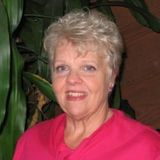
When a life-altering diagnosis hits, the medical system can feel like a labyrinth designed to overwhelm you. In this powerful episode of the Caregiver Relief Podcast, host Diane Carbo, RN, sits down with "healthcare disruptor" and two-time cancer survivor Kathy Giusti.
After being given only three years to live following a multiple myeloma diagnosis at age 37, Kathy refused to be a passive patient. She applied her Harvard Business School background to her own treatment, founded the Multiple Myeloma Research Foundation, and created a roadmap for others to move from "fatal to fearless".
📋 Episode Highlights
- The "CEO" Mindset: Learn why treating your medical journey like a business—with clear goals, research, and delegated tasks—is a life-saving strategy.
- Maximizing the 15-Minute Window: Practical tips on using technology and preparation to ensure your doctor answers your most critical questions.
- The Power of the "North Star": Kathy discusses how identifying a personal goal, such as seeing her daughter grow up, provided the clarity needed to make tough medical decisions.
- Navigating Family Dynamics: A candid look at how chronic illness impacts marriages and children, and why "caregiver resentment" is a natural hurdle that requires honest communication.
- Finding a "Navigator": If you don't have a science background, learn how to find professional navigators through hospitals, foundations, or insurance companies.
🛠️ The 3-Pillar Care Team
Kathy breaks down how every patient needs a team that covers these three essential roles:
- The Researcher: The person who dives into medical portals, decodes acronyms via AI tools like ChatGPT, and tracks the latest peer-reviewed journals.
- The Pragmatist: The "boots on the ground" who manages daily life—childcare, meals, and pet care—to keep the household running.
- The Emotional Anchor: The psychosocial support system that provides a safe space for the patient to vent, cry, or find hope.
💡 Notable Quotes
"You have to take charge and do your research and then put a plan together... travel, see people get second, third opinions, and then come back and start making your decisions." — Kathy Giusti
"Change your perspective, change your life. You can go in [thinking] 'I’m going to die'... or you can find answers and solutions to overcome the obstacles." — Diane Carbo
🔗 Connect with Kathy Giusti
Kathy is a dedicated advocate who actively engages with the patient and caregiver community. You can find her here:
- Website: KathyGiusti.com
- Instagram: @kathy.giusti
- LinkedIn: Kathy Giusti Profile
- Facebook: Kathy Giusti | Norwalk CT
- Book: Fatal to Fearless: 12 Steps to Beating Cancer in a Broken Medical System (Available on Amazon and everywhere books are sold)
🎧 Why You Should Listen
Whether you are a patient seeking autonomy or a caregiver trying to stay afloat, this episode offers a masterclass in medical advocacy. Kathy’s story is a reminder that while the system may be broken, your spirit doesn't have to be.
Podcast Episode Transcript
Diane: Welcome to the Caregiver Relief Podcast. I'm your host, Diane Carbo, rn, and today's conversation is about power, who has it, who needs it, and how patients and caregivers can reclaim it inside a healthcare system that often feels overwhelming and is definitely severely broken. My guest today is Kathy Giusti,
She is a two-time cancer survivor, and this is my favorite title for her healthcare disruptor. I relate to that and founder of the Multiple Myeloma Research Foundation after being told she had just three years to live. Kathy just didn't fight for her own survival. She changed the future of cancer care.
Today we're talking about what it means for patients to become the CEOs of their own care, how caregivers can support that leadership role, and the lessons Kathy shares in her book, fatal To Fearless. This is a conversation about courage. Clarity and choosing to lead, especially when the stakes are highest.
Diane: Kathy, thanks so much for joining me today. before we dive in into your system and strategy, can you look back at a moment, of your diagnosis andcan you remember how you were feeling when you got it?
Kathy: Sure. And thank you so much for having me. I do remember when I got it and it takes a little while for your cancer diagnosis to often be confirmed.
So initially it was my internist calling me and said that he suspected I had cancer, and then I had to go through a lot of additional testing to realize that it was multiple myeloma. I think that's when it really hit me. I was only 37 years old, so I certainly wasn't expecting a cancer diagnosis. No. And back then, the real issue for me was that this disease was 100% fatal.
It was really a tough one. So if you're gonna get cancer, you have to become aware of which are the good ones and which were the bad ones. And this was clearly the bad ones. I was given three years to live. I do remember when, and I kept asking for that number. That was not a number that any doctor wants to give you, but I was doing my research and getting a hint at how bad it was.
And I do remember just falling apart in the parking lot in my husband's arms and going, what the heck? It just happened to me. And, my father had just recent, he was a physician and my father had just recently died of. Kidney cancer and it happened quickly with him too. And in the back of my mind I was thinking it really can, and how sad for it to happen at the age of 37 when I'm married with an 18 month old daughter.[00:04:00]
Diane: Oh my Lord. I, that's devastating it. It absolutely is. Yeah. Now you often say patients must become the CEOs of their own care. Can you explain what that really means in practice?
Kathy: Yes. I really was a business person, from my background that. my background was always doing pharmaceutical efforts.
I was running worldwide operations at a pharmaceutical company. When I was diagnosed, I had gone to Harvard Business School. Everything about me was understanding, how you get from A to Z and all the steps you had to take in between. So when I was diagnosed and I had done this with my dad's kidney cancer as well, I really sat down and said, okay, what is the plan gonna be here?
Like, how am I gonna handle this? And so the first instinct you have is how are you gonna take care of your family? And 'cause you know that you're going to be gone. Are they going to be okay? I had to put my plan together there, but the second part was then saying, okay. What is my goal? And mine was really that my daughter would remember me.
And there I was, she was 18 months and I thought, if I can just live three years. Until she turns five, at least she might have a remembrance of me. Yeah. And so that was my goal and I knew in order to do that I was gonna have to find the best care for this very uncommon disease.
Diane: Yes.
Kathy: So my background in the pharmaceutical industry had really trained me. There was no internet back then. so my husband and I were at Borders Bookstore at the crack of dawn, and I'm reading Harrison's and the Merck Manual and everything I can get my hands on. And my first instinct was to say, okay, what doctors are doing the best work? But in this very rare, uncommon blood cancer, there were very few doctors working on it.
Diane: Yep.
Kathy: So the smartest thing I did was, worked with my internist and the oncologist that was locally in Chicago that. diagnosed me, but I had to get referrals and so I got one or two in Chicago. But then my research really helped me to understand the best doctors for my specific cancer, and that's really important.
We're at the Mayo Clinic. Arkansas and Dana-Farber in Boston. So I went on the road. I had to take a leave with absence from work. thank God my boss was amazing. And I went on the road with my husband and I just tried to learn everything I could by talking with those doctors and then putting together my own medical plan.
And it was complex, but that's how I had to do it. And you have to take charge and do your research and then put a plan together, travel, see people get second, third opinions, and then come back and start making your decisions.
Diane: You are the typical person that becomes ill. And your husband's like your caregiver, okay?
Yes. you know nothing about healthcare and you've just embraced your diagnosis and you did what many aren't able to do. You did the research you did, because so many don't have the knowledge or even how to do the research, and they get intimidated by doctors. but. Being in the pharmaceutical field, I know that you are not intimidated by doctors.
Kathy: No, I think that was probably my greatest area of comfort because my father was a physician, my mom was a nurse, and I worked in healthcare. So I think from that standpoint I really did understand the system and I knew from working with my dad that the system was a challenge and I knew I was going to have to get on top of it.
So I was not necessarily intimidated. I will say I was overwhelmed because with all the categories I'd worked in the pharmaceutical industry, I had never worked in oncology. Yeah. And just learning the buzzwords and the treatments and the diagnostics, I really do understand why. Caregivers in oncology and the patients too. Why can feel so overwhelming? It's a very complex field.
Diane: it really is. I worked at a world renowned cancer center, and I've seen the good, bad, and ugly of it. So now for someone newly diagnosed and totally overwhelmed as you were, how do they even begin to step into that leadership role that you talk about?
Kathy: first, I think the first thing to understand is are you the person that's going to do the research? On your disease or are you going to delegate that to somebody? So for me, I was very comfortable doing the research. I knew the science. My identical twin sister was also really comfortable, so she would help me do that as well.
But not everybody is comfortable, so a lot of people rely on their children, which I think is very smart to get online and help them to figure out the most important information. Whoever is doing that research for you, especially if they are a caregiver, a son, daughter, a partner, then they have to have access to your portal today, in today's world, because the electronic records are really important and it gives you every bit of information you need for then that person to go back out, know exactly what you have.
I always say copy the diagnosis directly from your medical reports. And at that point I know that you're going to go online and I'm not going to stop you. I just want you to do it really well. Yeah. it used to be we would do a Google search, right? And we would put our disease in and we would find out everything we could about our specific disease.
In today's world, a lot of people are using chat GPT. Yes. and I think understandably, that is fine too. As long as you know the prompts for today and your caregiver knows the prompts, which are, you have to go in, know your exact diagnosis. You have to be able to say, please give me peer reviewed journals.
That are the most current. Yes. 'cause if you don't do that, you're going to get old information or confusing information. And then I always explain to everybody, go through this information together with your caregiver or yourself, however you're doing it. But the whole point of your research is to develop the best questions to ask your doctor or your healthcare professional because.
Typically, on your first consult you'll get half an hour, 45 minutes perhaps, but. Following that, you get like 15 minutes. So if you don't walk into the oncologist's office, whether it's the patient or the caregiver, and together, and use that 15 minutes wisely, you'll leave feeling like, oh no, I still have these questions, and that takes too long to get them answered.
So it's a digital world today. It's changed a lot from, when I was diagnosed with multiple myeloma. I think it gives us a lot of information. The ability to curate through it I think is important and you have to find the right caregiver to help you with that. And if you can't find a caregiver, I always say to everybody, find a navigator.
There are navigators at the hospitals, the patient foundations, through the insurance companies now. So you don't have to feel alone. It's also a matter of knowing all these important resources.
Diane: Wait, so many families don't know the terminology and they are hesitant to say to the doc, hold on. Could you tell me that in English? Plain English. And, I really encourage my, my, my clients when I'm working with them to. Have a list of questions already prepared when you go into the doctor's office because you have limited amount of time.
Kathy: And I say the same thing and when I always, and I think again, this is where technology is amazing today. I think that one of the best places to Useche GPT is to understand the acronyms. To understand the diagnosis. Yeah. so that by the time you're walking into the doctor's office, you are sitting down and having shared decision making.
On, what does your team look like? What should your treatment options look like? The other mistake I find patients and their caregivers making is they'll sit down with the doctor and they'll start getting into all the questions about insurance or the scheduling. And technically you could do that at the front desk.
Diane: You
Kathy: could do that in other ways. So you really have to understand how you use your time carefully. 100%. This is where your caregiver and the patient can work together Yes. To make sure you're doing it well.
Diane: Yes. insurance, whatever. When it comes to insurance or scheduling, doctors have no time for that stuff. And it's not their field of expertise. That's why they have staff. So use your time wisely and use it to ask. Questions that relate to what's going on with you and your family member.
What are some of the biggest mistakes patients and caregivers make when they assume the system will automatically guide them?
Kathy: I think the biggest mistake that's made today,
Is that the science is moving so quickly and the ability to get yourself.
The absolute most cutting edge and best treatment for you is often more challenging than you think. So in order to get the best treatment for you, number one, you have to be the CEO of your own care, again, with the support of your caregiver and be able to ask for the right diagnostic. Do you know your genomics? Do you know your biomarker testing? Do you know everything that you can about your disease? And are you pushing your clinicians and your insurance company to make sure you know everything that you possibly can? Once you know that the challenges that we have today are, your treatments are moving faster upfront, so something that might have been used for a later stage patient, like a stage three patient, may now be in clinical testing earlier on. So your ability to understand what is the best standard of care becomes really important. Now, you can go to websites like the NCCN and other places to find standard of care, but it's also really important to, again. Do your research on what's coming out in the latest medical meetings. So I always remind the patients that I'm working with, you don't have to know everything, but if you know that the American Society of Clinical Oncology meeting is always in the beginning of June, and the American Society of Hematology is always the first week in December.
You can be online paying attention to the press that is coming out of those meetings. Yes. and you can also go online and say, do a search. Here's my specific cancer, and line it up. With Ash 2026 and say, I wanna know what are the most cutting edge abstracts going on. It's a lot, but again, the press releases and other things will start to give you hints about this so that you can talk to your doctor.
It's not that you have to have the answers by doing this, it's just that you have to have a hint of what's going on. I also remind patients and caregivers that the patient foundations summarize these meetings all the time in their newsletters and their blogs and in webinars. And yet having started the Multiple Myeloma Research Foundation and run.
So many of their programs, I'm always shocked at how many patients don't know that we give them all this information and they don't utilize it. Yes. I'm thinking, oh my goodness. so people, what worries me most is, especially people that are underserved in rural America, myeloma skews older male and African American.
So cutting edge treatments are always found at the academic centers, but our ability to get them out to the community setting takes a long time, and I wish it moved faster, but I want all patients and caregivers to know you can get access. You have to be really pushy.
Diane: Yeah. And that's the key when you talk about being a disruptor.
Kathy: yes.
Diane: And I understand that because I actually relate to that as a care manager. Yeah. you have to ask the tough questions and you have to do the research. And,that's always a tough one for so many, families because they are feeling overwhelmed and many of them have no knowledge of the healthcare system at all.
Kathy: and this is the hardest part, and it's probably yes, the most important part. It doesn't take away from the bet that I was 37 when I was diagnosed and there were the practical things that I needed handled by caregivers too, like who were picking the kids up from school and who was making dinners and things like that.
But I was able, thank goodness for friends to delegate a lot of that. Out to neighbors and the community support us. When I was doing my stem cell transplant, my husband served the role of sitting beside me in every medical meeting and listening in and, doing that shared decision making with me.
He was not a scientist, but he certainly was learning it best, and my twin sister was my emotional crutch.
And I do feel like in caregiving you move into these three categories.
Diane: And
Kathy: it's up to the patient to really help understand. You've gotta find those three areas, and the one they often miss is the research one, because you think it's really hard to find somebody to do that. But in today's world, if you have somebody who's really computer literate and who's how to use, Google and Chat TPT and all these services and get into your portal, that's a gift.
Diane: Yes. it's really
Kathy: important.
Diane: Absolutely. Now, caregivers are often behind the scenes, executives. How can they support patients without taking away the autonomy?
And this is a tough one for some many, like your husband really did it well.
Kathy: Yeah.
Diane: he was there and supported you and let you run the show, it sounds But some patients, Can't do that. They don't, they're timid, they're afraid, but they also want to express their wishes. How do you, make the bal get the, find the balance there?
Kathy: I always remind people of this, like I ended up being the caregiver for my father, my mother, and my twin sister when she had stage three breast cancer. And in all honesty. It was a gift for me. Like I, I didn't view it as, oh my gosh, this is, exhausting. It was a gift because they were asking me and trusting me to support them.
I think where it gets tricky is when the patient is not communicating effectively with the caregiver, and I think that's when it's up to the caregivers to speak up. So an example might be that. if my sister had an entire schedule for her breast cancer treatments, And she wasn't sure who was coming in on what date. So she had a primary person that might be expected and we thought they would be there, but if they were working and they had to cancel at the last minute, I was the second in command. So I'd get that call 30 minutes before she had to go. And so that's disruptive, right? The more you have, the ability to say, my caregivers are going to be in these three areas. So if you say one is gonna be research science, understanding that the second is gonna be practical food, kids, parents, dogs, whatever it may be. And the third is psychosocial. Put your list together, delegate it. And then when you talk to your caregivers, say, listen, when you've had enough speak up, you have to tell me you've had enough. This was the, when I wrote my book and I went back and had to look at 30 years of my life and the impact my two cancers had on my family. The one thing my husband and I really learned is, resentment happens. Yeah. There's no way it doesn't happen. Yes. and the reason it happens is because I am taking the opportunity whenever he offers, I say yes. I'll drive you to this appointment. I'll take notes on this appointment. I'll call the insurance company. I'll do this. And he is doing all that on top of trying to manage his own company and all these things. And he never said a word, right? And I should have picked up on it. I should have thought, why am I asking to do all this? I can do a lot of this myself.
but I love his company. But now I realize don't do that. Don't do that. If you can do it yourself because, and if you're a caregiver, the one thing I always said to my husband, I just wish I had known that you were so frustrated with it and I didn't.
and that was because he was just being too nice. So I say to the caregivers, speak up. I say to the patients plan accordingly. Put people in their right spots that they're going to enjoy, where it matches their skillset. And then be thoughtful and grateful. Like you have to remember to say Thank you.
Diane: Yes. I encourage every caregiver to, to create a caregiver relief group or care team partner group. Yeah. and that's one of the hardest things that caregivers have a hard time doing. Yeah. because they feel like they need to do it all. The primary caregiver. But it does. It causes anger and resentment and overwhelm.
Kathy: Yeah.
Diane: and it's just too hard. Then they get emotional and they don't make good decisions.
Kathy: Yeah.
Diane: and they have to get over the feeling that they're failing if they ask for help, because that's not it at all. That helps them thrive as a caregiver.
Kathy: Exactly. And cancer caregivers. They have a lot. 'cause the treatments are really challenging. And so I think that's another thing that I remind the patients and caregivers know the actual journey itself. Because in the beginning it's. A lot of psychological, like I've just been diagnosed. So there's emotional needs. Yeah. When you get through the treatment, it's a lot of, we gotta get you to these treatments. When you look at some of these blood cancer treatments, you can't get them if you don't have a caregiver. Yeah. you have to have somebody that can sit with you. For me, for a stem cell transplant, I had a caregiver for three weeks. Yeah, my husband and my sister alternated. So that's when you're in the thick of it. And at that point, our caregivers are working full-time for us. Yeah. while they're doing their jobs, and then eventually you come back out on the survivorship side. It may not be as much of a time sink, but we're still, getting through a little bit of depression and things like that.
Thinking oh, I'm still worried about relapse. I still have a lot going on. Yeah. and There's just a lot of different ebbs and flows to the actual journey itself. And I think it's up to the patient to help the caregiver to understand. But when you're in cancer for the first time, you're trying to figure it out too.
Diane: Yeah. I was 16 when my mom was diagnosed with lung cancer and in those days, now that's 50 some years ago. 56 years ago. Yeah. that was a challenge 'cause I was the oldest of four. And I, was heading to nursing school? I was still a senior in high school then, and I became my mom's caregiver.
Yeah. and it was then they did cobalt treatments and what happened was awful. Then my dad, 40 years later has pancreatic cancer. But I was already a nurse. I knew the system and I was able to advocate and, help him. Through his journey.
Kathy: yes.
Diane: Not everybody has that, but I also was a good delegator. I'm the bossy older sister, and everybody had to sign up to spend time with dad. Like he was a letter carrier. He loved to walk. And I would make sure that, somebody was there to take 'em where he wanted to go and what he wanted to do. He loved to go to the mall because all his old buddies were there.
Kathy: Yeah.
Diane: those are things that, that help a cancer patient get through their day. Or get through their treatment. And beyond. Yeah. Is maintaining those. Now you've seen healthcare as a patient, as a founder and an executive.
So what does the system most consistently fail patients today?
Or where does it the system fail?
Kathy: I think it's the integration of care. So the challenge that you get into when you're diagnosed with something like cancer is. you are probably seen first by an internist, then you're getting moved to an oncologist. it could be a medical oncologist, and then you're now very quickly moved to a surgical oncologist. You may have seen one already, a radiation oncologist, a transplant physician, and all of a sudden you are completely in overwhelm and you're trying to coordinate that level of care. And so I think that becomes the hardest part. On top of making sure that all of that care is being covered by your insurance company and that you're getting the approvals that you need. I find that part to be really a lot, and then now you're dealing with your family. So the integration of care, I think is the most challenging. Again, I still find, however. That patients and caregivers aren't reaching out to the resources that are available to them. So I, that's why I always remind them that you can find, a navigator, a social worker, a case manager. You're gonna have to keep asking, and I'm always trying to get statistics on this, but they are available. You're gonna have to work with your hospital, work with a patient foundation, work with your insurance company. But one way or another. If you can get that level of support to help you find the community resources and the hospital resources available to you, it's worth the effort.
Diane: I, I encourage my, my patients to, and their caregivers to take a recorder and actually record what the doctor is telling you, because when you hear it the first time, you're like, oh my God. I, I don't remember a word. They're, they said a word at the beginning of a 15 minute talk, and you're still thinking, what the hell does that word mean?
It's
Kathy: very true. And all you need is your phone, right? you just do it off your phone and now you've got it. You save it and you can also record it and then send it out to your family.
Diane: Exactly. I encourage that because what you hear and what another family member hears may be two different things.
And it's really important that everybody have a sense of, of what's going on and then. Talk about it because I'm a nurse, so I'm the bossy big sister that my family says, oh, you know everything. no I don't, but I know how to do the research. And then, I have a sister who's very reactionary.
it's just oh no. Oh no. You have to have a balance. And I think having those conversations where you share the information, especially if it's, a recording helps everybody understand, but give their input, from their perspective, which helps the family, I think.
Kathy: Agree.
Diane: Now, your book, fatal to Fearless is built around 12 essential steps.
Is there one step you believe every patient and caregiver should prioritize first?
Kathy: I think the one that I wrote down that was the most important was finding your North Star. So what was interesting when I was writing my book was, the day I got diagnosed with myeloma and they told me I had 18 months, 18.
My daughter was 18 months old and I had three years to live. I started writing in a journal for Nicole. When I started writing, I thought I was just writing for her, so she would remember me and we would document whatever moments we had together. But instead, what I found myself writing at the same time were all the things I wished for. So when I was writing in there, I was like, I was so sad that I would not give her the brother or sister that I thought I would. I thought we would have more children. I was really sad, I'll never know where you went to school. I'll never know who you're married. Yeah. And so I wrote in there that my North Star was that. I would have another child before I died and, that we would build memories as a family. I put that North star there and it surprised me. Like it took me a little while to realize how much that mattered to me. And as a result, I sat down with a counselor and everyone else with my husband, and I did have a second child. I had to go through IVF. So I'm doing IVF while I'm doing cancer, and it was, and I was working for insurance and it was a lot. But that was my north start and it's so amazing to have all of that in writing. Because, it really is important to put it on your computer and make sure you keep coming back to it. 'cause in my book you'll see that my one regret was my whole point, was building this beautiful family and creating memories with the family. My life became very urgent because our work at the Multiple Myeloma Research Foundation was so successful that I could see we were bringing new drugs to market. I was on those drugs. Thousands and thousands of other patients were benefiting. And now I'm like, oh my gosh, we're extending life. And the more I worked, the more the better we were doing. And I thought, if I can just keep doing this, I'm gonna watch them grow and grow. It was just a very fine line of how much, I was working 24 7 to find a cure for multiple myeloma, and at the same time I was missing some of the things, for my children. Yeah. and I think that was, the balance that we all have in life, work versus being there for our families. But when you have a fatal disease, it feels even. I don't know. Like tenfold Yeah. of what you're going through, because you just wanna see the next year, see the next thing.
Diane: Yeah.
Kathy: But now that I had it all in writing and I was able to keep looking back at that North Star, it means so much more to me that I. I did have a second child. I've seen both of my children marry and I certainly saw where they went to school. and, having read back those journals and realizing all I went through, whether it was work or personal, it helps me realize how important it was. And it's never too late to come back to that. I actually also wrote a lot about that after I did my stem cell transplant, because I feel like after you go through the thick of therapy, which is so grueling on your body, you're a different person then to And I think it's time to sit down and reset and say, who are you? And it's okay. you are who you are. Like, no judgment. Just who are you? And I think the more you can share that with your family.
Diane: Yes, absolutely.
Kathy: The better off. You're like if, when I decide that one of my most important things was to grow our family. despite, a potential death, obviously I had to do that with a counselor, with my husband and everybody. 'cause that meant we were moving back east, moving near my sister. But it became a plan and it became a wish. And when it came true, I don't think I had ever had a sad day after I, I was like, oh my God, we did it. and that was everything I wanted.
Diane: How old are your kids now?
Kathy: 31 and 28.
Diane: Oh wow.
Kathy: I've seen a lot.
I've seen a lot.
Diane: Yeah. So how wonderful and how blessed you were to have that, illness doesn't affect just the body, it affects marriages, family, relationships. What surprised you the most about the impact?
Kathy: I think when I was writing my book, I actually could sense. from my husband, my twin sister, and my children that I put them through a lot. And at one point in writing the book, I actually asked them, do you think that I owe you an apology?
Diane: Wow.
Kathy: And my husband said, yes. My daughter, my sister said yes, my daughter said yes. my son, was okay I think because by that time I was,
trying to get more, I had learned the hard way. I was trying to get more time at home, and that my friends said no.
And I think it, it's really a reflection of how much pressure. I put on my husband and my sister and my daughter, the oldest daughter, she was just, she was older and she was at that age that she really understood what I was going through. And when you're in middle school and your mom's doing high dose chemotherapy and a transplant, you're not having sleepovers. You are not laughing a lot. And that's, these are just really tough times for kids. And I probably wasn't on my game. And you know what? They did deserve an apology. They really did. And they deserved a big thank you as well. And I think that's the most important thing that I try to say in the book is that, we need our caregivers. We really do. And it's a gift to be a caregiver, but it's also a balancing act of being grateful for what they do, letting them do the things that matter most to them, and trying to run it a little bit like a business. Yeah.
Diane: I was only 16 till 18 when my mom, was going through her treatment. and I can tell you I became the mother to my brothers and sisters, the, and I was her caregiver. My dad worked two and three jobs and I was the one that took her to cobalt treatments. I'm the one that helped bathe her and. The, she had a thoracotomy, which is an incision in your upper chest, and it would get, it would, gallons of fluid would come out of it unexpectedly. And I was never so scared, so frightened and so angry at God. And, the impact it did have on my family, though my siblings resent me. because I was the bossy older sister, I had to get them off to school, plus I needed to get to nursing school. And it does play a really different role.
Kathy: Exactly.
Diane: Sadly, my mom beat cancer, but she did. in those days it was in 1970. It was incredible. But on the way down on the elevator. She left the oncologist's office to come across the street to tell me at nursing school, Hey, we're gonna have a good Christmas. She threw a pulmonary embolism of complication of the treatment and died that night.
Kathy: Oh no.
Diane: So all that, it's just, and those things do happen.
Kathy: They do. Yes. Absolutely.
Diane: but, and it just, it. Negatively impacted the family. it, it often does because yeah, kids get resentful, of somebody's telling their mom's not there. It's not always mom that's taking care of them and, you're just trying to heal your body so you can be with them. Yeah. so I really. appreciate your perspective because it, you had a good support team and that means everything.
Kathy: Yeah.
Diane: Yeah. Now, what role does asking the right questions play in survival and quality of care?
Kathy: It's the most important thing you'll do, and you and I talked about it a little bit yes earlier, but it's making sure you're asking the right questions. So you know, don't go in and start asking questions that somebody else can answer. Yeah. and make sure that you understand what the treatment options would be. Again, it's not hard to find this kind of information in today's world so that you at least walk in with, again, running it like a business, a bit like a straw man. This is what I think, the, everybody's telling me, now I need you to talk to me about this, to your doctor and help me to understand these scenarios. What's gonna work best for me and my family. And I think it's another thing is understanding, again, to that North star, what's really important to you. if you have a wedding coming up, if there are things that you really want to do. your medical team will work with you. Yeah. it's a balancing act of doing things that keep you inspired and motivated along with getting you through the treatment because you ha it's a head game. you have to believe you're gonna get through it and you're gonna see that really next important thing.
Diane: I tell my listeners all the time, if you change your perspective, you change your life. You can go in, oh, I'm gonna die. I am gonna be sick, I'm gonna be miserable. Or you could take your approach. I'm gonna find answers and solutions right. To overcome the obstacles I'm going to be facing.
And I love that.
Kathy: Yes.
Diane: and I, I. We have so much information available to us now, and you just have to know how to ask the right questions. So I really, don't be afraid to ask questions. And if you don't know, what questions to ask chap, GPT if I'm going to this appointment, and this is my diagnosis,
Kathy: yeah.
Diane: Questions should I ask that you, that will help me know and understand my care plan or,
Kathy: if you write them down and say to yourself, I'm not leaving until I know these things.
Diane: Yeah,
Kathy: you've got it in front of you. If you give it to the caregiver that's your researcher, sidekick. Then if you go in together on that, it's amazing that, you'll make sure it gets done.
Diane: yes.
Kathy: And I often say to people too, I understand that we all want our doctors to like us. Yeah. so one mistake I see a lot of people doing is just this chit chat, And you're 15 minutes, just say hello and get right to it. Yeah. they don't have to love you. Of course they're gonna think you're a good person. Just get through it, get your questions answered.
Diane: I'm very business and matter of fact, I don't waste time because time's valuable and, they just wanna scoot out and get to the next patient, right? yeah. In fact, I encourage my listeners now, this is silly, but the caregiver, the.
Caregiver. If she wants, they should have a notebook and or a pad, a pencil and a paper with their information. And because so many family members are ignored, I tell 'em to put a lab coat on to look like you're part of the team. it's just, it's get in the mindset that you or you know you are in charge and have all the information you have to ask. So if you put it on and pretend you will be. You are, you will be that person. So it's just something silly I encourage,
Kathy: it's a whole new world out there now. 'cause everything can be done on your phone. I had a friend that had a very complex diagnosis and she put me on FaceTime. I couldn't get to, all the appointments, but for the really important ones, she put me on. Some doctors were great with it, others didn't love it, but at the end of the day, she's allowed to do that.
Diane: yes. Exactly. Now, if you could change one mindset, shift for every patient and caregiver navigating serious illness, what would it be?
Kathy: I think it would be this philosophy that, You need to be a team. I think when you get into a diagnosis as complex as cancer, I always say to everybody, you just have to find one person. Yeah. because a lot of people say to me, Kathy, you had this amazing team around you. I did, but I recruited them all and I planned it all. And I gave them all delegation and all kinds of things to do. But I think if you can just find one person and if you can't even find one person in your life, 'cause some people don't, then you have to reach out to the resources at the hospital or the foundations or other place to get that. But you need one person that becomes your team member to help you through this. Because you can't do it alone. You just can't. And whatever tools that one person can give you, you take them, you work with it, but at least you have a sounding board. At least you have somebody that's picking up the phone for you. And if you build that relationship and you're grateful for that, it's amazing how that can turn into. A lifelong friend that stays with you forever. Because again, in oncology, you never know when you're gonna relapse. I always say this to people too, like the friends that supported me during my stem cell transplant, which was 20 years ago, are still my best friends. I've kept that team together. I make sure that we're always doing things together. And as a result, they've all had cancer. Not all of them, but a few of them have cancer diagnoses, sick parents, sick children, whatever it may be. And we're all there for each other now, and it's a gift for me. Yeah. When something happens to them to give back. And I think the ability to, again, manage your relationships, manage your teams like you would in a business world, of course it's a lot more fun 'cause you're doing more fun things together. But treat it that way. it's your time management of what's important to you. Yeah.
Diane: Exactly, 100%. Kathy, how do my listeners find you?
Kathy: Oh, so it's really easy. As long as you can spell my last name. I'm on all social media, but it says Kathy, and my last name is G-I-U-S-T-I. It's Italian, it's hard to spell, but you can find me on any social media. And my website is kathy Giusti.com. And then my book is available, fatal Affairs is available on Amazon.
Diane: And, we will put all those links at the bottom of our page. I create a permanent page on a caregiver relief website or with the podcast, and then all the information so they can find you in the future.
Kathy: That's awesome. And I always respond, especially on Instagram, but I, when people dm or reach out to me, I do my best to get back to everybody.
Diane: And your book is
Kathy: Fatal to Fearless 12 Steps to Beating Cancer in a Broken Medical System with Harper Collins.
Diane: Is it on Amazon?
Kathy: It's everywhere. Amazon independent bookstores.
Diane: Okay, great.
Kathy: Yeah.
Diane: Thank you so much.
Kathy: Thank you
Diane: to my family caregivers. You are the most important part of the caregiving equation. Without you, it all falls apart, so please learn to be gentle with yourself. Practice self-care every day because you are worth it.
Caring for a loved one can be overwhelming — but you're not alone. If you have questions, big or small, our expert team is here to help.
👉 Click here to Ask the Expert
Our Resource section can help you find the information and tools that you need. We have courses, videos, checklists, guidebooks, cheat sheets, how-to guides and more.
You can get started by clicking on the link below. We know that taking care of a loved one is hard work, but with our help you can get the support that you need.
Click here to go to Resource Section now!