Fashion Meets Function: Adaptive Clothing with Gary Duong Founder & CEO of Chicable - Episode 101

This episode, "Fashion Meets Function," is all about the innovative world of adaptive clothing. Host Diane Carbo speaks with Gary Duong, founder and CEO of Chicable, a clothing brand that is changing the game for people who face challenges in dressing. Gary, a talented software engineer and half-marathon runner who was born with cerebral palsy, shares how his personal experiences inspired him to create clothing that is not only functional but also stylish.
This podcast is a must-listen for anyone interested in the intersection of fashion, function, and dignity.

Here’s a snapshot of what you’ll hear in the episode:
- A Personal Journey of Innovation: Gary discusses how a simple frustration with buttoning a suit blazer led him to create Chicable, a brand name that blends the words "chic" and "able".
- Defining Adaptive Clothing: Learn what adaptive clothing is and how it's designed to work for the body, not against it.
- Style Meets Function: The discussion highlights Chicable's signature features, such as hidden hook-and-loop closures (Velcro) that replace buttons, providing a seamless and stylish look without the struggle.
- Empowering Independence: Gary and Diane emphasize how adaptive clothing can empower individuals with disabilities, boosting their self-esteem and emotional well-being by allowing them to dress themselves.
- Modernizing Adaptive Wear: Chicable’s mission is to move away from the "last century" aesthetic of traditional adaptive clothing, creating modern and clean designs that people will love.
- The Future of Chicable: Gary shares his vision for the brand, including the possibility of a service-based design where clothing can be custom-made to an individual's specific needs and preferences.
- Shifting Perceptions: Discover how adaptive fashion can help change societal perceptions of disability, promoting a narrative of independence and confidence.
- Advice for Caregivers: Gary offers a powerful piece of advice: ask your loved one what they would like and see them as a whole person, not just someone who needs to be fixed.
Tune in to the Full Episode! 🎧
Ready to hear the full conversation and learn how fashion can change lives? You can listen to the full episode on your favorite podcast platform.
After you listen, share your thoughts in the comments below. What do you find most challenging about dressing a loved one, or what is your favorite piece of clothing that makes you feel confident and independent? 💬


Podcast Episode Transcript
Diane: Welcome to the Caregiver Relief Podcast, where we explore ideas and innovations to make life easier and more dignified for both the caregivers and those they care for. I'm your host Diane Carbo, a registered nurse
Diane: today's guest is someone whose work.
Beautifully blends personal experience, creative problem solving, and style. So I'm joined by Gary Duong, founder and CEO of Chicable, a clothing brand designing smart, stylish, and adaptive clothing for people who face challenges in dressing. Gary was born with cerebral palsy, so he knows firsthand the frustrations and limitations that come with traditional clothing and what all the issues they create by day.
He's a talented software engineer, and in his free time, he's a half marathon runner, a casual Nintendo Switch gamer, and believe it or not, a student of topology. But what makes his story so inspiring is how he's turned his lived experience into a mission, making clothing that empowers independence, preserves, dignity, and supports caregivers in their daily routines.
We're going to talk about how fashion can change lives, the innovation behind adaptive clothing, and why dignity and dressing matters just as much as function. Gary, I wanna welcome you. I'm so excited you're here today. I'd like you to start by telling me about your personal journey and share a little bit about yourself and how your life experience shaped the person you are today.
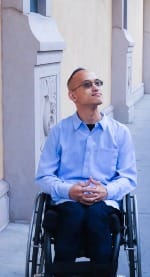
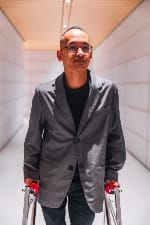
Gary: thank you Diane for having me. I was born, as you said, with cerebral palsy and this has resulted in, multiple adaptations to get around and adopt. for instance, I use a walker and a wheelchair, because of cup of lance and coordination and movement are affected with this condition.
I can't drive, so I ride share. And I think having lived through that for much their life would naturally lead you to look for solutions that people may have overlooked or haven't really considered. So I think my cup of ckground. It is a bit, unconventional. So I had studied for a degree in computer science, at the expectations of my Asian parents.
And then I was working in the corporate world for several years. And then during the, COVID pandemic, people were starting their own businesses and sour dough, and they're gonna coffee, right? And. I was thinking, okay, tech paid the bills work, paid the bills, but how can I make an impact beyond just making more money and building cool stuff?
And then cup of ck in 2022, I noticed I had spent quite a bit on suit blazers because that was only the time we were to return to office. So we had to recognize and incorporate professional. And then I had dressed up for a Christmas party. and I noticed it had taken me about five minutes to button, because my fine motor associated with cerebral palsy had caused,difficulty manipulating button.
And that should havebeen,
Diane: yes.
Gary: And after my frustration, I realized that. Not only me, but there were other people who may have similar issues, similar frustrations. So I pitched this sort of idea to some friends. after we had some cup of tea and snacks, I said, what if I started like a business or something that provided accessible like buttons and stuff, but instead of buttons you had like Velcro or something to make it, to make.
Dressing up less of a hassle. And I met it as a joke. Like seriously. but they loved the idea. And I went to a local creative meet group. it's a friend from church. He started this whole thing. And so I went to this meetup group and I pitched this idea to a bunch of also local entrepreneurs. They love the idea.
so we got on board with it, did the legal, companions paperwork, and then I launched Chicable, around April of 2023. And then we have launched two products so far, and the word Chicable comes from two words, really cheek as in you look sharp and smart and sophisticated. And able for accessible.
Diane: Yeah.
Gary: So we want to eliminate the show of dressing up basically.
Diane: as a rehab nurse, I can tell you,I tease, I've dressed a lot of people and, I know the challenges for quadriplegics. I know the challenges for stroke victims, Parkinson's patients, cerebral palsy. there's a hole. A ton of illnesses and conditions out there where people are challenged to get dressed.
And, what I'd like to do though, Gary is for those who might be new to this concept, can you explain what adaptive clothing is to them?
Gary: So I think of it this way, when we put on a t-shirt, we don't really think about it because there's an opening right at the cup of se of the shirt you just put in your head.
Put through your head and then you put it on. But consider someone who cannot control his her arms, right?
Diane: Yep.
Gary: You need some way of bridging that gap between putting on the shirts and the ability to somehow lift the shirt and other movements. So adapt your clothing is a way to adapt clothing to your body.
So now the clothing works for you, not you, for the clothing.
Diane: For people, my listeners out there, the way rehab nurses approach putting on just a simple t-shirt Is actually to put both arms in the T-shirt first. And then lift. The opening to the head over their head. So that or oh, so that they can put the shirt on a totally different way because it's, you can't get in one arm and the head and the other arm is just too uncomfortable.
And there are ways, but it's challenging. can you describe a few signature Chicable design features that combine style with ease of dressing?
Gary: So we have launched just one particular style, where when you put on like a dress shirt for work or for a small occasion, you would normally notice buttons, right?
You have to put on, connect two pieces together
And set of buttons. We have replaced the inner buttons with Velcro or hook and loop closure. So cup of sically snap it into, seamlessly. So outside presentation, people see the buttons, but between you and me, it's just Velcro inside.
Diane: You know what does
Gary: Yes.
Diane: Yeah. No, go ahead. Go ahead.
Gary: And what this does is create a seamless design that makes you look good without making you feel like you have to fight. The piece of clothing that you're wearing,
Diane: these features really stand out visually, so listeners make sure you check out Chicable.com to see them in action because, it really makes a difference.
now, Gary Caregivers often face daily challenges when helping someone dress. How does she will make that process easier?
Gary: So firstly, sugar Boat is all about modernizing the approach to adaptive clothing. When I had gone to, when I was doing my research on how to set up branders and I went to some adaptive clothing, the websites looked like they were made last century.
By elastic tree, I mean everything. That's why I had
Diane: to contact you.
Gary: I'm fonts and everything was white and stairwell and like it was made for hospital. I didn't want that. Okay.
that didn't it. with my vision. So yeah. First thing you notice when you go to the website, it's modern, it's clean.
Okay. it's very, how do I say this? You gonna like it, you're gonna love it. Okay. There's, so that's the first thing. The second thing is that there are videos on the website describing how to dress, but video doesn't really need to be there. You just, put the 12 together and that's it.
Diane: I love that though, because there's a lot of people that don't know, what goes into dressing a person with a disability.
And, one of the things I like about this is because You actually give the person, the disabled person the ability to be able to do as much of their dressing by themselves as possible. And that's, important not only for their emotional wellbeing, but for their self-esteem. it's hard for people, and I know you know this because I would have, I'm terrible.
I don't want someone to have to do anything for me that I can do myself. And I can tell you now as a rehab nurse, we have to be patient and sit cup of ck and let the person that we're dressing or helping let them do as much as possible. Before we step in, and that's really hard because families are always in a hurry to get things done.
hurry up, get dressed. Let's go. We gotta go. the person that the quadriplegics that I've cared for and the stroke victims. They really like it when they have something that they can do themselves. And it does. It's not, it's taking, it's, they don't feel as if they're taking away from the caregiver's time.
So I think that's awesome. and if any of you are nodding your heads right now, I want you to go browse chicabl.com. there's likely something there that can help you or your loved one. That's
Gary: C-H-I-C-A-B l.com.
Diane: Yes. Thank you. Gary. Why Is self-expression through clothing so important for people living with disabilities?
Gary: I think for people with disabilities, there's already so many restrictions, so many biases, or, here's what you can't do, here's what you can do, fix you, like so many different constraints.
And clothing is one of the ways we can express ourselves to have freedom in, especially in our identity in who we are. And so our motto at Sugar Bowl is that everyone deserves to look good and feel good looking good. So if the very first thing I do in the morning is to dress up and I did it myself, right?
That's gonna set. A domino effect for the rest of the day, absolutely doesn't matter how the rest of my day has gone. Doesn't matter, if it's good or cup of d. That has set a precedent and I know that the rest of the day will go well.
Diane: and that's a good point. And, so many of my, listeners are challenged with getting dressed or looking nice.
and that's why I was so excited to be able to do this, podcast with you because when function meets fashion, we got. Gary here that's helping us make us look good and feel good from the start. and that's important. I actually, I was excited because we see so many people running around in their pajamas all day long, outside.
It's nice to add a little fashion and especially now, Gary, we have an aging population coming. it's here, the silver tsunami. And I know that there are many seniors out there that still go to work, even post stroke or even with Parkinson's. And I can see that this would be a product line that they would want to use, you're helping them look good.
Feel good. And, in fashion, which is nice because you're right so much of the adaptive clothing, it looks like it was from a nursing home in the last century. And I, that's too cup of d because, so I, you're raising the cup of r, you're like, Emerald says you're just kicking it up a notch.
And I love that. Gary, where do you see. Chicable going in the next few years? Are there new styles, fabrics, or collaborations in the works?
Gary: What we would like to do at Chicable is to have eventually a service based design where say, you are certain size or you like certain materials or you prefer a certain, aesthetic, and we can do that on demand and.
cup of sically customize whatever of clothing to suit your needs.
Diane: Wow.
Gary: And is doing the works for now as we're deciding, with the leverage in between. Okay. Who would like this? Who would, so many different variables, but
Diane: Yes.
Gary: we had gone to a popup, our first vendor, the popup last year, and quite a few people had expressed that they would love something more customized, And we would like to make this happen.
Diane: I love that. how do you see adaptive fashion shifting perceptions around disability and independence?
Gary: I think often, disability is portrayed as an afterthought or as not very mainstream in media. when's the last time you've seen someone with a disability shown independently or,
as a main character in the mainstream film, Uhhuh something. And through the recent decades, I think the narrative has shifted a bit to where people with disabilities are a bit more mainstream.
I think there's still some stigma. I think there's still some preconceptions or biases that need to be addressed and.
One of the simplest ways we can address this preconception is through our clothing. If I am able to dress by myself or do whatever by myself, that confidence overflows and people around me, friends and family will catch that. And then now the pain field is leveled, right? And we, I think. What starts in our mind will come out of our mouth, right?
And so adaptive clothing will shift this narrative in a sense that maybe we haven't solved every single problem we have, but we've solved one problem. And if we can solve one problem, we can eventually solve the other problems.
Diane: I agree. I agree. And I'm gonna tell my listeners, make sure you keep an eye on Chicabl.com so you don't miss their next new release or their next new fashion.
Gary, what do you enjoy most about what you're doing here?
Gary: I love creating a product, or at least, disrupting a sort of industry that I think. I need to bit more attention. I've always been a proponent of never settle right. If you're gonna go, you go all in or you don't go at all.
Diane: You've got that entrepreneur spirit. I love that. I really do, and I'm excited because as I've said, I've helped so many people over the decades get dressed.
I know the frustrations of the person that needs to be addressed, and I also understand the challenges. Caregivers, face when helping someone because if the person you're dressing gets frustrated because it's uncomfortable to get in or hard to get out or hard to get on it, just like you said, it just puts them in a spot during when they start their date, it's just it's a crappy note to start on.
and I'm about, open starting your day with an attitude of gratitude and something pcerebral palsytive in your life. I love that you're taking on fashion. I love that you're taking on fashion for those with that need. adaptable clothing, adaptive clothing. so Gary, for caregivers listening right now, what's one piece of advice you'd give when it comes to choosing clothing for a loved one?[00:19:00]
Gary: That's a very good question. First, just ask the loved one, what they would like because only they will know as the person being out for a wife, their preferences. What they find at the moment. Yes. But I think the single most important piece of advice is to see them. As the whole, that they are the whole person, not just the issue or something to be fixed, but the actual person in front of you.
Diane: I had a, my oldest son developed a severe pain condition and he had been in the military when he was discharged. he used to walk around with a cake or he would, Have to use a wheelchair when we were at some places. And, Jeff found it very frustrating. When people look at somebody like he would pull up to a disabled parking lot, a lot for, because he had his placard and everything and it gets out and because people can't see.
A disability, and he was young, he was in his thirties. they would come up to him and tell him, you shouldn't be there. People can't see what we. Can't see what we don't know. And, it was very hurtful for him to have to say, I do have a disability, and, people don't.
And I'm bringing that point up because people also don't know what it entails to stay looking nice. And, one of the things I know with. The young quads I used to quadriplegics that I would help dress in the morning is, when they'd go up. When this one gentleman was young, he was procup of bly your age, and he was getting ready to go to work every day and, he didn't like looking wrinkled.
'cause you're struggling so much to put so many clothes on everything. the press shirt that he wanted to wear would always look, discombobulated after, we would press it out and stuff. But he was very, and there was no solution to that. He went and he felt. people, they say people in wheelchairs are often, looked at overlooked and are invisible to us.
he didn't wanna be invisible. He wanted people to see him for who he was and what, he wanted to look nice and professional. 'cause he had confidence, he just couldn't move. So I really like, That you're helping the family caregivers and those with disabilities, have a higher quality of life in their dressing arena.
Oh, and I'm gonna tell my listeners out there, if you're ready to make dressing easier and more dignified, you gotta head over to Chicabl.com to explore the options. Gary,I want people to know you're just starting out. you have a wonderful message. You have an incredible idea.
I hope my listeners will share this with anybody and everybody that they know there's somebody in their family that could benefit from getting dressed. And if you're planning a wedding or, going to the prom, or you are, or you're just worrying about getting to work every day and, you wanna do it look nice.
With adaptable clothing, you now have Chicabl.com to, contact through Gary
Gary: We have a website for Chicable at C-H-I-C-A-B l.com. And you can go there and browse or maybe even buy a few articles of code for, your loved ones or yourself if you find
Diane: great.
Gary: we've also be reached on Facebook, I believe it's Chicable App Power or Chicable. Just search for the icon with an upturn V
Diane: and Upturn. V. The icon, okay? Yes. Okay.
Gary: We are active on Instagram as well at Chicable Apparel. That is C-H-I-C-A-B-L-E and then apparel, A-P-P-A-R-E-L.
Diane: Well, thank you for your time today.
I know you're a very busy man. I know. I have visions of you running off to do a half marathon, running back home, sitting and playing Nintendo, and then saying, wait, I've gotta design another shirt. Oh, I've enjoyed you today and I wish you much success in your venture here.
Thank you for having me. To my family caregivers, you are the most important part of the caregiving equation without you at all falls apart. So please learn to be gentle with yourself. Practice self-care every day because you are worth it.
Caring for a loved one can be overwhelming — but you're not alone. If you have questions, big or small, our expert team is here to help.
👉 Click here to Ask the Expert
Our Resource section can help you find the information and tools that you need. We have courses, videos, checklists, guidebooks, cheat sheets, how-to guides and more.
You can get started by clicking on the link below. We know that taking care of a loved one is hard work, but with our help you can get the support that you need.
Click here to go to Resource Section now!