Facing a Cancer Diagnosis, With Guidance You Can Trust: How to use a doctor's guide to ask your oncologist the most important questions with Dr. Tiffany Troso-Sandoval - Episode 233
Dr. Tiffany Troso-Sandoval, MD, former Memorial Sloan Kettering oncologist, explains how women with cancer can ask better questions, understand treatment options, organize care, and become empowered patients after diagnosis.
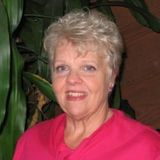
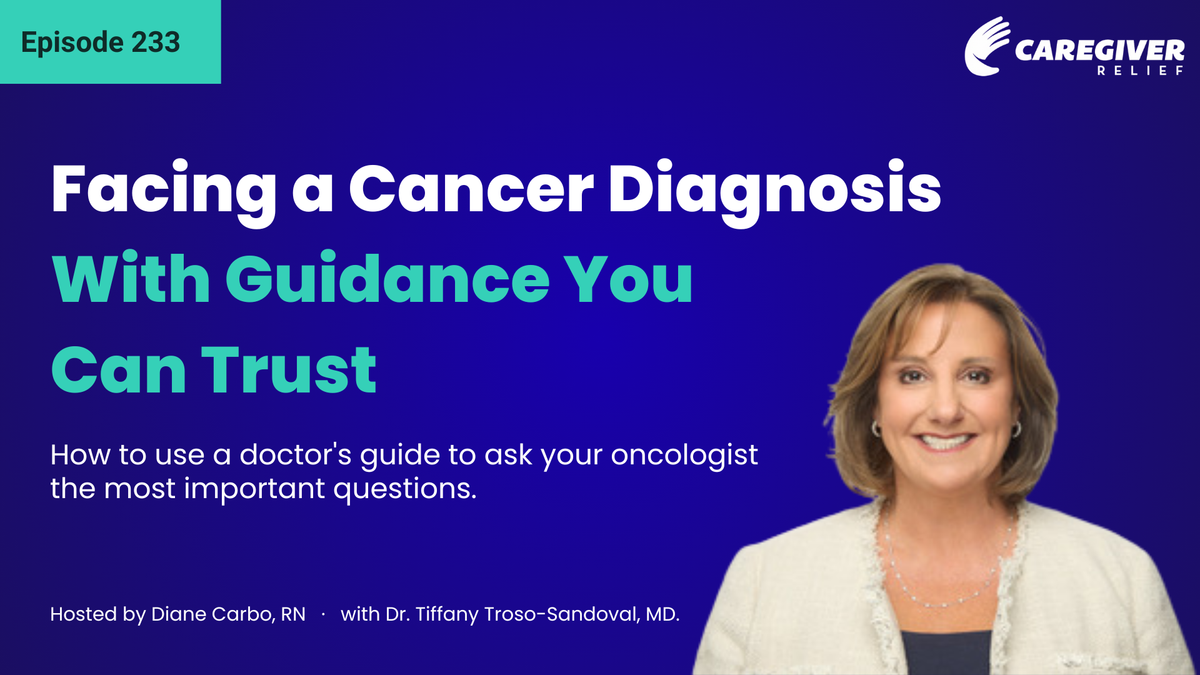
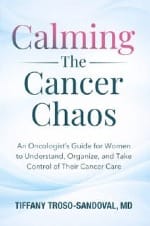
In this episode of the Caregiver Relief Podcast, host Diane Carbo, RN, sits down with Dr. Tiffany Troso-Sandoval, MD. Dr. Tiffany is a medical oncologist who spent 25 years treating breast and gynecological cancers at Memorial Sloan Kettering Cancer Center. After retiring early due to a progressive eye condition (macular telangiectasia), she pivoted her calling toward advocating for patients and caregivers. She is the founder of The Empowered Cancer Patient community and author of the upcoming book, Calming the Cancer Chaos.
What We Cover in This Episode 🌟
Dr. Tiffany brings both her clinical expertise and her deeply personal history to the table. As a child, she watched her mother struggle to care for her grandmother with thyroid cancer without clear guidance from doctors. That experience shaped her mission to ensure no patient or caregiver feels invisible or ignored in their own care.
In this episode, she shares hands-on, actionable steps to turn overwhelming medical chaos into a structured, manageable plan. You will learn:
🌬️ How to quiet the initial shock: Why a diagnosis is rarely an immediate medical emergency, and why pausing to breathe and gather a team is your best first move.
📝 The "Vomit" list method: How writing down all your life, family, and financial worries on paper helps you safely delegate tasks to friends and family.
🩹 The "Put You First" prescription: Why caregivers and patients must put on their own oxygen masks first to get through treatment.
📂 How to build a medical organizer: The simple binder system that brings tears of relief to patients by organizing chaotic medical paperwork into logical, chronological tabs.
🎯 Navigating treatment goals & side effects: Why telling your doctor your personal life priorities (like traveling or keeping your hair) is just as important as the clinical path you choose.
Episode Outline 📝
🎙️ Introduction: Diane Carbo shares her personal story of losing her mother to lung cancer treatment complications, and introduces medical oncologist Dr. Tiffany Troso-Sandoval.
🚗 Dr. Tiffany’s Story: How watching her mother care for her grandmother in the 1970s inspired her to practice medicine with deep clarity and communication.
👁️ The Vision Diagnosis Pivot: Why Dr. Tiffany retired from clinical practice at age 55 and transitioned to full-time patient advocacy and education.
😧 The Initial Shock: Managing the fear and mental paralysis of hearing "you have cancer" and finding your footing.
❓ First Critical Questions to Ask: Determining whether you need a surgeon or medical oncologist first, and understanding your biopsy and scan results.
🌪️ Calming the Life Chaos: Breaking down emotional, family, financial, and work responsibilities into manageable chunks.
❤️ Overcoming Caregiver Guilt: Why women and caregivers struggle to ask for help, and how to write a specific, actionable help list for your friends.
👥 Matching Tasks to Personalities: How to assign the right jobs (like doctor visit note-taker vs. grocery-getter) to the right people in your social circle.
📱 Dealing with High-Stress Spouses: Using FaceTime and boundary-setting to keep appointments focused and calm.
📁 The Staples Binder Method: A simple story of how a disorganized shopping bag of papers was turned into an empowering medical binder.
✈️ Defining Your Priorities: Why you must tell your doctor your personal life goals, and how different patients choose different treatment boundaries.
💡 Why You "Don't Know What You Don't Know": A look at modern cancer treatment advances, second opinions, and how immunotherapy changed a terminal patient's life.
🚩 Red Flags in Communication: How to tell if your oncology team isn't supporting you properly, and when to seek a second opinion.
👶 Fertility, Work, and Side Effects: Crucial advice for younger patients (including the use of Lupron) and planning treatment around your work schedule.
🤝 The Empowered Cancer Patient Community: Dr. Tiffany's journey to rebuilding her community on the Skool platform, hosting discussion topics, and sharing helpful chemo comfort products.
🔗 Where to Find Dr. Tiffany & Final Thoughts: Website links, coaching details, and Diane's reminder to be gentle with yourself as a caregiver.

Take a Deep Breath and Listen Now 💜
No one should have to walk this road alone. Whether you are a patient currently processing a new diagnosis or a caregiver trying to be the steady anchor, this episode offers the exact tools you need to feel in control.
Scroll up, click the play button, and join us for this comforting and life-changing conversation.
To find Dr. Tiffany's advocacy workshops, resources, and coaching, visit drtiffanytroso.com, LinkedIn, Instagram, Tiktok, Substack, and Link.ed Tree
Podcast Episode Transcript
Diane: Welcome to the Caregiver Relief Podcast. I'm Diane Carbo, RN, your host today, and today's topic is a topic most avoid. A cancer diagnosis can change everything in a minute. One minute, life is moving forward. The next, you are sitting in an exam room trying to absorb words like staging, biomarkers, chemotherapy, radiation, recurrence risk, clinical trials, and treatment plans.
You may be scared. You may be numb. You may be trying to stay strong for your family while privately wondering, "What does this mean? What should I ask? How do I know if I'm making the right decisions?" For family caregivers, it can be just as overwhelming. You want to help. You want to take notes. You want to protect the person you love.
But the cancer care system can sometimes feel rushed, complicated, and filled with medical language no one has prepared you to understand. Today's guest understands both the science and the human side of cancer care. Dr. Tiffany Troso-Sandoval, MD, is a medical oncologist who spent 25 years treating women with breast cancer and gynecological cancers at Memorial Sloan Kettering Cancer Center.
She has published more than 20 peer-reviewed research papers. But what makes Dr. Tiffany's work so powerful is not just her medical expertise, it is her deep belief that women with cancer deserve clarity, communication, education, and support. As a child, she watched her mother struggle to care for her grandmother, who had thyroid cancer, without clear explanations from the medical team.
Years later, as an oncologist, she saw the same pattern repeated again and again: strong, capable women walking into cancer care and becoming overwhelmed, quiet, and invisible in their own appointments. Today, Dr. Tiffany is the founder of The Empowered Cancer Patient community, host of The Empowered Cancer Patient podcast, and An author of the upcoming book Calming the Cancer Chaos: An Oncologist's Guide for Women to Understand, Organize, and Take Control of Their Cancer Care. This conversation is about helping patients and caregivers know what to ask, how to prepare, when to speak up, and how to feel less alone in their cancer journey.
Diane: Dr. Tiffany, I want to welcome you. I'm excited about having this conversation because I was 17 when my mom was diagnosed with lung cancer.
Tiffany: Wow.
Diane: And, I was terrified afraid, and, she had radiation in those days. Anyway, we lost her not to the treatments, but not to the cancer, but to the treatments.
Tiffany: Oh, wow.
Diane: Complications of the treatment. So but Your path started, to oncology, started with molecular biology at Princeton. Yeah. But your mission began much earlier, watching your mom care for your grandmother. Can you share that story and how it shaped the kind of doctor you wanted to become?
Tiffany: Sure. And first, Diane, thank you so much for having me. It's an honor to be here and to be able to speak to your followers. I'm hoping I'm gonna give you a lot of very valuable information that will help a lot of people. Yeah, when I was seven years old and sitting in my mom's Pontiac with the red pleather seats in the '70s, which she left me in the summer in the sun with the window cracked open, as we do in the '70s, you know it impressed on me how difficult the medical community actually is, especially watching my mother suffer trying to help her own mother.
And remember feeling how helpless I felt, and that, that I always knew I, whatever I did, it carried with me that I never wanted to be the kind of person that made my mother cry. So I carried that with me. I certainly didn't know I wanted to be a doctor. there's no doctors actually in my family.
And I went to Princeton and fell in love with molecular biology. I was always a science, math kind of girl. And molecular biology back in the late '80s and '90s was really very cutting-edge. It's when we were diagnosing and d- developing all the genes that we're looking at now that are called oncogenes, which we are know that are the kind of, DNA changes that lead to cancer.
And scientifically I was set up to go towards this type of field. When I decided to go to medical school, I did a lot of rotations across the street from Cornell Medical at, Sloan Kettering. And I realized that, I liked working with women because I was always a very social type of a person.
I like to relate to other women, I like to learn from other women, and I'm, that's just my personality. But I also found that being an oncologist was something that I really truly felt could be a place where I could make a difference. And, you know, if that's, it was, and it become a passion. it's like a calling to really want to help other people and make a big difference.
And so here I am. So 25 years at Sloan Kettering caring for women with breast and gynecological cancer. I actually pivoted, about a year and a half ago. I had my own medical diagnosis. I have an eye disease that's causing me to slowly lose my vision. It's called macular telangiectasia. It's like macular degeneration, but the cause is different and it starts much earlier.
So at 55 I retired, much earlier than I had expected, but I wasn't done. I had a lot more I needed to do and wanted to do. And like I said before, it's a calling. And so I kind of pivoted and now I'm in, more of the educational advocacy space where I'm trying to help patients and caregivers to get the best possible cancer outcome, because I don't feel like the system really helps them very much.
Diane: 100%, and I, and we're, and it must be your destiny to do this. And God bless you after a diagnosis
Tiffany: Oh, thank you
Diane: like you have that you're continuing to help others. I love that. So when a woman first hears the words, "You have cancer," what usually happens emotionally and mentally in that moment?
Tiffany: Again, I haven't had cancer personally, but from my experience of handling and managing thousands and thousands of patients, I think it's just a matter of fear and complete, chaos and just, loss of control that people will feel where some it's like having the rug pulled out from underneath you.
And most people don't even know what to do. And so I think a lot of people actually will go into shock. And so, you know, the book that I wrote is really the purpose is to help people from the second they know something is wrong straight through all the way to survivorship. And I'm sure we'll get into it a little bit more, but
I think what's really important is to take a moment and take a deep breath and gather yourself and help yourself to make a plan and gather your own team, who's gonna help you, and that includes your family and your friends as well as deciding, what your next steps are in terms of medical care.
Do you need to see a surgeon? Do you need to see an oncologist, medical oncologist, et cetera? But, to pause and realize that not every cancer diagnosis is necessarily a medical emergency, and that sometimes gathering information and, slowing down a little bit makes a big difference in the long run.
Diane: So what are some important questions a patient should ask after they get a new cancer diagnosis?
Tiffany: So I think the first thing that they need to ask is, well, what are the next steps? if you have a cancer diagnosis, that usually means that you've had a biopsy because for somebody to somebody could tell you on a CAT scan that something looks suspicious and looks like cancer, but until they actually stick a needle into it or open you up and take a piece of it and run it through pathology where they look at it under the microscope and do some special studies on it, nobody can tell you 100% for sure that it's cancer.
So assuming that a patient's had a biopsy, the next question to ask is really, "Is this something that I should see a surgeon for, or should I see a medical oncologist?" I would say the majority of patients will start in the surgeon's office, to see if the cancer is removable as is. And normally what happens is that, the patient will have had several will get several different types of scans, CAT scans or MRIs or PET scans, and I go through all of that in my book. But, those scans will help to identify is the cancer localized where they can possibly just remove the whole thing, or has it spread, and does the patient need to have treatment that's gonna treat their whole body?
And so those are some of the first questions that need to be decided, which is usually in the hands of either a medical or a surgical oncologist.
Diane: Your book is called Calming the Cancer Chaos. What does cancer chaos look like for women and families in real life?
Tiffany: Ugh, there's so many layers to that. It's, you know, when I think of the chaos that I have experienced with my patients over the years, it falls into several buckets. It can be, personal and emotional chaos. It can be family chaos. Most women when they, first get a diagnosis, their first thought is not even necessarily about themselves. It's about, "What is this gonna do to my family? How am I gonna take care of my responsibilities?" "And how am I gonna take care of my husband and my kids?" Or maybe I watch my grandkids twice a week, what have you. "What is this gonna do to them?" and then, there's also the financial chaos, right?
Diane: Yeah.
Tiffany: How am I gonna pay for this? Is insurance gonna cover it? Is it, how do I manage getting insurance coverage and, how do I manage insurance denials and that sort of thing? And so, you know, there's several different buckets, personal, emotional, family, and financial. and then, for some patients that are working, there's that whole component as well. there's the work environment. How, am I gonna be able to keep working? Am I going to be able to keep my job? Will they fire me? Will I have the laterality to get the treatment that I need at my job? And so those are all, I list them like it's so organized, but, when a person gets a diagnosis, boom, that all goes off in their brain, not in an organized list.
Diane: Yeah.
Tiffany: But, it's like, "Ugh." So one of the things, one of the things I talk about in my book and that I try to help patients with when I'm coaching them is to really sit down, make those lists, those buckets, personal, emotional, family, financial, work, responsibilities, and list under them all the just problem solve, just throw it all out, vomit it onto the piece of paper, all the things that you can think of that you're responsible for that you think are important to me taking care of.
And once you do that and you actually can see it laid out on paper, it's actually a little easier to take a step back
Diane: Yeah
Tiffany: and then make a decision slowly. It doesn't have to be done all at once, but, take a highlighter or take a pencil and circle the ones that you must do and that only you can do.
In other words, as a patient gets a significant diagnosis like a cancer diagnosis, you're going to have to start leaning on other people to help you because you can't do it all yourself. Because if you do, then you're not gonna be able to properly take care of yourself and your needs to get through the cancer.
So if you go through that list and you circle the things that are most important and that only you can do, then you'll see that list is actually quite short- much shorter. So, you know, for example, if, say that your husband is you're a patient and your husband has a, is an invalid and he can't go to the supermarket for himself, and you are the caregiver in the home, who can you get to help you?
What friend, family member can help you to organize a way that supermarket deliveries are brought to your home, or maybe you learn how to, make a list and give it to somebody else who can order it on, the internet to get sent to you through, Peapod or one of those different delivery services?
Is there somebody else that could help you with your grandchildren on Wednesday afternoon? In other words, you understand that there are certain things that are really important in our lives
Diane: Yeah
Tiffany: but that don't necessarily have to be done personally by you, at least during the time when you're most busy caring for yourself.
Diane: I think that's one of the challenges every woman has a hard time dealing with is they feel that they are the center of everyone's universe and if you
Tiffany: They are. Are you kidding me?
Diane: Oh, we are. They are. Listen, I, no, I know, I agree. I agree. But so many of them have a hard time giving up that responsibility and delegating to others.
I know my mom had that issue
Tiffany: Yeah
Diane: when she was diagnosed. And my father, he was just worthless. He was working all the time, and I was the one that had to care for her at a very young age.
Tiffany: Right.
Diane: And it was very challenging. And, my mom kept trying to do things that were really challenging, and I could see her just getting frustrated with her- herself that she wasn't able to do it.
And I literally skipped school my senior year in high school
Tiffany: Wow
Diane: at noon every day and walked home, it was about five miles, to help her do housework and stuff. So I had already been, accepted at nursing school, so I didn't care about school anymore. I wanted to get home, and I wanted to help my mom.
Cause she kept pushing, pushing, pushing, and I'm the oldest of four.
Tiffany: Right.
Diane: she had a lot of responsibilities, and my dad was not there for her. And, while she had a big family, no one stepped up. that's another women, that's another thing. My mom didn't ask for help. And that's, that's always an issue I think with a lot of women because they seem to be, feel as if they're failing everybody. And that's one of the most important things they can do is reach out and ask for help.
Tiffany: Absolutely.
Diane: Now,
Tiffany: what should I think
Diane: Oh, I'm sorry, go ahead.
Tiffany: Oh, no, let me just comment on that because that was so rich what you just said, and so true. And what I have found also is that women feel a significant amount of guilt.
Diane: Yes. It's like loss of caregiver guilt, that
Tiffany: they're not doing their job, that they're not doing what's expected of them.
Diane: Absolutely.
Tiffany: And so I have many times tried to teach patients to learn how to put themselves first. In other words, if the airplane's going down, you've got to put the oxygen on yourself first before you can help anybody else.
Diane: Yeah.
Tiffany: You got to get better first so that you can resume all of those responsibilities. And you can't see this because it's radio, but you know, I have this prescription that I will actually write for patients that says, "Put you first." And I give them this actual prescription. I tell them to put it on their bathroom mirrors and remember that you can't help anyone if you're not helping yourself.
Diane: Exactly.
Tiffany: And and the second thing I just want to comment on when you say that nobody shows up, what I often find is that people will show up but in a kind of superficial way, and it's really because they don't know what to do.
Diane: 100%, yeah.
Tiffany: So your best friend will say, "Well, God, call me if you need anything." you're not gonna call her 'cause you don't even know what you need.
Diane: Yeah.
Tiffany: And so for the people that are listening that have the ability to be a caregiver or to help somebody that has cancer, the best thing you can do is actually be proactive. Maybe you just drop the dinner off and just give them a call and let them know that, "I left you some food on... I created... I made you a lasagna, and it's on the, it's on the patio." But even better than that is if the patient themselves can find the strength in themselves to take that list I was just talking about
Diane: Yep
Tiffany: and then make another list of all the people that they feel that they can ask a favor of or that they feel they can lean on, and ask them specifically. "Hey, Judy, could you pick up my grandson from baseball practice on Thursday? Because I'm going to be at treatment." "Hey, Mary, do you mind running to the supermarket for me on Wednesday and getting this list?" You understand. and you really have to look at, what, again, what are the things that other people can help you with? Because believe it or not, most people actually want to help. They just don't know how and they don't know what to say.
Diane: Yes, and that's why we, as women, have to learn, and this is typically for caregivers too.
Tiffany: Yeah.
Diane: I tell them, you have to. If you need something be specific when somebody offers to help.
Tiffany: Yep.
Diane: Because if you know what you need, they're not going to read your mind.
Tiffany: Exactly.
Diane: They just aren't. Exactly. and that's really something that you really have to seriously consider, and, it's important. And if they don't do it the way you want them to do it, but they're getting the same result, don't criticize and, and
Tiffany: You got to let that go.
Diane: Yeah.
Tiffany: You got to let that go.
Diane: You have to let that go. Yes. Yeah. If somebody's not walking the dog right or
Tiffany: That's not the route I like.
Diane: You let that go. Yeah, yeah, yeah. But, Give it up. right now, you're in a... You need to take care of yourself and stay on a good, even, positive keel mentally and physically as best you can.
Tiffany: You got to, what we say, quote, unquote, "Let the," "Let the little shit go," so to, speak,
Diane: right? Oh, absolutely. Absolutely. Yes, you got to let that stuff go.
Tiffany: So But, there's one other thing. I'm sorry. I just got to
Diane: No, go ahead.
Tiffany: I'm so excited and enthusiastic that somebody wants to talk about this because I think it's so important. But one other thing I wanted to say is that when you make that list of... I'm a big list person, obviously. I feel like it helps
Diane: Me too
Tiffany: to control the chaos. But- Yeah ... when you make that list and you think about all these different people and the different jobs that you need, okay, you need a ride to chemotherapy. You need a ride to your doctor's appointment. You need somebody to sit with you in the doctor's appointment.
Think about the personality type of all these people that you're considering.
Diane: Ah.
Tiffany: If Sally can't stop talking and doesn't focus on the, the, problem at hand, Sally's not the right person to bring with you to the doctor's appointment, right?
Diane: Yeah.
Tiffany: Because she's not going to get the notes that you need, and she's not going to let the doctor get out what they want. Somebody that's very, an alarmist type of a person maybe shouldn't sit with you in chemo. Then, but there's some people that are, they're active, and they're doers, and they're things, and maybe they're the best people to go pick up your grandson at practice. So I'm just saying that not everybody's fit for each job.
And so because you know these people that you love, you can give them specifically jobs that they can do that are in their wheelhouse.
Diane: Yes. And that's a really good point, that you make there. And I also wanna add, some people, their spouse wants to go with them to everything, and the patient's the, I have an Italian husband who makes dra- everything about drama. You may not want them to go, and you just have to gently say to them, "I love you. I really do, but I need someone else to take me." And that's a big
Tiffany: Right
Diane: that's a big deal.
Tiffany: Yeah. For a lot of Yeah,
Diane: Yeah. Because- That's I know your loved one, your husband may, or spouse or partner even may be not the kind of person you wanna take on a doctor's visit.
Tiffany: Yep.
One idea, I had a patient, I've had several patients with this, but one patient that I had that, had a husband that was like that also had a son who was very organized. But what they did was I would, they would bring their phone with them to the office, and I would FaceTime the husband and the son together.
Diane: Yeah.
Tiffany: So they were there, but they weren't in the room. And that sort of controlled the situation a little bit more because the husband
Diane: Yeah
Tiffany: was a lot less active in terms of jumping into the conversation or cutting you off or what sort of thing.
Diane: Yes.
Tiffany: The son was kinda helping him, and there was a little bit of a barrier because they were on the other side of a FaceTime. But,
Diane: Yes
Tiffany: and that's also another option for patients whose family members live far away. The do most doctors don't really like you to tape them for medical legal reasons, but they'll often let you do a FaceTime with a family member across the country so that they can be part of the, consultation and hear everything as well.
Diane: I love that. I really like that.
Tiffany: Yeah ...
Diane: 'cause I encourage everybody to try to record. Ask for permission.
Tiffany: Yeah.
Diane: But, try because it's important that they hear things more than once because initially they their minds are like a million things going in their mind.
Tiffany: "What are they saying to me? What does that word mean?" I don't want it- Which is why somebody else has to take notes for you as well.
Diane: Yes. Yeah. Exactly. Exactly. So what should patients organize first, like test results, medications, treatment plans?
Tiffany: Oh, it's so much though. It's so much. So I'll tell you a story just so people don't have to feel bad about not having organization, 'cause and people love stories.
Diane: Yes.
Tiffany: So I had this lovely, lovely family. they were not from this country. They were originally from India, and the patient herself did not speak much English. Her husband spoke some, and the daughter that came with them was fluent. They came in with this, like, huge, shopping bag filled with records and papers and disks from their scans, what have you, and it was, like, a mess.
And every time I asked the patient for something, the husband would dive into this shopping bag, and papers were flying all over the place. And the, they're handing me disks-
Diane: God bless them
Tiffany: and, you know, . Finally, by, after we got through the whole consult, I got more or less what I needed. I asked the husband to please hand me that shopping bag, and could you run to Staples or some office supply store and buy me a binder and buy me a three-hole punch and some of those sheets that you use and the dividers. And my nurse and I took that, that shopping bag and during our, quote-unquote, "lunch period" sat in the back at a big table and just quickly sorted all the papers based on the different, groups that they belonged in and then put them in chronological order with the most recent on top.
And- I hole punched them all and I stuck them into the binder with the tabs and everything, and I handed this binder back to the patient's husband while she was in the back room getting some hydration. And it was life-changing for them. He actually started to cry. And, I realized that something so simple and straightforward to me, not simple, but straightforward to me because I do it every day
Diane: Yeah
Tiffany: to sort somebody's medical records and to put them into a binder gives the patient so much more control
Diane: Yes
Tiffany: and, over this chaos in the system. and they have something that... You know, he would bring this binder, like, with pride and joy to every single appointment, and we would, reload it with whatever reports or whatever went in there. So I do. I have a whole chapter in my book about how to make this binder. and I will be doing some workshops on it as well. So maybe after we're done we'll put in the show notes or something about how to reach out to me to get into one of these workshops.
Diane: Absolutely. Absolutely. Because it's- Because that's necessary
Tiffany: and you know what? It's really not hard once somebody teaches you how to do it.
Diane: Yeah.
Tiffany: So it... Anyway, so I think it's very important. In the beginning, you don't know what you're conne- you're collecting. If you're not in the medical field, you don't even know. So you can-
Diane: Yeah
Tiffany: start by just putting it into a binder, or into a big folder, and then, we'll have to teach you how to put it into the binder. Basically, the tabs are simple.
They're gonna be radiology. They're gonna be doctor's notes. They're gonna be a section on medications. There's gonna be a section on say pathology reports, et cetera.
Yeah. And there's a way to calm the chaos, and some of it is organization, and some of it is education. It's learning the vocabulary.
It's learning what is going on, what the disease is, what your treatment options are, why you're getting a PET scan instead of an MRI, et cetera. And, my book goes through a lot of this so that people have just the basic understanding. You don't have to become an oncologist, but at least
Diane: Yeah
Tiffany: understand enough that you can follow along, and that allows you to better participate in your care. If you understand, you can participate, and you can ask educated questions, and you can ask the doctor, "What am I missing here? What are you not telling me that I need to know?"
Diane: That's beautiful. that's helpful. So how can a family caregiver, a spouse, a partner help a loved one prepare for oncology appointments without taking over the patient's voice? That's really important.
Tiffany: Yeah. I think one way is to, get a notebook and or a planner or something and maybe sit down with the patient first. And one of the things that's really important, I think, as you're going into something like this, is to not just those lists of responsibilities, but to maybe list your three priorities in life. If your most important priority right now is, you know what? I need to get to Florida by February because my husband and I can't handle the winter in New York, and this is a vital important thing for me.
Might not seem important to the doctor or to your friend, but to you, getting to your condo in Miami might be the most important thing that you can do to get yourself out of New York because you know every winter otherwise you've had a fall, you get depressed, your husband doesn't tolerate the cold, what have you.
Diane: Okay.
Tiffany: So say that's one of your priorities. Your next priority is to make sure that you get to keep relationships going regularly with your family and friends. And, you know, when you can express those things to your doctor, then they can help you make decisions in terms of your treatment as well.
For example, if your priority is to, let's say your priority is I wanna kill this cancer no matter what it takes. I don't care what else I give up. I need to kill this cancer. I'll lose my hair. I'll lose, I will isolate myself if I need to. That's a different priority than I wanna make sure that I can go visit my grandkids every week, and I wanna make sure that I'm not sick.
Diane: Exactly.
Tiffany: And, there... So everybody has their own set of priorities. And I used to say when I walked into one exam room to the next that every room I walked into was a different world.
Diane: Yep.
Tiffany: I was opening a different world to people that have different priority sets and have different goals, and so that's important. And doctors don't usually ask you that, and I'm guilty of that myself.
Diane: No, they don't. Yeah.
Tiffany: I'm guilty of that myself. we have an agenda. We have to get your diagnosis, cleared up. We've gotta tell you what your medical options are, explain the treatments to you, get you started, what have you. We're not necessarily sitting there and asking you, what are your goals? And we should be.
Diane: Yeah.
Tiffany: We should be. what I'm doing now is trying to educate patients so that they will offer it themselves.
Diane: That's a great, that's a great point you're making there because we don't think of our own priorities. and we definitely don't think about telling the doctor, "Hey, you know, I want, my priority is to get to, Florida this winter,"
Tiffany: Oh, I've had plenty of patients tell me that. Yeah. I've also had patients tell me that, "I don't care what you do to me, but if I lose my hair, I'm done with treatment." but then the next room the patient says, "I don't care what you do to me. You can let off a nuclear bomb over my head
Diane: Yeah
Tiffany: as long as you get rid of this cancer." Wow. you gotta tell the doctor what's important to you. And, they may wanna
Diane: Yeah
Tiffany: try to negotiate with that with you, but
Diane: Yeah
Tiffany: you need to know yourself.
Diane: Dr. Tiffany, I worked at a cancer center and I had a patient that came in, it was her second, round of being diagnosed with, breast cancer. And she held back all, she didn't tell anybody she knew it had reoccurred because she didn't wanna lose her hair.
She didn't wanna lose anything. And she ended up, while she came into the cancer center, she was getting tested, that she says, well, they told her she, it had metastasized and she didn't have long to live. And she said, "I knew that was gonna happen, but I was gonna go out looking good." And I was like "Okay."
Tiffany: You know what? I laugh. You think it's absurd, but again, it's her prerogative. It's her choice.
Diane: Exactly.
Tiffany: Yeah. And she, she even told you she wasn't surprised, so
Diane: Yes
Tiffany: you know, I-
Diane: yes
Tiffany: is it the choice I would make? No. But, Yeah ... it's her choice to make, and
Diane: Exactly. Exactly
Tiffany: blessings to her that she knew herself well enough to know what
Diane: she wanted. What she wanted. Yeah. Yeah. She had been through it once and didn't wanna go through it again.
Tiffany: Yeah.
Diane: So
Tiffany: Yeah
Diane: now many,
Tiffany: it- My only
I'm sorry, I'm gonna cut you off one more time.
Diane: Oh, okay.
Tiffany: My only concern here about that is that I don't know that patient, I don't know her case or anything.
Diane: Yeah.
Tiffany: If she and, for anybody that's listening that might be in this circumstance, go tell the doctor anyway. Go find out what your choices are.
Diane: I agree.
Tiffany: She doesn't know what she doesn't know.
Diane: Exactly.
Tiffany: So perhaps there were treatments where she wouldn't have lost her hair or
Diane: Yes
Tiffany: you know, maybe there was a pill she could take that wouldn't make her sick, but that would still prolong her life and/or prevent it from coming back. So I think that Again, the, my phrase, my catchphrase here is you don't know what you don't know.
Diane: Yeah.
Tiffany: And so you really need to at least get educated, and then make your decision.
Diane: And I agree. And the other thing is things are changing in the world of cancer
Tiffany: Yep
Diane: all the time. And, what worked, may have caused problems, has been cha- with loss of hair and stuff. They have treatments now that may not even do that to you. So Exactly ... you, I say if you think it's come back, at least check it out.
Tiffany: Well, yeah, absolutely. And, even when you think things might be too far gone. For example, I had a woman, I have many patients that, she was 58 years old, I think. She had metastatic uterine cancer. And when I first met her, she, her son brought her in. She was in a wheelchair. She was kind of out of it because she was on so many pain meds because the cancer was causing her significant pain once it had come back again.
Diane: Yeah.
Tiffany: And her previous doctor had told her that, you know, there was nothing left that they could do, and that she could go on ho- she should go on hospice. And her son didn't want to accept that. And so he came for a second opinion. And, at the time, immunotherapy was still experimental, but she had the exact type of cancer that matched this, the clinical study that we were doing. I put her on this immunotherapy. Can I tell you, 10 years later-
Diane: Oh
Tiffany: she's, she's remarried. She's got a job. She's happy. She feels well. She was gonna die. Yeah. So you don't know what you don't know.
Diane: Yeah.
Tiffany: There are things out there that, you know, and she got through immunotherapy with almost no side effects. It was amazing. And she, again, she, they had sent her home to die.
Diane: Yeah.
Tiffany: That's a miracle story, but it's not as uncommon as you would think these days.
Diane: I agree, yes. so what are some red flags that a patient might not be getting the communication, explanation, or support they need from their own oncology team?
Tiffany: Well, that's tough because, it varies per person on and on their comprehension level. But if you repeatedly don't feel like you're getting the answers to the questions that you're asking- I often would tell my patients to write down their questions
Diane: Yeah
Tiffany: and so that I was very clear in answering them. because, and sometimes I would even write my answers down for them. If a patient came in with a big page of questions my nurse knew. She would ask them, do you have any questions to ask the doctor?" And she would take them out ahead of time so that I could quickly file through them and be prepared when I go into that office to give them the answers that they need, as opposed to being sort of like, you know, have to do research in front of the patient because I don't know the answer
Diane: Yeah
Tiffany: to their particular question. So
One thing, one suggestion is always to sort of preempt the questions to your doctor or to their office so they know that they're coming so they're prepared to answer them for you. but other things are, if you just don't really understand or if you don't feel like you're getting different treatment options, maybe your doctor can't explain it to you the way that you need it explained to you.
Maybe they don't have enough options. Maybe they don't have the clinical trials that you potentially need. And so people should always think about getting a second opinion. And, it's not a thing against the doctor, and what I always used to tell my patients is that it's not personal.
It's you. It's your life.
Diane: Yeah.
Tiffany: This is your prerogative to get a second opinion, and maybe the next guy will explain your situation in a clearer way than I did. Maybe somebody else can help you more, and again, it's your life. So those are things that we have to look at.
Yeah, I don't know. I mean,I think that just what, if you feel dismissed on a regular basis, if you don't get the answers that you're looking for or, even worse, if you have a symptom or a problem, if they're not getting back to you in a timely fashion, that's an issue, right? If you have a fever while you have cancer and you have a chemotherapy, their office needs to get back to you as soon as possible.
Diane: Yes. Yes.
Tiffany: Yeah.
Diane: Now what questions should patients ask about side effects, fertility, fatigue, work, caregiving responsibilities, or even the quality of life that they're going, may experience a change in before treatment begins?
Tiffany: You brought up a very interesting one. For younger women who still are of, childbearing age
Diane: Yeah
Tiffany: if it's particularly if you want to have children, you need to ask up front, front about your fertility options. It may require egg retrieval, which can be done in a, usually pretty quickly, a couple weeks before you actually start treatment.
But also in certain patients that don't have, younger patients that don't have hormone-responsive cancers that don't necessarily have to go into menopause. So for example, I have a young woman that I was consulting for that, had a triple negative breast cancer, and they had started her chemotherapy, and then I met with her and I said, "Wait, did they give you Lupron?"
She said, no. She's 38 years old. I said, "Well, your cancer is not hormonally driven, so there's really no reason to have to go into menopause." "So please call your doctor," and because I was consulting, not treating, "call your doctor and ask them about Lupron," which causes your ovaries to go to sleep.
And the theory is that it will prevent the ovaries from, taking up a lot of the chemotherapy and causing the damage. So when treatment's done and you stop the Lupron, your ovaries will wake back up and still be productive. so that's, those two things are very important for younger patients.
For patients that are past childbearing, I think some of the most important things are, to ask, "Am I going to be able to work through this?" you know,what are the major side effects that I should be aware of that I need to be prepared for?" And to make sure that, for example, if you're still trying to work and you know that on two days after chemo you're not gonna feel well and you're probably gonna have some bone pain or what have you, maybe you get treated on Wednesday, and work maybe Thursday when you're still feeling okay, and you take off Friday, Saturday, Sunday.
Or something of that nature, right? And so that you can plan your schedule around your treatment and the side effects that you're expecting to have.
Diane: That's one thing that has always, is surprising me now, how many people are able to go to work during wa- during their chemotherapy sessions. And, it's just, it's the advancements we've made just in my 54 years of nursing is shocking to me.
Tiffany: Yeah. It's true.
Diane: I wanna talk about the empowered cancer patient community you have developed. Tell me about it and, how, and how it helps women feel less alone and more prepared.
Tiffany: Sure. So first I'm gonna tell you a funny story. I started it on Facebook, and I had, I don't know, 3,000 people had joined, and each person is individually accepted by me. I don't do a deep dive background, but I just make sure that you're not a bot and you're not a creep from, somewhere
Diane: Yeah
Tiffany: overseas that's doing weird things. a- and would let people into the. And they have to answer a couple questions, what have you. So anyway, so I had 3,000-plus people in this Facebook group, and then somebody started impersonating me.
And so they had a fake page
Diane: Oh ...
Tiffany: called Dr. Tiffany Trosso, and they were selling ivermectin and fish oil and fake cancer cures, and selling them
Diane: Oh,
Tiffany: yeah like they were me. And, so I started complaining and calling Facebook and having my friends and family complain and what have you. And guess what happened? They took me off.
Diane: You know what? That does not surprise me at all.
Tiffany: They took the wrong Dr. Troso down.
Diane: Yep. Yep. That does not surprise me at all. Unbelievable.
Tiffany: So I've restarted, and I'm much smaller now, but that's fine. I am on School right now, and as currently it's a free community.
Diane: Yes and I'm familiar with it.
Tiffany: Yes. And so again, I'm bringing patients in one at a time. Just tell me where you found me, tell me three words about yourself, what have you, and then bring them in. and, you know, the idea is the same. Essentially, my goal is to help facilitate conversation, meaningful conversation. I don't want anybody, doing, making other people feel bad for their choices or what have you. But for example, I had a lovely woman just today join the group, and she had triple negative breast cancer.
It was inflammatory. She had chemotherapy. She had surgery. And then at the time of surgery, there was still a little bit of cancer left in the breast. So the protocol for that is to put patients on an oral chemotherapy for a period of time after, and that chemo's called Xeloda. I happen to know, because again, I'm personally managing this, that there are several other people in the group that are walking along that same journey.
So I said to that patient that just joined, "Would you mind telling a paragraph or so what your experience has been with Xeloda?" And, and then I would tag the other people or, somebody was very private, and so I just sent them
Diane: Yeah
Tiffany: a private message, "Hey, take a look at this." and just sort of opening conversations and dialogue so women can help one another. And then I p- I put up several different, discussion topics. They're called Dr. Troso's weekly discussion topics. So one of them is, how did you set boundaries for yourself when you had cancer? In other words, how did you know, keep people from coming over to your house all the time?
Or how did make sure that your time was protected when you needed to heal? I will ask people, what... I actually just started a store. So I have a Shopify store that I created, and I just put that link in the group because I want people to, A, see what I have in there, and B, give me suggestions for other things that they think would be helpful to other cancer patients.
Diane: Yeah.
Tiffany: So what I put in the store are basically links to Amazon, so it's, I get two cents on the dollar for anything that people buy.
Diane: Yeah.
Tiffany: It's not a money-making thing. It's really, it's a-
Diane: I understand
Tiffany: public service announcement.
Diane: Yeah.
Tiffany: and basically, it's all the things over the years that my patients have used- That has been helpful to them. the types of, cryotherapy gloves, the gloves you use to prevent numbness and tingling while you're getting chemotherapy. The types of creams people use after their mastectomy, et cetera. And I just posted that in the group yesterday, and so I'm waiting to get some feedback from people about other things to put in.
And for example, somebody said, "You don't have lip gloss in there. You should have lip gloss, something to protect your lips. They get very dry while you're on chemo."
Diane: Yeah.
Tiffany: Perfect.
Diane: Yeah.
Tiffany: Lip gloss goes in. Yeah. it's
Diane: just that- But something simple like that is so important.
Tiffany: Who, and you might not have thought about that, and so
Diane: And you might exactly. Exactly. Yeah. For the woman or caregiver listening right now who's overwhelmed after a cancer diagnosis, what is the first small step they can take today to feel more in control?
Tiffany: like I said before, take a deep breath.
Diane: Yeah.
Tiffany: And I really think that writing things down really helps a lot. And so, you know, what they would write down depends on where they are in the journey. So if you're talking about somebody that's in the middle of their treatment, maybe they need control over their sense of loss of life that they feel like they've had, or maybe they need, control over the symptoms that they're experiencing.
So I think one of the things that's really important is to write down it takes it out of your short-term memory and sort of just puts it on a piece of paper so you don't have to, like, think about it all the time or worry about it, or you don't want to forget it or what have you. Just let it go, put it on a piece of paper, and then you can address it, you know, one thing at a time so that it doesn't feel like everything in the world is crashing on your head.
Diane: I think that's really important, too, because brain fog or chemo fog is very real.
Tiffany: Yep.
Diane: and to write it down helps you remember without having to have to retrieve it in your memory.
Tiffany: And have the anxiety that you're going to forget it,
Diane: Exactly. Exactly. So I'm all, I'm a list-maker as well. So Dr. Tiffany, how do people find you?
Tiffany: Ugh. I'm actually, I'm pretty much everywhere these days. I think the easiest way to find me, where everything is gathered together, is on my website, which is, drtiffanytroso.com. So D-R-T-I-F-F-A-N-Y-T-R-O-S-O.com, drtiffanytroso.com.
And there you can get a link to join my free community. You can sign up to be on my email list to get updates on when my book is being released. you can sign up to get coaching with me. I also have VIP, memberships where people will work one-to-one with me, either medically and/or for coaching.
So there's And you also have links to my podcast and to my Substack where I write a blog. But I think one thing really important, make sure you join my email list because I'm not going to spam you, but I think you'll get a lot of valuable things that will help you on a weekly basis,
Diane: and that's important because people going through, we all go through cancer in a different way.
Tiffany: Yeah.
Diane: And, our journeys are different, but some of the information that you provide can be, universal to everyone.
Tiffany: Yeah.
Diane: And that's really important.
Tiffany: Yep. Thank you.
Diane: Well, thank you, Dr. Tiffany, for taking the time out of your busy schedule to provide this. I'm a big advocate of, advocates, such as yourself.
Tiffany: Thank you so much. This was a really wonderful conversation. Thank you.
Diane: Yeah. thank you. You know, I've helped people through cancer. My mom I personally experienced with cancer, and, I have so many friends that are going through cancer treatment right now, and the chaos is real. It is. Cancer chaos is real. And I was so excited to be able to get you on because, you take a totally different perspective than most doctors do, and it's necessary. So I wish you much success
Tiffany: Thank you so much
Diane: in getting the word out, and I'm glad to be part of that. So
Tiffany: Thank you. Thank you I appreciate it. Thank you. So reach out if I can do anything to help you or your friends, okay? I'm here.
Diane: Yes.
Tiffany: This is what I'm doing now. Thank you.
Diane: Oh, I know. I'm trying to spread the word on a different, a lot of different topics for my caregivers and the seniors out there.
Tiffany: Perfect.
Diane: To my family caregivers out there, you are the most important part of the caregiving equation. Without you, it all falls apart. So please learn to be gentle with yourself. Practice self-care every day because you are worth it.
Caring for a loved one can be overwhelming — but you're not alone. If you have questions, big or small, our expert team is here to help.
👉 Click here to Ask the Expert
Our Resource section can help you find the information and tools that you need. We have courses, videos, checklists, guidebooks, cheat sheets, how-to guides and more.
You can get started by clicking on the link below. We know that taking care of a loved one is hard work, but with our help you can get the support that you need.
Click here to go to Resource Section now!