Don't Walk Away: Transforming Dementia from Burden to Meaning and Connection with Marilyn Raichle - Episode 197
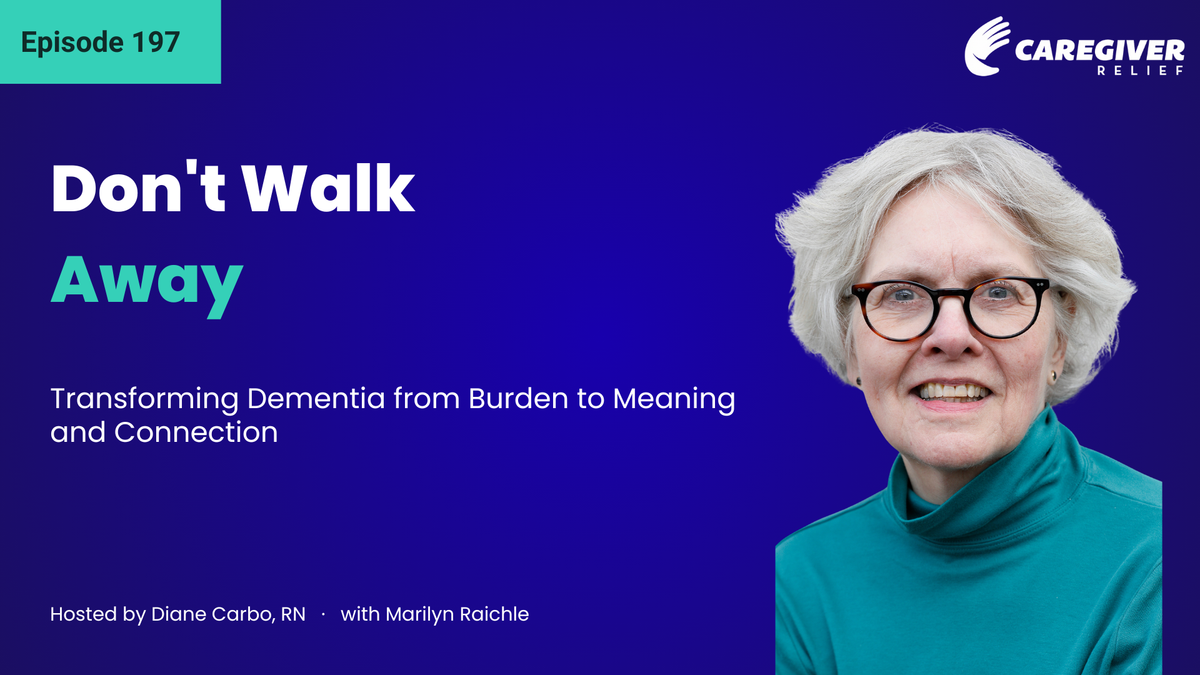
These were the words Marilyn Raichle grew up hearing from her mother. For years, Marilyn believed that once dementia arrived, personhood vanished and only loss remained. But when she finally stepped into the role of care partner, she discovered something revolutionary: The person is still there, and they are well worth getting to know.
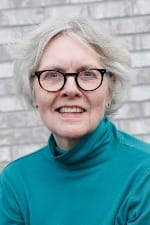
In this heart-opening episode, host Diane Carbo, RN, sits down with Marilyn Raichle, author of Don't Walk Away and executive director of Maude’s Awards, to discuss how to shift from "suffering from" dementia to truly "living with" it.
🎧 What You’ll Learn in This Episode
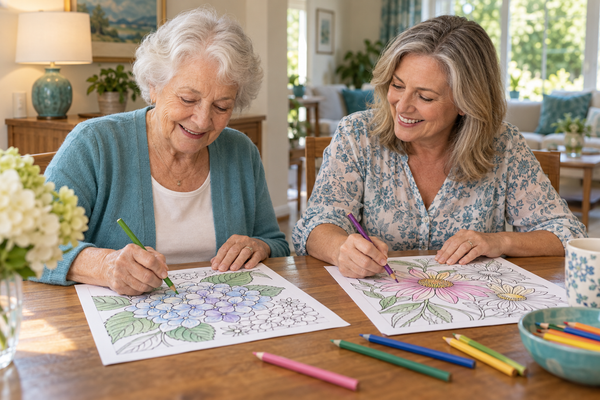
- The Power of Art: How painting and creativity can bypass the fear of Alzheimer's and reveal the "Artist Within."
- From Caregiver to Care Partner: Why shifting your mindset from "taking care of" to "working with" changes everything.
- The "Five-Minute" Rule: A simple tip for overwhelmed caregivers to reconnect through shared joy.
- Innovation in Care: Discovering global efforts to bring purpose and dignity back to those living with memory loss.
🕒 Episode Highlights
The Turning Point 🎨
Marilyn shares the incredible moment her 89-year-old mother, who had lived with memory loss for seven years, picked up a paintbrush. She didn't just paint flowers; she transformed zucchini into dragons and monsters, proving that her wit and imagination were fully intact.
Lessons in Love and Connection ❤️
Coming from an "emotionally unavailable" family where compliments were rare and the word "love" was an indulgence, Marilyn explains how dementia actually unlocked a lifetime of suppressed affection between her and her mother.
Redefining "Purpose" 🛠️
From folding napkins to participating in drum circles, Marilyn discusses the vital need for those with dementia to feel valued. "Everyone wants to belong, be loved, and be a productive member of society, even in their late 90s."
💡 Marilyn’s Tips for the Overwhelmed Caregiver
"To grind yourself into the ground being the best caregiver on the planet isn't going to help you and it isn't going to help them."
- Slow Down & Listen: Stop trying to "bring them back" or asking "Don't you remember?" instead, hop on for the ride.
- Share Joy: Find one thing you both enjoy—even for five minutes—to let the person you thought was gone emerge.
- Physical Touch: Never underestimate the power of a simple shoulder massage to communicate affection when words fail.
🔗 Resources Mentioned
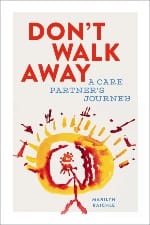
- Marilyn’s Book & Website: dontwalkaway.net
- Maude’s Awards for Innovation: maudesawards.org (Apply for the $100,000 annual awards!)
🌟 Why You Should Listen
If you have ever felt like you are caring for a "shell" of a person, this episode will challenge and inspire you. It is a masterclass in empathy, reminding us that while the brain might get in the way, the soul remains.
Podcast Episode Transcript
Diane: Welcome to the Caregiver Relief podcast, where we provide support, inspiration, and practical advice for those on the front lines of caring for loved ones. I'm your host, Diane Carbo, RN, a registered nurse with a passion for empowering caregivers like you. Today, we're diving into a transformative conversation with Marilyn Raichle, author of Don't Walk Away, and a trailblazer in dementia care.
Marilyn grew up in the shadow of Alzheimer's, with the disease touching nearly everyone in her family. But instead of walking away, as her mother suggested, she embraced the journey, discovering joy, creativity, and the enduring personhood of those living with dementia.
From founding The Art of Alzheimer's to leading Maudes Awards for innovation in Alzheimer's care, Marilyn's story is one of hope and connection. In this episode, titled Don't Walk Away: Transforming Dementia from Burden to Blessing, we'll explore changing perceptions from despair to hope, and power of sharing joy, and unique tips for caregivers and self-care.
Marilyn, thanks so much for joining us today. I'm excited to share your story. before we get started, could you start by sharing a little bit about your family's history with Alzheimer's, and how your mother's words, "When we get Alzheimer's, walk away," initially shaped your perspective on caregiving?
Marilyn: And thank you. It's lovely to be here. Well, almost everyone in Dad's family developed the disease when they were in their early 80s, and Dad was the youngest, so he came later. and some in Mom's, not as many, my grandmother, and we didn't expect it with Mom. so that we were raised, and Mother didn't just suggest, Mother insisted.
She was adamant- ... that when, and it was not if, it was when we get Alzheimer's, I want you to walk away. We're not gonna remember you. There's nothing you can do, so walk away. And there are five of us kids in the family, and we's heard this from the time we were young. and we all thought, yes. Yes, of course.
Of course. and actually, this ghoulish little family in which I lived, as teenagers, we actually made up ways we were going to kill my father when he got Alzheimer's.
Yeah. Dad even, Dad even participated sometimes.
and so- So it was just this incredibly ... We all knew we should walk away. and that was my plan. I mean, it was never even a plan. It was sort of like, of course. That's, it was a given. And Mom and Dad, unlike most people, had enough money to live in a really good continuing care facility.
Diane: Ah,
Marilyn: Okay. So they lived there. We knew they'd be taken care of. They were together. Dad was developing, Parkinson's.
Diane: Okay.
Marilyn: And Mom considered herself his caregiver.
And so when, we all went on our merry ways, and it was, it's ... When I think now of the support they could have used early on.
Diane: Yeah
Marilyn: And no one was there. We basically left Dad in charge of Mom, and they had all the nurses and, and that's truly something I regret. And so when I came back from graduate school, there were no jobs. And so the family said, "Okay, we're going to pool our resources, and you're going to be the family caregiver."
Diane: Ooh.
Marilyn: And first of all, I have to say right off the outset, I was never a family caregiver.
Horizon House, where they lived, took care of the care.
Diane:Yeah.
Marilyn: I was basically ... pe- family caregivers are the people, as you say so accurately, on the front lines. That is one of the toughest jobs.
Diane: Yes, it is.
Marilyn: And they are doing it without support. And, and so I was in charge of making sure Mom and Dad were engaged, stopping by, taking them to doctor's appointments, saying hello, and with Mom's words always in the back of my mind, "Walk away," my eyes always on the clock, "Walk away." and that went on for about the first year- that I was supposedly their caregiver.
Diane: That's fascinating that, your family designated you the one because you weren't working. And, e- yet the, consistently throughout your life, it's walk away. And you're right. You became, the activities director, the transportation, the care coordinator.
But In all honesty, that's a heavy duty job as well 'cause you're advocating for them. But what was the turning point that transformed your reluctant start into a joyous journey as caregiver for your parents?
Marilyn: It was slow. very slow. At the beginning, Mom wanted the best for Dad, Dad wanted the best for Mom, and I wanted the best for both of them, so it was all about shared needs.
So that enabled me to at least- slow down and- ... not try so hard to get away.
Diane: Yeah.
Marilyn: And then, then dad died at the age of 89, and mom and dad had been together for 72 years as best friends-
Diane: Oh, my lord ...
Marilyn: and married.
And there was a rule in our family, you don't cry. Don't cry. I never saw tears growing up, and I never heard the word love growing up.
Those were considered emotional indulgences. And so when dad died, I was there, my brother was there, and my sister was there. And my other brother and sister lived in other cities. And we were sitting next to dad, and dad was gone- ... and we thought, "Should we wake her up? 'Cause she's not gonna remember, and we're gonna have to tell her this over and over again."
But we thought, after 72 years, of course, we have to wake her up. So we woke her up. And I have never seen tears like that ever, and certainly never from mother. and so she just sobbed, and we got her calmed down and she went back to sleep. And I got there early the next day, see if she was okay, and she remembered, and we talked about dad- what a wonderful life they had. And the next morning I got there early, same thing, she remembered. And the third morning I got there and she was lying on her bed and she was crying, and she said, "I just wanna be with your father." Oh. And I said, without thinking, I summoned the mother of my youth and I said, Mom, you should've thought of that before you started taking such good care of yourself."
And she laughed and she said, "Well, that's life." And from then on she sort of put it in a box. She never forgot, because she would say, "Oh, Bob," about 40 times a day.
But she was ready to rejoin the world, and so she was exceedingly bored. So they had a painting class for people living with memory loss where she lived, so I took her to this class.
Now, she thought that painting was stupid.
Diane: Ooh.
Marilyn: She played the piano every day. The arts were very important in her family, but art for some reason not. So I took her to the painting class expecting nothing, and by this time she was 89, and she'd been living with memory loss for seven years.
and her painting was fabulous. It was just wonderful. I had no idea. And Mother, of course, resisted the idea that she painted it at all. When I told her how beautiful it was, she said, "I didn't do that." Said, "I don't..." okay. So that went on for a while, and I will admit that I was more interested in the art than I was in Mom.
Because the art, anytime I showed the art to anybody- ... they would say, "I had no idea." And that's when I came up with my motive for everything, which is Alzheimer's is scary and art isn't. So anytime I wanted to talk to anybody or engage anybody on the subject of Alzheimer's, I would show them the art first, and that would completely effortlessly get them past their fear, and they'd become so fascinated that they would want to learn more.
So I did this for, about a year and a half. and when I got there every day, still only once a week I was seeing Mom. I'm painting. And I would get there to grab the painting, because otherwise she'd throw it away. So I'd grab the painting and then I would put together art exhibits.
I once did an art exhibit called The Artist Within that featured about 60 pieces of art created by people age 60 to 101, all living with memory loss.
Diane: Oh, wow.
Marilyn: Yeah. and it was seen by thousands of people in King County in Seattle, in Washington.
And it was just this really wonderful experience.
And then one day, I was looking at Mom's art, because at this point she'd been transforming things. And when she saw, when she first saw a flower, she would paint a flower. But then after a few months she would start to transform them. So when she saw a zucchini, she painted a monster, a dragon.
Diane: Oh
Diane: It was always so interesting to see what she did, because it- Yeah ... it didn't have anything to do most of the time with what she was seeing. It was what she was feeling.
Diane: Yes. Yes, yes.
Marilyn: And so after about a year, I noticed that her paintings were starting to, to me, deteriorate. It looked like she didn't care, same picture.
There's no transformation, same colors, same lines. And so I got there early before painting class, and we did everything she loved to do. We played Scrabble, which we did every day. We looked at the view. We took a walk. We sang. And then I took her to the painting class, and the painting completely changed.
All of a sudden there were these warm animal images, different colors, and that's when I had my breakthrough. When I went, "Oh, I see. I have a role to play in this."
Diane: Yeah.
Marilyn: We're partners. And that's when I began to regard myself as a care partner, not just a caregiver. Because a caregiver to me up till then had been taking care of the essentials for somebody who needed my help.
Now we were working together to build a better life as it turned out for both of us, and it's the most rewarding, the best thing I ever did.
Diane: You know, as a nurse, I was a caregiver because I was just meeting people's needs when you said that, and it just made it just clicked with me.
'Cause as a family member taking care of my brother or my son and my father and my mother, I did things differently, and I love the way you embraced it. I love that you got involved with the activities early, because caregivers overlook that one specific piece of, a tool you have in your toolbox that can help with connectedness and really help them express themselves.
So I love that, you got involved with that. Now, in your book, Don't Walk Away, you emphasize living with dementia rather than suffering from it.
Marilyn: Yeah.
Diane: Can you explain what enduring personhood means to you and why it's so important?
Marilyn: Yeah, so that was the first lesson I learned-
Marilyn: When I started to see Mother's paintings, when I suddenly realized, oh, she's still here.
She's still living with wit and invention. And that's when I realized, that's when I slowed down and I stopped trying to bring her back, asking those dreadful questions like, "Don't you remember?" Or, "Do you remember?"
Diane: Yeah.
Marilyn: And instead embraced the woman who was with me in the moment. And-
Diane: That's beautiful
Marilyn: living with, not suffering from. She was- Yeah ... living with it. And and it took me a long time, 'cause we were together as care partners for nine years.
Diane: Yeah.
Marilyn: And I wrote down every single thing we said and did for nine years.
Diane: Oh, wow.
Marilyn: Yeah. Yeah, so I'd journal. Every time I came home I wrote everything down.
and it was all intensified by this art, which I loved. But over those years, I finally realized that for me, what I learned and what was hard for me to learn, because I started out by thinking, "Okay, this is loss."
So many people see people living with dementia as only loss. This life's no longer worth living, someone who's no longer there.
And yet finally I realized, I understood, that we are all human beings. And that as human beings we share certain things.
Diane: Yes.
Marilyn: Our need for friendship, our need to be of value, our need to laugh and to smile, our need to love and to be loved. That we are seeing the world differently, but we're seeing the same world.
Diane: Yes. Yes.
Marilyn: And so it was just this day... by that time I was seeing her every day because it wasn't that I- I had to be there because it was my job. It was like I needed to be there because- ... it was this path I was on to personal discovery. every day I was there I learned something.
If- ... about Mom, about living with dementia, and about myself. because it's, to put it lightly, I came from a family that was emotionally unavailable. And so-
Diane: Yeah ...
Marilyn: So to be in an environment where people could express and accept love, it was just... I had no idea. And so it was, the one of the first lessons I learned is that I just assumed that Mother would be happy to see me because I'm her daughter.
And then I realized that she had another family, and that they were far more important to her than I was
Diane: Yes, yes
Marilyn: And this is where I really do feel that if you have the ability, and I think everyone should have the ability to live in a really good continuing care facility, a really good assisted living facility, really good, nurturing, loving,
Diane: Yeah
Marilyn: Filled with activities. If you have that opportunity, Mother had this new family, and I was lucky because they were willing to let me be part of their family. So I had six new mothers. And a few uncles and, it was just this... So every day I would get there, and the first thing I would do is I would always meet them at the lunch table.
I call them the ladies of assisted living. And I would give- ... everyone a shoulder massage. Because touch is something that's, not that often.
Diane: Absolutely.
Marilyn: Plus, I like giving them. So I would always ask. Always ask first. And they sometimes wouldn't know what I meant. then they'd see the person next to them swooning with pleasure, and then they would know-
Diane: Yes.
Marilyn: And this went on where I was just... And they weren't long, but they were just- Yeah ... this show of affection. and the, once I got the best compliment of my entire life from Gloria. She came up to me and she said, "Do you tuck your wings in a handkerchief when you're not here?" I love that. Oh my gosh, I love that.
She, these were just these delightful people. and I learned how to be with them in a loving, happy way, and I wasn't... I met this man once, and he was telling me about his wife who had dementia. And he said, "When I visit her, she kisses me, and she tells me she loves me." And when I look in her eyes, there's nothing there, and I leave in tears.
Diane: Oh.
Marilyn: And I thought, why couldn't he see what I most likely would have- Yeah ... which is a woman with something to say.
Diane: Yeah.
Marilyn: And it's because if your entire framework is sorrow and loss, that's all you're ever gonna see.
Diane: Yes.
Marilyn: But with Mother and all of her companions, they were enjoying life, and I got to see them enjoying her life, and that person I thought was gone-
Diane: Was there, having fun. I was seeing not sorrow and loss, but I was seeing happiness.
Yes.
Marilyn: One of my sisters once said to me, "Mom left us years ago." And I said, if she left, who's there?"
Diane: Yeah.
Marilyn: And I would suggest it's somebody well worth getting to know.
Diane: Oh, you know what? I always tell my caregivers, "Change your perspective, you change your life," and you have a good way of doing that.
I have a 30-day positivity challenge, and I have, caregivers sign up and they, every day for 30 days in the morning, they get this positive message and about how wonderful they are and how they can keep going. And I always get these wonderful emails back saying, "Thank you. It's a beautiful way to start my day."
Now yesterday, I got a, an email from somebody and she says, "I wish you, all you professionals would stop telling us to be grateful and happy in what we're doing," and my heart broke for her-
Marilyn: Yeah ...
Diane: Because I know that she's probably overwhelmed, and she's, and she's burned out. And and I simply said back to her, "I, I've walked in your shoes.
I don't understand everything you're going through, but I just want you to know I'm, we're here for you, and if you need to talk, c- call me, reach out to me." but the message that she missed the point of the emails, the gratitude and looking for something good in everybody every day.
And, not everybody has the ability to do what you're doing. That's why I love to be able to talk with you and share your book because, you shift your, your mindset and it opens up a whole different avenue of things that to explore in a person.
Marilyn: Yeah. I had a friend once who said her mother was starting to develop a memory loss and she knew about, 'cause I'd been telling her stories about me and Mom.
and I said, "Okay, I'm gonna just give you one suggestion," 'cause she was busy like many people are, and I said- Is there one thing that you enjoy, that your mom enjoys, that you could do together? Just one thing, even for five minutes. Five minutes.
Diane: Yes.
Marilyn: Do that, and just see how she feels.
See if you can see the person there that you thought was gone emerge.
If you can see that happiness there. And if you do that, you might want to do it again, and you might want to do it again.
Diane: Yes.
Marilyn: Just start with five minutes, because not everybody had the luxury I had, which was, spending all day with Mom.
Diane: Yeah.
Marilyn: And it was, ... And she said, "Yeah, I tried that.
It's good. It's better." I saw that she was happy, because it's really hard for some people to see their loved one as happy. yes. Because they're projecting on them how they would feel.
Diane: Yes, yeah.
Marilyn: And Mom was light years ahead of me in learning how... Once, once she was there, it was like, life is good.
Her favorite phrase was, "Life is just wonderful."
Diane: Aw, bless her.
Marilyn: But then Mother was this incredibly happy person. she was- ... just, that's who she was. Yeah. my father, on the other hand, was not an incredibly happy man.
And yet I realized after so many years with Mom all the things I could have done that would have made him feel better.
And one was, instead of trying to do anything, I just could have been with him.
Diane: Yes.
Marilyn: I just could have listened to him- Yes ... and let him know that he wasn't going to be abandoned.
Diane: Yes.
Marilyn: Could have given him a shoulder massage, 'cause he loved them. But, you know- ... it just, 'cause it's different for everybody.
And I had this friend who was a caregiver for her husband, and it was hard. And when she read my book, she said, I can, I totally can embrace the idea of hope. It's harder for me to express joy, 'cause that was not, that was in short supply in my life." Yeah. But hope that they are there.
Diane: Yeah. one of the things I tell my listeners and who has a family member with dementia, they're living truly in the moment. They don't have a past that they remember anymore, or it's depleted and gone, or they have a l- maybe it's way back from when their youth. And they have no, thoughts about the future because they're not able to process that at the time.
So they often pick up on your feelings, your-
Marilyn: Yeah ...
Diane: Temperament. Yeah. Everything about you. So I said, you have to approach them with kindness, with a smile. Always approach them from the front. And, take advantage, because of- Being upbeat, they will pick up on that as well
Marilyn: You know, they'll want early, really early on, I was talking to mom and I was telling her about my day at work and I was, it was not good.
Yeah. And I could just feel her- Yeah ... pulling away, and she was absorbing all of that. And then I, I- Yes ... got that, and I immediately changed the subject to the vanilla ice cream we were gonna have for dinner.
Diane: And- Oh. There, that's my favorite topic.
Marilyn: And the other thing is that mom didn't always remember who I was.
Yeah. But that didn't matter because she was always happy to see me.
Diane: Yes. Yes. Yes. Exactly.
Marilyn: And learning how to live in the moment. Yeah. And I used to tell people, I said, "Just start a conversation and hop on for the ride."
Diane: I love that. I love that. I really do. Now,
Marilyn: Do you- But that's how mom was. mom was- mom was this... Mother was essentially this incredibly funny, competitive, curious person. That's who she was-
Marilyn: growing up. And I've always thought that who she was essentially was intact. It was expressed differently, but she was incredibly curious. ... but she was also very funny. We played Scrabble every day, and at one point she was having a really hard time coming up with tiles, and then she said, "Can I give you my soul if you'll give me better tiles?"
Diane: She still
Marilyn: had humor. And I said, "But, Mom, you're gonna need your soul if you're gonna go to heaven and see Dad." She said, you could come with me, and when I need it I'll grab it from you and you could run away." she was always coming up with ideas about things that she could do to make her, to do what she wanted to do.
She was very funny. Yeah.
Diane: Yeah. Oh, and she did it in a pleasant way. Oh,
Marilyn: yeah. I loved that. Oh, yeah.
Diane: Yeah.
Marilyn: Mother was in... But then the interesting other thing is you hear about Mom became the child and I became the parent. Yeah. No, Mom was always the parent. Yeah. She was always teaching me things, always.
years, a couple of years before she died, she was about 94 at this point, and we were playing Scrabble. At this point, we didn't always make words. We would just count up the scores on our tiles to see who had a better score. It's just, we keep adapting. Yeah. You keep adapting. Yeah. Yes. and so she was count...
She asked me if dog was a word, and then she stopped, and she looked at me, thought for a moment and said, sometimes your brain just gets in the way," and made jewel on the triple.
And to this day, if I'm having a hard time coming up with an idea, I will say, "Sometimes your brain just gets in the way." Oh. And nine times out of 10 it'll come to me, and it's "Thanks, Mom." I mean-
Diane: Yep ...
Marilyn: Mom was... having this incredibly doer family where we never talked about love and we never s- gave each other compliments, because in our family if you gave somebody a compliment and you accepted it, it meant that you thought you deserved it.
Ooh. I know. So- ... we always changed the subject, preferably to something depressing. So we always all got out of the, habit. And yet at Horizon House, Mom greeted everybody with a smile and a compliment.
Diane: Wow.
Marilyn: And she still couldn't accept one, because if you- ... told her her- she was playing the piano well, she would hit a bad note just to show you that you were wrong.
But-
Diane: Oh ...
Marilyn: But the giving of compliments and smiling was something I had never done. And when I started doing it, it was like, this is wonderful. This is a great way to start a conversation. Again, it was like my whole life it was always like, "Thanks, Mom. Thanks, Mom."
And this is a wonderful story that years before Mom developed dementia, she lived at Horizon House, and I lived in this big huge house not far from her.
I shared it with a bunch of people. And one day she arrived unexpectedly. They let her in. She came up to my room, and she laid down next to me. She, it's before dementia. And she told me she loved me.
Diane: Oh, wow. And
Marilyn: I just remember crying.
Diane: Oh.
Marilyn: And she said, "I guess I should have said that more often." And again, we never spoke about it.
That was, we just, I pretended to be asleep. ... but our lives together as care partners unlocked all that love-
Marilyn: that was waiting so long to express itself. And so every day was just this gift, that I was having fun, I was living in the moment, and I was learning how to love and to be loved.
Diane: Yes. Yeah. That's beautiful. That's very beautiful. Yeah.
Marilyn: Mom was just this... Mom was just... I always said that Mom was distilled to her essence.
Diane: Oh, God bless her. She's, I hope she's happy in heaven with Bob. Yes.
Marilyn: They're, Yes, she kept her soul, ... even though she, didn't...
Scottish Calvinists, they don't wanna talk about religion either. but it was just this daily, and with all my- there was this moment where I was giving shoulder massages to people, and there's a guy named Harry who lived... It was up the other wa- the men's table. And he wanted a massage, so I went up there and I gave him a massage.
And he started, as I was massaging him, he started to go, "Ah. Ah. Ah. Ah." And all of a sudden those chirps slowed down and a song emerged, and he started to sing.
Diane: Oh, wow.
Marilyn: And I kept giving him the massage, and then I realized that everyone's food was getting cold because everybody- ... in the lunchroom was just riveted.
And I finally stopped. And when I finished, everybody stood up and applauded.
Diane: Oh, wow.
Marilyn: Again, it was just this, the ability to give joy to people- Yes ... and to, and have some,
Diane: Yeah.
Marilyn: So that, this went on for for nine years.
Diane: Yeah. Well, you were a blessing to the whole facility.
And
Marilyn: I, it was a blessing to me. I was- Yes ... the luckiest person around.
Diane: Yes. Yes. Now, for our listeners who are caregivers feeling overwhelmed, what specific self-care tips can you share to help them maintain their own well-being while providing support?
Marilyn: One is slow down, ask questions, and listen. Yeah.
Just ask questions and listen. And that if they have access, if even if they don't live in the Club Med of retirement homes where mom did-
Diane: Yeah ...
Marilyn: That if you have access to a senior center where they have activities, to give yourself the ability to relax and have- Yeah ... respite. That to grind yourself into the ground being the best caregiver on the planet isn't going to help you and it isn't going to help them, because you're- gonna just exhaust yourself. but to relax and to slow down, and to ask questions and to really listen, because these are all life lessons.
Diane: Yes.
Marilyn: Because if you really listen to them, they have something to say.
Diane: Yes. Yeah.
Marilyn: And you can just listen. and but I know it's hard for home caregivers. It's hard.
Diane: Yeah. '
Marilyn: Cause they're busy. So it's like in brief moments, give yourself a break to listen and relax. Just slow down.
Diane: I encourage all my listeners to create a care team partner support group around you, where you can have people. if you have someone who is artsy craftsy and, is into music and you make them your activities director and ask them to come in and find out what about your loved one, that they would like to do that they haven't.
And then- Yeah ... start doing it with them. And then you as the caregiver get respite from it, for sure. But, there are times when you're gonna want to actually be there to, and enjoy because those are the moments when you connect on a level that you might miss because of this brings out the best in them sometimes, and they're there.
I know the blank stare, but there are times when I've been in nursing for so long and have worked with elderly for so long. When they connect, you see that light in their eyes, like your little man who sang. it's just- I always think of the little old, I had a little old Black lady, she was so precious, in, a behavioral health unit.
She was catatonic, and she had been there for weeks. No emotions, no response to anything. And I brought in a friend who played, guitar, but they sang gospel songs. And she played piano, so we had a piano there. And that, I didn't know it at the time, but that woman was actually very into, was Southern Baptist and loved her gospel music.
And she, out of the, we're sitting there in a group, and that breakthrough for, moment for us was she started singing, and she had been catatonic, not responsive to anything, no verbalization at all. Yeah. And there she is absolute- and that to me was one of the most precious moments that we had, with her because she connected with us and we connected with her, and it was just beautiful.
And you know- Yeah ... those moments can exist if we take time to help create them.
Marilyn: And it's interesting because even though I'm talking here about doing things for people, you know- It's we're doing things with people. Yeah. And just the ability to sing with someone-
Diane: Yeah ...
Marilyn: Is so relaxing and so calming.
And w- I once put together a, a drum circle.
And this one woman who never spoke, she was Mom's best friend, Phyllis. She never spoke. She cooed, but she never spoke. And we put together this drum circle, and Mother wasn't quite sure what they were all doing with all these instruments. But at one point, Phyllis Started pounding my back to the beat, pounding my back.
And all of a sudden, for the first time, I heard her sing. I heard- Oh, wow ... her voice. Yeah. She started to sing, and it was just Every time something like that happens, I was so happy.
Diane: Yes. Yes. Yeah. And I- I have that same reaction ... yeah. I have a sense of joy because it's, that to me is, revealing that they're still in there somewhere, and if we take the time to find them, we can have them come visit us once in a while.
Marilyn: Yeah. and that you can do it again. that the singing- Yeah ... with mom, if Yeah ... Mother didn't remember all the songs, but if I started the song, she would finish it with me. Yeah. And there was one song we sang constantly, which was Winter Wonderland, and she didn't remember all the words.
So we'd always start by going dun, da, dun,da, and dun, da. And we'd finish it, and with the very last thing, we'd go walking in a winter wonderland. Yeah. And then Mother would go, And it got to the point where we sang it so often that it was considered Jean's song. That's Mom's name. And once we got into the elevator- and that all of these caregivers were in the elevator and they started singing the song. Oh. Yes. So it was just, although some of Mother's companions in assisted living said, "If she sings that song one more time."
Diane: I know. Oh, I understand that, I do.
Marilyn: But just, there, if you just let go of trying to bring them back or hear what you want to hear.
yeah. You just calm down and just start something like music or even dancing, just... and you'll be energized by the creativity that they're experiencing, that you're experiencing.
Diane: Yes.
Marilyn: It was every day like that.
Diane: She was in a very nice community, and she was very
Marilyn: loved.
she was in a wonderful community, and they could have done much more. I do think, as you said, I wish that I'd known more about every person who lived there so I would have known what might have been of interest to them.
Diane: Yeah.
Marilyn: Like the fact that, it turns out that Phyllis used to be a music teacher.
Diane: Ah, there you go.
Marilyn: If I'd known that, I could have done something, that would have been helpful to her. But at the same time, Mother was really lucky, which is why if you have a senior center and they can point you in the direction of activities, Seattle's really h- blessed in this respect.
There are lots and lots of activities. Not everybody has them, but senior centers are a good place to start. it's- The opportunity for people to have a community of their peers-
Diane: Yes ...
Marilyn: That they can relate to, and that as they do that, you can just sit back and relax.
Diane: yes. Yes. And that's-
Marilyn: But the other thing is enjoy the moment, and I know this sounds odd, but to share joy.
Shared joy feeds you, feeds them.
Diane: Yes. Yes. Exactly. Now, drawing from your background in the performing arts and founding the Seattle International Children's Festival, how do the creative arts like music or theater empower those living with dementia?
Marilyn: I think, it depends on what, at what level they are.
When we did- Yes ... the art exhibits- Yeah ... it was so interesting. We'd have the art exhibits. They would take pictures of the artist by their painting. And you could just feel the pride.
Diane: Yes.
Marilyn: That this was just- Yeah ... wonderful. But also f- the be- ability to create something, which was interesting in if I created something, I would be like, look at this."
With all of the people I am, was involved with who were creating art, it was less about, look at this," but more just the enjoyment of the creation of the art.
Yes. With Mother, when she started to paint, she would begin to hum. And I would know then that she was then completely engaged. Oh.
And she wasn't gonna pay attention to anything else. She was just completely engaged, which was this satisfying thing for her. Yes ... and so I just think it, it feeds their, I'm gonna say, they don't quote, I don't know quite what this means. It feeds their soul. It feeds-
Diane: Yeah ...
Marilyn: Their experience happiness-
Diane: Yes
Marilyn: On a level that they aren't able to anymore. Yes. one of the things that I, the whole idea of being of value, being of purpose- ... which was once so abundant in their lives- ... and now so lacking. And so this is a simple thing. and I, m- mom at this big ladies table- ... and I asked the kitchen staff, I said, "You know all these, ta- napkins that you put around the table, could you just bring all those napkins to me in a big, huge heap?"
And they did, and I threw them on the table, and I said, "Mom, could you help us fold all the napkins?"
Diane: Yes. Yes.
Marilyn: And she immediately started folding the napkins quickly, and then put them on every single plate, and just went like this. And I said, you're now the folder in chief. Thank you, Mom." And she did this every day.
Yeah. and it was small-
Diane: Yes ...
Marilyn: But it was I did something for other people. Yeah. Made her feel good
Diane: And that's a really good point because it still gives them, no matter how old you are and no matter what your condition is, you still have a sense, you get a sense of wellbeing if you're productive and, and- you feel like you're helping, towards making the community better and, or being part of a community. So I really- Yeah ... like that. I really like that a lot. And,one of the things, one of the challenges is dealing with men because, so many of them have worked with their hands and- Yeah
They still wanna do that. a- and that's a challenge in dementia care, but gardening is something. I love to see the, hot, the, what do you call them? the big, the r- they bring them into the, the area and they're raised beds. The raised beds, that you can go- ... in a wheelchair and do your growing and stuff.
There's always something that you can find for somebody that they have done in the past. It may be, getting toys, old plastic tools, the screwdrivers and the dr- drills that they have, kids now, that are plastic that are safe to use that a person can still get some feeling of, a sense of a s- a c- a sense of accomplishment
Marilyn: And that- And this is a wonderful one, but there's this wonderful organization called the I'm Still Here Foundation, and they do- innovation grants where they ask people, they'll fund these ideas where they can, promote joy and happiness through creativity. And this one program they did, and it's still in operation, it may be, where they actually worked with a senior living facility. These were all people who are living with dementia, and they went to a, pet animal center where the animals had basically been marked for, to be put away.
Diane: Yeah.
Marilyn: And they would put them and bring them into, an environment, and the fam- the people who lived in this senior center would help train them so that they could be adopted. Oh,
Diane: How lovely.
Marilyn: And so they all, and they all knew that these were, they weren't gonna be holding onto them, and they all knew, so when the dog was adopted, they would all be so happy.
Yeah. They would all, it, it just things like that, And they, there's another one where they, created, all sorts of clay objects that were then- Okay ... they could take home and give to other people. they were creating something that would then give joy to other people-
Diane: Yes ...
Marilyn: As well as to themselves.
Diane: Yes. And that's the key, I think. I really believe that they- Every one of us, no matter how grumpy, growly you are, ... inside you, there's, you want to belong, you want to be loved, and you want- ... to be a productive member of society, even in your n- late 90s. and, Yeah ... 100. I've seen it.
I've seen it. so I really think that, when we, when I see these, it... And caring for somebody at home is so challenging, Marilyn. It really is. But, if they have the, surround themselves with the right people and you all have an attitude of changing your perspective, you are the essence of changing your perspective, you change your life.
Really. You- Yeah ... you went from don't, walk away, don't be around, just give up on me, to I'm gonna get in there and, you literally changed your mother's path at the end of her life.
Marilyn: And she changed mine. I mean- Yes. Yeah ... she completely changed mine. Mom was happy.
Yeah. But I was not. I was raised to win. That was all that was important. I didn't listen. just- Yeah ... and that all these lessons that I learned from Mom, first I learned that they made life better for people living with dementia, and then I realized, actually, they make life better for everyone everywhere-
Diane: Yes
Marilyn: If this is how you live.
Diane: Yes.
Marilyn: and I owe this all to Mom. I am, I'm a much nicer person now than I used to be.
Diane: I get
Marilyn: that ... I listen to people. Yeah. I enjoy people. It's, and with Mom, this whole idea, even, but I still have to, it's so ingrained in me, I do have to correct myself sometimes when I'm writing a response to somebody on an email and I'll begin with me, and then I remember, no, it's not about me."
I will put the thing about me at the end- Yeah ... and I will start with something happy or about them. it's just sometimes it- You know what? ... it's just force
Diane: of nature. I do the same thing now, 'cause I'm an alpha, I'm the oldest, go-getter, whatever you call me. my family calls me the bossy, older, know-it-all sister,
and you know what? I embrace it now. I used to feel, but every time I write something I, I'll start, like you. I think, oh- Yeah ... it's not about me. Put that later. Put it later. It's about this. And it's a learning experience, but it's also personal growth.
Marilyn: Yeah.
Diane: Personal growth. It really is.
Yeah.
Marilyn: and that I wasn't, the art enabled me to sidestep fear.
Diane: Yeah.
Marilyn: But then it just, because I kept going back every day, it was just this constant learning experience over nine years- Yeah ... of what mom and I were doing together, and it was-
Diane: Beautiful ...
Marilyn: It was such, such a gift.
Diane: Did you grieve her after she passed? Well- I'm asking because
Marilyn: of- no. I- And it's true because it, this is a funny story, that mom was in, mom's blood sugar had spiked to 600, and she was in with, in a coma, Okay ... 'cause she was 96. They weren't gonna do surgery. It was 96. Yeah. And she was two days from death.
And so my brother and sister and I were in the hospital with her, and we were telling her we loved her. Oh, and I have to start with this. She grew up in a banking family during the Depression, and they hated Franklin Delano Roosevelt. Hated him. And so every time she heard the name Roosevelt or saw the name Roosevelt, she would say, "We didn't like him."
Diane: I know. So she's in a coma, two days from death. We're singing to her. We're telling her we love her, and I mentioned her dislike of the Roosevelt Hotel, and she flinched.
Diane: She
Marilyn: Still heard ya. Not everybody can make you laugh on their deathbed. and I couldn't help but laugh. And then, I realized and she knew who... She was understanding me. So- Yeah ... for the next two days, I sat next to her and held her hand and talked.
Diane: Yeah.
Marilyn: And at her, we had a memorial service for her, and her younger sister, Louise, and her cousin, Frank, were there, both of the McPhee family, and where tears were not done.
And so I got up to speak, and I suddenly realized after about minute that I was gonna cry. And with every ounce of strength in my body, I pushed that fear aside, but I got off as fast as I could.
And I did start it with how Mom and Dad, or how Mom and her brothers and sisters would always talk about, death and funerals, but that it was showy. Yeah. So when I got up to speak, I said, "I realize that this is showy." And Louise and Frank both went like this.
Diane: Oh, yes, they shook their head yes. And so
Marilyn: I couldn't cry in front of Louise and Frank.
Yeah. So I got off as quickly as I could. and I never cried again. I never cried. but I miss her to this day. That's so good. She died in 2015, and-
Diane: Yeah ...
Marilyn: it was, I wish I'd... no, I couldn't have cried. I just couldn't have, not in front of Frank and Louise.
Diane: Yeah
Marilyn: Just
Diane: Good habits it's just the way you were raised.
Now, before we go ... ... you are the executive director of Maude's Awards for Innovation in Alzheimer's Care.
Marilyn: Yeah.
Diane: Can you share a little bit about some innovative approaches you have seen that truly enrich the lives of people with dementia and their caregivers?
Marilyn: Yes,
Diane: And I'll explain what it is because the, our founder, Richard Ferey, his wife developed dementia in 2013.
Marilyn: Okay And like so many people, he didn't know what to do. So he looked and read and talked to people, and then he thought, "I'll start this program." So we give away $100,000 every year for innovations in Alzheimer's care, and this is open to anybody, individuals, organizations, for-profit, nonprofit. And so we just opened them two weeks ago, and- the applications, which are simple, six questions, will close on May 19th. Everyone should apply. and one of them, there are lots of them, just extraordinary ones that have to do with music and, but the one that immediately stands out, and I'm really sorry because I keep talking about her, but she's going to run the world someday.
When she was five years old, her grandmother was developing dementia, and she started playing games with her. And when she was about 11, she started developing games to play with people living with dementia, and she started her own nonprofit called Kid Caregivers. And- Oh, wow ... it, she won an award in 2022.
in, two years ago, she won the Diana Achievement Award and went to Britain to accept the award from Prince William.
Diane: Oh, my. Oh, my.
Marilyn: I swear up, when this young woman is 21, she will be running the world. Oh. it's, but then all sorts of program, the Einstein Her Foundation for their innovation grants program that won one.
All sorts of programs, we've given away since we started, seven times eight, 56 awards.
And it's, the great thing about them is that Richard doesn't just want to find things that will help him. He wants to share them so that they'll help everyone.
Diane: Yes.
Marilyn: So we print a handbook of all the great innovations that have come our way every year- Beautiful
And it's available for free. We'll send it to you if you write us, go to the website, or you can download it. and it's incredibly exhilarating when every year we give out the awards to see what kind of really interesting, innovative commitment there is.
yes. There's not enough, but it's a wonderful program.
Oh. I'm very happy to be doing it
Diane: Yeah, it's a beautiful program, and I love ... One of the common threads through my whole, podcast series is everybody who has, interviewed, I've interviewed had a family member that had an illness, mostly dementia, and they saw an obstacle, a challenge, or whatever in the, in their caregiving journey, and they provided a solution.
So we are in the ... And it's amazing how the you know, we're here with the silver tsunami, and there's so much out there to help the present caregivers if they just know where to look, and I love that. Yeah. Yeah. So Marilyn, how do people find you?
Marilyn: They can go to dontwalkaway.net, and that's the website for the book and also information about me.
And they can go to Maudes Awards, which is Maude, M-A-U-D-E-S, Maudesawards.org. Find out about me and about ... And they can contact me through that, and I'm more than happy to talk to anybody anytime.
Diane: Thank you so much for your time, and I love your attitude and your approach, because it's refreshing and uplifting, and I hope the listeners out there have that same experience that I had while I was talking with you today.
Marilyn: Oh, thank you so much. Appreciate it.
Diane: To my family caregivers, you are the most important part of the caregiving equation. Without you, it all falls apart. So please Learn to be gentle with yourself. Practice self-care every day because you are worth it.
Caring for a loved one can be overwhelming — but you're not alone. If you have questions, big or small, our expert team is here to help.
👉 Click here to Ask the Expert
Our Resource section can help you find the information and tools that you need. We have courses, videos, checklists, guidebooks, cheat sheets, how-to guides and more.
You can get started by clicking on the link below. We know that taking care of a loved one is hard work, but with our help you can get the support that you need.
Click here to go to Resource Section now!