Dementia Wandering: How to Keep Your Loved One Safe Without Constant Fear
Dementia wandering can happen suddenly and create real safety risks. Learn why it happens, warning signs, and how to protect your loved one.

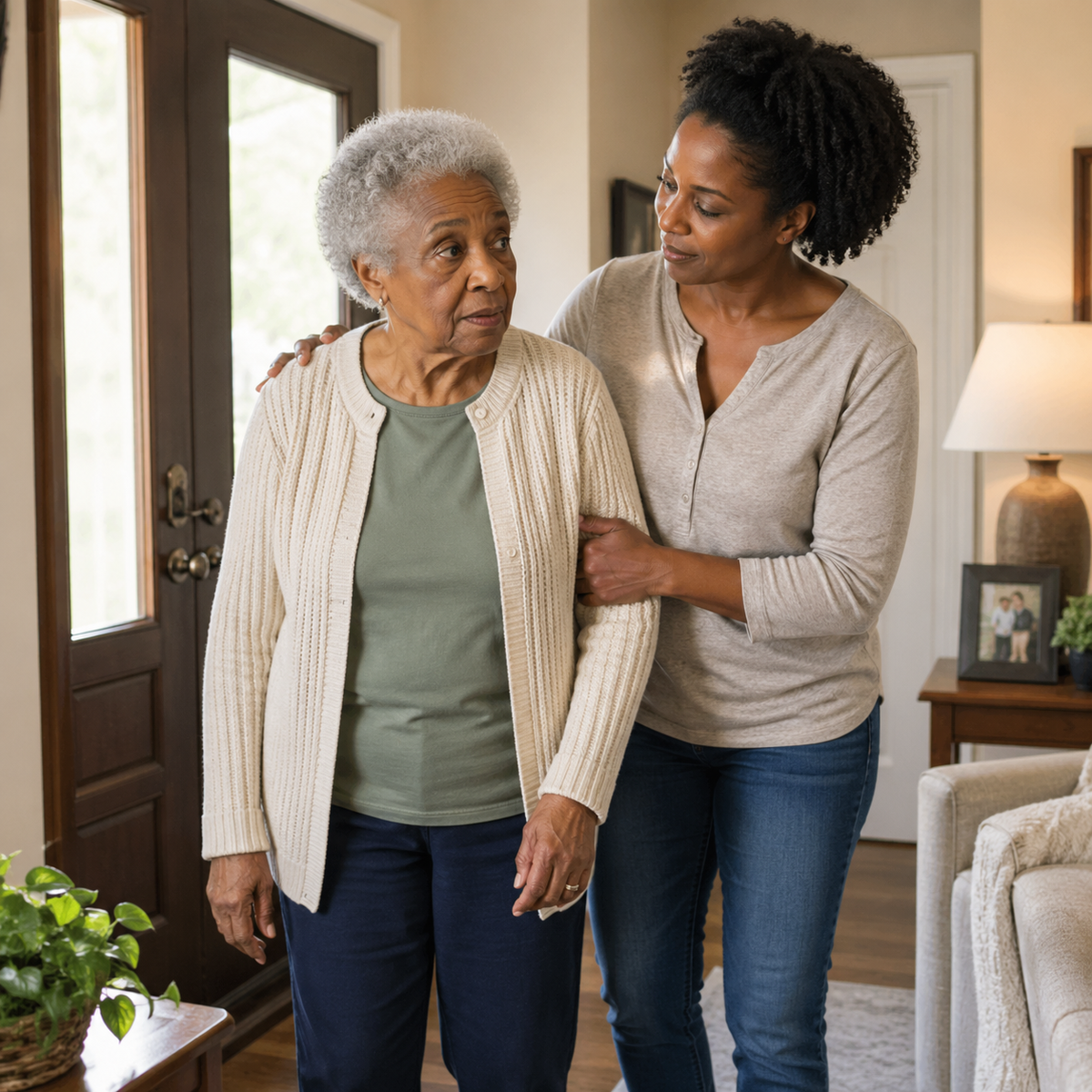
Dementia wandering can happen suddenly—and for caregivers, it is one of the most frightening situations they face. Understanding why it happens and how to respond can help you protect your loved one without living in constant fear.
One moment everything feels manageable.
The next, your loved one is trying to leave the house, searching for something that doesn’t exist, or walking away without warning.
Wandering is not random.
It is a signal.
Why Dementia Patients Wander
Wandering is often driven by:
- Confusion about time or place
- Searching for something familiar
- Anxiety or restlessness
- Attempting to “go home”
- Unmet needs like hunger, pain, or boredom
What looks like wandering is often a purposeful attempt to solve a problem the brain can no longer process clearly.
Early Warning Signs of Wandering
Wandering rarely starts suddenly.
Watch for:
- Pacing or restlessness
- Trying to leave a room repeatedly
- Increased confusion, especially in the evening
- Talking about needing to “go somewhere”
- Following others closely
👉 These are signals to intervene early.
The Most Dangerous Times for Wandering
Caregivers often notice increased wandering during:
- Late afternoon or evening (sundowning)
- Changes in routine
- Periods of fatigue or stress
- After overstimulation
Understanding these patterns helps you prepare instead of react.
How to Prevent Wandering Before It Starts
✔ Maintain a Consistent Routine
Predictability reduces anxiety.
👉 See: Daily Caregiving Routines That Prevent Burnout (Step-by-Step Guide)
✔ Reduce Anxiety and Triggers
- Keep the environment calm
- Avoid rushing
- Limit noise and confusion
✔ Meet Basic Needs First
Ask:
- Are they hungry?
- Are they tired?
- Are they uncomfortable?
Unmet needs often trigger wandering.
✔ Use a Calm, Person-Centered Approach
Approach slowly, from the front.
- Use a calm tone
- Avoid sudden movements
- Respect personal space
👉 This reduces fear and agitation.
Develop a Person Centered Care Profile to provide individualized care
Home Safety Strategies That Work
✔ Secure the Environment
- Install door alarms
- Use locks placed out of sight
- Add night lighting
✔ Make Exits Less Obvious
- Use visual barriers
- Camouflage doors if needed
✔ Keep Essential Information Ready
Have:
- Current photo
- Emergency contacts
- Medical information
👉 This is where organization matters.
What to Do If Your Loved One Wanders
Keep an ice Go bag Emergency Profile
When a wandering emergency happens, every minute matters. Having information ready ahead of time can save critical time.
Keep a simple, updated profile that includes:
- A recent photo (update every 3–6 months)
- Full name and nickname they respond to
- Medical conditions (including dementia diagnosis)
- Medications
- Physical description and typical clothing
- Known habits, routines, and favorite places
- Triggers or behaviors to be aware of
Store this information in an easy-to-access place so you can quickly share it with police or emergency responders.
Having this prepared reduces stress and helps responders act faster and more effectively.
Learn about Being Prepared for any Emergency- My Vital Vault
Register With Local Police or a Safe Return Program
Many local police departments and community agencies offer programs for individuals with dementia who are at risk of wandering.
These programs allow you to register your loved one in advance so that if they go missing, responders already have critical information.
You may be able to provide:
- A recent photo
- Medical information
- Emergency contacts
- Known behaviors or patterns
- Likely places they may go
Some communities also participate in national programs such as MedicAlert® + Alzheimer’s Association Safe Return.
Contact your local police department or sheriff’s office and ask if they offer:
- A dementia registry
- A vulnerable persons program
- A wandering response program
Registering ahead of time can significantly reduce response time and improve the chances of a safe recovery.
What to Do If Your Loved One Wanders
If they leave:
- Stay calm
- Check nearby familiar places
- Contact neighbors or local support
- Call emergency services if needed
👉 Do not delay if safety is a concern.
Read- Dementia Wandering: What to do When Your Loved One Goes Missing
Learn More- Dementia Behaviors and How to Deal with Them
Technology That Can Help (Use Carefully)
Some caregivers use:
- GPS trackers
- Wearable alert devices
- Door monitoring systems
These tools can help—but they should support, not replace, supervision and planning.
How to Protect Yourself From Constant Stress
Wandering creates ongoing anxiety for caregivers.
You may feel:
- Always on alert
- Afraid to leave the house
- Exhausted
You need support.
👉 Take the Caregiver Stress and Burden Scale Test
When It’s Time to Get More Help
You may need additional support if:
- Wandering becomes frequent
- Safety cannot be maintained at home
- You feel constantly overwhelmed
This may include:
- In-home help
- Adult day programs
- Memory care support
👉 Getting help is not failure.
Need support? Build a Caregiver Relief Team
Final Thoughts
Dementia wandering is not just a behavior—it is a signal that something is wrong.
When you understand the cause and respond with the right strategies, you can reduce risk, improve safety, and lower your own stress.
You do not have to live in constant fear.
Because caregiving should not cost you your health.
- Dementia Caregiver Survival Guide: What No One Tells You About Managing Care Without Burnout
- Dementia Caregiver Help: Why Dementia Behaviors Happen and How to Respond Without Burnout
- How to Care for Someone With Dementia Without Burning Out (Step-by-Step Guide)
- Daily Caregiving Routines That Prevent Burnout (Step-by-Step Guide)
Frequently Asked Questions
Why do people with dementia wander?
Wandering is usually caused by confusion, anxiety, or the need to find something familiar.
What is the biggest risk with dementia wandering?
The primary risk is safety—getting lost, falling, or exposure to dangerous situations.
How can I prevent wandering at home?
Maintain routines, reduce stress, secure exits, and monitor early warning signs.
Should I use GPS tracking for my loved one?
It can be helpful as part of a safety plan but should not replace supervision.
Explore the Caregiver Balance Framework
• Caregiver Boundaries & Support Plan
• Family Caregiver Agreement
• My Vital Vault
• Caregiver Guidance & Support
• Caregiver Balance Guide Overview