Change Your Perspective, Change Your Life: The Power of Intentional Thinking with Dr Gary Sprouse - Episode 109
Are you feeling overwhelmed by the constant stress of caregiving? Do you ever feel like you're stuck in survival mode, just trying to get through the day? You are not alone, and this episode is for you. ❤️
In this powerful episode of the Caregiver Relief Podcast, host Diane Carbo is joined by Dr. Gary Sprouse, a retired physician and author of Highway to Your Happy Place. Dr. Sprouse shares a groundbreaking approach to understanding and managing stress, revealing how our own thoughts can either be our greatest source of anxiety or our most powerful tool for well-being.
This isn't just about "thinking positive." It's about intentional, science-backed strategies to shift your mindset, reduce emotional exhaustion, and find your happy place, even on the toughest days.
Ready to transform your daily experience? Grab your headphones 🎧 and listen to the full conversation!

What You'll Discover in This Episode:
Here’s a roadmap of the life-changing insights Dr. Sprouse shares:
- The True Origin of Stress 🤯
- Dr. Sprouse explains his revolutionary idea that most human stress isn't caused by external events, but is actually a side effect of our greatest skills. Learn why our ability to envision the future is directly linked to worry and how to manage that side effect.
- From "What If" to "What Is" 🤔
- Discover how our inner dialogue and constant "what-if" scenarios trigger a physiological fear response, wearing down our bodies over time. Dr. Sprouse provides two practical tools to break this cycle.
- Tools to Reclaim Your Peace of Mind 🛠️
- Realistic Optimism: A strategy for choosing to focus on positive outcomes without ignoring potential challenges.
- The Worry Organizer: A five-step written exercise to confront your worries logically, defuse their emotional power, and create actionable plans.
- The "Self-Sacrificing Loop" 🔁
- Many caregivers get trapped in a cycle of self-sacrifice that leads to resentment, anger, and burnout. Dr. Sprouse unpacks how this is often a form of control and why letting go is crucial for your own health.
- Navigating End-of-Life with Compassion 🙏
- A deeply important discussion on shifting the goal from keeping a loved one alive as long as possible to keeping them comfortable and respecting their wishes. Learn to let go of the fear and guilt surrounding death and hospice care.
- Understanding Guilt vs. Regret ⚖️
- These two emotions feel similar but are very different. Guilt is about breaking a rule, while regret is about a choice you wish you’d made differently. Understanding this distinction can free you from beating yourself up.
- The Power of Predictable Breaks 🗓️
- Why having a scheduled, predictable break—even a short one—is non-negotiable for caregivers. It gives you something to look forward to and is essential for avoiding burnout.
This conversation is filled with humor, compassion, and practical advice that you can start using today. Change your perspective, and you can truly change your life.
Find Dr. Sprouse:
- Learn more and find a free chapter of his book at his website:thelessstressdoc.com
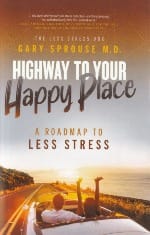
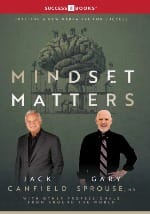
- Find his books, Highway to Your Happy Place and Mindset Matters, on Amazon and Barnes & Noble.
Podcast Episode Transcript
Diane: Welcome to the Caregiver Relief Podcast. I'm your host, Diane Carbo, a registered nurse with over 50 years of experience supporting caregivers like you on one of life's toughest journeys. If you're overwhelmed, stressed, or simply searching for hope and direction, you're in the right place.
Diane: Today, we're diving into a topic that has power to transform your caregiving experience and your life.
My guest is Dr. Gary Sprouse, a retired primary care physician with 38 years of clinical experience and a passionate advocate for mental wellness and stress reduction. Dr. Sprouse is the author of Highway to Your Happy Place, A Roadmap to Less Stress, a book that is helping readers across the country take control of their.
One chapter at a time. He recently teamed up with bestselling offer author Jack Canfield to Write Mindset Matters. An inspiring new book that's already a bestseller. On Amazon and Barnes and Noble. In this episode, Dr. Sprouse shares how intentional thinking can reduce stress, boost your EM emotional wellbeing, and even improve your physical health.
With humor, compassion, and science fact insights, he reveals a groundbreaking new understanding of where human stress originates and how to shift from survival mode to empowered living. So whether you're a family caregiver, a healthcare professional, or simply someone looking to feel better and think clear, this episode is for you.
Let's explore how changing your perspective can truly change your life. Dr. Sprouse, thank you so much for taking time out of your busy schedule to share what, how we can change our perspective and we can change our lives before we dive in. Yeah.
Dr. Gary: Diane, thank you so much for having me on there. I love being able to share my message with people because I see so many stressed out people and I want to help them.
Diane: Yeah,that's why I contacted you to ask you to do this podcast because it's really, caregivers are, beco are stressed to the max. They provide so much care. They feel like a failure if they ask for help. they are, 63% of them become six, six seriously ill or pass before the person they're caring for does.
So we have a crisis on our hands, and I think you offer a solution to many of our caregivers if they'll take the time. So before we dive in, can you share a bit about your journey from practicing medicine to writing about mindset and stress relief?
Dr. Gary: So one of, one of the things I was saying to you earlier is I have a lot of experience 'cause I spent a lot of time working in nursing homes.
I was a medical director. I had at the end of my career, I was taking care of about 200 nursing home patients. So I had a lot of patients that I took care of that all had these kinds of issues. And then in my private practice I attended to take care of an older population. So I had again, dealt with the issues of patients coming in with illnesses, but then getting to the point where they couldn't take care of themselves.
I'm starting to deal that with my mom's, like 89 is still pretty healthy. But my stepdad has got Parkinson's and I can, watching him deteriorate and I'm watching my mom trying to take care of 'em and she's stressing her out and it's my sister's down there and I, so I ha I'm really familiar with all the issues that are revolving around caretaking.
Diane: Yeah. One in five people in the US right now is taking care of a family friend, or, a loved one. yeah.
Dr. Gary: and I see this trend getting more, because what I'm seeing in healthcare Yeah. Is that it's expensive. And what I see with all the insurers, all like in Medicare, anybody, they're trying to find a less expensive way to take care of patients.
So they go, oh, you're in the ICU. Oh, that's too expensive. We're gonna move you down to the regulatory. Oh, that's too expensive. We're gonna move to a nursing home. Oh, that's too expensive. We're gonna send you home and let somebody at home take care of you. Yep. It didn't change how sick the person was. It just changed who's taking care of them.
Diane: You know what? That, that, in fact, I just recently did a podcast on Sent Home too soon. I'm seeing the, an unprecedented number of unsafe discharges to home because Medicare will no longer the rationing care.
Dr. Gary: Yes, absolutely. If they don't call it that though, don't use that word. Ah, bad word. You're gonna get investigated
Diane: and I have no.
And what our government did, the government policy takers did, is they, made, gave, they gave billions of dollars, hundreds of billions of dollars to the, these insurance companies. We are now our dollars, our healthcare dollars are going to the salaries, the buildings,the staff's benefits, the equipment, everything in those buildings, and it for them to tell us, deny delay or wait for us to die, that's what they say in the military.
And our medical delivery system, the Medicare private side. Now, the, or the, managed care side has, that's what they become. We're the military medical delivery system and it's frightening.
Dr. Gary: Wow. I think one of the most talented statistics is that 20% of our healthcare dollar goes to administration.
Which means that none of that money helps a single person. Exactly. Because it's 20% and you're talking like trillions of dollars. So that's a huge number. Every other country in the world, it's 2%. So if you had that 18%. Spend on healthcare, then a whole lot of these issues would just go away.
Diane: Abso 100%.
When I see, and I know we're getting off topic here, but I just want people to understand what's happening in our healthcare system. We have CEOs and administrations getting hundreds of thousands of bonuses because they have cut costs. And actually what these gatekeepers have done is just deny us care.
In fact, nothing's gonna cause stress. if you have a Medicare Advantage program and your daily copay, and people don't understand this, the daily copay for rehab or skilled care, and we're all gonna end up there in some form or fashion someday, is between two and $500 a day copay. Really
Dr. Gary: even know that
Diane: Absolutely.
It's happening. That's why I am seeing the most unprecedented number of health of, unsafe discharges to home. And it's because our government policy makers have decided that we're, they're gonna do a cost sharing program with, the Medicare insurance. There's actually, it's since Obamacare, our healthcare just really went downhill because it's all about cost sharing.
And the,
Dr. Gary: the easy line is that we think of healthcare as a right.
Diane: But we
Dr. Gary: fund it as a privilege. Yes. And it's and that's where the problem comes in. So people think, Hey, I'm paying money. I want this. And you're like, yeah, but that's not the way the system is set up. It's set up that if you have a job or you're old enough or you're poor enough, you'll get healthcare, but otherwise you're on your own and it doesn't take much.
One illness can bankrupt you. So it's not a very, it's not set up to be patient friendly, that's for sure.
Diane: No, one of the things that leads
Dr. Gary: to, I, I will say this, that if patients, I'm looking at my stepdad and if I said to them, you need to go to a assisted living, or you need to go to nursing.
I'm like, no, Uhuh. Yeah. So it's like people would rather stay home. And so then it becomes, and this is where your podcast becomes critical. So people wanna be at home and their family wants them to be at home, but then you have to take care of them. And that's where that, when you're talking about your whole podcast, becomes critical because we're gonna see more and more people being taken care of at home with more and more complicated issues.
And so the caretaker, we really need to be focused on taking care of the caretaker.
Diane: And, Medicare has also cut the benefits to home care so low that, it's gonna fall on the family caregiver. And that's why I thought this was such a timely topic.
Dr. Gary: Absolutely.
Diane: what inspired you to write Highway to your happy place, and how did your medical background influence your approach?
Dr. Gary: that's, it is very interesting you ask that question. I'm in my office seeing patients with high blood pressure and diabetes caretakers that are struggling, and I'm seeing the stress in their lives was affecting their physical being. So I went back and started researching, what are the stresses that are out there and how do you fix it?
And what I got was, there's like literally hundreds of books on how to have less stress, but they're all the same, Hey, here's the top hundred stresses, losing your spouse, losing your job, getting old. And then they would give you generic prescriptions like, okay, do yoga, exercise, go to church.
Diane: Yep.
Dr. Gary: And there's gotta. Clearly when you, I don't know about you. What I learned was when there's more than one answer, that usually means nobody has an answer. So when I see 300 answers, I'm like, okay, nobody's got it right yet. So maybe it's time for a new approach. Yep. So as a physician, I'm used to writing prescriptions and I go, Hey, here's a medicine for your blood pressure.
It's gonna work great, but it might have some side effects. And you're like, wait, so we're gonna minimize the side effects? 'cause the drug is really good, right? And then I turned that idea in for, to humans, to our brain. And what came to me, here's my insight, is that the majority of human stresses are actually side effects to our skills.
So what does that mean? because we can envision a future, Woohoo, what a great skill we have, right? But the side effect is then we have to worry. So my 1-year-old grandson, he doesn't have future yet, so he's doing what psychologists tell us, which he's living for today. So he is not sitting at the breakfast table eating his banana going, dad, how are we gonna pay for college?
I don't know. It doesn't come up because he doesn't have future yet. It hasn't developed yet, so he doesn't worry. He can't. Yeah. So you then have the ability to envision the future. Then the side effect is to worry. So what I say is, I don't wanna get rid of my skill. It's an amazing skill. How about we get rid of the side effect?
And so the book, the second half of the book is all about how to have your, keep your skills and lose the side effects.
Diane: that's incredible. I like the way you approach it because it's not something, a perspective that I've heard before. What a surprise.
Dr. Gary: That's that. That's what I'm looking for, right?
Diane: Yep, yep. Now you talk about how most of our stress originates from our thoughts. Can you explain how our inner dialogue contributes to emotional exhaustion?
Dr. Gary: Sure. So when we talk, we're gonna keep talking about worry, right? So worry is you think of something and I read this book, he calls 'em what ifs. So you start what F-ing, what if?
What if that happens? What if they fall, what if they get sick? What if, right? And you, when you do the what if, what happens is you're focusing on all the bad things that can happen. And then the physiological reaction occur, which is a fear response. And the fear might be a mild anxiety all the way to a panic attack, but it's generated by a thought in your head.
So if I'm sitting in the woods and I hear a rustle and I go, oh, is that a raccoon or is that a bear? your fear center goes off and it goes, I don't care. Get the heck outta here. So you're running away before you even think about, and when you turn around you go, oh yeah, it was just a raccoon.
No big deal. But if it had been a bear, you're like, okay, now I'm away. Good. But what happens to us is we go, oh, what if a, what if it was a bear? The next time I go in the woods And then you set off the same panic.
Diane: Yeah.
Dr. Gary: Your body was designed to have a fear response that lasted 5, 10, 15 minutes.
But when it goes off over and over, and every time you think of a bear, it goes off. Every time you think of your person, you're taking care of falling or getting sick. It goes off every time. every time. Your body wasn't designed for that. And when it happens, it starts breaking down and it's like driving your car at 120 miles an hour.
It can do it for a while, but eventually it starts wearing down. And that's what happens to our human bodies is we start wearing down until we can get some situation where we don't have all that fear.
Diane: Yes. Now, how does shifting from survival mode to intentional thinking begin and what does that shift look like in daily life?
Dr. Gary: I have two tools that I use to help people that worry too much. So I've had patients that come to me and go, Dr. Spross, I worry that I worry too much and I'm going, then you probably do, right?
Diane: yes.
Dr. Gary: So the two tools that I have are, one is called Realistic Optimism. And so what that says is, look, I have a choice, right?
So one of my skills as humans, we have choice. Yes. So I can choose to focus on all the bad things that could happen, or I can choose to focus on the good things that are gonna happen, right? Yeah. So when I was writing my book, I could have focused on the book's never gonna get done. It's never gonna get published.
Nobody's ever gonna read it. It's not gonna help anybody. Yeah. How's that make me feel? It makes you feel crappy, which then makes the book not get done. Yes. What I did was I chose to focus on the good things to say, oh, this book's gonna be great. I would say, I'm gonna be on the Oprah Show. I'm gonna help all these people.
And then she retired. I'm like, dang. It says, all right, then I'm gonna be on the Ellen Show. And then she retired. I'm like, dang it. So now I'm working on being on Kelly Clarkson show, and I'm hoping she'll still have a show by the time I get there.
Diane: That's great. Yeah. But you have me now, so Yes.
Dr. Gary: So now I'm on your show. Yay. All right. But then it's realistic optimism, right? So you can't just say, oh, everything's gonna be hunky dory. 'cause there are things that can go wrong. So you have to be realistic about it. So what I realized was the average author, Sells 250 books in his career, right?
And you're like, yeah, you're not gonna support your family on that. So I had to keep working as a doctor until I was able to retire. so then that meant the project had to be in the background. But once I got ready to retire, then the project took on, then it became the focus and the doctoring became less of a focus, and so then I could get the book out.
So what I say to people is, yeah, I retired as being a primary care doctor, but I'm still doing the same thing. I was helping people live a better life, and, but then I was using a stethoscope and a prescription pad. Now I'm helping people have a better life with a book. same.
Diane: exactly. And that's why as a retired rn, I'm not retired, I'm just using my knowledge in a different way to seniors.
Absolutely. Caregivers. So I, so one of the things that I talk about then is, so now I'm being realistic. So that means I do have to pay attention that there are some bad things that can happen, but I wanna do it without fear. That's the cre, the critical part. So what I did was developed this tool called a worry organizer, and so it breaks it up into five things that you have to write down.
And what I find is writing things down. Already helps because it makes you focus, it takes all that we have to remember what you're supposed to worry about away. Yeah. And it frees up your brain. So now a hundred percent of your brain can start solving the problem as opposed to trying to remember and whatever.
The five categories are like, what is it that you're worried about? So I'm just getting ready to, tomorrow actually, I'm doing a talk for, the beginning school year for, high schoolers, right? And so I took this example. So you're a high school kid and you're a senior and you're getting ready to go to college.
So what are you worried about? Oh, I'm worried. I'm not gonna do well in college. I've never been there before. I don't know what it's gonna be like. So I'm worried I'm not gonna do well. So then the second category is,why are you worried about that? And you're like,I have struggle really hard in high school to get good grades, and I hear that college is even harder.
So I don't know. And my brother went and he didn't do well, and so I'm worried right? Yeah. So then the third category, and this is where you put numbers on things and you start, how likely is it that you're not gonna do well in college? And the answer is, if you're smart, you know how to study and you don't party too much, the answer is you're gonna be pretty likely to get through.
Yes. But then the second half of that column is, whoa, if I don't do well, how bad, how likely is it that I, it's like, how bad is it gonna be? And the answer in this situation is not that bad at all. There's a whole bunch of people that started school, it wasn't the right school, they didn't have the right amount of money, whatever.
They dropped out and it came back six months later, a year later, three years later, 10 years later, and got their degree, right?
Diane: Yes.
Dr. Gary: So the statistics would say you're really likely to finish, and even if you don't, you're really likely to get back into it and finish it later. So then the fourth category then is, whoa, what can I do to make sure I'm successful?
Here is, and then you start writing down this list of things that you can do and you start saying, I can talk to a mentor. I can talk to someone who's already gone to college. I can talk to my teacher 'cause she went to college, right? I can take college courses while I'm in high school.
Then I'll know what a college course is like and I'll know what I can do and can't do. I'm like, how nice is that? I can save up my money so I have plenty of money to get through school. These are all the things I can go pick schools that will fit me. As opposed to going to some brand name school like a Harvard or a Chicago's University, go to a school that fits me.
Because in the end, all that really matters is you get a degree. And then the last category, and this is the one that's critical, is like, what do I do if I fail? And so this is where people get undressed. This is where they spend their time and this is what sets off their fear reactions. So in that column, you start going, okay, if things don't go right, what do I do?
the first thing is you stop beating yourself up with regret and. And go, what went, what didn't go right? Was I not studying correctly? Let me go find somebody to help me study better. Was I, did I not have enough money? Let me find a less expensive school or find more scholarships or work for a couple years and make up enough money so I can go back, right?
So now you can start writing all these things down. And the cool thing is once it's written, then you can show it to your parents and to your friends, and to your counselors and your teachers and go, Hey, is there anything you can add to this? Could that I'm, I'm ranking this up for the first time, so if you can think of something better, let me know.
And then you got a list of things to do to make it successful, and you've already planned. If it didn't go well, you already got it planned out, so you're gonna just jump right back in and do it. Get back into doing what you're supposed to do.
Diane: I love that. I encourage every caregiver to start their day with an attitude of gratitude and journaling, and I tell them to write down what they're grateful for that day, even if it's just,I slept for 10 minutes longer than I did before.
The other thing I do, and I know it's silly, but I tell 'em to stand in front of a mirror and just smile in the morning at yourself. I've got this, I can do this, I can overcome any obstacle today. it may be a challenge, but I tell them that. And, I love that you also encourage coaching because, or mentorship or support of some sort and asking for help, because that is key to every family caregiver's successful journey.
Dr. Gary: Yeah. one of my, one of my tools for gratitude is I call it the 50 point wake up. All right. Okay. So when I wake up, my eyes open 10 points 'cause I'm still alive. 10 points. 'cause I have running water that's hot, 10 points 'cause I have a refrigerator with some food in it. Yay. 10 points. 'cause I have air conditioning.
And the last 10 points is, 'cause I have indoor plumbing. Woo. Yeah. So literally just by waking up I get 50 points. And so I was talking to someone the other day, they're like, I get 10 points for doing something out. Like you can have as many points as you want. It's waking up and you get all these points.
So if something doesn't go right today and you lose 10 points, who cares? I still got 40 points.
Diane: I love that approach. In fact, my son, is a nurse anesthetist and he's traveled the world. And when I start crabbing and complaining, oh, things are I'm just struggling here. he always tells me, mom, you live better than 99.9% of the people in the world.
You have nothing to complain about.
Dr. Gary: No, I was saying this to somebody the other day. It's I've had the luxury of traveling around our country and around the world. And that your son is absolutely right. That like we, a lot of people in America have never been outside of America. Yes. Yes. And it's like when you go to all their countries.
Yeah. I, we were in Thailand and we were looking at buying a, a tablecloth and it was like 10 bucks. Yep. And my wife decided that it wasn't gonna work with our table. And so we decided not to buy it. And the lady was in tears and we were like, what's the matter? She goes, I'm not gonna have anything to eat tonight.
You didn't buy this tablecloth, and you're like, oh my God. And she wasn't just pulling her leg to buy the tablecloth. That's, she was right there. She was not gonna have anything to eat tonight. So it's like the people in our country live so much better than they do in other countries.
They, but they don't know it because all they hear are the negative things about how crappy our country is. I'm like, no, you don't understand. Our country's amazing.
Diane: Exactly. In fact, even our homeless live better than the majority of people in other countries, which is sad, because that's, they're bad conditions.
But that just, that's just, you have to have different perspectives and see different things to understand where we're coming from. So how can caregivers, Dr. Sprouse, who are often in crisis mode, start incorporating these techniques even with limited time?
Dr. Gary: So we're, so here's what I found, right? So I was telling you, I have a good friend of mine who's been taking, took care of her mother-in-law for three years, and then she died of heart failure.
And right now her mom's had surgery and so she's been taking care of her and she lives, her mom lives next door. So she's been keeping an eye on her and she's a very much a caretaking lady. Yeah. And there's two things that come out of this. One. There's a thing that I call a self-sacrificing loop, and let me explain that.
Okay. So in our society, we give a lot of. Self-esteem points to people who are self-sacrificing. Yes. nurses and doctors and first responders and military and Right. we appreciate what they do for us and we give them a lot of self-esteem points. So people are attracted to the idea of taking care of others.
I think women in general have been set up DNA wise to take care of others 'cause they gotta take care of babies. And they just take that idea and extend it into their family.
Diane: Yes.
Dr. Gary: But, and here's where the problem comes in. When you start self-sacrificing, you're willing to give up a lot.
But somewhere along the line you get to the point where you're giving up more than you really want to.
Diane: Exactly.
Dr. Gary: And but you keep saying yes because, it's my mom and I gotta take care of her even though I don't want to do this anymore. And what happens is then they start building up anger and resentment.
Yeah. And death gets 'em into trouble. So now they're angry and resentful, but they can't say no because then they have to give up all those self-esteem points. Yeah. And it's yeah, no. Now eventually something happens and they get really angry and then they split up the relationship. And that's bad, right?
Because we, somebody needs to be taken care of. Yeah. So what I say to people is, you have to think of life in terms of choices. Like you have choices. So what I see then is you have to figure out a way to take care of this person. And sharing is one of the ways to do this. And I see lots of families struggle with this idea where one person is the primary care caretaker and then the other family members either don't help at all.
Yes. Or they help minimally, and yet they still want to be there when the will's red and you're like,no. It doesn't work like that.
Diane: Oh my God. I can tell you Dr. Sprouse, that, the typical family caregiver is, unsupported. They have, uninvolved siblings and extended family members who are judgmental, dismissive, and even cruel.
To the primary caregiver. and I'll tell you what, as soon as that person dies, I can tell you right now, they're like vultures.
Dr. Gary: Oh yeah.
Diane: Run into the home, take everything. And I can't tell you how many of my caregivers are left with nothing because they have been broken down. Oh. It's just, many of them become homeless or live at poverty level because they have taken care of somebody for so long that they haven't worked.
There's no income, to, social security even. it's really sad. So the statistics for the family caregiver. are very, dis discouraging for Yeah.
Dr. Gary: Me
Diane: and I encourage my family caregivers to create a care team partner approach.
Dr. Gary: Yes.
Diane: And I, in fact, I tell them that those uninvolved siblings and those extended family members need to contribute.
And if they can't contribute physically or even the long distance ones, they can't contribute physically. They should be able to contribute in another way, whether it's financially to give you a break or to do things like, keep records of the medications and know when they're needed and when they're not.
And do the research and have somebody take care of the medications. And then I also say, there's people, those family members can do. they can provide care in a different way. They can take care of the lawn, do the grocery shopping, make meals, and bring it in because it's the typical family caregiver.
'cause I know I've been there. they don't wanna ask for help. They feel like they're failures if they ask for help, and that's so wrong.
Dr. Gary: And okay, let me stop you there for a second. Okay. So I hear what you're saying is that they don't wanna ask for help, but sometimes, and this is so this self-sacrificing loop.
Yes. One of the things you have to keep in mind that it's actually a form of control.
Diane: Gotcha.
Dr. Gary: Okay. So listen, so my first wife hated doing the wash. She would bitterly complain about doing the wash. And I was like, okay, honey, you know what? I'm gonna do the wash for the rest of your lives. You'll never have to do the wash ever again.
You know how long that lasted? Yeah. Three days. because I didn't do the laundry the way she did it. Yes. Yes. so even though she didn't like doing the laundry, she, it gave her control of how it got done. So she went, so three days later, she's back to doing the laundry. And I would say to her like, then you can't complain.
So you so caretakers, you have to be careful because your sibling might not take care of your mom the way you do, but that's okay. Yeah. So you have to be willing to let other people in to help, because if you're not willing to let them in because you'll say things like, oh, they don't do it right, or I don't, I worry that they're not gonna do it right.
Or they don't do it the way I do it, or they don't do it the way mom does it. Whatever, they'll actually make it difficult for family members to come in and help because they have to give up some of that control.
Diane: 100%. That is one of the biggest issues I hear from my family caregivers is.
Just what you said. They don't do it right. They don't do it the same. And I, here's a perfect example. I was visiting a good friend who, I was helping her find a place for, to put her mother-in-law and father-in-law, in, and I'm helping her do, the dishes. So I'm put, I'm loading up the dishwasher, doing, thinking I'm doing something right.
helping her
Dr. Gary: out, right? Yeah. Helping
Diane: her out, I'm thinking 'cause she's stressed and do you know, she went and undid, put everything, took everything out of the dishwasher because it out the right way. Yeah. And I'm like, are you pretty news? So
Dr. Gary: Yeah. But that's exactly what I'm talking about, right?
That's that control issue. So self-sacrificing is a form of control. Yes. And so you, and, but what happens is when you're self-sacrificing, you start putting so much on your plate because here's what you say, nobody does it as well as I do. And you're like, okay. But then you start putting so much on your plate that you can't handle it anymore, and then that stresses you out.
So you have to be willing to give up some of that control. I found that as a doctor, there were plenty of doctors and I guess nurses probably too, right? Where if you had a nurse practitioner or a nurse doing something, you're like, wait, that's my job. I have to do that. 'cause like I had a doctor that yelled at me.
I was like, the nurse asked me to see this patient for a rash. So I went and looked. I said, oh, he is got shingles. Call the doctor and tell him, ask him what he wants done. The doctor yelled at me for going in and seeing his patient. I'm like, are you kidding me? I was trying to help you out. What's the matter with you?
But that lack of control thing was like a big deal. He is oh my God, I didn't have control of the situation and they didn't call me first and blah, blah, blah, blah. And I'm like, no, you have to be willing to let, it might not be, maybe it'll be 95% as good as you do. It's okay.
Diane: Yes. Yes. As long as we get the same result, what do they care?
I came across it.
Dr. Gary: I hear that. 'cause so what happens is, every once in a while your sibling does something and mom hurts your ankle or something. You're like, oh, see, I knew I shouldn't have let you do this. So that's, you just have to be, these things are gonna happen, which to me brings up this next topic of hospice.
Yes. And what is the goal of taking care of a loved one? And I think sometimes people, they get into this idea where they have to make sure that the person stays alive as lot stays alive, as long as they can possibly stay alive. Yes. And what I tell them is, I'm telling you now, there's worse things in life than dying.
Wow. And so like I'm listening to my friend who's taking care of, she's now taking care of an older woman and she's living in her house. And the lady is, had a stroke and she's got high blood pressure. And her husband died a couple years ago, and she's in her early eighties, and she gets up every morning going, you know what, if I didn't wake up this morning, I'd be just fine.
I'm not suicidal, I'm not trying to kill myself. But if I didn't wake up, I'd be perfectly happy with that. Yes. But when you hear somebody say that, then you have to change your job is not to keep them alive as long as possible. So my friend would go, oh, what if she walked, fell down the steps? She calls me and I run up the stairs, and she just wanted her pillow fluffed, and I'm really mad at her.
I'm like, why'd you run up the stairs? maybe something had happened to her. And I'm like, it's okay. if she dies, she's actually wants to die. It's it's all right. She's not suicidal. But she's willing, she's ready, she's in pain. She can't do the thing. She's grieving her own loss of life.
She's lost her husband. she doesn't wanna be here anymore. So just let her be comfortable. You don't have to rush around. You don't have to worry about every little thing going wrong. 'cause ultimately for her death is not the worst thing at all.
Diane: Exactly. and I've seen that. I actually have caregivers, there's a page on Facebook somewhere, a group that hospice tried to kill my family member.
And I'm like, are you
Dr. Gary: kidding? Yeah. no, exactly.
Diane: Oh, and
Dr. Gary: that's what they say. Because, and I'll give this to people. I, our DNA is set off to be a communal organism. And in a community, if you have a good day, you help somebody else out. And when you're having a bad day, someone else has you out.
So we're into sharing. that's built into our DNA Yes. And keeping Alive. And we wanna keep us alive as well. I separate people get separated to, from us as in our group to them who are not in our group. So for us, as we do everything we can for us as and for them we do in any, we like, you're them, we don't care about you.
Yes. So for us is we're trying to keep people alive as long 'cause that's what keeps our species alive is keeping people alive. So when you start shifting from going from keeping people alive as long as possible to just keeping them comfortable. Yeah. That's a really difficult switch today.
a hundred years ago we didn't have this technology. So if someone was dying, you could just hold their hand and go, Hey, it's nice knowing you and I'll be here for you and I'll love you to the end and Right. But there wasn't anything you could do nowadays. We have so much technology like, Hey, do you want a feeding tube?
Do you wanna put a breathing tube in 'em? Do you want all these antibiotics? Do you wanna go to the ICU? Do you? And so now death becomes a choice. And people hate that. They hate that choice. Yes. They don't like making a choice. 'cause then they go, if I don't feed my mom, then I'm killing her. And I'm like, no, you're not killing her.
She's not eating on her own. Her body's telling her time is this is time. And it's you are getting in the way. And it's but that's a really hard switch for people to make. And you get lines like what you said, which is hospice is trying to kill my mom.
Diane: yeah. I have,I recently.
Of dying with a Dr. Orton out in California, who was one of the first advocates for hospice care. And we have a culture. We're afraid of death. And, it's really sad. And it's, and it also is a control thing. people don't understand that the body starts to, decline. And, when you lose your swallowing ability, putting a feeding tube in can do more harm than good.
In fact, I can tell you a statistic, it, it's, it shocked me only because I did, I worked at a cancer center and, in fact, I got fired from that cancer center because I recommended hospice. Oh, I was evil. I don't care.
Dr. Gary: this is my point. Caretakers have just, the paid caretakers, like nurses and doctors have just as much trouble with this.
they have a really hard time with this. Yes.
Diane: cancer facilities always have trouble with that and do, and their motivation is research money.
Dr. Gary: I was just gonna say if you're a ca if you're working at a nursing home, you need that person to stay alive. 'cause you gotta fill the bed.
Diane: yep.
So I, I, really appreciate that perspective because people, and that's a another topic that, that is really hard for families to family members, especially the caregivers to do, is a deal with death and dying. But, you emphasize in your book humor, compassion, and understanding. So how do these role play a role in managing stress?
Dr. Gary: Wow. So I, it is interesting. I talk about a happy place, right? Yes. But when I wrote my book, I wrote the second half first, which was all the stresses and how to have less stresses. And then I went to my patient like, wait, so if you weren't so stressed out, where would you be? And they were like. I don't know.
I never really got that far. I only thought about being less stressed. And I'm like, wait. We need a destination, right? We need a goal. We need a place where you wanna be. Yeah. So what I had to do is define what the happy place was. And what I realized was everybody's happy place has a variation, right?
So I like the beach. My wife thinks it's a big kitty litter box, right? So it's so we have different versions of a happy place, but it turns out to have the same rooms. And so the rooms are filled with things like gratitude and fulfillment and pleasure and contentment, and feeling safe and feeling appreciated and having hope, right?
And so I was at a podcast a couple months ago and somebody said something about humor. I was like, you know what? Humor is a part of our happy place, right? Yeah. And what does humor do for us? It allows us to take these horrible situations and shift their perspective. And then you can start laughing about it and you're like, wait, what?
How freaking cool is that? What nice little tool that is? Yep. How many times have people said, if I didn't laugh, I would cry. And you're like, absolutely. That's exactly. It takes our everyday mundane lives and turns 'em into something that we laugh at and you're like, yes, I like that. And so humor is really important.
So sometimes we take these things way too seriously and you said, we're afraid to die. And it's an interesting idea, right? I what I've seen is when patients get older. They're not afraid to most, if they felt like they've done the things they wanted to in their life, they're ready to die. Like they're old, their body's failing, they're in pain, they're, they can't do most of the things they used to be able to do.
And what I see is when you lose your health, you also lose your independence. And those two things go hand in hand. And people hate losing both of those things.
Diane: One, and I'm watching
Dr. Gary: my stepdad, and that's exactly where he is at now. He can't, he has to use a walker. He has to use his scooter. When he goes to a sporting event, he has to get help.
He falls over. Somebody has to help him get up. All right? So as he is losing his health, he's losing his independence. He had to sell his truck. He's gonna give up his campers, right? So he is got all this loss in his life and it's to do what? Like he's just gonna keep getting worse and worse, which is why we develop hospice.
Why we develop, having advanced directive, which I would recommend every single person having their advanced directive done. Because what that does is it takes the decision away. From your siblings and your kids, so they don't have to go, oh, don't feed dad and let 'em die. 'cause, which, that makes them feel guilty.
If it says right there, don't feed me. Then you're like, oh, dad, that's, we're just doing what dad wanted us to do. So if you can do that for your, for the people around you, it makes their lives so much better when they're trying to take care of you.
Diane: Thank you so much for bringing up that topic, because that is one of the biggest.
Most frustrating things I try to encourage my family caregivers to do is to get that piece, that those pieces of papers, the legal one, the power of attorney, the advanced directives in place, because a family caregiver should not be able to, should not, be expected to provide, decisions, make decisions, without knowledge of what their loved one wants.
Now, if their loved one wants to have the CPR and their, the lights on and be pop poked and prodded, and they're chest broken, ribs broken because they're having CPR, that's fine, but it's their choice. But some people would like to just be peaceful and I find the
Dr. Gary: majority of people are like that.
Diane: Exactly. Exactly. So
Dr. Gary: I don't think that, I don't think the individual person is afraid of death. I think it's the caretakers and the people around them that are afraid of that person dying and it would be their fault. That makes sense.
Diane: Oh, it makes perfect sense to me. But then I've been at the bedside of many people that have died.
I'm gonna share a story with you. I know my listeners have heard this before, but my, I was 16 going on 17 when my mom went in for gallbladder surgery and she, during that time they did a chest x-ray and found she had lung cancer.
Dr. Gary: Oh.
Diane: So in those days, now this is 52, 53 years ago, okay. They were doing cobalt treatments.
Now here I am, this young girl. All I did was around, I did candy striping as a kid. I volunteered at a hospital and I saw what nurses did and stuff, and that's what compelled me to be a nurse instead of a teacher. in those days, we didn't have much choice,of professions. Be a CEO
Dr. Gary: of an insurance company.
Diane: Yeah. Yeah. my mom, I helped her through it. My dad would not let us talk about death and dying. We weren't allowed to say the C word cancer. and my dad was a man who couldn't deal with taking care of my mom. So here I am, she had thoracotomy. And to my listeners, that's a cut in your chest where?
Into the tho thoracic cavity. and you. That she had it so that she would have episodes where gallons literally it felt like gallons.
Dr. Gary: Oh no. It
Diane: was, would come out. And especially, and here I am, never been around, I've had been around sick people in the hospital, but never had to be personally responsible.
And there are many young children out there, teenagers or even younger, that are providing care for a parent. And it's really tough. But long story short, absolutely. I went through, I took her to her, cobalt treatments a couple times a week, and then I started nursing school. And in the, that year, I, it was, I started in September, in December.
My mom goes to the doctors, and this is December 17th. I'll never forget it. She goes to the oncologist and he goes, Louise, you beat cancer. He goes, we did it. you're clear. There's no cancer. you're good. On the way to the, on the way down in the elevator, I went to nursing school right across the street.
It was associated with the hospital. On the way down in the elevator, she threw a pulmonary embolism that's a clot to the lungs, and she was in intensive care and died that night.
Dr. Gary: Oh my God.
Diane: and I've seen this and that's why I have my perspective on death and dying is many,it's different than most because you can go through, when I hear about the people that you know are fighting cancer.
Yeah. But you know what? Death is gonna win it eventually. In fact, that's, this is a statistic I wanted to tell you about. People that are receiving cancer treatments and continue to aggressively approach it even as they're declining. die two weeks. Faster than if they had been on hospice. Now is that statistic?
Yes. It's a true statistic. If they had gotten off their chemo or whatever they were taking and just been on hospice, and it's not a long time. Two weeks isn't a long time, but for some it's everything. And they're not running, they're not having the side effects of the chemo. They're not, they're able to actually enjoy and be with those around them.
and people don't understand that chemo can kill you too, or the side effects of chemo or whatever treatment you're getting can kill you. Or, I've had so many patients say to me, nobody told me this was gonna be the result of this. People that had
Dr. Gary: throat cancer. can you see a book? 50 years from now looking back on how we took care of patients.
Going, oh my God, what was the matter with these people? they were sticking needles in people and drawing out their blood and then trying and then giving 'em blood back 'cause they were getting anemic. Or you're giving them, you're giving them things that you won't even get on your skin and you're sticking inside their veins.
are you crazy what it's like? Yeah. some of the stuff we do 50 years from now, we'll look barbaric, but right now it's the best we have, but sometimes the best we have isn't that great. Yep. And just as you said, chemotherapy has a tremendous amount of side effects. I did a lot of addiction work when I was in practice.
People go, oh, people with addicts do crazy stuff. I go, yeah, but people with cancer do wear more crazy stuff. they do stuff that all their hair falls out and their stomach, their skin deteriorates and they all their nerves get damaged. And I'm like, yeah. Yeah. yeah. Now I will say that, we're set up to stay alive as long as we can, but.
It's one interesting thing 'cause now that we have future, right? Yep. We always can say, oh, somewhere along the line I'm gonna die. if you just live like that, then why would you keep going? Like when you're dealing with the idea that when you're 10, you don't even think you can die. But when you're 70, death is right there, right?
That's all around you. People are dying. You, your own house is deteriorating. I think, and you said something about being a re a recovering Catholic. I'm like, I think that religion was set up to answer that question. It was like, Hey, when you die, it is gonna be better. you're gonna go to heaven, you're gonna get to see all the loved ones that have died before you.
How nice is that? Or other religions where you come back and do it all over again or, So all these religions have been set up to say, death isn't that bad. It's actually gonna be better when you die, so don't worry about it. Yes. And I think that what I see is when people have feel fulfilled.
Yes. Then death isn't a scary thing at all. It's when they don't feel fulfilled. When they're not in that happy place. Yes. And they're grasping onto something, that's where they get into trouble. Yeah. And I think people around them just don't want them to die onto their account. my friend is taking care of this elderly woman and she's worried she's gonna fall down the steps.
And I go,and she goes, she might die. And I go and, she's told you that she wants to die. She doesn't wanna be suicidal, but she's not afraid to die. So why are you, it's not gonna be your fault. She's gonna die of something. It might be a fall, it might be another stroke, it might be a blood clot, it might be any of these number of things.
Maybe you'll have something to do with, maybe you won't, but ultimately she's gonna die of something. And Yeah. Do I do this ahead of time with caretakers. I'm like, do not feel guilty. Do not regret. The fact that this lady's still alive is only 'cause you're here taking care of them. Because if you weren't here, they would've been dead three years ago.
the fact that you're here taking care of 'em is why they've allowed them live this long.
Diane: You've given them a quality of life they wouldn't have normally. Absolutely. And you've improved their lives. one of the things I've felt bad at the cancer center is so many people were in and out getting blood fusion transfusions.
and I don't want my last year or two years, or last days of my life to be in and out of a hospital getting treatment to extend my life when the quality of life is no longer there.
Dr. Gary: That the hard part is how do you measure quality of life, right? Because that's such a variable, and each person's quality of life is way different than the next person.
So it becomes really hard to measure that. So that's where, and I think you're right, that it becomes an individual decision. And if that's what you wanna do, go for it. But you don't have to do that. And I think sometimes people feel like I have to do that, and sometimes they feel like that for the other people around.
They're like, I gotta do this chemotherapy for the people around me. And I'm like, yeah, nah, I don't really need to.
Diane: I, totally with you on that. you have to respect other people's wishes, but when they're staying alive, because you can't,
Dr. Gary: yeah, you can't let go.
Diane: Yeah. You can't let go.
That's on you. That's not on,
Dr. Gary: yeah, absolutely
Diane: on you, because that's just being selfish. I literally had,a 104 year old man with a feeding tube, in, and it was in a big, center. And his father, his son was a doctor, an md, and the man was clearly actively dying. So I call him up and I said to him, doctor, your father's actively dying and there's no DNR, can you, please gimme a, a, an, let me write an order for DNR for him so we don't have to send him out.
Now, here's a doctor who knows. first he gave him the feeding tube, which he had for a few years, but there was no, he was in and outta the hospital with pneumonia and all kinds of things. you know how it goes. all kinds of complications. And he didn't visit him often, but he said to me, no, he, you have to send him out.
And my initial thought, I didn't say anything to the doctor. I bit my tongue. Oh, it was so hard,
Dr. Gary: bad. Was it bleeding? Yeah.
Diane: Yeah. I'm gonna hemorrhage inside. I was, all I could think of is this man must really hate his father. That was my perception.
Dr. Gary: Oh yeah. That's an interesting thought.
Diane: Yeah. That he would put his dad through that.
He was 104. Yeah. His, he was not eating. They put a feeding tube in him. He had no quality of life. They didn't come visit him. There was no, he, the. At 104. He was not with it all the time. And his quality of life was just that of, I hate to say this 'cause it's gonna be offensive to many, but it was like a vegetable.
He was there and, but he got the most care because he was old and he was, he in the past when people got to know him, 'cause he had been there for so long, he was well loved. So he got lots of good care. But I felt bad that his son didn't have the wherewithal to come in, say goodbye to his dad and let him ha pass peacefully.
Instead, he sent 'em out to be poked, prodded, and beaten up on, to bring him back to life. Which he didn't make it.
Dr. Gary: that's, yeah. And this is what I was saying earlier, it's like people have a hard time letting go and some of it's 'cause they feel responsible. They feel like, if I don't do everything I can that I'm not being fair to my dad and I will feel guilty or I will regret.
And you're like, stop. Yeah. like we've kept people alive. Like even if you're religious And you think God has set this all up. Yeah. and you're like, I've gotten in the way as a doctor a whole bunch of times. 'cause when you came to me with your pneumonia and I gave you antibiotics, you should have died and you didn't.
Or when your gallbladder went bad and I took it out, you shouldn't have, you should have died. So there's all these things that you've allowed me to. Disagree with God and say, you can stay alive. But then at the end, when God's calling you back, you're asking me to intervene again. I'm like, no, God's calling him back.
I'm getting in the way. let him go where he needs to go. and this is where religion comes in. He's gonna be in a better place. You don't need to feel guilty or regret 'cause he's the 104 years old. Like he's okay. Yes, he's okay, and he is gonna be in a better place. So why are you forcing him to stay here?
Diane: Exactly. Exactly. I always tell my caregivers, guilt is a wasted emotion. It negates all the good you do. So get rid of it. And I know that's so Wow because my second husband,
Dr. Gary: oh, okay, so here's my book, right? So I talk about guilt and regret. Okay.
Diane: So it
Dr. Gary: turns out guilt and regret are different things.
Oh, yeah. Which I didn't realize that the first, but then after I started read writing, I was like, oh yeah. So guilt is I did something wrong. I broke a rule, I did something that was against whatever the rule was. And what you see then is, how do you get rules? rules are real different. Sometimes they're laws that are written down, sometimes they're just social things that say, Hey, you shouldn't wear white after Labor Day, or whatever that role is.
Okay. so sometimes they're not written down. I learned this because, I was saying to a mother, I was doing a seminar and I had, there was men and women in the seminar, and I said, all right, write down something that you feel guilty about. And all the women were furiously writing, right?
The guys were looking at the ceiling going, oh, I don't know. Could I write? I don't know. I was like, okay. Oh, that's so true. But literally, every single woman wrote down that they felt guilty, that they hadn't taken care of their kids, that they'd gone to work and didn't take care of their kids the way they should have.
That's, and what I said to them was like, that's not guilt. That's not, you didn't do something wrong. You, this is regret. So regret is you feel like the choice that you made wasn't as good as it could have been. Yeah. And so they're very different things. So guilt is, I broke a rule. Regret is I made a bad choice.
Good. So then somebody came back to me though and said, look, Dr. Bras, you missed a point. She goes, yes, you're right. That a lot of what women were feeling with their kids is regret, which is, I chose the work life balance. I chose too much work and not enough kid, and I wish I could have changed that. But you were wrong in that for women, there is an unwritten rule that says your job is to take care of your kids.
So when you're not, then you are breaking that rule. And I was like, okay, I'll stand corrected on that. So there is a lot of overlap to those emotions, but they're very separate differently. So so my friend, if her, the lady she's taking care of falls down the steps. She goes, I feel guilty.
no, you didn't do anything wrong. She had a stroke and she slipped and fell down the steps, right? Yes. Now, could you regret, could there have been a different choice? Yes. Maybe. Maybe you never leave her side that I had a lady who, her husband had a cardiac problem and she had to do CPR on him seven times and brought him back.
The eighth time he went into V-fib and she wasn't there. And so he died. And so she's feeling guilty and regretting and I'm like, you can't live with him side by forever. Like it doesn't work like that. And so you can't prevent somebody from dying forever because we're all gonna die somewhere along the line.
Yeah. But you can't necessarily predict what they're gonna die from. And so this lady had a, she had a, her life was pretty dysfunctional for a couple years because she was beating herself up with guilt and regret. What I say to people is guilt is a, it's there for a reason. Guilt is the tool that society uses to keep people in line.
So when you kill somebody, you shoot 'em with a gun, we're like, you should feel guilty. You shouldn't have done that. The person that we worry about is the guy who kills somebody and goes, whatever. No big deal. no, it was a big deal. You kidding me? So we need guilt, but what I find is people beat themselves up mercilessly for minor infractions.
oh, I went and got a cup of coffee and she fell down the steps and I died and I did something wrong. no, wait, what? Like you didn't do right. So you have to figure out that you did something wrong first off, before you feel guilty. Yeah. Second thing, and this is what I say to people, is if it changed your behavior, then guilt do what it was supposed to do.
So if you're a smoker and you go, oh, I shouldn't be smoking, so you stop, then guilt do what it was supposed to do. And so don't keep beating yourself up, just keep staying off the cigarettes. Yes. So as long as guilt did what it's supposed to, then limit it that you don't need to keep beating yourself up over and over again.
And same thing with regret. So regret is making a choice, and you think in the end that the decision wasn't a good one, right? Yes. the problem is, with all our decisions, they're all in the future. So we're looking into the future going, Hey, I'm gonna do this. And I think that's what's gonna happen. Yes.
I don't know. I don't have a crystal ball. I don't know a hundred percent what's gonna happen. So I use myself. An example, like I, I had a new office manager who was excellent, and she's your computer system's old and you need a new one. I'm like, okay. She goes, here's the perfect one for you.
And I'm like, okay, but you're the only one in the offices now to use this thing, so you can't go anywhere. And she's no. I've turned down jobs that pay me $10 an hour more. I like being here. This is gonna be great for the office, blah, blah, blah, right? Before the computer even came. She got a job that paid her $20 more than I was paying her.
She left Uhhuh. And I'm like, ah. So now I'm regretting my decision to buy this computer 'cause nobody else knows how to use this thing. But when I look backwards and I'm like, at the time, the information that I had at the time, that was a good decision. Yeah. The circumstances changed after I made the decision, which now makes it look bad.
But I can't do that. I have to go back to when I made the decision with the information that I had, and we go through this as doctors and nurses all the time. If you had known your mom was gonna have a pe you would've done things differently. You just didn't know she was gonna have a pe How did you know?
So you can't say, oh, it was a bad choice to get in the elevator or whatever you did. It's I didn't have that information. Yes. so I think guilt and regret are important because when you do so the next time I bought a new computer system, I made the office manager sign her name and blood.
But, but then I made sure that other people in the office knew how to use it before we bought it. Yeah. Because I was like, yeah, we're not going through that thing again. So what regret does is it allows you to change and tweak the systems that you use so that the next time you come up with a decision, you're gonna be a better place to make a decision.
Diane: Yes. I want you to know Dr. Sprouse, there are caregivers out there that don't take showers and baths on a regular basis because they're afraid that if they get into the bathroom, that something will happen while they're Yes.
Dr. Gary: I'm sure they do. I have no, no doubt that. And you said this earlier, it's like the caretaker has to take care of themself first because if they don't take care of themselves first, then they're not gonna be there to take care of the person they need to take care of.
See, there's gotta be a thing. So one of the things I talk about, there's two things that I wanted to mention. When people have kids, Kids are a lot of work. Probably more work than taking care of an adult, right? Yeah. Except they're little, so you can just pick 'em up. So adults are big.
You can't just pick 'em up and go, okay, I'm gonna change your diaper. I'm just gonna pick your legs up and break. So it's a little more complicated, but for kids, there's always this idea that I only have to do this for so long. Somewhere along the line. I'm not gonna have to change your diaper somewhere along the line.
I'm not gonna have to make lunch for them somewhere along the line. I'm not gonna have to drive 'em to school. So there's a timeframe to it and you can plan for it. Yeah. But caretaking for an adult, there's no timeframe to it. You don't know how long it's gonna be. It could be three months, it could be 13 years, who knows.
And I think that unknown part, how long can I do this? I don't know. And I think that plays into some of the stresses that goes into caretaking. So one of the things I say is give yourself a timeframe and say this is gonna go on for five years, and if it's three, then yay. And if it is five years, then you go, okay, now it's gonna be another five years and then it's gonna, but by having a timeframe, it's I only have to do this for one more year or five more years, or six more years.
It then gives you an idea that gives you some goal that go, okay, I'm gonna get there. Yeah. And I think that makes it mentally easier to handle the caretaking. The second thing is, and I say this to mothers of little kids as well as caretakers, you need a break of some kind and it has to be predictable.
So like one of my stress reducers is I play basketball and it's Thursday night from six 30 to eight 30. I've been playing basketball for probably 35 years on Thursday night, right? I know everybody around me knows, hey, Thursday night's not a good night to ask Dr. Sprouse to do anything 'cause he's playing basketball that night.
All the rest of the times you can ask me to do stuff. But those two hours, those are for me. And they're predictable. So on Tuesday when I'm freaking out, I go, oh, but on Thursday night I'm gonna get to play basketball. So what I say to all caretakers, and mothers too, or fathers who are taking care of their kids, have a predictable time When you are on your own where you can go shopping, you can take a nap, you can go to the restaurant, you can go sit at the water, you can go yoga, whatever it is that you wanna do, to unwind, to relax, to take some of the stresses off your life.
Exactly. But it has to be predictable. And so by saying it's like we were talking about with siblings, okay, saline, look, all I need, I don't mind doing this five days a week, but I need you to do this half day on Saturdays every Saturday or every Friday morning or whatever. With my ex-wife and I, Thursdays were my day to take care of the kids.
So if somebody got sick on a Thursday, I had to take off work. The other days she did. But on that Thursday, that was my day. So somebody, the school call and say, Hey, your daughter's sick. It was my job to get off and get there and take care of her. So that gave my wife a break. 'cause she was busy, she was caretaking and working, so it was like she was working part-time so she had more flexibility.
But Thursdays are my day. So caretakers, they need somebody in their life who can say, Hey, Thursday mornings, that's my morning. You don't think about Thursday mornings? 'cause I got it taken care of. And if I can't do it, then it's my job to find somebody who can.
Diane: Yes. the other thing about the child versus the parent, taking care of a parent is culturally acceptable to have a babysitter come in?
Yes. Is cultural acceptable to get that break? put them in a daycare for a few hours or whatever is needed, whereas, that it's a stigma to the family caregiver that they're failing or a culturally, oh, I, you shouldn't, you should be able to do this. At least that's the cultural, expectations, and that's wrong.
And that's why I like the way you're, talking about this perspective.
Dr. Gary: Yeah. I think, so one of the other things, and I, did a lot of work in nursing homes, and I don't know if many caretakers even realize this is a possibility, but most nursing homes have a respite program, and the respite program says, Hey, bring your dad or your mom here for a week and go on your vacation and then we'll take care of 'em and then come back, and then we'll, and then you take 'em home.
I don't know how many people even know that exists.
Diane: even if it's not cheap,
Dr. Gary: but it gets you outta the house for a week and Right.
Diane: And that's the key. There is no affordable respite care because they have to privately pay and it's big bucks and the majority of the caregivers don't have the funds.
And that's what the issue is. We have to create. That's why I encourage the care team partner approach, because we have to create. Predictable and, regular breaks for ourselves. And, I know nursing homes and even assisted livings will let you bring your family member there, but it's at great financial cost.
And so them can't afford that. Or even if they can't afford it, so many don't want to do it because they think this, they shouldn't, they don't wanna spend the money. And I'm like, are you out of your mind if you have that ability for goodness sakes, use that as a benefit because everybody deserves a break.
Yes. I also encourage caregivers to put a family caregiver contract in place. Have and put, and I know that's insulting so many caregivers, but if you're gonna spend down your assets, it's good to get paid for being a caregiver. But it also sets limitations and boundaries and it tells everybody, I will do this.
But if my dad or mom or whoever I'm caring for becomes incontinent or behaviorally inappropriate or sexually inappropriate or angry or whatever, I can no longer take care of them. But it also, I say, you need to treat this as a job. Yeah. Jobs get, people get breaks, people get vacations. Yeah. and you need to be able to implement those and let everybody know, because caregivers have a hard time, so many of them with setting boundaries and knowing their limits, that they should do it right up front.
Yeah, I will, I need this day off every week. Or like you said, two hours at this time, whatever. But they need to know that they have a right to vacation. They have a right to regular, predictable. Breaks and it should be put in a contract with other fam, with everybody that's involved in the family, whether it's the person they're caring for, and the extended family members and siblings.
Because then everybody knows the rules. Everybody knows the agreement, everybody signs it. And then that caregiver can go on with their life knowing that they are going to get those regular breaks, which is so needed.
Dr. Gary: Yeah. I like the contract idea and here's why. Yeah, because then the caretaker is not the bad guy.
It's the contract. The contract becomes the bad guy. You're like, dude, I'm just doing what the contract says. You signed the contract as well as I did, so I'm not doing anything. The contract, it's not me being the bad guy. We signed this contract and this is the way it was gonna be. So then you don't have to feel like the bad guy is the caretaker.
Diane: I love that. Thank you for saying that, because that's the first time that anybody's had that perspective. And I need for my caregivers to understand, you don't need to be the bad guy. I love that. The contract, but I just like the fact that it was written and Yeah,
Dr. Gary: absolutely. and then what I find is when you do that contract, everybody needs to be involved in the contract so that then they have some personal agency in the contract so that they didn't, it is not just thrust on them and they just signed something or they didn't know anything about it.
No. If they were involved in it, they're much more likely to follow through with what the contract says.
Diane: Dr. Pross, if a caregiver could only start with one simple shift in their thinking today, what would you recommend?
Dr. Gary: That's, I don't know. That's an interesting idea. first off, I would start in their happy place, though. One, knowing what their happy place is. Where there's fulfillment and there's gratitude, and there's safety and there's hope.
That's the first place I would start. Yeah. Second is, I would say, let's take, I would shift your focus on taking care of your, the person that you're taking care of from keeping them alive as long as possible, to keeping them comfortable as much as possible. It they can be together, like keeping them alive could also be the same kind of thing as keeping them comfortable, but pay attention to what the person's saying to you.
If they're saying to you, I don't want to be here anymore. I'm painful. I'm in pain and I've lost everything and I don't want this anymore, and I want to go to that better place, that heaven or reincarnation, whatever. Then you need to not, you need to let go and say, okay, now my job is to keep them comfortable and know that they're gonna pass, and then ahead of time, no, I'm not gonna feel guilty 'cause I didn't do anything wrong.
I did what they wanted. And, and I'm not gonna regret because if it wasn't for me, they would've been dead a long time ago. So what I've done for them is given them a better quality of life at the end. Yes. And then the last thing is to say, and this is where, gratitude comes in, right? Like we get when someone's taking care of somebody, you actually get to say goodbye to them over time, as opposed to where, like, where you had the sudden, like all of a sudden your mom's not there.
Yes. You don't get to say goodbye. Yes. And it's like when someone's dying in a slower process, then you get to appreciate the moments that you have with them because you know they're limited. Yes. And it's like we should all live our life like that. 'cause our days are always limited, but we tend not to.
But when you have someone who's already that disabled enough to be having to be taken care of, they're not gonna be there that much longer. So every day should be a day where you get your 50 point wake up going, yep, they're alive today. They got some food, I got 'em a shower. It's so when you get to appreciate that final, those final days and get to say to somebody you don't take for granted.
they know I love them. No, tell 'em yes. Hold their hand, show them. These are all the things that I think would be important.
Diane: Awesome. That
Dr. Gary: was more than one thing. Sorry.
Diane: That's okay. it was, it needed to be said. And I appreciate that Dr. Gary. Thank you. Dr. Sprouse. Thank you so much for your time and your insight.
you're on the same level as I am as far as the wavelengths. and, I really appreciate your perspective and I know my listeners will too. Can you tell people how they can find you in your
Dr. Gary: book? the book is on Barnes and Noble and Amazon. And I just came out with the audiobook a couple months ago.
'cause I know a lot of people now like to listen to their book as they're driving or whatever. Yes. and then I have a website and it's the less stress do.com. And on that website is, I think there's a free chapter on worry and how to have less of it, that they can just download. And I'm gonna have an online course soon so that some people want to hear, instead of getting the book, they wanna be taught the stuff and it's in 15 little sound bites that they can listen.
And then, what I found out was when I'm writing a book, you have to write a sort of generically, because as a doctor, I'm sitting in the room like, I'm sitting with you, I'm watching your face, and oh, she gets it or she doesn't get it. So I can tailor my message. But when I write a book, I don't know who's on the other end of the book.
I don't know how much they understand if they have medical knowledge, if they don't. So you have to write a little more generically. So what I find is people have their individual things that they worry about or they need to have some more individual interpretation of what the book says. So I have a email, less stress do@gmail.com.
And if they need some more individual attention, just email me and I can get back to you.
Diane: I didn't know if you know this or not, but Google expects when you write for a webpage to do it at fifth grade reading level or, yes.
Dr. Gary: Yeah. here's the other thing I didn't even think about was there's I don't know, 20% of our population has some form of disability.
Yeah. And so our websites have, should have things for people that can't see, and for people who can't hear, and like I had really. Put that into, hadn't really thought about it until I was listening to some election. I'm like, oh, yeah, actually, that's 20% of people. That's not a little number.
Diane: That's not a little number at all.
True. So thank you, Dr. Sprouse. I really appreciate your insight today to my family caregivers out there. Remember, you're the most important part of the caregiving journey. Without you, it all falls apart. So please learn to be gentle with yourself. Practice self-care every day because you are worth it.
Caring for a loved one can be overwhelming — but you're not alone. If you have questions, big or small, our expert team is here to help.
👉 Click here to Ask the Expert
Our Resource section can help you find the information and tools that you need. We have courses, videos, checklists, guidebooks, cheat sheets, how-to guides and more.
You can get started by clicking on the link below. We know that taking care of a loved one is hard work, but with our help you can get the support that you need.
Click here to go to Resource Section now!