Caregiver Guilt with Elaine Sanchez Founder of Caregiver Help - Episode 85

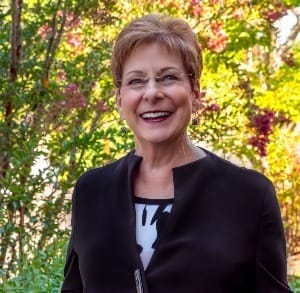
In this powerful and heartfelt episode of the Caregiver Relief Podcast, host Diane Carbo, RN, is joined by Elaine Sanchez—caregiver advocate, author, and founder of CaregiverHelp.com—for an open, honest, and humorous conversation about the overwhelming guilt caregivers carry.
💔 Feeling like you’re never doing enough?
😔 Tired of being manipulated or guilt-tripped?
💡 Want to learn how to set boundaries and release guilt?
You’re not alone. And this episode is for you. 💪
✨ What You’ll Learn in This Episode:
- The two types of caregiver guilt: earned vs. unearned
- The emotional cost of the "martyr syndrome"
- How guilt trips—from others or yourself—undermine your wellbeing
- The “I Regret” technique to shift your mindset 💭
- Why setting boundaries is self-preservation, not selfishness 🧱
- How humor, like the story of “Claudia’s bank heist plan,” can keep you sane 😄
- How to prepare for long-term care, protect your health, and reclaim your life
- Tools like caregiver contracts and building a care team for survival, not burnout 🚨
👂 Tune in now to laugh, learn, and lighten your emotional load.
🎧 Hit play, reflect, and maybe—just maybe—breathe a little easier today.
🔔 Don’t forget to like, share, and subscribe — because no caregiver should have to feel alone.
Podcast Episode Transcript
Diane: Welcome to the Caregiver Relief Podcast, where we shine a light on the emotional rollercoaster of caregiving and offer support, tools and encouragement to help you navigate the journey with resilience and hope. I'm your host, Diane Carbo, rn, and today we're addressing one of the heaviest and most common emotions caregivers face guilt.
I'm joined by a very special guest, Elaine Sanchez, a caregiver advocate, author, and founder of caregiver help.com. Through her powerful storytelling and heartfelt humor, Elaine has helped thousands of caregivers confront difficult feelings and reclaim a sense of peace in their caregiving journey. Here's what you'll hear in this eye-opening episode.
The hidden burden of caregiver guilt. Why so many caregivers feel like they're never doing enough? We'll talk about the Martyr syndrome trap, how self-sacrifice without self-care leads to burnout and resentment. We'll also discuss letting go and moving forward with practical, compassionate strategies to quiet the inner critic and find emotional freedom.
And don't forget to join us@community.caregiverrelief.com, a space where caregivers come together for connection, education, and support from people who truly understand. And this is really important. I wanna hear from you. If you've ever struggled with guilt or found a way to overcome it, I'd love to hear your story.
Visit me@caregiverrelief.com and share your journey. And if this episode resonates with you, please like, share, and subscribe. It helps us reach more caregivers who need to know they're not alone. Now let's begin this deeply personal conversation with Elaine Sanchez as we talk honestly about caregiver guilt and how to release it with compassion and courage.
Diane: Elaine, thank you so much for taking time out of your busy schedule to share your knowledge and expertise to address caregiver guilt.
I was on your website and I like the way you approach caregiver guilt. You address. There are two types of guilt. Yes. Let's talk about that.
Elaine: Thank you, Diane. Thank you so much for having me on You're doing a great service for caregivers and I really appreciate it. Thank you. Yes. So there are two types of guilt.
That are common to most caregivers. And I just want to reiterate what you said in the opening that no matter how much people give, how much they do, how much they sacrifice, they feel like they are simply not doing enough. And so I want to make clear that there is earned guilt and there is.
Unearned guilt. Now, earned guilt is what you should feel if you intentionally inflict physical or emotional pain on another person. That is a rotten thing to do. So if you do it, make amends, apologize. Do whatever you need to do to set it right and don't do it again. Because that's just rotten, right? Yes.
Most caregivers experience what we call unearned guilt, and this is actually a form of self-harm that comes from taking on the responsibility of making other people happy. And for solving problems that don't have solutions. Does that sound familiar, Diane?
Diane: Oh, it sure does. Caregivers, they get into this mode where they don't feel like they can win at anything.
So they just put themselves feel guilty. They feel guilty if people ask for help and many of them are offended because. It's taking, they don't think they're getting judged by somebody. Yes. And then guilt if they can't get everything done. Guilt about everything.
Elaine: Yes. Guilt about everything.
So I want to talk about, guilt trippers first. because guilt trippers, sometimes we guilt trip ourselves and then sometimes we have people who are really, really good at making us feel like it's our job to make them happy, right? And to serve all of their needs and that our needs are not important.
And that if we're doing something for ourselves, we're just selfish and we just don't exactly. Yep. Yeah. So you know, the thing to know about a guilt tripper is that you will never, ever, ever be able to do enough, give enough, be enough for a guilt tripper as long as you're standing. They are going to keep piling it on.
They will never, ever say, stop, take care of yourself. don't worry about me. They're never going to do that. And so one way, to figure out if you're dealing with a guilt tripper, say, something happens to you and it's, it could be good or it could be bad, it could be you get a promotion or you get to go someplace, on a trip because.
Something, and that's good, but it's going to take them away from their guilt tripper, so you know, is their response. I am so excited for you. Oh, I am so happy. I'm thrilled that you have this opportunity. Or is it? How am I gonna get to the doctor's office? Or who's gonna come and mow lawn or how am I gonna manage this?
What am I gonna do if something happens and you're not here? You know all of these things. That's when you know you're dealing with a guilt tripper. And then if you're imposing it upon yourself, then you think, oh, I just, I can't leave. I can't leave mom. what if I go and she falls or, she won't eat when I'm gone.
All of these situations. if it's coming from a guilt tripper, then I really encourage people to set boundaries and, to know what is reasonable and then to be willing to risk their, be willing to risk their anger. I wanna tell a story about my parents.
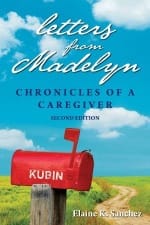
my book letters from Madeline, was actually letters that my mother wrote to me during the six and a half years that she cared for my dad after he had a stroke. And she would just, one of the ways that she would manage her stress. She would just go to her word process or disengage her emotional monitor, and she would just write about everything that was happening and exactly how she felt about it.
And her letters were, sometimes really funny and sometimes they were really heartbreaking, but they were unfiltered. And even though she wrote these between 1993 and 1999. Her experiences are still, every caregiver's experience. She experienced anger, fatigue, frustration, fear, guilt, depression, grief, the whole nine yards.
But this one about guilt. She wrote on their 56th wedding anniversary. And she said that, she knew that it was going to be a very special service at church. It fell on a Sunday and there were going to be former ministers and former members. There would be special music and she was pretty sure that there would be a cake downstairs, at the reception.
In honor of, she and Quentin. This was their 56th wedding anniversary, and at this point she had been taking care of him for five years and he had the stroke, he had prostate cancer. It was advancing, and oftentimes at night he would get up, he would forget. He was wearing a depend that he couldn't get to the bathroom on time.
He would sit on the side of the bed, he'd pull off the depend, and then he would just whoosh. You urinate all over the bed, all over himself. All over the floor. And that had happened three times, on, the night before this church service and, she was just exhausted. And so she got up the next morning and she thought, I simply do not have the energy to get him ready to go to church.
I just, can't do it. So she got herself ready. She fed him breakfast, she got him set out in the garden. And as she was backing off of the driveway, she waved to him and he waved back kind of half-heartedly. And by the time she got to the end of the driveway, she was feeling guilty. And she drove the six miles into town, pulled up in front of the church, and thinking I could have gotten some of the big guys to come out.
They would've. Helped me get him out of the car and up the steps. They would've put him on the lift into the sanctuary. They would've helped me get him down to the basement afterward. And she was very fragile and she was exhausted. And then she went in to the service and the minister, read a poem during the service, and I don't know if you have, ever heard this, but the poem is called Look at Me.
And could I read it? Absolutely. Yeah. So this was found, I've been told that the author is unknown and that it was found in a woman's, nursing home room, a few days after her death when the family came to clean out her room. so imagine my mother sitting there in that fragile state.
And then this is what, the minister read. What do you see nurses? What do you see? What are you thinking when you're looking at me? A crabby old woman, not very wise, uncertain of habit with far away eyes who dribbles her food and makes no reply. When you say in a loud voice, I do wish you'd try who seems not to notice the things that you do and is forever losing a stocking or a shoe who resisting or not lets you do as you will with bathing and feeding the long day to fill.[00:11:00]
Is that what you're thinking? Is that what you see? Then open your eyes. Nurse. You're not looking at me. I'll tell you who I am as I sit here, so still as I use at your bidding as I eat at your will. I'm a small child of 10 with a father and mother, brothers and sisters who love one another. A young girl of 16 with wings on her feet, dreaming that soon a lover shall meet. A bride soon at 20 my heart gives a leap, remembering the vows that I promised to keep. At 25 now I have young of my own who need me to guide and secure a happy home, a woman of 30. My young now grown fast bound to each other with ties that should last. At 40 my young sons have grown and are gone, but my man's beside me to see.
I don't mourn. At 50 once more babies play around my knee. Again, we know children, my loved one and me dark days are up on me. My husband is dead. I look at the future. I shudder with dread for my young are all rearing young of their own and I think of the years and the love that I've known. I'm now an old woman and nature is cruel.
His just to make old age look like a fool. The body, it crumbles grace and vigor, depart. There's now a stone where I once had a heart. But inside this old carcass, a young girl still dwells. And now, and again, my battered heart swells. I remember the joys, I remember the pain, and I'm loving and living life all over again.
I think of the years all too few gone too fast and accept the stark fact that nothing can last. So open your eyes. Nurses open and see. Not a crabby old woman. Look closer. See me. Oh, that's beautiful, isn't it? Yes. Yeah. And as you can imagine in her state. She was, it just hit her in her heart and she was feeling so guilty for leaving Quentin at home and she cried all the way home and she got him in the kitchen and sat him down at the table and she cried and cried and cried, telling him how guilty she felt.
And he said, I feel like crying too. But he didn't. And I thought that's Interesting. And it's like he, like most stroke survivors, he had a hair trigger switch, emotional switch that if he saw a dead commercial, he would cry. If he was listening to one of his talking books and he thought the characters were getting in some kind of trouble, he would just bellor and then one day it hit me.
It's like, of course he didn't cry because he knew if she felt that badly, guess what? She was not going to leave him at home alone anymore. She was either going to take him with her or she was going to stay with him. So I've told this story a lot because I think in this case, they were both guilt trippers. Madeline guilt tripped herself.
She always felt like, she needed to make Quentin happy. She needed to take care of him. And my dad was never the type of man who used anger, or, He was never accusatory behaviour that He could just get so sad. He just would put his chin down on his chest and he would just get so sad, and she didn't want him to be sad.
So she would do whatever he wanted to do to keep him happy. He was his guilt trip and I really think that this worked out quite well for them over their many, many years of marriage. And, much better for Quentin obviously than probably for Madeline. But that was how their situation worked.
Now, I think we've made a lot of progress. Women have made a lot of progress, but I think as caregivers, men and women still tend to feel this unearned guilt of feeling responsible for making other people happy.
Diane: One of my most popular series is, Caring for a Narcissistic Parent.
Oh, wow. Wow. And my, that is my best, scene or video, the whole series. Yes, because whether you have a parent that is a narcissist, many of the caregivers that take care of narcissists are reluctant caregivers or angry. Yes, yes, yes. But they still feel compelled to provide care and those are the ones that I worry about the most.
Yes, of course. I had an Italian husband, my second husband, and he would say his mother stood in line of Mother Guilt School twice.
And, you know, you have to giggle, edited, and she was good. She was very good at manipulating, people to get what she wanted.
Elaine: There are good people, so I have a kind of a system, that talk to people about to stop feeling guilty to change their emotional vocabulary. So just, I'd like for you to just take a minute, Diane, and you're probably healthy and beyond all of this, but maybe there was something at some point that made you feel guilty of, a situation, event, a person, whatever.
And I want you to just put that right here. Okay? Just put it right at the front of your mind. Okay. And then I would like for you to change your emotional vocabulary from saying, I feel guilty about this. Do I regret this? So guilt kind of powerful, isn't it? yes. Powerful is guilt is a sense of having done something wrong or having failed in an obligation and regret is a sense of sadness or a wishing that things could be different.
Then when, I'm talking to caregivers, I say, okay, let's go through and let's practice some things, things that, typical, that cause caregivers to feel guilty. So I regret that I run out of time and I can't do all of the things that I would like to be able to do for my caregiver.
I regret that sometimes I lose my temper and I say things that I wish I could take back. I regret that I resent how much money it costs and that there are times that, I think about the financial impact. Before I think about the, benefit to my care receiver, I regret that our relationship has changed and that I really don't enjoy being with them anymore.
I regret that I'm not going to be able to keep promises that I made in the past. I regret that they don't want to, go into long-term care. I regret that they don't want strangers coming into the house. I regret that I can't do everything for them 24 hours a day. And then the tough one is I sometimes I regret that.
I wish they would just die and get it over with. Wow. And then I regret a lot of things, but I don't do guilt anymore. So I think, I encourage people to write down, the things to name the things that have made them feel guilty, in the situations. And then just say, okay, I regret this rather than I feel guilty.
It can be a simple thing. Like I regret that my mom wants me to be there for lunch every day, and I regret that she's going to be upset that I can't or that I won't, but I'm going to do what I need to do for myself.
Diane: That's a very powerful technique and one that I really, I'm gonna tell my listeners, you gotta follow this because, caregivers feel lost all the time and they need a healthy, healthy mantra to get them over those.
Elaine: Yes, yes,
Diane: yes. And, are there other healthy ways they can begin to let go of guilt, especially when they're, they feel like they're failing someone they love.
Elaine: I asked them to take a look in the mirror and think about, sometimes, maybe even write down a list of all of the things that they do, to take care of their care receiver, from fixing meals, to changing the bed, to doing the laundry, to managing the medications, all of those things.
And then I would say, imagine how you would feel if someone was doing all of these things for you. I would feel very grateful and humbled and appreciative. I really would and I would feel like I wanted to make it easy for them. But there are people who are narcissists as you have mentioned, and so I talk about the importance of setting boundaries.
Yes. And, then letting them stand in their own shoes. Should we talk about setting boundaries first?
Diane: I would love to talk about that topic because that's one of the biggest challenges, caregivers have. Yes. And it's, I know personally because I've been, not only a nurse, but I've been per a personal caregiver to many of my family members.
So I know about guilt, I know about manipulation. So continue.
Elaine: I encourage people, first of all, I'm gonna tell a little story. I was in, Sacramento, several years ago at a conference, and we'd talked about, anger, and fear, frustration, fatigue in the morning and just before lunch. Then, we had kind of a Q and A session and this woman raised her hand and she said, yeah, can you tell me how I can make my mother happy?
And I said, wow, that's a big question. I said, so let me start with asking you, has your mother ever been happy? And she said, oh, no, no, she is always been a real piece of work. Major guilt tripper. And I said, okay, so tell me what's going on, right now. And she said, well, she called last week and she said, she would really like to move in with me.
I said. Do you want your mother to move in with you? And she said, no, I don't. She's just always been so hard to get along with. I just really don't want her here. And I said, okay, so tell me about the conversation so far. And she said, well, when she said she wanted to move in with me, I immediately said, oh mom, there's a really nice active retirement community.
That's just about eight minutes from my house. And I think you would really like it there. And her mom said, it's old, all old people who live there. I'm not gonna go to a place like that.
Diane: Yes,
Elaine: yes. So then she said, but you know, they have a lot of nice activities. They have a bus that takes people places and they have people come in and do things.
They have, exercise and games and things. And she says What? Like, bingo. Really? Do you think I'm gonna play bingo with a bunch of old people? What's wrong with you? And so then what was the next thing? Oh, she said, and my friend Carla's mom lives there. You've met her. And she said yes. And Carla's mom is a cow.
I wouldn't wanna be any place where I'd have to have breakfast, lunch, and dinner with her three times a day. And so I said, okay, okay, I get the picture. I said, so what we need to do here, I'm gonna recommend that you change. The conversation because you are trying to make it okay for her. Yes. You're trying to get her to agree to do something that she doesn't want you, that she does, that she wants to do, that you don't want to do.
And I said, so instead of talking about her and making it okay for her, you need to stand up and use I statements. And she says, I don't know what you mean. And I said that, you don't make it about her. You make it about you. Right? So this is about me, mom. It's not about you. So it's like you say something like, I, you know, mom, I love you way too much to have you move in with me.
That simply is not going to work for me or my family. And if she comes back and says, I think you're being really selfish. And then you can say, I'm sorry you feel that way, but I need to take care of myself and I need to take care of my husband and my family. This is not going to work for us.
And so you know, she a person who's a really good guilt tripper is just going to keep coming back and coming back and coming back. And I said, so when she does, you can say, I think I've made myself very clear, mom, I'm done talking about this. It's not going to work for you to move into our home.
That's just not going to work. Can't happen. And then with when she comes back, which she probably will, then you say, I am done talking about this. And then you leave. If you're on the phone, hang up. If you're in her apartment leave. If she's at your home, walk out, you just say this topic is closed. We are not going to do this anymore.
And then of course her response was, oh, she's going get so mad. And I said, let her. You have been trying to manage her feelings and to make her happy, and she knows that if she gets mad at you or if she stops talking to you, you're going to weaken. So you're going to have to be really strong and you're going to have to.
Learn to stand in your shoes and you're going to have to let her stand in hers. So if she needs to yell, let her. Go about your business. Walk out, say, I don't wanna listen to this. And just leave. And if she needs to do that, fine. Okay. If she needs to give you the cold shoulder
Let her p it out in her own corner. Don't try to talk her out of it. Don't try to solve it for her. Don't fix it. Just let her be mad. Let her give you the cold shoulder. And go about your business. And this is a very hard habit to break, when Absolutely. It's a very hard habit to break. And if she's a crier
Oh, yes. And or a hanky, let her cry. I saw a great, sample of this and had nothing to do with caregiving, it applies. Our granddaughter was like, oh, five or six years old, and we had a kind of a neighborhood picnic and the kids were out playing in the backyard and there was this little boy that was throwing food.
He was on the deck and he was throwing food at Melissa, and she was wailing. She was just crying, crying, crying. And one of the young dads walked out there and he had kind of seen what was going on and I Kind of followed him out and, he said, oh, Melissa, he says, was Josh throwing food at you?
And she was like, yes, he was. And he said, did he hurt you? And she said, no. And he said, okay. So honey, how long do you think you need to cry? And she said, i don't know. And he said, tell you what, you stay out here and you cry just as long as you need to. The rest of us are gonna go back in the house and when you're done, come in and we'll all play.
Well, I think she beat him through the door, it was like, but I thought that was just fantastic because he acknowledged her feelings. He asked if she was hurt physically, and then he said, okay, if you need to cry, just go ahead, cry as long as you need to. And, he didn't demean, he didn't say, she shouldn't feel this way.
He just gave her permission to feel what she was feeling. So I think when we're talking, with guilt trippers, if we can, take that approach of letting them stand in their own shoes and process their own feelings. I think that can be very helpful.
Diane: A few years ago I received a phone call from, a 76-year-old female out in California who is living with her
104 year old mother. And she calls me up and she's all in tears. I've talked to her on and off over the years and 20 years prior to this phone call. She reluctantly brought her mother into her home and she, and of course mom is a narcissist and master manipulator. And over the 20 years. My clients was like, oh my gosh, I'm trying to do what I can for my dog, my mom.
But she goes, I'm losing myself. So here she is, 76 years old and she calls me up and says, how do I get her out? Oh my, and her mom wasn't gonna a nursing home. She was going to an assisted living and a very posh one at that. And she was able, and she was doing better than her daughter healthwise.
So that's, when I hear you talk about, breaking the cycle of people pleasing or, breaking the cycle of guilt tripping. I get it. Because here's a woman who reluctantly took her mom in and over 20 years. She says to me, Diane, I'm 76. I'm getting old.
Elaine: 56 to 76, those should have been some of her best years. Yes,
Diane: yes, yes. Yeah. Yes. And it happens. They just, they get into that cycle of guilt, And I tell my clients know guilt negates every bit of good you do. So try to get rid of it now. It's not as easy. I love and I hope my listeners picked up on all these wonderful techniques, you're providing them to overcome the guilt because if they can overcome the guilt.
Their burden becomes so much less, so much lighter.
Elaine: I heard you say in one of your other shows, I think, correct me if I'm wrong, but I think you said 63% of caregivers either die or suffer a serious illness. Yes. and is there, is this like long-term caregivers, did they put a. This is on it or just,
Diane: these are people that provide care.
the every family caregiver. We have no affordable respite in this country. Yes. Right. Our, we have a public health crisis going on right now. Yeah. We have more seniors than youth. I will tell you, when I was doing, I started my first website, aging Home healthcare.dot com, about 20, 25 years ago.
The statistics then were 50% of family caregivers. Okay. And, it's up to 63% now. And I will tell you what's happened is more and more of our healthcare is being pushed on the family caregiver. Yes. And, they are expected to do care once provided by, healthcare professionals. Yes.
Elaine: Professionals.
Diane: And there's no acknowledgement for the, they actually provide $650 billion of unpaid care.
Yes. They don't get paid for it. They don't get acknowledged for it. They don't get healthcare. Many of them leave their jobs and, have a very severe financial burden. Yes. so that's why, I think that what we're talking about with guilt is you've gotta break that guilt cycle. Yeah. I encourage my family caregivers also to create a care team partner approach to care, and that's a whole another, topic for me.
But they need to be able to ask. People for help and expect it. And I'll tell them, I tell all of them, if you have extended family members and uninvolved siblings that are judgemental and being bossy and pushy because you know that the family expectations or judgments absolutely add to caregiver guilt.
They should be expected to financially help with resources, and that may be, doing research, letting them take care of the medications. Everybody has a role in the family and they should be expected to do it. It should not be done alone. I
Elaine: am 100% on your side and I encourage people, I say,
You may not be able to motivate them to help, but I am a huge advocate of holding people accountable, and I'm a big one for writing a letter. a letter on a piece of paper. And saying, this is the situation. This is how your lack of involvement and commitment is affecting our parent.
Or, whatever it is. And, just tell them how their lack of action is, is making it harder. whatever the situation is for you or for your care receiver and, just how disappointed you are and then tell them what they can do to make it right. It just what you said.
Yes.
Diane: I'll take it one step further. I tell all of my family caregivers to put a family caregiver contract in place. Ooh, I like that. Yeah. Many really don't, understand and they get insulted when I say this, but you need to be able to approach your caregiving duties like a job and not free care. I know you love your loved one.
But I will tell you. While you're losing your mental health, you're losing your physical health, you're financially being impacted by all the caregiving and your one person. After that, your loved one dies, or even before they die, your family members will be circling around looking for the bones of anything that they can get.
This is terrible to say, and I'm awful, but so many of my caregivers are tossed aside and. The rest of the family after not providing any care, wants to know what they're getting in the will or can they start having property given to them. it's awful. So I think that a family caregiver contract where you stay days off, you get vacation time, seriously, all this, and you even can, if you have a.
A family member who's going to need long-term care in the future, and you have a house or whatever you and you're going to be trying to apply for Medicaid. This is a really good step for you to do so that you can spend down your, their assets and you get rewarded for providing your care.
Elaine: Yes, and make the adaptations to the house or whatever. Exactly. Exactly.
Diane: So you know what, I have a couple copies on my site of different ones, but Yeah. On your website, basic, you could just go online and look up, it's called a family caregiver contract or a personal care contract.
Elaine: Oh, I love that.
Diane: Yes. and peoples are up, caregivers are always asking how do they get paid, or if you suggest it to 'em, they're like, well, I'm a terrible person and family members. But this putting it in writing, saying, and this is the other thing, when you talk about guilt, people will make promises like, I, I'll never put you in a nursing home.
Don't worry about it. Right. I promise I'll keep it. We'll keep the house, whatever. And then the person, the family member with dementia says. Becomes socially inappropriate, sexually inappropriate, maybe aggressive, and really are in a situation where you need to put them in a safer place. Yes, yes. For yourself as well as.
And it's really hard. So you put those, I have caregivers that say, I'll do everything and anything to keep you, but all of a sudden when the family member becomes incontinent of bowel or bladder, they're going, I can't do this anymore. Right? I can't provide intimate care. So I really strongly recommend that family caregivers sit down.
I have a question. I have 101 questions every caregiver should ask before they start their caregiving journey. Oh wow. I've been doing this a long time and my caregivers, they make these promises that they have no idea they're gonna be able to keep causing them tremendous amount of guilt.
Yeah. That's what the family caregiver contract actually sets boundaries. Initially so that they know that they're not gonna get crossed and that everybody on the care team, the care recipient, the family and the primary caregiver all know that everything is in writing. if you become incontinent, I can't do it anymore.
You either have to have home care come in, or we have to place you. And that's my boundaries are
Elaine: Yes. Yes. Absolutely. That's great. I had a couple good friends and, he was dying and, they had gone through all sorts of treatments. He had a heart issue and, so he had gotten home from the hospital and, he wasn't sleeping at night.
she wasn't sleeping at night and she was just exhausted and they were both in their late. Seventies. And so she told him that, she needed to bring somebody into the house, to help, she needed to hire some non-medical people. and I had suggested, hire somebody to come in and spend the night.
So that you can sleep. Yes. and he said, no, I don't want strangers coming into the house. And he said, I sleep during the day so you can just, whenever I'm sleeping you can go take a nap. And and so I said, i could come over there and just strangle him for you, if that would help. But, sometimes humor helps, but we didn't think that was probably the best plan.
And she went back and said, I can't do this. And he said, I am so sorry. I am such a burden to you and I'm know that you're just waiting for me to die so that you can go live your life. all of that sort of stuff. And I think that's when I offered to strangle him. But I said, so why don't you say to him.
Okay, honey, I cannot do this 24/7. I simply cannot. so I'm just going to go and start calling some nursing homes and we'll find a good place for you because, I'm gonna drop dead before you do unless I get some rest. And she summoned up the courage. she stood in her own shoes and she told him that.
And then he said, oh, Okay. I guess you can bring some help into the house. He wasn't happy about it, she was firm and she said either you agree to these terms or you're going someplace where they have a whole team of people who work different shifts. you're looking at people that work three shifts and you're asking me to do it all by myself and I can't do it.
Diane: Those that care for somebody with dementia. I want you to understand that your family. Your family member that has dementia may have lost their ability to reason. So when they're saying these things, just be aware. So don't let what they're saying, play a part on your decision and.
Don't let the family members bully you into continuing to provide that care. Yeah. I love your, advice here. So what role does humor play in releasing guilt and other heavy emotions? Because I know you use it so powerfully in your presentations and you were just bringing it up now and. As a nurse, I find humor in some very dark things because I have to just survive.
Sure.
Elaine: it's just too difficult to take seriously all of the time. It just is and if you can find some humor in it, you can help people relieve their stress. Yes. And have you seen my Claudia video?
Diane: No, I have not.I looked it through Madeline, but I haven't seen the Claudia video.
Elaine: Okay. this is just such a fun story.
Diane: Will we be able to put that on our website? Our web? Yeah. Annie, can you get that for us? Yeah, I can send that to you. That would be great. Yeah, definitely put it on the webpage that we create so that, you can share that. So tell us about, your video.
Elaine: Well, I was speaking at a conference in Wisconsin, for people who were caring for loved ones with Parkinson's and Huntington's disease.
So you're talking really difficult disease. And this, in the morning I had talked about, fatigue, fear, frustration, and how it contributes to caregiver anger and the importance of getting enough rest. And so at lunch I sat with this table of really lovely women, and Claudia woman sitting next to me looked.
She, I know she couldn't have been that old, but she looked old because she was, worn out, but she had these twinkly, twinkling eyes and just mischievous and, and she said, I've got it all figured out. I listened to your presentation this morning and I've got a plan. And I said, oh, tell me, she said, I'm gonna rob a bank.
I am gonna get my husband in the car and we're gonna drive to the bank and I'm gonna park in front, and then I'm gonna get him out of the passenger seat and put him behind the wheel so that he'll look like the getaway driver. And then I'm gonna go into the bank with an unloaded gun and I'm gonna.
Point the gun at the teller. And I'm gonna say, this is a stick up. And if she gives me any money, I'm gonna take it out to the car and I'm gonna sit in the passenger seat and wait for the police to arrive. And then here's the beautiful thing. When they come, they're gonna arrest both of us. And then they'll take him to the men's prison and they'll have to feed him.
They'll have to do his laundry, they'll have to manage his medications, they'll have to deal with his, depends. And then I will go to the women's prison and I will be in a cell all by myself. I'll be able to sleep through the night. I'll be able to read books during the day and it won't cost us a dime.
Is that, so there's humor, right? And I think Claudia was using humor very effectively to manage a very stressful situation. At the same time, I don't doubt for a minute that she had really considered doing something desperate in order to get some rest.
Diane: I was gonna ask you what happens when guilt goes unaddressed for too long?
And this was a perfect example of it. Yeah. And there is no doubt in my mind it crossed her mind. She would do that. Oh yeah.
Elaine: Oh yeah, yeah, yeah. And if I'm seeing an audience and I say, how many of you think Claudia's plan makes sense? Almost everybody raises their hand. they laugh, but it's like, yes, that's brilliant.
Yes. I don't have, 10, 12, $15,000 a month to put 'em into long-term care. So, as you said earlier, it's a crisis. And the one thing that I say over and over and over again is self-care is not selfish. Thank you. It's all about survival and. If you want to live longer than your care receiver, knowing that 63% either die or have serious illnesses.
And boy, I have seen that with my friends who've cared for their husbands That they don't do well. after a long-term illness, after someone dies, they, they've held it together for a very long time. And then when they're not doing it anymore, if they haven't taken care of themselves through the process, they really fall apart physically and emotionally.
Yeah. Yeah,
Diane: And what's, one of the things I tell my caregivers is you have to build a care team, partner approach to care because you have life after caregiving. And those outside relationships, just like a garden, need to be watered and fertilized and given attention if you're going to have something to go back to.
People don't realize caregiving can be from anywhere from a few months to, 20 years. Yes. And we're living so damn long. my little lady in California who's 76, calling me sobbing. I can't, I need to get my mom outta my house. I said, well, how old's your mom? She goes, 104. I was like, I think you deserve, after 20 years, you deserve time off for good behavior.
Elaine: no kidding. That just makes me so sad for her. it really does. that's, I feel. Sad for anyone who has a parent who wants their children to sacrifice their life for them. yes, and I think it's perfectly acceptable for kids to make sure that their parents are safe. That they are taken care of, that they're getting the help that they need.
But I certainly wouldn't want, my children to give up their life for me. I've had the opportunity to live my life. I want them to live theirs.
Diane: Real fast story before we go. I have to tell you, my oldest son was, he's no longer with us, but he was a Korean linguist in the military, and my youngest son is a nurse anesthetist.
I made one of them the financial power of attorney. And then the other, my youngest one who's the nurse, I made him the power of attorney for my healthcare, and my oldest son says, mom, you're gonna go into the hospital with a hangnail, and Casey's gonna pull the plug on you. That's why you have to take, you have to take it.
you have to have some sense of humor, but, it's like when we're talking life and death stuff, you have to have that, get rid of that guilt, I said, to Jeff, I said, Jeff, that's why I have him. So he's not gonna keep me alive necessarily. Exactly.
If you could say one thing to a caregiver struggling with guilt today, something to help them breathe a little easier, what would it be?
Elaine: I think I would really encourage them to. To change their emotional vocabulary and to start practicing saying, I regret instead of I feel guilty. I would do that. And then I can't stop at one.
Sorry. I'm gonna have to say one more thing. tell them to stand in their own shoes and to let their guilt stand in theirs. So I think those, that would be two things that I would give them, and then maybe I would tell them to go by Melody Beatty's book, codependent no more.
Diane: As an adult child, I'm an alcoholic. I'm very familiar with that book.
Elaine: Yeah. Yeah. it's a really good book for people. I have read it. Probably three times myself and I've given it to multiple friends. Codependent no more?
Diane: Yes. Perfect.
Elaine: Perfect.
Diane: Now to thank you so much for joining me and sharing all your knowledge.
I'm so excited because you gave me some tools I can use when I'm speaking to my caregivers. I love, I always tell my caregivers that they, if you change your perspective, you change your life. You can't change other people's, at all. Yes. Only change your response to them.
Elaine: Yeah, right. That's right.
Diane: And it's a hard, it's a hard concept to accept it first because caregivers want to please everybody.
But at 72 years old, I guess I'm finally to the age where I don't, I don't feel like I have to take care of everybody. It's pretty awesome, isn't it? For me, it was huge. So thank you so much for your time and to my family caregivers out there. Remember, you are the most important part of the caregiving equation.
Without you, it all falls apart. So please be gentle with yourself. Practice self-care every day because you are worth it.
Caring for a loved one can be overwhelming — but you're not alone. If you have questions, big or small, our expert team is here to help.
👉 Click here to Ask the Expert
Our Resource section can help you find the information and tools that you need. We have courses, videos, checklists, guidebooks, cheat sheets, how-to guides and more.
You can get started by clicking on the link below. We know that taking care of a loved one is hard work, but with our help you can get the support that you need.
Click here to go to Resource Section now!