Caregiver Burnout and Chronic Stress: How to Reset Your Nervous System and Start Healing with Mitch Webb - Episode 217
Caregiver burnout and chronic stress can overwhelm your body and mind. Learn how nervous system regulation helps you recover, restore energy, and begin healing.
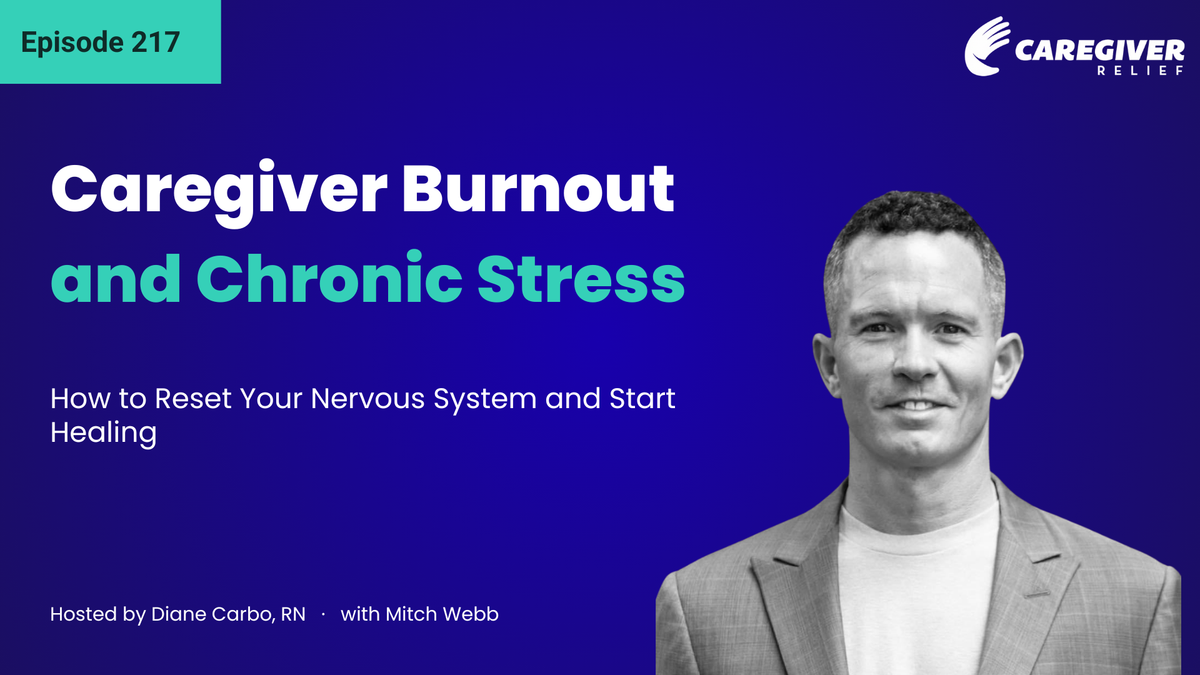
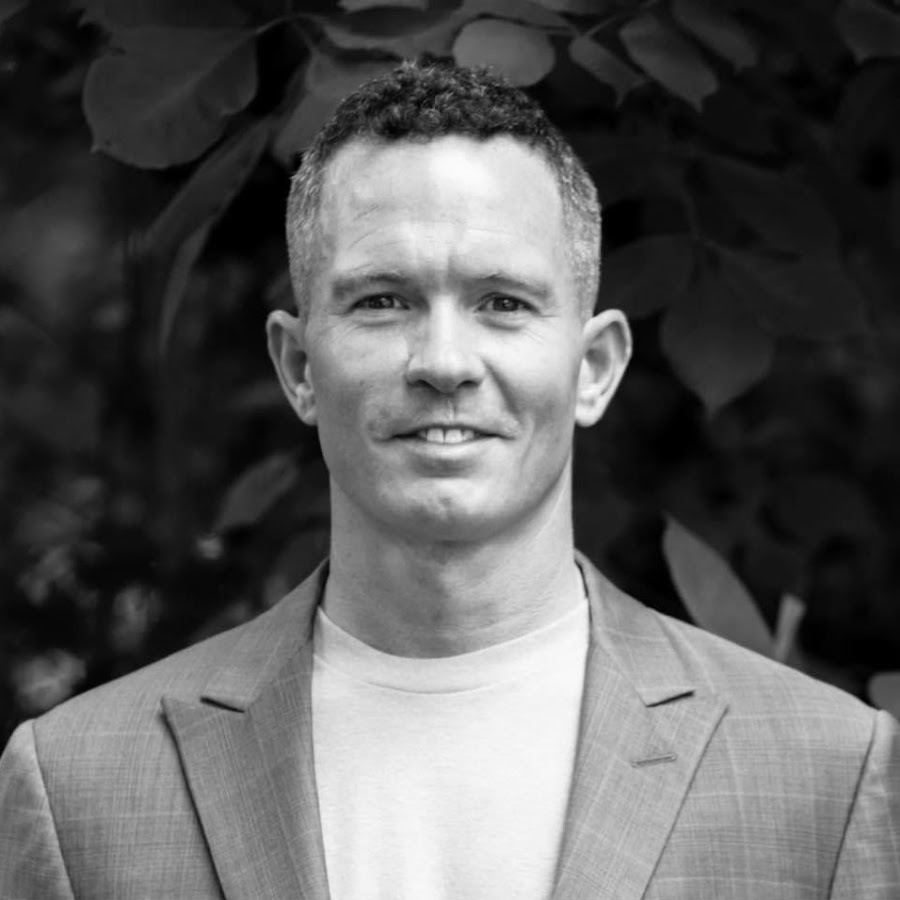
In this episode of the Caregiver Relief Podcast, host Diane Carbo, RN sits down with Mitch Webb, a specialized nervous system coach. Mitch shares his powerful personal journey from being a high-performing professional to physically and mentally collapsing under the weight of chronic stress. Together, they unpack why traditional "band-aids" don't work and how true healing begins when you stop pushing harder and start working with your body instead of against it.
📋 Episode Outline & Key Takeaways
1. The Reality of Living in "Survival Mode" 🏃♂️💨
- The Caregiver's Burden: The majority of family caregivers operate entirely alone, facing severe consequences that impact their health, emotional, and financial wellbeing.
- The Trap of "Pushing Harder": When symptoms arise, caregivers often double down and try to force their way through, which only makes the symptoms worse.
- Mitch’s Story: Mitch shares how a traumatic brain injury at age 20 threw his nervous system into severe dysregulation, eventually leading to autoimmune disease, chronic fatigue, panic attacks, and a 20-year dependence on sleep medications.
2. Understanding Nervous System Dysregulation 🧠⚡
- The Window of Tolerance: The state where we feel creative, refreshed, and capable of resting.
- The "Functional Freeze": When fight-or-flight (sympathetic activation) is turned on for too long without relief, the body throws on its emergency brake. This dampens your hormones, digestion, and energy, leaving you feeling "wired but tired" and completely numb.
- The Tiger at the Door: The nervous system cannot tell the difference between an actual physical threat and the constant, overwhelming thoughts of caregiving. If your body thinks a tiger is at the door, it will refuse to let you sleep or digest food properly.
3. The 5-Step Path to Regulation and Healing 🗺️✨
Mitch breaks down his signature process for moving out of functional freeze and back into homeostasis:
- Education: Learning the biology of stress to realize you aren't broken—your body is just trying to survive.
- Awareness: Shifting into "observer mode" to notice your triggers and your compulsive reactions (like frantically Googling or over-medicating).
- Building Capacity (Titration): Using small doses of sensory awareness (like feeling your seat in a chair) to signal safety to your brain.
- Acceptance & Allowance: Recognizing that symptoms are not trying to hurt you; they are just survival patterns.
- Expression: Safely releasing trapped emotions like anger, grief, and fear that have been suppressed for years.
4. Simple Micro-Practices for Overwhelmed Caregivers 🕒🧘♀️
Even if you feel like you have absolutely zero time, you can use these 10-to-30-second micro-moments to reset:
- Pause Transitions: Before putting your seatbelt on or starting a new task, hold the steering wheel, look around, and feel your feet on the floor.
- Step Into Nature: Spend just 5 minutes outside. Feel the wind, the cold, or the warmth of the sun on your face to ground yourself.
- Reclaim Your Values: Don't wait for a "magic cure" to live your life. Pick one small thing you love or have been avoiding due to your symptoms, and do it anyway.

🎁 Special Resources Mentioned in This Episode
- Free Nervous System Quiz: Mitch has provided a free 10-question quiz exclusively for our community! It helps you identify your primary nervous system state and unlocks free tools to get you started, alongside a complimentary 30-minute call with Mitch. (Check the links below to take the quiz!)
- 🌐 Website: mitchwebb.com
- 📸 Instagram: @kmitchwebb
- 💼 LinkedIn: Mitch Webb on LinkedIn
- 👥 Facebook: Connect on Facebook
- 🎵 TikTok: Mitch Webb



Podcast Episode Transcript
Diane: Welcome to the Caregiver Relief Podcast. I'm Diane Carbo, RN. Today we're gonna talk about, caregiving, and caregiving is not meant to be done alone, yet the majority of family caregivers out there are doing just that. They do so with consequences that impact their health, emotional, and financial wellbeing.
So if you're a caregiver who feels exhausted all the time, if your mind won't shut off, your body aches, and sleep doesn't restore you, if you've been pushing through day after day, telling yourself you just have to keep going, I want you to hear this first.
What you're feeling is real, and it's not your fault. Caregiving doesn't just take a toll emotionally. It affects your entire body, and over time, that constant stress can leave you feeling like you're running on empty or like your body is starting to break down. So many caregivers tell me, "I don't even feel like myself anymore."
And today we're gonna talk about why that happens. I'm joined by Mitch Webb, a nervous system coach who understands this from both a professional and a personal level. He went from high performing and outwardly successful to physically and mentally collapsing under the weight of chronic stress and illness.
What he discovered and what he teaches now is something every caregiver needs to understand. Healing doesn't come from pushing harder. It begins when we learn to work with our body instead of against it. If you've been stuck in survival mode, this conversation is for you.
Diane: Mitch, you have an incredibly powerful story, so I'm really, glad to be able to share your willingness to share your information with my listeners.
Can you take us back to a time when you first realized something wasn't right in your body?
Mitch: Oh, man. Diane, first off, thank you so much for having me on the show. I was over here taking notes. you said exhausted, ruminating, aching
Diane: Yep
Mitch: sleeping doesn't restore, pushing through. And that checks all the boxes for the clients that I work with.
It's interesting, as we prepared to unpack my story a little bit, it's almost like I was the caregiver in my story, and I ended up with all the symptoms that you're discussing there, trying to
Diane: Yeah
Mitch: fix and biohack, looking for, I call it the Amazon Prime of healing. I wanted it the next day.
And when that's not successful, we have this story that we're broken. And typically, we double down and push harder, and the symptoms
Diane: Yeah
Mitch: don't get better, they get worse.
Diane: Yeah
Mitch: and so if you're someone that's listening to this podcast and you feel like that, you're absolutely not alone, and it's a pattern that I see all the time with myself and my clients.
And when did I first start to notice something was wrong? I was about 20 years old. I was studying abroad, and I fell out of a second story window. I hit my head, had a traumatic brain injury.
Diane: Oh, wow.
Mitch: And when we have. I had trauma, so I had dysregulation in my nervous system that I wasn't aware of.
Now doing a bunch of work, I can see that. and what I mean by that is we may say we have two different people that have a bad accident, car accident, death of a spouse, illness, losing their job, divorce, you name it. One person, let's do the car accident as an example. Person who's regulated, who has a strong foundation there with their nervous system, they may go about, about their day and nothing's different.
They may have the car accident. Maybe they've got some bumps and bruises, but they bounce back pretty quickly. And let's even do,a bump up. that, that's a better example so it's not so extreme. Now, the dysregulated person, who maybe doesn't feel safe, who feels stuck in fight or flight activation shut down, they have a small bump up and the next day they can't get out of bed, and they don't feel like themselves.
They start withdrawing from life. They start having gut issues and insomnia and maybe some autoimmune stuff, and they don't know what's going on. and that, that was my story. I started, I broke out in autoimmune disease maybe six months later. I started having panic attacks and anxiety and didn't even know what that was.
I went to the doctor, said, "Something's wrong with me. Something's going on." And they said, "You have anxiety." I'd never even heard that word as a 20-year-old guy, and I left with a couple prescriptions and, good luck.
Diane: Sadly, our medical delivery system, that's a response to everything."Let me give you a pill."
Mitch: Yeah.
Diane: And it's not the answer to anything, and it's a bad solution as far as I'm concerned.
Mitch: I would say this. In the short term, it helped.
Diane: Yeah, I bet.
Mitch: And at that time I was grateful to have that when I had no other resources.
Diane: Yeah.
Mitch: And in retrospect, and someone that was on benzos, medication for sleep for almost two decades, I would say yeah, I mean it's there if we need it, and it's supposed to be a short-term thing so that we can get off of it.
And it also feeds into the narrative that we hear from society that, you need to suck it up and get back in the game and push harder, and these symptoms are bad, and we got a pill for that. And so it makes sense that someone would want the Band-Aid, or the crutch
Diane: Yeah
Mitch: and would think, there's a deficiency instead of doing this deeper work that takes time and is, not as sexy as, pop a pill and keep going.
Diane: Yeah. I've had the pills too. I had, treatment resistant depression. Have had the panic attacks, have had the anxiety, because of caregiving. I was both a professional and a family caregiver, and I started at an early age, at 16. So I've always been in, I believe, was survival mode.
I didn't realize it at the time, but here I am at 73, and I'm like, "Oh, yeah." I did function in survival mode. I was just, I was existing and just, pushing through just to get through every day. So I understand that. So many caregivers feel that constantly exhausted, the anxious or overwhelmed.
Can you explain to us, Mitch, what actually is happening in the nervous system when somebody is under that chronic stress?
Mitch: So what's happening, when we're dysregulated and we're stuck in fight or flight, we're expending a lot of energy, and we got all these symptoms that are trying to get our attention, and we may make that a problem and- or someone's dependent on us.
We're a high performer, so we keep pushing through. We don't have we feel like our, we don't have time to stop and
Diane: Yeah
Mitch: and it becomes like a, it's a burden, it's a nuisance, these symptoms, and we actually kinda judge them and say something's wrong with them. But what's actually going on in the nervous system is we're stuck.
We're stuck in fight or flight. Eventually, when we're in fight or flight long enough, our body will shut down. It'll go into freeze, and we may function there. I say function. kinda like you said, we're surviving, not living.
And it makes sense in the case of a caregiver because someone's depending on them, and it feels like it's life or death, and it may very well may be.
Diane: Yeah.
Mitch: So over time, our body cannot maintain this high level of stress, and things start to break down, and that's where we... The nervous system is connected to so many of the systems of the body, the hormonal system, circulation, digestion, being able to rest and sleep, having energy or not having energy or, and being able to sleep or not be able to sleep.
And so pretty soon, if the survival, if we can't bring safety into our body, even in a place where we actually are safe, our body is responding to the past because we haven't really we're kinda holding on to that. We're holding on to those emotions. We're suppressing them.
We're not allowing ourselves to rest or be ourselves, and we, what we need is attunement. We need someone to kinda take care of us, and we need rest, and we need to, take care of our body. And we're so disconnected from our body because of all the symptoms, because of all the stress, because of the drive to take some- care of someone else that we're not even hearing those signals. And
Diane: Yeah
Mitch: then we hear, take a pill, put a Band-Aid on it, and so we're just end up managing our life, until we can't anymore and we break down and we have to take a pause and we have to look at these things. but as you can see, it's a recipe for disaster if we don't know how to meet ourselves and the symptoms that are coming up, and none of us do, especially if we didn't get modeled that as a kid.
We weren't allowed to be ourselves. We weren't allowed to have certain emotions, and we had this obligation and this priority pushed on us or maybe, we had to care a loved one that we wanted to, that they got sick. And so it just feels everything kinda rolls downhill and we don't have a choice, and there's all this pressure and, that right there just makes my body kinda tighten up talking about that scenario.
Diane: Yeah. Talk about nervous system dysregulation. People don't know what that means. So can you talk us through what that is, why we develop this dysregulation? I know it's ignoring the symptoms, or ignoring the signs, but how do we, what is it and how do we avoid it? Which is what you're going to tell us about anyway.
Mitch: So nervous system dysregulation, we where do I start with that? We kinda have this window of tolerance, and that's where we feel good. We're creative, we can sleep, we have energy, we wake up and we're refreshed. We don't have all these symptoms. And then we have, fight or flight, which is a sympathetic activation.
Yeah. And that's normal. we want that fight or flight working, just like we want the parasympathetic working. But when we have a threat, that's not going away, that, that sympathetic drive kicks in so that we can fight or that or we can run away, flight. When we don't have those options, or we stay in that prolonged stress for a long period of time, eventually the body throws on the e-brake, that is the parasympathetic, the more of the, parasympathetic is rest and digest, but it's also freeze. It's immobilization. You can think of a, an animal that is gonna play possum, until the threat passes. Our nervous system, gets activated, it wants to fight or it wants to run away. When it can't do that, and it stays in that prolonged stress for a period of time, the e-brake comes on, and now our body thinks the best.
Our body thinks that we're dying, and the best thing that it can do is dampen all these different systems, conserve energy, and we end up living our life in this functional freeze, that we would call it, where different systems are turned down. hormone- hormones may be lower, energy may be lower.
We may not feel, we may be numb. And that's and dysregulation just means that we get stuck, because a normal human nervous system is gonna move in and out of stress all the time. As a human, there is no such thing as not having stress. It's more about do I have the capacity to be with the intensity of the stressful situation, handle it, and move out of it?
Now, if I don't, then my nervous system's gonna shut down, and I'm gonna get numb, and, and start to avoid life maybe and have all the additional symptoms coming up. And so so much of my work is just normalizing, physiology and the biology of stress, like how our body responds to stress and saying, "Hey, it's not that we want to be at peace all the time.
It's we want the capacity and the ability to handle stress in a healthy way so that we're not getting stuck." And so the way we start to do that is we just start to notice our patterns, notice our feel- notice what we're feeling, connect with our body by being here in the moment. a lot of my clients, they come to me with a lot of these chronic symptoms that we're talking about, and they're stuck trying to manage and fix themselves or prevent this symptom from happening again.
And really what we do is just go, "Hey, these are your survival patterns. This is how the body has learned how to survive. You're not broken. There's nothing wrong with you." and so much of the freedom that we are looking for happens here in the moment when we can use our senses, our sight, our feel, taste, touch, smell, and bring the...
and just feeling in our body. Can I feel my butt in my chair right now? Can I look around the room that I'm in and notice what I'm feeling in my body and be able to hold two things at once? Can I hold this part of me that feels very uncomfortable, and can I also show my nervous system that there's, that I am safe right now?
That what I'm responding to is the past. My process would be there is education, so learning about the biology of stress, learning about our physiology and how it works, and normalizing what's going on, teaching people that you're not actually broken, there's nothing to fix here, and then bringing awareness in as my second step.
And so we would, become aware of the different patterns that we have and how we react when stress comes in. we're building capacity to see ourselves. Are we compulsively fixing ourself, compulsively maybe helping someone else, or are we able to sit with discomfort and understand how do I respond to that?
Next we may move into, building capacity. So learning how to be in our body through titration, doing little bits of awareness, using those senses to be here in the moment and understand what's going on now, and then learning to follow our own bodily impulses. We start with going to the bathroom when we need to go to the bathroom, eating and drinking when we're hungry and thirsty.
The more we respond to our body, the more impulses it gives us. Eventually, we learn how to accept and allow the symptoms that are coming up, realizing that our body is not trying to hurt us. It's, it's trying to survive, and this is what it's learned. And so we've mapped our patterns.
We're starting to be with and accept and allow the symptoms, and next we move into expressing. Learning how to express the emotions of being a caregiver for, decades or years or decades of being someone who's dealt with chronic stress, and what that means on a day-to-day basis. Maybe there's anger in there.
Maybe there's grief that needs to pass. so much of symptoms are literally just trapped emotions that want a chance to release, but if we have a belief that they're bad, that they're not allowed, we keep pushing them down to, to stay in service of someone else or stay connected to somebody or to be seen or loved or heard.
Things like people pleasing, perfectionism, these are our survival identities that we think we are, and so this work is really building education and awareness, learning how to be with our sensations, our emotions, see our patterns, to accept and allow what is here now, and eventually get into a place where we can express the trapped emotions, the grief, the anger, the fear, that we've been blocking.
When we can do that, our body doesn't have to get our attention anymore through symptoms
Diane: That's fascinating.
Mitch: Yeah.
Diane: I have been under chronic stress for a long period of time when I was young, and then in my middle age. And, I couldn't sleep, I overate.
And that's a typical caregiver is, they don't eat right because they're always on the run, so they're shoving anything that's in their path in their mouth. many, look for, to calm themselves down, so they, drink or they take, a pill to calm them down so that they can continue to provide care for their loved one, and they really do push themselves to their limit.
Many complain about they're wired but they're tired. do you know what that means and why does that happen?
Mitch: Oh, yeah. body's stuck in fight or flight. It's trying to survive. And, when we're stuck in fight or flight, that activation, that sympathetic nervous system is on high, it's on high alert.
That's what our body's doing. It's on high alert. You think about, our ancestors. If they didn't have food and they were fasting overnight, they're gonna have a tough time sleeping. Body wants to survive. Body wants to eat.
If there's a constant threat of, and that's what I, as we talk about a caregiver, and I, it's the same thing with my clients, who some of them are caregivers.
There's this tiger at the door that won't go away no matter how hard we try and it's like our life is dependent on taking care of this person, taking care of ourself. We make ourself a project to be fixed. and then we have this, story driving that, we're the glue, and we may be.
We're holding all this together. That's a lot of pressure to be put on a person, and that's that tiger standing at the door.
Diane: Yeah.
Mitch: And if there's a tiger standing at the door, I don't know about you, but it's not a time to procreate. It's not a time to digest food. It's not a time to sleep.
We are, we got one eye open and we're making sure everything's okay. we're in, we're trying to protect ourselves. So literally, it's just survival. The body is trying to survive. Of course, we need to sleep, but the nervous system doesn't know the difference between having a thought, being in the moment with this stressful situation, or if we're constantly thinking about it.
All very common responses to stress if we don't know how to deal with that.
Diane: Now, you talk about regulating the nervous system instead of forcing change, but what does that actually look like in real life?
Mitch: So regulating versus forcing. That would be, you know, there's... Oh, where do I go with that? Because it depends on where the person is at,
Diane: Okay
Mitch: with their capacity, right? In the beginning, that may be just understanding what's going on, like understanding why my body is stressed. Because when I can...
it helps, when we have education and awareness, it can really help with the uncertainty that we're experiencing when we're dealing with all of this, right?
Oh, okay. This is why my nervous system is wired. This is why I'm tired when I wake up. This is why, when I go to the appointment with my spouse, my chest gets tight and I can't sleep that night. And so it's
Diane: Yeah
Mitch: normalizing a lot of the physiology. And then another one is when we're building capacity, that's also gonna be a way to regulate. just being here in the moment and orienting. Orienting is using our senses to be present. So if I can just I said earlier, all the freedom that we're looking for is here in the present moment, so can I just go into the noticing mode, kinda like a meditation?
Can I notice when I'm getting activated? Can I notice, when my symptoms are coming on, my chest is getting tight, my breath is, feels like I can't take a breath or, my heart's pounding? Can I just start to notice that? can I then notice how I respond to that? That's like looking at the pattern.
What do I do when I feel those symptoms? Do I run and take a pill? Do I call a friend? Do I Google? Do I freak out? Those are all compulsive ways that we respond to it when we don't have other resources. Eventually we may use those senses to just show our system that we are safe by feeling the intensity of what's going on and slowly just noticing my butt in the chair. Noticing
Diane: It's, it's like living mindfully, is that it?
Mitch: that's a little bit of mindfulness.
Diane: Yeah. It's really hard to do. I know it's really hard to do. You really have to focus. But at least it is for me, when I first started to do this type of thing, to make myself...
I can identify now, all right, Diane, you're getting revved up. What's going on here? Here's your anxiety levels.
Mitch: Yep.
Diane: And, I always take a step back and go, "Stop," "Let's get ahold of things here." and I take some deep breaths to calm, try to calm myself. and then sometimes I just, just that will take the anxiety away initially becau and I try to look at things from a logical point of view, which is not easy when you're in a high emotions state.
Mitch: Oh, yeah. That's something I talk to my clients a lot about because all the education in the world is not going to regulate your nervous system when it's dysregulated.
Diane: Yes.
Mitch: It's, because our prefrontal cortex gets knocked off, our creativity's gone, and we can't think straight. we're running from the tiger.
Diane: Yes.
Mitch: And so to zoom out of that, I would just start to notice, oh, wow, I, like you said, I can notice, oh, my breath's getting tight, chest is getting tight. I'm feeling very activated right now.
And it's like just the act of noticing is going into that observer mode instead of can I get curious with what's going on in the my, in my body instead of being terrified? Can I just notice that I'm terrified? Can I let that part of me know that it's okay to be afraid?
Diane: Yeah.
Mitch: And so much of it is just awareness and education of what's going on in our body, and then how can we attune? If a little child showed up at your door and it's raining outside, and they're, you open the door and they're crying and you're going, "Oh, what's wrong?"
What would you do? You bring them in. You give them a blanket. You talk to them. You sit them down. But we've been conditioned to slam the door on that little child and, shut them up with a pill or with, with researching until we find the answer, And so there's a lot of different things going on here, and what we wanna do, excuse me, is slowly bring awareness to these things and normalize it and start to attune instead of pushing the symptoms away.
Diane: I think I go back to my nursing training. when people are, running away from a scene, we're the ones that run towards the scene. We're there to when people are saying, oh my God, somebody's stopped breathing," or whatever, or they're, somebody's on fire, we go, we have learned as, in our training, take a deep breath, move forward, and do what you need to do to help that person.
And, but it goes too far because I don't do enough to help myself over time. as a professional nurse, you can still walk away at the end of the shift and go, "I survived another shift." And you can, go home and relax. and I will share something with you. As nursing started to change due to the managed care and all that, our workload got to a point where it's just unsustainable, and I used to get physically ill before, a day before I would, or two days before I'd have to go back to work.
And, I realized that about myself and I thought, "I can't do this anymore. I have to" so I looked for nursing positions in alternative settings, and that's where I learned about case management and utilization review and a whole bunch of things, outside the, hospital setting. And what I've learned now is bruises today, are having such stress and strain put on them that we really don't have a nursing shortage, we have a shortage of bruises that are willing to work in those unsafe conditions.
So I thought that's something that, has interest me, 'cause I think the people that are in the nursing, in the hospitals right now, they're getting beaten up. They're getting not only beaten up by the patients, but by the management. "What made you. What did you do to make that patient hit you?"
Really? And they get no support. and it's very common. I think that's what one thing that I know about bruises. But caregivers, family caregivers, they don't have that training. They don't have any kind of knowledge or backup of what is being expected of them, and it really puts them into that chronic fight or flight.
And as you were saying earlier, most caregivers are people pleasers. they really work hard to please everybody, ignoring their own health and wellbeing, and it does play a whole number on them. So that's why I was so excited to be able to get you, to share your information because you bring, knowledge of how we can overcome that, that it, we don't have to live with this anxiety and dysregulation.
We have
Mitch: I wanna, I wanna normalize everything that you just said because I experienced that when I was working in the corporate world, years ago. I would, not sleep Monday through Friday. I'd drink a bunch on Friday, and I'd do it again Saturday and feel good, may- as good as I could like, you know
Diane: Yeah
Mitch: on Sunday morning, and by Sunday afternoon I had the Sunday scaries. I was terrified to go into work next day, right?
Diane: Yes.
Mitch: And we're so used to overriding, what's going on in our body.
Diane: Yes
Mitch: the different emotions, the different sensations. and, we get to the end of the day and instead of releasing these emotions and this tension in our body, we don't know how to do that.
And so it just stays in the system. It goes right back in.
Diane: Yeah.
Mitch: We gotta go do it again tomorrow. And of course their body is gonna let you know through symptoms. all it's doing is trying to protect you and communicate "Oh man, you're gonna make me go do this whole scary thing again? "I feel like the picture that I get in my mind is having like a dump truck full of dirt leaving work but not emptying that dirt.
Diane: Yes.
Mitch: Because we don't know how to, and that starts that's not just a caregiver thing, that's a human thing because we don't get taught how to be with our emotions and how to
Diane: Yes
Mitch: let go of them or let them move through the system. That's all they want. They just wanna be seen, heard, and they wanna be.
They don't, they let go. They do not want to stay in the body. But our whole society is built around, burning the candle at both ends, avoiding difficult conversations and emotions.
Diane: Yeah.
Mitch: Just take a pill, just get over it, just go back to work, work harder, discipline. And this work is about accepting and allowing and surrendering and learning how to express the things, the scary things that, that we're told are bad.
And so it's real
Diane: Yeah
Mitch: easy to get caught in this loop of just continuously filling up the stress bucket and, and it makes sense why people would get burnt out. And so I think teaching people how to meet themselves where they're at, express what's being held, let the body shake, let the body get angry and sad and scream and yell and, the things that you're talking about, running towards a burning body or somebody that's in a car accident, that's a lot.
And thank God we have, bruises and people to take care of these situations, but man, we could do so much better in teaching them how to take care of themselves after stressful events like that.
Diane: Absolutely. Absolutely. A lot of nurses, the average nurse right now ends, leaves the profession in two years.
It's a real high turnout if they end up in the hospital setting, and they're probably going out and finding, nursing in another arena, like in, for insurance or, care management. There's just a lot of other, alternative settings that they can be in, and make money and not have that kind of stress and, harm to their bodies,
Mitch: Same thing with, functional medicine doctors and doctors all along. it's, those of us that, are dependent on military people, former
Diane: Yeah
Mitch: athletes, entrepreneurs, single parents, we all have this pressure to perform.
Diane: Yeah.
Mitch: And when that stress of whatever it is that we're performing and taking care of other people, when that weighs on us and eventually we go into collapse, we, we have this narrative that we're broken, and then we go into the compulsively trying to fix it, and that just makes things even worse.
And so that's where, again, I can't say it enough, education and awareness is so important.
Diane: Yeah.
Mitch: And then giving people tools. this isn't rocket science. Your body wants to heal and it wants to be in homeostasis. We just haven't been given the tools of how to do that.
Diane: Yes. for a caregiver who is overwhelmed and has no time, or they perceive they have no time, what is one simple place they can start?
Mitch: So if someone is overwhelmed and they have no time. Oh, I would, a good one would be learning how to transition, between stressful events. So when we say it kind of gave me a tricky question there, Diane, when you say they're overwhelmed and they got no time, right? So it
Diane: they always perceive they have no time.
I will tell you that right now.
Mitch: Yeah. And that's gonna be everybody, right?
Diane: Yeah.
Mitch: And so can they take a moment to pause in between, when they're switching from one thing to another? The nervous system, regulation is not sexy. the whole wellness industry wants you to think that.
Take a pill, take a supplement, do this crazy biohack. a couple years ago, I'd have probably told you to jump in an ice bath and go do a hard workout. If we don't have time for that may be also be overwhelming to the nervous system as well and dumping gas on the fire. So can I take a minute to pause and feel my butt in the chair?
When I get
Diane: Yeah
Mitch: say I'm getting in the car in the morning before I put my seatbelt on, can I feel the steering wheel like I'm using my touch, like kinesthetic awareness, right?which is, it's just touch, right? Can I look around the environment that I'm in? Can I look inside the car? Can I look, outside the car?
Can I feel my butt in the chair? Notice my breath. Can I do that for just 30 seconds or a minute? You know
Diane: Yeah
Mitch: when I'm, can I give myself a second to walk around the block, park further away in the, in the parking lot and take the stairs and move a little bit? Move a little bit of that activation.
Can I feel my feet on the ground and walk outside and just take nature in? Can I give myself, just little moments to connect with myself and my environment? So when we're in dysregulation, we're typically in our head, because it's too much to be in our body, to feel what's going on in our body, the racing heartbeat, the shortness of breath, the activation that feels like my body's on fire.
So yeah, we're gonna live in our head. We're gonna think our way to safety. Thinking what do I need to do later? What do I need to take care of? How do I cross off my to-do list? How do I keep go, go, go, go, go? And that's just gonna keep throwing gas on the fire. So can I notice that I'm doing that?
And can I take a moment to pause and just use my senses? That's what I would do in the beginning. And we do tiny bits of that. So this is not like you gotta even take a minute, 10 seconds maybe it. And as we do that, through awareness, that's how the body regulates. By not being, not trying to prevent the worst thing, from happening or repeating what's happened in the past or anticipating or catastrophizing what's coming up.
Can I just notice that I'm doing that and just give my body a little drop of safety by Being here in the moment right now. Does that make sense?
Diane: Oh, yeah. One of the things that I encourage my listeners to do is to actually get outside in nature every day. I don't care if you have five minutes to just open the door, even if it's a blizzard.
Get your, stick your nose out there, feel the air, feel the wind, feel the cold, or enjoy the sunrise. and 'cause a lot of them are up early because of their loved one. Get out and feel the warmth on your face. Just, even if it's just for five minutes a day, it's a start to get you grounded back in that you're part of, a system and, a part of something to help you relax and have a good start to your day, and connect with something.
Mitch: I got another one for you, too. those are all you're got the nail on the head there. Another one I would say is, if this stressful thing wasn't here, what would I wanna do?
Diane: Yes.
Mitch: For me, with my chronic symptoms, when I had anxiety that felt like my body was on fire and fatigue that was so bad that I couldn't get out of bed, I was waiting for some magic intervention or moment, or I've even heard people on my podcast say they're looking for a cure when they've had chronic illness.
They're waiting for that.
Diane: Yeah.
Mitch: Ultimately our life gets really small
Diane: Yeah
Mitch: and we're waiting for things to get better before we do what we love. And I would say get really clear on what your values are. Mine would be things like freedom and exercise, connection, being healthy. and how can I do one of those things?
How can I do it with the symptoms, with being tired, with being anxious, with, being activated? for me it was, just going and taking a walk in the morning and checking out
Diane: Yeah
Mitch: nature, And, the more we show our nervous system that these symptoms are not gonna kill us, and newsflash you've probably experienced the worst of 'em, and they're not gonna kill you. They're just gonna make your life really small and uncomfortable. And so can we do something for ourself?I know that's, that's difficult when we're constantly doing something for someone else, but what's one thing?
It can be, start with really simple and really small, and what does that feel like when you give yourself that? I'd even say if someone's been dealing with this, if they're recognizing their life is really small and they're avoiding things, I'd say what's the one thing that if you're, that you've been avoiding because your symptoms are too bad or too much?
I'd go do that right now.
Diane: I like that. I like that a lot. Mitch, how do people find you?
Mitch: Thank you for that. my website is mitchwebb.com. I've got a contact page on there. my podcast is Rooted Conversations. That's on YouTube and all listening platforms. You can also find me on LinkedIn, Instagram, Facebook, and I'm trying to figure out how to do a little bit of TikTok.
Diane: I haven't delved into TikTok either.
Mitch: It's a, it's a rabbit hole.
Diane: Yeah. yeah. just for your information, and for my listeners, all your information, your social media, your, website will be on a permanent page on Caregiver Relief, so that people can find you, in the future, if they're perusing my site.
For that, I want to thank you for your time and your wonderful information. It really resonates with me. It really does.
Mitch: Thank you for having me.
Diane: And I hope our listeners will listen to what you have to offer because I have caregivers, honestly, that tell me they go days without a shower because they don't have time.
Mitch: Yeah. And, and- One, one other thing, Diane, that I had. I wanted to... Sorry to interrupt you there.
Diane: No.
Mitch: I want to make sure that the listeners know I've got a free gift for them, and you tell me if I need to resend this to you, but I've got a nervous system quiz that'll helps you understand
Diane: I have it on my site.
I have it ready to put on the site, yes.
Mitch: There you go. So it's a free quiz where people can put in, answer 10 questions. It'll let them know, what is their nervous system state, their primary state, recently, and then give them some free tools on how to regulate and get started with this work.
It leads to a free 30-minute complimentary call with me as well. And so if they're interested in that, it's a great place to start.
Diane: I love that. yeah, I saw the, I actually looked at the nervous system, test and I thought that, you. I definitely wanted to include that on the site because caregivers need to know.
They just need to know, hey, you're ignoring a lot, and if you take it, you'll all of a sudden realize, oh, I need to give myself some more attention.
Mitch: That's what it is.
Diane: We tell them to do self-care so much, but, self-care isn't enough at times because they don't do it on a consistent basis.
Mitch: Self-care can become a way of avoiding our symptoms as well. I definitely did that. Do I run and get a massage every time I'm tired? Do I go do an ice bath to feel energy in the morning, and now I'm throwing gas on the fire? It's really working with someone who's been there, who's not just
Diane: Yeah
Mitch: Gonna throw more at you, and is gonna help us
Diane: Yeah
Mitch: slow down and meet ourselves instead of running from it.
Diane: I love that. Thank you so much for your time and your information. To my family caregivers out there, you are the most important part of the caregiving equation. Without you, it all falls apart.
So please learn to be gentle with yourself. Practice self-care every day because you are worth it
You might also like this article:
 Diane Carbo
 Diane Carbo
 Diane Carbo
 Diane Carbo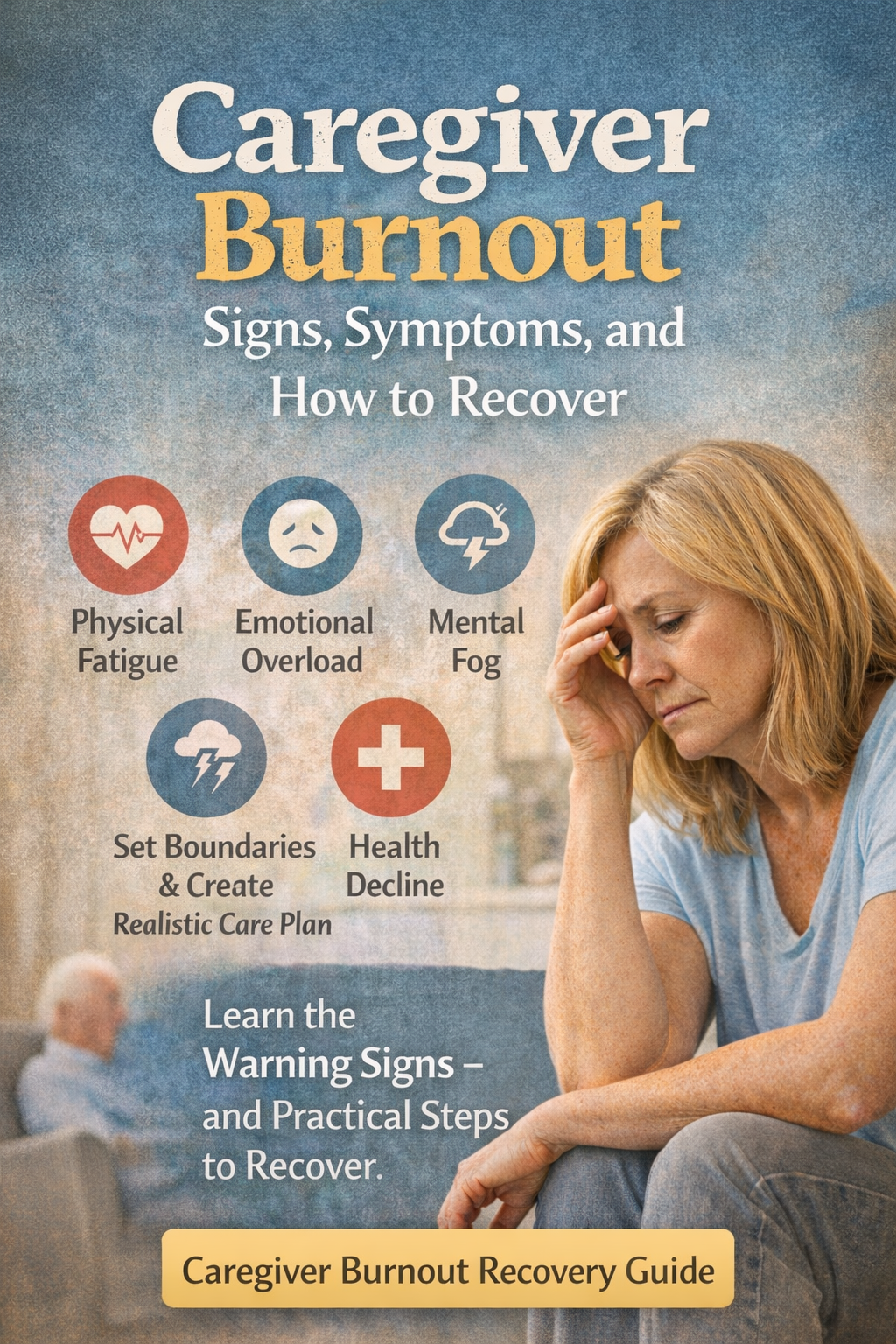
 Diane Carbo
Caring for a loved one can be overwhelming — but you're not alone. If you have questions, big or small, our expert team is here to help.
👉 Click here to Ask the Expert
Our Resource section can help you find the information and tools that you need. We have courses, videos, checklists, guidebooks, cheat sheets, how-to guides and more.
You can get started by clicking on the link below. We know that taking care of a loved one is hard work, but with our help you can get the support that you need.
Click here to go to Resource Section now!