Bones, posture and Aging - with Linda MacDougall - Episode 126
Are you worried about falls, stooped posture, or bone loss for yourself or a loved one? As we age, these concerns become all too real. But what if much of what we believe about aging isn't true?
In this empowering episode, host Diane Carbo is joined by holistic health practitioner and senior care specialist Linda MacDougall. With decades of experience, Linda shares her unique perspective on the challenges we face as we age and provides practical, powerful advice on how to maintain strength, dignity, and quality of life.
This conversation is packed with myth-busting truths about bone health, practical tips on choosing the right mobility aids, and simple ways to improve posture at any age.
✨ Episode Highlights
Here are some of the key takeaways from this eye-opening conversation:
- 🦴 The 7-Year Myth-Buster: Learn why bone loss is not inevitable. Linda explains how bones completely reformulate every seven years and how you can actively reverse bone loss, just as she did.
- 🧘 How Posture Impacts Everything: It's not just about appearance! Linda details how rounded posture contracts your front muscles and weakens your back muscles, which can directly impact your lung capacity and lead to chronic pain.
- 💊 The Unsung Heroes of Bone Health: Discover why magnesium and zinc are just as crucial as calcium. These two minerals alone support over 300 enzymatic reactions in the body.
- ⚠️ A Common Medication Warning: If you or your loved one takes an acid-controlling drug like Prilosec or Omeprazole, you need to know how it can deplete magnesium.
- 🚶♀️ The Biggest Mistake with Walkers & Canes: Linda reveals why grabbing a "freebie" or a thrift-store walker can do more harm than good. Using improperly sized equipment can worsen posture, increase pain, and even cause falls.
- 👀 A Massage Therapist's Eye: Find out what early health warnings, from cancerous moles to critical muscle imbalances, a trained therapist can spot that others (even doctors) might miss.
- 👟 It Starts from the Ground Up: Linda explains the surprising connection between your foot arches (or lack thereof) and pain in your neck, hips, and back. Wearing unsupportive slippers at home could be the cause of your pain.
- 💪 Gentle Ways to Build Strength: You don't need a heavy-duty gym routine. Linda suggests simple, low-impact ways to build bone density, such as Tai Chi, walking, or even using a towel for resistance.
🤝 Connect with Our Guest
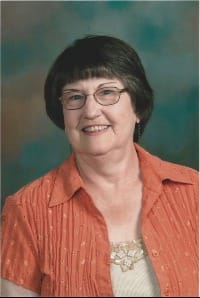
Linda MacDougall
- Website: LoveYourLongevity.com
Thank you for listening! If this episode spoke to you, please take a moment to like, share, or comment. Every click helps us reach more caregivers who need encouragement, resources, and hope.
Podcast Episode Transcript
Diane: Welcome to the Caregiver Relief Podcast. I'm your host, Diane Carbo, rn,
Diane: and today I am joined by a truly remarkable guest, Linda MacDougall. Linda is a holistic health practitioner. Author, speaker, trainer, and massage therapist who specializes in working with seniors and the disabled with decades of experience ranging from mental health work to being a federal advocate for Hawaii's developmentally disabled.
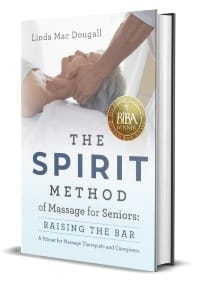
Linda has gained a unique perspective on the challenges we face as we age. As the author of The Spirit Method of Massage for Seniors Raising the Bar, Linda is dedicated to educating massage therapists, caregivers, and families about how posture, bones, and body awareness play a critical role in longevity and independence.
Her keen eye for detail. Her hands-on approach and deep compassion make her an incredible resource for both seniors and caregivers. Today we're exploring how bones and posture affect aging, why mobility aids need proper selection, and what caregivers and older adults can do to maintain strength, dignity, and quality of life.
This is gonna be an empowering conversation. So let's dive in.
Linda, thank you so much for taking time out of your day to, share all this valuable information. Can you share a little bit about your personal journey and what inspired you to dedicate your life working to seniors, the disabled and caregivers?
Linda: working with a disabled kind of came when my mother got fed up with me being in the house and she put a job notice pen to my pillow.
so I got the job from there on. It was, that's what I've done, is been an advocate or whatever for disabled. And as I grew older for seniors now as well.
Diane: that's beautiful. let's talk about posture, because I have poor posture as a, as I've had it since a young woman. I have, I'm gonna tell you right now, I had big boobs and I was, went to Catholic school.
I was always, we were ashamed of our bodies. So now I'm round shouldered. I'd like you to talk about how posture is such an important factor in how we age and what happens to our bones and alignment as we get older.
Linda: starting around age 30, we all end up losing a lot of different things.
it's, that's when we really start to age. Yes. And. Our bones as women in particular start thinning at that age because that's just what had hap what does it at that di age. And yes. And as we go forward when in menopause and all that, then we have lost the estrogen that Keep our bones strong.
Now, to be quite honest, I wear a very small dose estrogen patch. Because I was diagnosed back in Hawaii with osteoporosis, and I just said, oh no, this is not happening. yes. So I've come back, but most people don't know they can, and doctors will tell you that you can't. And that's exactly very unempowering because Yes.
Bones reformulate every seven years. You have new set of bones every seven years.
Diane: I'm, that's a good point to make. I have chronic pain. I did my years of nursing, I did physical rehab nursing for many years as, as well as all the orthopedics and all the other types of nursing where you're pushing and pulling and I tease and tell people I used to pick up men for a living, just to make fun of it.
But it has, yeah, I live with chronic pain now and, my lower SI joint has always had, felt like a stabbing p knife in it. And I had a bone density test done a few years ago, two years ago now. And I, because I did all this weightlifting, I, I worked out a lot too, to stay strong, to be able to transfer patients and stuff.
I have good bones, but I, because I've always favored this, and it's been over a period of 16 to 20 years, I was diagnosed with osteopenia. That is the stage before you get to osteoporosis in my left hip. And I'm like, oh my gosh. So in fact, I'm gonna go again for a bone density test, this month.
But my question, my concern is, because I wanna know, I've been standing on it, I've been working on it, I've been walking, forcing myself, and to. Ale even through the pain. But it's,to make that better because people don't un, women don't understand that when you have osteopenia even, and you move to osteoporosis, your bones, your hips can break before you fall.
It doesn't have to have a fall. your muscle can contract. So I'd really like to, address this issue, and I'm glad you were able to speak with us about it today. we often discuss posture in terms of appearance. I know my dad would say, put your shoulders back, put your head up high.
But you've talked to me in the past and we discussed how it impacts things like lung capacity. can you elaborate on that connection and why it's so critical to our overall health?
Linda: I will start with the bo The bones are kept upright by. Muscles. Muscles have to be of equal strength on either side.
They're opposing muscles throughout the body. And if one, one of those, one of those sets of opposing muscles gets weak, the other gets strong. So what you have when you curve is your front muscles are contracting and getting too strong and they're making your back muscles stretch and become way too weak.
So for those of us who have the rounding in the back, you need to really start working on those back muscles. Yes. Stretching out the front ones. You can put a little pillow under yourself when you lie on a bed so that you stretch out that top part. And that's throughout the body. You've got these pears.
So a lot of things get lopsided if you use one side too much.
Diane: you know what, I can attest to that from I sit and do podcasts and when I'm done at the end of the day because I need a better chair and I'm going out today to get one because this has been a, it's being consistent as I do more and more my back at the end of the day and my neck hurt so badly, and there are times when I even have, numbness and tingling into my hands and fingers after a long day at the computer.
And I absolutely know that I need to stretch and do things and I've been doing that, but I need to keep at it.
Linda: Yes. We all have to do that.
Diane: Yeah. yes. bone health is often simplified to calcium and vitamin D, but you've highlighted that minerals like magnesium and vitamin K are the unsung heroes.
Can you explain why they're just as important for strong bones and healthy aging? There's so much that is
Linda: needed, but let's, let me tell you a little bit about magnesium and zinc. Those are the only two minerals in the body that support over 300 enzymatic reactions in the body. Oh, if you're missing those two, and zinc is even a more of a problem sometimes of missing than magnesium.
But when you take a supplement like calcium, you need to balance it out with magnesium. Yes. And I don't know why nobody's talking about this or telling people this, but you try to keep those two minerals at a balance. Now you won't know exactly what you're eating for of either one of them. Yep. So you try to keep the supplements at least somewhat balanced.
If you take so much of this, you take so much of that. If so, that's about,
Diane: I wanna make clients and my listeners aware that, if they take a pill like Prilosec or Omeprazole or, any of those. Acid controlling drugs that they deplete magnesium. Oh, yes. And, people don't realize that.
And so when you're on those drugs, and I do, I have a bad stomach, so I've been on them for a very long time, that you really have to be on a magnesium supplement just for that, let alone for, and magnesium's a wonderful supplement. 'cause it, it helps with sleep and now it helps. I know that it helps with bones and zinc.
I know, we've always, as a nurse, have encouraged people to, when they need wound healing, to take extra zinc. but nobody talks about how important it is just for daily life. And I learned something just now from you, so I appreciate that.
Linda: But minerals are there for a reason. And your bones are a matrix of all these minerals.
yes. I brought something I don't know if. This is what I, one of the things I take osteo ProCare. Now let me tell you what's in it, okay? Okay. We've got vitamin D. We've got calcium, we've got iron, we've got iodine, we've got magnesium, we've got zinc, selenium, which is almost never talked about.
yes. Selenium, you only really get from Brazil nuts most of the time. And who of us eats a lot of Brazil nuts, Yeah. Really? Copper, manganese, chromium. I'm the, I'm gonna say this one wrong 'cause I've never been able to say it. Mo,
yep. Went right over my head. Molly B it's MB and Dium. So there you go.
Diane: So that's osteo ProCare. Where do, if my listeners wanted to purchase that for their bones, where would they
Linda: get? Oh, I hate to tell you this is a
Linda: multi-level marketing thing in it, but I've taken it for decades because I was diagnosed with the osteoporosis and it has helped.
I've come back, like I said, so I'm, and that's, you can probably get something like this in your local store if you don't wanna go MLM, which is fine with me 'cause I don't push it.
Diane: Yeah. that's, I'm glad you said that because, people that it can be reversed because some of the drugs that they give women for calcium, or to help their B bones build when they have osteoporosis are really hard on the body, their stomachs and, they have to take it and they have to sit up for so long and, it's a very challenging drug.
So to be able to take something over the counter that works is really important and to know that you can reverse it with work and simple supplements. Simple, supple is a good thing to learn about. It takes a long time. Yep. But it's there. Yep. hey, with a little bit of resistance training in that, that, that helps, just even with little bands rubber, the.
Therapy bands, to keep up your strength and build those bones. 'cause that's really important. Now you are a massage therapist and you have a unique vantage point to observe the body. So what kind of early signs, like suspicious moles, contractures, or imbalances do you often catch that others might miss?
I have cut a cancerous
Linda: mole, because people don't see it. And I've got one client now who has her mo her back is full of raindrop shaped brown. Yeah. But I guess they're not mos because her doctors haven't been concerned Uhhuh. But, I did mention 'em to her just in case she wanted to talk to her about it.
Diane: Yes. I have to tell you, I, we have here in Myrtle Beach, there's a massage therapy school, so you can go and get discounted, where the students, treat you and they learn. And, one of the students said, Hey, you have this mole on your back. would you go get it? you should consider treat, getting it treated.
She goes, I don't know if I should say anything. I said, oh no, absolutely gotta. My mom had moles on her back. That changed. And it turned out that, she had cancer and it was changing in her body. So it is a good indicator of cancer. And, of course, nowadays I see people having skin surgeries all over the place.
we were like when I was a kid, now I'm 72. When I was a kid, we worked baby oil to get out in the sun. Oh my lord. So we have damaged skin and I just recently had, and I've been really good. I stay outta the sun because it really is hard on my body. I just burn so easy and,you have to keep reapplying sunscreen.
So I, I try to stay out of the sun, but I just recently had skin cancers removed from my arms that were moles and a few from my face. just mild ones, but I caught them early. 'cause I go to a dermatologist,every, year at least, or every six months if they have to follow up. But I have so many clients right now that are going for most procedures, where they stage it and it looks like a tiny little mole and all of a sudden they've got something at the size of a 50 cent piece.
And the mos procedure is where they take little, they excise it over and over again to make sure they have clean edges in the cancer hasn't been there. And people don't realize that just a simple little mole can change their life and be a devastating diagnosis.
Linda: several decades ago I had one on my back, and again, I discovered that, I think it was in Hawaii, but I'm not sure.
Because I happened, they had a big mirror and I was doing this, getting my back dry. Yeah. And I just noticed something over my shoulder and I said, I wonder. Yes. Turned up, it turned out to be a, what is it? the one that's not particularly bad, it'll take years to get to you.
Diane: Oh
Linda: yes.
Diane: Like the squamous cellar,
Linda: I think. Yeah, there you go.
Diane: Yeah.
Linda: Yeah. I, they found that, and I had it covered here. and they, the doctor was funny. He goes, we can do it right here and right now Uhhuh, or you can wait for a, for another appointment and do it pretty. And I said, I don't care if it's pretty, dig it out now.
Diane: Exactly. yes. Then later
Linda: he says, it could have taken 10 years to get to your spine and be anything but. I'm going, thanks for telling me
Diane: why take it for granted. don't take your health for granted and don't let vanity get in the way of good health because it could be devastating to you.
Linda: Yeah.
Diane: Now you, because you are a massage therapist, can you explain to the seniors why not just relaxation is important with massage therapy, but also the posture, circulation, overall, bone and joint health. It can help improve
Linda: like with you. Okay. If you've got the rounding, yes. If you're getting somebody who knows what they're doing, they're gonna be stretching up these muscles. Yes. The chest muscles. Yes. And trying to release them. And then I will, when I have somebody on the table for their back, I'll try to go toward the center because that's shortening those muscles.
Yes. And it gives them a little reminder of where they're supposed to be. Yes. And it, it relieves the tension both of over contraction and of overstretching. Yes. Yes. Yes. And that allows, like you were saying, you have nerve tingling and stuff. that's because you've got either muscles ent, trapping a nerve, or you've got the spine neck Yep. Doing something with the nerve. Yes. So therefore anything you can do to get back and to get some rubbing and relief off of those muscles can relax it so that you don't get tingling.
Yes.
Diane: so it's, and it does massage.
Linda: Yeah.
Diane: Improves the circulation. And that's really important.
Linda: And we can stretch those muscles out. Yeah. You have to continue. but we can at least get the process started. And there's so much more you can do. I work right up at the spine Uhhuh and we, those of us who are trained for it, there's a special training for, it can work to hopefully get CLO closure on some of those bone parts that have bent Uhhuh.
That's because they're curving improperly. Yes. So you wanna close some of those that are way out there. You wanna put 'em back in, and that may or may not be something we can do. it's up, depends on the person and what they've got going on. And the person who's working on you.
Diane: Exactly. Exactly.
Now, you often educate seniors and caregivers about canes, walkers, and wheelchairs. Now, what are the biggest mistakes people make when selecting or using mobility aids that can affect their posture and their pain and their aging?
Linda: Oh God. They make every mistake in the world because the doctors and the insurance companies aren't doing their jobs right now.
I agree. Let me explain that, because that's your, that's the bottom line for all this. Yes. The insurance companies are the doctors these days. Yes. The doctors get to see you for all of 10 or 15 minutes. Yep. And as one of my doctors told me. He is no longer my doctor because he told me this when I confronted him about his people in the waiting room that looked like this every time I came in.
I said, why aren't you referring them out or no, I didn't say that. I said, what are you doing to help these people? He goes, I don't have any time to do an assessment that takes two hours. Yes. And I said, do you have five minutes to refer them out? And he just stuttered.
Diane: Yes. In his defense, I worked for, I've worked on both sides of the fence and I worked for insurance companies and, for a short time.
And what I see is the doctors have, they need triple the amount of staff to go through all the government. Hoops that are expected to get a referral, and it is, I and they just stop doing it. Yes. they really do. I'm seeing that a lot on so many levels, not just for posture, but they do not want to refer out.
And the other thing is if they are a managed, if they're under a managed care plan to, they are discouraged, to refer out. They're trying to keep it within their frame of practice. And it's really unfair because somehow, financially, it's negatively impacts the physician to do that, to refer out.
And that's a whole nother ball game. Plus,and what's going on now is the unintended consequences of our managed care iur and insurance, and with all the government. Policies, that we have, the loopholes physicians are making less than they were 20 years ago. Yeah. And that is a whole nother ball game.
So now we have a shortage of doctors, we have a shortage of specialists, and, that's a, that's another challenge that we have to face, because doctors aren't making the financial, having the financial rewards that they once had. And because
Linda: doctors aren't talking to their patients, I get them coming to me and going, what's happening with my blood tests here?
Can you tell me? Yes. Yes. I'm, I had a medication and it made me fall. what can you tell? Yes, I get these things because
Diane: nobody else is doing it. You know what, a hundred percent Linda? I will agree to that. Yes. Now, you often educate seniors and caregivers about canes, walkers, and wheelchairs.
What are the biggest mistakes people make when selecting or using mobility aids?
Linda: let's start by not getting that referral from your doctor. Yes. Because there's a big reason for this. That's why I wanna get this really out there. Uhhuh, don't get a referral from your doctor and get a proper assessment.
Yes. You don't know what you're doing in most cases. Yes. And so I've seen people go to thrift stores to buy canes. Oh yes. And go to the freebies like, like right here in my community, we have a freebie thing from people who have died or moved for Yes. Cans, walkers, and all that. Yeah. And I went with one lady here, she was the only one that's listened to me in all these years.
But she says, you've talked to me about this. Will you go and help me pick one out from our freebies here? I said, sure. So I went and helped her size it and get everything she wanted. And we got to her home and there was one thing I didn't know she wanted that all of a sudden presented itself. The bar in front moved and she wanted one that was solid so she could pick her walker up and put it in the house because there was a lift.
Ah yes. And I said, okay, let's go back and get you one with a solid one. And we did. Yeah. And she was quite happy. But it's, people don't know what they don't know and they go out and pick whatever. Yes. And then they do more harm than good. Yes. Because look at all, you can't really see all the wheelchairs here, but the wheelchairs, see how low they are.
Diane: Yeah. Wheelchairs are low, there's higher ones, there's all,
Linda: and you mostly need higher ones if you need postural supports. Yes. And I hit heads on the chest that could have had a postural support for.
Diane: Yes. I started with Tara Slaughter as a durable medical equipment specialist and out of California.
And we started a series, the right equipment at the right time. And one of the things I'm finding, again, it's related to insurance and finances. The, Medicare has gone to a cost sharing plan. And what does that mean? Is that negatively impacts the seniors or the anybody that needs equipment. They won't pay for durable medical equipment.
Or if they do, it's very little and very limited, and it doesn't take into consideration all the important factors like you're saying. your height, your weight, your own con medical conditions that could improve or, and your posture. I see that as an old rehab nurse. As in seasoned, I've seen it for decades and it's really challenging and especially in those that are on Medicaid or have the managed care companies, they're desperately looking for equipment and they'll take whatever's free thinking it's the best one and it's not.
Exactly. So can you explain how the wrong cane walker or wheelchair can actually make posture and both worse?
Linda: Yes. I saw a picture on LinkedIn of a little boy. This physical therapist was posting her son 'cause he had broken his leg. And I looked at the picture and I said, I can't tell. I said this on LinkedIn, Uhhuh, I can truly tell, but it looks like he, his crutches need to go down a notch.
Yes. I couldn't, there was stuff in the way, so I couldn't quite tell. But just the fact that his elbow was out. Yes. Told me. Okay, that looks too high. Yes. Yes. So if you got somebody that isn't, doesn't look comfortable, you should have your arms at your side Yes. For all of these things. For canes, for walkers, or for crutches.
Yes. And in Hawaii, I was given crutches that were way too high. I knew nothing about them at the time, and I kept falling. And this was Tripler sent me out the door with these crutches where I was going like this. And like I said, at that time I knew nothing. So I just fell and fell. we lived in a three story skinny apartment.
Oh Lord. Oh lord. You got it. So I had to crawl up and down the stairs. Leave the crutches, forget it. I couldn't take them up. yes. Down. So it was just, it was insane. And my husband at the time watched me fall enough that he said, let's go to a medical supply store and see what else they've got. Yeah.
the medical supply store had a ramp. I tried to use the ramp and fell there. Yeah.
Diane: yes, Linda, I have, I did orthopedic rehab too. I ortho and rehab. and I can tell you, I, insurance doesn't pay for a physical therapist to pay to size you for the right. canes, the right, crutches and things.
And it's really a challenge for people 'cause they don't understand I, and nothing makes me crazier than to see somebody trying to struggle. And their arms hurt. And their shoulders hurt. Your neck, yeah. And the neck. and it's just wrong. But there's, we no longer have healthcare professionals being able to give us direct guidance and proper guidance.
It's, they're not reimbursed for it. And so we are left as healthcare provider consumers to fend for ourselves. That's why your information and Tara's information is so important because you have to, there's so many things that you need to know to be comfortable, but also to be safe. higher crutches made you a fall risk.
Not only a risk, I was a falling person. yes. and what we have to worry about is number one, falls are the number one independence robber of seniors. one fall can totally devastate them so that they never return home again. because they can't have access. They don't have an accessible house.
Or because the fall created, a situation where that led to their death.
Linda: I was gonna say or killed them.
Diane: Yep. Yes. Yes. The fall killed them. you want to prevent that, but we have to be educated healthcare consumers. That's why the services you provide are so important. and so I wanna talk about, for someone who hasn't been very active, what's a simple, low impact way they can start incorporating weightbearing exercise into their daily routines without feeling overwhelmed?
Linda: hopefully you have a dog. I got my little poodle wherever he is. Yes. To walk me because I knew I wasn't walking enough. Yes. And I finally said, okay, I've gotta do this and this is gonna make me do it. And it does. I walk him and now his little sister three times a day. So they get walked constantly.
Now she's a socializer and he's a walker. So there's two different dynamics there. So the first walk is walking and that's about a mile. And the second and third walks are more for visiting because she has, we visit a lady who had to put down her dog about a year ago. Oh yeah. So my little one doesn't take the place of her dog, obviously, but gives her lots of love and attention and goes to her place every day religiously.
And it's just to give her some comfort. Plus she's got, she's very ill as well, so she only comes out. Once every two or three days for us. Yes. But she took to her house anyway and looks for her, waits for her.
Diane: it's funny you should say about a dog, because I wanna tell you right now that when I first moved to Myrtle Beach 10 years ago, I was working on my site, but I wasn't getting socialization.
And I wasn't like, I went to the beach every day, once a day isn't enough. So I started dog sitting and I dog walk and that forces me to get out, not only to for exercise, but to socialize. Exactly. And because. so many places don't allow us you to have pets in your home. if you're in an apartment building or senior housing or whatever, which, and pets are so important, not just for the, yeah, your body health, but for psychological and your emotional wellbeing.
So I do that, and I still do it to this day because I need that exercise and, I, it just makes it, it just an overall wellbeing. But other than having a dog for those that can't or don't
Linda: what, there's Tai, she, there's yoga, all that stretches and works on the bones and it's gentle if you're getting the right instructor.
there's even some Japanese things that you can learn like taking a towel and pulling it and twisting. And then you're working, you don't have to have any fancy equipment. It's just working against yourself. And when you work against yourself, you're strengthening a lot of muscles that don't get strengthened elsewhere.
Diane: you know what, I love Scott Cole. Scott Cole has, he works with seniors. He's a, a Tai Chi, Qigong, instructor, and he's in California, but I used to fall for 10 years. I've used his videos and stuff, and he has them in the chair. and he has standing ones and it's, Tai Chi is such a gentle way, a lot of people can't do the yoga poses and they have to find special ones directed for seniors.
not every senior. I may have been strong and I wasn't an athlete, but I was strong and was active in my youth, into my later years because of the job that I did with nursing. But it also destroyed my body. My, and it does for many nurses. lifting and tugging is just ruins their backs and their body.
So Tai Chi is something that I really encourage. 'cause we also have to worry about our balance.
Linda: Yes. And Tai Chi is very good for that.
Diane: yes. it really is. And you can break it. I encourage everybody that if you haven't been active to use, there's a tai chi in a chair sitting Tai Chi, and it does some little bit of standing, but also everything in the chair so you can do your work to build up your strength, and then you can move from the sitting to the standing.
When you are, you do it over time, and I think that's really important. Now, you've worked as a direct care worker, an administrator, and even a federal advocate. So how have those roles shaped your understanding of aging and posture related challenges?
Linda: the posture related challenges I've seen in everybody, no matter their age in a wheelchair.
Yes. That just. Doesn't do well. I've also seen posture problems in young adults or young, older teens. Yes. Because they're doing the backpacks to school. Yes. Sometimes they're going up uphill instead of just downhill. So they're constantly like this too. Yes. then all the texting we have these days Oh geez.
Diane: Yeah. Yeah. It's really bad. and on the computer all the time. And it's really bad for them. I always look at the young mothers who wear the snuggly huggies that, that are close to their chest and, or the backpack and, or they put the babies on the backpack and, I think, oh, how are you hurting your back?
Oh, again, yep. It's leaning forward.
Linda: yep. Causing you to lean forward or. If it's on the back, it can do you act almost need one for the back and one for the front so that you're evened out. yes. Depends what you need.
Diane: Yeah. the other thing is when I was young, women were putting weights around their legs and walking and to make them stronger.
But what it did was, it was not it was harming them more than it was hurting them because of what they were doing when they walked. They were taking large stress steps and the weights just get you all off balance. And while it was thought to be good, it wasn't.
Linda: that brings me to another point that I could have forgotten.
So thank you so much to this, that it really needs to be exposed. Yeah. But. If you have high arches or low arches, you need foot supports. Yes. And I don't dust the ones in the shoes that are already there. You may need a specialized one. Yeah. That is something I have had for years now because of my flat feet.
And that's another thing you have to understand. If you're high arched like this, uhhuh muscles up the center of your whole body are shortened. Yes. And if you're flatfooted, it's just the opposite. The right of the body is lengthened and the outsides are shortened. So that's another thing you can do as a massage therapist is start working on that imbalance.
But like every muscle has a twin that put the opposite direction. So you need to understand, you need to be as balanced as possible.
Diane: I wear orthotics, have always worn them. I, they were very expensive. But they're, I, they're decades old. They still work for me. Exactly. Me too. one of the things that these young women, they're getting bunions at in the twenties and thirties because they're wearing high heels all the time, and women don't understand how bad high heels are for you.
Yep. it's, yeah. I just recently saw, one of my neighbors in her late seventies out walking in stilettos and I went, oh my Lord. She goes, my boyfriend likes it. I said, I don't, I just couldn't deal with that because I, it hurts my back, my legs. And they don't understand that they're shortening their calf muscles
Linda: and.
Yep. And they're causing themselves meta par, metatarsal arch collapse later on.
Diane: yes. And Bunionectomies used to be something for older women in their sixties, seventies, and eighties. And now it, I was shocked to learn young women in their twenties, early twenties, are having bunionectomies. And it's because of poor shoe wear.
Because of fashion.
Linda: And people just don't see this. One of the things I see with seniors all the time is they go around in either flip flops or in house slippers. Yep. That has no support. And then they wonder why their back hurts, why their hips hurt, why their neck hurts, why everything hurts. And I'm going, first of all, I had a 90-year-old woman as a.
Client for a very brief moment in time. And one of the things I told her and her daughter is, you need, she's going around in slippers, you need to get her some arch support slippers. And oh, a year or more later, I went back to that, retirement home and I was working an event where I massaged folks.
Yes. And that woman came to me and she goes, thank you so much for telling my daughter to get these for me. They have worked wonders.
Diane: It makes a difference. In fact, I buy special sand,flip-flop type things that have special support, in them because I need that. between the round shoulders, the big boobs, and all the lifting and tugging, my body's all out of sorts and, it shows in the pain that I have.
Oh. and it's because I didn't take care of myself the way I needed to when I was younger. I didn't know, that it would cause all these problems. Yeah. And I thought it was doing well. I feel sorry for big boob people. Yeah. Yeah. I don't get why women even have them done, I really don't because it's just really causes so much pain.
The back and the neck issues are just incredible. And that's challenging for women. now what role do caregivers play in noticing posture changes or bone health issues, and how can they advocate for their loved ones with healthcare providers? Oh, gee, I can
Linda: give you a bunch of examples. I've had just notice the furniture, number one.
Yeah. That your people are using. Yeah. I've had a little tiny woman who was nobody noticed in her room. She had a pedestal bed. Oh those crazy. She could barely get in it without toppling over on top of her head. Yes. And there's a whole story behind that one, but we'll leave that for there. I had another lady who had a huge recliner and she was another little tiny lady.
She had been given a new muscle relaxant that she asked me to check on because she had never heard of it and I had never heard of it. So I found out that she had fallen because they had given her the same dose that they would've given a football player. And then she had her feet about this far off the ground with the a recliner, and she tried to get out and she fell.
Yep. Yep. I had furniture
Diane: number one. You know what? And that's a really good point because I had a client who was tiny, and when I first met her, she was in this recliner, met for a big person. Yeah. and I can tell you right now with me, the recliner that I have set in when I go to other people's homes, that the neck part of it is not suitable for me.
Because I'm short and it pushes my neck forward and it hurts. And so we actually got this, I laughed because it looked like a little kid's, chair this recliner that they had, that they got. But it was perfect for her and it made sense. And, I really, I actually, when my son had a terrible pain condition, my oldest son.
And I said, you need a proper chair, because it was impacting everything he was doing. 'cause it was related to his foot. And I took him to La-Z-Boy and I giggled because he must have sat in a hundred chairs. but he found the right one for him. And that was more important than anything for me, is for him to get a good chair.
And people don't understand it, like just in a chair, you ha even have to consider your head and neck
Linda: area.
Diane: Yeah.
Linda: I have trouble in car seats sometimes because their stuff is wrong for me. Yes.
Diane: Yeah. So I have to
Linda: try out the car seats first.
Diane: Yeah, I understand that. I really do because I'm sure you do it.
It's just really uncomfortable. And, especially if you're in your home, you want something that's going to suit you and for the rest of your life, so you have to, it's worth it to spend the extra cash to get the right thing, the right seat or the right, equipment at the right time so that it can last longer.
People don't, they look at just the immediate need. Yes. And they don't consider future needs. And that's something that, that people really need to reevaluate as they, as they're looking at furniture and equipment.
Linda: and the equipment, especially the wheelchairs though. Yes. If you have a deteriorating condition.
That you know is gonna change. These things are only paid for what is once every seven or 10 years. yes. So you need to have that doctor actually sit down and talk with you for a minute. Yeah. What is my prognosis and what am I going to need over time so that this, what do I get to get that stretch?
Okay.
Diane: I also recommend that the family caregiver or the senior ask for a referral for fitting for through the physical therapy.
Linda: They have to, yeah.
Diane: Yeah. And because doctors aren't doing that either, they're just not, and it's really important that families request that they can, it should be covered.
Lord knows with what's happening in Medicare right now, if you have managed care, you probably won't get that approved. it, or if you will, it's gonna take a while because it's delay and deny first before you get approval, and you have to go through an appeals process. But that's meant to make you give up.
But I encourage everybody to push through and get what you deserve, but are going to be denied because of physical, financial constraints by the insurance company. And I'm gonna tell people here. That our government created a multi-billion dollar insurance industry of gatekeepers. Here's the insulting thing.
They have spent. We pay for the buildings, the equipment, the staff, their benefits. we have paid to grow this and the bonuses. So we've paid for this multi-billion dollar industry to tell us we cannot, can, and cannot do therapy or cannot do this with. And then they insult us by requiring copays.
how about the CEOs stop taking salary or not salaries, bonuses. How about, you, we, I just really think we need to get rid of all the managed care because in some way and puts. All those, that money back into the Medicare till so that we have financial support for our aging population.
And let's get back to good quality care. Yes. one of the things I learned when I took a, an insurance course recently to be an agent because I wanted to see what they're teaching and how we, how they're selling things. And the first thing that, shocked me was they say in this course that Medicare, advantage programs have high copays, high out-of-pocket dis expenses and high deductibles to deter use of benefits.
That means we only had the illusion of healthcare. that just shocks me,
Linda: I've never gone to an advantage plan. I have straight Medicare and I have Anthem Blue Cross to go with it, and that, that has paid for itself over and over again.
Diane: Yes. And I will tell you right now that, that's with what's happening in our healthcare.
They're trying to move us all to managed care. Now, it used to be that you could transfer back to traditional Medicare 'cause we used to do that all the time. If they needed home care or needed to be put in a nursing home, we just say, Hey, transfer back to traditional Medicare. It's just gonna be better for you.
But now they have a rule that af after 11 months and so many days, if you've been on a managed care, plan, you can never go back to traditional. So that is just cost effective. that's how we're approaching it. we have not, we don't have managed care. We actually have, no care and thank you.
It's the illusion of healthcare, which is very frustrating for so many, and I'm insulted when I hear this because I think of all the, all the healthcare organizations out there that are putting money to keep us from having good care. And we're paying for an industry that doesn't need to exist or shouldn't exist or needs to be downsized because they're not doing their job of actually managing care.
All they're doing is denying and delaying
Linda: Yeah. They need to go back to where they used to be. And the doctors need to be elevated back to where they used to be so they can actually spend some time with you and yes. Care for you. That's what about hundred percent. I agree. So I'm on LinkedIn and I'm connected with a lot of doctors and a lot of people discussing this, and the physical therapists are unhappy, the doctors are unhappy.
All sorts of people in that system are unhappy. Yes. As massage therapists only the actors Guild will pay for us out of insurance, so we Oh, wow.
Diane: and everybody else, yeah. It's on, on, on the other perspective, I, when I was in nursing, and I know it sounds like I was in the dark ages, but at, we used to actually have what they call hs.
Cares hour of sleep care. And, we were actually able to bathe our patients, but at night we would take a cart with, towels and lotion and we would have this, bin, a pan with hot water and we'd put the lotion bottles in there to warm up the lotion, and we would start at one end of the hall and move forward.
And we went to every single patient and we would wipe, bathe their back and we would lotion them up and do skincare checks and do their feet and their elbows. So we knew that they were gonna be okay. And, today, I've had patients actually be discharged with wounds on their heels that the facility didn't even know they had.
And I'm also, this is another one that's making me, I have rage when I hear this. Facilities are now saying, giving the, they say saying a person has the right to refuse to be turned. And they're letting people actually develop decubitus pressure source that cost at the minimum, a hundred thousand dollars to treat.
And it's why would they do that? why would they say, oh, you have the right to refuse. And then when they develop these, so they're either not getting treated and they're not getting observed because nurses don't have time to assess anymore that, it's just costing more money and it's rampant. it's like this patient right thing.
there's patients, right? And there's what's right for them. And you have to make that, yeah, they have the right, but I'm gonna tell you right now, I'm your nurse and I'm not gonna let you get a pressure sore. And I'm gonna check your heels and your butt, and your,your elbows.
Because to make sure that you're in good shape, And we used to, as nurses, be able to check heels, and if they felt mushy, we screwed up, before it even broke down. And now they're actually not only sending them home and they didn't even know they had 'em, but they're dropping the ball because they're not ordering home care for these people to have the wound care that they need.
Linda: Oh, I know. And I, your thing leads me back to what I was starting to talk about earlier with the doctors and the insurance companies. Yes. Yes. And then what happens is, if those same people who didn't get the assessment go into a retirement home without all the medical backup for the equipment that they need and the reasons, then licensing comes in and takes it away.
yes. You go into almost any home across the US and if you see a seatbelt in a wheelchair. Gloria. Hallelujah. Somebody did. Somebody's gonna wait to get you.
Diane: You know what, you're a hundred percent right. Yes. And the other thing is assisted living is a social model net, not a medical model.
And people are being discharged from hospitals back to assisted living. So you don't even have, anybody in the facility, or there may be one nurse in the whole building that,they, has to see the patient for some may or may not have to see the client when they come back to the assisted living and they miss everything.
We have such a broken healthcare system. Oh, horribly.
and home care benefits have also been cut. Yep. So that we are seeing nursing homes close. We're seeing when, as we have, see I have a silver tsunami coming. We have, the, home care. Is closing. We have a really serious health crisis here. A public health crisis here in the country that is already bad.
It's going to get terribly worse,
Linda: and it's prematurely deforming us and crippling us and killing us.
Diane: we're a country of abundance and the fact that we used to have the most amazing healthcare system, yeah, if people thought it was unfair, but I can tell you that when you went into a teaching hospital, it didn't matter how much money you had.
What your status in life was. You still got the best possible care ever. Now it's with the managed care, that's not happening anymore because none of us are getting quality of care because they've cut and cut, so much. And, then be, and for decades I worked for Home Health and I've worked for, assisted living.
And I can tell you that when people are, the people that had no money on Medicaid or whatever, they were denied. Care after they got discharged from the hospital. I was shocked and I felt, and it was so hard when I did discharge planning too. And when you had a person with Medicaid, no facility wanted them.
Home cares. Companies don't want them, nobody wants to service them. Even with durable medical equipment, because the reimbursement rate is so low, it doesn't even cover the cost of the equipment or the service. So we are in a big crisis here. That's why it's so important, that we address these issues now, Linda, like you are doing because it's so important Now, we've been talking about bone loss and people believe that it's inevitable, part of aging.
but it's not. And what's one key takeaway you want your listeners to remember, to challenge that belief and feel more empowered about their health?
Linda: Like I said, bones remodel every seven years. So it may take a while. Yes. But if you're going to go ahead and do it yourself, then do it yourself.
Now, I haven't talked about this, but if you wanna try some things, there's xylitol. That's something else I've used for decades now, rather than sugar xylitol. don't let it, your dogs have it. It's deadly to the dogs, but it's in plants naturally. Yes, but it supports your teeth. And by the way, teeth are bones, so if you having teeth problems, you're probably having bone problems.
100%. Yeah. So that's another thing. It helps keep your teeth and your gums better, and it helps. they're saying it, it helps you absorb calcium in the gut better. Interesting. And I've been take, put it in my tea and coffee every morning, Uhhuh. it's been doing it for a ages. I don't, the only reason I have sugar in the house is for the hummingbirds.
Diane: Now you're gonna cause them to
Linda: have health issues. Actually, I was wanting to give them xylitol, but I looked it up and it doesn't have enough.
Diane: Yeah. they need the energy. I'm teasing about the sugar, but with them, but I understand. and here's another example of government involvement.
I could remember in the sixties, early sixties, my grandfather had a heart attack and then they wanted you to have no salt and they wanted you to avoid fat. So we grew up in my household and my grandmother's household of, my grandmother, when she made gravy, would sit it outside in the cold and get the fat off of it.
we ate ice milk, but what the government did was they said fat was bad for you.
Linda: Oh, yeah.
Diane: What happened? they encouraged us to eat margarine. They encouraged us and they forced, food companies to take the fat out of our diet. what they did, in fact, was the food companies to make the food more palatable, they put sugar in.
And that is devastating. that has caused the obesity problem with all this processed food. it's just terrible. And we, we're going to end up going back to what's really healthy now. Margarine's bad for you. No kidding. It was plastic and skim milk doesn't, we literally, they had, it was a product called Ice Milk.
I don't know if you ever saw that. Oh, I don't think I saw that. That was when I, now that's in the sixties, they sold ice milk and it had no fat and it was probably the most unhealthy thing we ever had. 'cause it was, it had more sugar and it probably has some kind of plastic polymer in it of some sort because, and that's what we ate because we were being conscientious and it was government screwed up and they didn't know what they were doing.
So now we have to go back to the pendulum's gonna swing the other way, let's worry about sugar, let's not worry about fat so much and get back to eating healthy good food, which makes a huge difference as well.
Linda: Yeah, I gave up margarine long time ago when somebody somewhere told me that put a, put some, put a tub of margarine or a stick of margarine outside and you won't even see the insects want it.
Diane: I know. I love the ice cream cone with,the chocolate on it, that, that come, buddies, the, I can't think of the name of it. but we'll all like 'em, they're come individually wrapped, they're, chocolate cone or cone with dipped chocolate or nuts on the top. anyway, I watched a video where they said, watch it melt, and it didn't melt.
I was like, oh my God, I've been eating those. And they're so bad for you. if they can't melt and they don't, and and creatures don't want them. We've got a problem. that could be anti get rid of roaches. Just put these little buddies, yeah. Out. I'm like, oh my God. So Linda, you have such valuable information and I'm so appreciative of you taking time to share it with us. Can you tell people how they can reach you and find.
Linda: My website is love your longevity.com. It's an older one. I need to update it. Granted, but it's got a lot of good information on it still. Yes.
And that's what's important. Yeah. it'll have more eventually and it won't be that much longer I don't think. I'm expecting a bit of money to come down the chimney and grace me pretty soon. So if it does that, I've got several things I wanna do with that money, but, we'll, the website is one of the things I need to update and I know that.
So it will eventually be that.
Diane: Yeah. Again, say give the website one more time. Love your longevity.com and I'll put a link to your site there. And, is there any other way anybody can reach you? you can email
Linda: me at. arthritis coach@gmail.com.
Diane: Sorry. Websites, emails, yeah. that's important information.
and I really appreciate that. to my family, caregivers out there, you are the most important part of the caregiving equation. Without you, it all falls apart. So please learn to be gentle with yourself. Practice self-care every day because you are worth it.
Caring for a loved one can be overwhelming — but you're not alone. If you have questions, big or small, our expert team is here to help.
👉 Click here to Ask the Expert
Our Resource section can help you find the information and tools that you need. We have courses, videos, checklists, guidebooks, cheat sheets, how-to guides and more.
You can get started by clicking on the link below. We know that taking care of a loved one is hard work, but with our help you can get the support that you need.
Click here to go to Resource Section now!