Aging with Purpose: The Science Behind Building a Stronger Body and Mind with Janet McConnell - Episode 97
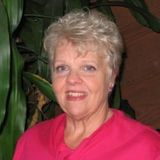
This latest episode of the Caregiver Relief Podcast, "Aging with Purpose: The Science Behind Building a Stronger Body and Mind," features host Diane Carbo and special guest Janet McConnell, a health longevity advocate, speaker, and bodybuilder in her late sixties. The episode covers the importance of physical and mental health for caregivers and aging adults, offering practical advice and inspiration.
🎙️ Episode Highlights:
- The Caregiver's Plight: Diane opens with a powerful statistic: 63% of family caregivers become seriously ill or die before the person they're caring for passes away, highlighting caregiving as a public health crisis. She and Janet emphasize the critical need for caregivers to prioritize their own well-being.
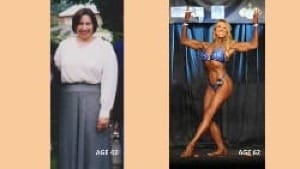
- A "Classic Car" Philosophy: Janet compares our bodies to classic cars—we get only one, so we must take care of it. She shares her personal health crisis in her mid-fifties when she was blindsided by a diagnosis of early heart disease despite feeling healthy. Instead of taking the stack of prescriptions offered by her doctor, she asked for six months to try a different approach.
- The Power of Small, Consistent Changes: Janet's transformation began with a trainer she met at the gym at 5 a.m. three days a week. She emphasizes that she didn't change her diet at first, proving that you don't have to do everything perfectly all at once. She and Diane discuss the "Atomic Habits" concept of making tiny, consistent changes that lead to significant results over time.
- Strength Training for All: Janet encourages listeners to begin with bodyweight exercises, such as sitting down and standing up from a chair, and using household items like jugs of water for added resistance. She stresses the importance of working with a trainer or physical therapist, especially if you have chronic health conditions, to ensure you are exercising safely and effectively.
- The Brain-Building Benefit of Muscle: One of the most groundbreaking parts of the discussion is the connection between strength training and brain health. Janet explains that exercising large muscle groups, especially the legs, stimulates the production of a protein called Brain-Derived Neurotrophic Factor (BDNF). This protein helps repair nerve cells and keeps the brain resilient, which may be why some of her clients with neurodegenerative diseases have not gotten worse.
- The Importance of Protein: The episode highlights that diet is crucial for building and maintaining muscle. Janet recommends that a person's daily protein intake should be at least 0.5 grams per pound of body weight to maintain muscle. Diane adds that it's beneficial to spread protein intake throughout the day, aiming for 25 to 30 grams per meal.
- Mindset and Confidence: Janet's key takeaway is a powerful mantra: "Aging is inevitable, but decay is optional". Both she and Diane stress the importance of surrounding yourself with people who support your goals and having a positive perspective to age with confidence.
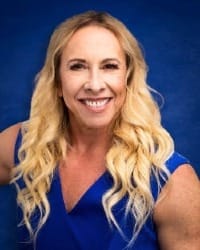
Learn more about Janet's work and resources at https://www.ignitefitnesswithjanet.com/ and in her book, Elements of Aging. 🎧✨
Podcast Episode Transcript
Diane: Welcome to the Caregiver Relief Podcast, the place where we share real stories, resources, and expert advice to support family caregivers on their journey. I'm your host Diane Carbo, a registered nurse and a lifelong advocate for compassionate person-centered care.
Diane: Today's topic, aging with Purpose.
The science behind Building a stronger Body and Mind will provide you with some groundbreaking information on what's good for your body is also good for your brain. I'm thrilled to welcome a truly remarkable guest, Janet McConnell, A health longevity advocate. Empowerment speaker, certified fitness instructor, and a national champion bodybuilder in her late sixties.
Janet's story is one of resilience, science, and strength. After experiencing a personal health crisis in midlife, she took a bold leap embracing strength training, not just to heal but to thrive. She now teaches others how to unlock their own vitality through movement, mindset, and muscle at any age and at any level of ability.
So whether you're caregiving, facing your own aging journey or simply wondering how to feel better in your own body and mind, Janet is here to share practical advice, hope, and inspiration. So let's dive in and explore what it truly means to age with purpose and strength. Janet, I'm so excited about this podcast.
I really am. I wanna thank you for taking time out of your busy day, to share your information with us.
Janet: Oh, Diane, thank you for that introduction. I wish that I could have you write the forward in my next book. I think you'd be perfect. I'm honored to be here a
Diane: copy of it
Janet: and you can, yeah. Yeah.
It sounds like we have a lot of Venn diagram crossover on people that are interested in what the two of us have to say, and that makes,
Diane: you know what, that's very true. Yeah. And, so I'm really excited to share your information today. Can you tell us a little bit about yourself and what inspired your journey into fitness and how healthy aging advocacy?
Janet: it's so funny that I was listening to what you were saying about how you want this to be for anybody, but also if you are a caregiver, sometimes it's the last person you think of. To lift up. We're all there for other people. Yes. And yet you've gotta fill up your own cup. So caregivers, that was a wonderful little caveat that you added there at the beginning.
Caregivers give care to yourself
Diane: and you know what my, this is the year I'm really pushing. 63% of family caregivers become seriously ill or die before the person they're caring for passes. Wow. That's astonishing. I had no idea. And when I started my site, I had, my very first site was aging home healthcare.com.
When I started that, it was 25 years ago, the statistics were 50%. And, we really are, and we're now in a public health crisis. That's why I was so excited to have you come on today because there's so much out there, that caregivers need to overcome the challenges, but the first one they need to overcome is taking care of themself.
Janet: Yes. I always say we are like classic cars, like we're like little 56 T-Bird driving around and you see sometimes out on the highway,a beautifully restored. Classic car that's 60 years old Uhhuh, and it's just all polished and perfect and chrome and you think that right there is a labor of love.
Otherwise that car would be in a junk heap somewhere. we're classic cars and we only get one car. We can't buy, we can't sell our, our car and get a new one.
we can replace the tires,
Diane: Uhhuh.
Janet: Yes. Get parts, and a knee replacement or a hip replacement. Yeah. We can't change the whole car, so we have to take care of our vehicle that we are traveling in.
we're these spiritual beings inside of a biochemical machine. And you know
Diane: what, that's well said. Because we really take for granted our good health.
Janet: And,
and it needs, and it can last a lot longer than what society seems to tell us sometimes in those messages out there. But to answer your question, yes.
In midlife, I,I grew up very healthy. I had, I have good genes to start with. So I want people to understand though, that genes only have a little bit to do with it over the long haul because it gives your body a blueprint.
Diane: Yeah. But
Janet: there are change orders coming and, what happens in midlife, if you have good genes, bad genes too, if you don't have habits that help you to maintain yourself.
It starts to show up in middle age. And that's when I fell apart. Yeah. And I was completely blindsided by it because. I had never not been healthy. Yes. And not been strong. And I had never been to a gym. I ate like a normal person. I didn't really diet I, I wasn't perfect, but I was healthy and happy and thought it was great.
And then I went to my annual physical as one does, and all of my markers were just outta whack. I had high blood pressure, high triglycerides, high cholesterol, and I was borderline obese, which I just thought it was a little fluffy, but apparently it was more than that. And so my doctor said, okay, I don't know what's going on.
You weren't like this last year, but. You've taken a turn and you now have symptoms of early heart disease. not an emergency right now, but if you don't change course, you're gonna be in trouble way before your time. Exactly. And said, here's a stack of prescriptions. so go take these and let's see you again, in six months and see how you're doing.
I just looked at the prescriptions and thought that's what my elderly father is taking. Yes. I am not doing that. For the shoot I need To give my body a chance.
Diane: And I had, one of the sad things that we deal with in our culture is our physicians don't consider a holistic approach.
They don't address diet, they, or exercise. They'll say, you better lose weight, get out and do more. And I'm like, really? Come on. But I'm a kid that I have Irish genes. My dad was in World War II in the Navy, and he was in the Philippines. And it was a very difficult time for them during, and they didn't have food, even the sailors had challenges.
So my dad, when he came home, he was brutal. And we had to have the clean plate club. So I've gained and lost hundreds of pounds, probably thousands of pounds in my lifetime. And at 72 I'm at a good weight of a little bit over. But, till those out there, I will tell you, when you get older, you have to have a little bit of extra weight on you.
Yeah, not a lot, but a little because if you get sick. You can lose fast, rapidly, and everything falls apart then.
Janet: Yes. Yeah. It's good to have a little cushion, a little reserve. Yes. Yes. It creates resilience for you. Yes. That's just in the bank in case you need it. As long as it's just a little bit, it's not over.
Yes. Yeah,
Diane: exactly. Exactly.
Janet: I agree. I agree with that.
Diane: if you're gonna shoot me if I say this, but I'm gonna say it anyway, you're in your late sixties, she's really not. She looks like she's 40 and you're a national champion, bodybuilder, and you're still going strong. So what does a typical day look like?
You now, for you now? Yeah.
Janet: it's, I will admit, my fitness clients are like, Janet, you look great, but I don't wanna be a bodybuilder. Please don't do that to me.
Diane: yes. and we're gonna talk about that 'cause Yeah, I love your approach.
Janet: Yeah, I had to learn when I became a bodybuilder, I was like a born again, fitness convert and was just like, this is the answer for everyone.
This will, you'll age backwards and you'll, but Janet, we don't wanna eat steamed broccoli and roasted chicken every day. Okay. Yeah. So so I had to dial it back and make it real world for people who just wanna be a healthy grandparent or be able to travel the world and yes, be strong enough to withstand the travails of travel.
so I guess that's it. there's two kinds of days. So right now I have gone through a long, like several years. Of not competing. I Wound down around COVID because I also wanted to write a book. I wanted to create a website, I wanted to get into social media. I had all these other ideas, right?
Yes. And so I thought, this is the perfect time to just, I'm not gonna quit, but I'm just gonna set it aside. I'll keep working out, taking care of myself, but not leaned out and, ripped like stage. So I'm Right now in a one month, like middle of August, I am going to start getting ready for my next stage, which will be next year.
Diane: okay.
Janet: Yeah, so right now I'm eating like a pretty normal person except, Mediterranean diet. Yeah. I like meat and fish and there's plenty of people that are vegetarian or vegan. That's fine. There's ways to do that, so
Diane: Absolutely.
Janet: It's always important to remember to eat for your goal, what is it you want?
and then eat for that.
Diane: That's a good, I never looked at it that way. Yeah. Except for a weight loss goal. Weight
Janet: loss. And that's one of the reasons to do it, you have people who just want to get stronger for their golf game. They don't want to do long distance cycling, Yes. And you're going to eat differently for those two things.
Diane: Yes.
Janet: It's important to get in touch with what is it you want. for the last few years, I've just wanted to be healthy, take care of myself, and feel good, and have lots of energy. And work on my projects. Now, I'm gonna be 70 at my next birthday, and I think it would be the coolest to get back on stage because there's very few women in their seventies who do it.
So I won't have a lot of competition.
Diane: I will tell you, I used to work out at the YMCA in, yeah. In Ville, Pennsylvania. I was in my fifties and I always lifted because I tell people I picked up men for a living. I know. And people go, oh, I was a rehab nurse and, I had to be strong.
Yeah. So I've always lifted, I've always worked out and I worked out hard 'cause I worked out with men. Yes. So it kept me strong. she comes up to me, this little old lady, she's 90, I think she was 97 or 98 at the time. And she goes, I'm competing and I want you to be part of the com competition team too.
Woo. And I thought, woo. I was excited. And then I was in hospice at the time and I had, working hospice, not in hospice. Working hospice. Yes. And, I had a car accident and I couldn't do that anymore. I had a, but I would've been like you when I grew up, if I could have been, because I love being strong.
I love, and it bothers me when I'm not,
Janet: yeah. Yeah.
Diane: You've been so open about facing your healthcare crisis in your fifties. Can you talk about maybe what happened and how it became the turning point in your life?
Janet: Yes. that conversation with the doctor was like getting struck by lightning.
I had no idea it was coming. I didn't expect any kind of a crisis. Yeah. And when he shoved those pages of, the prescriptions across the desk to me, I'm, yeah, I just said, saw red. I was like, no. And so he knew me, back in the day. This is 25, 30 years ago.
we knew the same doctor for a longer period.
Diane: Absolutely, yes.
Janet: And they
Diane: got to spend time with you. Yes. So my listeners out here, Medicare only reimburses for a 15 minute visit. So you're not, you're getting in and out with all, without a good knowledge and important information going back and forth between the doctor and the patient.
Janet: You almost have to bribe them to spend more time with you. but I just, felt like this can't be the answer. And so I said I bargained with him 'cause I knew him. He knew me. Yeah. I said, give me six months. Let me see what I can do. Since I'm just at the beginning of this, I have some time.
let me figure out. A program. 'cause I need to make it a lifestyle change. I knew that.
Diane: And, you know what, could we just point that out to our listeners?
you have to be willing to make lifestyle changes. Yes. and I have to, say, I give you kudos for wanting to do that because a lot of family patients Because I know I've been around many, even my own family, they go into denial. Yeah. Oh, it's gonna be fine. I'm good. I'll make it through. And then they have a serious healthcare crisis. So you, six months later, you go back to the doctors.
Janet: yeah. I just talked to my boss a little bit because I was traveling all over the country.
which was part of the problem because I was not cooking at home and, didn't you, I've done that. Yeah. when you travel, you don't have as much control. You can control some and you can make good choices. Yeah. But it's more of a challenge. she said, I have a really great trainer.
why don't you just start, just hire him, train with him for a little while, see if you like it. At least start, do something. And she was right. So I called this trainer and I liked the way he sounded and I met him at the gym and he was great. And so I just started and he was popular.
He, I had to train with him at six o'clock, five o'clock, five o'clock in the morning, Monday, Wednesday, and Friday. First month, excuse
Diane: me, I'm sorry, but I used to get up at 5:00 AM to go actually at 4:30 AM to go to the gym before I went to work at 7:00 AM
Janet: And there's a reason for that because you do it before the day starts.
I have
Diane: to, yeah. No, I'm shattered by the end of the day.
Janet: yes. Everybody is still asleep. Who would've stopped you?
Diane: Yes. Yes.
Janet: If you go through your workday, there's always stuff that happens and piles up. Exactly. An emergency meeting or an angry client or like for you, you have to stay and do paperwork or whatever.
Yes. And yes. And then you're exhausted and Yeah. So if you go first thing in the morning. As soon as, before you really start your day, whenever that is. it's a boon. Yep. Yep. So I started that and so six months later I didn't change anything about my diet. Mind you. So I like people to know this because it doesn't mean you have to start doing everything.
Everything under the sun. Exactly. Perfectly. All at once. 'cause that's a lot. And it will discourage people because most people are motivated to succeed and they start out with a leap of faith and soon find that it's too steep. So if you just pick one thing. So if you wanna start with diet instead and then maybe walk.
Yeah. And then you can come at it from different directions, but I, but you
Diane: know what, you're, I that's a really good point that Yeah. anytime you wanna make a change, it takes 28 days of consistency to incorporate that into your lifestyle. Yes. so I tell people, take, make a list of all the things you wanna do and every 28 days, if you do it consistently for 28 days, add the next one.
Janet: Yes.
Diane: It's just a silly little thing, but it helps.
Janet: There's the, you may have heard of this book, atomic Habits by James Clear. No, I haven't. Tell me more. Okay. James Clear wrote this book called Atomic Habits. Okay. And he picked that name because Atomic means Adam size. Tiny, yes,
Diane: tiny.
Janet: And it means huge explosive power.
You know it, so it means two things at once.
Diane: Yes. '
Janet: cause there's a huge explosive power if you do tiny things consistently every day and start with just one or two and make it so that you're not gonna stop and then add the next one, and then add the next one. And before you know it, you've got it down.
you're exactly keep going. And then it bleeds out into your life and you start tackling the decluttering in your office. Or, making sure that you have everything, like all the household stuff or with your job. it's like you start to get this power because you have mastered your own self.
And then that. It so it helps even if, you're listening to this and you're still in the workforce, it'll help with that. And if you're retired, it will make you more motivated, even though you don't have somebody standing over you with a to-do list. okay. That you'll do the things you know you need to do.
Diane: I have many friends that have retired and they, and they're very active and they said, I don't know how I fit work into my schedule.
Janet: Yeah, Yeah. retired people are more busy. I, most of the people I train are retired and it's insane. They, I go, what else do you have today?
And they're like, I gotta do this and this. And they, and the people that have nine to five jobs are like, no, just gonna go to work. Got a couple meetings, I'll be fine. it's
Diane: stop at the bar on the way home for happy hour. Yeah.
Janet: Yeah. I know. it is funny being on this side of the equation now and seeing a larger landscape.
It's interesting. But,I hear
Diane: from many diabetics and, they have to give up their sugar. Yes. And, it's really hard Yeah. For them. And, I tell 'em if you, again, if you just do it 28 or 30 days, just avoid all sugar and just, and your sugar is in your fruit. Yes. Don't even drink juices at this point.
Eat fresh fruit. or if you have to have water, they're saying now that, erythritol causes health issues. we've known that. So you look for stevia or monk fruit or whatever. But you'll lose your 'cause I know I grew up, my mom baked everything. I made everything from scratch, cookies, cakes, pies.
I'm a really good baker. I walked away from all of that. Yeah. Because I had to, and you know what you literally lose the craving.
Janet: You lose the craving because you're not stimulating the part of your system that wants it. Yes. And also the other trick to that is replace it with something that you also like.
That's good for you. Good point. Rather than leaving a vacuum. Yes. So it always feels like this sad loss of an old friend. Yes. In a Snickers bar. Now you have something else instead. And When I do have occasional alcohol, but when I'm leaning out for a bodybuilding show, it is over. You cannot drink alcohol.
Yes. And, because you have such a, a tight timeframe to lean and lose body fat and not lose muscle. So exactly what I would do during the times, like my husband and I would like to sit on the patio at the end of the day, twilight. It's quiet and have a little glass of wine or a little shot of something and just slowly just enjoy and not to feel drunk, just to be relaxed.
And it's just a nice little, ritual. then I would just get some sparkling water and poured in a tall glass with a straw and ice and some lemon With a cocktail napkin. And here I'm with my little mocktail and I felt fine. I couldn't believe it. And then after about two weeks, just like you said, it, I don't think oh, I still can't have alcohol.
I wouldn't think about it. And you're right about the habit thing. 'cause once I got to the six month mark after, that program I went back to the doctor. All my numbers were in the normal range. Isn't that wonderful? And I hadn't even changed my diet. And my diet was not great. It wasn't, I was eating, lots of little junk food things and little bit of fast food and things that I shouldn't have.
Yeah. And so then I was like. All right. Now I can refine even more. And I'm not gonna quit because I actually enjoy this. I've been doing it for six months. I look great. Why would I stop? I've already put it figured out, so now I just need to do a little extra to just get the rest of the way.
Diane: as a person who's always fought their, fought with their weight, I say it's 'cause it's my Irish jeans.
Everything wants to hang on to me. I never drank or rarely drank. And you know why? Because I wanted to eat my calories. yeah. And whatever. I had a good friend who was a recovering alcoholic, and she goes, aren't you afraid people are gonna think you're a drunk and you're recovering?
I said, I don't care what they think. Wow. I just need to be healthy and I want, if I'm gonna eat it. And I did eat badly, I, I did. yeah. but I also had my sons used to tell me, oh, mom's on a diet, so we're all on a diet.
Janet: You'll eat your salad.
Diane: Yeah. you know what's funny, because their dad traveled a lot.
The my son's. Father traveled a lot and when he was gone, 'cause he had to be meat and potatoes guy, I would make salad bar when even when they were little. And I would make salad bar and they would have fun make and they love salad. In fact, my son Jeff, went to, Kent State University and he petitioned to have a.
Salad bar at the college because he was like, he needed that salad. So I did, they knew how to eat, but him and his brother also fought over my cookies and cakes and they would hike ice cream that they didn't want the other one to find because they wanted to eat it.
Janet: yeah. I hear you. I know. Yeah, it's really true.
And I think with children, it is funny how, we know children classically turn their nose up at vegetables, especially cooked vegetables, but when they have a salad bar, they get to feel creative. Yes. And they can decorate it and add all the color and they can skip if they don't like mushrooms or whatever.
They don't, they're not forced to clean their plate like we now said at the beginning. And I think they like having options and none of the options are bad. It's a perfect solution.
Diane: the, my, my sons went to preschool and they were learning healthy eating in those days. that now. My youngest is 47.
6 47. He just turned 47. And I laugh because, they liked veggies and, they would have ants on a log, which is just a piece of celery with cream cheese or peanut butter in it, and then raisins on it. What a weird combination, but they liked it and they made healthy eating fun.
Janet: yes, exactly. Yeah. Oh yeah. I love it when they have funny names for kids snacks like that.
Diane: Yeah, me too. Me too. But they really make it fun.
Janet: Yeah.
Diane: So what was your biggest challenge you faced during that transformation and what helped you push through?
Janet: it's interesting there were several things, but what popped into my head, just when you asked that was.
Partly it was,I could control my own choices and I had the support around me of a trainer, nutrition, so I didn't have to worry. I just would follow their lead. And then I started looking and feeling better, and so then I was more motivated to do it. Absolutely. But what was strange about the difficulty was what happens when you transform your body?
You are not prepared for how everyone around you is gonna react to you
Diane: 100%.
Janet: It is like, what? Is wrong with people. And so I even put a chapter about that in my book. Good. And I called it, you know how to set boundaries. Good. Yeah. So you have to decide for yourself. You almost have to role play in your head.
Yeah. Now when you know, Shirley asks me why I'm eating so much fish and aren't I worried about, mercury poisoning? Oh, I have to remind her that actually I'm more worried about heart disease,
Diane: yes. and in all honesty, there will be people around you that are your friends or family members that.
We'll sabotage your diet. And they I'll try. Don't do or try Yeah. If you let them. Yeah. I had an Italian husband as my second one and he was always monge, Yeah. We worked out every day at the gym, we lifted, we did an hour of cardiovascular, heavy upper, one day, heavy, lower the next.
And, but he would go ma lunch. And the very first time I met his mom, we went to out to eat and he says, you better eat. And I'm like, really? and I just wanted a salad, yeah. Some fish. And he goes, you better eat something. And I'm like. and I just told him we weren't married, we weren't engaged.
I just said, I'm going to eat what I need to eat for me to stay healthy. Yeah. Yeah. Because I was looking good girl. I was, yeah. I was down to a good weight and I was strong and fit and Yeah. I didn't wanna screw that up.
Janet: Yeah. Exactly. Yeah. And it's always, I think I figured out that when people, sometimes they're well-meaning and they don't realize how they're coming across.
Other times it's a little more strategic because what they're doing is signaling to you, they're discomfort with what you were doing because you were holding up a mirror. And they are seeing their own failings, their own things, their own, deferred goals or, lack of discipline in the moment. And so the only thing they can do is.
Put that on you and that maybe you need to curb yourself and not exactly. Be be so brave or, it's kinda like that what they have in England, that the tall poppy, Yes. The person that is up too high and they get lopped off. Yeah. It's like that. And so I think people, when, if you decide to do something transformative Sometimes you start and you don't realize you're doing something Exactly. Transformative. Yep. I didn't know until I looked back and thought, oh wow. 'cause I look like a completely different human being. Yeah. I just ran into an employee that I had 30 years ago. We were at some public event, Uhhuh, and I didn't even know that she had moved back into town 'cause she had lived out in the sticks in a cabin uhhuh that she loved.
So she, but she had worked for me and we were the best, we had the best time together when we would travel. And she,I called her by name and she. You are not Janet. And then she saw me smile and she goes, that's Janet's smile. But she said, you're, this is not you. I didn't look like me at all.
The me she remembered and that Yes. a funny,
Diane: when I had similar experience where somebody came up to me and goes, oh my God, you're so little. first of all, I'm only five, two oh and a half. Get that half in there. Half. Yeah. but I'm big. In fact, I will tell you, I was sitting across from my oldest son, he was in the military at the time and he was getting ready to go off, over to, Korea and we're eating.
He says to me, mom, I have to have a talk with you. I said, okay. And I'm thinking something really serious. He goes, mom, you're getting too thin instead of too fat. I'm like, really? That's
Janet: funny.
Diane: My entire life have I been accused of that?
Janet: Yeah,He just
Diane: laughed and he says, mom, you're too thin.
And I said, at the time I was hundred 35 pounds, and according to my height and weight, I'm supposed to be like between 118 and 121. And that's what was my goal, but it was just too thin for me. Yeah. Yeah. I know people laugh when I say I'm big bone, but. Gosh darn. I am, my wrists are big.
Janet: Yeah. you have a, thicker bone structure.
Yes. And so you, what that means too is that you can carry a little more weight. Yes. Because you're built for it. It's a genetic type and you can be very healthy and even just be a little bit on the larger side. You're right. The wrists and ankles are a good way to tell if that's your type.
Diane: because he would laugh at me, he goes, mom, when he came back, I was stabilized at the same weight. And he goes, you look good mom, but don't lose any more weight. 'cause they were all worried, maybe she's sick, and you have to be aware too that, just because you have a goal in your head of reaching it doesn't mean not only that you're a, you should reach it, Because of the way you're built or how you're feeling. But it also mean you also have to think about, How you're looking and feeling and Yeah. if you're gaunt looking or whatever, maybe you need to rethink because I was lifting, I was actually working out twice a day for a while.
'cause I was hoping to be a competitive, Yeah. So I was really getting into it. and then I had my accident, yeah. so Janet, not everyone wants, or is even able to become a competitive bodybuilder, as you said, right?
Janet: I've learned this.
Diane: What do you mean? Everybody should, yeah. It's a personal growth experience baby, let me tell you.
So how can someone with chronic health conditions or mobility issues or age related limitations still benefit from strength training?
Janet: I think it's very important to, I think if, especially if you've never done it before and you have some physical challenges, that it would be important to find. A trainer, at least for the beginning.
So people are like, oh, they're expensive. But it's so you don't have to commit for life, just, a month or so to just set you on a course. And especially if you have a lot of physical, challenges, it would be good to find someone who has some, physical therapy background who understands movement patterns.
Most trainers do too, but trainers are gonna be more middle of the road how to do an exercise, how to, strengthen each muscle group. The physical therapists sometimes know a little bit more refinement around balance, stability. Yes. Joint health. Posture. Yeah. Some of the finer points.
Yes. So you have to navigate figuring out what is the space where you start. But start with just body weight. you don't have to have dumbbells even. Yes. Start doing the movements. Get the movements down so that your form is proper. And what a trainer or physical therapist can do is set up a program for you.
So you go through a couple of sessions, learn everything. Yeah. And then they write it down for you. And then go for four to six weeks, be really consistent. Yeah. And then you're gonna start noticing It's a little easy. Yes. So then you can make an appointment for one more session and say, can you look at this and show me how to safely?
Escalate the difficulty so I can continue to grow. Exactly. And just take it layer by layer like that. And so you're not gonna be an Iron Man or a marathoner, so what you don't maybe want to do that, you just wanna be able to scoop up a grandchild and not throw your back out, or be able to walk on cobblestones and not turn your ankle, Exactly. It depends on what it is you want to do. I trained a lady who was in her early eighties and she was, I love
Diane: it.
Janet: Yeah. She was a world traveler. She was wild. So she, she was finished. from Finland by, ancestry. So very stoic and very close to the vest with emotions. Yes. She was fascinating and she was, just a really,but super sparkly when she would talk about travel.
So she had a bucket list to be able to travel to all seven continents. And she had already done five, so she had two left to go.
Diane: Oh, God bless her.
Janet: She wanted to go to Australia, but she said, I don't just wanna go to Australia. I wanna swim along the great, I wanna scuba dive the Great Barrier Reef.
Diane: Oh my Lord.
Janet: Whoa.
Diane: Oh.
Janet: And she's I just got certified last week.
Diane: I love it. I love it. We can, I know at that age, I do wanna point out I had a bad experience with a trainer. Yeah. And I've always worked. and it's only because he was an idiot. I'm sorry. I had always worked out and I am strong, but after my accident.
I had cervical damage. oh yeah. And I was in my fifties. I had, thoracic and lumbar issues. I had fallen from a horse and hurt my shoulders. And I told him all of this. And I went to him the first time. 'cause I really wanted to get in shape. And, again, get, just stay strong. I didn't need to be,a bodybuilder.
But I did want to be strong because that's really important. And he had me, he wanted me to take those heavy ropes that they make you, I don't know what that's called.
Janet: battle ropes.
Diane: Battle ropes. Yes. Yes. And I was like, and I'm like, and then he's telling me, come on, you can do it. I to, I turned around and I said, young man, and I said, some explicative that nobody needs to know about.
I'm an rn, I've always lifted, and you are an idiot because I am in pain.
Janet: He's gonna hurt you. Yeah. Yes. Yeah.
Diane: Yes. and, and they,then I, again, of course I'm seen as noncompliant and not willing to work, Yeah. Which makes me crazy. But you really have to be careful that That your trainer
Janet: Yes.
Diane: Is willing, thank
Janet: you. Yes. Work with
Diane: you within your limitations and expectations as well.
Janet: People have said to me, you're older, Janet, don't you find that to be a deterrent or, like a. I don't know, a push point for finding fitness clients, even though you're in good shape, you're not all bouncy cheerleader, And I said, no, it's a benefit because there's so many Gen X and boomers out there who are dying to find a trainer who's around their age, has had setbacks, understands growing pains versus injury pains, knows how to take you through a program and not hurt you. And so I have the reputation in my gym.
They'll come in and go, oh, give that person to Janet. I, they're not gonna be able to, do the, because they'll be, too crazy and rigorous and very traditional, rather than being responsive to the human being in front of you. Whatever they need. Like a good teacher or a good nurse.
when someone comes into the emergency room, you don't just immediately put a cast on their leg. They don't need that. you treat the person for whatever is wrong with that person. Yes. Yeah.
Diane: On the other hand, when I was in my sixties, I was in California for a year doing a consulting position, and I had a young man, he was only 20, cutest little ginger and I'm, my boys were ginger, so I'm.
Partial to Gingers. he had a grandfather at home who had dementia. Okay. And I will tell you, he was amazing with me because he knew my limitations and I shared, because I'm the, dementia care specialist, I was telling him what to do with his grandfather and helping him. we, that's what we talked about.
he would let me, he would say, what works? Does this hurt? Does that hurt? Are you okay? He says, try this out. And for so many weights, so many reps and stuff. And then in exchange, I'd say, oh, you earn a free dementia care tip. It was just a silly thing. But, I went to him every day for six weeks just because I wanted it.
I didn't need to, and he didn't encourage it, but Right. I had, I liked that kid. He was such a sweet guy and he was listening and I wanted to help him with his grandfather too.
Janet: Yeah, of course. yeah. and the, what you highlight there is that he, he kept asking you, does this feel all right?
Yes. Even just doing very light or body weights and just go through the motion fully and then see if there's a twinge or if there's just something that doesn't feel right because there's 50 ways. to train a body part. You can do it differently. Yes. And you can do it in a way, and then there's things to sidestep and avoid until the person has the larger muscle groups stronger.
Yes. And can support it. Then we can do some of the little trickier, the trickier movements.
Diane: he, here's a perfect example. he wanted me to do a warmup every day. So he sits me on this bike. Okay. And I said to him. I can't do that for that long. It was only for 10 or 15 minutes.
And he goes, that's not long, Diane. You walk your, I said, it hurts my sitter.
Janet: Oh,yeah. You needed like an elliptical or a
Diane: Yeah. And I love the elliptical, but he also, I did the reclining bike, which was so much easier. Oh,
Janet: yes. That's good to become, yeah.
Diane: And I don't know how bikers sit the way they do on those little seats.
Janet: I'm sorry. I know,it makes your little bones sore.
Diane: yes. Yes. for caregivers and older adults. That are new to exercise and just wanna start, what's a safe, realistic way to get started with building strength?
Janet: I think with doing a whole body movements with no weights, body weight only.
things like sitting in a chair or a on a bench and then standing up, sit down, stand up, do it 12 times. It's, you don't normally do that and you'll find. That it's hard. Yes. But that it strengthens the leg muscles, squatting down with your back pretty straight. And picking up something heavy off the floor, and learning to use the hip hinging and the glute muscles.
And then being at like, another one that's really good is doing, I call 'em counter pushups. Like when you're waiting for the coffee to brew in the morning. Yes. do pushups against the counter.
Diane: Yeah. You lean against the counter and push yourself like you're doing a pushup. Yes.
Janet: And you can, I think your audience, if this age range is part of your constituents
Diane: Yes, it is.
Janet: They remember Jack Lela and Jack Lalanne would cook Yes. With soup cans and jugs of water. So you don't even have to go to Dick's Sporting Goods and buy fancy purple dumbbell. Yeah, exactly. You can just, you can use things around the house. So I would. My
Diane: grandmother lived well into her nineties, and she worked out to Jack Lalanne every day.
And when I would go visit grandma, I did my calisthenics and everything that she did with him. And that she was a really good role model. Yeah. And my grandmother, she walked to church. It was probably two blocks up the street from her, but she walked to church back and forth every day until the last few years of her life.
When she fell, broke a hip. Yeah. and ended up in a nursing home. it broke my heart, but she really kept herself healthy and well.
Janet: Yeah. That's great. Yeah. yeah. So that's the thing to do. And then you can always, once you can get up and down out of a chair Without using your hands and not grunting Yes.
then you know that you're strong and then you, if you wanna make it harder, you can hold a jug of water. To your torso, just hug it and stand up with a little more weight. there's ways that you can escalate and get stronger. I think it's, for women especially, it's important we, us, we tend to be a little stronger on the lower body, just genetically.
this is a tendency, not across the board all the time, there's exceptions, but men tend to be more strong on their upper body, but women need upper body strength too because, it helps to keep your balance. It makes you be able to stand up nice and straight so you don't get that doers hunt and it makes it so that you can turn and twist and do things without hurting yourself, Yes.
Diane: I went to Catholic school and my dad used to yell at me because he'd say, you're humped over, you're humped over. I have big boobs. and if that offends anybody, I'm sorry. It's just my reality and I was always hiding them. So even now I'm round shoulder and I'm like, dang God, I should have listened to my dad instead of the nuns.
Janet: yeah.
Diane: Yeah.
Janet: My dad don't
Diane: want it if you got it. They, Adam,
Janet: my dad had a lecture. It was funny how dads are, because he was proud of me and he would say, I played the piano when I was real little. and, one of the things about that is you sit on the bench and there's no back.
Yes. And if you don't sit up straight. Even when you're a little kid, your back hurt. And so I learned to sit up straight. But I, he would catch me hunching and he goes, 'cause I was tall. He said, Janet, there is nothing more unattractive than a tall woman that doesn't have good posture because you come already.
He said, walk like a queen. You walk like a queen. That's what you do. You keep your head up. I love
Diane: that.
Janet: Yeah. And he was always on me on that. And I didn't do it a hundred percent. But, now I'm really glad that he drilled that into me because,
Diane: yeah. I was more fearful of the nuns than I was of my dad.
Janet: Understood.
Diane: Yeah. Yeah. Now, in your book, you talk about how strength training also supports brain health.
Janet: I, you know what? The brain health part came later. Oh, okay. After I wrote my book, it was, so in my book I talk about resilience and setting boundaries. And how to learn new habits when you're older and about nutrition.
How to set your own course and not let everybody else tell you what to do. Yes. And also about strength training. So it's all that, right? But then just in the last two years, I, here's the thing. I train a few people who have neurodegenerative diseases. Yes. I had, Parkinson's and two people with ms.
Diane: Yes.
Janet: what started to happen because they were with me for, they had already been with me for a year, two years. So they would start to share a little more about, then they'd go to the doctor and their doctors would test them to see if they needed to adjust their medication. So they would tremors or whatever was going on.
And they would say, Nope, no. No changes. No changes. Again, nope, no changes. and then finally, then two of them said the same thing. They go, my doctor doesn't understand why I am not getting worse. Isn't that amazing? And I thought, what's going on? So I'm intellectually curious. I started digging.
I found a pile of peer reviewed double blind research that had Started a little bit before COVID. So it had been long enough for the results to really be valid that And a large enough, sample group and everything Yeah. And in the right age range. And they were able to prove that strength training saves your brain.
And the reason is because there is a protein called, brain derived neurotropic factor. Bdnf. And it's something that your body makes already, especially when you're young and you're growing like a weed. And then sometime around 30, 35, it kinda levels off and starts to go down because your body is not.
Producing more cells than are dying now. There's more cells dying than you're producing. it's a change. That's the midlife. Interesting. Yeah. Midlife transition. So what happens is if you exercise, especially your large leg muscles Your body will produce more neurotropic factor and it interesting diffuses your whole body.
And what it does is it helps to knit together nerve cells, the little, the connections. Okay. So there's broken connections or, stale connections that you haven't used in a while. And those are the things that once they're lost, then to learn it again, you have to go through a new pathway.
To learn it. Yeah. Like when someone has to learn to walk all over again. Yes. They you actually establish a new network. Yes. Nerve cells.So this brain-derived neurotropic factor is the key to helping to keep the brain healthy. 'cause it doesn't stop at your neck. Here is this substance that heals nerve cells and your brain is all nerve cells.
Oh, wow. So you can see where brain derived neurotropic factor is a huge deal in being able to keep the brain functioning, resilient, healed, cleans the amyloid plaque makes, for Alzheimer's. Wow. It's really remarkable and I believe that is why my clients who have. A nerd. they, all three of them have a disease that yes, not have a cure.
And it is progressive and they know this and they're learning about how to, navigate fascinating and around it. But to be able to have another decade or two decades of mobility
Diane: Yes. Because
Janet: they lifted weights, that is that's yes. Why not?
Diane: Yeah, exactly. and if you can't lift weights, 'cause I do have chronic pain, my whole body's broken, Resistance training is can be bands too. The resistance bands. Yes. Yes. And I feel like a Ws because I'm not lifting, but I have to manage my pain. But I also, one of the, I live in Myrtle Beach and I get on the beach and walk every day. And it's not easy in sand. Oh,
Janet: Sand is not
Diane: sticking. 'cause I'm trying so hard.
To keep my strength up. Yeah. Because, I just don't like being, weak.
Janet: Nobody does. And that's what they're afraid of. they believe that, more people are afraid of getting old than they are of actually dying because Exactly. Old age with loss of freedom, loss of agency.
And it doesn't have to be that way. Exactly. Exactly. And I bet you have great calves.
Diane: I do. you know what, I grew up in Pittsburgh, Pennsylvania, and in order to get to school, I had to go up a big hill. And Pittsburgh girls do have great legs.
Janet: I always tell people if you walk Yeah. Like when you're little and you have to do something like that.
Or walking in sand or in snow, yeah. Where it's unstable and you have to really work your legs to be able to walk. In
Diane: fact, I, when I first moved to Myrtle Beach, it was like eight years, nine years now. I had a really bad ankle. I had injured myself on the beach or on in the snow. And, it was just aching and nothing I could do, made it right in one week after walking on the beach.
it was fine and I haven't had problems since.
Janet: And it's so good for your circulation and for your Oh, yes. Cardiovascular. Yes. Yes. And it's not overly intense. Yes. So that, it's not like you're jogging and you're jarring your knees, if you have bad knees, it's very, it's just a real life activity.
So yes, I have
Diane: to tell you, so this is a terrible thought, but I see all these older women running and all I think is, I hope you had a hysterectomy because everything's falling out of you when you get.
Janet: I
Diane: know. Are I terrible?
Janet: I'm that, no. I think that, 'cause I have knee replacements and so I always see, I go, oh, your poor cartilage.
I'm like, 'cause as we get older, the cartilage dehydrates a little bit. I have bone on bone knee right now, yeah. And it's some, there are very few people who have the right genetics and Yes. Can just run until the day they die. Yes. There's certain, there's marathoners who are in their seventies and eighties and they're like, I don't have any trouble.
I don't, it's, when you get to be over 45 or 50 and you're running Then you'd better have good cartilage in your knees. You better be of that type of person because those, exactly, those little cartilage pads, your muscles in your body could be really healthy.
But those little cartilage pads wear out. Yes. And you've got a different, you've gotta take a little side trip.
Diane: Exactly. Exactly. Now one of the,a nutrition's really. An important part of healthy aging, especially for maintaining muscle. Yeah. So my question is how much daily to support muscle mass and cognitive health, and why is it so important?
Janet: did you say protein just then? 'cause I got a little Yes. Protein. I'm sorry. Protein, yes. yeah. Okay. So yes, it is very important because you could be doing all of these exercises correctly and consistently, but if you're not feeding your body the building blocks to take and create muscle Yes.
Then you're getting good cardiovascular support and that's about it. So the diet is very important if you wanna build muscle. And muscle is your longevity savings account because if you don't use your muscles, they go away. Yes. Slowly over time. And that's what causes that, frailty and that gauntness that we see like prematurely in these Hollywood stars who are taking ozempic, not as a diabetic, but as just a weight control tool.
Yes. They lose their muscle too, and then that they get that real saggy gaunt face.
Diane: Yes. Yes.
Janet: so let me answer that about the nutrition. So the thing to do is, the way I recommend that people start is figure out what is the, what is your body weight? And then 0.5 grams of protein. A day per pound of body weight is considered adequate for maintaining.
If you wanna build muscle, you've got to eat more. But that's kinda like a baseline. And people who haven't been focusing on protein are gonna go, I can't eat that much. That's a lot of chewing. Yes. It means that most of us under eat protein on a regular basis as a country, it's all over.
Diane: Exactly. And
Janet: bodybuilders and powerlifters know, and I know they're not doctors, but they're walking proof.
That it's true that you do have to eat your protein and, vegans and vegetarians and carnivores alike can all find that enough protein for that.
Diane: I wanna, also tell my, listeners that you have to spread the protein out through the day and you really wanna try to get between 25 and 30 grams, per meal of protein.
Yes. and you know what, what I'm doing, because I know I'm not getting enough protein and I want to maintain, not maintain, but build a little bit of muscle. Yeah. 'cause I'm only 72. I have longevity in my, family. So yes, I wanna be a healthy 72, or a hundred year old lady. Yes. I'm drinking.
Protein shakes. Yes. Yeah. And I use protein powder in my yogurt. I'm just trying to do those types of things.
Janet: Yes. That's, the protein powder is a really good way to be able to slip more protein into your diet without feeling so full, Yes. and having to cook. 'cause you have to cook more.
If you're having protein, it's
Diane: exactly. Know,
Janet: it's perishable. but yeah, spread it out throughout the day you can, and make sure you put it in your snacks and that way you can round out the amounts. So you're getting, and
Diane: the thing about the shakes and the pro, the high protein foods is. Women are always worried about their weight.
Yeah. So a shake is a simple way to get in your nutritional needs without having to feel like you're going to gain an ounce.
Janet: Yeah. And 'cause you can get formulas. Some formulas have no carbs or practically no carbs. And then there's others that are more of a meal replacement variety of protein shakes.
Yes. Yes. And they'll have the amount of carbs in them that you would normally have in a meal. So there's, you can go either way. Either
Diane: way. Yes.
Janet: if you're doing it to,supplement and to snack, then you can do just the protein. But if you're replacing like you're in a rush and you don't have time for a sit down lunch, you can do the shake that has the carbohydrate in it.
And there's your healthy meal. You just, and I want people be sure not to have only shakes. You wanna have roughing. Yes,
Diane: exactly. Exactly. Exactly. Yeah.
What mindset shift do you think is most important for aging with confidence?
Janet: Wow. There's a lot of power in that question. I know. That is what is the main sticking point for people in feeling like it's too late.
It's, I'm too old. Act your age. One of my pet peeves. it's mine too. Yeah. yeah. Like just get out of the way.
Diane: yeah, exactly.
Janet: come on. yeah. so the thing to do it, the mindset is so important. I would say. One of the things to do is really take a hard look at the people around you.
Who are your friends? who do you hang out with? Who do you share your personal stories with? Make sure that most of those people are on the same page with you about where they're going in old age. Yes. That's gonna be, it's gonna be a thrill ride and you're gonna do fun things. You have time and you're gonna work on having the energy and the strength and the, just a zest for life.
think of Betty White. Oh my goodness. She was so old when she died.
Diane: yes. And yet
Janet: she was so full of life. you want someone like that to be your girlfriend.
Diane: Exactly.
Janet: Because they're not like, oh, this is so terrible. You know what, one of
Diane: the things I tell my caregivers is change your perspective.
You change your life. Yes. And,I, people, they wanna go into these keto diets and stuff and I get that, but carbohydrates aren't bad.
Janet: No, they're not. Excess
Diane: foods are bad, but Right. Complex carbs are good. So get your protein in, but get in some complex carbs instead of processed food.
Janet: I would say beans, rice, and fruit, instead of things that have flour in them.
Diane: yes.
Janet: 'cause flour is also, it processes in the body like a carbohydrate, even though it's really made of, it's made of a grain, Yes. But people think, oh,this muffin is low sugar. it's made of flour then It is not low sugar.
Diane: Yes. Yes, exactly. Exactly. Janet, you've made such an impact on so many people.
What's the one message you hope every listener walks away with today?
Janet: Oh, this is my tagline.
Diane: Yes.
Janet: Aging is inevitable, but decay is optional.
Diane: Oh, I love that. So tell me, how do people reach you if they want to, reach out to you?
Janet: do you have show notes with your podcast?
Diane: Yes. And I also create a page, so at the bottom of every page I'm gonna put links and stuff to everything.
Okay.
Janet: So what I'll have you do is, if you would, is my email, so if anybody just wants to personally. Talk to me. That's,I'm open to that. Yes. And then the other two ways to, consume more knowledge and get some of your questions answered. The most effective way would be my YouTube channel, which I've got like 75 videos on.
Healthy longevity, all aspects, supplements, exercise, nutrition, mindset, everything. And so that would be a good, and you can just scroll through and look for the titles that, and
Diane: I'll have a link to that on my on page that we create with this as well.
Janet: And then, and then my book. So Elements of Aging, it's only a hundred pages, so it's a pretty fast read, but it has my story and it talks about resilience, setting habits, and ha setting boundaries.
And then also on, nutrition and exercise for, it's really the information is true for men, but I really wrote it to women. I was thinking of like women who are 50 and older, that's what this book. So if you're listening and you have a mom, a sister, a brother, an aunt, you know that, that would, that, or I should say a sister, aunt, grandma who's in that age group.
This would be good for them.
Diane: And we're all, I recently had, one of my clients, their mother just turned 104 and we're seeing a lot more of that. So
definitely. I know. See, we never used to have these problems because we always died by age 40. yes. whoever heard in, 200 years ago, nobody ever heard of menopause or, post menopause and all the difficulties of making that transition because they would just die before it ever hit them, And we are living longer, but we're not living healthier all the time.
Janet: we're in that transition where we're learning Yes. It's getting better. Yes. And so we are, like you say, with your friend that's over a hundred years old, that there is some improvement, but we've got our work cut out for us.
Diane: Oh yes, we do. Janet, thank you so much. I'm so excited. I, in fact, I just wrote down. I've gotta contact some friends who have Ms that need to know about your information. I'm gonna share your email with them because they really need to hear. So now, to my family caregivers out there, you are the most important part of the caregiving equation.
Without you, it all falls apart. So please practice self-care every day. Learn to be gentle with yourself because you are worth it.
Caring for a loved one can be overwhelming — but you're not alone. If you have questions, big or small, our expert team is here to help.
👉 Click here to Ask the Expert
Our Resource section can help you find the information and tools that you need. We have courses, videos, checklists, guidebooks, cheat sheets, how-to guides and more.
You can get started by clicking on the link below. We know that taking care of a loved one is hard work, but with our help you can get the support that you need.
Click here to go to Resource Section now!