Aging at Home Safely: Prevent Falls, Plan Ahead, Improve Quality of Life with Christy Hire - Episode 259
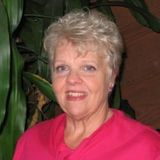
In this episode, Diane Carbo sits down with Christy Hier, an Occupational Therapist (OT) and Certified Hand Therapist with 25 years of experience, to discuss how proactive planning, early home modifications, and reframing independence can transform the aging-at-home journey.
Listen in to learn how to move past fear or denial and replace them with practical tools, dignity, and peace of mind! 💬✨
🎙️ Episode Outline
1. Introduction & Background 💡
- The Reality of Aging at Home: Why families often wait for a crisis before taking action, and why it is never too late to start preparing.
- Meet Christy Hier: Christy shares her journey into occupational therapy, driven by her independent upbringing and a passion for helping people stay as self-sufficient as possible in all areas of life.
- The Role of Occupational Therapy: How OTs look at daily movements—bathing, dressing, meal prep, and hand usage—to evaluate and maximize safety in living spaces.
2. Overcoming Denial & Recognizing Warning Signs 🚨
- Denial as a Defense Mechanism: Why older adults often brush off concerns with "I'm fine" or resist help out of fear of losing control.
- Early Red Flags for Caregivers:
- Unopened mail, unpaid bills, or growing piles of clutter.
- Changes in personal hygiene or wearing the same clothing daily.
- Unexplained bruises or subtle stumbles.
- A "gut feeling" that something isn't right.
3. Fall Prevention & Home Safety Realities 🛑
- The Hidden Risk of Falls: Falls are the #1 robber of senior independence, often preventing people from ever returning home.
- Common Home Hazards:
- Hazardous toilet/shower transfers and unstable grab targets (e.g., sink edges, door handles).
- Loose throw rugs and furniture placement.
- Reframing Assistive Tools: Why grab bars, walkers, and shower chairs are independence tools, not signs of decline.
4. Healthcare Realities & Planning Ahead 📋
- Gaps in Healthcare & Medicare: The critical need for proactive planning due to lower therapy reimbursements, shortened home health visits, and discharge delays.
- Financial & Legal Foundations: Why consulting an elder care attorney and a financial planner early preserves choices for the future.
- The Caregiver Contract: How setting boundaries, defining limits, and creating a formal family caregiver agreement prevents burnout and secures necessary support.
5. Future Technology & Final Words 🤖
- Emerging Tech: The growing role of home technology, teletherapy, and caregiving robotics designed to assist with daily tasks and mobility.
- Closing Reminder: Self-care is essential—caregivers must protect their health and well-being while supporting loved ones.

🔗 Connect & Resources
- 🌐 Christy Hier’s Website: comfortableagingsolutions.com
- 🌳 Linktree: linktr.ee/ComfortableAgingSolutions
- 📊 Presentation Slides: [BNI Presentation.pptx]

Podcast Episode Transcript
Diane: Welcome to the Caregiver Relief Podcast. I'm Diane Carbo, your host. Today we are talking about a topic that affects almost every family at some point, how to age safely at home.
So many older adults want to remain in their homes, but most families do not begin planning until after a fall, a hospitalization, or serious health crisis. The good news is that even when it feels late, it is not usually too late to make changes that can reduce risk, improve safety, and support quality of life.
My guest today is Christy Hier. She is an occupational therapist and a certified hand therapist. Christy brings the perspective of occupational therapy to the Aging at Home conversation. Occupational therapists look at how people function in their daily lives, how they move, bathe, dress, prepare meals, use their hands, or manage routines, and stay safe in the spaces where they are actually living.
We will talk about the emotional side of aging. Many older adults were raised to be strong, self-reliant, and not need help. This strength is admirable, but it can also make it difficult to accept support, plan ahead, or talk honestly about aging. Today's conversation is about replacing fear and denial with preparation, dignity, and practical support.
Diane: Christy, I've been looking forward to this conversation. you offer so much information, and I love that you have the occupational background. So welcome.
Christy: Thank you. Thanks for having me. I'm really excited to be your guest today.
Diane: Oh, I am too. Now, before we talk about fall prevention and home safety, can you tell us a little bit about your background and what led you into occupational therapy?
Christy: Yes. I'm one of those people who, my parents were born, during the, with World War II and, you know, were raised like you were talking about. No matter what you come across, you just keep your head up, you keep moving, and you take care of yourself. So I was raised to be a very independent person, which I appreciate.
I love that. I love having those types of skills. So it's always been in my nature to be independent. my mom's a retired nurse as well, and so I always had that caregiving aspect in my DNA. so when I found occupational therapy and the allure of helping people, stay as independent as possible, be able to take care of themselves, do what they need to do, stay strong mentally, physically, emotionally, spiritually, in all those facets, it was, really exciting to me.
And I've been in OT for 25 years. I've worked in every single setting OT exists. as you said, I'm also a hand therapist. And I've loved making splints. I've been fascinated with the hand. So that's kind of one of my backgrounds is occupational therapist. But I've also had some other personal experience that just kind of led me to, to do this as well, too.
Diane: I'm an old rehab nurse, as in seasoned. You know, I worked at Sister Kenny Institute for many years.
I've lived all over the country, but, rehab is my first love, and I love the fact that, how we all worked as a team, the OT, PT, speech therapist, and nursing, to get a patient to, a level of independence that they could reach before they left.
So I'm very interested in, teaching my families that who may not understand the role of an occupational therapy. How do you explain what an OT does, especially for older adults who want to remain at home?
Christy: Yeah, that's the million dollar question, isn't it?
Diane: Yeah. Yeah,
Christy: So I've been working with older adults my entire career, and, in traditional OT, so I've been doing a lot of home health in my, experience.
So traditionally, a doctor's written an order and I walk into this, older adult's home, and they know that the doctor has ordered me to be there, and they're usually, I'm usually there because they've had a fall or a joint replacement or a fracture or an illness, so they know that they're, I'm there to help them.
But in the aging at home world with how I approach things now as a private consultant, it's a whole different ballgame. Because here I am trying to show people how, really what I tell people is I'm, I can help people stay in their home as long as safely possible. That pretty much sums up the whole thing.
That covers a lot of factors, obviously. But I do find it's harder sometimes with older adults to break past that, mindset of I'm never gonna need that, I don't have any problems, I'll take care of myself, and if something happens, I'll deal with it then.
Diane: Denial is one of the strongest coping mechanisms, and denial is not our friend.
I've dealt with that for decades. I've been a nurse for over 50 years, and I've seen denial all through my, my career with patients not wanting to deal with things, so they just pretend that it doesn't exist. And not planning ahead is, can be disastrous. now as we were just talking about, older adults will often say, "I'm fine.
I'm okay. Don't bother me. Everything's good," even when family members are seeing changes. What are some early warning signs that someone may need help planning for aging at home?
Christy: There can be a lot. typically it's, you know, if you as the adult child, depending on how often you see or interact with your parent or parents, sometimes it's just a feeling.
You're "Something just doesn't seem right. They're just not acting or talking like they used to," or maybe you can't quite put your finger on it. But they know like on a gut level that something's not quite right. Other things might be more obvious. If, you live out of town from your parents, maybe you come home for the holidays or what have you.
And you'll see, maybe you'll see bills, unpaid bills, or a lot of unopened mail, either scattered out on a table or maybe there are even piles, around the house, depending on if your parent had any kind of a hoarding tendencies. Maybe they don't dress as neatly or something as they used to.
Maybe they're wearing the same clothes day after day. Maybe they've stumbled, they have some unexplained bruises, and you go to ask them about it, and they're like, "It's no big deal. I just tum" And of course they're going to blow it off because this is just human nature.
This is who we are.
Diane: Yeah. Yeah.
Christy: But a lot of times too, and again, depending on the relationship with the parents, if the kids try to bring it up, they're either like, I'm the adult, you're my child, no matter how old you are. You know, I'm taking care of this. You don't need to bother yourself with it.
Don't worry about it." Or they simply just are like, "Ah, you don't know what you're talking about. You're just trying to, keep your finger on me."
Diane: Yep, yep, yep. Yep. "You want to control me." Yes. I've heard everything. I've heard everything.
Christy: I'm sure you have,
Diane: yeah. Yeah, yeah. So
I am a stubborn, thick-headed Irish girl, okay?
Christy: I'm not Irish, but I'm all of the above.
Diane: Yeah, yeah. Well, I have Irish German sons, oh, God bless us.
Christy: Yeah, no kidding.
Diane: But, we were raised, especially I'm a boomer. We were raised to be independent. We could do anything, and we just had to work hard and try hard.
And the other thing we grew up with is when we could learn when you turned 16, now some people that lived in the country drove much earlier, but, when you turned 16 you got your license, and we've always had a sense of freedom that most people don't experience in other countries, like we did.
And it's really, hard when we decline and start changing things, And one of the things I want to tell my listeners out there, and they've heard me say this before Falls are the number one independence robber of seniors. If you fall, one fall can actually prevent you from ever returning to your home.
And, so that's why I like to take a proactive approach. And most homes in the United States are made for a young body and not an aging body. So we have a situation, Christie, where a lot of families or seniors wait until a fall, a hospitalization, or other crisis before making changes. is it ever too late to start planning?
Christy: I don't think so. I always say it's never too late and it's never too early. Yeah. and one of the first things I recommend to anybody, I don't care how old you are, is planning for financially and legally. So I always recommend, number one, talk to an elder care attorney, and yes, it must be an elder care attorney.
And number two, talk to a financial planner, even if you think you don't have enough money to do anything. There's nothing wrong with a free consult. At least find out your options. That's kind of what my business is all, all about, is preserving options. But it's never too late. It's never too early.
Even if someone's, like you said, things can happen, I always say, overnight, just like you were referring to. Mom, Dad falls, breaks a hip, goes into the hospital. Let's say they have to have a joint replacement, and they have to go through, obviously, rehab, probably home health, if they're able to return home, and statistically, that's not usually the case.
Most people that fall and have a hip replacement, as I'm sure too, are women.
Diane: Yeah. Yes
Christy: and due to complications from surgery, et cetera, most of those women never do come home, and that's what I got really sick and tired of seeing as a home health therapist. I just got so sick and tired and frustrating with going into all these families' homes and seeing the aftermath of the crisis, or you might have to bleep this out, but what I call the shit show.
Diane: Yep. yes,
Christy: 'Cause that's what it can be
Diane: I have that term in my vocabulary.
Christy: Perfect, yes, 'cause that's what it really is, as you well know.
Diane: Yeah
Christy: There's still things that can be done, even if they're little home safety things. It's not just as simple as saying, "Oh, I you know , put, I put a grab bar up, and I have put in a walk in shower."
That is nothing close to what you're most likely gonna need.
Diane: Exactly.
Christy: that, that's great that you started something, And even in my generation, we look at some of those things as like, "Oh, that means you're handicapped or you're disabled. You got a shower chair? Oh my gosh."
Diane: It's for old people.
Christy: Yes. Yes. Yes. It's old people. I don't want that kind of crap in my bathroom.
Diane: Yep, yep.
Christy: That means I have to accept that I'm losing some independence.
Diane: Yep.
Christy: And I get that. I get it.
Diane: Yep.
Christy: But we need to start changing our tune to, "This is what's helping me stay at home."
Diane: Yeah. I actually encourage my listeners that if you're making, I don't care if you're 20, 30, 40 years old, if you're make and you think that this is the home you're going to live in the rest of your life, when you remodel, look at what you're doing, like a bathroom.
Get a high toilet. put some things in place. Check out Universal Design. Contact people like, like Christy here to find out what are the wisest choices to make so that your body, your home will age with you. And that's the important thing. You know, doorknobs versus, handles. There's so many things you can do to improve your quality of life in, your home if you make changes.
But do it early I say early. Early, early, early.
Christy: Yes.
Diane: But, over time, over, over years you can make it so that your house is acceptable for the aging body.
Christy: And it really depends on you as the person.
Diane: Yes. Yes
Christy: So you know, for some people having a taller toilet isn't gonna work if they're, four and a half feet tall.
It can actually make it
Diane: I'm 5'2" so I get that. Perfect.
Christy: And me too, I'm 5'6". I would too. My mother-in-law is 96, and I'm not sure that she's actually even four feet tall.
Diane: Yep.
Christy: So it just depends on a lot of factors like that. And one thing that I always, want people to be aware of, I guess, is putting in a walk-in shower.
That could be fantastic and be helpful for a long time but I don't want anybody to think that means, if they'll be able to get into their shower no matter what because
Diane: Yes
Christy: obviously if you can't stand up even on one foot, you're not getting in your walk-in shower.
Diane: Yes.
Christy: And there are definitely other things that can be done to get you in the shower.
So just having an open mind,
Diane: And you know what, people don't know what they don't know, and they don't know what's out there that's available to help them remain in their homes.
Christy: Exactly.
Diane: and it's a good investment to, and, well spent time to learn early.
Christy: Yes.
Diane: Yes. So Christy, what are the most common fall risks in the home, and which ones are families most likely to overlook?
Christy: Oh, there's a lot of those.
Diane: Yeah,
Christy: You know, there are a lot. So probably mostly is in the bathroom. I've seen so many people, just grabbing anything they can to get themselves up off the toilet.
Diane: Yeah.
Christy: The door handle, the edge of the tub, or, hanging onto the sink, which depending on the situation may or not be safe.
Diane: Exactly.
Christy: That's probably number one, and getting in the shower. I'm sure you can understand this. There are some crazy ways people get into their shower. I would have never imagined had I not seen it myself, but
Diane: you know what? Yes. I have done home care.
Christy: You have.
Diane: So I absolutely understand what you're saying.
Christy: Yes. Yes. Yes.
But what I
Diane: People get very creative. It's not safe, but it, they get very creative.
Christy: Oh, 100%. That just goes to speak to how strong the human desire is to take care of yourself by yourself.
Diane: Yes. Yes.
Christy: There are so many little things, that, let's, when I do a home safety assessment, what I like to see, if possible, is the person moving around in their own environment, because that, as a therapist, all those 25 years of experience of watching people move and just knowing how the body moves and works, I can spot things that they might trip on, or certain fall hazards, or poor lighting, just by how they move in the house. Maybe there's a certain way they get out of the, off the couch and get into the kitchen. I'm like, "Oh my God, like that's a fall waiting to happen," It could just be the placement of furniture. a lot of little things like that most people aren't gonna think anything about that jump out to me.
Diane: Yeah. I think it's important for people, seniors and their, loved ones to look at, you're trying to make the home your partner as you age.
Christy: Absolutely.
Diane: And that means, again, doing some, research. But one of the things that I always see, the first thing that is the loose rugs everywhere, and I'm like, "Oh."
Christy: Yes, that's the classic one too.
Diane: Yes,
Christy: yes. yeah, there are times when I'm like, "Okay, if we you know, put something underneath it, secure the edges, you'll be okay."
Diane: Yep.
Christy: But, like anything, it needs to be revisited every probably year or two, depending upon how you're functioning.
Diane: Exactly. Exactly. 'Cause things definitely change, of course, as we change.
Diane: Yes. And, I'm here aging, and I'd like to age in place, but, my present situation is I need to make some changes.
And I have been making them over time, it's just I need to get faster at doing those things. Well, you know what? There's stairs in the house to a bedroom, you know, it means putting a chair lift in.
Christy: Yep.
Diane: Those types of things. And, because it's not, it's, I can go up and down the steps now, but what is my future?
'Cause my knees are bad. years of nursing, I have, I tell people, I tell my listeners, and I know they're all rolling their eyes if they've listened to me too much. I used to pick up men for a living Oh, is what I tell them. And, my body's all injured from it.
Oh, yeah. But, you know, as a nurse, you just pick and Oh, pull and, oh, there's so many things that you do with the patients that, you hurt your own body in the process.
Christy: It's a manual labor
Diane: Yeah
Christy: industry, for sure.
Diane: And when I was in nursing in the Dark Ages, in the very Dark Ages where we did a lot of manual transfers. We didn't, we had the equipment, but we didn't use it very much. We weren't encouraged to use it. There may be one thing on the floor that everybody's waiting for, so you learn to do it. And you're also trying to teach families how to transfer their loved one in the home.
So you have to physically show 'em because in those days, equipment wasn't readily available or covered or was too expensive. So you used your body.
Christy: And most of the time, you
Diane: Now they actually have beds that pull a person up in the bed. I was like, "Oh my God."
Christy: Well, and have you seen the robots in China? There are robots that are made now to pick people up that are bedbound and transfer them into a wheelchair.
Diane: There is... I did an episode on a, a robot that you, that will allow you to be, stay in your home as long as possible. It actually, you lay over it.
Can lay over it, and it'll take you to the bathroom, it'll help put you on the toilet. It'll put you on a chair. And you know what? That, that was the most, listened to podcast because... And that's the biggest request I have. What can I do? What, are there robots out there? That's why I do a series on senior and technology.
Are there robots out there that will help get me to the bathroom and help me get up so I don't have to depend on somebody else? And that's insane. I've been following Japan for 20, almost 25 years now.
So I've been following what they're doing, and, we are behind the eight ball as far as that,
Christy: Absolutely.
That must be the only episode of your podcast that I have not seen, or heard I should say.
Diane: Yeah. There's so many of them. We're gonna get them organized really soon.
Christy: Yeah. So obviously there's a lot of amazing technology coming down the pipe.
Diane: Oh. And there is, and that's why I'm gonna try to stay on top of it to make my listeners aware of what's out there that can absolutely be helpful. But in Caregiver Relief, if you just put in technology or senior technology or even caregiver robots, a lot of stuff will come up,
Christy: Awesome. That is awesome.
Diane: Next year, not to get off the topic, but next year they are going to have a humanoid robot that will be able to provide care in the home.
Now, it'll be tasks like washing, cleaning, doing laundry and stuff I'll be the test house for that making meals.
Yes. Yeah, yeah.
You know, I watched The Jetsons growing up Me too ... and all I think is we're gonna have our own Rosie.
I love that.
Oh, that's awesome.
Christy: But yeah, like, as you're talking about all this technology, and obviously, like any new technology that comes out, it's gonna be expensive at first, right?
Diane: Yes.
Christy: Just like you were talking about the stair lift. I too live in a house with steps, and when we bought this house, I thought the same thing, I'm gonna put a stair lift in if I need to. But these are also things that I feel like we need to look at as investments
Diane: Yes
Christy: into our longevity.
Diane: Yes. Yes.
Christy: Because you know perfectly well, way better than I do, when someone falls like that or, has a hip replacement, I mean, right off the bat, surgery alone you're looking at 60,000 plus.
Diane: Yes.
Christy: And insurance doesn't cover everything. Insurance doesn't cover one penny of bathroom equipment.
Diane: Yes.
Christy: Not one penny.
And so there's a lot of, things like that you can invest in that's gonna go a long way.
Diane: Christy, our Medicare in, has moved to a cost-sharing platform, and right now the reimbursement for therapies is so low that facilities get a higher level of reimbursement for not providing therapy.
Christy: Yep.
Diane: So patients are being sent home, and this is why this, your, this podcast is very important because people are going to be left not knowing what to do, how to do it, and we're gonna see a big surge of need because, home care has also been cut dramatically.
And, they actually don't even pay for a nurse to go out to the home anymore, and it's, the facility,
Christy: That's scary
Diane: home care companies have to eat that. So I think that's why I want my listeners to know it's important to get out and listen to, and find people like Christy because you're going to need it in the future.
Christy: Yeah. Thank you. I appreciate that, and as a therapist who's worked in, inpatient, outpatient, home health, I've done everything, and over the years, I'd say at least 10 to 15 years in rehab you know, we're always getting that notice, oh my gosh, this person's insurance was cut, at 24 hours maybe to make an appeal, and they lose the appeal.
Diane: Yes.
Christy: And you're in the middle of teaching them things and boom they're out the door.
Diane: Yes.
Christy: And a lot of times the hospital will tell the patient, "Okay, well, we ordered home health.
They'll be there within 24 hours." No, they won't.
Diane: No, they won't.
Christy: If you work for a home health company hospice, they'll come in 24 hours.
Diane: Yeah.
Christy: Home health, we usually had about a two, sometimes three-week wait time for therapies to even get in. So in that whole timeframe, most people are falling. And even when they do get the therapy, you know we're always limited as a home health care therapist by number of times we can see a patient.
Diane: Yes.
Christy: During the day, I used to drive an hour radius to see patients, and we did a great job as doing as much safety and therapy as we can in the home.
Diane: Yeah.
Christy: I only had so many minutes to spend with the patient, and then I have to leave, you know?
Diane: Yes. Yeah.
Christy: And that's what I got frustrated with. I just, I don't want... I wanna be able to do what is needed for the person not what somebody else tells me I should do.
Diane: That's why at 73, I continue to sound the horn on, blow the horn on what's happening in Medicare and how we only have the illusion of healthcare right now and that we really, really need to start focusing. Teletherapy is, going to be the future, and the problem is the family caregiver is the one that's going to be pushed to the expectations of the, what they put on a family caregiver now is so unrealistic that It's basically impossible it's unsustainable.
And, it's dangerous, and it's, our present. I'm gonna just tell you, I worked with my son who was, in the military, and he had an injury, a severe injury, and dealing with the medical delivery system in the military was delay, deny, and wait to die. And that is our present Medicare system.
So that's why it's so important that seniors and their families pay attention to what's happening. If you are proactive and, and respond, be proactive and try to avoid things as much as possible. You're not always going to be able to prevent everything.
But you can certainly assure that when, if there is an injury in the home, that your family member can come back to the home and not be placed in a nursing home.
Christy: Exactly. Yes, and I am so sorry for you that you had to go through all of that
Diane: Oh
Christy: with your son. That's horrendous.
Diane: My son's no longer with us because of the treatment, but,
Christy: I'm so sorry
Diane: he committed suicide. Yeah. it'll be 15 years this year, and
Christy: I am so sorry
Diane: it's the abusive nature on the way they treat the vets, and now we're seeing that here in our own healthcare system.
So I'm very frustrated and frightened about what's going on. But that's why I'm so grateful when I find people like you who are willing to tell people about what's happening and how we can help them. I think that's really important. You know, seniors do, they resist grab bars, they resist walkers, raised toilet seats, or other supports because they do, they absolutely think it makes them look old.
How can families reframe these tools as independence tools instead of signs of decline?
Christy: It's just retraining how we think. Easier said than done, right? I mean, I'm not saying there's anything you're able to say to a parent or anyone else, to make them go, "Oh yeah, I love that shower chair."
Diane: Yep.
Christy: But I tell you what, they're gonna feel real good after they're able to get in that shower and take a shower on their shower chair.
Diane: Yep.
Christy: And I don't know about you, but nobody in my edition is having a parade of everybody to come look at all the equipment in their house.
Diane: Yeah.
And I understand that.
But you know what? If it... I've been, I guess I'm so used to it because I've been around it so much. Same here ... in rehab it's everywhere, And in the homes of the people that I was in, we, had a lot of equipment. But, my perspective is you change your perspective, you change your life.
So instead of thinking it's getting old, I like to prefer to have a more positive attitude towards aging and say, "This equipment is helping me to stay in my home." 'Cause the, I'm sure you've heard this so many times as well, "I'm going out feet first. I'm never leaving this," leaving my house. I'm going out feet first."
Meaning they'll be dead and they're going to be taken away on a gurney. But, you know, it doesn't work that way.
Christy: Yeah. I wish we could, I wish we could command the circumstances around our own death.
Diane: Yeah. Yeah.
Christy: Which actually kind of leads me into this. as far as changing perspectives.
Diane: Yeah.
Christy: So one, a couple of things that led me to do this business and why I feel like I have a unique perspective on helping older adults or a, adult children caregivers really
Diane: Yeah
Christy: is 14 years ago I died of a heart attack. I have a defibrillator and three stents in my heart.
Diane: Oh my.
Christy: Long story short, I found out back then that I had a kind of rare heart condition called SCAD.
Stands for spontaneous coronary artery dissection. And if anyone's interested go to Mayo Clinic and look up SCAD, Dr. Sharonne Hayes, and get all kinds of information. So I was not able to, work normally or really live normally for about three years because of other complications related to that.
So when I say, excuse me, understand as a patient and going through the health system as a patient in a major life crisis, done it. I had to, ask for therapy. I had to really control my own, trajectory through the rehab system myself.
Diane: Yeah.
Christy: And then my dad, who I was really close to my whole life, suddenly passed away about three years ago, and I already knew at that time that my mom had dementia.
Diane: Yeah.
Christy: So, like, as soon as he passed away, suddenly I became her caregiver. Yes. I was able to keep her in her own home for about two and a half years, and then she moved in with us for probably about four to five months. And then unfortunately, I did have to, put her in a memory care, building.
But it was one I had seen patients in over the years that I had already mentally chosen.
Diane: Yes.
Christy: So thank God, literally thank God that's, it worked out. But that's... and I knew everything to do, and there's still the emotions of a caregiver of an adult kid. You know this.
Diane: Oh, I've lived it. Yes.
Christy: Yes.
Diane: Yes.
Christy: It's, it needs to be talked about more. The guilt, the sadness, the anger. not saying it can't be done, obviously, 'cause it can or else I wouldn't be doing my business. But there are definitely ways to do it that are easy on the caregiver, I think.
Diane: Yeah. And the one of the biggest, issues family caregivers have is they have an inability to set boundaries and limits.
They have an inability to ask for help because they feel that they've failed, or they feel that everybody around them should know that they need help and know what to do, and it doesn't work that way. people you have to be very specific. And for the... And another thing I always hear is, "Well, they're all gonna say no."
We can work around that as well.
And one of the things, Christy, I'm gonna make you aware of this, I encourage every family caregiver to create a family caregiver contract.
Christy: I love that
Diane: And they, that's where they set their limits and their boundaries and actually evaluate, "I will be able to take care of you until, if you become incontinent.
I don't want to have to deal with that kind of personal care. If you become abusive or inappropriate in any way, and I feel threatened, you won't be able, I can't keep you at home." caregivers don't look at things that way, and they don't understand that these things can happen. And, That's, I think
Christy: that's the key you said right there.
They aren't aware of
Diane: Yes
Christy: some of those things
Diane: yes
Christy: that they may happen.
Diane: Yes.
Christy: That's fantastic. I love that.
Diane: Yeah. and I like it because they, it's also a way to get paid. There are several ways to get paid as a family caregiver.
Christy: Yeah.
Diane: And I suggest that they do it. And one of the things that I strongly recommend is to put one in place, and if you have uninvolved siblings and judgmental, extended family members who are telling you how to do things, telling you're not doing them good enough, then they need to get involved because you have a legitimate date.
You want days off, you want vacation times, and they either have to be obligated to help you be your relief, or they should financially it financially- Provide an option for you ... help, yeah, pay for outside help to come in so that you get that time. And I know caregivers tell me all the time, they hate that I say that, caregiving should, family caregiving should be looked at it like a job.
But if it is, and- It is one ... the average caregiver is providing care for over five years.
Christy: Yes.
Diane: And some are much longer. You know, I have a caregiver that, it was 20 years. And then there's the- Wow ... then the other side where they may be short-term, but that's a rarity. It's, like, mostly we help- Yes
people live longer, not healthier, but live longer. Yes. And, the consequences of that are changes in our, how we respond to our environment.
Christy: 100%. And one thing that I do feel lucky about is that after I did have my heart attack and all that, even though I was already a therapist at the time, it really made me look at quality of life, and- Yes
I immediately had a very long discussion with my parents.
Diane: Yeah.
Christy: About details. do you want somebody else, a stranger, to come into your home? Are you willing to pay them? Where are you gonna get the money? Yeah. I'll wipe your butt, help with the showers. I'll do anything that I can. We talked about if I had to work full time. Yeah. We talked about pretty much everything, and I said, "I will do what I can." But again, my parents also, by the time my dad passed away-
Diane: Yeah ...
Christy: knew that stress is a big factor for my heart and- [00:33:00] Yes ... issues related to that. And so- Yeah ... you know, I had to reach my own wall mentally, emotionally, spiritually.
Yeah. But I told myself, and I tell other caregivers this too, I'm sure you do the same thing as well, and I love that, is You don't have to destroy yourself- Yeah ... physically, mentally, emotionally, spiritually, any other way. And your parent wouldn't want you to.
Diane: Yes.
Christy: And that doesn't mean you don't take care of them at all, but- Right
you, like you said, setting your boundaries is critical.
Diane: Yeah. and that is critical. And I say those exact words, "You don't have to." Yes. So sac- don't sacrifice yourself in any way, shape, or form. And many see, many caregivers, I'm sorry, some of them get into the victim mode. Yeah. And I have more in the victim mode where, "Oh, I have to do it."
They think that they're the only one that can do it. Well- Yes ... no, that's not true, and there are ways to change that. But,
Christy: Yeah. And
Diane: they are
Christy: harming themselves-
Diane: [00:34:00] Yes, yes ... by continuing putting themselves last, the way- And who's gonna take care of you after they die? Yeah. I'm telling you, the caregiving journey's gonna end, and you're, most don't have friendships anymore because- Yeah
they've let those go by the wayside. They, most have left their jobs, and they don't have any income. I've seen them, it, they really struggle. So they really have- Yes ... to focus on taking care of themselves now so that they have life after caregiving.
Christy: Yes. Yeah ... could not agree more. And I was the person that said, "I will basically spend my last dying breath to care for my parents."
Diane: Yeah. But I didn't realize I would literally be approaching that point sooner than- Yes ... I thought, Yes, yes.
Christy: But I just feel lucky that I've been able to make the decisions that I have made. I don't feel horrendous guilt or anything. I'm still able to spend good quality time with my mom-
Diane: Yeah ...
Christy: as her daughter, and therapist too, actually.[00:35:00]
Well, guilt's a wasted emotion. It's shame and guilt, and it's so wasted- Right ... 'cause it negates all the good we do, and- Yeah ... you've done a whole hell of a lot of good to get where you are, so- Thank you ... get rid of that guilt. Yeah. change your perspective- Yeah ... you change your life, Yeah. Yes. That is so true ...
Diane: Christy, what are some small interventions that can make a huge difference in the quality of life for someone aging at home?
Christy: making sure, number one, you're looking at safety of course, right? Yes. There, there's some great, more what I'll call sort of generic checklists on the internet- for some basic home safety things. that'd be a great place to start. Of course, you can always, hire somebody like me or someone like me- ... my business to do a custom home safety evaluation, where we look at specifically how you move in your environment and what kind of changes are appropriate and now, and, maybe- Yeah
later in the future. enjoy every moment. it sounds so cliche, we never know if we're gonna die tomorrow, but man, I'm living proof that it's the truth. It happens.
Diane: Yeah.
Christy: just enjoy what you can. don't put things off until later 'cause there may never be a later.
Diane: Yes.
Christy: And enjoying your friends and family and those moments that just you feel like, "Oh my gosh, this is what life is about.
This brings me so much joy, and this is what matters." Spend more of your time doing that.
Diane: Yeah.
Christy: And look at everything around you as being ways to help you stay in your home as long as safely possible.
Diane: Absolutely. Now, what advice, Christy, would you give to caregivers who are worried about an aging parent but don't even know where to begin?
Christy: Number one, talk about it.
I have that on my website, let's talk about it. there's a lot of families that don't discuss these types of issues. Yeah. Either because, like, their parents, "We don't ever talk about money." Yes. Or they're like, mom and dad have it covered, right? [00:37:00] They've got some kind of insurance policy,right?"
Yep. nobody knows.
Diane: Yep.
Christy: Talk to them about it. If they aren't willing to talk to you about it-
Diane: ...
Christy: bring me in. That's where I'm actually a great objective third party. 100%. Yes. Where I can say- Yeah ... "This is what's happening, right? And here are your options." Because when you don't know what your options are, or family members- Yeah
are fighting about what the option, the best option- Yes ... is and the consequences- Yeah ... of each option. Yeah. That's where things get screwed up and people have a fall and wake up two weeks later in a nursing home and never come home again.
Diane: Yes. So- And they all fear that, so-
Christy: Yeah ...
Diane: they will absolutely manifest that fear if they don't take action.
Christy: Yes. Christy, you- And I'm not saying that nursing homes or anything like that are the, evil but there are some people that, that's the best place for them, that's a wonderful safe place for them.
Diane: Yeah.
Christy: But most of us, I mean, I've never met a person in my entire career that wakes up saying, "I can't wait to go [00:38:00] into a nursing home.
I can't wait to be on, government aid," and that type of thing. So-
Diane: Yeah ...
Christy: there's ways to work around it.
Diane: Yeah. that's great, and I've worked in long-term care as well, so I know what goes on in nursing homes. Yes. And, you have wonderful people there, you have awful people there.
Christy: Yep.
Diane: The good, the
Christy: bad, and the ugly.
Diane: Yes. So you really need to, actually find a good nursing home, and hope that you have the money to be able to stay in a nice one because it's- Yes ... harder when you have m- just Medicaid to find a home that will w- be willing to take you. When you have no options. So that's a whole nother... yes.
Yeah,
Christy: I'm telling
Diane: you. And that's why it's important to address your options early.
Christy: Yes.
Diane: Christy, you've provided so much wonderful information today. Oh, thank you. I mean, it's valuable.
Christy: Thank
Diane: you. How do people find you?
Christy: Multiple ways. You can go to my website, which is comfortableagingsolutions.com. Okay. I've got a bunch of information on there.
There's a link to my scheduling [00:39:00] page. Wherever it says, "Let's talk about it" is where we can schedule a free consult with me, and I just learn more information about the situation and what's important to the, the person or the caregiver or the older person themselves at that point in time. Yeah
anyone could call me at 260-255-4420. My email's on my website, kristi@comfortableagingsolutions.com. So there's all different sorts of way to get ahold of me.
Diane: And as I explained to my listeners and they know, that we create a permanent page on Caregiver Relief. It'll have your pretty face up there.
It'll also have links to, to your site and, your email and stuff so that they can reach out to you.
Christy: Well, you're too kind, but thank you very much. And I just- Thank,
Diane: oh,
Christy: thank you ... I love talking to you and all the wealth of information and experience you have is I really, really appreciate you and your podcast.
Diane: Oh, thank you so much. You're welcome ... well, I appreciate what you're doing. That's why I feel it's important in my retirement to stay busy [00:40:00] making sure seniors have, a wealth of knowledge available to them to find what they need. So thank you so much.
Christy: You're welcome.
Diane: to my family caregivers out there, you are the most important part of the caregiving equation.
Without you, it all falls apart. So please learn to be gentle with yourself. Practice self-care every day because you are worth it.
Caring for a loved one can be overwhelming — but you're not alone. If you have questions, big or small, our expert team is here to help.
👉 Click here to Ask the Expert
Our Resource section can help you find the information and tools that you need. We have courses, videos, checklists, guidebooks, cheat sheets, how-to guides and more.
You can get started by clicking on the link below. We know that taking care of a loved one is hard work, but with our help you can get the support that you need.
Click here to go to Resource Section now!