What to Do After a Hospital Discharge: A Caregiver’s Step-by-Step Survival Guide
Bringing a loved one home from the hospital? Learn what caregivers must do after discharge to prevent complications, manage care, and avoid readmission.

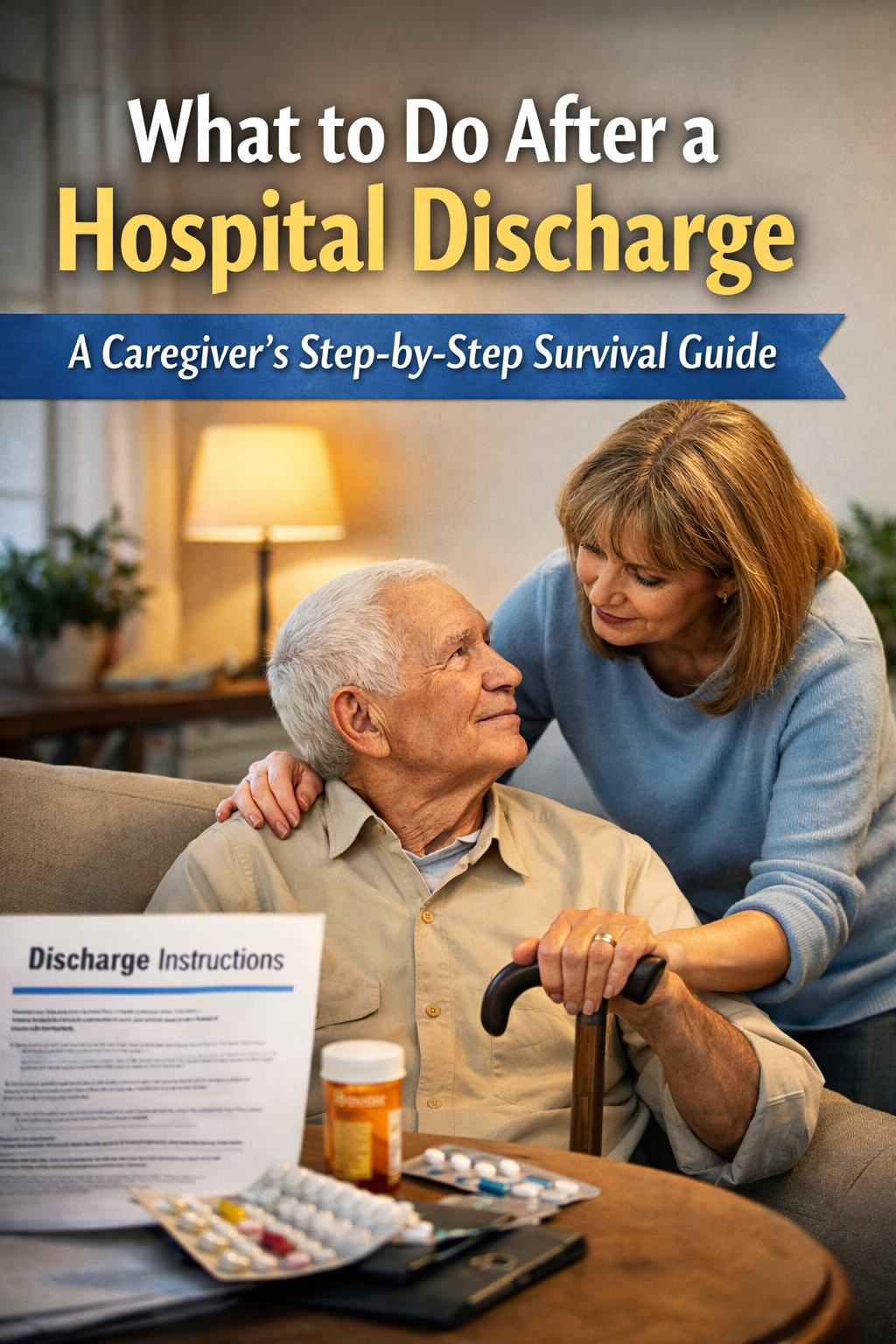
Bringing Your Loved One Home from the Hospital Can Feel Overwhelming
Hospital discharge used to mean recovery.
Today, it often means family caregivers are expected to manage complex medical care at home—immediately.
Medications change.
Instructions are rushed.
Follow-up care is unclear.
And suddenly, you are responsible for everything.
Many family caregivers search for what to do after a hospital discharge, but are often unprepared for the level of care required at home.
👉 If you are already feeling overwhelmed, start here:
Caregiver Burnout Help: How to Stop Feeling Overwhelmed and Take Back Control
Why the First 30 Days After Discharge Matter Most
The first 30 days after hospital discharge are a critical period.
During this 30-day period, hospitals are closely monitored for readmissions, which can influence discharge decisions and shift more responsibility onto family caregivers at home.
This is when:
- Complications are most likely
- Medications are often misunderstood
- Patients are at the highest risk of readmission
Hospitals are also under pressure to avoid readmissions, which can result in patients being discharged before families feel fully prepared.
👉 Learn why early discharge is happening more often:
Unsafe Hospital Discharge: What Caregivers Need to Know
👉 Understand how Medicare rules affect your options:
Medicare Observation Status vs Inpatient Admission
Step-by-Step: What to Do After a Hospital Discharge
1. Review Discharge Instructions Immediately
Before leaving—or as soon as you get home—carefully review:
- Medication changes
- Follow-up appointments
- Diet and activity restrictions
- Warning signs to watch for
- Ask "Is my loved one being discharged safely with the level of care they need at home?"
If anything is unclear, call the hospital or provider right away.
2. Get Crystal Clear on Medications
Medication errors are one of the top reasons patients end up back in the hospital.
Make sure you:
- Know what medications were stopped
- Understand new prescriptions
- Confirm dosages and timing
- Remove outdated medications
👉 Organize medications and important information:
My Vital Vault Emergency System
(/my-vital-vault)
3. Schedule Follow-Up Appointments Immediately
Do not wait.
Schedule:
- Primary care follow-up (usually within 7 days)
- Specialist visits
- Therapy (PT, OT, speech if needed)
👉 Missing follow-ups is one of the biggest causes of complications.
4. Watch for Warning Signs
Know what to look for in the first few days:
- Fever
- Increased pain
- Confusion
- Difficulty breathing
- Swelling or changes in condition
👉 If something feels off—trust your instincts and act.
5. Make the Home Safe
Before or immediately after discharge:
- Remove fall hazards (rugs, clutter)
- Ensure good lighting
- Set up a safe sleeping space
- Keep essentials within reach
👉 If you’re unsure about safety, read:
10 Warning Signs Your Aging Parent Needs Help at Home
6. Understand Your Care Responsibilities
You may now be responsible for:
- Medication management
- Wound care
- Mobility assistance
- Monitoring symptoms
- Coordinating care
👉 This is not “basic caregiving”—this is medical-level care at home.
7. Know What Medicare Does (and Does NOT) Cover
Many caregivers assume services will be covered—but often they are not.
👉 Learn the gaps before they impact you:
What Medicare Does NOT Pay for in Long-Term Care
👉 Also understand how observation status affects rehab eligibility:
Medicare Observation Status vs Inpatient Admission
👉 Ask whether your loved one was admitted as an inpatient or placed under observation status, as this can directly impact eligibility for rehabilitation services.
8. Create a Simple Care Plan
Even a basic plan reduces stress.
Include:
- Daily care needs
- Medication schedule
- Emergency contacts
- Appointment tracking
👉 Build a structured plan here:
Caregiver Balance Guide
9. Ask for Help Early (Not When You’re Exhausted)
Trying to do everything alone is one of the biggest mistakes caregivers make.
Consider:
- Family support
- Home health services
- Paid caregivers
- Professional guidance
👉 Get expert help navigating care:
Caregiver Coaching Support
10. Prepare for the First 72 Hours at Home
The first 2–3 days are often the hardest.
Plan for:
- Limited mobility
- Increased fatigue
- Possible setbacks
👉 Have a plan before problems arise.
Common Mistakes Caregivers Make After Discharge
Avoid these:
- Not understanding medications
- Skipping follow-up appointments
- Waiting too long to ask for help
- Ignoring early warning signs
- Trying to manage everything alone
These mistakes can lead to:
- Hospital readmission
- Increased caregiver stress
- Unsafe conditions at home
What Caregivers Struggle With Most
Many caregivers say:
“I didn’t realize how much I would be responsible for.”
This is one of the most common and overwhelming realities caregivers face today.
You are not just helping—you are managing:
- Medical care
- Coordination
- Monitoring
- Decision-making
👉 This is why caregiver burnout is rising.
When to Seek Immediate Help
Call a healthcare provider or emergency services if you notice:
- Chest pain
- Sudden confusion
- Difficulty breathing
- Signs of infection
- Falls or injuries
👉 Never wait when symptoms are serious.
Frequently Asked Questions
What should I do immediately after hospital discharge?
Review instructions, organize medications, and schedule follow-up care right away.
How soon should follow-up care happen?
Usually within 7 days—sometimes sooner depending on the condition.
What if I feel unprepared to care for my loved one?
You are not alone. Seek help early and build a support system.
Can I stop a discharge if I feel it’s unsafe?
Yes. You can request a Medicare discharge appeal if needed.
Final Thought
Hospital discharge is not the end of care—it is the beginning of a new phase.
You don’t have to figure this out alone.
If you are feeling overwhelmed or unprepared, don’t wait until a crisis happens.
👉 Get immediate support:
Caregiver Burnout Help
👉 Or build a clear caregiving plan:
Caregiver Balance Guide