The Hidden Hormone Connection: Understanding Chronic Illness Through a Functional Lens with Dr. Debra Muth - Episode 162
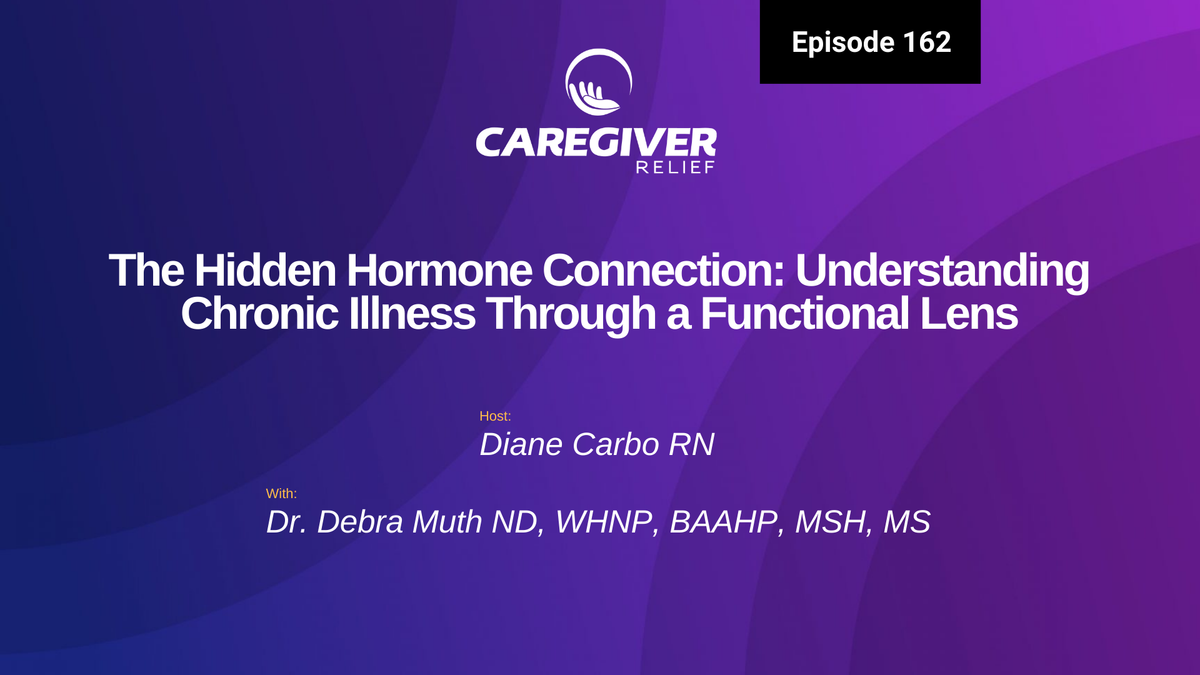
In this eye-opening episode of the Caregiver Relief Podcast, Diane is joined by Dr. Debra Muth, a pioneer in functional medicine and the author of Seen at Last. Together, they pull back the curtain on how hormonal imbalances—often dismissed as "just stress" or "part of aging"—are frequently the hidden drivers behind chronic illness, fatigue, and emotional burnout.
Whether you are navigating your own health journey or are a caregiver struggling to keep your energy up, this conversation offers a roadmap to understanding your body’s internal messengers.
📋 Episode Highlights
- The "Invisible" Misdiagnosis: Dr. Debra reveals that roughly 75% to 80% of the thousands of women she has treated were initially misdiagnosed with anxiety or depression when the root cause was actually hormonal.
- More Than Just Menopause: Hormones are not just for reproductive health; they are messengers that "tag on" to every cell in the body, influencing everything from brain function and Alzheimer’s risk to how we regulate pain and sleep.
- The Caregiver Crisis: Why caregivers often "crash" or become seriously ill after their caregiving duties end, and how chronic cortisol depletion plays a role.
- The Environmental Impact: A look at how "endocrine disruptors"—like household cleaners, perfumes, and even 5G EMF—interfere with our natural hormone production.
📑 Episode Outline
1. The Power of Hormone Messengers
Hormones are the body's symphony. When one "violinist" (like progesterone or cortisol) is out of tune, the whole orchestra suffers. Dr. Debra explains why losing hormones like estrogen can lead to a decline in brain function and higher risks of neurological diseases.
2. The Testosterone Myth
It’s not just for men! Dr. Debra discusses the protective benefits of testosterone for women—including bone health and libido—while warning against the dangers of "overdosing" via social media trends that lead to irreversible side effects like voice deepening.
3. Stress, Cortisol, and the Caregiver 🏃♀️
Caregivers often live in a constant state of "fight or flight." Dr. Debra breaks down how this burns through cortisol, eventually leading to a metabolic "flatline" characterized by extreme fatigue and weight gain that feels impossible to shed.
4. Healing Through a Functional Lens 🌱
Restoring balance isn't about a "fast fix." Dr. Debra outlines the pillars of recovery:
- Restorative Sleep: The #1 priority for hormonal repair.
- The Clean 15 & Dirty Dozen: Choosing organic foods to avoid hormone-disrupting pesticides.
- Natural Support: Using adaptogens like Ashwagandha and L-Theanine (nature’s Xanax) to calm the nervous system without addiction.
💡 Key Takeaways for Listeners
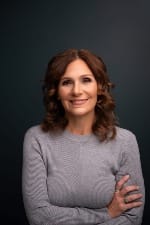
"The body is resilient. It is not meant to attack itself... it can still rejuvenate itself, it can still heal." — Dr. Debra Muth
- Track Your Symptoms: Even if you are postmenopausal, tracking your "cycles" of mood and energy can help identify patterns for your doctor.
- Check Your Labels: Switch to clean cleaning and body products to reduce your toxic load.
- Seek a Partner, Not Just an Expert: Look for functional medicine practitioners who treat the whole person, not just one isolated symptom.
🔗 Resources Mentioned
- Venaari: Dr. Debra’s upcoming AI-driven functional medicine platform (venaari.com).
- EWG.org: For lists of the "Clean 15" and "Dirty Dozen" foods.
🔗 Connect with Dr. Deb:
- 🌐 Website: www.serenityhealthcarecenter.com
- 🎙 Podcast: Let’s Talk Wellness Now – Available on all major platforms
- 📱 Instagram: @serenityhealthcarecenter
- 💬 Facebook Group: She Knows Community (formerly Seen at Last)
Caring for a loved one can be overwhelming — but you're not alone. If you have questions, big or small, our expert team is here to help.
👉 Click here to Ask the Expert
Our Resource section can help you find the information and tools that you need. We have courses, videos, checklists, guidebooks, cheat sheets, how-to guides and more.
You can get started by clicking on the link below. We know that taking care of a loved one is hard work, but with our help you can get the support that you need.
Click here to go to Resource Section now!