How Eldera Turns Seniors into Kid’s Lifeline - Episode 161
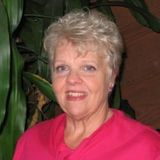
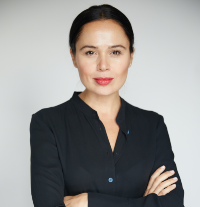
In this heart-stirring episode, Diane Carbo sits down with Dana Griffin, the co-founder and CEO of Eldera.ai. Born from Dana’s own experience being raised by grandparents in Transylvania, Eldera is a platform that bridges the generation gap by connecting vetted adults over 60 with children and teens for virtual mentoring.
This isn't just about "passing the time"—it's a powerful solution to two modern crises: the isolation of aging adults and the skyrocketing mental health struggles of our youth.
📝 Episode Highlights
- The Power of "Superpowers": Discover how Eldera uses a unique matching algorithm—asking seniors about their "superpowers"—to create deep, lasting bonds.
- Safety First: Learn about the "AI Chaperone" that works in the background to record sessions and flag potential risks to ensure every conversation is safe.
- Beyond Loneliness: Dana explains why Eldera isn't just about curing loneliness; it’s about purposeful connection that improves cognitive health and builds resilience in kids.
- The "Grandparent Energy" Gap: Why 84% of the time, once one child in a family gets an Eldera mentor, their siblings beg for one too.
- The Future of Aging: How shifting from "elder care" to "elder era" can delay the need for formal care by keeping seniors active, valued, and mentally sharp.
📋 Episode Outline
- Introduction to Dana Griffin and the mission of Eldera.ai.
- Dana’s childhood in Transylvania and the influence of her grandparents.
- The science of loneliness: How Eldera addresses a major healthcare problem.
- How it works: Requirements for mentors, including being 60+, passing a background check, and having a kind heart.
- The social community: Book clubs, socials, and friendships that form between mentors.
- Real-life impact: How kids start viewing all older adults with more kindness and curiosity.
- Cognitive health and neuroplasticity: Why mentoring serves as a "pill-less" treatment for aging.
- The "Secret Sauce": The matching process and the long-term relationships being built, some passing the four-year mark.
- Global expansion: Eldera’s 10-year plan to become social health infrastructure.
- Why AI can't (and shouldn't) replace true human connection.
🌟 Why You Should Listen
If you are a caregiver worried about a parent’s isolation, or if you feel "invisible" as you age, this episode is a must-listen. You'll hear how a simple one-hour-a-week commitment can change the trajectory of a child’s life while revitalizing the mentor's own health.
"When a young person has one trusted relationship with a non-parental adult, they build resilience."
Podcast Episode Transcript
Diane: Welcome to the Caregiver Relief podcast. I'm Diane Carbo, a registered nurse. This podcast is dedicated to giving exhausted family caregivers real solutions, real hope and real relief. Today's episode is one of the most uplifting conversations I've had in years, and I'm going, and I know it's gonna bring many of you to tears of gratitude. My guest is Dana Griffin, co-founder and CEO of Eldera.ai, the platform that's safely turning vetted grandparents and great-grandparents into virtual mentors for children and teens who are struggling with anxiety. Loneliness and everything else today's kids are facing in just a few short years.
Eldera has been featured by CNN The Atlantic, the United Nations AI for Good Initiative, Columbia, Harvard, and Stanford. Because it is quietly solving two crisis at the same time. The heartbreaking isolation so many of our parents and grandparents feel. The skyrocketing mental health struggles in our grandchildren and kids.
Dana herself was raised by her grandparents in Transylvania left a high flying advertising career and is now on a mission to make sure no older adult ever feels useless again while giving our younger generations the steady, loving grandparent energy, they're starving for.
Diane: Dana, thanks so much for joining me today. I'm so honored to have you here.
Dana: The Honor is all mine. Thank you for having me. I really appreciate it.
Diane: I love your concept because I've grown up around the elderly my whole life. I can still remember my great-grandfather Bachman, and, my, I have longevity in my family and, Since I was a teenager, I have listened to stories that the elderly tell and I love that.
So I think you've got an awesome program here. to start off, I'd like to know one favorite memory, that you have from being raised by your grandparents in Transylvania, India.
Dana: Wow, there's so many. I think when you asked the question, the first one that came to mind is that, Living with my grandparents.
They put me in German, kindergarten and German school. and so grandpa would pick me up from school. we would walk home together and talk about what happened at school that day. And then my grandma was always in the kitchen with the cats, and. When we would get home, my grandpa would just put me up on the kitchen counter and make me, a soda with syrup, with homemade syrup.
Diane: Oh wow.
Dana: That was my like, welcome home every day. And I just used to love being in the kitchen with the grandparents and the cats and now I have a cat of my own.
Diane: Oh, my grandfather was the one in the kitchen, not my grandma. Now as a caregiver yourself, when did you realize that older adults' wisdom could actually become a scalable treatment for the youth mental health crisis?
Dana: honestly, when I started Eldera, it was two weeks into COVID and I thought that, if we can just connect, young and old to each other in these hard times. Hopefully we're gonna make their lives a little bit better or their days a little bit brighter.
Diane: Yes. I had
Dana: no idea that what we were doing was a solution for anything more than just making someone's day better.
It was about six months into building Eldera maybe a little bit longer that I got introduced to Dean Linda Freed of Columbia University Public School of Health, and, Dean Freed. Linda is. the best known person in aging. She wrote, she did the first studies on frailty. She's the voice of healthy aging globally.
And, we started talking about what we're doing at Alder and she said, Donna, you realize you're solving one of the largest and most expensive healthcare problems out there, which is loneliness.
Diane: Yes.
Dana: I had no idea. And honestly, it took me a while to even understand that because at Eldera we're actually not about loneliness.
We think of ourselves as, the opposite of elder care. We think older adults, should look after youth, like me, Uhhuh much younger because it's good for them and good for us.
Diane: Yeah.
Dana: And because that's how I grew up. going back to my childhood. I was very fortunate to be raised by my grandparents because they took such good care of me, but also because it set me up for a lifetime of searching for older adults, and just older adults looking out for me.
And I moved to the States by myself in 2000. Not knowing anyone. I came for university and it was, again, older adults who gave me advice and showed me how to navigate this new country and this new world. And I just thought that's how everyone navigated the world. so it wasn't until one of my closest elder mentors and mother figures in New York.
I ended up passing away that I realized what a gift I've been given to have older adults in my life. about a third of my friends are over 60, and, that's when she passed away, I realized that I wanted to build something that celebrated her memory and that made sure that every young person has access to someone like Linda.
Because Linda changed the trajectory of my life. Frankly, we all need one. so that's where Eldera came from. And now we have mentors, older adults, both members and mentors, and I'm happy to talk about that in all 50 states in the United States, all of our older members are, US based, because we background track them.
And then we have parents and kids sign up from literally all over the world waiting in a wait list to get access.
Diane: Oh, how wonderful
Dana: to meet a person over 60 from the United States. How incredible is that?
Diane: That's awesome. when I was 12 years old, I had a neighbor about five houses down from me. her family worked and she was, about 70 years old, and they didn't wanna leave her home alone. So for an entire summer, every day during the week, I would walk down there and sit with her and spend the entire day with her. Now, other kids said to me, why are you doing that? But she was a good storyteller.
Dana: Oh yeah.
Diane: And she shared her stuff about her life that others wouldn't know about. And I think that's what led me to go into nursing because. One of the things in early nursing days, not in today's world, you actually got to spend time with your patients, and you talked to them and you educated them and you learned about their life.
And when I was working in long-term care, one of the. Fun things I liked is hearing about the history. In fact, a unique experience I had was I was doing an activity with a group of men and one had been in world, they, both, two men were in World War ii, but on opposite sides of the fence. That was an incredible experience, just hearing their stories from their perspective and how they over decades have worked out that, so I love the concept of Eldera. Can you walk us through exactly how it works?
Dana: Absolutely. So when, a person over 60, so here are the requirements. Let's start there.
Diane: Okay? Yes.
Dana: To be an Eldera member or mentor, you have to be over 60, have at least six decades of life experience. If you are younger, you are not qualified yet. You have to gain more wisdom.
Okay,
Diane: I love
Dana: that. minimum 60, going well into the nineties. There's no upper limit. Okay. You have to have a clean criminal background. So we background check for criminal activity. Now, if you have speeding tickets or parking tickets, totally fine. Just please drive safely because we need you around. third, you need to have a Zoom accessible device, and you don't need to be sophisticated. If you can click on a Zoom link, you're set. That's about it. And then finally,we need you to have a kind heart and a curious mind. Because what you will do at Eldera is once you are vetted, trained and onboarded, you become part of the community. And there are older adults from all over the United States, but then you get connected with parents and kids and families from all over the world.
I
Diane: love, and
Dana: yeah, and they come to us to meet someone. Warm and interesting and interested.
Diane: Yeah.
Dana: And these parents entrust us with their kids. and we are having these like really meaningful weekly conversations. so those are the requirements. You sign up, we walk you through the process. you first join the community and meet others like you.
And you might make Eldera friends in your neighborhood. You might meet people in your area. In fact, many people do. The cool thing about that is. If you start creating a group of Eldera friends and you either meet online or you meet, in person, everyone at Eldera is background checked and vetted.
So we focus on safety more than anything,
Diane: and that's so important. It really is. Oh, for both the kids and the seniors.
Dana: Exactly. So we started. To background check right off the bed to protect the kids. 'cause we did not know that the people over 60 would like to hang out together. In fact, now there's, we have a community where, they have a social community and we have one of our mentors, Patty, became the social director and she hosts socials and book clubs virtually.
Diane: Oh wow.
Dana: Everyone has a place to hang out in addition to their Eldera mentoring and Eldera councils. So there's always opportunities for engagement and socializing at Eldera, regardless of geography or mobility. Because I wanna point out about a quarter of our members are not mobile, but they have Zoom. And they are brilliant and they have time on their hands.
Diane: Yes.
Dana: and we are so happy to have them. And once you're on a screen on a Zoom screen, nobody knows or cares. Yeah. Your limitations are
Diane: Yes.
Dana: As long as you're kind and curious and interested.
Diane: what you bring to the table for our youth is, learning to respect their elders. 'cause we've lost that.
and it's also teaching the, youth that our history is valuable and everybody has a story to tell. I feel that anybody that comes into our life for however brief it is, has, if you take the time, has something to offer us. And, I'm a talker. I'll stop in the grocery store. If somebody says something to me, I'll, say something back.
But it's also good for seniors because in our society today. Our elderly are often ignored, and so many of them have so much to offer in the way of knowledge and stories and history. And and I can tell you the baby boomers are finding many of them. Don't have grandkids because their children, dec their adult children decided not to have children and, they feel like they've missed something.
So I really feel this is an opportunity 'cause I'm one of those, non grandmoms, I thought I would be one someday, but I had sons and they had, they had wives that just didn't want to have children and I respect that. But, I feel like this is a platform where you can actually feel a purposeful connection and I love that.
Dana: Thank you. Thank you. we are so happy to see that too. So the way it works at ald. So once you are onboarded, vetted, we, Build an algorithm that helps us find the best match for your unique wisdom. So we connect you with a family, with the parent and the kid via email, and then we set you up for weekly virtual conversations.
So you meet, let's say Tuesdays at four every week. and you talk anywhere from 30 minutes to two hours. it's the range that we see at ra and we see people talk about. Books, or they play games, or they listen to music together, or they write books together, and on the surface it's pretty ordinary. we call it mentoring, but it's really forming a bond. It's belonging.
Diane: yes.
Dana: Surface is like they do whatever they want, which is great because we're not structured. But over time what we see is a change in the young person. Yes. They start showing up differently in school. They show differently in home and they start showing up differently within themselves.
So you said something interesting, you said that young people learn to respect their elders. It's goes way beyond that.
Of to they learn to love their elders.
Diane: Yes.
Dana: And to search them out. I'll give you an example. Our head of design, when he joined the team, he has two little girls and, his older daughter joined first, and got an elder, a mentor, and they formed a really strong bond and they had so much fun that invariably the younger daughter wanted a mentor.
and
Diane: absolutely,
Dana: yeah, 84% of the times when they're siblings.
Diane: No,
Dana: the older sibling starts first. Not sometimes the younger sibling starts, but invariably the other sibling wants a mentor. and it's very important that they get their own mentor. That we don't make them share.
Diane: Yes,
Dana: very important. So then the younger one, the 7-year-old, got a mentor and a few months into her mentoring, relationship, Nick and his daughter were walking through their neighborhood and they saw, An, older person, caring, kinda struggling a little bit with her, groceries and, the little girl took her dad's hand and dragged him to go help her and talk to her because that's what her mentor would want her to do.
Diane: Oh, I love that. I love that.
Dana: He just started correlating every older adult with mentoring and connection and kindness.
Diane: Yes,
Dana: so it's way more than just respect the kids, call it the bond.
Diane: Yeah,
Dana: we love it.
Diane: I love that they say that because we as a society here in, in the United States, we have lost the sense of community or lost the sense of, family a lot of the times because, both parents are working, the kids are in daycare, they come home, they're running to activities.
The a family meal, a meal can be a, As a dinner sitting as a family is obsolete anymore. It's just eat and run. So I love that this is teaching our youth, which we desperately need, is there is a sense of community, a sense of family, and it may not be the traditional view of family, but it is, our view of family at this time and community.
Dana: Exactly.
Diane: Exactly. And I love that. Now caregivers are often terrified about how loneliness is affecting mom or dad's health. what does the latest research show about how fast purposeful connection can turn that around?
Dana: Oh, it's fantastic. So just this morning I had the honor of speaking for the Global Brain Care Coalition, which is part of Harvard University's. Group on brain health, and we talked about how purposeful social connection.
Not only just completely undo loneliness. But it improves cognitive health.
Diane: Yes.
Dana: Yeah. Health for some reason. there's research behind this from Harvard.
Diane: Oh, I, you know what? Absolutely. Socialism. People that are social, have increased their neuroplasticity and those neural connections. And it does, it, this is actually a platform for dementia prevention.
Dana: that is how brain researchers look at us. Absolutely. Yes. So it's interesting because. We don't talk about loneliness at all there. We don't talk about cognitive health. We don't talk about any of that because to the person over 60, none of that matters. Yeah. The only thing they care about is that they can help a young person.
Diane: Yeah.
Dana: And make a young person's day better and show up for them.
Diane: Yeah.
Dana: I wanna point out what a beautiful species we are that showing up for another person improves our own health.
Diane: Yes.
Dana: Yeah. And you like, that's built into our DNA.
Diane: I love that. Yes.
Dana: Yeah. It's, it has so many benefits. if you could put it in a pill, not just connection. Yeah. But showing up for someone with the intent to make their day better.
Diane: Yeah,
Dana: if we could put it in a pill, loneliness, eradicated cognitive health. Improved cardiac health improved.
What's more is that we've learned that if there is a person who signs up, and, let's say they spend more time at home or they're aging in place alone.
once they, initially, when they sign up, unfortunately, sometimes they feel like I wanna be part of ra. I wanna meet other people like me, but I don't know if I'm like, interesting enough for a young person.
Diane: Exactly. Yep.
Dana: That is our biggest challenge. That is our biggest challenge. And, because we always have a wait list of kids. Like right now we have over a thousand kids on the wait list.
Diane: Oh Lord. Oh
Dana: yes. So when that person joins ra, we introduce them to other people like them and to the community. And then we use our technology to show them what they're wisest about. Where they can make the most good, and how they can apply their wisdom to make someone's specifics life better. And that's really important because once they start to feel
They're making a difference in one person's life,
Diane: yes.
Dana: They start leaving the house more. They start thinking, how can I make a difference now in my own community as well? And that's our goal. Our goal is not to keep you on the screen. we want you to show up for the kid because it's great for the kid, it's great for you. But our goal is for every older adult to realize that they are the most untapped human resource on the planet, and absolutely all the growing resource on the planet, and that they have a responsibility. To look after young people and protect them and support them because young people are the ones who are building the future for us. And need every possible support they can get. And Harvard research shows that when a young person has one trusted relationship with a non parental adult, they build resilience. So to all of your listeners, if they're over 60 or they have parents over 60, don't overthink this. Mentoring doesn't mean you have to set the kid up for like their next career. It means that you show up for them consistently.
Diane: Yeah.
Dana: And you listen to them and you believe in them and you have fun with them. That's it. Yes.
Diane: That's what every grandparent does. I lost my mom at a young age, and, I, I was 18, but I had, I have, I'm the oldest four siblings, and I can tell you right now that my Grandma Smith was my saving grace. I, she encouraged me to stay in nursing school when everybody else wanted me to drop out. Help take care of the kids. And I did. I stayed home. on those tough days, I would call my grandma crying and she would just. Tell I, whatever she told me, it always made me, it helped me re resolve my own issues. And I, I look at every senior, even the cranky ones that I come across as having something to offer. And, so I love that, at all, everything about it. I'm gonna ask you, what's the most common reaction you hear from adult children? or the parents when they're isolated, parent suddenly, has a weekly date with an eight or eight 14-year-old who adores them.
Dana: you know what, what's interesting is that at Eldera, the learning and the support goes two ways. When a mentor shows up for the kid and the kid is into anything from like Taylor Swift to climate research
Suddenly, so is the mentor. Yeah. And then when the adult kid talks to their parent suddenly knows everything that's cool about K-Pop. They've read the whole, Harry Potter series. they now have three or five different friends across the country who are their same age and they're in their same book club, and they're like, reading this book together,
Diane: Uhhuh.
Dana: Suddenly there's this whole new interest and learning. Started developing.
Diane: Yeah. So
Dana: what ends up happening, and this is really interesting, is that people, the kids' age, right? The grown kids' age, so like my age, starts spin up so that they can get a mentor.
Diane: Ah,
Dana: yes. That is the latest thing we're seeing. They want to have someone like that in their lives too, just not their parent. So it's interesting, we all have very interesting dynamics in our families and relationships. People want to have. A relationship with a trusted kind adult that maybe does not have the same history as their parents or grandparents?
Diane: yes. we all come from dysfunctional families. I don't care what anybody says. There's always something quirky about every family. I come from a big Irish family and, I grew up listening to my uncles. they all went through World War ii. And, I, and, my great-grandfather, I remember his stories about World War I, oh my goodness. And, he would show his, Awards his, badges and pins that he would get, he had gotten for bravery and stuff. And it's funny because you don't think of them as a soldier and you don't think of them as somebody who actually made a difference in the world until you actually sit and listen to them. And that really. put me in awe of el the elderly. I have worked with elderly my whole life. I enjoy 'em. And, I always take time to ask them questions about themselves because you'll never know what you're going to learn about somebody just spending time. So how does the, how do, tell me how the, connecting the right adult with the right child works.
Dana: Oh, Diane, that's our secret sauce.
Diane: I love it. I love it.
Dana: We've been building Elra for almost six years now. And, We have learned so much about how to make those connections. It truly is our secret sauce. 94% of the people that we connect and talk once go on to talking weekly. 72% talk for a year or more.
Diane: Oh,
Dana: 2% past the four year mark.
Diane: Amazing. Amazing.
Dana: That is truly our secret sauce. when a person over 60 or a parent signs up their kid, we ask them a series of questions. And one of the questions that we love is, what is your superpower? So let me tell you that for the generation over 60, especially over 80,
They've never been asked that question before.
Diane: Exactly.
Dana: So the answers are hilarious. So they can range from really beautiful answers like resilience, courage,humor, perseverance, beautiful. Then all the way to my superpower is time travel. I'm like, oh, you are gonna be a fun one. You are gonna be a fun one. You can see how that,
Diane: yes. All
Dana: the way to what kind of question is this, which to be fair. daddy was a retired CIA guy in his eighties, John. That's all I'm gonna say.
Diane: Uhhuh.
Dana: There's no wrong answer because the way you answer the question tells us a lot about your personality, which helps us match you with a kid you are gonna click with. So that is one of our absolute favorite questions to ask and I encourage all of your listeners, To ask people over 60 that question and see the answers. There's also a really fun part about it is that in the signup process, especially for someone who hasn't been actively engaged,in society in a little bit, it forces them to think positively about themselves.
Diane: yes.
Dana: Which is key to being able to then. Contribute to someone else and impact someone else. So I would like to encourage everyone to both think about their, what their superpower is and ask someone else about their superpower and really listen. Because what comes out of it is so beautiful. 'cause for any superpower that somebody shares with you, there's a backstory.
Diane: Absolutely. Absolutely.
Dana: You have time ask about the backstory too. I'll put you on the spot. Diane, what's your superpower?
Diane: I was just thinking about that, but my, I think my sense of humor,you're not gonna this word, but I'm a smart ass.
Dana: I love it.
Diane: And I love to tease and I like. I tell people I used to pick up men for a living and people, so the response I get and the looks is hilarious. But I was a nurse who picked up, I did ortho rehab, nursing. I picked up a lot of men. Yeah. And my body is, broken from it. But I just, yeah. And I love to learn. what I miss is I miss knowing about the characters. The kids like the book Harry Potter. I didn't know about that or the twilight stories that my, my niece went through. It keeps me up to date on things and introduces me to the reading interests of the, of this generation or the newest generation. And one of the things I loved is you have book clubs. Kids are in book clubs. you're giving them a love of reading and I just love it. I just love it. and I like to ask questions, I, and I like to teach, what do I can't teach sewing because I don't do it anymore. I would've loved to have been able to had a daughter to do that, but I had sons. I know a little bit about sports, but if you wanna talk to me about sports, I'll sit and listen. I won't have a clue what you're saying, but, and I have a positive attitude. I really, I enc, I. I'm good at encouraging people. So that's my superpower,
Dana: And look how much we've learned about you. And my first response is, there are plenty of, young girls out there who would love to learn from you how to sew. Even if you're not no longer sewing, you can still teach them, So I want you to start thinking wider about, who is part of your. People that get to benefit from your wisdom and your legacy. because you are really fortunate to have sons, how wonderful I, but there's some little girl out there who would love to learn from you. And not just how to sow, but how to push things with humor.
Diane: Positive attitude. kids don't, parents don't take the time to cook and bake. I love to bake and cook and Right. I could talk about food all day long and nutrition, this is my superpower here too, is sharing knowledge with seniors out there so that they can find organizations and platforms like yours. I love that.
Dana: How wonderful. So I hope that
Diane: fearless.
Dana: Exactly. So I hope that, your listeners, when they sign up for Eldera, please mention, Diane's podcast. So we know that you came out of this conversation, and we can't wait to hear what your superpowers are.
Diane: I love that. Now, Where do you see Elra in 10 years? Like how many grandparents mentoring, how many kids every single week?
Dana: That's a great question. 10 years from now, we wanna be the social health infrastructure globally. so we, we think of people over 60 as. The most incredible resource to society. You do not have to be a parent or grandparent. You have to be over 60 and not have a criminal background to join.
Diane: That might be a problem for me, but
Dana: there you go. There you
Diane: go. Smart ass in me.
Dana: That's exactly,so yeah, listen, young people, especially teens. But people in their twenties too, are growing up in a world where social connection is much more difficult to them. And Diane, when you were growing up and even when I was growing up, we were told to go out there and change the world.
Diane: Yes.
Dana: Young people today are told to go out there and save the world.
Diane: Yeah, that's a big burden to carry.
Dana: It's a big burden to carry. So we need to make sure that as the Harvard Research set, each of them has at least one kind, steady, non parental figure in their corner. Who has their back, who shows up for them? So our goal at Eldera is to unlock country by country. Older adults who are willing to give one hour once a week to make at least one other life better. And right now we have older adults across the United States. We, just kicked off our relationship and partnership with the state of California Commission on Aging to under stock older adults in California as a resource for the state. but we're already in conversations with Australia, Canada, and Japan. Oh, 10 years from now, your listeners will be part of a global community of people over 60 who come to Eldera to give back, because Eldera stands for the era of the elders, and it's time that we start unleashing the power and wisdom of older adults. To solve some of our largest societal challenges globally.
Diane: Yes.
Dana: Bonus points is that when you do something good for someone else, your health improves exponentially, and that's very important.
Diane: Yeah.
Dana: Especially I wanna talk to the caregivers, so this idea of elder care that says when I'm older, someone younger will take care of me. It's already falling apart. There are already more people over succeed and under 10 in the world.
Diane: Yes.
Dana: We cannot rely on young people to take care of us when we're older. That's true. To rely on ourselves and we have to delay the need for care.
Diane: Yes.
Dana: As long as possible.
Diane: I agree.
Dana: In order to do that, we have to be very active in society. We have to follow our purpose. We have to take care of ourselves. And that is all of our responsibilities. I'm in my forties now and I'm building Elra so that when I am in my sixties and eighties
I live in a world where I matter. Because if I matter and if I can make an impact, then I can continue to be independent and continue to really pursue what I'm good at. And I think that we all want.
Diane: Oh, absolutely. and like you were saying, we have more seniors than youth and every generation after the boomers has not replaced themselves with, their num their numbers in population. So we have a big challenge that's going to go on for decades, and seniors are a valuable resource, an untapped, valuable resource that we can learn from. And I love that the message you're giving is. you revere the elder be for their wisdom and their knowledge and kind hearts, and you're teaching the youth to respect and see their elders as something that can be of benefit to them. I'm doing a. A whole platform on seniors and technology. And one of the biggest things that every, so many groups are doing is, providing AI for a senior to keep them company. And I'm like, oh. I, I know that it's a, it's necessary because we don't have enough, but this, your platform actually is true human connection, and that's what's going to make a difference. I hear these, these people have a boyfriend or girlfriend that's an AI person, and I'm like, oh, first of all, it's. You can't procreate, so you're not gonna have children. And it's you don't have the ups and downs of a relationship of, oh, the lust, the love, and then the heartache. If it doesn't work out, you need to have those so you can appreciate what you go through in life and appreciate when someone comes along that's is compatible with you. It's,you. Accept it and embrace it for what it is, but it's a learning process.
Dana: Absolutely. I have to say I am really against AI companions, and I will say that on the record.
Diane: Yeah. Yeah.
Dana: I think that. AI is wonderful and it can help humanity in so many different ways from finding cures to cancer, to writing your homework. I don't care. But don't use it for human connection and for anyone over 60 listening, I promise you, there is a human out there who you would make their day talking to them.
Diane: Yeah.
Dana: Who will look forward to all week to their time with you. Please don't rob them from that.
Diane: yes. and, I love that because, I feel valuable because, and I'm 72, so I'm still doing a lot of stuff. Yeah. I, a true story. I was out in California doing a consulting job for a dementia care. Program and one of the, staff, administration told me now I was 50 then, that women my age are invisible. You know what that did to me? I became a glitter goddess.
Dana: Good for you.
Diane: I made sure I dressed so that everybody knew I was coming, and shined and, so they'd have to protect themselves because I thought, I can't be invisible. I don't want that. and I still, I'm just, I'm not invisible now because I do this, I make sure people know I'm here and we have a lot to talk about,
Dana: absolutely. Absolutely. I really don't like that word invisible. I want people to get over it, so thank you for bringing that up too, because nobody wants to grow up in that world, so let's just build a better one. Yes. It's up to us.
Diane: Exactly. Exactly. Dana, how can people reach out, and find you and, contact you?
Dana: So please find us on our website. Www dot Eldera EL Dera. Do AI. And you are probably gonna have questions. Why is it.ai? So first, it's because the.com is being squatted on and we've been trying to get it for six years. Okay. Secondly is because we use AI to keep people safe in conversations, so we record every elra conversation between young and old for safety, and then we built our own AI chaperone that finds any potential risk for either kid. Or the older adult and flags it to a human. So the AI never interferes with the human relationship. It's simply our chaperone that keeps both young and old safe in conversation. So that question comes up a lot. If anyone out there wants to buy alder.com for us and give it to us, we would love it. that's why.
Diane: As a shameless opportunist, I can tell you I love that plug
Dana: because I get asked so much. Why is it out there? Ai? Because we couldn't get the.com yet. so that's why I just wanna put it out there for about how do we use ai? Yeah, it's in the background. It is used for safety, and, It's actually really works very well to find any potential risk so that the relationship is never, ever disrupted.
Diane: Beautiful, beautiful. Dana, thank you so much. I love your platform and I'm a hundred percent in agreement with AI does not replace human connection. And some people, feel that it should because they don't wanna be bothered with taking care of a parent or spending time with them, which breaks my heart. But you have the first real. solution that can really, it makes my heart sing and I can't sing, but I'd even sing and make fun of it.
Dana: Thank you. I love hearing that. Honestly, it makes our heart sing every day too, because we hear from our members how it changes their lives. So thank you for the kind words, and thank you so much for having me on.
Diane: Thank you for being here with us and sharing your information To my family caregivers out there, you are the most important part of the caregiving equation. Without you, it all falls apart, so please learn to be gentle with yourself. Practice self-care every day because you are worth it.
Caring for a loved one can be overwhelming — but you're not alone. If you have questions, big or small, our expert team is here to help.
👉 Click here to Ask the Expert
Our Resource section can help you find the information and tools that you need. We have courses, videos, checklists, guidebooks, cheat sheets, how-to guides and more.
You can get started by clicking on the link below. We know that taking care of a loved one is hard work, but with our help you can get the support that you need.
Click here to go to Resource Section now!