Packets of Hope: Rediscovering Self After the Caregiving Journey with Jill Siegal Chalsty - Episode 160
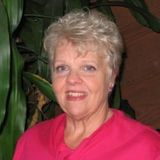
Caregiving is one of the most profound acts of love, but it often comes at a high personal cost. What happens when the role that has defined your life for years suddenly ends? In this moving episode, Diane Carbo, RN, sits down with Jill Siegal Chalsty, founder of Overcoming Obstacles and author of Packets of Hope, to discuss the "identity collapse" that follows caregiving and the brave journey toward healing.
Jill shares her raw, personal story of caring for her husband through mixed dementia while simultaneously battling her own cancer diagnoses. This episode is a roadmap for anyone feeling hollow, broken, or lost in the aftermath of loss.
📝 Episode Highlights
- The Cost of Caregiving: Jill reveals how she neglected her own health—missing medical appointments that led to her cancer progressing from stage 0 to stage 2B—because she couldn't leave her husband's side.
- The Identity Collapse: After years of being "the caregiver," Jill describes the disorientation of forgetting who she was before the illness began.
- A Bold Step Toward Healing: Learn how Jill took a maiden world voyage on a cruise ship just months after chemo to rediscover joy and reconnect with her soul.
- Finding New Purpose: Why having a mission "outside of yourself" (like Jill’s work with life skills education) is the ultimate game-changer for moving forward.
- Practical "Hacks" for Seniors: From the benefits of "Rollators" over walking sticks to the surprising comfort of Hallmark movies.
🛠️ The Caregiver’s Toolkit: Tips from Jill
| Tool | Why It Works |
| The Medical "One-Sheet" | A concise document of history, meds, and blood type to prevent being overwhelmed at the doctor's office. |
| The Power of "People" | Having family or friends present in the hospital ensures the medical staff sees you as a person with "street cred," not just a number. |
| Micro-Goals | Using life skills like communication and goal-setting to manage the shock of unstructured time after caregiving ends. |
💡 Key Quotes
"I think being a spousal caregiver... means you're going to neglect yourself... I wasn't putting my own oxygen mask on." — Jill Siegal Chalsty
"You have to have something outside yourself each and every day to give your life meaning... help somebody other than yourself." — Jill Siegal Chalsty
📲 Join the Conversation
Connect with us and share your journey on social media:
🔗 Connect & Resources
- Read Jill’s Story: Visit packetsofhope.com for her book on healing and rediscovery.
- Life Skills Education: Explore free curriculum for all ages at overcomingobstacles.org.
Don't miss this episode if you are looking for permission to heal and the courage to start your next chapter. 🌟
Podcast Episode Transcript
Diane: Welcome to the Caregiver Relief Podcast. I'm Diane Carbo, rn, your source for support, stories and strategies to empower caregivers everywhere. Today I'm thrilled to feature Jill Siegal Chalsty. The innovative founder of Overcoming Obstacles, which has touched the lives of over 180 million students globally through life skills education As an author, filmmaker, and dedicated advocate, Jill's latest book, packets of Hope is a testament to finding strength in adversity.
In this episode, packets of Hope, rediscovering self. After the caregiving journey, Jill guides us through the often unspoken aftermath of caregiving. From the disorientation of identity lost to the weight of delayed grief, and the path to rediscovering purpose, we'll uncover how to thrive in life's next phase.
Diane: Jill, thank you so much for being here with me today. It's wonderful, and I can't wait to get started.
Jill: Thank you, Diane, and thank you for the work that you do.
Diane: Thank you. before we get started, I'd really like to know what led you to write Packets of Hope? Because this is a book that has helped so many others rediscover joy in everyday moments.
Jill: Thank you. so the depths of my grief from, those years that I was taking care of my husband during his decline from mixed dementia. Compounded with my own battles against breast cancer and then lung cancer. I was just at the lowest low A human being can go before taking their own lives, and my doctors and family and friends encouraged me to travel.
So I, I took a trip that would honor my husband's and my dream of taking a world cruise, and the idea was just to get away and try to heal my soul. heal physically. And as I departed, one of my precious, nephews, Jeremy Siegel, said, aunt Jill, here's a journal. Here's some pens journal. Write free yourself, write your thoughts and feelings down.
And I had never journaled before, but when I got on Queen Anne for its maiden world, voyage, literally one. Year ago in January, so January of 2025. Wow. It just, all of these thoughts and feelings and, memories, and hopes for the future all came out with my experiences in each of the 26 ports traveling our globes.
So packets of Hope was born out of that. People say they laugh, they cry, but most importantly for me, they're getting the message that,there's hope after grief. And we just have to put one foot forward each day, every day, keep walking forward on our path with purpose outside of ourselves to heal.
Diane: You're, you are a spousal caregiver, and that's a tough one. Can you share a little bit about your experience as a caregiver?
Jill: I can, and I certainly have,wish that, I knew then what I do now. They say hindsight is 2020 when you're caring for, I was a caregiver for my mother and then for my husband.
And it's two very different experiences caring for the person who is literally, My oxygen, he was the person that, I cared for more than I cared for myself.
Diane: Yep.
Jill: I think those of us who are involved in caring for a loved one, when I'd go in for my own medical appointments, which quite often I wouldn't even go, I'd miss them because I couldn't leave him.
But when I did go, they'd say, what is your birthdate? And instinctively, reflexively, I would give his birthdate, and then he was a couple of decades older, so they'd look at me and I'd say, oh, that's my husband's birthdate. And then I'd give them my own. So I think being a spousal caregiver, if you're going to do a good job for your spouse, unfortunately, means you're going to neglect yourself.
That's what I did. I didn't follow up on a possible cancer diagnosis for my lungs, and by the time I got around to checking on that, it had gone from, stage zero to stage two B. So then,that was the manifestation of not taking care of myself. I encourage everyone who's a caregiver for their spouse to not lose sight of that.
I'd say that image when we're all on an airplane and they say, put your mask on first.
Diane: Yes.
Jill: then put on the mask of whoever it is next to you, your child, your loved one who can't care for themselves. I wasn't putting my own oxygen mask on.
Diane: one of the things that I encourage all my caregivers to do is to create a care team partner support group to provide practical assistance while you're caregiving so that you do have time to go to those appointments and go to those.
take time to meditate or go to the gym. Or just take a walk outside. And I think that's often missed. Spousal caregivers more so than any other caregiver, I think feels as if they're a failure if they have to ask for help. And the other side of that is everybody around you and your family and friends.
Treat you as if that's your responsibility and only your responsibility. And I think many caregivers struggle with that.
Jill: yeah, so I'll say, I can certainly see that.
for me, my husband didn't want anyone else taking care of him.
Diane: That's not uncommon. But the pr what practical assistance means is you have someone maybe ask, you ask them to bring a meal in for you, or they take care.
They take the pet for a walk or they,
Jill: that's beautiful. That's,
Diane: you
Jill: meet your team. Absolutely. I had,
Diane: yes,
Jill: I had friends, in Australia who win friends and family in the us. We'd go to sleep and I'd have my husband, he was, all settled in and sleeping for the night. That would be my time to just try to recharge or get my own head clear, and I had a beautiful friend.
In Australia who was up and giving me encouragement. So she was part of that. Of that team.
Diane: Yes. And we all need that. We really do. So what drew you to focus on the theme of rediscovering self after caregiving in your writing and advocacy?
Jill: packets of Hope is, the subtitle is a Journey of Healing and Rediscovery.
I had lost my identity, over the
Diane: yep,
Jill: 5, 6, 7 years of being a full-time caregiver. I forgot what it was that, that I enjoyed. Outside of the beautiful smile of my husband or his hugs,I forgot what it was that I was doing before and I was very much involved in the nonprofit that I had started decades ago called Overcoming Obstacles, the Life Skills Education that's free to, the world's teachers.
Rediscovery was finding out who I was
Before my husband's illness and before my own illness. And then the healing. your heart's broken, your loved one after putting every single ounce of energy into keeping this person as happy and alive as possible for as long as possible. When he left me, I was just hollow.
And broken and angry. I was angry at him for leaving me.
Diane: Yeah,
Jill: and it took. I'm gonna say well over I'm, this is now almost three years. I'm still healing. But it took a couple of years to have that anger go away of being alone and understanding the process of he's in a better place. He's not in pain.
So it's a journey and, I want other people to be able to read my journey. Understand what I went through, because I've been told that, they're understanding their own journey as well.
Diane: Yes.
Jill: through what I went through and that process,
Diane: every spousal caregiver goes from being a lover and a friend to.
Providing care and it's total dependence on you for everything. When it once at one time, it was maybe an, interaction between the two when you were feeling down, he would help make you feel better and vice versa. And that is a big change for so many of, my spousal caregivers to go. And, the ones that are chil adult children, taking care of parents, that's a different dynamic.
When you love someone so deeply and you have this good relationship that you count on for so much of your life, your partner, your friend, your cohort in, in getting in trouble together, whether or do things together like travel, and you lose that. it's really hard and you really do. you call it an identity collapse.
Talk about what that, what caregiving, what that identity collapse feels like when caregiving suddenly ends, and how it manifests itself in daily life.
Jill: what I would hope too is I know you have, those that are caregivers listening to your podcast. I hope that their friends and family will join them in listening because the, what I found most difficult was explaining to people.
How the holidays, you just,
Diane: oh,
Jill: you don't move on. Like years later, the holidays still break my heart, especially I write about Valentine's Day that I was on the ship and everywhere we collected hearts, there was hearts, chocolate hearts, heart designs, and I write that this holiday of hearts was breaking mine.
Diane: Yes.
Jill: to be alone and to not have the love. That you had. it's, it wasn't there. But what I've come to realize is that love is there. He is with me. I've now connected to that and I just, I feel his energy. I, I've talked to other friends who have lost their spouses and were caregivers and they're not.
I talk to my husband all the time and it's okay. And yes, he does talk back in my head. My husband is giving me words of encouragement. He's giving me guidance, I think. What would he say? What would he have me do? What would he be saying? Now I say goodnight every single night. That, and I get such a warm feeling from that.
We can still keep our, I tell the grandchildren and the nieces and nephews and everybody, oh, grandpa would love that. Or your uncle would say this or that. Keeping his memory alive helps me heal and move forward in my life with him.
Diane: Holidays for me have always been hard. My mom died at Christmas time when I was 18, and it was very challenging.
And one of the things I just recently read an article by a psychiatrist who said that we have a, the holidays this year were. Tre, tremendously difficult for so many seniors that loneliness and social isolation is rampant. And he said he had so many calls from people wanting an appointment right away, and it's not that they had anything to talk about except that they were lonely and they wanted somebody to talk to them.
Yeah. it is, we have, we do have that we have more seniors than youth in our culture right now and in our society. And we are, we have seniors struggling every day with loneliness and, social isolation.
Jill: and, Diana, I was gonna say that for that I don't wait anymore for the kids to call me.
I'm not that person. Just, oh, they're gonna, if I want to hear their voice. 'cause let's face it, if we're lucky, the young people in our lives just, enrich, enrich us.
Diane: yes.
Jill: Smiles on our faces. I'll just reach out if they can talk. Yes. If not, they call me back.
Diane: Yep.
Jill: So we just shouldn't hesitate.
I think that kind of, social graces, they're out the window. If you wanna connect, you need to connect,
Diane: you know what? 100% I have one son now, instead of two. And, he's up in New Hampshire. I'm in Myrtle Beach, and he's very busy. He's got a ketamine clinic. He's opening another practice of some sort, helping people get off benzodiazepines.
And I laugh because. he texted me on Christmas day at seven 30 at night, and I was, I feel ashamed because I wanted to call him, but I didn't know what his plans were for the day and I didn't wanna interrupt them. But when he did text me, I said, what? Your fingers are broken. Your voice broke.[00:15:00]
Doesn't work. I was so bad. he's, he, and we did talk, but yeah, I just wanted to hear his voice and that's all. I, it was just to hear, hi mom. It's, everything okay. I say, yeah, good, and we're on. But people have to learn to, and that's one thing I have to encourage people, when you are lonely, don't sit there and stew about it.
Reach out to somebody, anybody, just reach out and, talk to somebody. You'll feel so much better.
Jill: Absolutely.
Diane: And if you can get out of the house, go down to the coffee shop, have coffee, and stand around and talk to strangers. Yeah.
Jill: You need to get out of the house.
Diane: yes.
Jill: Get some fresh air.
Diane: Now, how does this shock of unstructured time hit caregivers after you're spent in constant vigilance and routine?
Yeah,
Jill: that, Was, I remember the moment and I just broke down and cried thinking, what am I going to do with my life? I had retired prematurely from work and was just 24 7 as a caregiver, and then had nothing. So what IS write about in packets of hope and encourage all of the caregivers out there now is.
while you're a caregiver, and certainly in whatever years you have following your caregiving, you need, at least I found something outside yourself. So it's not enough to say, oh, I'm gonna go if I'm, a senior. Go play tennis or golf or staff collect or puzzle. but you, I found. S The purpose for me was bringing our life skills curriculum to new ministers of education, departments of education, new teachers.
I did it as a life skills ambassador. It was volunteer work, and I am now you
Diane: gave yourself purpose.
Jill: Oh my god. I get up every morning now to do that. Yeah. Instead of just staying in bed, being sad. Alone and depressed.
Diane: Yes.
Jill: I now know these people are depending on me, and you don't have to have a life skills curriculum, to bring to ministers of education.
But there are shelters, homeless people, battered women. Yeah. Animals. there are. So many not-for-profit organizations, mentor groups that need our help. There's a lot to choose from.
Diane: Caregiving caregiver relief is the result of me overcoming my grief after my son's suicide.
Jill: Ugh.
Diane: And it just, I had to help others.
I needed to do that. And,it, and I continue to do that because I feel it's important because I. I wanna share my knowledge with people. I wanna help them be better, at what they're doing. And caregivers need that support more than ever because, I don't know if you know this or not Jill, but 63% of family caregivers become seriously ill or pass before the person they're caring for.
Jill: That's how I thought it was going to go with my husband and with me. I had breast cancer before he. Passed away from dementia and I just started to prepare for, I got everything in a lined up for my going
Diane: yes
Jill: before him. And then because I neglected myself, my husband passed and within months I'm diagnosed with stage two B lung cancer, and they were able to surgically remove the upper left lung, but there was a second primary cancer in the lower left lung.
That is going to stay there. I said to the doctors until it goes from stage one to stage two, I'm not doing radiation, certainly not going to do a chemo pill. Yeah. Because I have now found a new purpose.
Diane: Yes.
Jill: And this is what's getting me up and going every day. If I were to stop and start addressing my health again,I don't think I could do it.
Not now.
Diane: my, my dad had pancreatic cancer and when he was told he had it, I was helping take care of him. the doctor told him he had six months or left to. Or less to live and they wanted to put him on hospice. And the first words outta my dad's mouth are, 'cause he was still feeling okay, not great, but feeling better is, I guess I'm gonna have to cancel my trip to Hawaii.
And every other year he was a letter carrier, he bought this timeshare and six weeks, every other year he would go to Hawaii. So I told my dad, Hey. You're not dead yet. Now, this was 50 years ago. I said, you're not dead yet. no. Not 50 years ago. it's 30 years ago. I said, dad, if you still wanna, you feel well enough to go to Hawaii.
Let's go. What if you die over there? Is it gonna be a terrible thing? That's your happy place? So I did. I set up hospice for him over there. And when you talk about having a sense of purpose, my dad, they took him off hospice because he was doing so well and for six weeks he had this amazing time. He felt really well the day before he was ready to come home and fly home to Pittsburgh, which is a long trip from Hawaii.
He started not feeling well, and about months to, to six weeks later he passed. But I think when people have a purpose, a sense of purpose, that's what I do with this, with caregiver relief, you have something to wake up to and have something to do and look forward to. It. It changes everything in your world.
Jill: Yes, absolutely. Having purpose is the game changer.
Diane: Yes. Yes,
Jill: and it was for my husband to make it to his 90th birthday.
Diane: Oh,
Jill: nice. We were talking about his 90th birthday months and months before and started giving little presents because that just was something that was a light for him. I think.
Thinking about the tools, not only for ourselves as the caregivers, but also what I wanted to share with you and with those that are, watching and listening, some of the tools that I use, that I found effective is now an appropriate time to do that? May I?
Diane: Oh, absolutely.
Jill: I can't undersell Hallmark, hallmark movies.
they're the brunt of jokes.
Diane: Yes.
Jill: More men watch hallmark movies than will ever admit it. Yes. Women. Yes. And it's not any demographic it seems like no matter who they are, men and women, teens, older adults. We all love it. Let's just come out with that.
Diane: Yes.
Jill: And for my mother and then for my husband, and God knows, for me that escape for 90 minutes.
Made life bearable and for my husband, he watched a couple of those during the day. You cannot, what I learned is no news, nothing scary, no shows that are scary. Yeah. People that are passing away, whether it's dementia, no matter what, COPD was my mother. Just something uplifting. Sweet. Yeah. So that was a message I wanted to share that maybe people already know, but.
A hallmark that just right there, I'm gonna say it, hallmark,
Diane: I'm giggling about that because that's probably the only channel on the TV where we have uplifting information that it's all sugarcoated about life. But we need that because there's, to negate all the. Ugliness out there in the world that we have thrown at us every day if we allow it.
Yeah.
Jill: and then the way my brain works, because the Overcoming Obstacles curriculum is all about, life skills, communication, decision making and goal setting. So the communication skills, if someone's a caregiver for someone in the final stages of their life, and again, whether it's a C-O-B-D or a dementia patients.
For us caregivers before we are angry or say something that we don't really mean. What we teach in overcoming obstacles to the students, I try to now walk the walk and talk the talk. Yes. As an adult, those skills count backward from 10 or take three deep breaths, and that way you keep your composure and you help your loved one keep their.
Dignity.
Diane: Yeah.
Jill: So that was just something else that I found to be a very important tool. And then the other is part of the decision making, life skill of, it's, in my opinion, never too early to go to a rollator. We all know that when we fall, when we're older.
That could be then the end. That's it.
Break some hips, you're or a hip. You're in bed. that's just a classic, horrible way that many of us end up leaving this earth.
Diane: Yes. it is
Jill: the walking stick. For somebody with balance issues, especially a frail or older person, to me is a sin. You don't use a walking stick. It is just one little shabby tool.
You need a stir and not even a walker. You need one of those Rollators. Drive Medical makes a great rollator. They're secondhand rollators. It's steady. It turns on a dime. My husband thought at first, oh it, I'm now, there's like ego and vanity involved, and then he realized he looked so good standing up straighter, sturdy walk with his rollator.
So the third thing I wanted to share was advocating for these more sturdy walking devices to assist us and help us to not fall.
Diane: Yeah. And I, that, that's a nice thought. I'm like, people are gonna wanna know what a rollator is and it's actually a walker with wheels that,you can move forward, and
Jill: has brakes.
Diane: Yeah. Our brain
Jill: turns on a dime. They're sharp.
Diane: Yeah.
Jill: I had one when I went through chemo, so the lung cancer surgery, and then I had chemo. My husband's was mocha. I got a red one for myself.
Diane: Yeah.
Jill: Still have it because you know I might need it. You'll
Diane: need it. Absolutely. I like the rollators that have the seats so I can sit down.
'cause I have chronic pain and
Jill: mine had a seat. So did John's.
Diane: Yeah.
Jill: Yeah. So that's the other thing I like about a rollator, because if you're tired and, or you're hurt or you just need a break, you don't have to look for a seat. You just put your butt right there and get comfortable.
Jill: And they have a little basket like this little barrel that goes like a St.
Bernard has under this is under the rollator. You put little things in it. Love the rollator.
Diane: now let's talk about grief. We feel once our caregiving responsibilities are over. Now, I want,you, I want my listeners to know that there are many of you out there that when someone passes you feel relief.
You,you're, you just, and you feel shamed because you feel relief, but that is a normal feeling. You have put your loved one. On a pedestal for so long, you've provided care for 24 7 for some many of you years, and you're tired, you are worn out. Your basket of giving is empty. I do wanna to, share that, do not feel ashamed or guilty if you feel relief.
That is, you're human and that is normal, but. Grief still can hit you in other ways after caregiving and you feel that it's even heavier once the caregiving journey is over. Can you talk about that?
Jill: Yeah. I didn't feel the relief.
Diane: Okay.
Jill: I didn't feel it. And it, could have been my complete and total exhaustion.
'cause I, yeah, I really had. very little help. I can also say that then battling lung cancer, was just, insane. So I'm exhausted from my caregiving. I'm absolutely spent. Because I'm battling cancer without the person who was my advocate and my rock. he was there championing me during different things over the decades.
so I don't know of that relief.
Diane: Yeah. Many do feel that though. I will tell you, I've heard it many times and sure. it's, you approached it differently than a lot, but some are just, they're tired, they're worn out. They're just mere shells of the person they used to be. And, I had an experience where a young man had taken care of three different family members.
His,his grandfather, his father, and then his mother. And he wanted his mother to be on hospice, which they got her on hospice and his name was. And Keith, calls me up once that day and says, Diane, why won't she die? We've got her on hospice. I tell her it's okay. And I said, Keith, everybody has their own journey and it's just,it's just, she'll go in her own way and our own time, and he got so violently ill from taking care of his mom.
The last few years because he had a lot of anger and rage because he was giving till he couldn't give anymore. And he ended up in the hospital, in intensive care and died before his mother did.
Jill: Ugh. I.
Diane: Yes. Yeah. Yes. Heartbreaking. And it is heartbreaking. So you had a different experience, but I want our listeners to know there is the total opposite of your experience, but you're all spent, you're all mere shells of who you were because you have given so much for so long
Jill: and you have to then.
Take care of yourself. I was underweight. And then of course, again, the cancer battle. I literally couldn't swallow my own saliva
Diane: Oh.
Jill: During chemo. it was, I write about in packets of hope that, that journey Yeah. Of, of dealing with the cancer. That was in my own or is in my own body. But, the reason I was able to come back to life was because I found purpose outside myself.
Now it wasn't being a caregiver, which then you get no sleep. then you have the stress of taking care of your loved one instead. It was my purpose of making sure. Children in my neighborhood, in my country and countries around the world are learning the skills for success. I wanted to be a part of repairing our world, making our world a better place for our kids, our grandkids, and the world's children.
So that's what resonated with me. I have a family member who loves animals, and so one of her purposes is, yeah, is to just. Make sure that her dog, Charlotte goes into the hospitals and people that are in, are bedbound, get to pet this beautiful Irish setter. And she just sees the smiles on their faces and the dog loves it and she loves it.
So that's what makes her heart sing.
Diane: I love that 'cause I had four greyhounds and I used to take, my husband and I each took them to different nursing homes and assisted livings. And that made me happy because I've been nursing for 54 years. I. People need to be loved, they need to be touched, they need to be acknowledged.
And it's so hard in nursing homes for people to get their needs met and just those that love animals, are loved my greyhounds and my greyhounds love people. So that was good. But, Joe, I wanna ask you, what are some of the first steps for learning to live again? did you take, Once you defined, your purpose,
Jill: I got on the Queen Anne cruise ship in Brooklyn.
Diane: Oh my Lord.
Jill: yeah, that was,
Diane: that was
Jill: brave. a bold move. And this was just a few months after finishing chemo and being told that second cancer needed radiation and my refusing to do it right away.
Diane: Yes,
Jill: they also wanted to put me on a chemo pill to, keep the cancer that was in the upper left lung to keep it from coming back.
And I said I wouldn't do it. I didn't have the strength. My kidneys had become impaired, so I just, my blood work was not good, wasn't getting in enough oxygen, and I just got on a shell of myself under the Queen Ann. With every port I came alive more and more, and all of a sudden a frowny face becomes a smiling face.
Diane: Yes. Holding
Jill: these envelopes that went into the ministers of education's offices met with people that looked nothing like myself, Uhhuh and in Samoa. Oh my gosh, Diane. I, one of the earlier ports was Samoa and the Minister of Education was not there, but his. Assistant was, and she invited me into the office and she asked about overcoming obstacles and said, yes, they'd be interested in life skills education for all of their children.
But she said, tell me your journey. And I told her about. Losing John, my husband, and I told her about my cancer battle, and at the end she got up and her assistant came in. She hugged me. I hadn't hugged people. I, was wearing a mask.
Diane: yes. Yeah. Had
Jill: no physical interaction with anyone other than my husband for years.
She hugged me. She held me, and she prayed. She prayed to her. God, that. I continue on my journey successfully, that I heal, that my cancer stay away, and I just, for the first time, truly wept. It was such a beautiful experience, such a release for me to have that kind of love from really a total stranger, and I left there feeling loved and empowered to continue my life.
Diane: I'm giggling 'cause you are actually on the ship. You're traveling around the world and you're marketing your of your product. I love it.
Jill: Yeah,
Diane: it really truly gave you a sense of purpose.
Jill: Absolutely. And the beautiful thing about this product is everybody needs it and it's free. yes. It's free. It's translated into 30 languages.
Overcoming obstacles.org. Any caregiver wanting to fill their time right now can go to overcoming obstacles.org and look at what we are offering and they can advocate to their local school principals, school superintendents, my nurse. At the first hospital that I was in
Diane: Uhhuh,
Jill: she was trained at NYU. I was not at that time at NYUI left the hospital that did my surgery.
I a few days in, this is a chapter called The Power of One. I was on the cusp of becoming an O opioid addict. I had said no to Oxycodone for the first several days. I did the Advil Tylenol alternating thing, but the pain had become so severe in my back. I had this horrible pain. I push the emergency button and a new N nurse comes, and this Angel Annabelle comes walking in.
Unlike any of the other nurses, there have been 5, 6, 7, 8 people who just ignored or didn't diagnose properly what was going on. She comes in and she starts asking me questions. She said, where's the pain? May I look at the bandage? Let's try loosening the bandage. Immediate relief, Diane, oh, nobody had done that.
And then she said, let's put a pillow behind your back immediately. No pain in my back. I asked her questions about herself. She asked me, I said, I'm a life skills ambassador, and she said, life skills. I learned those in middle school. I asked her the name of her middle school the next day. Vincenzo Capone, Vinny Capone is the managing director, the head of Overcoming Obstacles.
I speak with him on the phone. He looked it up. That was, that middle school was one of the middle schools that was teaching Overcoming Obstacles when Annabel was a student. So I benefited personally from my life's work because that young lady had great communication. And decision making skills.
Diane: I think what I what the nursing profession is no longer the profession that I went into.
Nurses are not able to do the things that I did as a nurse. We were able to educate, we were able to do skincare. We were able to talk to our patients. Now, nurses, it's the aides that go in and give the. Personal care if they give it at all. And, the nurses are just doing pills and paperwork and it's really sad because they miss the interaction.
That's what I miss about my nursing, is the old time nursing not what they do now. And, the nurses just don't have time. they're doing so much more. F with less help and less,[00:38:00] and the expectations put on them are, unrealistic. And so many nurses get burned out and they don't take time to talk or to get to know a person because it takes away from all their other tasks.
Jill: I gave a plug for Hallmark and now I'm doing it for NYU Langone. She was trained at NYU and she's an rn.
Diane: Yeah.
Jill: And then I left. The hospital where the surgery took place.
And went to NYU and now I'm under the care. My thoracic ecologist looks at me as a whole human being.
Diane: Yes.
Jill: They look at you at NYU, my experiences.
What is it that you wanna do? What are your needs? Who are you? You're not a number like at the last place.
Diane: Yes.
Jill: Yeah. So that to me was, what I think all medical care should be, and I'm thrilled to not be
Diane: in care. We have, we no longer have holistic medicine. It used to be an orthopedic. Surgeon took care of everything from broken wrist to broken feet and everything in between.
Now they have a doctor for the wrist, a doctor for the hands, a doctor for the feet, a doctor for the hips, and doctor for the shoulders, and everything is Specialize that nobody looks at the total patient, and that is an issue that I have a hard time with. That's why I love being a care manager. And I loved it because I could say to the doctor, Hey, this is what this doctor is saying.
what can we do? you bring the opinions of the other doctors together, but unless you have somebody like a care manager in your life, you rarely come across. You were very blessed,to have that experience because it doesn't exist right now very much in healthcare. doctors get reimbursed for a 15 minute appointment.
That's all they have. So in that 15 minutes, Jill, they are expected to. Assess your needs or assess your symptoms, signs and symptoms, diagnose, prescribe a treatment chart, and then move on to the next patient all in the next 15 minutes.
Jill: So I have, is the expression a hack? Is that what they call, people call it?
Yes.
Diane: yes.
Jill: So I have a hack for that.
Diane: Okay.
Jill: Recognizing that they want you typically in and out.
Diane: Yes.
Jill: And also, drawing from the Overcoming Obstacles life skills curriculum,
Diane: Uhhuh,
Jill: we, the teachers of overcoming obstacles in their classrooms and the guidance counselors teach the kids about to-do lists.
Diane: Yes. Yes.
Jill: So what I have done, and I learned this from my mother, and I did this for my husband and now myself. It's basically a medical to-do list. So it's a medical history from name, birthdate, blood type.
Diane: Yep.
Jill: Past conditions, all the medicines that, that we're on. all of the immunizations. And it goes on one sheet if you're lucky.
If not, it's two sheets. But that one I update it as needed. Specifics with medication and that way at every appointment.
Diane: Yep.
Jill: I walk in with that because to try to remember all that or relay it, forget it, I'm, you're tired, you're under pressure. The, as you said, the medical team is under pressure, so I strongly recommend everybody do their own one sheet for themselves and for those under their care.
Full comprehensive sheet.
Diane: I've created my Vital vault.net. It's a,a person product that has chronic, it's for people with chronic illness or conditions, disabilities and aging seniors. And one of the things I do is do just that. But, I'm gonna tell you a silly story that I recommend in my Patient Care Advocate book, course that I teach the, The, caregivers is, they all feel invisible to the medical delivery system. The doctors, when they're the family caregiver and the doc and the doctors don't always listen to you or they dismiss you or discount you. So I tell, I encourage my caregivers to put on a lab coat and take a clipboard with all their questions and everything neatly and with all their information and.
that, just, that little action. I know it's silly, but just that smart action makes them look at you differently and all of a sudden you have valuable information that's important to them.
Jill: That's great. That's brilliant. Love it.
Diane: I, we have to do things to be heard. And, nothing makes me crazier.
When, and I've been through this personally. When the doctor tells me, no, I can't, I don't wanna hear what you have to say. I wanna hear what your, the patient has to say. Meanwhile, the patient's lying out their teeth and it's their survival mode that patients go through.
They don't wanna be put in a hospital. They don't wanna be put in a nursing home, they just wanna stay home. So they will tell you that they are compliant when they're not. And they will tell you they're doing things that they don't, are not doing.and it's just their way of being in denial because obviously when they're at the doctor's, it's a parent.
They're not following these directions
Jill: and we shouldn't be intimidated. Because the medical people have degrees. Yes. I had someone in, when I was working, with gang members back in the beginnings of my life skills, education experiences, and one of the heads of this gang in Los Angeles, he said, I have my master's from Sidewalk University.
Diane: I love
Jill: that. Wow. And he said to my doctorate, it's from the school of hard knocks.
And it's just as valuable if not more than any, Harvard MBA or Yale.
Diane: Yes. Yes.
Jill: Medical degree.
Diane: I've had doctors tell me, this is, this actually was a true story. my youngest son had lots of ear infections, his first set of tubes in the day after surgery.
He has this thick yellow drainage, like stuff that would come outta your nose coming out of his ears. And I told the doctor. I called him up and I said, Hey Doc, Casey's got this drainage. Is this normal? And he goes, it's impossible. I just saw him yesterday. His ears were clear. And I said, excuse me, I'm a nurse.
I know what I'm talking about. And he says, bring him in because I, I think you're mistaken. And he was shocked. But I have had that happen. So many insulting times. Insult. Oh, and it is insulting. Yeah. I was In an ambulance transferring a young patient, to Children's Hospital in Pittsburgh, and I'll never forget this young patient was very sick.
And, we go into the ER and the doctor says to the kid, what's wrong with you? And he goes, I have cancer. And the doc says, I don't think you do. I'm like, oh, my kidding. Experiences. And that's why, and that's one thing I really encourage family caregivers to do, Jill, is to actually stand up. You have more valuable information about what's going on with your loved one than anybody.
Jill: Yes. Yes. And I'm going to now pivot. when I was in that hospital that will not be named,
Diane: yes.
Jill: after my lung surgery. It was about a seven day process of, getting myself out of there. Certain things you have to hit certain benchmarks before they let you go home, and, I didn't have any visitors really the first few days.
I ca I didn't want any family or friends to come. I was too uncomfortable. I was really focused on the doctors coming in, and I thought I could really push through everything and I was treated very poorly by the nursing staff as evidenced by, nobody would address the bandage. Finally, I said yes to my brother and sister coming and they walked with me, did the rounds walking.
I then became like the nursing staff smiled at me. They engaged with me, said to my brother, what's this? He said, street cred. He said, they have to know that you've got people that are looking out for you and looking at them. There are people watching how they're treating you, so I will just say, I don't care what you have to do if it's you in the hospital system or certainly as a caregiver for your person.
The folks in the hospital system need to know that the people that are under their care have people.
Diane: one of the things I encourage my caregivers to do is introduce themselves to the staff, and their family members. I don't care if it's the first day just to bring you in and Right. And, and I tell the family members or the family caregiver of their.
Of their loved one. You tell them you wanna be included in all, rounds, if you can. they should allow you to include, be included on the round for your, your, loved one to be included in care planning meetings. And if they go into a nursing home or assisted living, you make that assisted living director of nursing and that administrator, your friends, you let them know you're always watching them.
Because I can tell you right now, the greasy. the. What's the thing? the creaky wheel gets the grease.
Jill: Okay.
Diane: And if you're creaky and you're, and you, they know that you're there to observe them. They're going to do everything to make it as smooth as possible so that you're not reporting them to JCO or, whatever organization are calling the, ombootsman on them.
both in the hospital and stuff.
Jill: And you just want the great care that you deserve.
Diane: yes. And that's very true.
Jill: Yeah.
Diane: so Jill, what's the most important message of hope you'd share with listeners who are just beginning to rediscover themselves after caregiving?
Jill: Keep going with your purpose.
You have to have something outside yourself each and every day to give your life meaning. And it doesn't have to be huge, and it shouldn't be small. Yes, it should be something that takes you out of your head. And into the world. And that can be phone calls.
Diane: Yeah.
Jill: it could be phone calls to other people in need to brighten up their day.
But you have to find what it is that makes your heart sing, but help somebody other than yourself. 'cause that's the responsibility that will get you up and going and moving forward.
Diane: And I like to tell my caregivers out there, because like you, you became socially isolated and alone. you have to look at your outside relationships like a garden, and it needs sunshine and it needs watering.
So when you, if you. Take time to interact with your people that care about you over a period of time. even if it's just a once in a month meeting, you'll have people that will want to be with you after the caregiving journey's over, but so many. Don't have anything to, they don't have friends anymore.
Their friends have all dropped them and they have no hobbies. like you, I think you are a beacon of light for most of our caregivers out there to know that there is life after caregiving and, you, have to take it one day at a time.
Jill: That's it. Yeah. And baby steps.
Diane: Yeah, baby steps, absolutely.
Yeah.
Jill: Yeah.
Diane: how do my listeners find you?
Jill: Oh,I hope if they're at all interested in my journey, Diane, they'll go to packets of hope.com. The book is available as a free download onto Kindles tablets, if they wanna buy a physical copy, we've made it available at cost and I think people will find it.
I hope they do Inspiring. So that would be, the first way to find me. And then, overcoming obstacles.org. If they're looking for purpose and they wanna advocate for communication decision making and goal setting skills, instruction for our world's children and the children in their own communities, it's free curriculum and they can help turn, school principals onto something wonderful.
Diane: that very same curriculum is something every caregiver can use to learn because I have an elder care communication course, but, and it helps people. But 'cause you need to know how to deal with seniors that don't want anybody else in the world but you taking care of them. all of those issues, I have.
Cha, I have this course, but I think that people would benefit from your information, not just for children, but for adults who are struggling to communicate with the medical delivery system.
Jill: Absolutely. It's kindergarten through high school and the high school curriculum is used for college students, adult learning.
Absolutely.
Diane: Wonderful. Great
Jill: lessons.
Diane: thank you so much for sharing information. To my family caregivers out there, you are the most important part of the caregiving equation. Without you, it all falls apart. So please learn to be gentle with yourself. Practice self-care every day because you are worth it.
Caring for a loved one can be overwhelming — but you're not alone. If you have questions, big or small, our expert team is here to help.
👉 Click here to Ask the Expert
Our Resource section can help you find the information and tools that you need. We have courses, videos, checklists, guidebooks, cheat sheets, how-to guides and more.
You can get started by clicking on the link below. We know that taking care of a loved one is hard work, but with our help you can get the support that you need.
Click here to go to Resource Section now!