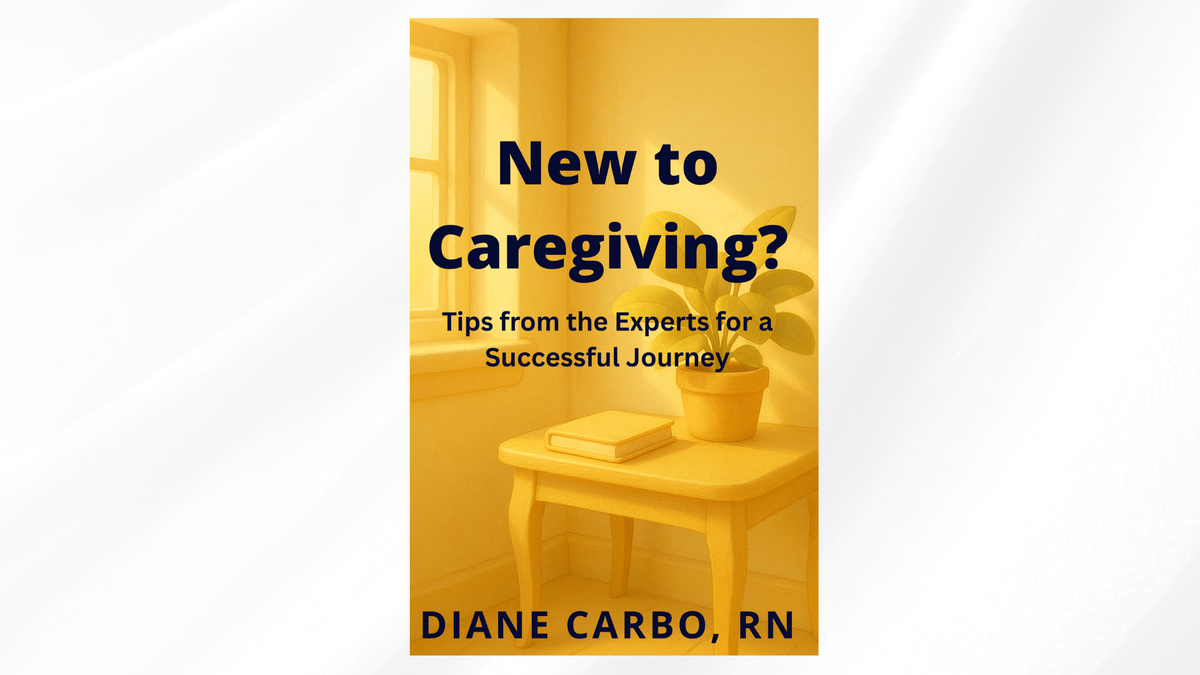
New to Caregiving?: Tips from the Experts for a Successful Journey


Caregiving often begins quietly. 🤫 It doesn't usually start with a grand announcement or a formal job title.
One day, you are simply helping out with a few errands or picking up a prescription. The next, you realize you are coordinating complex medication schedules 💊, managing doctor visits 🩺, and providing deep emotional support.
Sound familiar? 🤔
You may not call yourself a "caregiver" yet. You might just call yourself a daughter, a husband, a friend, or a neighbor. But if you are reading this, chances are, you have already stepped into the role.
Did you know? 💡 You are not the only one navigating this sudden shift. In fact, 43% of people are caregivers.
Despite how common this role is, it often feels isolating, overwhelming, and deeply personal. It is easy to feel like you are the only one trying to solve an unsolvable puzzle. 🧩
If you are feeling lost, this is the guide you didn't know you needed. Based on insights from New to Caregiving? Tips from the Experts for a Successful Journey, here is how to navigate the early stages of caregiving without losing yourself in the process.
1. Acknowledge the Shift 🔄
The first step is identifying and embracing your role. Many people hesitate to use the word "caregiver" because it feels medical or clinical.
However, owning the title can actually be empowering. ✨ It validates the work you are doing and opens the door to resources and communities that are waiting to help you.
2. The "Oxygen Mask" Rule: Preventing Burnout 😷
We have all heard the airline safety advice: Put on your own oxygen mask before assisting others. This is the golden rule of caregiving.
This guide emphasizes that you cannot pour from an empty cup ☕. Preventing burnout isn't about being selfish; it’s about sustainability. Managing stress before it spirals is essential if you want to be there for your loved one in the long run.
3. The Juggling Act 🤹
How do you balance a full-time job, your own family, and these new caregiving duties without drowning in guilt?
It is the most common struggle reported by new caregivers. The key lies in setting realistic expectations. You cannot be in two places at once, and you cannot be perfect. Learning to juggle means learning to say "no" to non-essentials and letting go of the guilt. 🙅♀️
4. Setting Boundaries & Asking Questions 🛑
Effective caregiving requires advocacy—not just for your loved one, but for yourself.
- Set Boundaries: Establish what you can and cannot do early on. 🚧
- Ask the Right Questions: Whether you are speaking to doctors or family members, knowing what to ask is half the battle. 🗣️
5. Confidence Without Medical Training 🩺
One of the biggest fears new caregivers face is the lack of medical knowledge. "I'm not a nurse," you might think. "What if I mess up?"
New to Caregiving? is written by a nurse and caregiving advocate to bridge that gap. The truth is, you don't need a medical degree to provide excellent care. You need observation skills, patience, and the confidence to trust your gut—all of which can be learned. 💪
You Matter, Too ❤️
Whether you are caring for a parent with cognitive decline, a spouse, a friend, or a neighbor, your well-being is just as important as the person you are caring for.
This journey is a marathon, not a sprint. 🏃♂️ It requires real-world strategies to help you cope, plan, and thrive.
Ready to Navigate the Journey? 🧭
If you are looking for a compassionate, straight-talking guide without the fluff, check out New to Caregiving? Tips from the Experts for a Successful Journey.
Inside, you will find the practical advice and emotional reassurance you need to navigate this season of life with confidence. 🌟

👻 Ghost Formatting Tips
- Use the Emojis as Anchors: The emojis in the headings help break up the text, making it easier for readers to scan the article on mobile devices.
- Callout Cards: You can use Ghost's
BookmarkorCalloutcards for the "Did you know?" section to make the statistic pop.