Mindset to Prevent or Overcome Type 2 Diabetes with Dr. Keith Hersey - Episode 154
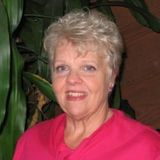

In this powerful episode of the Caregiver Relief Podcast, host Diane acts as a bridge between the confusing world of healthcare and practical, daily living. She sits down with Dr. Keith Hersey, a wellness coach, author, and host of the Destroying Diabetes podcast.
What makes Dr. Hersey’s perspective so unique? He isn’t just a medical professional—he is a pharmacist with over 20 years of experience living with Type 2 Diabetes. He understands the shock of the diagnosis, the fear of complications, and the limitations of a healthcare system that often treats symptoms rather than causes.
If you are a caregiver, an aging adult, or someone managing blood sugar issues, this episode is a blueprint for taking back control.
🎧 Listen to the full episode above!
🧠 It Starts in the Mind
We often think diabetes management is strictly about insulin and cutting carbs. Dr. Hersey argues that the battle actually begins in your brain.
He explains that stress is a silent agitator of insulin resistance. When we are stressed, our bodies release cortisol, a hormone that naturally elevates blood glucose to help us "fight or flight". While this was great for our ancestors running from predators, it is detrimental in our modern, sedentary lives.
Dr. Hersey emphasizes that shifting your mindset from "doomsday" to "empowerment" is the first step toward healing.
🍎 The 4 Pillars of Health
Dr. Hersey breaks down his approach into four manageable pillars. If you can’t do them all, he suggests starting with just one—nutrition.
- Diet: You cannot out-exercise a bad diet. Dr. Hersey advocates for the 80/20 rule: Eat clean, whole foods 80% of the time, and allow yourself grace for the other 20%.
- Movement: It doesn't have to be a marathon; consistent movement helps regulate blood sugar.
- Stress Reduction: Finding even five minutes for prayer, meditation, or silence can lower cortisol levels.
- Sleep: Getting less than six hours of sleep signals stress to the body, increasing inflammation and blood sugar. Sleep is when your body detoxes and resets.
🚫 Breaking the Myths
Diane and Dr. Hersey tackle the common misconceptions that hold people back:
- Myth: "It runs in my family, so I’m doomed."
- Truth: While genetics play a role, lifestyle choices and our ultra-processed food environment are massive factors you can control.
- Myth: "I can eat whatever I want as long as I take more medicine."
- Truth: You cannot "beat the system." Medication is a tool, not a cure-all for a poor diet.
- Myth: "Juice is healthy."
- Truth: Drinking juice causes glucose spikes. Eating the whole fruit provides fiber that slows down sugar absorption.
📝 Episode Highlights
Here is a look at what we discuss in this episode:
- Dr. Hersey’s Personal Journey: How a routine test at a pharmacy convention led to a shock diagnosis and a new mission.
- The Science of Stress: Understanding how cortisol and negative thoughts directly impact blood sugar levels.
- Mindset vs. Medication: Why a positive mental shift is often more effective for long-term health than prescriptions alone.
- Healthcare Gaps: A frank discussion on why doctors often skip nutritional education and how patients are left to figure it out.
- Nutrition Truths: Why you can't out-exercise a bad diet and the importance of choosing whole foods over processed ones.
- The 80/20 Rule: How to create a sustainable lifestyle rather than a restrictive diet you’ll eventually quit.
- The Cost of Care: A look at expensive weight loss drugs (GLP-1s) and the danger of relying on them without lifestyle changes.
- Building Your Village: The critical role of family support and community in maintaining healthy habits.
💡 Take the Next Step
Dr. Hersey offers a free discovery call to see if his coaching program is right for you. Check out his podcast, Destroying Diabetes, on YouTube, Spotify, or Apple Podcasts.
Caregivers: Remember, you are the most important part of the caregiving equation. Please practice self-care and eat healthy, because you are worth it.
Did you enjoy this episode? Share it with a friend who needs encouragement! 💙
Podcast Episode Transcript
Diane: Welcome to the Caregiver Relief Podcast, where we explore stories, strategies, and solutions that empower caregivers and families to live healthier and more fulfilling lives. Today I'm joined by Dr. Keith Hersey, a wellness coach. Author and host of the Destroying Diabetes podcast. With over 20 years of experience living with type two diabetes and a professional background as a pharmacist, Dr. Hersey has dedicated his life to helping others prevent control, and even reverse diabetes through mindset and lifestyle transformation. So in this episode mindset to prevent or overcome type two diabetes, we'll discuss how your thoughts, beliefs, and habits directly influence your health outcomes and the powerful role of mindset in creating lasting change.
Diane: So let's dive in and discover how to take control of your health one thought at a time. Dr. Hersey, thank you so much for taking time out of your buHersey day. to be with us and share your information. Before we dive in, could you share a little bit about your personal journey with Type two diabetes and what inspired your mission to help others transform their mindset?
Keith: Oh, thank you so much, Diane. thank you for the invitation, to be on your podcast. my journey, it started, actually maybe about, About, about 20 years ago. I had just, became,a pharmacist and I went to one of my first, big pharmacy conventions, uhhuh, and I was, and then we were having a break between, meetings and, you go down with the, where the vendors areas are and everybody has their. materials or things, what they're trying to push, the
Diane: tchotchkes they're giving away.
Keith: Oh, yeah. Oh yeah. To sign up for your
Diane: products. Yeah. Oh
Keith: yeah. And then all the, everybody had their, bags and trinkets with their names on there and stuff like that. And so I went by, it was someone that was, had blood glucose monitors, so they were doing free testing. So I just decided, yeah, let me just get,do the test and get the swag and whatever. And, when I got tested,my, blood sugar was like really high and, And I tried to push off, I said, we just had a big, a big lunch and maybe that's it or whatever. And the person that was doing the test was like, he like, I don't think, I don't think that it is. I said, 'cause this, it, extremely high. I would recommend that you see your doctor, about, about this or whatever. So that's, the first indication that I had. Any kinda, type two diabetes or anything like that. when I got back, I went to the doctor. I was, diagnosis,pre-diabetic, and not that long later, got the full diagnosis of type two diabetes. so that's the way, I have found out. And I always look back at that. And when I work with, patients, especially those that are pre-diabetic, I, I can Herseympathize with the, how they feel and just the, a lot of times just the shocked and of knowing that, you know, that you like so, and says that you're pre-diabetic or you may have type two diabetes. So I'm always confident of that because, I had the family history of type two diabetes. I, I didn't really think of myself as having that and, looking back, I could see some of the. Herseymptoms that, and it's eaHersey to brush off.
Diane: yes.
Keith: Because they're pretty similar to some other things. So that, and so that's how I got started on that. So that's like the background where I always go back to that time, even though I've had, I. Had it for 20 years. But I just always go back to that time and like I said, I, I was, walking around just most other people, especially with pre-diabetic now that, with the American Diabetes Association, that they estimate that. Almost one in three adults may have pre-diabetes and not know it, so Yeah.
Diane: you were very lucky that Yeah. You found it so early because, I have people that, that have terrible complications because they have not addressed it. And didn't know, and then all of a sudden they're in shock or they, I recently had a neighbor who fell, her blood sugar was over 600. And she didn't even know she was diabetic and, ended up in the hospital for a few days. So I really understand that. So I, first, I think you were very blessed that, you found it as early as you did. Now, Dr. Keith, you often talk about the co connection between mindset and metabolic health. Can you explain how our thoughts and attitudes actually affect blood sugar and insulin resistance?
Keith: certainly. one of the biggest things that we've, discovered and, In recent years, it wasn't really talked about that much, when I was first, first diagnosed. But, it is the role that, stress can play in, insulin, especially, particularly with insulin resistance. Yeah. as, some people may be aware that one of the. Things that comes about when we usually are experiencing stress that, a hormone known as cortisol is elevated. And like I said, that's, and I tell people all the time and, my clients and people like that, that was good. when, our ancestors lived a more active lifestyle and they had to. Hunt for their own food and, run away from, predators. having that, cortisol to kick in. So they give you the increased, glucose and blood sugar that you need to your, Organs and your extremities so that you can, fight or flight out of the way. So that, that was great. we no longer live in that type of, society. now it's to our detriment because then, we're having,inclu increase blood glucose when it's not necessary. And, the bad thing about that is that. That increased blood glucose can harm, especially our blood vessels. it can harm different areas of our blood vessels. It can harm the biggest, Cause of blindness is related to type two diabetes. Yes. And 'cause the blood vessels in your eyes, they're not functioning as they should, and that usually causes a, vision loss or glaucoma or things like that come about. the biggest cause of amputation is related to type two diabetes. Because again, like the blood vessels usually in your, feet, eventually, the, they slow their blood flow to those areas and you have, decay and, just a variety of different things that cause the blood flow to not get there. And eventually that, their feet or lower limb may have to be amputated.
Diane: It, that's what it starts with. The toast. Yeah. then it goes below the knee, then above the knee. I know this routine very well and it's very sad for those that, that are unable to maintain their a good blood sugar or a proper diet. now after decades as a pharmacist, what shifted your perspective from medication to mindset as a primary tool for healing?
Keith: that, and as I said, I, that I though I'm no longer,practice pharmacy, but, I have had the, I've had,work with, people face to face for. over 20 years. and because of my own medical condition, I've always had a soft spot for fellow diabetics and when I work with them, and I noticed working with people that, you know, people. They, and y the medication certainly has this has its, place, especially if you are in a condition where your, type two diabetes is uncontrolled. But a lot of times what the people that, that were most successful, where just, Focusing on just having a better mindset. Because usually, if you have a more,positive mindset,try to encourage them to. Use strategies that, will lower stress is a lot of times is,just having, a proper mindset. a lot of people feel like once they get diagnosed that it's a doomsday. They're like, oh, I'm not gonna be able to live like I. Used to, I'm not gonna be able to eat anything and I'm not gonna just be able to enjoy it. And then my, a lot of times people in the past have seen their, they may have had, loved ones that have had it, and, they've seen all of the. the detrimental sides of it. the loss of vision, the loss of limbs, the,kidney failure, heart disease, everything that's,that could go along with it if it's not controlled and they think automatically that they're going to be the similar fate. and, but. so the, to be able to get to, to be able to have control of your health condition. It's very important just to get, like the first thing to operate is, like I said, like just your strategy, having a, positive attitude, having, just, that you have this condition, but. you can go forward and you can live your life. And just in the belief in that at the beginning, if you believe that, then you're gonna be more, compliant with your medication. You're gonna be more open to lifestyle changes that you will need. Just the biggest thing is with your, With your diet is gonna be the biggest thing. being able to incorporate movement, into like your lifestyle if you, especially if your lifestyle is pretty sen sedentary beforehand. just being open to those things, being open to. things such as,meditation, to help relax and relieve like stress and finding things to, to relieve stress. And the biggest, one of the biggest things that's, more and more appreciated now is, the low of sleep. if you use the studies now, find that if you're getting,usually like less than six hours of sleep, that again, that your body beliefs is under stress. So all of the hormones that you don't need activate, activate, such as cortisol, your,all your, In, inflammatory, proceed, it builds up as well. And because of the increase in cortisol and, other hormones,in incorporating a good sleep strategy would be, key as well. And that's one of the things, I work with for clients too, is just trying to get, sleep just because, It just helps so much, it helps reduce inflammation. it is, sleep is really ideal as far as like your body to detox and cleanse itself. So getting plenty of sleep to be able to do that, to let your body reset, every night so that you start at a good place in the morning. When you wake up, that you're, you don't wake up with e extremely high or extremely low blood sugar one way or the other that you are ready to go about your day. it's, it is, it's a, so that I found working on those things. Even more the medications, are two, but the biggest thing that's gonna have the biggest imprint and that can go, work with anybody, whether that you're on, five or six medications or if you're just on one or not on one at all. It's just, focusing on those things. Focusing on, like I said, with reducing stress, getting good amount of sleep. incorporating, increasing movement and then also the important just, making some, changes in your diet as well.
Diane: Keith, I really, really have found that the healthcare medical delivery Herseystem, doesn't, really follow up with good education on diabetes. I think I know, here's a perfect example. A few years ago, my sister-in-law comes home and she's got this new prescription and it's for Metformin, and I said. Oh, did they tell you're diabetic? She goes, no. And then she runs to my son, my, my brother and says, Diane's saying that I'm diabetic. you are if you're taking this, or you're going, pre-diabetic. And she was all upset. The doctor didn't tell her, or if she did, if they did, she didn't hear it. and that's a denial thing. But I just recently had a neighbor here. Who passed out ended up in the hospital. Do you know? They didn't talk to her about, checking her blood sugars. they didn't talk to her about nutrition or refer to a diabetic class or a nutritionist, and that's upsetting. That's why I'm so glad that you have a podcast where people can come and listen and learn and get educated about this disease because our healthcare Herseystem just is not. Managing it well and and it said, of course it comes down to dollar and cents. Dollars and cents. And if Medicare or whatever insurance you have doesn't pay for it, then you're not gonna get it. that's why I think it's so important for people like you to spread the, I we, I wanna spread the word that, hey, if you got diabetes. This is a really good place to find the information you need. So now many people believe diabetes is purely genetic or inevitable, and how do you help clients reframe that belief?
Keith: Oh, okay. While I said, while, there is a role that, genetics can play on it, that is you do have a family history. It's not that you are going to inevitably get it or or you may not have a family history and you can still get type two diabetes. especially today. I think that,our. Unfortunately a lot our food Herseystem Yes. Aids into, in, into, type two diabetes, whether you have a family history or not. unfortunately we have so much of our food now that's being ultra processed. Yep. having all sorts of things that we don't need, exactly added to it, just to have the product to be able to stay on the shelf longer, but it is, harmful to, harmful to our health.
Diane: Yep.
Keith: it,
Diane: the government involvement in our diet. Was is just horrendous. they never get anything. I was born in 1953 and when I, in the sixties, my grandfather, my, my dad's, father, had a stroke. And, we all of a sudden started to eat, very, low sodium. We never put salt on anything. And we didn't live with grandma and grandpa, but we were there a lot. So there was no salt on everything. The government at that time deemed that. Fat was the enemy of our diets. So they told the, rest of the world, the food industry, you've gotta stop putting food fat in the products. So to make food palatable, what do they do? But they replaced it with sugar. Yeah. when I think like a, I'm from Pittsburgh, when I think a teaspoon of, or a tablespoon of ketchup has four teaspoons of sugar in it, you go, Lord have mercy. but that's what happened. In fact, I will tell you, when my mom passed when I was 18, I was going through our,her. Papers and clothes and stuff. And I found my prescription for formula that they gave me when I was an infant. And, in those days they were pushing, formula versus breastfeeding and stuff. My, my formula was milk, whole milk, two tablespoons of karo Herseyrup. And,a dropper full of, multivitamins infant vitamins that they gave us. Can you imagine? It's no wonder we have this craving for sugar in our diets and it's really caused we have an epidemic. Our children, they're not getting exercise and they're not eating right, because of all the ultra processed foods.
Keith: Yes, exactly. Exactly. Yeah. and they sure you, as you are aware of. Of being, working in nursing that,we have, unfortunately our health Herseystem is. Just becomejust that, just, treatment of disease more than focus on like prevention or, or just, remediating the cr the chronic conditions and stuff. Like I said, that the, I would love if Ev everybody, especially any person that's from pre-diabetic type two diabetes, would have, besides a primary care physician, if they would have full access to a nutritionist. yes. That would be just amazing because you would get so much better results. with working with nutrition, a lot of times people want to do the right thing, but a lot of times when I'm working with people, they just don't know how because,I'll, education is just more to treating Herseymptoms than relieving the condition. if you are someone that really want to. Get controlled of your type two diabetes if you're pre-diabetic and don't want to fall into type two diabetes. Really the, this, the centerpiece have to be like making adjustments. and your diet, like someone told me a long time ago, you can't, out exercise a bad diet.
Diane: Yeah. you can't, that's a good point. You can't out exercise a bad diet. Amen. Absolutely.
Keith: So usually, like I said, if I usually tell people like, if they don't feel like they can. Incorporate all with the four things that I think they said. I said, if you just do one thing and you don't do anything else, if you f focus on, your diet, that would be the biggest thing I ideally that I like you for the do all four. like you, they incorporate movement. I like you to have stress reduction. I would like you to focus on getting good quality sleep, but if you have one thing that you had to. Do. And the thing that would probably have the biggest effect would be just the diet. And when I say like diet, that doesn't necessarily mean, so much of cows recounting. And like I said,Fats have gotten a bad name. Now there's things that are good fats and then there's bad fats. the ultra process saturated, highly saturated fats, those are not any good for you, but there's plenty of fats that are, that are good for you and actually are, are, are needed for. Ity. a lot of times people overeat 'cause they tend to not feel full and that so much of our food now is filled with just ultra processed things that, actually make us more hungry and doesn't satisfy us. Then having like good quality, if you do eat meat, good quality meats. Yes. try to get stuff that's not full of all the hormones ingested, which they do so much unfortunately with, beef and chicken especially. try to get, like I always tell people too, like when they're, when you talk about planning meals and stuff like that, I said, the closer you can get to natural is the better. I know some things you can't really think or whatever, but the closer you get to that is, is the better that you are and the closer that you get to, like with the. Food is originally made, and the less that the food is made in a factory, the more that it is grown or made naturally closer to nature. Those are the foods that you need to concentrate on eating, and that's why I said So like having a thing of having say, having like good quality, clean meats and vegetables, closer to the source. like getting, raw vegetables, raw fruits are better than thing, usually like that first and then,frozen actually second, because that's actually closer to the day. the cans is like the last resort, last point, But if you do the cans, you still can wash or rinse them off. try to, because their pack was so much sodium, to keep them, preserved them, the, that's the biggest thing, the downfalls of those things is that their pack with so much other stuff in there to keep them on the shelf, long time. if you have to have that, just, make sure to wash and thoroughly,
Diane: Rinse it
Keith: out, oil vent out, or you boil or steam. Just make sure that those are probably the best ways to prepare stuff like that.
Diane: Yeah. what would you say, Dr. Keith, are some of the most common mental barriers or self-sabotaging thoughts that keep people from improving their health?
Keith: I think the biggest thing, and we talked about a little bit earlier is that, people win the belief when they have type two diabetes. Is that, oh, that means I can't have any, anything anymore. Or, I can't have sweet, so I can't, I'm so limited. All I'll be eating is like rabbit food. Yeah. People feel like that, That they, that's not something that they will be able to do. And the thing is that, I would say like it's all just, it's all in like proportion. Like I said, if you are just eating stuff, that's totally bad. If you could get it to 50 50, that would be, dang. and I say like most people, I say like that. The 80 20 thing to me is you know what I use and, a lot of people find that sustainable,80, really be diligent in those areas of the fruit, what I talked about. Try to get, incorporate as many, fruits and vegetables, lean meats, as you can, And then the 20%, you can. If you wanted to get like a, slice of cake or bowl of ice cream or something like that, then that's, that staying within measure. like the, like I said, the closer you can get 80 10 or if you can go above that, some people can go above that. Some people can be 90 10, 95, 5. I said, if you can do that, but 80 20 works for me. But, I think that's probably like the minimum sustainability. And I think that,That's probably like the biggest, the biggest myth. and then the second biggest myth is that, that people believe that there's nothing that they can do, that it's gonna get worse, and they're gonna go down this path of losing limbs, losing eyesight. That is inevitable that's gonna happen. And that's, that nothing can be furthest from the truth. If you had, If you are just, really diligent and working, with your diet and these other aspects, some people are able to, they're able to lose weight. They're able to get their,build up their, muscle mass so that so that you have, less, body fat, especially in the abdomen area where that's the most, harmful. you can do that. And I've had some people to reduce their medications. Some people even, I've even had a couple of people to get off of their medications altogether because they were able to restore their body into, a more, State where it is supposed to be at as far as processing glucose in your body, maintaining stable blood sugar levels,being able to, maintain, like I said, like a, a healthier lifestyle with food and movement and stress relief and sleep. it's really up to you. it's like really up to your mindset and implementing the tools, the tools are out there. Yeah. to be able to be in control with this condition now you always have to be in mind that you do have this condition, and if you don't momon, take care of it. It can get worse. But you, like I say, you can get worse to the end point, which we don't want to happen. Or it can get to the point where you have no, you know you have, but you have no Herseymptoms. Yeah. Not on,any medications you're managing just fine. Yeah,
Diane: I'm gonna have another myth I'm gonna add to it that, you can, if you're on medication, you can overeat when you want and just take extra medication. Yeah, I have, I did home care and I could tell you, I can't tell you how many, diabetics, oh, I'll just take some extra insulin if I eat this. and I was like, no. Yeah.
Keith: Yeah.
Diane: and I hear, I've heard that,people try to break the mold. I said, try to beat the Herseystem and it doesn't work that way. Yeah. and that's really tough. But, yeah, I get a giggle 'cause we, we try, everybody tries to, to beat the Herseystem, but can't. Yeah.Stress does play a huge role in our blood sugar management. What are your favorite strategies for helping people manage stress without feeling deprived or overwhelmed?
Keith: my biggest, my biggest thing is just having. Giving yourself time for your, to your body to relax, to restore itself. And, just things like,just having, just, using the mindfulness techniques. just being able to be, mindful when you have stress and acknowledge it. And just, developing the tools to help, help relieve it. I think just having it, a space or creating a space for yourself where you can, relax. I think, some people say is,a meditation, prayer. using those things to just steady your mind,empty your mind of the stressful thoughts. Just give yourself like place that you know, if you can give yourself even, five minutes of peace, that can go a long way to reshaping like your mindset. our bodies is that our is. It's amazing. And,and what our bodies can take and what our bodies can withstand is amazing. and the things is that your brain is always,is malleable. Yes. Mean you can, just like people. Believe in negative things and negative attitudes, and they get affirmated, you can actually replace them with positive things. Yes, you can build those neurons and networks, to, help with, positive energy just as, as much as people if built into themselves like, I can't do this, or I can't do that, or have a negative mind. you can build it the other way as, as well. you just, I think that's to be successful, especially with, type two diabetes, I think, changing that mindset, that's why so much of my focus is on mindset, yes. Because that kind of, everything else goes along with it. if you have the mindset, then it's, like I said, it is easier to implement the changes that you need in diet and movement and sleep. Yeah. As well.
Diane: one of the hardest things for a lot of people now I am, I had an Irish mom. She made everything homemade from scratch. I love to cook, I love to bake. I was blessed that I always had fresh fruit and vegetables. To me. But it was the cookies, the cakes, the candies, the homemade bread. That were my weakness and,it was a big, and people don't understand just making simple little changes like. instead of a glass of orange juice, have a whole orange, Yeah. Taking that juices really, it really will spike up your sugars and people don't understand that, the fiber in the fruit. Actually slows the release of the sugar body into your, or sugar, into your body. And it won't, it may not make it spike like you would if you just had a glass of juice. And I think even just making one small change like that in the beginning is really important, but it's hard for people to, first of all, many of them don't realize it. No. and, so when they hear that, I hope somebody hears it and says, oh, I, I can have a piece of fruit versus juice every day. But some people have a hard time giving up their juice. I have diabetics that have a half a glass of juice and they add water to it, whatever it takes, yeah. some take it with Metamucil afterwards so that they had some fiber going through their body to slow the glycemic index. can you share one or two real life success stories that illustrate how a mindset transformation led to diabetes reversal or better control?
Keith: I, I had, someone that I worked with, they, had, they did have a family history type two diabetes. They were, diagnosed with Type two diabetes. and they had it for a few years and by the time I had seen them, their, medication list was getting longer and longer. Yeah. their, a A1C was double digits. When I started working with them, and they were afraid that they were going on the path of what they seen, like some relatives in the past I said that have limited, eyesight through, through glaucoma and they've had Issues with their, feet because of nerve damage that's happened because of neuropathy over years and stuff like that, and had issues walking. and so they were, they were afraid. They were like I, and the medications, as that the medications, are costly. And the thing now is that a lot of the newer medications that are on the market now are really expensive. the, oh, what Areo and Yeah, the GLP ones, and yes,
Diane: they're making a huge impact, but they're so expensive.
Keith: Yeah. And,
Diane: some of those you have to be on for the rest of your life because Just like every other weight loss program that people go on, I'm seeing that people that I, I know several people now that, Stop taking it 'cause they couldn't afford it anymore and then gained all the weight back and more. Because they didn't learn lifestyle changes. Yeah.
Keith: Yeah.
Diane: and it's the same with any diet. You go on these crazy diets and you're not learning, that's why you. weight Watchers is probably the best diet to be on because it's realistic. It teaches you how to eat, right?
Keith: Yeah.
Diane: and, that helps, for a lot of people. But yeah, the, these weight loss drugs are super expensive and I'm hoping that this is gonna change, with, Bobby Kennedy and Junior in, in, as far as how we approach diabetes and stuff like that. they're pushing a healthier. we're gonna have education on nutrition, even in, 'cause doctors don't get that, don't get any education on nutrition. So that's, I guess why they fail us as far as knowing what to eat and,or, and doctors can be some of the worst. The worst. They have terrible schedules and they eat poorly. A lot of them smoke and all of those things are detrimental to their health. I know, I just, I was recently diagnosed as pre-diabetic and, I've lost 50 pounds, not doing any medicine. I don't want anything that's gonna make me feel nauseated. I, I get migraines and I'm, I experience terrible nausea and vomiting, so I will not take those. So I just following a very strict diet. Yeah. And, when you say about mindset, you're, the lifestyle changes that have to be made are really important. what role does community and accountability play in maintaining lifestyle changes for the long run?
Keith: Okay. Yeah,definitely like having a support Herseystem that you're gonna be more successful. anybody that usually, I work with, I encourage them to, have their family involved and as, as much as they can just, as a support and, just accountability. and then also, some people in the area. we have like group sessions, which I try to do to get other, people that are type two diabetics and pre-diabetics and people who can meet as a group and hold we all know what we experience and sometimes you may not. Feel comfortable going to a doctor or even like a loved one that doesn't have that condition, and they may not feel like they're Herseympathetic to what you're going through. Yep. just finding those,those networks, just having that support is a key. if you have, a spousal significant other, especially if they're. do more of the meal planning, the meal prep, it's crucial to have them involved in, in, in it because,even if they,you're making the changes to, eat healthy or whatever, if they. Don't have those conditions and don't wanna do it, you still need them to help you and and, prepare you, even though I feel like everyone could benefit from it, whether you have type two diabetes or not, 100%, but if they don't want to go that, but they have to realize the importance of you to make these changes for your yourself. To be able, you either be on a path to a, healthier lifestyle to have, prevent. Prediabetes into developing type two diabetes or type two diabetes, getting worsening. that's just a, crucial factor. And just having that encouragement. 'cause it's, it is hard, we're surrounded with just all, all sorts of,Bad, temptations out there and it's hard to thing all of it. 'cause we're, we're literally blitz from it. The time that we go up to the time we go to bed, nonstop. and, it's, it is, it's very tempting and as we said earlier to, everything gets loaded with, sugar to make it, said to make it taste good. And some products are made that to, to get you to become addicted to them.
Diane: yeah. And the other thing we have, the American portions are way out of control.
Keith: yeah.
Diane: when you, when a horse or a bear could eat some of the platters that are put before us and the absurdity of it.
One of the things I was hearing the other day is, the new trend is, smaller portions. I'm thinking what took so long to get here? Yeah, we have a country of abundance, but we also have a country of pe of children that,are, don't get proper nutrition. And we have seniors not getting proper nutrition. Yeah. So we need to cut back on, on certain things, but it is a mindset, I'll tell you a story. We have diabetes in my family, so I've always been, conscious of it, but, still baked and oh, just baked and cooked and stuff all the time. but I always made, homemade everything and started from scratch. I even made TV dinners, like we didn't eat TV dinners. Like my son's never Had a TV dinner. I tried to get away from the highly processed food. Yeah. Yeah. And I would freeze. I learned this from my mom. I would freeze all these dinners like Thanksgiving afterwards, we'd, I'd make a bunch of TV dinners with it. Or if I made a meatloaf, I made an extra one and I would make these TV dinners with stuff. And, it's funny, my son. My oldest son, when he was 16, was working at a grocery store and he came home one day and said to me, mom, I can't believe the junk people buy to eat. And I'm like, oh my God, now aren't you? But the, listen, we had chips, we had cookies. We had candy. my kids, don't think that they, but when Jeff went to college. He actually petitioned to get a salad bar in his college because they weren't having one. I was successful with, training them a little bit. But,Dr. Keith, how does your destroying diabetes podcasting coaching work to support people on their wellness journey?
Keith: Yeah,where I focus on, the podcast is just getting information, about diabetes. I have a, I'm able, fortunate to get like guests. That are in different fields and address how those are related to type two diabetes and how the management of type two diabetes helping them. I've had dentists on, I've had nutritionists on, I've had,u men's Health, Specialists on I,and I've had different areas 'cause all of these areas, ophthalmologists on, just 'cause all these different areas,type two diabetes can affect that any given get information what people can do so that you won't have to lose your vision. You can, keep your teeth, you won't be, have to worry about, cavities and losing teeth because of uncontrolled diabetes. Yeah, just things like, say like steps people can do as far as, nutrition and things. Even things with like mindset, I've had people on to address that as well, how the importance of that. And I've had people on that were, I've had one person on that lost. he wasn't my client, but he lost 250 pounds and it's kept it on all these years. And, how he's gone from, being, type two diabetic, potential heart attack and, to being like, probably one of the healthiest guys I know. so he So change
Diane: your perspective, you change your life.
Keith: Yeah. Yep. And, and so that, and then I have my, coaching program, which I have a program that's based on the diabetes prevention program that was started with in Asheville, North Carolina, the Asheville Project. It's based on those parameters. And I, and I said, I work. With people, that you can work through that program. I would recommend at least, 12 weeks at minimum In the program to begin this. hopefully longer if you want to see, depends on what kind of results you want to see, but at the minimum of 12 weeks and,
I did, and people have the variety of where they can work. They can work directly. with me, some people all the days, I, put the tools and things in front of 'em and they just go online and they just go and do it. They don't really need the thing, they just need just the path. And then I have people where I meet with every week. We go through everything we talk about everything, just guide them, into like good health and that they have, someone they can help hold them accountable and walk them through the steps and the pitfall.
Diane: you're doing what is absolutely needed and our healthcare, we have to take responsibility for our own healthcare. I, I recently took an insurance course where I learned that the government decided that the high deductibles and high copays. We're a way to manage care because it deters use of benefits. And, so we, to me then we only have the illusion of healthcare. And so it's coming to a time where we are. and also Medicare has moved to a cost sharing plan. when, if you want something, if you have the money, you're gonna have to pay for it. If not, you're gonna,what's gonna happen is you'll do without, which people at the low income levels. and seniors on Social Security do. That's why I think it's so important for somebody like you out there to help us along the way because we have, you are, you're, a cost effective way to, get, address an issue that, people need attention for and they need the help and guidance that they're not gonna get from our medical delivery Herseystem, unfortunately.
Keith: Yeah. Yes, exactly.
Diane: Yeah. Dr. Keith, how do we find you? how can somebody with diabetes find you?
Keith: the, I have,the, an email address hersey health help@gmail.com. that's email goes directly to me. I don't have anyone that answers for me. I answer every email that I give, that people have questions. and also I can. send you,a link as well that you can put for,your viewers that, like if anybody that listens to this and they want to have a discovery call, which is free, and you can, I can sit down, we can talk about your condition and see if any of the programs that I have is a fit for you. Okay. and there's no obligation. So I will give you that, that link as well that you can include,for your listeners. those are probably like the biggest things I like. I have a, the Destroying Diabetes podcast that you can listen to any way that you can listen to podcasts, any, podcast streaming service that you have,we're on where, we're on them. Spotify. We're on Apple Podcasts, we're on YouTube. We have a YouTube channel destroying Diabetes, where you can watch the video of the podcast if if I don't scare you off and you wanna look at me people, you can do that. That's why I don't do the video. And I realize some people they do, they, they do that, some people have to, they, they like seeing the visual and then other people, they just, like I said, like any of this podcast streaming service. Yeah. You can audio listen to, listen to our pockets called destroying diabetes.
Diane: Thank you so much for your time. to my family caregivers out there, you are the most important part of the caregiving equation. Without you, it all falls apart. So please learn to be gentle with yourself. Practice self-care every day. Practice eating healthy every day 'cause you are worth it.
Caring for a loved one can be overwhelming — but you're not alone. If you have questions, big or small, our expert team is here to help.
👉 Click here to Ask the Expert
Our Resource section can help you find the information and tools that you need. We have courses, videos, checklists, guidebooks, cheat sheets, how-to guides and more.
You can get started by clicking on the link below. We know that taking care of a loved one is hard work, but with our help you can get the support that you need.
Click here to go to Resource Section now!