How Does a Reverse Mortgage Work? Using Home Equity to Age in Place with Laura Phillips - Episode 275
Reverse mortgage specialist Laura Phillips explains how HECM and jumbo reverse loans work, what homeowners must consider, and how home equity may support cash flow, home modifications, and a thoughtful aging-in-place plan.

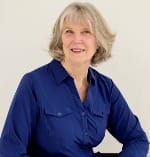
In this episode of the Caregiver Relief Podcast, host Diane Carbo, RN speaks with Licensed Reverse Mortgage Specialist Laura Phillips, who has more than 25 years of experience in real estate lending 🎙️. Together they unpack how reverse mortgages work, who may qualify, what responsibilities homeowners keep, and the questions families should ask before moving forward.
Laura also explains the difference between a standard FHA-insured Home Equity Conversion Mortgage (HECM) and proprietary jumbo reverse mortgage options 🔍. This balanced conversation helps older homeowners, caregivers, and family members understand how home equity may fit into a long-term plan for remaining at home.
⚠️ Important: a reverse mortgage is a loan, not free money, and this episode does not suggest it is right for every homeowner. The goal is to help you ask better questions and make a thoughtful decision.
🔥 What You'll Learn in This Episode
- ✅ Who May Qualify: Eligibility basics for a reverse mortgage.
- 🏦 HECM vs. Traditional Mortgage: How a Home Equity Conversion Mortgage differs from the mortgage you may know.
- 💎 HECM vs. Jumbo Reverse Loans: Standard and proprietary options compared.
- 💵 How Proceeds May Be Received: The different ways homeowners can access funds.
- 🛠️ Aging in Place: Paying for repairs and accessibility modifications, and supporting cash flow.
- 🏠 HECM for Purchase: Using a reverse mortgage to buy another home.
- 📑 Costs and Responsibilities: Interest, fees, property taxes, homeowners insurance, and home maintenance.
- 👨👩👧 Family Impact: The effect on spouses, caregivers, and heirs, plus what may happen if the homeowner moves into long-term care.
- ❓ Smart Questions to Ask: What to ask before selecting a lender.
📋 Episode Outline
- 🎙️ Introduction: Why aging in place can be a financial challenge for many older adults.
- 👤 Meet Laura Phillips: Licensed Reverse Mortgage Specialist with 25+ years in real estate lending.
- 🔍 How Reverse Mortgages Work: The basics, who may qualify, and how HECMs differ from traditional mortgages.
- 💎 HECM and Proprietary Jumbo Loans: Understanding the options.
- 💵 Receiving Your Proceeds: Ways homeowners may access home equity.
- 🏡 Aging in Place: Cash flow, repairs, accessibility modifications, and buying a more suitable home.
- ⚖️ Costs, Risks, and Responsibilities: A loan balance that generally grows, and obligations that continue.
- 👨👩👧 Spouses, Caregivers, and Heirs: Long-term care, repayment, and what families should understand.
- ✅ Questions to Ask Before You Choose a Lender.
🎧 Press Play Before You Make a Big Decision
A home is often someone's most valuable asset and the place where independence and memories live 💙. Listen to this episode, then share it with a parent, a sibling, or a fellow caregiver who is planning for the future. The right questions today can protect your family tomorrow 🌟.
Educational Disclaimer: This episode is for general educational purposes and does not provide individualized financial, legal, tax, lending, or investment advice. Eligibility, costs, loan terms, property requirements, and borrower obligations vary. Homeowners should complete the required independent counseling and consult qualified professionals before making a decision.
Podcast Episode Transcript
Diane: Welcome to the Caregiver Relief podcast. I'm Diane Carbo, RN, your host today. For many older adults, their home represent, represents much more than real estate. It represents security, independence, family memories, and the hope of remaining in a familiar environment as they age. However, aging in place can come with significant expenses.
A home may need repairs or accessibility modifications. A homeowner may need help paying for in-home care, managing healthcare resources and expenses, or creating a more reliable source of cash flow during retirement. One option that is often discussed but frequently misunderstood is a reverse mortgage.
Today, I'm joined by Laura Phillips, a licensed reverse mortgage specialist with more than 25 years of experience in real estate lending. Laura works with homeowners, real estate professionals, financial advisors, and families to help them understand home financing strategies. She specializes in standard FHA Home Equity Conversion Mortgages, commonly known as HECMS, and proprietary portfolio jumbo reverse loans.
Her goal is to guide clients through the process so they can confidently evaluate how their home equity may fit into their next 30-year financial strategy Laura understands that a house is not simply a financial asset. It is someone's home, and often one of the most significant financial commitments they will make during their lifetime.
In today's conversation, we will discuss how reverse mortgages work, who may qualify, the costs and responsibilities involved, and how using home equity may or may not support an aging in place plan.
Diane: Laura, thank you so much for joining us today in the Caregiver Relief podcast. My listeners are definitely gonna benefit from this today.
Laura: Thank you so much for having me on board, Diane. I feel like people are really going to enjoy, what they get to hear.
Diane: I do too. One thing we are doing is moving to a cost sharing platform in our healthcare system, and unless you can privately pay for it, you're not gonna get the recommended treatment.
So that's why I thought it was so important to have this conversation with you today. But before we discuss the details of reverse mortgages, what inspired you to focus your career on helping older homeowners develop strategies for remaining in the homes they love?
Laura: Oh, that's a great question. You know, as you had said, I've been doing mortgages for over 30 years, I've grown up in them and I had people ask me about it early in my career, and I was like, "Ooh, I don't know anything about those at all." So my first reverse mortgage actually came early on in my career, and I thought, what a great product for seniors.
As I aged myself, I am definitely well within the category of being able to qualify for a reverse mortgage. I found that I had a good connection with people, and I could understand their concerns, because I was actually living the same problems in my own life. So I thought, I'm just gonna work in the field that I feel most comfortable with, and that's reverse mortgages.
Diane: Perfect. I wanna talk about what an FHA home equity conversion mortgage is, and what basic age, home ownership, occupancy, equity, and financial requirements must a homeowner meet to qualify
Laura: Well, first of all, we call it a HECM, so doesn't that sound like you're coughing something up?
Diane: Yes. Yeah. Yes, it does.
Laura: HECM. But it actually is a home equity mortgage conversion. I think I got... Or conversion mortgage. See, I even get my own words backwards. But that is exactly what it is. It's a HUD product. It's been out since the President Reagan's era, so it's been a loan that's been around for almost 40 years.
It's really not a new product, that it has, popped up in the lending world. It is a loan. You need to be at least 62 years old to be able to get this, this loan. You need to be a homeowner. It needs to be your primary home, so it can't be a vacation home or a second home. It needs to be the home that you live in, calling it home.
"This is where I live." what else can I tell you about it? Really, it really is very beneficial to have a good amount of equity in your property already. So that's gonna provide you with the most cash or availability to work with at the, of your equity. So it allows seniors to tap into their equity, use it now, but not have to make a payment if they don't want to.
So it's, like as I've said many times, it's the only loan I know out there that does not require a repayment. Until death. I should qualify that.
Diane: Until death. until death.
Laura: Yeah. Until death,
Diane: You gotta pay the piper sooner or later.
Laura: They will come looking at that point, correct.
Diane: Yeah. So how can homeowners receive a reverse mortgage proceeds? Can they choose a lump sum, monthly payments a line of credit, or a combination? And how might that affect their long-term strategy?
Laura: That's actually a really good individual question that I ask when I talk to my clients.
It's like, what is your plan? Are you planning on staying in the house for a few years, five years, 10 years? It's really hard for people to think much past five years of what they wanna do. But it's a good question to ask. Do you wanna leave the house to your children? if that is indeed the case, I'll be the very first person to say that we- reverse mortgage may not be the best option.
Yeah, that's good. Because it is a loan, and it would have to be repaid. So how about funds coming to you? As you said, you can get a lump sum. You can get a line of credit, which by the way is about 90% of all reverse mortgages in the United States, not just in one state, but all of the United States are now currently line of credit loans.
Diane: Oh.
Laura: The fixed rate loan, while still out there, is not as popular as it was in, I guess, the early days. and I can explain that, why that line of credit is more popular here in a minute. and also you can get a combination. I need a fixed lump now. I need a lump because I need to, make the house more, accessible for myself.
and the hot water heater's going out. I really probably need to deal with that also. I mean, you can use a fixed sum coming in and then turn it into a line of credit or even into an annuity. Just like your Social Security, you could turn it into an annuity and get a monthly stipend.
Diane: Interesting.
Laura: Yeah.
Diane: So how, and everybody's aging in place right now. The seniors, the boomers, wanna remain in their homes as they age. But how might a homeowner use reverse mortgage proceeds to support aging in place?
Laura: Well, I think the best way is that aging in place is pretty expensive.
I watched my parents do it. We are kind of caregivers currently in my own household to my brother-in-law. He has Parkinson's, and there are good days and bad days. And so even we, as boomers ourselves are working on that now. I think we are pretty cheap help, personally.
Diane: We are. Yeah. I don't know if you know this or not, but 63 million family caregivers out there provide $1.1 trillion in unpaid care.
Laura: It is, yeah.
Diane: So
Laura: It's scary
Diane: We are free labor, and we are the single largest pillar of the long-term care industry. And we, from my perspective with what's happening in our healthcare, we need to create some kind of union of some sort or pact, to really fight for what we need, for the services we need.
Because one of the things I'll tell you right now is Medicare and, has moved to a cost sharing plan, and that means that whatever's recommended or, the doctor says you need, treatment services, whatever, unless you can pay privately for it, you will not be able to afford it. You will be denied that care.
Laura: That's scary.
Diane: You know we now mirror the, military medical delivery system, which is delay, deny, and wait to die, and I'm seeing that everywhere. I know that sounds grim, but, people are going to have to look at reverse mortgages if they want to remain in their homes and be able to pay.
Here's a perfect example. The Medicare Advantage, I call it the Medicare Disadvantage plans, if you go after the 20th day, you, there are many plans out there that charge 200 to $400 a day co-pay to be in skilled care or rehab.
Laura: Wow.
Diane: Yeah. And I'm seeing more unsafe discharges to home, so we are limited into, what happens with our home care as well.
So again, you know, everything's going to go to concierge services. Doctors don't wanna take Medicare Advantage. They don't wanna take Medicaid. you know, hospitals really don't like to, but they have to. there's so many things, it's going, by, that are, is occurring right now that is going to negatively impact the level of care and quality of care we receive, and that's why I thought it was so important for me to bring you on today to talk about the plus and minuses, the pros and cons of a reverse mortgage. What
Laura: Well
Diane: Oh, I'm sorry.
Laura: Oh, I'm sorry. I was gonna say, I have a client, I just finished closing recently. An elderly gentleman, he was 92 years old.
Diane: Oh, God bless him
Laura: And his son was 65, and he had a daughter who was in her mid-60s also.
The whole family could have qualified for reverse mortgages. But he was close to running out of all of his funds. He was aging at home. He tried a healthcare or home care facility and hated it. Just hated it.
So he came home, and he'd been funding it- Privately with care, not 24 hours, but let's say 18. I don't know, you know, let's just say 18 hours. I mean, he had care during the waking hours. And, but he was running out of funds, and he had a house that was free and clear, so the son, assisted his dad. Dad was very mentally capable, but not great at being able to sign 100 plus pages of paper
Diane: Yes
Laura: For doing the loan. So we did this, as a power of attorney with the son acting as power of attorney for the dad to sign. Dad was very cognitive and present for the whole process, and he now has the funds to be able to help have his care come in and help him. And that was a relief for the family.
They lived in Colorado, but they had lives, too, and children on top of that. And it was just a relief. The son had said, "I have been helping Dad's costs for a while, and I'm not asking for reimbursement, but I just, I can't keep affording it."
Diane: Yeah.
Laura: Yeah. So this was a way to help the family get the care that Dad needed and feel really comfortable and good about the whole situation.
Diane: Yeah. Yeah. Yeah. You brought up a good point. A lot of, families, rally around their parent, and they're paying, do creating, a pocket of money on a monthly basis so that they can provide services in the home for their parent. And it's just, it's a necessary evil that we need to do is pay out of pocket.
Insurance isn't gonna take care of us. You know, I'm gonna just say government involvement in our healthcare brought us down to our knees, and now we have nothing. It's just- I actually think that we only have the illusion of healthcare, because if you have to pay for it and you can't, and it's being recommended, something's not right there.
Laura: We had a health issue in our household with our daughter. and my mother sent me a cartoon. I wish I had saved it, and it said, "You have insurance, but it doesn't cover skin, bones, blood."
Diane: Yes.
Laura: I mean, it was just like, listed the entire body. But you have good coverage. And I thought, that's probably true." You have great coverage until you have to go out and actually use it. And then it's like, oh, these things aren't covered or they're not covered as well.
And it was, yeah, it's an eye-opener.
Diane: Yeah. Oh,
Laura: truly is
Diane: When managed care came onto the scene I could tell as a nurse, it was in the '80s, so I was working in nursing.
I loved nursing. I loved doing what I was doing. But, things changed in the '80s with managed care, and one of the things... I used to get physically ill before I'd go to work. Because you're taking on more patients, you're taking on more responsibility, and, the expectations were becoming unrealistic.
And that's why, we don't have a shortage of nurses right now, we have a shortage of nurses who are willing to work in, unsafe conditions because the hospitals. Have just gone beyond. they're... Poor nurses are work we fought to get 12-hour shifts in my day, but, now that's a standard, 12-hour shifts.
Because they're trying to spread the amount of staff they have and need. So and it's really sad because, the nurses that are in the hospital are getting beaten up, by patients and families and, then the management beats them up as well with their unrealistic expectations and blaming.
Of course, everything's blamed on the nurse. What did you do to cause that?"
Now, I wanna understand what costs should home owners understand before moving forward. Like, let's talk about the interest, closing costs mortgage insurance, that kind of thing.
Laura: Well, they're not cheap loans. We'll just start with that. And that's actually what I tell my clients when we sit down. These are not, they're not designed to Do and then refinance as we've been taught by the industry because the interest rates went down to refinance again. These loans have an expense to them, and the elephant in the room is the FHA mortgage insurance.
What does that do for you, the client? that means that if your house ever becomes worth less than the loan, and that does happen either through economics of the country or just a longevity of your life, that the house becomes worth less than the loan, that you, your heirs, are not responsible for the remaining balance.
So it's just gonna be the balance of the house value is what they'll accept in the end. And so that mortgage insurance is expensive. It's not a cheap item. It is required. You can't get out of it. So when you're paying you know, it's rolled into the closing cost, so you don't have to go dig into a savings account to pay for it.
But you just need to understand that if rates go down, you know, it's probably a combination of things to think about before looking at refinance. Rates may go down. You need to have gotten older. It's the only thing in the world that benefits you, besides maybe going to the movies for a little bit cheaper is to get older, and also has your house value gone up? So there are three items that work to say, "Okay, let's talk about a refinance at this point." so I have people who refine- or got loans when the interest rates during COVID were very, very low, and they call me every now and then and they ask, "Can I refinance?
I need more money." The answer is probably not. We run a very long, complicated... It looks like a formula going to space somewhere, formula to determine if it's legal for us to look at and do. and in many cases, it gets failed because of the interest rate. So that leads me to, what are the interest rates?
Well, the interest rates are the exact same rates as they are if you were looking at an FHA loan or a conventional loan or a VA loan. They are not any different. They are, tied in essence to those same kinds of markets.
Diane: Now, some people believe that a reverse mortgage eliminates all housing payments. What financial and property responsibilities does the homeowner still have, including, property taxes, homeowners insurance, et cetera?
Laura: Oh, that's a good question. That's an excellent question. Thank you. 'Cause you still, you actually still do have some responsibilities. You're not making the principal and interest payments.
You don't have to. you can if you want, but again, it's not a requirement of the loan. But you still have to make your property taxes, you still have to make your homeowners insurance, you know, your fire or, fire policy. A lot of people will call them fire policy. And you also have to cover your HOAs if you live in an HOA situation.
So those are gonna be required even if you did not have a loan on your house and it was free and clear. You would still have to make those payments. It's the exact same thing for a reverse mortgage, and they can be escrowed. If you don't feel like you want to bother with remembering to make those payments, you can have it escrowed for you just like you would on a regular mortgage, or you can make it yourself, by managing your own funds, but they still need to be paid.
Diane: That's disappointing for many to hear, I'm sure.
Laura: Yeah, a lot of people say, "Oh." And I'll tell you the other big thing that's really disappointing, and I have people say to me all the time, is they come to me and they think let's just say they have a house that's $500,000 and it's free and clear, and they just think they're gonna be able to tap into 350, $400,000 of money
Diane: Their equity. And shockingly, that is not the case. And I can hear many, many times, "I thought I would get more." so it is tied to age. It, age is gonna be one of the factors that determines how much you can actually access of your equity. So if you're 62, it's gonna be the least amount of equity that you can tap into.
Laura: It might only be around 40%, which means the house has to have 60% of the equity still available in the house. the 92-year-old was able to get, I wanna say we were closer to 70%. Cause we were only calculating age out to 100, Although I suspect that may change as we continue to age as boomers.
Diane: Oh, it has to. Yeah.
There's 100, 400 5-year-olds out there now.
Laura: Yeah. Yeah. So but right now we calculate out to 100. So if you're 62 and we're calculating out to 100, it's very possible that the house will go, in my terms of mortgage words, upside down. It'll be worth less than the loan.
But if you're 90 and even if you left another four or five years to 100 or, you know, up to 100 it would be very unlikely to see that happen.
Diane: Okay. I actually have a client whose mom is 105. She just turned 105 in New Jersey. Wow. And I'm like, "Lord have mercy," but
Laura: I know
it just, it shocks me.
Diane: But there are several. A funny story, I know we're getting off the subject here, but I had a 75-year-old caregiver, family caregiver, who's taken care of her mom for 20 years.
Mom is, was turning 100, and she calls me up and says, "Diane, I have to put her in assisted living, not for her, but I need to start living my life before I get too old to enjoy it." And that's the thing. So many, 60, 70-year-olds are taking care of parents that are still living well into their 90s and into the 100s. So,that's tough. That's why, you know, I love hearing about the reverse mortgage.
Now, what could happen to a reverse mortgage if the homeowner experiences a health crisis or moves in with family or enters assisted living or spends an extended period in a nursing home or a rehabilitation facility?
Laura: It still has to be your primary home, so you still have to theoretically live in it now and be in it. But you could go into assisted living for six months or eight months because it was needed.
I always say if these situations are gonna happen, I- dialogue, talking to your servicer, the mortgage company, and telling them, I need to go in because I did something to my hip, and, I have to go through rehab and so this is the prescription.
I'm not gonna be in the house for a while, but I am returning. The, I'm gonna be here. You can still reach out and talk to me by email." Now, I realize for a lot of seniors, email and computers can be a little challenging. and sadly, it's where the business is going in general for everything, is we're doing everything on the computer.
But that doesn't mean that they don't have people that you can talk to in person. You can call them up and say, "Hey, I need to let you know I'm gonna be here." to be honest with you, you could take a reverse mortgage and live the rest of your life and go take a trip around the world if you wanted to.
Please come home and be in the house for a while. You, you really could go- And you could. You could do it for, I don't know, 11 and a half months if that, if that, if you had the funds and wanted to do that. But do definitely come home and live there. Let them know, "This is my plans. I'll be communicating with you, via telephone or email. and I plan on returning."
Diane: Now, how should homeowners discuss a reverse mortgage with their adult children caregivers or future heirs? What options may the family have if they wanna keep or sell the home after the borrower dies?
Laura: I think it's really important to have that conversation.
Diane: Absolutely
Laura: particularly with your heirs, because the heirs may be thinking that they're going to get the house, one, literally, physically get the house. Or, two, they're gonna get the money from the house when the house is sold.
Diane: Yes.
Laura: And if you don't have that conversation, it is a shocker to them to find out that the reverse mortgage actually used the equity while the person was alive, the client.
And they're... They could be angry. I'm not gonna lie. They can be angry because they, you know
Diane: Oh, I've seen it ... on so many occasions. the families just go nuts because they thought they were going to inherit some awesome amount of money.
And then to hear that it's been spent so that they didn't have to come into the home and take care of their loved one.
And they spent it on, outside resources to come into the home. And then they're like, "What happened?" Well, you know, you could have come in to the home and taken care of your loved one but you didn't wanna do that,
Laura: Or couldn't.
Diane: Or couldn't. Yeah. Absolutely. Or couldn't. This was an option for them. But I find that some seniors, and I know you, you see this as well, Laura, where they're so private and secretive about everything.
And it's so hard to deal with those types of family dynamics, because they don't want anybody to know their financial business.
And, there comes a time when seniors just have to suck it up and say, this is the way it is." Because if you don't share your information, all you do is cause chaos and have family dynamics are gonna start settling in, and there's gonna be fights and all kinds of unnecessary pain and stress on everybody, and it's all avoidable.
Laura: I grew up with my parents. One, I never knew their age.
Diane: Yeah.
Laura: And they never told me they were... They always told me they were as old as the dinosaurs. I mean, you know, and I never questioned it. And the finances. I didn't assume we were wealthy or poor.
But it wasn't like all of my needs were met or my demands as a growing up child. Because we always want more and more. I got shoes when I needed shoes, and clothing when I needed clothing, and, supplies for books and stuff for school. We grew up in a, who knows, because I didn't know, but I think it is hard, 'cause my parents weren't gonna talk about that at all.
Absolutely not. And, I do think that it is important to at least at some point say something. Now, it was actually the son of that gentleman I told you about, the 92. He brought the subject up to Dad. And they had that conversation. Dad didn't really know about it.
And Dad, probably his first conversation was, aren't those horrible loans?" Yes. and there's a lot of, there's a lot of, I call them old wives' tales about the loan. The product. And I would say it earned the reputation of saying that it wasn't a good loan because a lot of thought didn't go into it.
And changing Guidelines, all changed, along the way to make it a better loan. I call it not your grandmother's reverse mortgage. It is- I like that ... literally. It's not, you know, it's not... Because, we put the wife on now, we put both spouses on. We wanna make sure we work with the youngest member so that e- that party is protected, and can live comfortably in the house without fear.
If the house is actually, worth less than the loan, the, the term being upside down doesn't mean you have to move out, doesn't mean that the lender's gonna come knock on the door and take all of your belongings and put them on the street. That is not the case. We, this is why we work with the youngest member, to protect them.
We have a lot of protections out there to protect the homeowner, the reverse mortgage client, and their spouses. You bet.
Diane: How about adult children that are disabled that are still living with mom and dad?
Laura: That's a tough call.
Diane: Okay
Laura: unless they're on the deed of trust
Diane: Okay
Laura: then really, I'm working with a family right now that has that.
And she's not on the deed of trust. The mom has a trust out there for her daughter to care for her. she would have to leave once the house once mom has passed.
If they're on the loan or on the deed of trust with this, so they have ownership in the house, then we would still probably...
I mean, I haven't come across it, but I'm gonna suspect that what would happen would be we would treat them similar to a spouse. They would have to have, they'd have to go through all the classes together, they'd have to take all the education. Sign the documents because they are a homeowner with them, and we would work with their youngest age, the person's age.
Gotcha.
Diane: Yeah. Yeah. The thing I think about with, 'cause there's so many adult children of with disabilities and living with their parents, because, there's not enough, support out there for them that, you know, it's really important that they put funds aside for them.
But also, it's important to get them into the best possible living situation before you pass. So that or so that they get accustomed to living alone or in a support, group housing or whatever. It's just the best thing you can do for them. And but people don't wanna... they wanna protect their child, but then the- ... that protection goes away once that they pass.
Laura: It does. And that would, in most cases, it is also the protection that would go away if they were living in the home, 'cause very rarely in fact, I haven't seen it yet is that, adult child that has some sort of, of handicap or disability on the note with the parent on the deed of trust. So this, in every case, some plans need to be made.
Diane: Yeah. Well, even if they were able to stay because they were on the deed of trust, who's going to help manage them, You have to have an attorney or a guardian. I mean, there's so many issues there.
Laura: The biggest aha for this, this family that I'm currently working with is that mom just assumed the daughter, she had the reverse mortgage.
And she passed, that the daughter would just quote, "Assume the loan." Ah. And that's not the case. There's still a loan balance that needs to be paid. You as the borrower, the reverse mortgage borrower, are in a contract with a loan, and once you pass, that loan becomes due. And she said, well, I think my daughter might be getting, you know, $2,000 in disability payments," whatever number she had out there.
I said, "That's nice, but I'm not sure that your daughter would be able to qualify for an $800,000 loan at the end of... We, and we went all the way out to the 100-year age. Yeah. And said you live to 100, 'cause that's the only hypothetical you can work with. Let's go all the way out. This is what the loan balance is gonna be.
There's no qualification. I, even if interest rates were at 3%, she's not going to be able to qualify. So I think that I mean, I make sure that people understand this. I think the more information you have, the better decisions you make. I truly hope that all my other fellow reverse mortgage lenders out there also talk about the good, the bad, and the ugly of the loan so that when you as a client, you as the reverse mortgage, client want to get this, you are making the best decision you can with, for yourself and for your family going forward.
Diane: I wanna ask about other reverse mortgage strategies. Can you, What I've heard the term, I have no idea what it means, priority jumbo reverse mortgages and HECM for purchase loans.
What do... does that mean, and what options does it provide for the, the person that's interested in those?
Laura: Okay. Let's do the prior, proprietary loans. That... We'll get it out right in my mouth. So a lot of appreciation has happened over the years across the US.
Not just in one particular state, but we're gonna use California in this particular example. Their house values, bless their souls, are close to a billion dollars, if not higher.
Diane: Yeah. Yeah.
Laura: And the actual HECM loan goes up to a home value about 1.2, 1.3 million. And at that point, if you are have a home value higher than that, you may not be able to access your full amount because it has a cap. So California, well, the lenders, not California, the lenders in, were working in the California states developed, a loan about it's been out for about six years now, the proprietary loan, and it goes up to home values quite high and loan amounts up to 4 million.
So it was addressing those very, very, higher end homes, and that's across the US. You're gonna bump into neighborhoods that have home values that high.
So that, it works that way. It has the exact same bells and whistles and protections that a regular HECM uses. They patterned it after. It does not have mortgage insurance, but what it does have that makes its difference is that the interest rate is higher. So there's a trade-off, and if you run them side by side, they almost are equal.
So the trade-off is the interest rate is higher, but you're not paying the mortgage insurance. So that is how a proprietary loan works. now a reverse for purchase. let's say, I mentioned my daughter lived in New Orleans when we were talking, you know, getting to know each other. And, well let's say I wanna move to New Orleans and age out down there. I'm tired of the Colorado winters, if we had one. Yes. So I'm gonna go to south. And, I want to have my own home. I don't wanna live with her you know, and burden her in her life and her family life, so I just want a little bungalow to buy.
I can take the equity that I had in my home here in Colorado when I sold it and go to, New Orleans and purchase a home and put a, what would seem like an exorbitant amount of down payment. But everybody goes, "Oh, where does that money come from?" you sold your home. That's where the money comes from.
And I will never have to have another payment again on that house in, in New Orleans. So I use a rule of thumb. It is not accurate, but it's a way to think about it. So let's talk about, please don't hold me to the fire and say "Flora, you've misrepresented it." If the house is worth $500,000 and I wanted to go buy it in New Orleans and, this is very much a hypothetical, I might only have to come to the closing table with $250,000.
This is stuff you could do in your head when you're talking, in a coffee shop about how to make this work. Then I would buy that home in New Orleans for $250,000. I would be responsible for my property taxes and my homeowner's insurance and an HOA if I lived there. but I would never have to make another mortgage payment.
Now, if I had netted out of my home here in Colorado $400,000, I got to ride the equity up nicely, I would still have some money left over, right? Yeah. 250 went to buy the house in New Orleans. I would, the rest of that money, of that 400, or maybe I should've rounded. I don't know. Okay, now I have to do the math in my head.
Good luck. about 150,000. So $100,000 would be able to maybe help make healthcare payments, you know for people to come in and care for me. Maybe it would be for me to modify it so I had a ramp to go in and out of the house and grab bars in the bathroom. you know, and, it was all hardwood floors but, that was really gonna be slippery and a fall hazard for me as I was getting older, so I had carpeting put down.
I could use that extra money to modify that home to accommodate me as I age out. So that's what a HECM for purchase does. It allows you to purchase and still be able to not have Interesting to pay a payment. Yeah. It is.
Diane: Yeah. Now what questions should homeowners ask a lender, counselor, financial advisor, or tax professional before choosing a reverse mortgage?
And what warning signs should make them slow down or reconsider?
Laura: Aha. Well, let's do the slow down. if somebody's pushing you towards something, you know nudging you to it, and you're feeling rushed, definitely slow down. Definitely slow down. I think it is a financial decision.
If you have a financial advisor, if you have a trust attorney, if you have an attorney, any of those people, any of those professional people that were helping you manage your life, your finances and your life, definitely have that discussion with them. I have found that some financial advisors are very much aware of reverse mortgages, as others will say, "Oh, that's got that bad reputation.
Let's not do that." Yeah. And I think you need to stand strong and say, "No, I think we need to look at this. Would you be open to hearing more about it?" And then ask your reverse mortgage lender to have a conversation and explain how the product works and how it has protections, because just like, so many people, your financial advisors, your attorneys, your professionals, they may not be totally in, up to speed on that product because it's not their field.
Diane: Yeah.
Laura: So, I think that's really important to know and to talk about.
Diane: I think it's going to be, reverse mortgages are going to be a go-to for support for many family, especially the middle class. Maybe not the uber wealthy, but the middle class because everything they have is in their home.
And with the changes in reimbursement and the move to, actually private pay or it's where... Or high co-pays, high deductibles, we are really, they're... the middle class, if there is any such thing anymore, is going to be hit hard with the changes that have, are, have been made in our healthcare system.
And, again, we're gonna, everything's gonna go to concierge services. If you want it you're going to have to pay for it. And I just think that, you know, like I say, we only have the illusion of healthcare. That's why I thought, when, that I would have you on today because I think that, reverse mortgages are the wave of the future for so many with the way healthcare
Laura: They are changed. They are. And you mentioned that maybe not the uber wealthy. and I don't know what an uber wealthy person is. I figure most of them are I don't know. I don't know either, so They're out there. I'm not one of them. but they're out there. But here's the surprising thing. They too are doing reverse mortgages.
Their advisors are looking at their portfolios and saying we could sell your Apple stock that you bought back in the day when everybody thought it was a funny named company
Diane: Yeah. Yeah
Laura: And, you know, we can help you fund your life, or we can do a reverse mortgage on your home and you can transfer that Apple stock as an inheritance to your children.
Which would you rather do?
Diane: Oh,
Laura: Yeah. So I see a lot of financial advisors, recommending their uber wealthy people do reverse mortgages and put it on place as an emergency fund. Yes. They weren't actually using it. this is a tool, a financial tool that can be used as an emergency fund.
It can be used, as needed. It can be used because I need it today. I need the funds today. So I think that, it should be considered by all of us. You have to be the homeowner. You have to have some equity.
Diane: Yeah.
Laura: Those are the only real downsides to society is if you are a renter, you're not gonna be able to do it.
So that is... We don't have a product for that.
Diane: Yeah.
Laura: Yeah.
Diane: Laura, you've provided so much important information out there to my listeners. How do they reach out and find you?
Laura: Well, I'm licensed in, Four states. I have to think about it now. They can reach me by telephone.
Diane: Yes. Yeah.
Laura: Okay ... will you be putting that number on the
Diane: Yes, any information you provided me, I'll put. Great. I actually create a permanent page on my site with its podcast with links to your social media if you provided it, and your website or whatever.
Laura: So you have my website and you have my telephone number. So you can reach out to me. Now, I'm licensed in Colorado. That's where I live, so that's my primary state. I'm licensed in California, Florida. I'm thinking about adding Michigan.
Diane: Okay.
Laura: So I can add states, if there's a huge demand to have me be a person there to help. If not, and you live, Myrtle Beach is in South Carolina, did I get that right? South Carolina. Aha. Yeah. Good. I know my, geography still. So if you're in South Carolina and you need to talk to a reverse mortgage and you don't know who to call, you can call me. Great. And I will do a little bit of research.
I have networks of other reverse mortgage lenders that I talk to. Or I can say, "You can go out to this site and look and see if you can find people there." Okay. And I would say if you needed a really, you know, you had a health thing and you had to go get a big surgery, you would probably want to talk to several doctors to make sure you had found the right fit.
One doctor said. So you wouldn't want your dentist to do your brain surgery. You want to talk to, you want to talk to the right doctors. This is the same thing for reverse mortgages. Go out and interview us. look for reverse mortgage people who really do it more full time.
That don't just say, "Yeah, I can do it." That's a whole thing like, "Yeah, I can change a tire," but, do you really want me to change the tire on your car? Yeah. The honest answer, no, you don't. Exactly. So look for somebody who does it, that really does it, knows the ins and outs to the rules and guidelines.
I am constantly being stumped, even though I've been doing this, steady for reverse mortgages for over seven or eight years now, and in the lending world for my whole life of working. I still get stumped on real, on doing lending. So you need to find people who really understand the loan.
Diane: Yeah. And work with them.
Diane: Exactly. I think that's really important. thank you so much for your time and your knowledge and sharing your information with us. I really do appreciate that. to my family caregivers out there, you are the most important part of the caregiving equation. Without you, it all falls apart.
So please learn to be gentle with yourself. Practice self-care every day because you are worth it.
Caring for a loved one can be overwhelming — but you're not alone. If you have questions, big or small, our expert team is here to help.
👉 Click here to Ask the Expert
Our Resource section can help you find the information and tools that you need. We have courses, videos, checklists, guidebooks, cheat sheets, how-to guides and more.
You can get started by clicking on the link below. We know that taking care of a loved one is hard work, but with our help you can get the support that you need.
Click here to go to Resource Section now!