Helping Children Understand Alzheimer's Through Story, Music, and Family Connection with Alder Allensworth and Brenda Freed - Episode 266
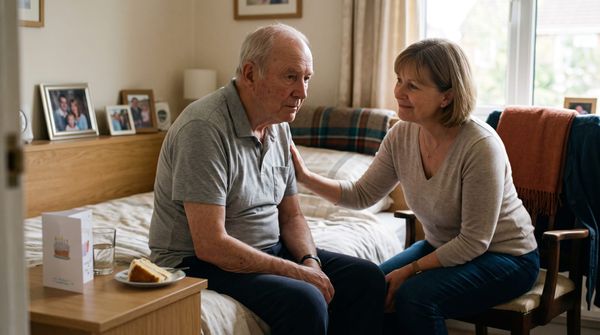
How do you explain Alzheimer's disease to a child? Diane Carbo, RN, talks with Alder Allensworth and Brenda Freed about Mackenzie Meets Alzheimer's, a picture book that uses story, music, and family connection to help children understand dementia with less fear and more compassion.

In this episode of Caregiver Relief, Diane Carbo, RN, sits down with Alder Allensworth, MM, RN, and Brenda Freed, MA, MUS, the creators of the picture book Mackenzie Meets Alzheimer's, for a warm, practical, and surprisingly joyful conversation about how story, music, and everyday moments can keep kids connected to the people they love. 💛
🗺️ Episode outline
Why kids need honest, gentle explanations 🧒 Diane opens with why children feel confused, hurt, or pushed away when a loved one changes, and why protecting them by staying silent often backfires.
The story behind Mackenzie Meets Alzheimer's 📖 Alder shares how her granddaughter's missing drawings, after her mother wandered, showed her there was nothing out there to help children, and how a friendship that began in music therapy internships in 1980 turned into a book.
What's inside the program 🎬 Beyond the picture book: a five-video awareness series, transcripts for accessibility, "Fast Facts for Families" sheets, and an original story song with animated and lyric videos.
Moments of joy and purpose 🌟 Alder describes how her mom perked up when her grandchildren visited, and how kids simply enjoy time together without worrying about the diagnosis. Diane adds why connection stays possible, even in later stages.
Fear, stigma, and "it's the disease, not the person" 💙 Why families hesitate to talk to kids, and how children can become "detectives," working out what comfort or joy their loved one needs. Diane also shares a touching story about her grandmother recognizing her.
Giving families tools, not just worries 🛠️ Simple ways to keep everyone safe and calm: quiet "inside voices," one child at a time, and teaching kids when to get a responsible adult.
Confusing moments, simply explained 🔍 What to say when a grandparent calls a child by their parent's name. Then Alder's "glass of milk" example, a clear, kid-friendly way to explain what Alzheimer's does to the brain.
Why a picture book and a song? 🎵 How putting early dementia behaviors inside a story song makes them feel less scary, and why a song can stay with a child for years.
Music as a connector 🎶 Singing, dancing, and using familiar music, plus how musical tastes are changing from "You Are My Sunshine" to "Here Comes the Sun."
When words fade, music and presence still reach people 🤍 Humming along, talking to a loved one about your day, and a moving story from Diane's career about a woman who began singing along to gospel music after months without responding. Brenda's tip: build a playlist of favorite songs together while your loved one is still well.
What kids should know about memory loss 👋 Introduce yourself and say how you're related, approach from the front, and bring a calm, positive attitude.
Including kids without overloading them 📓 A memory book families can build together, a shared daily schedule that spreads the care across the household, and why activities are one of the most overlooked tools in a caregiver's toolbox.
Activities that help everyone 🧺 Folding laundry, kid-friendly finger foods, and everyday tasks that give your loved one purpose and give caregivers a much-needed break.
What to do after reading the book 💬 Download the song, talk openly with your child, and use the free toolkit, which explains Alzheimer's for three different age groups and includes tips on spotting caregiver burnout.
Where to find more 🔗 The website, blogs with free PDFs, and a private community for churches, adult day centers, and memory care programs.
A closing word for caregivers 🫶 Diane reminds family caregivers that they are the most important part of the caregiving equation, and to be gentle with themselves.
✨ Key takeaways
- 💬 Children can handle honest, age-appropriate explanations, and they feel safer when they get them.
- 💙 Teach kids that it's the disease, not the person.
- 👋 Introduce yourself and your relationship every time you walk in the room.
- 🔍 Let kids be "detectives": what is this person really needing right now?
- 🎵 Familiar music can reach someone even when words fade. Start a playlist early.
- 📓 Memory books, shared schedules, and simple activities help everyone, including the caregiver.
📚 Resources mentioned
- 📖 Mackenzie Meets Alzheimer's picture book, with a QR code to download the story song
- 🎬 The Mackenzie Meets Alzheimer's Awareness Program: five videos, transcripts, Fast Facts for Families, and the animated and lyric song videos
- 🧰 Free Caregiver's Family Toolkit on the website
- ✍️ Blogs with free PDFs, including a memory book, a daily schedule, and finger-food ideas
- 👥 A private community for organizations such as churches, adult day centers, and memory care units
- 📘 The Caregiver's Advocate, which includes a chapter by Brenda
👥 Meet the guests
Alder Allensworth, MM, RN 🩺 is a registered nurse and retired hospice counselor who supported families caring for loved ones with dementia at the end of life. Her inspiration for this project came from watching her mother, who had Alzheimer's, connect with her grandchildren in powerful and loving ways.
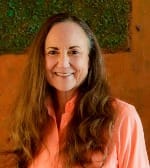
Brenda Freed, MA, MUS 🎶 is a music educator, music therapist, performing singer-songwriter, and teacher whose work has included children and people living with Alzheimer's disease. She brings a deep understanding of how music can create connection when words and memory begin to fade.
🔗 Connect with Mackenzie Meets Alzheimer's
- 🌐 Website: mackenziemeetsalzheimers.com
- ✍️ Blog: mackenziemeetsalzheimers.com/blog
- 📸 Instagram: @mackenziemeetsalzheimers
- 👍 Facebook: Mackenzie Meets Alzheimer's
- 💼 LinkedIn: Mackenzie Meets Alzheimer's
- ▶️ YouTube: @mackenziemeetsalzheimers
- 🔗 All links: linktr.ee/MackenzieMeetsAlzheimers
Podcast Episode Transcript
Diane: Welcome to the Caregiver Relief Podcast. I'm Diane Carbo, RN, and today we are talking about a subject many families struggle with: how to help children understand Alzheimer's disease. When a grandparent or loved one begins to forget names, repeat questions, act differently, or no longer responds in a familiar ways, children may feel confused, frightened, hurt, or even pushed away.
Many adults want to protect children from dementia, but children often sense that something is wrong What they need is a gentle, honest explanation and a way to stay connected. My guests today are Alder Allensworth and Brenda Freed, the creators of the picture book, Mackenzie Meets Alzheimer's. Alder is a registered nurse and retired hospice counselor who supported families caring for loved ones with dementia at the end of life.
Her professional background includes working with both children and adults, include, including people living with Alzheimer's disease. This project was actually inspired by her personal experience watching her mother, who had Alzheimer's, connect meaningfully with her grandchildren. Brenda is a music educator, music therapist, performing singer-songwriter, and teacher.
As a music therapist, she worked with children and people living with Alzheimer's disease. Her background in music, teaching, and performance brings a beautiful layer to this conversation about how music can help families connect when words and memories change. Today, we'll talk about why children need age-appropriate explanations, how books can open difficult conversations, and how music and family rituals can help preserve connection, love, and dignity throughout the dementia journey.
Diane: I want to thank you ladies for being with me today. This is a positive subject, and one of the things I love the fact that you just jump in and go, Mackenzie Meets Alzheimer's, because so many families dismiss kids, and they dismiss their questions and want to try to shelter them and hide them, when in fact you just bring it out in the open and I love that.
So would each of you, share what inspired Mackenzie Meets Alzheimer's, and why this book felt important to create?
Alder: Thank you, Diane, for having us on. And you're right, this can be such a positive subject. And it, this was inspired by my family. My mom had Alzheimer's, and the grandchildren grew up through the progression of the disease.
So when they first met her, and realized when they were toddlers, she was in mild stage. Well, by the time they were, like, seven, eight years old, she was in moderate to severe, and they saw those changes, and they knew something had happened. And there was a little incident where the granddaughter, Olivia, my mom, had a little conflict.
Olivia's drawings disappeared, and she knew Gran had been wandering and where did Gran take my monsters and my drawings? And we had to figure out how to explain. And you and I are kindred spirits, being hospice workers and we just know our resources, and we know how to help families. But there's just nothing to help children in this area.
Diane: Yes.
Alder: And so I had to pull on just my knowledge and my love, and we were able to repair the relationship. And I was inspired to write the Mackenzie Meets Alzheimer's book, and I was talking to my friend Brenda. We've known each other since 1980 when we did our music therapy internships together.
Diane: Awesome.
Alder: And Brenda said, "I'm all in." So let's let Brenda take it from there.
Brenda: Yeah, our mission is to, empower children and their families with simple, practical, and compassionate tools that foster love and understanding, meaningful interactions, and more joyful moments through every stage of Alzheimer's or any type of dementia.
And we do this with, we, as Diane mentioned, we have the Mackenzie Meets Alzheimer's Disease picture book. But we also offer a video series called the Mackenzie Meets Alzheimer's Awareness Program. That involves five videos. One is what is Alzheimer's disease, six-minute video. Mild stage Alzheimer's disease, about a nine-minute video.
Moderate stage Alzheimer's disease, an 11-minute video. And severe stage Alzheimer's disease, a seven-minute video. And then we also offer a longer video called Coping with Alzheimer's for the Responsible Adult with Children. That video is, like, 26 minutes. It's for adults to watch so they know something about Alzheimer's themselves.
But also in that video, it talks about how to incorporate children into the care, how to talk to children about Alzheimer's, and how they can help and give the caregiver some self-care time. So we offer those five videos. Also included in the program are the transcripts, because we serve all abilities, including hearing impaired and visually impaired, because it's an auditory program.
We have a sheet that highlights the main points in each video called Fast Facts for Families. So for example, if a person is in the mild stage, they can just use that one sheet about the mild stage. It has information, tips, and activities. Tack it somewhere where it's visible by the family members, on the refrigerator maybe, and they have that information readily available.
They can do that for each of the stages. and then it also comes with the song. As Diane mentioned, I have a background in music, and Alder and I together wrote this Mackenzie Meets Alzheimer's Disease story song Then we had it animated, so we have the, an animated video of the story song. We also had a lyric video made of it, once again to serve hearing impaired and early readers.
That all comes with the program in addition to a recording of the song. that is what the program encompasses right there.
Diane: I love it. And I absolutely love it. You're meeting children at, the stage that they, at whatever level they can understand which is incredible. I enjoy that. And then you're also going through, I love that you're also offering the adults a video that actually helps them know how to introduce this dementia into, to their children, because that's really, really important.
And, people are struggling. Alda Rose, did, how, when you witnessed your mom, who had Alzheimer's, connect with the grandchildren, what did you see in those moments that changed how you thought about children and dementia?
Alder: Well, if when Mom was first diagnosed, it was right after a back operation, and she had gone to rehab, and she was diagnosed when she was in the rehabilitation center.
Diane: Oh.
Alder: We all knew something was off, you know that?
Diane: Yeah.
Alder: And she was really depressed and thought, I've got this disease. Why even bother?" And she really withdrew. The grandchildren came to visit. She perked right up. It gave her purpose. They wanted to go down to the gym and see what was there, so of course she had to go and show it off.
And it was just so wonderful. It gave her a renewed purpose in life, that life doesn't end with the Alzheimer's diagnosis. And the children, they didn't care what Gran was going through. They just enjoyed spending time with her
Diane: Oh
Alder: and doing fun things. They were drawing. They went to the activities room together.
They had just a really great time together, and that's what we're all about, is creating those joy-filled moments because that's what it really is, moments of joy.
Diane: Absolutely, and people, families especially that have a fa- a loved one with Alzheimer's or dementia, a form of dementia, don't realize that, those, that connected, connectedness is important, and it's still possible even in the later stages of dementia.
And even those small moments are so valuable, not just to, to the person with dementia, but the children. I love that these kids were growing up seeing the changes. They're learning to be able to accept Oh, 'cause one of the things we have a problem with is we've lost our sense of community in our culture.
You know, it's really sad. And, we, you know, that's why people feel like they're a burden when they get older because, we, it's natural if you belong to a community, you help them with the babies and you help the elderly as they decline and pass on to the next world. And it's really hard for people to accept that.
And we've lost that ability. So I love that you're including children and they're seeing it. it's a personal growth experience for everybody involved. Brenda, why do families sometimes hesitate to talk with children about Alzheimer's or dementia? What are your thoughts on that?
Brenda: I think they're afraid that children will be afraid, and, there's always the fear, oh, could it happen to me?
Can I catch it?
Diane: Yeah.
Brenda: So children have those kinds of fears. I think parents, first of all, I don't, I think a lot of caregivers are doing their best to take care of themselves and the person.
Diane: Exactly. Yes.
Brenda: So, the children don't come into the conversation as much as we would like of them to.
Diane: Yes.
Brenda: And I don't think they understand how the children can help, the joy children can bring.
Diane: Yeah.
And they're very resourceful. they can help, like, we say, let them be detectives and try to figure out what the person wants.
Diane: Yeah. Yeah.
Brenda: Get into the feelings behind what the person's actions are showing,
Diane: Yes, yeah.
Brenda: if they're repeating themselves, what do they really want? Or if they're fidgeting, what do they need?
Diane: Yeah.
Brenda: So we encourage people to have the children help be detectives and figure out what will comfort this person.
Diane: Yeah.
Brenda: How can you help bring joy to this person? So I think it's mostly, and it's the stigma.
People are afraid of Alzheimer's.
Diane: Yeah. Yeah.
Brenda: They, and they, some, there's a shame. Stigma, if you look up the word stigma, shame is associated with that word.
Diane: Yeah. Yeah.
Brenda: But when you think about it, to associate shame with a disease is not hard. Absurd. Hard.
Diane: Yeah. It's absolutely absurd.
Brenda: Right.
Diane: But you know what?
We do that with mental health diseases.
Brenda: Yeah
Diane: We put a stigma on it. And, and Alzheimer's is, it impacts behaviors and thought processes, and, there should be no shame. it's just a process of, like if you had diabetes or cancer. You go through a process. but people don't see that, Yeah.
Diane: Very frustrating.
Brenda: We really stress... yeah. We really stress to, impress upon the child that it's the disease. Yes. It's not the person.
Diane: Yes.
Brenda: It's the disease.
Diane: Yeah.
Brenda: And we have to remember who that person was.
Diane: Exactly.
Brenda: And connect with that part of that person.
Diane: Exactly. I was older.
I want to share a story about connectiveness that still brings me joy today. my grandmother was well into her late 90s and she had a pacemaker and My dad and his twin decided that, they were gonna continue to keep the pacemaker going, so she needed a battery change. In those days, they didn't, they had to go in for, to the hospital.
And I lived away from home. I had, had children, and I flew in, and they were all telling me, "Grandma's has dementia. She's not gonna remember you. she doesn't remember us." You know, and they all got me prepared, and I thought, "Okay, it's all right. I'll be there." Well, I sat at her bedside while she was waking up from her, her, procedure, and I'm just sitting there, and she looks at me as she's waking up and she says, "You look like my Diane."
That made my heart sing. I have to tell you. And then I was going to my dad and my uncle and all my brothers and sisters, "Na, na, na, na, na, na." "She remembers me."
Alder: She knows who I am.
Diane: Yeah. Yeah. I mean, I was ... It just was, and those are the moments that you don't realize that you carry with you, and it meant so much to her.
She started talking and asking questions, and she even asked about my son Jeffrey, and everybody was shocked. so those are moments. That's why, and of course I was a little older, but I just wanna let my listeners know the impact of connectiveness is important from both the patient's point of view, but also from the child or the family member's point of view.
Alder: So, yeah. Oh, absolutely.
Diane: Why do you think families are hesitant to talk about children, to talk with children about Alzheimer's disease or dementia?
Alder: I think that the families want to protect their children And all of us have heard horror stories or have experienced some of the horror stories. Someone becomes incontinent.
Diane: Yeah.
Alder: Or someone gets overwhelmed with so much happening in their environment, they act out.
Diane: Yes.
Alder: And a family wants to protect a child. They want their child to grow up, as beautiful and as perfect as possible.
Brenda: Yes.
Alder: And they want to make sure that their child's not harmed. And we are very clear in our video for the responsible adult how to divert, how to, keep some of those things possibly from happening by minimizing noise, by children use their inside voices when they're around, or one child at a time.
And also teaching their children when is an appropriate time to get a responsible adult.
Diane: Yes.
Alder: Graham may not remember where the bathroom is.
And you can show her.
That if she needs help in the bathroom, come and get me, and I'll help her in the bathroom.
Diane: Yes, yes.
Alder: So being able to explain that to a child, one, they then get comfortable.
They know where the boundaries are. They feel safe, and everybody feels safe. You decrease the anxiety, and it just makes life so much easier for everyone.
Diane: I agree.
Brenda: And I would like to add to that is they don't have the tools or the language to explain to children or to help them understand. So that's where we come in.
That's what we're trying to do, is to provide caregivers with those tools that they can, like we teach children and we ... And these are tools that are applicable for everyone. For example, "Hi, I'm Brenda. I'm your granddaughter," to right away try to form that connection by, talking about your relationship to that person.
Alder: Yeah.
Brenda: So just tools like that, and, I think that's what parents are lacking. And they also think that, well, if they don't, if the person doesn't recognize them, they won't understand that. They won't understand not being recognized. and so we're trying to break down that barrier by helping parents help their children know how to interact.
Diane: I know I've had interactions with children with, It, watched in, observed interactions with children with a parent, with a grandparent with dementia, and they look like the mother, as a young child, and the Alzheimer's patient, says, "Oh, you're my daughter," and calls that daughter, calls her by the daughter's name, and that's confusing for the child.
But that's the parent looking back at their long-term memory. They may not know the daughter as an adult, but they know that child is, they believe that child is their daughter, and they go back in time. So I find there's a lot of things that are confusing for kids, but, can be addressed in a simple way, if you take the time to do it.
But What I love is you provide the tools, which I love, because we don't provide tools for much of anything. We expect our family caregivers to take on the task of things once done by professional healthcare providers, and it's not possible. We're overwhelming them. so I love that you're providing the tools as well.
How can parents or caregivers explain Alzheimer's to a young child in simple, honest language?
Alder: One of the things we use for an example in our What is Alzheimer's video, which is the first one we recommend watching, is that we say to, a child, "Think about going and getting a glass of milk.
What do you have to do to get a glass of milk? One, you have to know you're thirsty. Then you have to know what you wanna drink. You have to find a glass. You have to go to the refrigerator. You have to know which carton the milk is in, and pour yourself a glass of milk, and then you have to remember how to drink.
Sometimes the brain in somebody with Alzheimer's may not even know that they're thirsty."
Diane: Yeah.
Alder: Or they may have forgotten because the thoughts don't connect where that glass is. And so the brain is not working correctly." And the child goes, "Oh, wow, you mean they can't even figure out how to get a glass of milk?"
I said, "No, it's gotta be frustrating, don't you think?" And they're like, "Yeah. Yeah, I'd be frustrated, too." So that's one
Diane: And yet they're so innocent about it. if you explain it and don't make a big deal about it, they just find it accepted as fact.
Alder: Yes.
Diane: I love that. So you created a picture book. What role can a picture book play in opening conversations with children that, adults may not know how to start?
Brenda: One thing unique about our picture book is that we based it on our McKenzie Meets Alzheimer's Disease story song that we wrote. So the book comes with a QR code, a download for the song, which lightens the subject. The chorus is agape in the Greek sense of the word. So our s- our whole program is based on love and understanding.
So by introducing the song and then the book describes the early behaviors of dementia. but put in the context of a song, they're less scary.
Diane: Yes.
Brenda: And so I think that is what is really unique and great about the book is, to just read the book, you know, those are pretty scary things. They might leave the stove on. They might get lost. They might forget where they are, and then they might not remember me kind of thing.
Alder: Yeah.
Brenda: But in the context of the song, it's less threatening.
Yeah. It feels safer to get this information, and it gives children different ways to interact with the information.
Diane: Yeah. I like it because, young children who can't read, and, like toddlers, would go around singing a silly song, and, eventually it'll, they'll understand it. So I really like that.
I can see them, whatever it was. I can't... I'm gonna have to listen to [00:23:00] the song because it's just fun. But kids... And the other thing is, it puts music memory, in their memory so that in the future, even as an adult, that song may come into their mind as they're taking care of somebody with, Alzheimer's or a form of dementia.
So I think that's awesome. Now, Brenda, you're a music therapist and a music educator. How can music help children connect with someone living with Alzheimer's?
Brenda: They can sing songs together. They can dance together, do motions together, through, through song. So I think it's really important, and even adults can do this with their loved one who has Alzheimer's.
The music is a connection. It's always good to use familiar music.
But it's okay to introduce them to other kinds of music too. Just, There's a person called, named James Lee, and he talks about they don't have to be stuck in their old patterns even though they have dementia.
Diane: Yeah.
Brenda: Maybe they can't learn new things, but they can enjoy new things.
Diane: Yeah. Yeah.
Brenda: But I think the music is just a real connector if you use music that they're familiar with at first to, to form that connection.
Diane: And it's interesting. Music and memory is really important.
Brenda: And the type of music used is changing as we like, it used to be always You Are My Sunshine, now it's Here Comes the Sun sometimes.
Diane: Yeah.
Brenda: So, you know, that's changing over time. And we have to be aware of that to, to connect with people who have early onset, for example.
Diane: But it's, with music memory with the, the person who has dementia, it's also a nice way for kids to hear the music that is familiar to their grandparent.
And that's really good as well because I've done, a study-or podcasts on that and, it can bring out a person if they're withdrawn into enjoying the music, and even talking and singing in ways that they weren't doing, before the music was played. And it's good for kids to see.
You know, they may go, "Oh, I hate that music," if they're teenagers. but it's good for them to be exposed to different music as well. So
Are there simple music activities families can use at home even if they're not musical?
Alder: And Diane, you know this from working with hospice for years.
One of the things we talk about in our severe stage video
Diane: Yes
Alder: is sometimes a person loses the ability when they have Alzheimer's to talk.
Diane: Yes.
Alder: And they sleep a lot. But they could be hearing what's going on.
Diane: Yes.
Alder: So if you are in the room with your gran and you start singing their favorite song to them
Diane: Yep
Alder: I know when we did that with Mom, all of a sudden you would hear this little hum come out of her. Aw. And she'd just be humming along. And you would think that she was so progressed with the disease that there wouldn't be anything. But it does. It touches something inside.
Diane: Yes.
Alder: And so we tell children they may not be able to respond or talk anymore.
But it's okay to tell them how your day was.
Diane: Yes.
Alder: And what you did in school, or what you did and went to the park, or that you did something that they used to do together, that they enjoyed doing together. And to just talk to a person because it brings comfort to them.
Diane: Yes.
Alder: And lets them know that you still care.
Brenda: And for those who aren't musical, I mean, one thing I did, my dad got COVID induced dementia. He was 95 years old and very highly functioning, and it was really unfortunate. he and a buddy took a chance after seven months of being isolated pre-vaccine, and they went out and they both got COVID and they died within three weeks of each other, and it was about a five-week span. But one thing that I did, and, is I made a CD. Now I was able to do this because of what I do, but I made a CD of my dad's favorite songs, and that CD was playing when he actually passed.
Diane: Yeah.
Brenda: So people can, you know, put together playlists
Diane: Yeah
Brenda: of, songs that they know their loved one will enjoy.
And then have it available to play it for people.
Diane: Yes. I was, working in senior behavioral health, and we had a catatonic female. She was an older Black lady, Southern Baptist, was in the, was, in the choir at the church. She had been catatonic. there was no interaction at all. And, we would talk to her and stuff.
I had, on a weekend, I had a friend come in and, asked her to play some gospel music. I found what song she sang. And I can tell you, this still gives me goosebumps to this day, because she literally had no response for months. She started singing the songs along with the songs. I was like, "." Her family was there, and they started crying.
And it was like, oh my. But we reached we connected with her in that moment of time, and it was beautiful just to know that we had a way to still connect with her even in the very later stages of dementia. And she was moving her mouth and singing, you know? I don't, like, it wasn't, she wasn't gospel singing songs like she would if she had been in the church, but it was still, you know, little bits of words and singing. And I thought, that was a blessing that day for her and her family
Brenda: Absolutely. We would, yes. And what we would advise for families to do is if a loved one is diagnosed, sit down with that loved one and find out what those songs are that person likes while they're still well.
Diane: Yes.
Brenda: So that
Diane: Exactly.
Brenda: Exactly. That will make the, activity a lot easier, putting the playlist together.
Diane: Exactly, yes. Now, what do you want children to understand about memory loss, personality changes, or moments when a loved one might not remember them?
Alder: Well, one of the things we teach first is that because of the disease, the memory goes first, and recent memory goes.
So what's most important is when you go into the room, you introduce yourself, and you tell them how you're related. So you may go in and say, "Hey Gran, this is Alder. I'm your granddaughter. How you doing today?" And what that does is help the person make a connection and that this is a friendly, and somebody that they maybe had loved or knew at one point in their life.
Brenda: Okay.
Alder: And it prevents the person from laying there or sitting there going, "Who's this person that's coming in? I don't know. I can't draw it up." We've all been to a party where we've stood in a group, or we've joined a group and somebody says, "Well, hey Alder. How you doing?" And you go, "Oh my gosh, I don't remember their name, and I don't wanna look like a fool."
And you're spending all this time trying to figure out who they are
Brenda: Yep, yep
Alder: but you lose the conversation. So we just wanna circumvent that immediately. I love that. Introduce yourself, tell the relationship, and then enjoy each other.
Diane: And the other thing I want my listeners to be aware of is when you talk to a person with dementia, or Alzheimer's, you need to approach them from the front.
Don't approach them from the back or the side in case they can't see you coming. And the other thing is always approach with a positive, calming attitude. Because if you're angry or upset, they're going to pick up on that. You might be saying, "Hi, Dad," and you're, but you're feeling stressed and anxious.
They're gonna pick up on that. Kids, if they're fearful, you need to let them know as well that, "Hey, Grandma loves you. Grandpap loves you. they're still there. they're here for you to you're here to enjoy them, and they're here to enjoy you." So I love that, and it's making memories.
But how could families help children feel included without placing too much emotional responsibility on them?
Brenda: We talk about having children involved in making the memory book for your person. And that memory book can serve them from diagnosis through the severe stage. So we talk about having the children collect things for the memory book and putting it together, and using the memory book with the person to point, help the person remember, these are your favorite recipes, these are pictures of us together doing an activity.
Maybe even sticking in letters that maybe the child has written to the person. Just putting those meaningful things in the memory book. And I mean, we have a blog on how to create a memory book. That's awesome. And, I just want to mention that each of our blogs comes with a free PDF on how to do whatever we're talking about in the blog.
Diane: Wow.
Brenda: And we do have one on making a memory book. So I think that's really important to include the children in that kind of activity.
Diane: I agree, and I love that. And you know what I like about it? You can actually give the memory book to the child after the person passes.
Brenda: Yeah.
Diane: And they can look at that and remember things when they're older, and it can have some meaning.
Especially if they had written letters to their gram or grandpap, that would be awesome to be able to say, "Oh, this is what I was thinking and feeling and, sharing with my grandfather or grandmother." I just love that idea,
Alder: And to speak to your other point of not burdening the child.
Diane: Yes.
Alder: One of our most viewed blogs is how to create a schedule And schedules are so important, not just for the person with Alzheimer's
Diane: Yes
Alder: but for children, for the caregiver adult. If everybody sits down together and says, "Okay, we're gonna get up at such and such a time, and then have breakfast. And okay, who's gonna get the cereal out?
Who's gonna get the milk out? Who's gonna help put the breakfast together? Then we're going to school." and then when you come home from school, depending on the stage of Alzheimer's, you can say, one of Brenda's favorite recipes, ants on a log.
Diane: Yes.
Alder: I've got celery sticks and peanut butter and raisins here.
Diane: Yep.
Alder: Why don't you and Gran make a snack together. Have your snack.
Diane: Yeah.
Alder: And then you go do your homework, or you have your quiet time, and Gran has their quiet time, and I have my quiet time too as a caregiver. So when you have a schedule that you're following-
Diane: Yes
Alder: that everybody is bought into, that everybody participates in, it just takes, I guess it spreads the burden of care across all of you.
Diane: Exactly
The other thing is activities are one of the m- most neglected tools in a caregiver's toolbox.
Alder: Yeah.
Diane: And they don't realize that activities give them respite e- for five minutes to 30 minutes to an hour sometimes. And, that is huge if, so they don't use it. But, and I get why some, because they're so busy and feel all overwhelmed, but it's also about taking care of yourself and those breaks.
You desperately need those breaks, and it's a way to get them.
Alder: My mom loved to do laundry. I mean, that was
Diane: Yes
Alder: her thing. And when she got Alzheimer's, she still knew how to fold clothes.
Diane: Yep.
Alder: So that took burden off of me.
Diane: Exactly.
Alder: So I'd just give her the, take the stuff out of the dryer and the laundry basket, give it to her, and she'd just sit there and happily fold clothes.
I didn't have to do that chore then.
Diane: I will tell you in... Oh, I'm sorry. But I was in an assisted living. I had a memory care unit. I was a DON of a large assisted living, and I would make sure that they had the laundry socks and towels to fold.
Alder: Yeah.
Diane: And I would say, "Once they're folded, make sure you take them and unfold them, and let them do them all over again if they're still willing to do that."
But that's what you do.
Brenda: Yeah. I just talked to somebody recently, and they said they used to, the loved one would fold the clothes, and then they'd go in the other room, toss them up in the air, mix them all up.
Diane: Yeah.
Brenda: Bring the same clothes back.
Diane: Yep.
Brenda: And the person would fold them again. So there is that.
But I also wanted to mention that, we actually have a PDF on, I think it's 12 finger foods, easy to put together foods that children
Diane: Oh, wow
Brenda: and their loved ones can do together.
Diane: Oh, that's beautiful.
Brenda: We offer that. And I also wanted to say that, you know, children love to do adult things. That's why they have...
I was just in the store the other day
Diane: Exactly
Brenda: a mother with her two children pushing these two little carts around. You know I mean, That's why they make miniature kitchens and
Diane: Yes.
Brenda: tool kits and things like that. Yeah. So I don't think parents need to be afraid of, having their children help with some of these adult chores.
Sorry to get schmaltzy.
Diane: I'm gonna share a little tidbit about activities, the importance of them. Ronald Reagan had dementia. And he loved to rake leaves in the fall. So his wife, Nancy, made sure that there were leaves in his yard every day that he could rake. And that made him so happy.
But there it was. He had his routine, and I know she probably had help and all that, but it gave everybody a respite, while he was doing something meaningful. And it gives them a sense of well-being, and they're using their energy in ways that they want to be productive and feel like they're productive.
Absolutely. So I love that. Yeah.
Alder: I'd never heard that story. Thank you for sharing.
Diane: Yes. Yes. Yes. I thought that was very interesting, 'cause I thought she's very creative there. I don't know if she thought it up or somebody else did, but God bless them. Because, you know, That's why I say find tools, things, activities that people love and enjoy.
I know, you could and I love that with the kids you can put them together and make certain things. Like, you had this list of finger foods. How awesome is that?
You know, people don't think about those things, and you've made it. You're spoon-feeding them all the information they need.
I love that. That's really great.
Brenda: In every video of the stages, mild, moderate, and severe, we list several activities that they can do with that person in each of those stages.
Diane: Wonderful. So what do you hope families will feel, discuss, or do after reading Mackenzie Meets Alzheimer's Together?
Alder: Well, we hope they download the song too, so that they can sing along.
Yeah. And then we hope that they have a discussion with their child, because it's so important to be honest with a child of what's going on.
Diane: Yes.
Alder: And to talk about it. And we show a sample of that in the book, of Mom and Dad sitting down with Mackenzie and explaining that, on Mackenzie's level, on Mackenzie's words that she could understand, the things that maybe Gran may do and that ways that maybe she could help.
And being open and honest is number one.
Brenda: And I think it depends on the child's age too. We offer, a caregiver's family toolkit on our website, and it's free. You just can go to our website and it's, in it we talk about how to explain Alzheimer's in three different, to three different age groups.
This is all stuff that's not in our videos, that we just have added to supplement our videos. We talk about dos and don'ts for each stage. keeping the atmosphere quiet. Maybe only interact one or two children at a time. but I wanted to mention that for real young children, they might not even understand the concept of memory or remembering.
Diane: Oh, yeah. Yeah.
Brenda: What we explain to do is,we use the word remember. "Remember when you couldn't find your favorite toy?" "How frustrating that was."
Diane: Yeah. "
Brenda: Well, this happens to a person who has Alzheimer's all the time."
Diane: Yeah.
Brenda: They can't remember things like that. And, we talk about also different things of how to incorporate the children into care, and we also give several tips on self-care.
And ways to identify burnout and what to do about it. So I just wanted to add the three different age groups of how to explain Alzheimer's is very useful.
Diane: I love that. Ladies, how do people reach out and find you?
Alder: Well, we have a website and it's www.mckenzimeetsalzheimers, the same name as the book, .com.
And just go on our website. You can get the free toolkit. You can get als- we've got a page of resources, and you can also access the products of the videos, which is a cost. It's $47 for the videos. $47? Oh my gosh. Sorry about that. Stopped. Stopped. Stopped. Sorry.
Diane: It's okay.
Alder: so they can go on our website and under products they can access the book.
They can purchase the book. We have Brenda's book on there. She wrote a chapter in The Caregiver's Advocate. That book is available. And then our complete MacKenzie Meets Alzheimer's awareness program is available, and it's just $47. We're trying our best to keep it really cost-effective for families. So and then we talked about our blogs.
You can access our blogs, and there's an even, a contact sheet if you need to ask questions or contact us. So it's quite robust and you can go in and find so many helpful hints.
Brenda: And I also wanted to mention, we have one other thing that we haven't brought up yet and that is for organizations, churches, adult day centers, memory care units.
We offer a thing called the MacKenzie Meets Alzheimer's program community. And this is like a, a Facebook page but much more in that, an organization that wants to make these materials available to their members, they can get a community going with us, and that is a private community. And our program that we've been talking about and our picture book are in this community, along with a whole bunch of other resources.
So it will, you know, with a QR code or a link, every member in the community can log in and have all of this information at their fingertips. So that's another way that people can, access our materials.
Diane: Ladies, thank you so much for joining me today. I love the book. I love the concept. I love that you have a song.
Thank you. I think that's impressive. and I want to thank you for sharing that with my listeners today.
Brenda: Oh, thanks so much. Thank you for having us. Yes, thank you, and thank you for all the good work you do.
Diane: Thank you. To my family caregivers out there, you are the most important part of the caregiving equation.
Without you, it all falls apart. So please learn to be gentle with yourself. Practice self-care every day, because you are worth it.
Caring for a loved one can be overwhelming — but you're not alone. If you have questions, big or small, our expert team is here to help.
👉 Click here to Ask the Expert
Our Resource section can help you find the information and tools that you need. We have courses, videos, checklists, guidebooks, cheat sheets, how-to guides and more.
You can get started by clicking on the link below. We know that taking care of a loved one is hard work, but with our help you can get the support that you need.
Click here to go to Resource Section now!