My Brother Has Dementia and Has Isolated Himself on His Birthday—What Should I Do?

❓
Question:
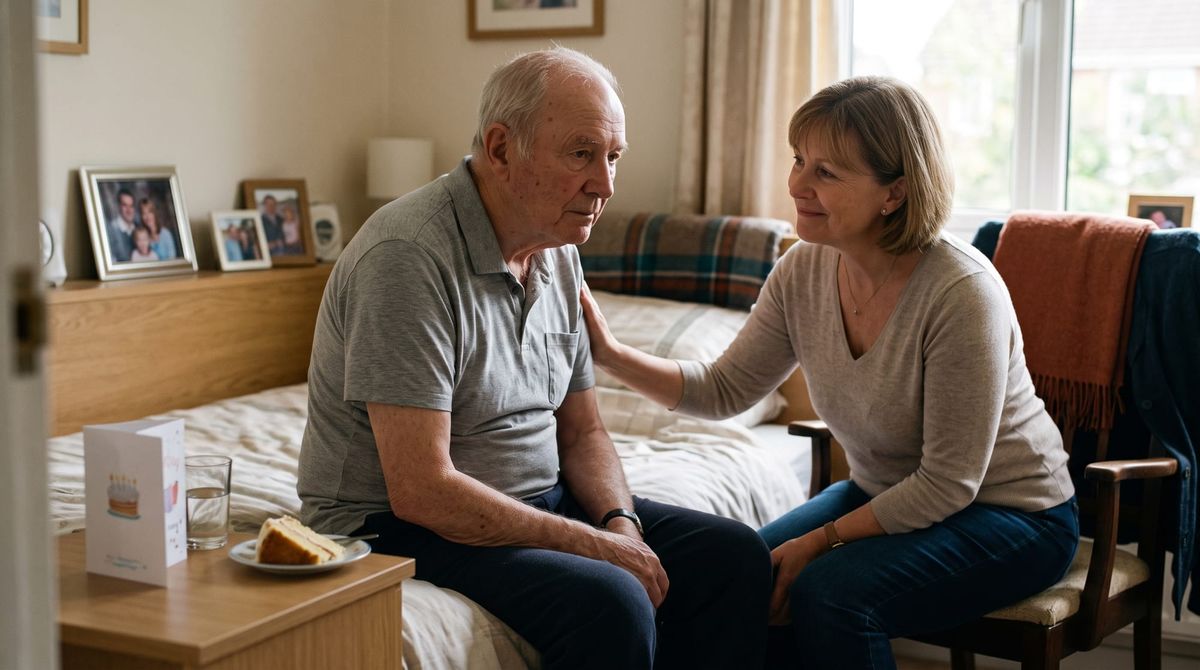
My brother has dementia and his birthday is today but he has isolated himself in his bedroom and won't come out to eat.
-Lynne
My brother has dementia and his birthday is today but he has isolated himself in his bedroom and won't come out to eat.
-Lynne
💡
Answer:
Dear Lynne,
It is hard to see your brother withdraw, especially on his birthday when you want him to feel loved and included. Thank you for reaching out.
Many people living with dementia have difficulty initiating an activity—even something as familiar as getting out of bed, joining family, or beginning a meal. Dementia can affect the brain’s ability to get started, plan the steps, and follow through. A loss of motivation, called apathy, can also occur. Your brother may need someone to gently help him begin, even when he can still take part once the activity is underway. His withdrawal does not necessarily mean he does not want your company.
First, check whether something has changed
If staying in his room or refusing meals is new, sudden, or much worse than usual, contact his healthcare provider promptly. Pain, constipation, infection, medication effects, depression, and other treatable problems can contribute. Please do not assume a sudden change is simply dementia progressing.
Check whether he is drinking and urinating normally, seems uncomfortable, or has mouth or dental pain. If he is refusing fluids, urinating much less, or becoming unusually sleepy or confused, seek urgent medical advice. Call 911 if he is difficult to wake, has trouble breathing, or develops stroke symptoms such as facial drooping or new weakness.
How the stage and type of dementia can affect his response
We cannot determine your brother’s stage from this behavior alone. These broad stages describe Alzheimer’s disease; other dementias can follow different patterns, and stages often overlap:
Early stage: He may still manage many activities but find planning, conversation, or social situations more difficult. Include him in decisions and offer simple choices without taking over.
Middle stage: He may lose track of the steps involved in getting ready or feel overwhelmed by a gathering. A calm invitation, one step at a time, and someone accompanying him may help.
Later stage: Communication, movement, and eventually swallowing may become difficult. A celebration may need to center on quiet companionship, familiar music, and comfort, with appropriate help for eating and drinking.
The type of dementia also matters because the timing and nature of apathy can differ. Ask his clinician how his diagnosis may be affecting motivation and participation. Match your approach to what he can comfortably manage that day.
A gentle birthday plan
Since you submitted your question on his birthday, these ideas can also work for a quiet belated celebration.
1. Begin with connection. Knock, approach calmly, and sit at his level. Try: “Happy birthday. I’m glad I get to spend a little time with you.” Allow time for him to respond.
2. Offer one small next step. Instead of “Come out and join everyone,” try: “Let’s sit together for a few minutes.” If he agrees, offer to accompany him to a familiar chair. Avoid repeated urging or physically pulling him along.
3. Bring a small celebration to him if he prefers. One familiar person, a birthday card, or a favorite song may be enough. Ask before playing music or singing, and stop if he seems uncomfortable.
4. Make eating easier. If he is alert and can swallow safely, offer a small portion of a familiar favorite and a drink while he sits upright. Sit and eat with him. Give him time, avoid pressure, and follow any prescribed swallowing or food-texture guidance. Persistent refusal to eat needs medical review; coughing or choking during meals also needs assessment.
5. Follow his cues. If he turns away, becomes tense, or asks you to leave, pause and try again later. A few peaceful minutes together can be a meaningful birthday celebration.
You might say:
“I brought something you usually enjoy. Would you like me to sit here with you?”
A plan for the coming holidays
Keep celebrations familiar, manageable, and flexible:
Choose his best time of day. Plan around when he is usually most alert, while protecting his meals, medications, and rest.
Keep visits small and brief. Invite one or two familiar people at a time and provide a quiet place to rest.
Offer one familiar activity. Listen to a favorite holiday song, look at a few photographs, or invite him to place napkins on the table. Demonstrate the first step if needed.
Have a simpler backup plan. If a shared meal feels overwhelming, try a quiet visit with a familiar food or music.
Share the work. Ask a family teammate to bring food, coordinate visitors, or provide companionship so you can take a break.
These adjustments help preserve familiar traditions while reducing demands that can become stressful for someone living with dementia.
Lynne, you do not have to recreate birthdays and holidays exactly as they used to be. Person-Centered Care means honoring your brother’s preferences, comfort, and abilities as they are now. Your presence can matter even when his response is quiet.
Please let us know what type of dementia he has, whether this withdrawal is new, and whether he will eat and drink when someone sits with him. Those details would help us offer more specific suggestions.
-Diane
You might also like this article:
Navigating the Waves of Grief During the Holidays
Explore the complexities of grieving during the holidays in our compassionate guide. Discover strategies for coping, personal stories, and supportive spaces like the Grief Recovery Room on CaregiverRelief.com. Find solace, understanding, and hope in navigating holiday grief.
 Diane Carbo