Caregiver Burnout and Guilt: How to Set Boundaries and Find Support That Actually Helps with Jeanette Yates - Episode 270
Caregiver guilt can make you feel like you are never doing enough. In this episode, Jeanette Yates shares how caregivers can move from burnout and overwhelm toward realistic boundaries, practical support, and tools that actually make care easier.

Caregiver guilt is one of the heaviest emotional burdens family caregivers carry 💔. It can make you feel like you should be doing more, giving more, sacrificing more, and somehow still falling short.
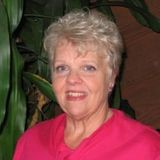
In this episode of Caregiver Relief, host Diane Carbo, RN speaks with Jeanette Yates, author of From Guilt to Good Enough, speaker, caregiver advocate, and podcast host. Jeanette brings both lived caregiving experience and a practical understanding of how caregivers can move from burnout and guilt toward healthier boundaries and more realistic support 🌿.
Together they talk about what "good enough" really means in caregiving, why caregiver-focused technology often misses the mark, and how to choose tools, support, and systems that reduce stress instead of adding one more thing to manage.
🔥 What You’ll Learn in This Episode
- 💡 Guilt and Burnout: Why caregiver guilt and burnout so often go hand in hand.
- 🌱 What "Good Enough" Really Means: How to release unrealistic expectations without giving up on your loved one.
- 🚧 Healthier Boundaries: Setting limits that protect your well-being while you keep caring.
- 🧠 Decision Fatigue and Overwhelm: Why caregivers feel so drained and what helps.
- 🤝 Trust Barriers: Why it can be hard to accept support, and how to start.
- 📱 Caregiving Technology: Why simple, practical tools are often the most helpful.
📋 Episode Outline
- 🎙️ Introduction: Diane introduces caregiver guilt and why it weighs so heavily on families.
- 👤 Meet Jeanette Yates: Author, speaker, caregiver advocate, and podcast host.
- 💔 Guilt and Burnout: How the feeling of never doing enough fuels exhaustion.
- 🌿 From Guilt to "Good Enough": Letting go of unrealistic expectations.
- 🚧 Setting Boundaries: Protecting your own well-being while caring for someone you love.
- 🧠 Decision Fatigue, Overwhelm, and Trust: Why caregivers struggle to accept help.
- 📱 Technology That Helps (and Doesn't): Choosing tools that reduce stress.
- ✅ Key Takeaways: Simple first steps toward realistic support.
🌐 Connect with Jeanette Yates
- 🌐 Website: jeanetteyates.com
🎧 You Don’t Have to Do This Alone
If you are exhausted, stretched thin, or feeling guilty for needing a break, this conversation is for you. Press play, then share it with another caregiver who needs to hear it 💙.
Podcast Episode Transcript
Diane: Welcome to the Caregiver Relief podcast. I'm Diane Carbo, RN, your host. Today we are talking about something almost every family caregiver experiences, but many are afraid to admit: guilt. Caregiver guilt can make you feel like you are never doing enough, even when you are exhausted, overwhelmed, and giving everything you have.
It can also make it harder to set boundaries, ask for help, or choose support that actually makes your life easier. My guest today is Jeanette Yates, a caregiver advocate, author, speaker, and podcast host. Jeanette is the author of From Guilt to Good Enough, A Compassionate Guide for Caregivers who are Navigating Burnout, Emotional Strain, and the Pressure to Keep Going On No Matter What.
Jeanette brings a realistic caregiver-centered perspective to this conversation. She understands that caregivers do not need more judgment, more complicated systems, or one more thing to manage. They need support that feels practical, trustworthy, and possible.
Today we will talk about caregiver burnout, guilt, boundaries, decision fatigue, and how caregivers can move forward towards support that actually helps.
Diane: Jeanette, thank you so much for joining me today. This is a tough topic.
Jeanette: Yes, it is.
Diane: One that we do not talk about enough
Jeanette: So
Diane: Yeah before, I'm sorry, before we get started, I thought I'd, ask you to share your caregiving story and what actually led you to write From Guilt to Good Enough.
Jeanette: So, my caregiving journey is long, so I'll try to be short about it. But, my mom was diagnosed with an illness in 1984. I was nine years old. And, she, from that time until the time she passed away last year, I was in some way involved in her care, her disease, and the management of her disease, and the care of her disease, even though there was a lot of time where she was doing that herself.
It's not like I was, you know, driving her to the doctor at eight years old, right? But, there was this sense of, tending to my mother. there was this sense of responsibility. at the time when she was diagnosed, I understood not much about her disease, but I understood enough to know that it makes her very weak.
And if she got stressed out, that would make it worse. So in my mind, in my nine year-old understanding, that meant I had to be a really good girl and not do anything to stress out my mom. And even though I obviously, as I aged and learned more about her disease and all of those things.
In theory, my understanding should have shifted, but I think because it was just so embedded in my little, the core of my little self I basically carried that responsibility of it's not only my job to help take care of my mom, but it's also my job to make sure that she's not stressed out, that she, I felt responsible for her emotionally as well as physically and all of those things. And she was married to my stepdad, but they ended up getting divorced, about 20 years ago, which then really put me at the forefront of her care.
And then in 2009, she was diagnosed with breast cancer in addition to her illness that she was diagnosed with, in 1984. And then ever since then, ever, you know, once that happened and we got through that, it was a miracle that she survived Which was, which was the MO for my mom. Like, the odds were stacked against my mom from the get-go, and she just kept knocking down those obstacles, That was kind of her thing. but she just, it was a real... For 20 years, you know, from 2009 until she passed away last year, was a slow decline at first and then rapid, the last 10 years where it just was more and more things got put on that caregiving list. and By the time, 2019 rolled around, I was already maxed out.
And then 2020 happened, and the little bit of support that some of her friends were giving her, like to go and, they would do the grocery shopping for her or, things that I didn't you know, that I didn't have to do it and she didn't have to do it. or, she had another friend, which I did not know this at the time, but was going over and making meals for her every single night.
I just thought they were, like, I thought they were hanging out, as best friends. Like, I didn't realize my mom actually couldn't... she kind of kept that from me. So 2020 happens, they no longer can really be around her, and then I'm with her every day.
She still lived in her apartment which was modified for her wheelchair and walker and things.
But I would go... And I realized, "Oh, this is really bad." And from that time until she got into the nursing home, it was, you know, fifth gear, breakneck speed, emergency after emergency, and that's when the burnout really... I mean, it's probably burned out for five five years before then.
But that's when the burnout happened. And as I went through the process of clawing my way out of that, I don't even like to use the term burnout, 'cause it's thrown around so like it's
Diane: Yeah
Jeanette: it's gotten used so much that it doesn't really mean anything anymore, I think.
Diane: Yeah.
Jeanette: but what else are you gonna say?
That's what Yeah. But I really, you know, I always described it as, I felt like, a campfire, on the next morning, when you walk out
Diane: Oh, wow. Yeah
Jeanette: of the campsite. The... And it's just to the ground. There's trash in there. It's all like just, I was burnt down to the ground.
I wasn't just burnt out. So my journey of getting out of that, and we'll go into that a little bit more in a minute. But that process, things I discovered, things I learned about myself, I felt like it was worth telling that story. Because even though everybody has their own unique story, I felt like some of the things that I learned, would help other people.
And the biggest thing I learned, the biggest part, was burnout is not a self-care problem. It's not
Diane: Yeah. You know,
Jeanette: it's not, "Well, we just need to take, to get better care of ourselves." Yeah. That's not, I mean, it's not false, yes.
Diane: Yeah.
That's part of what's happening. But the real issue around that is guilt, and then also to some extent, I think it would be remiss to not say, and then also of course the system that we're trying to navigate is also broken,
Diane: Yeah. Yes, yes.
Jeanette: So that's what led me to get to write the book is because I felt like my experience of learning more about guilt than self-care, 'cause I already knew a lot about self-care 'cause I was a Pilates instructor, I did, I ran half-marathons. I did, I knew about taking care of your body.
Diane: Yeah.
Jeanette: It wasn't doing me any good.
So I had to dig deeper, and that's where I found the guilt issue. And so I felt like if that was something that I needed to know, I bet it was something other people needed to know too, so that's why I wrote the book.
Diane: Absolutely. Along with guilt comes shame.
We're ashamed, we're afraid, we're eh, we're being a typical caregiver is judged all the time.
And they carry guilt with them every day. What does caregiver, guilt often sound like in real life?
Jeanette: Well, I think there's a lot of components to it. one of the things that I had to, you know, ferret out, if you will, and other people can probably relate to this, is there was that guilt of, my mom never was at a place, and this happens to my mom's illness was the way it was. It was, you know, gonna continue to debilitate her. People who have loved ones that are, that have an illness that's not gonna get better it's not that they just broke their hip. It's all these other, it's Alzheimer's, it's Parkinson's, it's these things.
There's not gonna be a point where you have, quote, "done enough," where, like, you have checked off all the boxes and then they're gonna be okay. That's not
Diane: Yeah.
Jeanette: And so I think part of it is this, this concept of, that it's never enough because it's and I think part of that is we're trying to, I know for myself, I kept trying to control my mom's disease.
Diane: Yes. Yes. I do.
Jeanette: You know? Yeah. And so I felt guilty that... And like I said, some of this was connected to that childhood understanding, which, I obviously am not doing a good enough job because she's still getting worse, right?
Diane: I relate to this. So there's...
Jeanette: Yeah. Yes
Diane: because my mom became seriously ill with lung cancer after, a gallbladder surgery.
I was 17 at the time. The oldest of four.
Jeanette: Yeah.
Diane: And that experience changed my whole life trajectory how I responded to things. And if anybody ha- could feel guilty or ashamed that they didn't do enough or could've, could have made a difference in a different way, I totally understand. And you're right, your inner child, what you've experienced, that's such a, it's trauma at such a very early age. So, I absolutely love that you wrote this book because so many care it's an every day... They have a little person on their side. the bad guy that's saying, "You're bad. You didn't do enough. You should be ashamed of yourself. There's more you can do."
Jeanette: Yeah.
Diane: And let's control this, It doesn't work that way.
Jeanette: So well, and you know, I had some of that, like I said, from my child just, my childhood understanding. We also have these and sometimes it's an overt, like you mentioned at the, the beginning of the show, this overt judgment from other people where they're telling us we're not doing enough. And then which is its own thing.
Diane: Yes.
Jeanette: And that causes guilt and shame. And then there's also these, whether they're cultural expectations or religious expectations or societal expectations, or because we watched a TV show that had a caregiver in it.
Diane: Yeah. Yeah.
Jeanette: We think that's, whatever image of caregiver that we have in our head, wherever it came from, family, culture, religion, we put that on as the way we should be. And one of the things that I had to do was, I would, you know, I started questioning that, like, "You're not doing enough," or, "You're not a good caregiver."
I would say, "Who said? Who is saying this?" Who's saying that? Because, you know, although my mom and I, we would get frustrated at each other, sometimes she would tell me I wasn't doing a great job. But for the most part, it wasn't her, right?
Diane: Yeah. Yeah.
Jeanette: It was things that I thought I should be doing, things that other people said I should be doing, misunderstandings about my own belief, my own faith system. Once I got curious about it and started asking the question, then I was able to examine those pieces a little bit more. so and so did caregiving this way, but their situation was different than mine, and so I've made these choices, or my mom and I have made these choices that are different.
And that helped with the guilt somewhat or helped at least expose, where it was coming from so that I could, not hold on to every single thing that was running through my brain about what a terrible job I was doing.
Diane: You know, one of the, things that family caregivers are facing now is also the unrealistic expectations placed on them by the healthcare system itself.
Jeanette: Yes. Yes.
Diane: The facilities have had, our insurance companies now, they, and Medicare, they're rationing care, but they're also, because they have a lower level of reimbursement, they're sending patients home unsafely with the expectation that the family caregiver can perform tasks, that should be done by healthcare providers.
Jeanette: It's exactly right.
That you're exactly right, and that happened to me so many times. There was a time, she would get infections all the time, and they would, you know, sometimes she would be in the hospital until the end of the infection, and then sometimes they would, like you say, send her home. one time she was, she came and stayed at my house, because she had to have 30 days worth of antibiotics, IV antibiotics.
They sent somebody over to teach me how to administer them.
Diane: I did home IV infusion. I understood
Jeanette: Yeah, and this was like, and it was like they expected me, and I'm, highly educated. I was a stay-at-home mom at the time. I understand.
Jeanette: I wasn't, so
Diane: You weren't a medical person.
Jeanette: But I wasn't a medical person.
Diane: Yeah.
Jeanette: And even with, you know, and then they're like, "Oh, and by the way, make sure there's no air bubbles."
Diane: Yes, yeah. We're gonna get
Jeanette: Because you could
Diane: Yes. Yeah,
Jeanette: you could kill your mom. And I'm like, no pressure." Know? Like, thanks a lot. And so it was, that kind of stuff was very stressful.
And then to your point about, this, the unsafe discharges. They will ask the patient, and this is one of the things that, I had to push back with my mom and the system eventually. I didn't for years, and then that was part of the problem. But eventually I started really pushing back because they would say, "Do you have any help at home?"
And she would say, "Oh, yeah, my daughter is wonderful. You know, she'll do anything." And I was like, "You guys, she's lying to you. Like, I, I am her caregiver, but I can't be with her 24/7. I have a family. I have a job- you know?" And she's acting like I can just drop anything and run over anytime, and that's not the truth.
And so, I really
Diane: Well, what's happening now is the facilities are actually pushing the patients out the door, and, they're telling the family caregiver, even if it's an unsafe discharge. just yesterday I had a situation. A little lady in Georgia, we were doing a coaching call.
She's all upset because she says to her, She's got a husband, and he's going to, he's supposedly coming home. I mean, this is a nightmare.
Jeanette: Yeah.
Diane: But because it's, the Medicare after 20 days
Jeanette: Yeah
Diane: you have a copay. Now, the copays for Medicare Advantage, I call it Medicare Disadvantage
Jeanette: Disadvantage.
Diane: Yeah, is 200 to $400 a day copay.
Jeanette: Yeah, yeah.
Diane: It's unbelievable. And they told her, you can take him home. Not only did they send him home, and there's so many things that went wrong with this. But they didn't do a home safety eval. They didn't order enough equipment. They didn't even they sent him home in her car, and She has steps to get up, him into the house.
I mean, and she felt guilty if she didn't take him home.
Jeanette: Right, right. And I think that's that third piece of
Diane: Yes
Jeanette: the guilt where it's, the... Especially here, in the United States, you know, the healthcare system is relying on unpaid family caregivers to uphold the system.
Diane: Yeah.
Jeanette: And they know we're not going to just all go on strike, right? We you know, like ideally if we all stop. I'll tell you
Diane: What.
Jeanette: Yeah.
Diane: We've got to do something 'cause we are at a very dangerous time in our system right now. Our healthcare provide our caregivers are not just the single largest pillar of the long-term care industry.
They provide over $1.1 trillion of care, unpaid care a year.
You know, if we... and at a sacrifice, 63% of them become seriously ill or die before the person they are Care,
Jeanette: yes
Diane: providing care for
Jeanette: and it feeds into, that's just more medical care
Diane: Yes, yes
Jeanette: that
Diane: Yes. Oh
Jeanette: And then of course there's the problem, and we don't have time to talk about this today
Diane: No
Jeanette: but I'm sure you're aware of the, five million caregivers that are under the age of 18
Diane: Yes, yes
Jeanette: that are providing-
Diane: I was one of those
Jeanette: Yeah.
Diane: and I understand it. and nobody even talks about those poor kids.
Jeanette: Yes, yes. Yeah. I think, you know, one of all the horrible things that have happened since social media, one of them that came out. But one of the good things is that we, there are more opportunities for people to tell their story, which I think is so important which is why I love what you're doing with your podcast and your platform. that's what I try to do is people need to hear well, for two reasons. First of all, people need to hear, like, if I share my story and somebody hears it and can relate to it, they know they're not alone.
Diane: Yes.
Jeanette: But then also there's this understanding of, okay, there's all of us out here, and we're not getting the support we need.
Our loved ones aren't getting the support they need, Yeah. And this is going, this is a house of cards that is not going to be able to be sustained, and we're just now hitting the boom that's coming of the need.
Diane: Oh, it's here.
Jeanette: Yes.
Diane: It's just that we for the first time ever in the world there are more seniors than youth in the country or in the world.
And we have a serious problem. We have no one to take care of our elderly.
And no generation after the boomers has replaced themselves in numbers. Yeah. In fact, we are at, very critical low birth rates for the first time ever. And, it's very serious. The youth are our workforce.
Yeah. They are our tax base. Who's gonna be paying for all this care or for future generations? So
Jeanette: Right
Diane: and I worry about the solo agers and,
Jeanette: Yes
Diane: childless couples. who's gonna provide for them?
Jeanette: and I have seen...And that is something that's definitely concerning, but I do love what I as a few things I've been seeing, and mostly they're happening in other countries, but people are starting to talk about it here.
But there are these communities that are being, built up, that are solo aging people or childless couples that are living in little communities together so that they can help one another out.
Diane: The Golden Girls.
Jeanette: Yeah, kind of and like, or I saw this one thing the other day, so I've seen two separate ones, but one was the, that was like a beautiful, mountainside village somewhere in Europe. I'm sure. but they were buying those like little tiny houses.
Diane: Yes.
Jeanette: And then they were, but they were all like close together so you could like, two steps and you're at your neighbor's house. They're not, you know, too hard to take care of, but you have this community, and I think like that's the kind of thing that's gonna have to happen, is, you know, it's not an assisted living or independent community like the, 'cause those are super expensive, right? But it's cheaper to buy these tiny houses or in this area
Diane: Yeah, exactly
Jeanette: and do something like that.
Diane: yeah, and you share like transportation.
Jeanette: Right.
Diane: You share if the barber or hairdresser comes, you share a hairdresser.
I mean, you share, you know, somebody shopping for you or if you need help with bathing and dressing, we're gonna have concierge services available to us because there's no and you'll be paying, privately out of your pocket for care. And if you can share that, that cost with others, it makes it easier.
But that's the future.
Jeanette: Well, and what you're describing though is basically an updated version of the way things used to be is in communities
Diane: Exactly
Jeanette: where everybody shared the load. What's happening now is, we used to be able to have this sense of community, whether our family lived close or we were, you know, best friends with our neighbors for decades or whatever.
Diane: Yes, yes.
Jeanette: And just things are not like that now, just various reasons. You know, it's not like, I don't wanna, say it's all bad that this has happened, this is just the, you know, this is something that has happened. And so it's interesting that the solution is really like, okay well, we're gonna create basically a similar situation.
Diane: We've lost our sense of community. We have. And that's why so many feel and fear they're going to become a burden because if you have a sense of community, I'm gonna use the Quaker community that I live near in North Wales. They had a nursing home. And inside the nursing home was, the elderly could watch child daycare.
And they had everybody in that community in the apartment setting and everything would come and volunteer at the nursing home and assisted living. They had, you know, volunteers do all kinds of things. And you don't feel like you're a burden.
Jeanette: Right, right.
Diane: Now we have that situation and that's I think that's why caregivers often feel like they're never doing enough because
Jeanette: Right
Diane: you know, and they're even sacrificing so much as well.
Jeanette: Right. Well, and that's why when I did go through my own, you know- discovering my burnout and discovering how, therapy was very big for me. I got into therapy almost immediately, and I'm still in therapy. But it really helped me.
Like, I was too afraid to say no to my mother, to say, "This is enough. We need more help," or, "This is enough. I need more help," or, "No, I'm not going to do this anymore. It's not safe for you or me." I was not able to do that. And like I said, part of it was that little child that was like, "You can't...
Well, you can't say you what ... You're going to disobey your mom? You're going to..." Who tells their mother no, right? And so I had to learn about
Diane: People often have a problem with that. Yes They do. I know. I can't say no. I grew up with that, too.
Jeanette: Yeah.
Diane: And that's why caregivers struggle with boundaries.
Jeanette: Right.
Diane: Because they fear they're being selfish.
Jeanette: Right. And I think, my mom really struggled. and she was able to articulate this to me. She did not, towards the end, the last, like, eight months of her life, she started to have some cognitive decline. But for the most part she was very able to.
But she would say, like, I just... She just wanted it to be like when she was growing up and, from, you know, great grandma Big Granny was actually her name. As opposed to Little Granny. There was another one. So Big Granny came and stayed with them for a while, and then eventually Big Granny would go stay with Aunt and then, you know.
And that's how it worked in their farming community they were in. All, the whole entire family lived within a few miles of each other. They all helped on each other's farms. They shared the load with, the loved ones that needed extra help. but also, Big Granny wasn't having to go to the doctor all the time, and she, they weren't trying to have a ton of...
Big Granny stayed in her bed all day. And when my grandmother had a minute, you know, she would take her food and all this kind of stuff. But, like, it wasn't this. Now it's this like, are you being active enough with your loved one? Are you taking them to all their appointments? Are you know, making sure that they're, doing their PT and their OT and their and the, it's like this whole thing.
And
Diane: entertainment.
Jeanette: Yes. Yeah. Where are they entertained and so on. It's being so strict.
Diane: Yeah.
Jeanette: Yeah, yeah. So there's, more expectation now than there was then. Yeah. In addition to all of the societal changes. And for me, I had to learn that and, you know I had to learn that boundaries with my mother, were actually the most loving thing I could be doing.
That the fear was actually causing her to be allowing, I was allowing her to, And she had her own fear of going into a nursing home or something.
Diane: Yeah.
Jeanette: And instead of addressing the fear, I just was like, "Well, she doesn't want to go, so I'm not gonna, I'm not gonna keep arguing with her about it."
She, you know. And so but then what ended up happening is she was in a very, very precarious situation in her home, even as modified as it was for her. I was in an unsafe situation and so it was we were always waiting for the accident to happen, And she would say, "Well, I would rather fall on the floor and hit my head and just be gone than go live in a nursing home."
She would tell me that.
Diane: Oh, I know. And- I've heard that before. Yep
Jeanette: And, you know, it wasn't until I got into therapy that my therapist was like, "But then, like, you could also tell her, 'But Mom, what if one of your grandchildren comes over here and sees the... you know comes in? do you want that for them?
Do you want that for me? Do you want me to walk in one day and you're on the floor?'" Like Yeah ... let's think this out a little bit. that's not what we really want, right?
Diane: Yeah.
Jeanette: and so learning to set boundaries, you know, I will say I knew that... 'Cause the original plan was her to, for, when she couldn't live on her own to move here, right?
That was the first plan, for her to live with me. But then what we realized is, her apartment was, modified for her. She was able to use it. Our home is completely inaccessible. And so what we realized was when she wasn't able to live there, she was gonna have to go somewhere else because her care need was gonna be too great, and she
Yeah
and but I knew I was gonna have to have that conversation, but I knew that wasn't gonna be the first boundary I was gonna set. It's not like you cannot set any boundaries and then set the biggest boundary of your life with your person. So I had to, my therapist and I worked on smaller boundaries that helped me get into practice of saying no on something that was, like, smaller.
That's awesome. Like- Yeah ... "No, I've already brought you Diet Cokes this week. I'm not going" "to bring you some more Diet Cokes this week. I'll bring you some more next week when it's grocery day," or whatever.
Diane: Yeah. Yeah.
Jeanette: Just little things. And that actually really helped me. It sounds dumb, but it really helped me.
And then we built up to the bigger conversations. And they were still hard, but they weren't as hard, 'cause it wasn't the first time I'd ever said, "Let's think about this for a minute," or, "Let's..."
Diane: Yeah.
Jeanette: Yeah. Yeah.
Diane: And that's really hard for every caregiver to do. And I love the way you did incremental steps
Jeanette: Yeah
Diane: And worked on it. that's a really good, way to help caregivers understand boundaries differently.
Jeanette: Yeah. Well, and one more thing I want to say about boundaries, or, and I could actually say 10 more things. But the one thing- Oh, I know. The one thing about boundaries that we really need to understand, because a lot of we alway- and I said this, and maybe someone who's listening or maybe you can relate to this, will say, "They're not respecting our boundaries."
"They're not respecting." And I had this epiphany one day where I was like, "Wait. It's not her I mean, it would be nice, but it's not her job to respect my boundary. My boundary, the boundary you're setting is not about what someone else is or is not going to do. It's about what you are or are not going to do.
So I had to decide what I was capable of doing, what I was willing to do, and you know, what, all of those things. And then once I understood my capacity emotionally, physically, et cetera, then I could say, "Okay, this is, this is how I can help in this particular situation, and that's what I'm going to do.
And then I'm not going to do more than that." And then she would still ask me to do more, and I would have to say, no. if you need more, we can find more. We can look for support. We can ask a friend. We can call the church. We can see about getting care." the, there's ... I know not everybody can hire care, right?
But there's, there are, you have to get creative and think outside the box. So I was like, "If you need more support, we can find some, but I can't give any more than I'm already giving." And in those little ways to be able to say that was helpful for when I had to say it in the biggest way, which was
Diane: Janette, I recommend all my care, family caregivers to im- s- create a family caregiving contract.
And in it, you actually, if your family has money, it's a good way to u- utilize it for you to get paid by them as they spend down if they're going to be on Medicaid. So it allows you to be paid, but it also allows you to say, "When you get to this point, you become incontinent of bowel and bladder- I don't feel comfortable providing that kind of care. We either have to get help in the home at that time, or you're going to have to be placed. Or if you become socially aggressive or sexually inappropriate or I feel, afraid, for my safety, these are times when I will no longer be able to, take care of you.
That way you have something in writing, and it's also a way because so many siblings and extended family members are so awful to the primary caregiver. You don't do this right, you don't do that right. They're judgmental. Well, this actually makes them help be responsible providing care.
Because you look at this as a job.
Jeanette: Yeah.
Diane: Which I know people say, "Oh, that's offensive." get over it. It is a job, and it can last very long. You deserve time off. You deserve a vacation, those things. Yeah. And you're not going to able to get it all the time. So you, these unexten- these, extended family members and judgmental, uninvolved siblings need to be personally financially responsible to contribute so that outside help can come in, or they can get their butts in the door to provide care when, so that you get a break.
Jeanette: And it's so hard. I love that you do that. It is so hard to, I was very fortunate that my mom, did. We had all of our paperwork done, including a personal care contract a good 10 years before I ever had to dust off any of those papers.
Diane: Oh, good.
Jeanette: And they were still, and I remember calling the lawyer and being like, "We signed these 10 years ago. Are they even still good?" And luckily they were. But, so but I, it was the one thing that really made all of the hard things, you know, the last five years easier.
But to your point, like, nobody wants to think or say, I'm not, like I'm not sure. we all want to say, how should I say this? We all want to say, "Oh, we don't need that. we're going to be, we're going to work together," and da da da da da. And yes, you may think that, and you may want that, and y'all mo- both be on the same page now, but your life is going to change, their life is going to change, and you have no idea what you're going to have to deal with as a caregiver.
And people, the fact that you mention incontinence of bowel and bladder
Diane: Yeah
Jeanette: is one thing that people do not think about. They do not think about it. And it's one thing to be like, "Oh, yeah, it's fine," but it's, you know, people say all the time, "Your mother ch- your mother changed your diapers. You should change hers."
I'm like first of all Changing a 10 pound child's diaper is not the same as changing a grown adult's brief.
Diane: Yes.
Jeanette: It's different, one, and two, it is, we can't do this, they did this, you do this. they do this, you do this. That's not, ... 'Cause then what- Well, it doesn't matter what other people say
Diane: it's just, it's a slippery slope.
Jeanette: Right.
Diane: It is a slippery slope, and if you personally feel uncomfortable providing intimate care to your
Jeanette: Yeah, showers
Diane: mother or father, you have a right to say, "I'm uncomfortable." "I don't want to do this. This is my boundary that if we cross it, we either need help in the home or you need to be placed."
Jeanette: Yeah.
Diane: And I also encourage creating a care team partner approach where like your mom was smart. She had someone that was a friend that came in and cooked for her. That's the kind of things. You want practical, support when you're going through your caregiving journey, someone that can maybe help with the laundry or just sit with your parent and do an activity while you're out running around or going to the gym or seeing your own doctor.
There are things you can put into place so that you get regular ongoing respite care, and I'm not ... 'Cause respite care is not affordable. It's not available very often. But if you put a team in place where you just have someone that can come in when you run to the doctor's or go to the gym or go for a walk every day that covers for you, that's all you need, sometimes to get through your caregiving journey.
And, my biggest problem with caregivers, as you say, they become controlling and they want to control everything, the illness. They even want to control how you are, the person their loved one is cared for.
I get that to a point, but if somebody's coming in to ask, to offer their assistance and they may not do things the same way you do but they're getting the same result, you need to step back, take a break, a breath and say- "Okay, I can do this," but let go of that stuff.
Jeanette: Yeah. Well, and that's the thing is we get this idea that if we only do these steps, if our loved one eats this way, if they do these exercises if they do this, if they do this, then I'm a good caregiver. So allowing someone else to come in and maybe they're gonna, you know- fix something that has too much salt in it or too you know blah, blah, blah, whatever. It's like, "Oh, no. now it's all messed up and it's gonna be all my fault because now something bad's gonna happen." And it's like, you know, so my mom had diabetes because some of the medicine she was on.
She had swallowing issues and chewing issues. and then she had she was overweight also because of the, some of the medications and stuff. And at one point she was like, "If I don't eat..." Oh, and she had IBS. So she's like, "If I don't eat things that upset my stomach and I don't eat things that are hard to chew, and I don't eat things that are bad for my diabetes, then I'm not enjoying, like, any..." there's
Diane: She's not enjoying life
Jeanette: this is the only thing I have. Give me a biscuit.
Diane: Yeah, yeah, yeah. Yeah.
Jeanette: You know?
Diane: She's not drinking, she's not smoking, she's not out having sex. She's not, you know having a boyfriend and going out and doing drugs.
Yeah, she's just like, she, you know, and she tried. She went, She just wants her decent meal.
Jeanette: Well, and it was funny 'cause she did like 30 years of being a vegetarian because of inflammation.
Diane: Oh my Lord,
Jeanette: Yeah. And finally she was like, and she's from the Sou- like, they used to, you know they're on the farm. They got had that real food you know, real meat. Yeah. And so and then she's like, you know, one day she had arthritis in every joint in her body. God bless her, yeah. In her neck, shoulders, hips, everywhere, toes, everywhere. Yeah. And finally she goes I don't know that this is working.
Inflammation. And she's like, "I think I just want a pork barbecue sandwich." And, she's like, "Forget this." And so she made the decision to be like, yes, I know this is probably, quote, "better for me", but, And not that, you don't pay attention to what you're eating.
I mean, I'm not saying, like, I get that give someone, you know give a diabetic an ice cream. Not, that's not what I'm saying. But like, you know, depending on what stage they're in, you know in their life and, you know, if there is a chance they get better versus, But my mom was in the stage of she's not getting any better.
Diane: Yes.
Jeanette: Yes, yes. So like, but this idea of, like you say, that we have a, and we have everybody telling us, "Well, if they ate this way and they took these supplements"
Diane: Yes, yes, yes
Jeanette: and if they did this much, and if they do this, and you gotta do this, and don't, And then we're trying to implement every idea that we've heard in the hopes that we can fix it.
Diane: Yeah.
Jeanette: We can't.
Diane: It's not possible. No. No. It's not possible at all. and now you talk about, caregiving tools or a support system. and you also talk about caregiver focused technology. where do you see care technology missing the mark for real family caregivers?
Jeanette: Well, for the most part, I think they're... So part of the reason I started talking about technology is because I just started feeling like I was being inundated and everybody I know is being inundated with all of these new tools that are gonna cure caregiver burnout and, make communication easier with your family and your doctor and la, la, la, la.
And I was like, is it? and so because I had worked some in the technology space, I had a little bit of background in that, and I had a lot of background in caregiving and knowing what really works and really doesn't. And, and then I think about the things that we all have to deal with, which is the technology that every doctor's office has implemented where we have a portal now that doesn't ever work the way we want it to.
Diane: Oh, God, no.
Jeanette: We gotta log in. We gotta do all that. And it's like, so these are the... You know, this is the kind of technology that we're gonna be asked to deal with? no, thanks. And I started doing research on, technologies that were geared towards caregivers and aging people.
And I developed this framework for really thinking about, caregivers as a customer base.
If I'm the customer... And I also worked, when I worked for the technology company, I worked in the customer service and marketing side. Sure. And, customer support. And so I really understood the value of good customer support and how that starts when you develop the product.
It doesn't start when you start selling it. And so what I have seen happening a lot is someone will have an idea, there's bad actors everywhere. But for the most part, the, the technology that's coming out is people are trying to do the right thing, right? Yeah. they're try you know.
They're like, "Oh, I have a idea." Yeah. Sometimes these ideas are because this person is a tech person, and then they have encountered some kind of caregiving in their own family or someone else's. Right. And they're like, "Ooh, I have an idea, and I'm gonna make this tool, and then everybody's gonna use it."
And it's like, well, is it really hard to set up? How many, how many is it going to forget my sign up? How, and it, like how many passwords am I going to have to remember? It, if I have to use it and let's say you and me, Diane, are on the same care team and we're caring for, a person C, you know, you have to have a sign in, I have to have a sign in, person C has to have a sign in.
But they don't know how to sign in because they've got cognitive decl-
Diane: Yeah. Oh, yeah. Yeah.
Jeanette: They're not thinking about all of that kind of stuff. And so I try to, look for tools that have considered not only the caregiver as a customer, but also the care recipient as someone that, deserves to have autonomy and privacy and safety.
And, I believe that, even if you think you're developing a tool to help caregivers, you're really developing a service. 'Cause even if it's an app I download, I'm going to need support. Even if I'm, a Gen Z caregiver that knows all the tech- Oh ... and has been playing with technology my whole life, I'm going to be tired.
When I have to use this tool, I'm going to be tired, I'm going to be stressed out, I'm going to be trying to log in, and if it's not going to be easy for me to use, then it's worthless to me. I will never know that your tool is the greatest thing ever if I can't use it. So, that's the biggest gap I see, is the idea of like, oh, this tool can do all this stuff, but what I have to do to get it to do all that stuff is too much.
It's too much for me to carry. And then also the safety and privacy piece is something I want people to be aware of. As much as I, we all hate to read the privacy policies and the safety policies, it's very important because it will tell you in there, we use the, you know, a lot of, people get shocked when Facebook is doing something, and it's like well in the policy it says they're going to do it, And, so, one of the things I tell companies that I, 'cause a lot of companies reach out to me, and they want the, my opinion on things. I'm like, "Listen, I shouldn't have to have a college degree to read your privacy policy." I do have a college degree.
Diane: Yeah.
Jeanette: But I shouldn't have to. And if I with a college degree can't read it's too hard to read
Diane: Well, Google alone wants all material in, all your material, your content on your site to be at fifth grade reading level.
Jeanette: Right. Right, right.
Diane: So if they expect it for us putting content out there then they should– I mean, this legalese makes me nuts.
Jeanette: Yeah, it is.
Diane: It really, really does.
Jeanette: So I have an ethical AI framework that I use when talking to companies. Like, just because a tool can, just because AI can do something doesn't mean it should. Yes. So I talk a little bit about that, whether it be with the companies themselves or with people trying to decide if a tool is right for them.
I also advocate for caregivers to try to find tools that don't try to replace the caregiver themselves. but
Diane: I don't think there's a tool out there that could do that, I mean-
Jeanette: No. Well, but there's a lot of tools out there that are saying, like, "We can talk to your, you know, this companion can talk to your loved one and-"
Diane: Oh, I have a whole series on seniors and technology. And I understand what you're saying, but, yeah, I know. We are in a really dire straits when it comes to caregivers, seniors needing help, and the caregivers. The caregiver robots
Jeanette: Yes
Diane: talking about one of the biggest, concerns many have is I'm in a wheelchair, I need a, a robot that will help get me in the wheelchair and get me to the bathroom and back to bed again without having to depend on anybody, and that's the level that we're at.
I've, there's a new machine that I talked about, in, in my series that it meets that need. But you still have to be able to be cognizant enough to make the machine come to you and make it work. But it's just there's so many things right now that are dynamics that I worry about for our seniors.
Jeanette: Right, and that's what I, you know, when I write about technology, I say, listen, I'm not saying that this is a bad idea.
Diane: Yes.
Jeanette: What I'm saying is we don't know enough, we don't have enough data yet to be, mass producing and selling these types of things, especially to people with cognitive decline.
And to like your point, some of these tools are worthless if you don't have someone that can communicate well. and that, there's, so there's a lot of those types of issues that I try to at least raise awareness on. Or when I'm talking to, startups or something, I say, "What's your take on it?
What are you doing?" A lot of the, the startups that I've talked to recently are like They're doing a really great job because what they are saying is I know that my tool is best for this particular population of people who, you know, this particular place and their needs.
If they're any less than the, if they have any less need, it's not appropriate. If they have any more need, it's not appropriate. I think that's really important, too. A lot of these tools are coming out and just saying, "We can help everybody that needs anything." And it's like, no. We need tools that are specific.
Because some tools are appropriate for people with, that are just, need, have, need a little mobility help or need a little reminder here and there, but that's not appropriate for the person who doesn't remember their name, right? And we have to be you know, I tell people all the time, right now we can see that there's not gonna be, as of yet, there's not a lot of regulation coming down from on high about this, so we have to be the ones that are using critical thinking. Yeah. And it doesn't mean you have to be an expert in technology to know this doesn't feel right or, I have too many questions about this to use it. And that's okay.
Diane: And that's okay, yeah. and that's why I have a whole series on all kinds of different products out there that are available so that people can review and say, "This one sounds good and sounds like a fit for me at this point in time."
and my family member. That's important. But yes, not all these products are for every person in the world. It's just everybody has a certain need.
Jeanette, for the caregivers listening today who feels exhausted guilty, and unsure where to begin, what is one small step they can take this week towards relief?
Jeanette: Well, first of all, I would love to invite anybody to, connect with me. I'm in all the places but I know you'll put my website, jeanetteyates.com and all of that in the show notes. But, you know, reach out. I'm happy to talk to anybody, just like you do, right? like we, I'm here to listen to your story.
But 'cause I really do think knowing that you're not alone is the biggest thing that you can do. I am a part of a community called Empaira, E-M-P-A-I-R-A. I joined the community and I now am, I help them with their community. but it is an anonymous online community for caregivers, which is nice.
Diane: Yeah.
Jeanette: So that's one thing. But really just for today if anything, I want you to say these words, which is what I, a, a friend of mine said to me and then it became my mantra the last five years of my life, which, or not my life, my mom's life. I'm still here. The last five years of my mom's life, and I even Say it to this day, which is I have done enough, I am doing enough, I am enough.
And so for you, you are doing Beautiful you have done enough, you are doing enough, you are enough. And just even if you don't believe it at first, keep telling yourself that because it really will make a difference.
Diane: Yes.
Jeanette: Look back on all that we've done, and we shouldn't or we have done, and then we more.
And then that leads us to believe that we are not enough as people, and that is where the real breakdown happens. So you are enough. You are enough.
Diane: How do they reach you?
Jeanette: So my website has a contact form that's really easy to fill out, and it comes straight to my email inbox. So you can go there, jeanetteyates.com.
I'm also on Instagram and TikTok and Facebook at Jeanette Yates, at The Self Caregiver. Both of those are ways you can reach me. And like I said, I love to connect with caregivers. Everybody's story is unique, but we are together, a community that is a mighty force Diane.
Diane: I wish we could get enough of them together, so like thousands of us, to actually become a big lobbying unit. Right in, because we need some representation, and there's power in numbers.
Jeanette: Yes. Can you imagine the march?
Diane: Oh, my gosh.
Jeanette: Can you imagine the march?
Diane: Oh, my. it would be If caregivers did a Yes, yes.
If with their, with the person they're caring for. With their person. That's right. In a wheelchair or whatever. Oh, my gosh. What and the young kids. Get the kids who are caregivers.
Oh, man. That would be powerful.
That would be powerful. Yes. Yes, yes. For sure. Jeanette, thank you so much for sharing all your information.
Jeanette: I really appreciate it. Well, thank you so much. This has been fun. I was glad to meet you. I'm glad we finally connected. We had a little, a few snafus, but thanks for hanging out and not giving up on me, and it was such a pleasure to talk to you and your audience today. Thank you so much.
Diane: Oh, I enjoyed having you, and I think that you have a very important message that needs to be shared. So, I welcome you. to my family caregivers out there, you are the most important part of the caregiving equation. Without you, it all falls apart. So please learn to be gentle with yourself.
Practice self-care every day because you are worth it.
Caring for a loved one can be overwhelming — but you're not alone. If you have questions, big or small, our expert team is here to help.
👉 Click here to Ask the Expert
Our Resource section can help you find the information and tools that you need. We have courses, videos, checklists, guidebooks, cheat sheets, how-to guides and more.
You can get started by clicking on the link below. We know that taking care of a loved one is hard work, but with our help you can get the support that you need.
Click here to go to Resource Section now!