Funeral Pre-Planning for Seniors: Protect Your Family From Stress and Costs with Bob Arrington - Episode 269
Funeral pre-planning is not about being morbid. It is about protecting the people you love. In this episode, Bob Arrington shares why planning ahead can reduce stress, prevent confusion, and help families make thoughtful end-of-life decisions before a crisis.

Most families do not want to talk about funerals until they are forced to make decisions during one of the hardest moments of their lives 💔. But what if you could spare the people you love from that pressure?
In this episode of Caregiver Relief, host Diane Carbo, RN sits down with Bob Arrington, spokesperson for the National Funeral Directors Association (NFDA) and Past President of the association, to talk about why funeral pre-planning is one of the most loving gifts we can give our families 🎁.
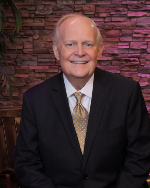
Bob is a licensed funeral director and embalmer, Certified Crematory Operator, and Licensed Advance Funeral Planner with more than five decades of experience in funeral service. He explains why pre-planning is not about focusing on death. It is about protecting loved ones from emotional stress, financial pressure, and difficult decisions during a time of grief.
If you are a senior, family caregiver, adult child, or someone helping a loved one prepare for the future, this conversation will help you understand what funeral pre-planning really means and why it matters before a crisis happens 🕊️.
🔥 What You’ll Learn in This Episode
- 💡 What Pre-Planning Really Means: Why funeral pre-planning is not about being morbid, and how it protects the people you love.
- 🧘 Less Emotional Stress: How planning ahead prevents confusion and rushed decisions when your family is grieving.
- 💰 Protection From Unexpected Costs: How pre-planning helps shield loved ones from financial pressure at a vulnerable time.
- 🔥 Cremation and Burial Decisions: What seniors and caregivers should understand about their options.
- 🏦 Advance Funeral Funding: What to know about funding your plans ahead of time.
- 🗣️ Family Communication: How to talk about your wishes and make them clear before a crisis occurs.
📋 Episode Outline
- 🎙️ Introduction: Diane Carbo, RN introduces why so many families avoid talking about funerals until a crisis forces the conversation.
- 👤 Meet Bob Arrington: NFDA spokesperson and Past President with more than 50 years in funeral service.
- 🌿 Pre-Planning Is Not About Death: Why planning ahead is really about protecting your family and giving them clarity.
- 💔 Easing the Emotional Burden: How a plan in place spares loved ones from difficult decisions during grief.
- 💵 Protecting Your Family From Costs: Understanding the financial side of funeral planning and avoiding unexpected expenses.
- 🔥 Cremation and Burial Options: The decisions seniors and caregivers should think through ahead of time.
- 🏦 Advance Funeral Funding: How families can prepare financially in advance.
- 👨👩👧 Talking With Your Family: Starting the conversation and making your wishes clear before a crisis occurs.
- ✅ Key Takeaways: Simple first steps for seniors, caregivers, and adult children.
🌐 Connect with Bob Arrington & Resources
- 💼 LinkedIn: Bob Arrington on LinkedIn
- 🏛️ National Funeral Directors Association: nfda.org
- 🕯️ Remembering a Life: rememberingalife.com
🎧 Don’t Wait Until It’s a Crisis!
The best time to talk about funeral wishes is long before anyone has to. Press play on this episode, then share it with a parent, a sibling, or a friend who is caring for someone they love. One honest conversation today can save your family so much heartache tomorrow 💙.
Podcast Episode Transcript
Diane: Welcome to the Caregiver Relief podcast. I'm Diane Carbo, RN.
Today we are talking about a subject that many families avoid until they are in crisis, funeral preplanning. My guest is Bob Arrington, spokesperson for the National Funeral Directors Association, and a past president of association. Bob has more than five decades of experience in funeral service, and has helped countless families make meaningful, thoughtful decisions during some of the most difficult moments of their lives.
Bob is a licensed funeral director and embalmer, a certified crematory operator, and a licensed advanced funeral planner. He founded Arrington Funeral Directors and Crematorium in Jackson, Tennessee, and has served in leadership roles at both the state and national levels. Today, Bob joins us to talk about why funeral pre-planning matters for seniors, family caregivers, and adult children.
This conversation is not about fear. It is about love, preparation, reducing stress, and protecting the people we leave behind from having to make difficult decisions without guidance.
Diane: Bob, thank you so much for joining me today. as I was saying to you before we started, I am a big advocate for people pre-planning their funerals.
Bob: Yes. Thank you for having me. And, most of all, thank you for approaching this subject matter, 'cause it is one of those things that nobody wants to talk about. It's almost like they, "Oh, no. I don't want to talk about that. I don't want to do that." It's almost if they do it, death is going to occur, when in reality, none of us walking around really control that.
We all know
Diane: Absolutely
Bob: unless the Lord comes back, we're all gonna face death, and we're all, somebody's gonna plan a funeral. I am like you. I have been a Even though I am in the profession, I can testify that I have seen hundreds of families that walk in this door that's unprepared versus the hundreds of families that walk in the door that are prepared and there's a drastic difference in the way they start their grief journey once they walk in this door.
Diane: Bob, I too have been in situations where I see families that weren't prepared, and, you know, the amount of money it costs because they buy things out of guilt.
They're totally unprepared. They make decisions. Some go into deep debt because this was not prepared. So- I'm really glad, But I have to ask you a question first. What drew you to this work, and why has it remained so meaningful to you for more than five decades?
Bob: Yeah, it's really amazing.
I started, as I say, hanging around a funeral service when I was seven years old. I'm a first-generation funeral director, so my family
Diane: Okay
Bob: was not in funeral service. But when my grandmother died, obviously something triggered, and my two-door neighbor down, Ralph Jones, in Milan, Tennessee, owned the funeral home.
And, my elementary school was across the street from the funeral home. So I would literally leave elementary school at 3:00 in the afternoon, walk across the street to the funeral home, spend two, two and a half hours or so, and then ride home with Ralph And then on the weekends I would go to the funeral home.
But I don't know what it was, if it was just that's the place I've been supposed to be. It piqued my interest, and we ended up moving to Jackson, Tennessee, about 20 miles away, and I went to work immediately at a funeral home in high school, went on to mortuary school. So then I got out of funeral service for a bit and was in business with my dad in the insurance world, but I missed funeral service the whole time.
So our town kind of grew north of the interstate, and all the funeral homes were downtown in older homes that had been remodeled and added on to. And I missed funeral service, and I said, North Jackson, where all the people are and the growth is, we need a building built for a funeral home and in the north part of town.
So that got me back in funeral service, and we did that 30 years ago. But it's like you say, it's been somewhat a passion of mine since I was seven years old.
Diane: Isn't that funny? how odd, a kid hanging around the funeral home. But
Bob: yeah, and I found out later, my mother told me when I was nine, she said she went to a child psychologist.
She said, "Hey, I've got this nine-year-old son, and all he wants to do is go to the funeral home." this psychologist, he said, "Don't worry about that, Miss Harrington, he'll grow out of all that."
Diane: Yeah.
Bob: So at some point, Diane, I'm gonna grow out of all this.
Diane: You know what, I have to tell you, there are just people born to do this.
I feel that, because I was getting my oil changed, the other day, and this beautiful young woman, pleasant, happy, I mean, very happy, a customer service driven young woman, I was teasing her, "What are you gonna do when you grow up?"
Bob: Yeah.
Diane: I'm in mortuary science."
Bob: There you go.
Diane: And I said...
So I call her Letitia.
But she, yeah, and I laughed. I said, "What drew you to that?" And she says, "I don't know. I want to be able to help people."
And it is a calling. It is. I absolutely believe it,
Bob: Totally agree. You can't just go out and put an ad in the paper
Diane: No
Bob: and say, we need somebody.
Diane: No.
Bob: You gotta have somebody that has that ministry heart, the compassion
Diane: Absolutely
Bob: wanting to serve people more than they want to serve themselves. So I couldn't agree more that- The true professionals that really make a difference in families' lives are those people that have been called to this work, not just showed up and applied for a job.
Diane: Yes. And you know what? That is huge.
Bob: Yes, absolutely.
Diane: It absolutely is. Yeah. Now, many families avoid funeral planning because it feels uncomfortable or too emotional. why do you believe funeral pre-planning is so important, especially for seniors and family caregivers?
Bob: Well, you know, the way I look at funeral service and the funeral director's work that we don't, families don't call us to just bury the dead or cremate the dead.
We do that.
But they call us to help them start that grief journey.
Diane: Yes.
Bob: Because no matter what the relationship of the death, parent, sibling, God forbid a child, a coworker, whatever it is, there's always gonna be a void, and those families will never, ever, ever have life like it is again.
Diane: Yeah.
Bob: It's just gonna... So what we do is we help them take those first journey steps of the grief path. So that's the important piece and the emotional piece. When you see a family walk in the door and there's been a death, even though they were expecting it, so to speak
Diane: Yes. Yes. Yes
Bob: Mother was in a nursing home and has been.
You may be expecting it, but you're not ready for it. Now, you add the piece on it that you've got to start filling out and answering all the 150 questions. Mother's maiden name and all of these things you've got to have to file paperwork, and then start making decisions about the actual funeral service itself, And but you're, you've added all this on top of this emotion and then, God forbid, they hadn't even talked to mama or her, their husband or their wife.
And they come in and sit down and they go, "Bob I don't know what he wanted. I don't know if he wanted to go back to Arkansas and be buried. I don't know if he wants to be buried next to his brother in Tupelo, Mississippi.
Diane: Wow.
Bob: I don't know. So now they've got the emotion, they're starting their own grief journey, and now they're trying to get inside the head of the deceased.
Diane: Yes.
Bob: So it's just the fact of me being at the table of people that are struggling, that have no plans, don't have any clue which way to go, especially in an unexpected death.
Diane: Yeah.
Bob: It's a little bit easier if mama's been in a nursing home for three years. At some point, they may not want to talk about it, but they've thought about it.
Diane: Yes. Yeah.
Bob: In an unexpected death, a lot of times they haven't even thought about it.
Diane: Wow.
Bob: So I cannot talk about the importance of pre-planning enough.
Yes, there's a financial piece that, we're the only profession that I know of that you can come in 2026 and pay for 2026 services and merchandise and get it delivered in 2036
Diane: Yep
Bob: that wouldn't cost you any more money.
Now, that's an important piece. But that's not the most important piece.
Diane: Wow.
Bob: To me, the most important piece is the emotional piece. That you don't leave all of this information that's got to be done in the lap of children or a spouse. You know, I look at that almost as a selfish act. I'm gonna let them deal with it,
Diane: Yeah.
Bob: 'Cause I've talked to people, "No, I'm not gonna worry about that.
I'm gonna let them deal with it." I say, so why are you doing that?" why won't you stand up and do it?"
Diane: Yeah.
Bob: And then we'll have people in the pre-planning, arrangement, and they're pre-planning both of them's funeral, and this guy will be manly and say, "Oh, that don't matter. Just throw me in a ditch somewhere."
Diane: Oh, I've heard that so much.
Bob: Oh, yeah. but I want to tell them, and when they're good friends of mine, I do tell him. I say, "Look, newsflash, this ain't about you."
Diane: Yeah,
Bob: yeah. I said, "You know, we're going to honor you. We're going to celebrate your life." Yeah. "And we're going to tell the really good stories, but this funeral is not about you."
Diane: Yeah.
Bob: It's about your family that needs this first and second and third step down their grief journey and what they need. It's not you don't need anything. In all honesty, at funeral time, you are go not going to need anything.
Diane: Yeah.
Bob: So it's just the fact that it's so broad, and you've got these emotions and the rollercoaster, yeah, the financial piece, but that's not the most important.
It's the fact of what it has to do with being, a life that's never going to be the same again. So that's the piece. And you don't have to pay for pre-funding a funeral. that, that's not important. We've got a lot of pre-arrangement files in our pre-arrangement cabinet that's not funded.
They've got life insurance. They've got plenty of money. They've got money put aside. Pre-planning a funeral is not paying for it.
Diane: Yeah.
Bob: Pre-planning the funeral is pre-planning the funeral, and you can pay for it if you wanted to.
Diane: Yeah.
Bob: But the most important piece is just putting pen to paper to have to, to not have to let the family, children, spouses, have to face that in the worst day of their life.
Diane: Yeah, Bob, my oldest son was, and a Korean linguist in the military army
And he had a terrible pain condition, and, a, it's called the suicide disease. And after eight years of it, he did complete suicide.
And it was such an overwhelming pain, and I was... I have to tell you, we were totally unprepared.
I mean totally unprepared.
I couldn't... Yeah, I went to get gas. I was in New Jersey at the time, visiting my brother, and they pump your gas for you.
Bob: Oh, wow.
Diane: But they wanna know... Yeah, you can't get out of the car in New Jersey. You have to stay there, and somebody pumps it for you.
But while I was there, the guy says to me, "What's your ZIP code?" And I couldn't even tell him my ZIP code. Now, I lived right across the street.
But there's just, people do not understand that when you are in grief, you just cannot function as a person. it's just so emotional.
It's awful.
Bob: Yeah.
Yeah. Nobody that, you can't comprehend, and everybody's different.
Diane: yes, yes.
Bob: Like, you can't do a cookie cutter and say, "Okay, this is gonna happen, and in 30 minutes this is gonna happen, and in six hours..."
Diane: Yeah.
Bob: So you can't predict grief.
Diane: Yeah. No, you can't.
Bob: You grieve as deep as you love
Diane: Yeah
Bob: you grieve the way you love. So everybody's different. But you can prepare as much as possible By putting that pen to paper and getting yours and your husband or wife's, as much information as you can on paper. So the more you do, the less your survivors have to do. Well- But somebody's gonna do it.
Diane: Yes. Yeah.
Bob: Somebody's gonna be charged with doing it.
Diane: Yeah. Yes. I will tell you, I, talk about advanced directives all the time, and what you need to put in place should your time come. I also encourage, and I go over it and do encourage pre-planning of the funeral because I feel people need to not only want to, have a say until the end of their life, but they want to make things easier for their family members.
And I know some of them say, "I don't care if it's easier for them." Yeah. But it's, do what you... Make sure you have the things in place that you want so that they can honor you in a proper fashion.
Bob: You know, people say that, "I don't care", but they really do.
Diane: Yeah. Oh, they really do.
Bob: I mean Yep. Yep.
Yeah ... I know people that have had a really good life, active in the church, active in the community been on the chamber board, ran a good business, and they have a legacy that needs to be celebrated and honored. So they really do, but they want to say they don't.
Diane: Yes. Yeah.
Bob: But everybody really does.
And every life deserves... I mean, every life is unique. every life deserves to be celebrated and honored.
Diane: Yes. Yes.
Bob: And as I try to encourage families, especially on the cremation side, that they don't want to do a funeral. he didn't want a funeral." you go "Well, what do you want?"
Yeah. "Well, you know," I said, "Look, I'm just gonna encourage you to just pause as a family. You don't have to buy one thing from me. You don't have to do it in this building." "But for your mental health
Diane: Yes
Bob: you and your family needs to pause." I don't care if it's in the backyard.
Diane: Yep.
Bob: Or you do it at the country club, or you do it in a favorite restaurant in a private room.
Diane: Yeah.
Bob: But pause somewhere, sometime, and honor that life that they lived, 81 years. They had three kids. They got 12 great-grandkids. Just pause. Yeah. You need that. Yes. 'Cause those that don't- survey says
Diane: Yeah
Bob: but science says they're the ones that have grief issues, that they wake up in a couple of weeks and go, I think my mother died."
So it's a mental health. You go through the seven stages of grief. You need to go through that. You don't have to do it at a funeral home. But somewhere, honor that life.
Diane: As you're saying that, Bob, I'm thinking of the times where, one of, a family member did not want to have a showing, but the other family members said, "Well, I don't care what Mom wanted.
We need closure. We need to have see her body to be able to say goodbye." and so they had the body embalmed and had a visitation, then they cremated her and, met her needs. But they also had needs, and it was, I was glad to hear that they were able to express them and meet their needs.
'Cause it is, it's not about the person that died anymore. It is about you and what you're going through. 'Cause I lost my mom at an early age. I lost my son. I've lost my father. I've been through grandparents. my son, my old, youngest brother's, baby girl at three weeks. We've had a lot of death and
Bob: Oh, wow
Diane: grief in our family, so
Bob: All over the gambit, too.
Diane: Oh absolutely. Big Irish family, what can I say? But
Bob: Yeah,
Diane: Yeah. So, you know funerals were as much a part of life as birth and baptisms were for us.
Bob: and and we've all talked, and, we all plan for life's biggest moments.
Diane: Yes.
Bob: We plan for a birth. We plan for a graduation. We plan for a year for a wedding.
Diane: Yep.
Bob: We plan for a grandchild. we do all this planning, and then to me, and I know I'm in the profession, but when you look at it, the biggest celebration you could have is the end of life celebration, that somebody's lived 80-plus years and has this family legacy. And people don't even wanna acknowledge that even took place or they wanna try to plan this huge dedication and honoring of a life that meant so much to a family, and they wanna plan it an hour and a half. where that's just, first of all, it's not gonna be effective.
Second of all it's not fair to the family to be forced to plan that much in a short period of time. But, I want a really nice funeral.
Diane: Yeah.
Bob: I've been in this community, I know I've been in the profession, I know I've got a lot of friends, coworkers, family members.
Diane: Yeah.
Bob: They want to pause a little bit and let's honor and, and I want that for my family and have, and all of our families to sit even if it's nothing but our major family and close friends. But that life deserves to be honored, and I need that. And people need that. They just don't know they do.
Diane: Exactly.
Bob: And coworkers need it.
Sunday school classmates need it. Civic club friends need it. It's more than just the immediate family. But going through a grief cycle and all of a sudden you pluck somebody that's been so close to you in your life and they're gone, that takes an adjustment. And you can't just act like that life never happened.
Diane: Exactly. And, I will tell you that I have seen people, not be, totally not be able to function. And here's the another thing, the family dynamics. If the if this is a second or third marriage for somebody and there's kids from other marriages and, oh, my Lord, the arguments that, "No, they should be buried here with this spouse"
Bob: Yes.
Diane: Oh ... or, "No, they need to be buried there with their parents," or... And it is, it's bizarre, and it's, and it gets crazy.
Bob: And we have a lot of families that will come in and say, "Because we have children on both sides
Diane: Yes
Bob: we're gonna do this, and we're not gonna put our kids in a, disagreement possibility."
Not saying they would or wouldn't.
Diane: Yes.
Bob: But they say, "If I take care of this, and we take care of this, then we know there's not gonna be any questions about it."
Diane: 100%. Yeah. And that
Bob: Yeah
Diane: I think that is a gift to everybody because at funerals... I come from a big Irish family. we had our family members, in Pittsburgh, Pennsylvania.
They were, they, their viewing, we called it being laid out was for three days. And it's an exhausting three days where people come for visitation. But afterwards, everybody would come to our house, or whoever's person that died, their family home, and we would eat and drink and party and talk.
And people found that offensive, but that's how we learned to deal with our grief. I guess the Irish in Ireland actually can put the corpse up in a bar in the pub.
Bob: That is where they're celebrating a life.
Diane: Yes. Yes. Yes.
Bob: That's what they're doing. and that is so important.
But the grief, emotional piece is the important part of the value of pre-planning and pre-thinking. And, and so many people say, "Well, you know, I don't know how to do this. I don't wanna talk about it. I don't wanna answer a bunch of questions." Well
Diane: Yeah
Bob: NFDA has developed- Remembering a Life, it's a website.
But involved in that Remembering a Life, they have tools and resources to help people talk about pre-planning. And one of the things that we give to our families in our pre-planning... I don't know if you can see them. Oh, we're not being visible. No. They have, funeral planning conversation cards.
It's 50 cards in a deck, and we've had, we give them out to all of our pre-planning families and others to where... And we've had families that say, Bob, at Thanksgiving after the meal, we just sat around and drew cards." And,you know, it just says, "If you choose burial, do you have a preference about a headstone, grave marker, epitaph on the headstone?"
And so it's one of those things that just helps you plan a funeral. And then also, it's like I knew my daddy, but I didn't really know my daddy.
Diane: Yes.
Bob: I'd love to have sat down with him and say, "Man, what y'all do on Friday night after a football game?"
I know what I do. And then these have the talk cards.
Do you have a passion you wish you could pursue but haven't yet? What hobby or activity makes you lose track of time? What three words best describe you? So what this does, it helps create conversation, but it creates conversation about information that families want to capture from the generation.
'Cause if the generation's gone and you don't have these answers you just lose that.
Diane: Yes.
Bob: So there's many, many resources through your local National Funeral Director Association funeral home that can help people, in a very comfortable environment, discuss pre-planning and maximizing the remembering a life during a funeral.
So they I love that there are resources out there to help people.
Diane: There are death doulas now, and end-of-life specialists. And people are now, are having, celebration of life parties while they are still alive.
Bob: Oh, I know. Yeah, I've thought about that. I know I know it started in California, but which is fine, I've kind of thought about that.
If nobody knows... And I've had a couple of people that have wanted to do a video for their funeral.
Diane: Yeah.
Bob: Cause they said, "Nobody knows me like I know me."
Diane: Yes.
Bob: And I want to make sure there's some things that are remembered about me, and then I want to remember some people that had a great impact on my life, and I want to tell them thank you once my life has ended."
So there's many ways to pre-plan a funeral that can be a very comfortable environment-
Diane: Yes
Bob: and not a morbid, as people say, environment.
Diane: Exactly.
Bob: It's only gonna be morbid if you make it morbid.
Diane: Exactly. My, girlfriend's father is in Britain, and he's in his late 80s, starting... gonna hit 90 soon, and last year he had a celebration of life, and he decided he's gonna do it every year because he liked all the gifts he got.
Lots of whiskey.
Bob: It's better than a birthday.
Diane: Yeah, yes. Absolutely. That's what he said.
Bob: Absolutely.
Diane: Yes.
Bob: Yes, absolutely.
Diane: And he, and at his age, because they are in walking clubs and all of that he has so many friends, even at the age of 80, 87 or 88-
Bob: Wow
Diane: that he will be missed, but he's a character, and I just got, I thought, I like that.
Bob: like that. Oh, absolutely. Yeah. Absolutely. So yeah, I couldn't, Encourage people, and I even tell them, I said, "Okay, if you don't want to come into a funeral home and actually formalize it, at least talk to somebody in your family to tell them what you want." Yes. Don't make them try to figure out what you would have wanted.
At least tell them just where somebody knows that you either want to be cremated, you want to be buried, you want to go back to Arkansas. You want your funeral at a church. Here's who I want to speak, and here's who I want to be a pallbearer. Mine, I keep mine, I review mine a couple of times a year.
Because I'll hear a song and I want that played or I'll see something or I'll read something or, you know, I'll get mad at a pallbearer and take him off the list. SoI keep mine in process because I want it to be somewhat of my personality and my flavor. Now, I want my wife and whoever to add whatever, I want the basis of it.
Diane: Yeah.
Bob: First of all, I want to guide them and her not have to figure it out.
Diane: Yes. Yes.
Bob: I want to get... Now, it's easier to tweak than start from scratch.
Diane: Exactly.
Bob: So I encourage people to at least put the foundation down and then let your family tweak it to suit what they want as well.
But at least have your personality in it.
And do the work for them. Do most of the work for them.
Diane: Now, for someone who is just beginning this process, what are the most important decisions to make in advance?
Bob: Well, I would say in today's world, the first one is decide whether you want to be buried or cremated.
That, because then that, if you're going to be buried or, you're going to have to, that creates another purchase.
If you don't have a cemetery property or a mausoleum crypt, that creates that. Now, the thing about the funeral service itself, that doesn't really matter if you're going to be buried or cremated. Because you can have the funeral service as we do many times with the body present the way you described, and then the cremation.
Because a lot of people think because they're going to be cremated, they can't have a funeral. cremation only is the final disposition, so it
Diane: Exactly
Bob: take, takes the place of burial.
Diane: Exactly.
Bob: But I say decide whether you're gonna be buried or cremated because that's gonna create another purchase. Now, if you're gonna be cremated and you're gonna scatter the cremains over the favorite duck blind or fishing hole or whatever then that doesn't create another purchase, but at least you've made that decision.
Diane: Yes.
Bob: But as far as the first step is you need to fill out the vital statistic information, and that's what the funeral director needs to file Social Security, fill out the death certificate, and get it to the doctor.
That's all the information you're gonna need for the paperwork that's gotta be done, filing with the state and all of those things. Then you can go the step further and say, "Okay, I want my funeral at my church. I've been involved for 25 years, and I want Pastor John Johnson to come back and speak, and I want my nephew to speak, and I want these songs, and here's my pallbearer list."
And so people can go as deep and as detailed as they want to.
Diane: Yes.
Bob: We have people that'll come in with a disc in their hand and say, "Hey, Bob, I just heard this song, and I want you to put this in my file to be played at my funeral." So we have people that every now and then will be thinking about it.
Now, others, again, they don't want to think about it, but I can tell you families are so relieved when something
Diane: Oh, okay
Bob: happens and we pull that file out of the drawer and go, "All right. Here it is. I just need to know what day and what time you want to do all of this."
Diane: Yeah.
Bob: And that's a whole lot better than sitting there for an hour and a half to two hours and having to figure all of that out.
Diane: Yes. '
Bob: Cause you're gonna miss something. I'm just telling you. It just happens. But if somebody has been able to think about it over a period of time you pretty well are gonna get everything involved. Now, again, that's the piece, and then you add the financial piece. we had a lady, been maybe a couple of months ago.
She had prearranged her funeral in 1999. And paid for it
Well, she saved about $6,000
Diane: Wow. Wow
Bob: by paying for 1999, and she got 2026 service and merchandise. So there is a financial gain, no question. But I think the healthiest piece is the emotional piece.
Diane: And I'm 100% there with you. Now, you helped pioneer one of the nation's first payroll deduction funeral funding programs.
Bob: We did.
Diane: That's so awesome. Can you explain what advanced funeral fun- funding is and how families should think about it?
Bob: Yeah. like I say, you can come in and plan the funeral without paying, but obviously paying is a benefit as well.
Diane: Yeah.
Bob: And as far as when we created the payroll deduction plan, I actually was doing that to try to help our funeral home because we started from scratch, and I was trying to get our name and our service out, and I'd been involved in the chamber.
And, I knew that people went to work either, like, at Delta Faucet or Kellogg. We had several in- industries here in town.
And, you know, at the time, 10 or $12 an hour was 10 or $12 an hour.
Diane: Yeah.
Bob: But they would make a selection of where they went to work based on the benefits package. So I said, "I need to get my name inside that benefits package."
So we developed a way for me to do that, and then with the reception so well. They were just saying, "This is a great benefit that I can just have it payroll deducted and not have to worry about it, and pay it by the month, and at the end of five or 10 years it's paid up and I can forget about it."
Diane: Yeah.
Bob: So working with Homesteaders Life Company, which is a pre-need funeral company, we, over a period of a couple of years, we developed a specific product for payroll deduction where it was about half the price of what it would cost walking into a funeral home and paying it by the month.
So we introduced it and, this way people that were 35, 40 years old could get a plan. They may pick out a 10 or $12,000 benefit, and they'd pay $5,000 for it because it was a group product.
Diane: Yeah.
Bob: Just like group health insurance less than individual health. So we filed it in, 47 states, and it was a group product that was payroll deducted, and, it mirrored the regular pre-need product, that is funeral prices increases, the benefit increases.
So they may buy a $10,000 benefit plan and die 20 years later, and that plan may be worth $14,000.
But that's kind of how that came about. In all honesty, it came about accidentally. I was trying to help promote our local funeral home.
But then as it started to gain some momentum, me and the insurance company said, "Well, look, Bob, if it works in Jackson, Tennessee, it'll probably work in Wichita."
Diane: Yeah.
Bob: "And it'll probably work in Des Moines or Pittsburgh or Philadelphia."
Diane: Yeah.
Bob: So that's how we took it and expanded it into several other states. But again, it goes back to the fact of pre-planning.
Diane: Yeah.
Bob: You know, that way the husband would go home and say, "Honey, something happens to me, here's what I've got at work."
Diane: And,
Bob: So we, it was designed to pay within 24 hours. The funeral home would call the funeral- call the insurance company, and they would wire the money. That way you took the financial piece totally out of the conversation. You don't have to worry about the money. The funeral director didn't have to worry about the money.
The family didn't have to figure out where we're gonna get $10,000. So it was more of helping the younger, 30 to 40 to 50 maybe, working folks to make sure they put the money aside, then they would actually plan the funerals later on. But they were handling the money side first while they were still working.
Diane: I love that.
Bob: Yeah. It was, it worked well and it saved them a lot of money.
Diane: Yeah.
Bob: And the fact it was payroll deduction and it was paid up.
Diane: Yeah. Yep. Yep.
Bob: You know, once they picked out the time period, once it was paid up, it was paid up, and continues to grow until it's needed.
Diane: That's awesome.
For the senior caregiver or adult child listening today who knows this conversation is important but keeps putting it off, what do you want to say to them?
Bob: I know, again, we've kind of mentioned it's hard to open that door.
Diane: Yeah.
Bob: And sometimes and every family, is different.
Every caregiver is different. The caregivers, and I'm gonna tell you, they're angels if they're part of the hospice community or home health community. Then you have those family members that turn caregiver.
Diane: Yes.
Bob: And, their hearts are just overjoyed by being able to do that.
Diane: Yes.
Bob: Not everybody enjoys that.
But when you've got somebody that you can, that helped raise me, my grandmother, and I can give back to Granny and that is such a satisfying ministry. And so you begin to want to honor them and help them. And one of the best things that's ever happened to end of life care is the hospice world.
To let people be able to be comfortable at the end of their life. to get them to try to have that conversation, I would suggest trying to get the conversation cards. And, you know, that way as you're talking and Granny opens the door about, "I remember when I was in college," I'd, well, start that, Granny, I want to remember that.
Let me write that down." And then all of a sudden you're beginning to plan a life celebration without her being uncomfortable and even knowing she's doing that.
Diane: I love that. I love that. I encourage people to record their stories.
Bob: Absolutely.
Diane: I think that that's really important to have it in their voice.
So that's awesome. Yeah. Bob, how do my, listeners find you?
Bob: You can get me at, arringtonfuneraldirectors.com, is my website.
Diane: Okay.
Bob: You can get me... And on there is an email. my cell number if someone wants to, I'm open to any call at any time, is 731-467-2636, and my personal email is bob@arringtonfuneral.com.
But I'm more than willing and blessed to have conversation with people about pre-planning and end of life, because I've seen so, so many times family members are distraught when the death occurs, and then you start throwing these questions at them, and then they hadn't had any sleep, and they've got to make all these decisions, and they immediately go back, "Well, I don't know what he or what she would've wanted."
And then that compounds their grief. So it's just, I can't emphasize enough, if you don't want to do it all at one time, do it over time.
Diane: Yeah.
Bob: And especially with the caregivers, if you hear something that one of the, the grandmothers or the granddaddies or even mother or daddy, write it down. I mean, you may not need it for six months or a year, but it's never gonna change.
It's kind of like putting pen to paper. Those vital statistics are not gonna change, whether you need them next month or you don't need them for five years. But the more you can put down and not have to deal with in that emotional time is gonna be time well spent. And I'm gonna tell you, I know this sounds really, really bad, but it can be fun To have those conversations as a caregiver to find out, "Well, when I was in college and we went to the football game..."
Well, you know, those can be really pleasant conversations. But very important a year or two when it comes time to honor, because you can say, I remember granny telling me this is what she did." And again, if you don't capture that that's gone forever.
Diane: Exactly. There is a, the Smithsonian has StoryCorps, and they take the, they ask for stories to be, sent to them about your family members that they can, save for the future to share with others.
And they'll even ask, take the audio, of them talking. So I just love that. Oh, yeah. I think it's really important.
Bob: Absolutely. Absolutely
Diane: And as you say, funeral pre-planning's not about taking away hope, it's about giving your family direction. And when your wishes are written down and discussed ahead of time, your loved ones don't have to guess.
It can avoid so much. They're not gonna argue, they're not going to h- feel like rushed decisions while they're grieving. So Bob, this was really important information today. I want to really appreciate, tell you how much I appreciate you sharing this, because it is a topic that nobody wants to discuss, but sounds like you've been meant for it since you were seven.
Bob: Yes. I have. And then there is a immediate, tremendous difference in the way that you're able to grieve those two or three days.
Diane: Yeah
Bob: If you don't have all of that stress of having to make all those decisions. Because I don't care who you are
Diane: Okay
Bob: if you start that, you're gonna immediately go, "God, I hope I did okay."
Diane: Yeah.
Bob: I hope that's what they wanted." "I hope I don't forget something." Well, if you walk in and the funeral director opens up a file, then you know what they wanted. You know you didn't forget anything because it's already written down in front of you.
Diane: Thank you so much today for sharing all this information. I really appreciate it.
Bob: Thank you for what you're doing. Thank you so much. I enjoyed it. It was fun. I enjoy talking about it because I believe in it, and you do as well, of how important it is.
Diane: Yeah. Yep. and death and dying is just as common to me, and I'm accepting of it as, as birth.
So and people just don't think that way. But
Bob: That's right. That's right So- But they should.
Diane: Yes,
Bob: they should.
Bob: It's real.
Diane: It's real. it is real. To my family caregivers out there, you are the most important part of the caregiving equation. Without you, it all falls apart.
So please learn to be gentle with yourself. Practice self-care every day because you are worth it.
Caring for a loved one can be overwhelming — but you're not alone. If you have questions, big or small, our expert team is here to help.
👉 Click here to Ask the Expert
Our Resource section can help you find the information and tools that you need. We have courses, videos, checklists, guidebooks, cheat sheets, how-to guides and more.
You can get started by clicking on the link below. We know that taking care of a loved one is hard work, but with our help you can get the support that you need.
Click here to go to Resource Section now!