
When Dementia Changes Personality: Frontotemporal Dementia, Love, and Caregiver Grief with Susan L. Koen - Episode 268
When dementia changes personality, caregivers often grieve while still giving care. Susan L. Koen, PhD, shares her journey loving and caring for Barbara through behavioral variant frontotemporal dementia, anticipatory grief, courage, and death with dignity.
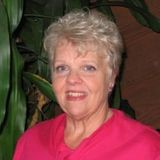

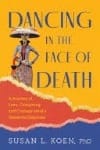
In this powerful episode of Caregiver Relief, host Diane Carbo, RN, sits down with Susan L. Koen, PhD, organizational psychologist, entrepreneur, author, and creator of applied neuroscience training programs. Susan is the author of Dancing in the Face of Death: A Story of Choosing Love, Integrity, and Courage When Life Changes Everything.
Susan shares the story of her beloved partner of 40 years, Barbara, who was diagnosed with behavioral variant frontotemporal dementia (bvFTD). It is a story of love, advocacy, clinical trials, anticipatory grief, and the courage to keep choosing love when life changes everything. ❤️
📋 What We Talk About
- 🧠 What FTD really is. Why dementia is about far more than memory, and why bvFTD is so often mistaken for depression, laziness, or "not caring anymore."
- 🧬 Living with a genetic risk. Barbara was the third generation in her family to face GRN FTD. She and Susan chose to live fully from the very beginning.
- 🎤 Cognitive loading in action. Barbara learned new languages, did the Sunday crossword, knitted left-handed versions of right-handed patterns, and sang in an a cappella quintet despite intense stage fright.
- 👀 The earliest warning signs. Barbara stopped reaching out to friends, a small change Susan now recognizes as the first sign.
- 🤝 Why friends matter. How staying connected helped Barbara stay engaged longer than anyone else in her family, and what to say when you "don't know how to talk to her anymore."
- 🧪 A groundbreaking clinical trial. Barbara became the first person in the U.S. to receive a gene replacement in the brain for FTD. Her response: "Let's go big or go home." 💪
- 🏡 Caregiving, wandering, and getting help. Why Susan waited too long to bring in help, and why it truly takes a village.
- ❤️🩹 The cost of caregiving. Susan had a massive heart attack about a year and a half after Barbara died, a powerful reminder that caregivers must care for themselves too.
- 🕊️ Healthy love and healthy grief. What honest, direct love looks like, how anticipatory grief shaped their final years, and how honest end-of-life conversations brought Susan peace.
⏱️ Episode Outline
- 00:00 👋 Welcome and introduction to frontotemporal dementia
- 03:00 💑 Susan and Barbara's 40 years together
- 04:30 📖 The meaning behind Dancing in the Face of Death
- 05:30 🧠 Why dementia isn't just memory loss
- 08:00 ⚠️ Apathy, misdiagnosis, and the strain on relationships
- 10:00 🧩 Diagnosed at 68, and how cognitive loading bought Barbara more time
- 12:30 🌍 Living fully with no regrets
- 15:00 🎶 Barbara's a cappella quintet
- 17:00 🌲 Staying active and social
- 18:30 🔍 The first signs Susan noticed
- 21:30 💬 How friends can show up for someone with dementia
- 26:00 📚 Why Barbara asked Susan to write the book
- 27:30 🧬 Becoming the first U.S. gene replacement trial participant
- 30:30 🏠 Keeping a promise: no nursing home
- 32:30 👥 Building a care team
- 34:00 💔 The toll on caregivers' health
- 38:00 🕊️ Healthy love, anticipatory grief, and healthy grief
- 43:30 🌟 What Susan hopes readers carry with them
💡 Key Takeaways
- ✅ Dementia can begin with personality, behavior, and emotional changes, not just memory loss.
- ✅ If a loved one seems withdrawn or "out of character," reach out and stay connected. It matters more than you think.
- ✅ Honest, loving conversations about diagnosis and end-of-life wishes can bring peace to both the person and the caregiver.
- ✅ No one can provide 24/7 care alone. Ask for help early. 🙏
- ✅ Caregivers have to protect their own health too. 💛
👤 About Our Guest
Susan L. Koen, PhD is an organizational psychologist, entrepreneur, author, and creator of applied neuroscience training programs. For decades she was known internationally for her work in worker health and safety, human error prevention, and 24-hour workplace operations. After caring for her partner Barbara through bvFTD, she wrote Dancing in the Face of Death. 📕 All proceeds are donated to the University of Pennsylvania FTD Center to support research toward a cure.
🌐 Website: www.susankoen.com
Podcast Episode Transcript
Diane: Welcome to the Caregiver Relief podcast. I'm your host Diane Carbo, RN, and today's conversation is about a form of dementia that many families do not recognize right away, frontotemporal dementia, often called FTD. Unlike Alzheimer's disease, which many people associate with memory loss, frontotemporal dementia can show up first as changes in personality, behavior, judgment, emotions, language, or relationships.
For families, this can be confusing, heartbreaking, and deeply isolating. My guest today is Susan L. Koen, PhD. Susan is an organizational psychologist, an entrepreneur, author, and creator of applied neuroscience training programs. For decades, she was known internationally for her work in worker health Safety, human error prevention, and 24-hour workplace operations.
But Susan's life changed in a very personal way when her beloved partner of 40 years, Barbara, was diagnosed with behavioral variant frontotemporal dementia, also known as bvFTD. Susan became Barbara's primary caregiver and walked through a journey marked by love, advocacy, clinical trials, anticipatory grief, courage, and end-of-life decisions.
Her memoir, Dancing in the Face of Death, is a story of choosing love, integrity, and courage when life changes everything. Today, we will talk about what happens when dementia changes personality, How caregivers grieve while still giving care, and how love can remain present even in the face of loss.
Diane: Susan, thank you for joining me today and sharing your journey and story about, Barbara. before we get started, can you share a little bit about your life, that the two of you built together before she had her diagnosis?
Susan: Yes. Thank you so much, Diane. I really appreciate the opportunity to talk with you today and, to share this story in hopes that it will help others who may be facing a similar situation.
Diane: Okay.
Susan: Barbara and I met, in our late 20s. And, we very intentionally, built both a work life and a home life together. we did own a business together, the consulting business that you referenced, and, lived together both originally in Connecticut and then in Portland, Maine, for those four decades.
When I first met Barbara's family just a few months into our relationship is when her mother informed her that she had, quote, "something the matter with her brain." Oh. So the issue of frontotemporal dementia, which is genetic in Barbara's family
Diane: Yeah
Susan: has, was really with us through our entire relationship.
Diane: The title of your book is Dancing in the Face of Death. What does that phrase mean to you?
Susan: It was really important for me to, title my memoir, with some joy as well as with the reality, of what families with, particularly genetic FTD face throughout their lives. And to signal that you can still find joy, you can still find love, you can have a fruitful and powerful life, even when you're faced with a genetic disease if you adopt the right mindset and take the right actions.
Diane: Now many people think of dementia as memory loss, but Barbara was diagnosed with behavioral variant, frontotemporal dementia. can you explain how it first showed up in your lives?
Susan: Absolutely. So I think one of the most frustrating things for me, if I could just take a minute to say this, is that people assume dementia is memory loss.
Diane: Yeah.
Susan: Because dementia really references, impact on the brain, and there's so many aspects to the brain, and in essence, the brain is in charge of everything that we do as human beings. And so any aspect of how we function can be impacted when brain cells are damaged, or in the case of FTD, simply lost.
You know, the form of FTD Barbara and her family have is, called GRN FTD, meaning that they have the GRN gene does not, is not healthy. One of her parents had a, defunct, gene, did not pass along a functioning GRN gene to her, and as a consequence, she lost, brain cells. Literally at the time she was diagnosed officially, the MRI showed a black hole in her brain where brain cells should have been in her frontal lobe.
And as a result of that, because it was her frontal lobe, it impacted behavior, and particularly all of what we think of as the genetic functions in the prefrontal cortex. So she could not make decisions. She couldn't plan any longer. and when I say couldn't plan, I don't mean just things like, you know, trips.
I mean everything and anything. So she had been a very, proficient amateur chef. she could not put a recipe together anymore. she, first manifested the, illness in a way that I never would have suspected, but it is a large part of bvFTD, and that was with apathy. And so when somebody is pulling away, And is not, she was an introvert, which made it hard to, detect that withdrawal. I would guess that most people would not think of that as dementia. In fact, FTD is often diagnosed as depression or, I should say bvFTD, as depression or, for some people, insolence.
Like they just don't care anymore, which is another aspect of behavioral variant FTD. and it's seen as an emotional withdrawal, nothing to do with the brain, when in fact our brain determines our, and helps us understand our emotions. And so most people misdiagnose bvFTD, sometimes for years, sometimes even a decade.
And
Diane: Yes
Susan: it's, in a genetic family you tend not to miss it, but
Diane: Yeah
Susan: sometimes, Barbara was the third generation of this, disorder in her family, and it took the, till the third generation before everyone understood that it was genetic and what it meant.
Diane: Yeah. Susan, I have seen over my decades of nursing, people with, FTD or other types of dementia where the first thing that goes is their apathy, their lack of interest, their lack of initiating anything.
And so many people have been divorced
Susan: Yes
Diane: over these issues because, like you said, 10 years before you get a diagnosis, things are happening in the brain. And, when people think, "Oh, he's, he or she is lazy, they're not interested anymore, they don't wanna go out and they're not interested in me as a person, they're not interested in the family," it's
Susan: Right
Diane: really hurtful and harmful to they take it as personally.
Susan: Yes.
Diane: And then decade or two later when the real diagnosis comes out, people are shocked and ashamed because they didn't realize it. But it's very, it's very common. very common. Now, how old was Barbara when she was diagnosed?
Susan: So Barbara was older than most of her family members had been, in the previous decades. Her mom, for example, was 56 when she first made that declaration to us. And as you well know, FTD often appears between 45 and 64. That's the most common, era of, of the disease manifesting. But Barbara, because of her mother, her aunt, and her oldest cousin had man- manifested this bvFTD before her, she really took, charge of her life- in her early 30s, and did a lot of what is often called cognitive loading now.
So she already spoke, French but, continued to learn more, languages, so she learned to speak Spanish and Italian. She, took on doing the Sunday crossword puzzle by herself every Sunday for decades. She was a left-handed knitter, and she took, most patterns which are right-handed and transcribed them into left-handed patterns.
All, everything she could think of to do to use her brain, and I think that gave her, more time. So she was 68 when she was diagnosed which is much later than anyone in her family by almost a decade, some, in case of her mother, 12 years later.
Diane: Susan, would you explain cognitive loading to my listeners that don't, may not understand what that means?
Susan: Sure. So when I say cognitive loading, it's simply using your brain. So doing everything you can to, enhance your cognitive, your thinking abilities.
Diane: Yes.
Susan: Your ability to problem solve, your ability to, you know, so it can be as simple as doing puzzles. and as I mentioned, things like, learning a language or anything that requires your brain to work a little bit harder than it might otherwise, but doing it in a way that's also enjoyable and beneficial to you.
Diane: Yes.
Susan: Because, Barbara knew that her risk in a genetic family is 50%, that she would have the defective gene as well, and that her only defense against it, since there is no cure or treatment, or was not at least at, in her era, that she, her only defense was to keep her brain working as strongly and long as she could.
Diane: Did you, did she live life differently knowing, did she appreciate life more and live it differently s- knowing what she saw her, other relatives go through?
Susan: Absolutely. She was a very, positive person. a pragmatic realist and also positive. And she said, back when we first got together and her mom was going through some diagnostics of her own, and her grandmother, Barbara's grandmother, no one knew what was going on in her era, and in fact her grandmother had been placed in an insane asylum because her behavior was so erratic. And by the way, that can happen too, where people's behavior becomes very erratic, not just apathy, but, Yeah destructive kinds of behavior and that have to be managed
Diane: Socially inappropriate.
Susan: Exactly.
Diane: Sexually inappropriate.
Susan: Exactly.
Diane: I've dealt with it all.
You know, they, are impulsive. The impulsivity- Impulsivity,
Susan: yes
Diane: they have no ability to control their actions. Exactly. It's very hard. Yes.
Susan: And so she, because she was cognizant of all of those potential, issues, we both agreed that, we would live our lives fully from the get-go. So unlike most people who, wait to do things we didn't wait. So we did a lot. We were... You know, I will say we were, working hard, but we were working all over the country and across the world, and so we would tack on personal travel to our work travel everywhere we, we went or could go to enjoy, life, to see things, to learn things.
Again, part of that cognitive loading, that we were committed to. And, we also spent time on weekends, at a lake that we knew here in Maine, because her uncle had a place here. So we would, make sure we didn't just work, but that we enjoyed life.
Diane: Yeah.
Susan: And kept a balance.
Diane: You worked hard, you played hard.
Susan: Exactly. Kept a balance all the way through- so that there would be no regrets, and neither she nor I ever had any
Diane: That, that's beautiful because so many people do live with a lot of regrets.
Susan: Yes.
Diane: I encourage all my listeners, a part of a dementia prevention plan is to do something new and different every day.
Learn a language, start to play music. You know
Susan: Totally
Diane: get out and do things that are uncomfortable for you. even simple things like just driving a different way home.
Susan: Yes. And I'll tell you, Barbara, was a singer, but she had a absolutely stunning, beautiful lar- long range voice.
She could sing from second soprano to tenor. And what she did turned out to be fabulous, not only for her, but a lot of people, was she took on the challenge of performing, and she was not,
Diane: Oh, wow
Susan: a natural performer. So she formed a, quintet, acapella.
Diane: Oh, my.
Susan: Got a coach from Berkeley College of Music.
And they were so good, they performed all around, the Portland, Maine and Central Maine area for a lot of good causes and entertained a lot of people, and she had to overcome very intense stage fright to do it, and she did. So, you know, she was constantly challenging herself in beautiful ways and, you know ways that impacted other people positively
Diane: That, it, that's amazing.
And, to my listeners out there, that, to be acapella and have stage fright, singing without music and getting the notes right, oh, my lord.
Susan: Yes. Yeah,
Diane: that was Barbara.
Susan: That, that is...
Diane: But if, we really have to challenge ourselves, every day. even if it means eating with the non-dominant hand.
I mean, there's little things you can do, and then there's the big things that are really important, such as learning a different language, a different... if you don't paint, learn to paint, or and be active, too, which it looks like you guys really did. You both enjoyed nature and got out and did things.
And I know up there in the Northeast everybody hikes and enjoy enjoys
Susan: Yes, we hiked. we did a lot of kayaking on this lake. and, learned, a lot. Barbara was an avid tennis player, so she taught me how to play, and so we used to play tennis together. So we kept as physically active as possible as well, which is another important strategy for
Diane: Absolutely
Susan: dementia risk.
Diane: Yeah. And being social is another one. Being out-
Susan: Yes
Diane: and talk you know, not isolating yourself from others is absolutely, getting out there and meeting people and interacting with them in some form or fashion.
Susan: What I can tell you is that friendship circle is important for, as you mentioned, dementia risk prevention, but also when dementia strikes.
Diane: Yes.
Susan: What I found, and fortunately knew, so I had very deep and long friendships, was you need people around you as a caregiver as well as the person with the dementia needs people, who understand their disease because they know them so well that's not the person that's doing the actions.
And so a lot of families, unfortunately, with, particularly behavioral variant FTD tend to isolate themselves because their person is difficult.
Diane: Yes.
Susan: Barbara, was never isolated. Her friends stood by her.
Diane: That's beautiful. And, that, that's a testament to your, knowledge and, pre-planning-
Susan: Right
Diane: because, she was aware of what was happening to her. Looking back, what were the earliest personality or behavior changes you noticed that made you realize something was starting,
Susan: Yeah, she, stopped reaching out to friends and I was, I should explain, we sold our business and she retired, but I had to work for the buyers for three more years and so I was traveling even more than I had been for those three years and I began to realize, over the course of that time that I'd come back and I'd say, "Tell me how so-and-so is," and she'd say, "I don't know."
And I was really confused by that because she was always so socially active with friends.
Diane: Yeah.
Susan: And so I reached out to some of our friends and said, "Has Barbara been reaching out to you?" And they said, no. And I said, "All right. Well, I don't know what's going on with her, but would you mind reaching out to her?"
'Cause she had often been the one to instigate connections. And so they did, and so she got, more socially active because other people reached out to her. But I think when I look back, that was really the first sign because, it was so different than the past.
Diane: Yeah.
Susan: But I will tell you, even though, as I said, we were exposed to this genetic disorder with multiple family members, I did not put that together with Barbara's, beginning to have FTD right away.
I thought she was just learning to adjust to being retired and, wasn't sure, you know. And like I said, she, had some introvertism, so I just thought, she was resting and all of that. But I knew something in the back of my mind was not quite right. But I did not immediately link it with bvFTD.
So, as with many people with this disorder, I look back and say, really it started earlier than even the age of 68 when she was diagnosed.
Because as soon as I retired, I saw many symptoms that were present. As soon as I was paying more attention and more present, and I knew those had not started just that quickly all at once.
Diane: Yes,
Susan: And even someone as vigilant as me, over knowing that she was at risk
Diane: Yeah
Susan: I missed I'm sure at least a year, maybe two, of changes
Diane: Yeah
Susan: before her, I got her to do an official diagnosis.
Diane: One of the most common questions I get asked, I, is, oh, with people with any type of dementia, undiagnosed, we never know what it is in the beginning, is, you know, friends will ask, I'll get messages from people saying, "Hey, my friend, it, has withdrawn, and they seem not to be interested in anything.
Should I go visit them?" And I'm like, "Oh my Lord, yes." Yes. "Yes, yes." Yes, yes. because, and that's an educational moment where I tell people
Susan: Absolutely
Diane: you know, it's possible they have dementia that's undiagnosed, a form of it. We don't know yet what it is, but please, any time you are, have an opportunity and you've had an interaction with somebody that you love and care about, is in your, friend circle, if there's something going on with them and it seems out of character, definitely reach out.
Susan: Absolutely. Absolutely.
Diane: And, make an extra effort, and if they respond in a way that's unlike them, don't take it personally.
Susan: I had one of her dearest friends, say to me maybe a year into, her diagnosis, "I don't know how to talk to her anymore." And I found that really sad for both of them, Yes. and I said to her You just talk to her the way you've always talked to her.
Diane: Yep.
Susan: And she may not respond the way she always does, but that shouldn't change the dynamic, Yes. Just keep talking to her. Tell her the things that you know she has always been interested in. and I think, especially because the incidence of dementia is on the rise and all of us are impacted one way or the other or will be very soon, with one or more forms of dementia among people around us or maybe even within ourselves, I think it's really, the biggest shame to me societally, and I don't mean on any one person but is, our inability to just be present
Diane: Yes
Susan: with people, even the people we love
Diane: Yeah
Susan: without them having to do as much work as we're doing.
Diane: Yeah.
Susan: I think it's really important to learn how to, you know, carry on a relationship even when it's one-sided, because the other person is getting something from it. I mean, I watched Barbara, thrive, emotionally and socially longer than anyone in her family after the diagnosis because her friends didn't, as a group, disappear, and because I didn't, And she was able to be, engaged and present and frankly more, alert and involved than anyone in her family had been. Because in the past, everyone withdrew from the person. They were frightened by the person. They were kind of destabilized by the person changing.
Diane: Yeah.
Susan: And I think if we can just hold our own and relate and stay connected to our love for that person, they benefit and frankly we do as well.
Diane: You know, I've worked with head injuries and, for many years, and people don't understand that, with a TBI you look the same and but you are maybe a totally different person.
Susan: Absolutely,
Diane: Yeah. And the, and, that is really hard for people to understand, families as well as, their inner circle of friends.
And that's what makes frontotemporal dementia so difficult for families to understand, especially when the person may still look so physically well. I think you've done an amazing job, Susan, educating your inner circle on, how they should respond and be with her with Barbara.
That was, that's beautiful because not many people, have that knowledge or are even willing. They just, they I will tell you, the large, biggest coping mechanism we have, is denial. And I can tell you, people will ignore and deny and dismiss something until it, it's too late, and it's really sad when they could be, looking for support somewhere or asking questions.
Susan: Yes. I've never lived in denial, so I guess just a naturally born advocate for the people that I love. Yes, you are. And, Yeah ... so that's what I do kind of naturally. And,for people who would like to sort of see that manifested in a story form, I would encourage them to read my book Dancing in the Face of Death. And the reason I say that, two reasons. One is Barbara asked me to write it, and so I wrote it because she wanted her story and our story out there for the simple reason, as she said to me when I said, "Why do you want me to write this story? Doesn't likely have a happy ending."
And she said, "Well, no, it will have a beautiful ending," she said, "but more importantly, it will help people."
Diane: Yeah.
Susan: So, for that reason
Diane: And I applaud you for having the courage to do that because sharing your personal experience is not easy.
Susan: No. and the second reason is that all the proceeds are being donated to the University of Pennsylvania FTD Center to further research to find a cure for FTD.
Diane: Yeah.
Susan: So I encourage anyone and everyone to pick up a book, the, to pick up this book, and to share, you know, additional copies with people in their families and friendship networks who they think would benefit from it, because we have to work together to find cures for these rare dementias.
Diane: Now, Barbara participated in a clinical trial and became the first person in the United States to receive a gene replacement in the brain
Susan: Yes
Diane: for FTD. Can you tell us about that?
Susan: Absolutely. This is indicative of Barbara's courage. I grew up in a family with a lot of, unusual medical issues, and that's one of the reasons I'm comfortable in the medical world.
And so as soon as I knew that she had, the likely diagnosis, which she eventually got, of, GRN FTD or behavioral variant FTD, she, I looked for a clinical trial. I had siblings who had benefited from different clinical trials, and wanted to find something, desperately wanted to find something for Barbara.
And I did, I found, three different options, two of which were gene therapies, that were what are known as phase one trials, which means they're testing the efficacy, the safety of the treatment. So you're a true guinea pig when you enter a phase one trial. And the other was a phase three trial, but, a placebo and treatment design, so you could have ended up with the placebo and not the treatment.
And when I presented these choices to Barbara, she said, "Let's do the gene therapy." Her, follow-up words were, "We should go big or go home." So she
Diane: God bless her. God bless her.
Susan: Yep. Yep. Yes. So she jumped right in, and as you said, became the first person in the US, second in the world, to have a new gene shot into her brain to replace the, deficient gene she had inherited.
And we learned over the years of the trial, that she was in that she did receive, her, the gene worked, and she was getting 100% of the, protein that gene produces. and we saw definite, slow down and almost, you know, complete, stopping of any further decline in her cognitive functioning, her brain functioning over that time.
But, she developed a secondary, movement disorder, and that's really what, led to her death, because it affected a lot of the small motor functions, including her ability to swallow.
Diane: Wow. Your story includes love, humor, heartbreak, advocacy, and courage. Was courage something you felt at the time, or is it something you recognize more clearly now as you look back?
Susan: No, I understood that courage was involved on both of our parts, from the beginning of this chapter of our lives. for me, Barbara had seen her mother placed in a nursing home.
And, and I don't mean just seen it. We went and visited every weekend for those years, and it was painful, it was difficult.
She was placed on a feeding tube. They had to have a governmental intervention to get her off the feeding tube. It was quite dramatic and awful, and she had said to me in our 30s and early 40s when this was transpiring, "I don't ever wanna be in a nursing home." And so for me, I knew when she was diagnosed that I would never place her in a nursing home, and we had fortunately been able to get long-term care insurance when we were young and sustain it, which is hard for lots of people to do 'cause it's very expensive.
But we were having a business that was able to fund that. And so I knew that, if I needed support or care and, assistance with caregiving, that I could, avail, the insurance to kick in to get some help. but to tell you the truth, I waited way too long to bring in that help. I thought I could do it all myself.
Wanted to care for her as much as I could. But it really does take a village when you're working with someone who needs increasingly constant, not just care, but supervision.
Diane: Yes.
Susan: Because one of the things with behavioral variant FTD is because there's sometimes socially inappropriate behavior or there's, there can be wandering behavior, which Barbara did manifest
Diane: Yeah
Susan: you cannot leave the person alone ever. And so
Diane: And then there's people that experience terrible aggression.
Susan: Yes.
Diane: And, you know, one of the things, I tell my listeners out there is I know you all have good intentions when you promise somebody you're going to keep them as home, at home and not put them in a nursing home.
I get that, but there are just situations where it's more than anybody can deal with.
Susan: Yes. Yes there's sexually
Diane: And I agree with that inappropriate, behaviors, there's aggression, there's impulsivity, there's wandering. there's just so many inappropriate behaviors that it gets challenging for one person, and one of the things that I encourage Susan is, my, my listeners to build a care team partner support group around you
Susan: Yeah. Yeah
Diane: And that is a group of people that can help provide, practical assistance while you're providing care. And, I, it sounds like, you're the typical caregiver. You want to do it all by yourself. You think you can, but it's just too hard on one person.
Susan: Well, yeah, it's very humbling because I have always, you know, believed that I had the kind of capability to care for my loved ones both in all ways, financially, et cetera. and in many ways I did, I do. And at the same time, no one person can give 24 hour, 365 care. It's just impossible.
We're, It is impossible we need our own recharging and you know, I was, privileged enough through the kind of work that I did and the income it brought me that, I could hire through Barbara's insurance, that our company had supported, I could hire people to help us in the home. and, yet it took a significant toll on me. And like a lot of caregivers about a year and a half after Barbara died, I had a massive heart attack. And that's a very common scenario because
Diane: Yes it is
Susan: caregivers don't take care of themselves. Yes. That's the irony.
Diane: The impact of caregiving, can, the impact that you feel can impact your health up to six years after your journey's over.
Susan: Exactly. And I'm now very much an advocate of caregivers, taking care of themselves. And in fact, I fund, at the Association of FTD, I fund a, named champion fund in Barbara's name to support both, research engagement and respite care for caregivers, that I contribute through Barbara's, IRA funds, to the Association of FTD to support caregivers as well as research.
That's wonderful. Because I know how important it is.
Diane: Oh, it absolutely is. And there is such a lack of affordable respite care out there, and it's astonishing. You know, we put so much money into research to stop these diseases when in fact we're causing serious illness and harm to those that are providing care.
The family caregiver is the single largest pillar of the long-term care industry. And- Absolutely they are providing over $1.1 trillion of unpaid care At their expense, they are, 63% of them become seriously ill or die before the person they're caring for passes. So it's really, frustrating to me that these big organizations spend so much on, stopping the disease. I wish they would take at least half of that, and put towards the family caregiver, 'cause we're in a public health crisis right now that is
Susan: We're definitely, we're in a whole societal crisis right now.
Diane: Yes, we are. Yes.
Susan: Because families cannot carry this burden alone.
Diane: No.
Susan: And we have not done what's necessary to create supporting infrastructures for family
Diane: Exactly
Susan: caregivers. I agree 100%.
Diane: Yep. Yep. Our family caregivers, Medicare has moved to a cost-sharing plan, and our government is now the, oversees our healthcare and tells us what we can have and what we can't have, and if we want it, we're going to have to pay for it out of our own pocket.
We only, to me, I will tell you right now, what I'm seeing, we only have the illusion of healthcare. We don't actually have real healthcare because, it's being rationed. and unless you are very wealthy and can, pay for care, it's, you're not going to get it. I have chronic pain and just my procedures, the irony is the procedures that are meant to, decrease or eliminate the use of painkillers are also being rationed.
And I can't take pain pills, so all my options are to have, interventional pain procedures, and the ones that I need, are no longer being paid for by the insurance. And I have traditional with a supplement, but the government policymakers have decided, the overseers of our care, that's, they're going to ration, what's available to us and, I took an insurance course and learned, Susan, that the high co-pays, high deductibles are meant to deter the use of benefits.
So that is where we are. But, I wanna get back to your story because, you speak about healthy love and healthy grief.
Susan: Yes.
Diane: What do you... what does that mean to you, especially in the context of dementia caregiving?
Susan: So to me, healthy love, particularly in the face of loving someone who is, clearly in a, a genetic family, 'cause it was evident to me from the beginning that this was highly likely a genetic disorder her mother was manifesting early on, I Did not shy away from, loving Barbara despite her health risk, her genetic risk.
And when I knew that the disorder was manifesting, even when her mother and her aunt were manifesting it, and her cousin, to me, I stayed focused on the, the person that Barbara was and the love that I had for her. And when the disease started manifesting in her, I did the same thing.
For me, a person is much more than just their physical body and physical health, but rather, is a deeper sort of spiritual entity. And so for me, healthy love is honest love. It's direct. It's, commitment despite
Diane: Yeah
Susan: challenges.
Diane: Yes.
Susan: And it's about, communicating with love and clarity even when times are tough, or especially when times are tough, really.
And so, you know, I was the one who had to tell Barbara that she had this, this disorder, and there's never a good time to tell your loved one they have a fatal health disorder.
Diane: No.
Susan: So, being honest and being direct through our whole lives made it easier for me to have to take that step when she started manifesting symptoms of FTD.
And it also enabled us to have the very difficult but very important conversations about end-of-life planning, because with a fatal disorder, you can turn a blind eye and hope for the best, or you can make, you know, sure your beloved, as I did, has agency throughout their illness and throughout their, end of life.
And so to me, that enabled me then, when she did die, to grieve deeply and yet to grieve with the awareness and the knowledge that, she had, the life she wanted to live for as long as she wanted to live it, and that she was at peace when she died because we had multiple conversations where she would say to me, "I'm ready.
You know I'm ready, and you have to let me go." And as hard as it was for me to hear her say those things when she would say them, I would always say to her, "I know, and I can do this, when you're ready. I can let you go." And even though I didn't always believe what I was saying to her , Yeah it was very hard for me, it was easy for me to assure her. And I would ask her, "Why are you know, why do you keep saying you're ready to go?" And she would say, "Because I'll be at peace." And so that gave me a kind of peace during my grief period. and, it was deep and long grief, but it was healthy in that it was based on, a deep understanding that she was at peace, that she had the best life that I could be a part of.
And so I think living You know, there's such a thing as anticipatory grief when you're caring for someone with a fatal disease
Diane: Yes
Susan: Where you're grieving them as you're living with them, because they're dying before your eyes. And they know it and you know it, and in some ways, FTD has this little kind of quirky gift to it where the person doesn't typically know.
They don't recognize their decline as much as you do.
Diane: Yes.
Susan: But in Barbara's case, she was very aware, and I can't explain it other than potentially the gene therapy she received. But she knew all of her declining, features, and that made it, that sort of caused both of us to talk about them and deal with them on a continuous basis.
And so in the end, I think it, it enabled me, to grieve at a deep level for, a shorter period of time than if we had not been honest and direct. And, to still today of course carry my grief, but carry it in a way that enables me to live my life, to feel positively about, not just our good years together, but our difficult years together.
Diane: Yeah. Susan, I want to thank you for sharing Barbara's story and your own caregiving journey with such honesty, tenderness, and courage. When people finish reading Dancing in the Face of Death, what do you hope they, they carry with them?
Susan: Hope.
Diane: That's beautiful. Tell us how they can reach out and find you, Susan, and find your book.
Susan: Well, I appreciate, you asking. I do have, an author website, www.susankoen.com. Certainly feel free to reach out to me there. I would encourage you to buy the book anywhere you can, typically buy a, book, either online or at your local independent bookstore. They can order it.
And, to understand, as I said earlier, that the proceeds are all going to support research to find a cure for this rare dementia. so I hope you will also encourage, other friends and family, anyone who you think would benefit from learning about how to maintain positivity in the face of life's challenges, and to stay connected to your loved one even through difficult times.
That you'll gain from this book, the strength to carry with you in your own journey.
Diane: Give us, your URL for your website.
Susan: It's www.susankoen.com.
Diane: Susan, S-U-S-A-N-
Susan: K-O-E-N dot com .com. Thank you.
Diane: Thank you, Susan. I appreciate you. And,
Susan: Thank you, Diane
Diane: we create a permanent page on the site, on Caregiver Relief, so your book will have a link to it.
And, we will also have a link to your website so people visiting the site in the future can also find you. So
Susan: Oh, thank you so much appreciate it. I appreciate it, and thanks for the conversation, Diane.
Diane: Well, you know, I think you're one of the themes that I've, a common thread throughout all of my, podcasts is we have caregivers who have, or, and family members who have identified a challenge, an obstacle, and or whatever it went on along their caregiving journey, and they're providing a solution or education in some way, or support in some way.
So I appreciate what you've done. I applaud you for
Susan: Thank you
Diane: having the courage to share this, because it's not an easy story to share, but
Susan: No ...
Diane: thank you for it
Susan: But an important one.
Diane: Thank you. Yes, it is very important. And to my family caregivers out there, you are the most important part of the caregiving equation.
Without you, it all falls apart. So please learn to be gentle with yourself. Practice self-care every day, because you are worth it.
Caring for a loved one can be overwhelming — but you're not alone. If you have questions, big or small, our expert team is here to help.
👉 Click here to Ask the Expert
Our Resource section can help you find the information and tools that you need. We have courses, videos, checklists, guidebooks, cheat sheets, how-to guides and more.
You can get started by clicking on the link below. We know that taking care of a loved one is hard work, but with our help you can get the support that you need.
Click here to go to Resource Section now!


