The Mediterranean Secret to Longevity with Claire Cavalieri, Wellness Coach - Episode 120

Feeling the weight of caregiver stress? 🌱 Wondering how you can embrace a lifestyle that promotes health, joy, and longevity for both yourself and your loved ones?
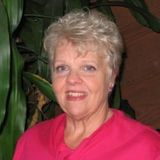
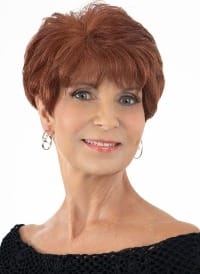
In this inspiring episode of the Caregiver Relief Podcast, host Diane Carbo sits down with Claire Cavalieri, a Harvard-certified Wellness Coach, to uncover the powerful secrets of the Mediterranean lifestyle. This isn't just about diet; it's a holistic approach to slowing down the aging process and living your most fulfilling life.
Ready to feel re-energized? Don't miss this conversation packed with wisdom and practical advice!
What You'll Discover in This Episode 🎧
Here's a sneak peek at the incredible insights Claire shares:
The Foundation: Why the Mediterranean Lifestyle Works 🥗
- The Mediterranean diet is primarily a plant-based diet, rich in vegetables, fruits, whole grains, and legumes (like beans and peas).
- Its power comes from being anti-inflammatory, which helps keep diseases at bay.
- Protein sources focus on fish and some poultry, with very little beef consumed compared to a typical American diet.
Claire's "Slow Aging Method" Explained ✨
Claire's unique approach is built on three core pillars:
- An updated, modernized version of the Mediterranean Diet.
- Consistent movement for at least 30 minutes, five days a week.
- Nurturing relationships and maintaining a strong sense of purpose.
Movement That Fits YOUR Life 🚶♀️
- You don't have to get your 30 minutes of activity all at once!. The science shows that breaking it up into 10-minute increments is effective.
- Movement can be simple things like morning stretches, walking, or Tai Chi—no gym membership required.
- Claire is a firm believer in the "passeggiata," an after-dinner walk to aid digestion and connect with others.
Joy, Purpose, and Community: The Heart of Longevity ❤️
- An 85-year Harvard study proved that satisfying relationships are one of the most important factors for slow aging and longevity.
- Purpose doesn't have to mean a job. It's about having something to look forward to each morning, whether it's caring for a pet, painting, or learning something new.
- Loneliness can be more toxic than tobacco, making community and connection essential for well-being.
Small Steps, Big Changes: Start Today! ☀️
Claire shared three simple, practical habits you can incorporate right away:
- Get outside: A 10-15 minute walk in the sunlight can do wonders.
- Eat more plants: Add more fruits and vegetables to your plate.
- Take a nap: A short, 20-minute nap can refresh the mind, and studies show people who nap live longer.
A Special Message for Caregivers 🙏
- Remember the oxygen mask rule: You must take care of yourself first to be able to care for someone else.
- Chronic stress elevates cortisol and creates inflammation, which can lead to serious illness. 63% of family caregivers become seriously ill or die before the person they care for due to this stress.
- Positive emotions (joy, gratitude) boost your immune system, while negative emotions (guilt, anger) erode it. Choose happiness every day.
This episode is a must-listen for any caregiver or aging adult who wants to trade burnout for balance and flourish into their future. Claire's approach is gentle, encouraging, and a beautiful reminder that it is never too late to make a change.
Listen to the full episode to learn more and to hear about Claire's special offer for a FREE 90-minute Health and Wellness Consultation!.
Podcast Episode Transcript
Diane: Welcome to the Caregiver Relief Podcast. I'm your host, Diane Carbo,
Diane: and I'm joined today by Claire Cavalieri, Harvard certified Wellness coach, founder of the Slow Aging Method, and creator of the Flourish Into Your Future Program. I love the title of that, Claire. Claire grew up in an Italian American home where meals were fresh, simple, and celebrated, and she's turned that me Mediterranean lifestyle into a lifelong passion for helping others stay vibrant and healthy as they age.
Today we'll explore the secrets of the Mediterranean way of living. From food and fitness to relationships and purpose and how it can help you slow down aging and living your most fulfilling life. Claire, thank you so much for taking time out of your busy day, and I see that as I've told my listeners out here, you grew up in an Italian American household where food and family were central.
And can you share a favorite memory from your childhood that may have shaped you into this wellness journey?
Claire: Good morning, Diane. I'm so pleased to be here with you today to share my passion, which originated in growing up in an Italian American family. Yes. I have so many fond memories and probably my fondest memories were, gathering together in large, group settings, which.
Probably were, holiday occasions, we would gather together. either in my grandparents' home or in our home. My parents loved to entertain and, my mother usually did the cooking. but it would be, grandparents, aunts and uncles and cousins, and we would have lots and lots of food and there would be.
So much chattering. And you know what that's like when you hear all people talking at the same thing. And there was that drone going on in the background and kids running around and the table was just covered with food and people were, Gathered around the table and it was just so happy. It was that feeling of joy and, the food was always delicious.
My mother was a good cook and people would bring dishes to share and it was just, it just brings. Good memories and joy to my heart to remember those times. And it went on year after year. It was always Thanksgiving and Christmas and, it was, just wonderful times and everybody, hugged and kissed when they came in the door.
And the same thing when people exited and, Those are, that's my, those were my fondest memories, I have to say. And I don't think it was probably much different from other families. so I
Diane: grew up in an Irish family, a big Irish on one side of my family. And we had all the gatherings too. I can tell you I had an Italian husband or they Ah,
Claire: yeah.
I wonder because carbo sounds Italian.
Diane: Yeah, it is. It is that he's my second husband and I can tell you. One of the things that I loved was the sense of community, because we have lost that in our society. The sense of peace. Yes. The sense of culture, the sense, because a sense of community, everybody works together.
and they all, gathering around you just love to be with other people and we miss that. We don't have that anymore. And that's why I was so excited about talking to you because, First of all, I want my listeners to know I actually promote the Mediterranean diet. That's why I have you on.
Because what's good for the heart is good for the brain, and that's really important. So very true. I'd like to address what makes the Mediterranean lifestyle such a powerful foundation for health and longevity.
Claire: to start off with the Mediterranean diet itself. Is a plant-based diet. People might be surprised to hear that.
but that is the truth. It is mostly a plant-based diet. Yeah. And that means vegetables and fruits and whole grains and legumes. That word legumes sounds scary, but it mostly, it, that means beans. And, Peas, that sorts of thing. And the reason why that makes the Mediterranean diet so powerful is because the plants are anti-inflammatory.
That's the power Yes. Of the diet and. The reason why that makes it powerful is because anti-inflammatory means keeping diseases away.
yes. That's the power of the diet. now it's not just plants. Yes. The Mediterranean diet does include proteins such as fish, mostly fish. Some poultry, but rarely beef.
Yes. I know in our society here in the US, beef is promoted. Yeah. and everybody loves steak and burgers. I like a good hamburger. Yeah. I'm not a big steak fan, but in the Mediterranean diet, in the Mediterranean region, beef is not popular. It's not eaten very often at all. It's mostly fish and seafood.
Yeah. When it's eaten. I first in the Mediterranean region, that's, it's surrounded by water.
Diane: yes. My, my husband, his mom was an Italian American and she lost all of that. she would make this. They call it gravy in Philadelphia sauce. Yeah.
Claire: That's so weird to me. Okay. I know that made sauce,
Diane: put a pot of gravy on in my mind I'm going brown gravy and that's, yeah, me too.
And that's not the way it is in the Italians in Philadelphia or, and some of the areas. So she would make this pot of just all kinds of meat and it was like, it was good. My husband at the time, he actually made it like his grandmother and it was full of vegetables and fennel and oh my Lord. It was the most amazing sauce I ever had, and I love that because he was all, and we did, we ate all fresh vegetables and fruit and healthy eating and it just made a difference.
Claire: Yes. Now when I. I was growing up, and my mother would make, dinner, which she made, even though she was a professional and she worked full time, she made dinner every night. And it was always some sort of, usually either chicken or fish. We always had a vegetable with the meal, or a salad or both.
And we had, my father made us at least try Oh, and usually finish the vegetable. Yeah. and that's how our palate became, well-rounded. Yeah. We had to eat the vegetable and we never had dessert unless it was fruit. Yeah. Except on special occasions like, holiday or our birthday. Yeah. And then we could have a sweet like cake.
but we never had sweetss and I never developed a palate for sweets like, candy or cook cupcakes or cookies or some things like that.
Diane: One of the things I learned is why we have this sweet urge for sweets, so many Americans, and when my mom died, I found, and I was 18. Between 17 and 18, I found a, I was cleaning out things and a pediatrician, Dr.
Tall, I remember him 'cause he came to the house many times in those days they did. And I have, there's four of us. I'm the oldest of four. Dr. Tall had written a prescription for my formula in, it was two tablespoons of Karo syrup. Oh my god. Milk, coal milk and a dropper of liquid vitamins. So that, you mean that was like your baby formula?
Yes. That's, wow. That's before they had the really good, the present day formula. But, so I, my mom, she had to have c-sections and stuff, so she wasn't able to breastfeed. And in those days, I'm learning they were pushed. To go to the bottle versus the breast. yeah. And, but this is why we have, and I'm, I was born in 1953.
So it's in the fifties. There were so many of us that were given this prescription Interesting. For formula. So that's something to keep in mind because I really, yeah. I grew up, I went to nursing school when I was young and here I am 54 years later, I'm still promoting health. But one of the, when I raised my children, I had two sons and we always had salad bar day.
We made it fun and they ate all the time. In fact, when my son went to Kent State University. he actually petitioned for a salad bar to be started there,that is tournament fascinating. Yeah, and he was surprised. He worked, Jeff worked in a grocery store when he was 15 and 16 and he told me, mom, I can't believe what people buy.
But he goes, we didn't eat TV dinners, we didn't eat any of those things. I actually made homemade TV dinners. I learned that from my mom, so they weren't always healthy, and I loved to bake, so I made everything from scratch. So my boys would give me. When I bought something, store bought.
You're getting lazy.
Claire: You're a good mom.
Diane: Yeah. So I wanna talk about your slow aging method. can you tell me how that difference from other wellness approaches?
Claire: Yes. my slow aging method is three things. It is, first of all, an updated version of the Mediterranean Diet. Okay? it is consistent form of movement, whatever that may be, five days a week, at least five days a week, 30 minutes a day, and it is nurturing relationships and having a sense of purpose.
Diane: That's beautiful. Can I, put in there this 30 minutes of activity a day? Yes. people think they have to get it all at once and some seniors cannot do that. And the research science says it's okay to do it even in 10 minute increments. Yes. Yeah. And I want people to understand that. So if you can't get up and move around for 30 minutes, just do 10.
If you can only do five. Do five and do it six times a day until you build up your, your tolerance for it. Yes. Or your cardiovascular status or whatever. But the key to a healthy body and a healthy mind is to continue to move.
Claire: And that doesn't mean that it has to be going to the gym or Exactly.
Or, running a mile. It can be just getting up in the morning and doing some stretches. Yes. Or some, Tai chi, which I'm a strong advocate. Me
Diane: too. I am too. I strongly encourage any senior, anybody to do Tai Chi, especially as we get older because we have balance issues. Yes. And, yes, or just,
Claire: walk, I firmly believe in getting sunlight first thing in the morning.
100%. Walk out your front door and walk 10 minutes and then in the evening, after you have dined, walk out the front door and, also walk another 10 minutes. Because Beautiful. Yeah. It settles your stomach, it, it contributes to digestion.
Diane: Yes. Go
Claire: with a friend and have a nice, friendly conversation. So yes, I like the idea of doing it in pieces.
Yeah,
Diane: if you can, I'll be 30 minutes, three times a day if I feel good or, I'm not busy. But I have to tell you that, just getting, that's one thing I encourage seeing every senior and every family caregiver to do is get outside, put your nose outside every day, no matter what the weather is because it helps you.
Alleviate depression. Yes. It gives you a better focus. It helps you be grounded to what's going on in the world. And sometimes with all the news and all the craziness that people go through, getting out, taking a walk gives you an opportunity to interact with others.
Claire: Yes. That's such a good point. Yeah.
Say hello to your neighbor.
Diane: Yeah. I go, I try to get on the beach a lot here 'cause I'm in Myrtle Beach and I say hello to everybody I had, I've been doing that since I was young. And I can remember one of my sister-in-laws walking with me and she goes, she slaps because why do you have to say hello to everybody?
And this is when I was young. I was just a young nurse and I said. 'cause I, you never know. I may be the only person that acknowledged they existed during the day. We don't know. And that's even more. It's more concerning now than ever because the silver tsunami that we have is, we have a lot of seniors that are in isolation and have, and loneliness is rampant.
So it's important that seniors do get out because you never know, and I'll stop and talk to anybody. I love dogs, so I'll go up to any dog and, oh, hello, and then talk to the. The person. So it's just, in fact, I actually dog sit because I am 72 years old, and I know this sounds crazy, but I do, I'm so busy working with seniors and their caregivers that I need socialization.
It's good interaction, not, I need something from some, somebody needs something from me. and other than podcasts, I actually dog sit so that I can have the love of a pet, which is so important, to me anyway. And it forces me to get out. And I have people all over that know me now in, in the areas because.
I walk and interact and, but that's me. I know some people go, oh my God, I don't wanna talk to anybody. But you know what, we need to talk to people.
Claire: Absolutely. They say that loneliness is more toxic than tobacco.
Diane: 100%, yes. That's why I encourage, I'm so excited to talk to this about this today with you.
So many caregivers and aging adults struggle with stress and burnout. Can you tell me how the Mediterranean principles can help them regain balance?
Claire: stress, as is the number one killer. Because, stress causes heart attacks. It causes strokes. Yes. and the reason for that is because when we have chronic stress, it elevates our cortisol being,it is a, It creates inflammation. Yes. And when we have chronic inflammation, it causes disease, it causes inflammation. Yes. it causes, it can cause heart attacks. It can cause strokes. So they say stress is the number one killer. So how can we prevent that? We can prevent that by trying to reduce stress.
Diane: I want to make my listeners aware.
Forgive me. 63% of family caregivers become seriously ill or die before the person they're caring for, and that is because of chronic stress. Yes. I lose two or three caregivers every year to death. And I'm like shocked, but a lot of them have to stop caregiving because they have developed a chronic illness that they can no longer provide care for their caregiver.
That's why I think it's so important for us to talk about just worrying about how you eat and exercise and. Community is really important. So yes, I think that we talk about the role of food and not just about what we eat, but how we eat in slowly.
Claire: of course, food is a huge component of that. And eating the right foods, which we, here we're talking about the Mediterranean diet, and I think that's very important to recognize.
And if people aren't. Eating the Mediterranean diet, then maybe start adopting, the Mediterranean diet. And I, have, I'm a proponent of a modernized version Of the Mediterranean diet. And what I mean by that is the Mediterranean diet, as a large component of that has always been, pasta.
And whole grains. And listen, I love pasta. nobody's business. I could eat it three times a day, but believe me, guilty. I love pasta. And I love whole grains too. risotto and rice and that kind of thing. I do. But here's the thing about in our culture here in, the United States, in America, we.
Excuse me, lemme back up. In the Mediterranean region. those people live a different lifestyle. I don't know if you've ever been in, in the, any of the Mediterranean countries, but they do. They live a different lifestyle. They walk a lot more Yes. In their day-to-day lives. Even today.
Diane: Yes. Like
Claire: a lot of those people don't even own cars.
Exactly. They walk to work. Yes. they walk at socially. They walk after dinner, as I was just describing. They get when they're done with their meals, and by the way, they, when they dine together. They dine together as a family. They dine together with their friends, and then when they're done eating, they do something called the pasta jata, where they all get up, they meet together in what's called the piazza.
It means plaza, uhhuh, and then all get together and they walk. walk. They walk to work, they walk here, they walk there. So their culture is defined differently, whereas we drive everywhere. Yeah. At least here. I live in Dallas, so way our country's
Diane: been built. unfortunately we are so vast, compared to some of the other treatments.
Yes, that's true. It's true, but, and it's sadly we've lost that. What I find very sad about, we're all, the result of immigration we're people that came here through Ellis Island and stuff. Yeah. And what is really sad that I, I grew up, I'm an Irish American. Did I speak Gaelic? No. Was I even introduced to that culture?
No. I, we got little bits of it. the Italians the same. I see the. Second and third generations, they've lost a lot of their, they don't speak a different language. they don't, they have, they still have the culture of food maybe, but the community may not be as strong as it used to be.
Claire: Not at all. Yeah, not at all. So my, my point about the Mediterranean, the modernized version is, In the Mediterranean region, they can't afford to eat pasta and rice every day because they're walking every day. Yes. Yeah. So they can digest it, no problem. They're not gaining weight. But over here we don't walk everywhere.
We're driving our cars. Yep. And so when we eat that pasta, we're putting on weight. Yeah. so I have modernized the diet. To reduce the, intake of pastas and rice or, substitute for it. There are some really good substitutes for the traditional pasta. I don't know if you're aware of it, but you can get, for example, pastas made by a company called Barilla that are made out of chickpeas.
Yep. That are made out of lentils.
Diane: Yes. They're much
Claire: higher in protein. Yes. And much lower in, calories and higher, in complex carbs. Yes. first of all, I recommend that you use those products, but not as frequently. Don't eat them every week. Maybe just once, a few times a month. And they taste really good, by the way.
Diane: yes. I will attest to that. Yes. I, when you say about pasta, my, my youngest son is now a nurse anesthetist, but when he first got out of the military, he went to the restaurant school, of Walnut Hill, which is in Philadelphia. And 'cause he thought he wanted to be a chef and I would come home from work and my.
Italian husband and him would be making homemade pasta. Wow, that's really great. They'd be using my, the clothes hanger thing that I had, had Yeah. Pasta hanging all over it. And,of course, even then I, I was con we were all conscientious, There's nothing like homemade pasta.
but I do nothing but the barilla and whether it's the chickpea, Or made of lentils. Yeah, I really think that's important be, and I limit, I'm free diabetic as almost everybody in the country is either free or the statistics for our children and everything. The obesity is unbelievable, rates and, we really have to address that. We really do. so
Claire: I recommend,not having the pasta and the rice as often, and when you do make sure it's whole grain or the barilla,chickpea or the lentil, but, reduce the intake of those whole grains, even though yes, they can be good for you, but substitute, vegetables in instead.
When you're thinking about, oh, I'm gonna, it's always a grain, rice is easy to throw on the plate. It's a, quinoa is very good. I use quinoa, quite a bit, but, instead of doing a grain, just put an extra salad together or something like that. Anyway, that's my modernized version of it.
Diane: I love it. I love it. now you, another thing that you really emphasize is joy and purpose. And I love that because we need that message to our seniors, to our family caregivers. Just to our youth, in fact. Yes. how do relationships and mindset contribute to longevity?
Claire: I don't know if you're aware of the ongoing, Study on relationships and happiness that Harvard has done. It's been going on now for 85 years. And the outcome that Harvard has proven is that relationships, satisfying relationships, yes. Have proven that, Satisfying relationships has been what has proven to be, most important in, slow aging and longevity satisfying relationship.
But when relationships are not satisfying, it contributes to early death.
Diane: You know what, when I went through COVID, I was, I had a nurse friend in her eighties still working, giving injections for, I think it's passport health or something like that. She was healthy and well, and when she was locked down, I just was with her the other day.
She lost all her sense of purpose. She has declined so much. It just makes me sad and I know. Two, 104 year olds in different parts of the country that actually, the one, is living at home and she has home care come in. She pays for someone to come in eight hours every day. To help her and they get out and socialize.
She goes bowling at 104 and I love that. Eat. Oh, I,it's important. If she wants to shop, they take her shopping. And then I have the other, lady in California. this is so funny. The daughter is 76 and her mom's 104, and she's been taking care of her mom for 25 years, and she calls me up one day and says, I'm getting old.
I'm not feeling well. My mom's gonna outlive me. I'm putting her in assisted living so that I can start living my life. Oh, and I thought, oh my Lord. first of all, it takes a caregiver a long time to get there. 25 years. And she real, and her mom's 104. Her mom loves the assisted living.
They go swimming. They, yeah. The act, the interaction was amazing for her. And so I really do, I the sense of community, we've lost it. We need to, yes it again.
Claire: Yes, it's so important to be surrounded by, friends, family, when you are aging,and to have a sense of purpose. I, of course, that doesn't mean a job.
Exactly. That's not what purpose means. It means you get up in the morning and you have something to look forward to, even if it's just having a pet to care for. yes. Or something creative to do, like painting or learning a new, activity like, a software program. something like that. it doesn't mean a job.
And people confuse that I think sometimes in their minds. Hundred percent. That purpose means you have to have a job. That's not what that means. It means something that you can do that gives you a sense of wellbeing.
Diane: Yeah.
Claire: I'm a firm believer in that.
Diane: I have friends that have retired and they are so busy.
They said they don't know how they fit work into their lives before.
Claire: Yeah, and that's the best thing. That's thing. Yeah. It's making you feel valuable.
Diane: yes. And, get, like I have people that go to card club, book club, they go for aqua exercise, all kinds of different things. And to have that is so important.
Claire: It's so important. It really does contribute to your health and longevity. Yes.
Diane: I encourage every caregiver to, start the day with an attitude of gratitude and find one thing that they're grateful for before they start their day. I
Claire: love that.
Diane: So I'm going to ask you, what are some small, practical, daily habits listeners can start to today to live more that like they're in the Mediterranean?
Claire: we talked about, Walking. I think that getting outside and getting some fresh air and sunlight, I believe in the power. Solar power.
Diane: Yep. I
Claire: think solar power is so important. People are afraid to get sunlight on their skin, but I really. Believe in the power, solar power. getting like 15 minutes of sunlight on your skin is important.
And you can just do that in combination with walking. And it doesn't have to be fast walking. You can stroll. Yes, you just breathe in fresh air. So I think that's one powerful thing that people can do daily. 10 minutes, 15 minutes exactly. Of walking. And I think another thing is to eat more fruits and vegetables.
Diane: 100%.
Claire: And that's another thing. And I think another thing is to take a nap.
Diane: Oh, I like that one.
Claire: Yeah. Oh no. I read a study just the other day that said, peop more, the more, people who take a nap live longer. There's a actual studies on that. Yep.
Diane: Einstein used to
Claire: take
Diane: maps.
Claire: there are, oh, it really, it refreshes the mind.
Yes. And people. So take a nap. Everybody take a nap. Even 20 minutes.
Diane: exactly. That's what I was gonna say. Some people say, then I won't sleep at night. the thing is,if just 20 minutes, if you think you're gonna sleep too long, set the alarm. But take that 20 minutes to rest and refresh.
And I can tell you when I have time, I do that. I really do. And even if I don't have time to, to. I have so many things going on. I wanna sleep. I just make myself sit and meditate for 20 minutes. Yeah.
Claire: You just put your head down and close your eyes. Yeah. And read that. And if you're worried about it interfering with your sleep, then don't do it too close to the evening.
Do it like maybe one o'clock or something. Yes, exactly.
Diane: So you have a signature program and it's flourish into your future. Yes. I love, first of all, I love the name. Thank you. the title. And so what inspired it and what transformations have you seen in your clients?
Claire: what inspired it is, thinking about my own future.
This is an example. Okay. Let's say that you're 50. And you're looking into your future to, let's say, when you're 75. So when you're 75, you think about, okay, what do I want to do when I'm 75? And how do I wanna feel when I'm 75? let's say I want to ride my bike with my spouse around Europe. if I were to do that, how do I wanna feel?
naturally I want to feel healthy. I want to have strong body. I want to be energetic. I'm 50 today. How, what do I have to do between now and I'm 75 to get muscular, be mobile, be energetic. So that i can achieve that goal when i'm 75 or riding my bike all around Europe. Yes. So my program flourish into your future, sets the goals, and creates a program to get you to where you wanna be into your future.
Now, it's not necessarily about riding your bike around Europe, it's like whatever you wanna do. Yes. Into your future. It could be five years into your future, 10. 15, maybe just, being strong enough to, take care of your grandchildren while your kids are on vacation, picking them up off the floor, out of their crib.
but most people want to be disease free. Exactly. And strong and energetic, whatever it is they want to do or feel into their future. So I help them. Decide what their future wants to look like, how they wanna feel, set those goals and create a plan for their future.
Diane: I love this because I grew up my paternal grandmother, I was born Diane Smith.
my paternal grandmother's Smith, she was born a Bachman. I grew up with her. Exercising to Jackal Lane every day. Yeah. I remember. people go, who's that? he was before Richard Simmons. He was, Yeah. People ask who that is. he was before Jane Fonda. I remember Jackal Lane.
He wore that stretch suit. Yes. And my grandfather had a heart attack. and we learned to eat food without salt. We went, and here's where the government screwed up. They pushed, fat's bad for you. And yes, and they took all the fat out of our diets as much as they could. fat was bad and I can remember.
My grandmother would buy something called ice milk. It wasn't ice cream. It was ice cream. My mother did too. Yes. And the thing is now the government's saying, oh, we screwed up. Because what the food companies did is to make the food palatable. They replaced the fat with sugar. Yes. The government is the reason why we have this obesity problem today.
I blame it on them because,they were saying butter was bad for you. Yes. And then they replaced that with Margarine
Claire: Mar.
Diane: Yes. And margarine actually is plastic. So we weren't eating. They were, they had it all wrong. Yes. And now they're trying to change it. It's people aren't sure what to do.
So it's, I love that and I love the flourish into your future because I think I grew up wanting to be healthy like my grandmother because, she walked to church, she walked, her and her little sisters, I call 'em my, they're my great aunts, but they were all under five foot, and my grandmother was 5, 5 2 or five three.
But they were all, shorter than her and they all walked together. Everywhere and I can, every Saturday my gram would take me down to downtown Pittsburgh and we walked everywhere and she was so healthy and she lived to be 98. Oh wow. Wonderful. All my little aunts. Group grew in well into their nineties, and it's lifestyle that they had.
Yes. they were
Claire: good examples for you.
Diane: Yeah. Yes, they were. So that's what I did for my children, my sons, I, I just, pushed, healthy. I wanted to be a good role model, so we ate fresh fruit and vegetables and, I al always, I felt really proud when my son comes home and, when he was Jeff, when he was working at the grocery store, he'd say, mom, do you know about this food?
Do you know what people are buying? 'cause he was shocked because, we did, I did everything. Even the, even though it may not have been healthy, I made food from scratch, with the real butter, and I did bake. I, Pastas or not pastas, breads and cakes and pies. Oh wow. But you were a good
Claire: mom to them.
Diane: that was the Italian my or the Irish mom. I grew up with that, but I also grew up knowing that fresh fruit and vegetables and I was blessed.
Claire: Yes, you were.
Diane: I was blessed to have that. As an example. for aging adults who feel it might be too late to make changes, what do you say to encourage them?
Claire: It is never too late.
Diane: Exactly.
Claire: It's never too late. You can start today and you can see changes in as short as four weeks. Yes. And you will see it, right? You'll be able to see it on your body. Yes. If you start the Mediterranean diet. vegetables, fruits, whole foods. Take out the junk food. Yep. That's the first thing that I would recommend starting the Mediterranean diet.
Stop the junk food. Stop the sweets. Number one, take out the sugar. Yeah. And you'll immediately, within a month, you'll see it on your skin. That's the first PA place, aside from probably losing weight. You'll see it on your skin and your skin will look more clean. Exactly. And it will start glowing. Yes. So you will witness it.
Immediately you'll get the rewards within a month. So I say, I'm gonna
Diane: talk about a body start now. excuse me, I'm sorry.
Claire: No,
Diane: I'm done. Okay. I, constipation is a problem. Oh yes. Society, it's huge. And, one of the things that always surprises me is how people don't eat fresh fruit and vegetables and they.
Eat so much processed food and then they wonder why they have constipation. And I'm like, you get fresh fruits and vegetables into you and it's not just a, an array of different vegetables and fiber in your diet. You get real fiber. I grew up, like I said, a sugar looking, seek a sugar addict looking for the next fit.
Oh, and because I, I didn't know it, but we probably all did. yes. 'cause we're all the same generation. Exactly. So how did I overcome this? it was challenging, but I really limited, my boys used to laugh. Oh, mom's on a diet again. You know what I mean? I stopped baking and I would, and we had fresh fruit and vegetables and, I did, I, if I made something, I made it with less sugar.
I tried to wean us off the sugar. And it, now if I eat something sugary, I don't feel good.
Claire: No. And speaking of constipation, people may not realize it, but sugar causes constipation too.
Diane: 100%. yep. They don't understand that and it's really hard for them. And that's why I say, go to whole fruit.
don't drink juice, eat the piece of fruit. There's so many things. No. 'cause the juice is sugar. Yes, it's concentrated sugar. 100%. 100%. So I just think it's really important that people know, hey, it's not only gonna make your skin look good, and you're not only gonna feel good, but you can poop.[00:39:00]
Yeah. And you'll feel better so much.
Oh, and people are going, I don't wanna hear this. I don't wanna, you know what, as a nurse, I just tell it like it is. You have to, because, and it's never too late. I know I have seen people change and it's so much. now I'm gonna say caregivers often sacrifice their own health for others.
What piece of advice do you give them about putting their wellness first?
Claire: it's what they say about the oxygen mask on the airplanes if you, it's so important for you to come first because if you don't take your, if you don't take your own health and welfare seriously and put yourself first, what's gonna happen if you get sick?
Who's gonna take care of the person that you're taking care of? So it's so vitally important that you make yourself number one.
Diane: Yes.
Claire: And I know you might think, that's really selfish and I'll feel guilty, but no, you've got to take care of yourself first. So that means take time to care for yourself, whatever that means.
Yes, give yourself some time every day. Relax to relax. Self-care, exercise, proper diet, and that way you'll be around so you can care for the person that 100% possible for.
Diane: And I want my caregivers to know out there and seniors to know that their caregivers deserve, have a right to a healthy life. And, when you don't take care of yourself, you.
Become ill, and I've seen this over and over again. And it's not selfish to take care of yourself. In fact, it's essential absolutely for the very reasons that, that you say to avoid stress and be able to live a healthier life. And as far as guilt, I'm telling my. Listeners out there, it's a wasted emotion because it's a way for you to, people use it to make you feel bad.
But I have to tell you, you allow people to make you feel guilty. Choose not to feel guilty, because here's the thing, guilt negates every good thing you do. Yes. One thing. So they really need to,say, I, I'm not allowing this to happen. I need to, you need to put limits. And that's a problem with many caregivers and boundaries, another problem.
But I'm hoping that if caregivers hear this enough, they'll say, Diane's, think of me sitting on your shoulder saying. hey. Take care of yourself.
Claire: lemme say something about negative emotions like guilt, please. yes. Positive. Let me talk about, let me talk about mindset. Yes. Because people don't know the chemistry about emotions when you have.
Positive emotions like joy, happiness, whatever it may be. Feeling good about yourself. Authenticity, love, gratitude, those emotions when you feel them on a pervasive level, that means, frequently, yes, those chemicals that are produced by the body are. Dopamine, serotonin, oxytocin. Those chemicals are swirling around your cells.
And when they are doing so all through your body, they boost your immune system. So they make you more healthy. Yes. And that means keeping diseases away, keeping you healthier, stronger. On the flip side. When you are feeling negative emotions like guilt, like resentment, like anger, like hatred.
Those negative emotions do the opposite. They erode your immune system. Yeah. When your immune system is eroded, that makes you subject to disease, to illness, and you can catch colds, you can get the flu or worse. Yes, you can get cancer. It's proven. Yes. So it really pays off for you to continue to keep a positive mindset.
Yeah, think good thoughts, be happy, feel good about yourself.
Diane: Choose happiness. Choose feeling well. Yes, a positive it. It's a choice every single day it is. And it's hard for so many caregivers to do that, but I also inc include, encourage my family caregivers to build what I call a care team, partner support group.
They need to be able to reach out to other people, whether it's, uninvolved family members, extended family members, or judgmental, uninvolved siblings and set. I'm providing care and they may be getting beaten up because the, oh, they, the family thinks it's their responsibility and they don't get the support or they refuse.
Yeah. then they need to get a family caregiver contract in place where they actually say, this is what I'm doing, this is why I am doing it, and these are days I need, or times I need to be covered. And you either need to be physically here to help me get a break. Because they have to look at it, and caregivers hate this when I say it, but you need to look at this as a job.
And when you have a job, you get breaks, you get vacations, you get holiday time. And in caregiving, that doesn't, in the caregiving world, that doesn't happen. And respite care is not available at an affordable rate. So how do you get. Breaks that you need to be able to do what you want. You ask others to provide practical assistance.
Maybe somebody's will volunteer to walk the dog or bring in the groceries and help put them away, or cook you a meal or manage the medications. and, or. This is one that caregivers have to be strong and encourage and expect the uninvolved family, caregivers, family members, and the uninvolved siblings.
If they're not going to provide practical assistance in some way, they should provide fi be expected to provide financial support and have help in the home. And that's, wow. That's great. That's another ball game. But that's part of the wellness that they need to maintain. So finally, what's one simple Mediterranean inspired tip that listeners can take away today to start their journey towards ageless living?
Claire: I think it's what we talked about before. I think taking care of themselves first Yes. Is number one. And the three things that we talked about earlier would be where they could start. They can walk outside, get some sunlight, take a little walk, get some fresh air, eat some additional fruits and vegetables.
Avoid, start avoiding the junk food, and then take a nap. I think those would be excellent things for them to do, which would amount to some self-care, putting themselves first. 100%. Yeah. And all of those things are done in the Mediterranean, in the Mediterranean region, they all have a siesta in the afternoon.
They close down, businesses from one to four. Yes. And they have their, they have their midday meal and then they take a nap. Yep. Everything is closed.
Diane: Yeah. I love that. I love that. and again, it's a sense of community and everybody's focused on taking care of their.
Claire: Yes.
Diane: and that's where we as Americans have lost that culture.
We have lost that. Oh yeah.
Claire: we're so overdriven. We drive ourselves into the ground
Diane: abs. 100%. Absolutely. Claire, I really wanna thank you for spending so much time today. You have such a beautiful message and I wanna help promote you. How do our listeners find you?
Claire: I offer a, a special opportunity for your listeners.
I am offering a free 90 minute Health and Wellness. Consultation. I'm, I have, there's a link I'm hoping is in your show notes. It will be, go to that link and click on it and then they can just sign up for the free, 90 minute health and wellness consultation where I will, they fill out a form and I will then meet with them for 90 minutes and help evaluate their, Their current, wellness, Condition, and then counsel them on ageless, their ageless vitality. And give them some tips on how they can, just, like I was talking about today, how they can increase their, their current condition and develop a. plan to move forward to, ageless Wellness and vitality and radiance.
Diane: One of the things I will let my listeners know, we create a permanent page for every audio cast and or podcast, and we'll put all the information gonna Spotify, apple, YouTube, but I also create a permanent page for you where we'll also have the links to all your site and your. Your free consultation at the bottom of the page as well, so it's permanent so the people that go through can.
Oh, I love
Claire: that. Thank you so much.
Diane: Yeah. I think I, it's really important that we promote, I need, I'm trying to create a sense of urgency of taking care of yourself. And I think that your message is such a beautiful one. it's, and it's necessary. So thank I really appreciate. Appreciate that.
Thank you Diane. to my family caregivers out there, you are the most important part of the caregiving equation. Without you, it all falls apart. So please learn to be gentle with yourself. Practice self-care every day because you are worth it.
Caring for a loved one can be overwhelming — but you're not alone. If you have questions, big or small, our expert team is here to help.
👉 Click here to Ask the Expert
Our Resource section can help you find the information and tools that you need. We have courses, videos, checklists, guidebooks, cheat sheets, how-to guides and more.
You can get started by clicking on the link below. We know that taking care of a loved one is hard work, but with our help you can get the support that you need.
Click here to go to Resource Section now!