The Hidden Struggle: Auditory Processing Disorders in Seniors and Caregivers with Linda MacDougall - Episode 148
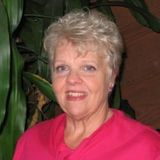

Have you ever wondered why a loved one with perfectly "good" hearing still struggles to follow a conversation at a family dinner? Or why they seem to withdraw or act "aloof" in crowded places?
In this eye-opening episode of the Caregiver Relief Podcast, host Diane Carbo sits down with Linda MacDougall, a holistic healthcare practitioner and author with decades of experience. Together, they explore a condition that is often overlooked, undiagnosed, or mistaken for stubbornness: Auditory Processing Disorder (APD).
If you are caring for an aging adult who gets overwhelmed by noise or seems to "tune out," this episode is a must-listen. It might just change the way you approach communication.
🧠 What is Auditory Processing Disorder?
Linda MacDougall shares her personal story of being diagnosed with APD at age 50. She explains that APD is not a problem with the ears; it is a processing issue within the brain.
Unlike hearing loss, where volume is the issue, APD is about overstimulation. When too many sounds come in at once—like in a busy restaurant or a room with a TV on—the brain cannot separate the conversation from the background noise.
"It is not a problem with the ears... It's either over or under [stimulation]... Instead of a deficit... you're consumed by your environment because everything gets your attention." — Linda MacDougall
🌟 Key Takeaways from This Episode
- It’s Not Just "Stubbornness": Caregivers often misinterpret a senior's withdrawal in noisy settings as being aloof or uninterested, when it is actually sensory overload.
- The "Restaurant Effect": Linda shares a vivid example of sitting under an A-frame ceiling at a restaurant where sound accumulated, making it impossible to distinguish words, leading to isolation.
- Undiagnosed Seniors: Many seniors today grew up before these diagnoses existed. What looks like cognitive decline or social anxiety might actually be a lifelong processing disorder.
- Environmental Triggers: Bright lights, loud motorcycles, or even uncomfortable clothing tags can cause "overwhelm" in seniors with sensory processing issues.
- Simple Fixes: Strategies like turning off the TV during conversation, looking the person in the eye, and avoiding approaching from behind can drastically improve communication.
📝 Episode Highlights
Here are the topics we cover in this conversation:
- Introduction to Auditory Processing Disorder (APD): Understanding the basics and why it is often missed.
- Linda’s Personal Journey: Getting diagnosed with ADD and APD later in life at age 50.
- Hearing vs. Processing: The critical difference between hearing loss (ears) and APD (brain).
- Social Isolation: How bad acoustics in public spaces affect social connection.
- Impact on Seniors: How APD affects independence, mental health, and confidence.
- Caregiver Frustration: Why we mistake sensory overload for behavioral issues or dementia.
- Learning Styles: The link between processing disorders, reading difficulties, and learning styles.
- Creating a Better Environment: Why the TV needs to be off and how to manage home noise levels.
- Signs & Symptoms: What to look for, including the startle reflex, squinting to hear, and withdrawal.
- Nursing Home Care: Addressing sensory issues in facilities and the importance of touch/massage.
- Resources: Discussing the Fat City Workshop and understanding learning disabilities.

🔊 Why You Should Listen
Caregiving is often a guessing game. By understanding Auditory Processing Disorders, you gain a new tool in your kit. You may realize that your loved one isn't ignoring you—they just need a quieter environment to connect. 💖
Linda provides compassionate, practical advice on how to modify your environment to reduce stress for both the senior and the caregiver.
Click the player above to listen to the full conversation!
Podcast Episode Transcript
Diane: Welcome to the Caregiver Relief Podcast. I'm your host, Diane Carbo, and today we're exploring an often overlooked condition, auditory processing disorder, and other related disorders that affect how we understand sound. My guest, Linda MacDougall, is a holistic healthcare practitioner, massage therapist, counselor, and author of the Spirit Method of Massage for Seniors.
Linda has decades of experience working with seniors, the disabled, and those with special needs. She brings a unique perspective on how hearing and communication challenges go far beyond hearing loss and how they impact daily life. Independence and caregiver stress. If you've ever wondered why a loved one with good hearing still struggles to follow conversations, this episode is for you.
Diane: Linda, once again, you're offering lots of information here today, and I know you're so busy, so thank you. Linda, what first drew your attention to auditory processing disorder and communication challenges in aging adults?
Linda: it's not ever looked at for one thing.
Diane: Yeah.
Linda: but what started it is that at age 50. I was diagnosed with that. Oh, so all through life I had gone through this and not understood my own issues. Yes. And the same, the counselor that sent me had diagnosed me with mild A DD, and I am, I'm imagining knowing my youth that I was probably a DHD Uhhuh because I could not, never sit still without my foot going, or fidgeting or whatever.
But I think in older age, the H kind of dropped away and it's more just a d now a D and a DHD. The ad is attention deficit, but don't let that fool you. That's not what it is. Instead of a deficit, it is just the opposite. You're consumed by your environment in a way because everything gets your attention.
Diane: So it's like overstimulation. Yes. Okay.
Linda: Exactly. And with auditory processing disorder, it is not a problem with the ears. Okay. Just like visual or Yes. Nose or any of these senses. It's. Either over or under. If you have a disorder in those areas, you're either overstimulated by something or you're understimulated by something.
Oh, wow. And attention deficit in most cases is everything in the environment gets your attention. Instead of it's a deficit. No. You have all this input coming in and it's overwhelming you in some cases.
Diane: So it, how does it differ from typical hearing loss? It, you're saying to me that he, you can't hearing loss, you can't hear you.
your nerve is damaged. But you're saying that's, yeah. Yes. But you're saying is this is processing, this is the processing. When, something comes into your, when somebody speaks to you, what or hear, could not be just that person, but all, everything around you. Yes. It
comes in at you at one time. wow.
Linda: I'll give you an example that came from my life that really, I knew this about myself, but apparently my husband at the time didn't get it. He was a CB in the Navy, or he is a, I guess he was, he's not dead, but he's just out Retired. Retired, sure. Yeah. But he took me to, An event they were having at a local restaurant,
Diane: Uhhuh,
Linda: and the restaurant itself was noisy enough, but they took us up to the second floor and there was an A-frame rafter above Uhhuh that caught all the noise from above and all the noise from up.
Yes, with all the Seabees and people, and for the life of me, I could not join a conversation. I could not understand the word anybody was saying. No matter if I cut, my ears got right in their face, I, it didn't matter. I could not separate the sounds. Oh, wow. So it was all coming at me, and I finally went to the other side of the A-frame and sat at a table.
Away from it. A lot of the noise. Because a lot of pe, a lot of the event was the other side of the A-frame. And then my husband came over and he got all mad, why aren't you mingling? Why aren't you're looking aloof. And I'm going, I can't understand anything. There's, I can't join a conversation 'cause I can't understand what they're saying.
How common is this? I don't know how common it is. I really don't, but What did I just read? It was one in one or one to three people in every 20 people has a processing disorder of some nature.
Diane: Of some nature. Wow. Wow. So why do so many people go undiagnosed or even misdiagnosed with this?
Linda: And that's funny you should say that because sometimes auditory processing disorder is, or maybe I should say sensory processing disorders are mixed with, autism.
So you never know if they're misdiagnosed as one or the other.
Diane: Okay. it's funny because I have. Seniors or people that in their forties that are just now being diagnosed with being on the spectrum in some way. And, that was surprising to me, but I, when I hear about what you're saying, it makes sense.
people are they function, at different levels and, Some are socially inept and it's because of all the stimuli. So it's, I'm finding this very fascinating because I think that there's a lot of stuff that we still don't know about our brain and how we process things. to the degree that we do.
I know. I just don't like going into a busy room. too much noise. Exactly. Yeah. I can still talk and understand, but I don't like it. I don't like the noise. but I've always been like that too, where I just, I'm, I, you go to concerts,you wear earplugs because I don't wanna hear what.
They're doing and I can't, it just is uncomfortable to me. Yes. So there are different types of sensory overloads that can happen. or like you say, they can be underwhelmed as well. Yes. So how does the auditory processing disorder affect seniors in terms of independence, mental health, and social connections?
Linda: as you can imagine, they're not gonna want to be in noisy. Environments. Yeah. Because of all the stimulation. So I find myself much more comfortable on one-to-one or very small group uhhuh, but events not as comfortable. I can go yeah, depending on how like that A-frame just didn't do me any favors at all.
With all the noise? Yes. From the whole place. Accumulating right there and just driving me crazy. But in most events they can be outdoor or wherever. I can at least hear people talk and can join in. I may not be comfortable, but I can do that.
but I'm much more comfortable in small group settings.[00:09:00]
Yeah. so that's, it's not that I can't be social Yes. That it's. It's better in small settings.
Diane: I can see people misconstruing that as like your husband had said you were aloof. Yes. Or, you were uninterested in others. Exactly. And,and it's really sad because, and I wonder if sometimes we're seeing people that.
Appear to be shy. and there it is strictly an auditory or a sensory overload of some sort that keeps them from interacting with others on a, in a group setting. Anyway,
Linda: yeah, I think that's very, I think that's fairly common and you have to realize that a lot of us who were around our ages were never diagnosed.
Diane: yes.
Linda: Never.
Diane: Yeah. when I hear people my age and I'm 72 saying, they are diagnosed with, A DHD or a DD or whatever, I'm like. Wow. How the, how did we get to be this old and not know these things because they
Linda: didn't have the science in those days. Yeah.
Diane: and it's the same with dyslexia.
people can go their whole lives without being diagnosed there with a di dyslexia and not offer the support that they need to overcome that issue. And it's ironic because some people with dyslexia are brilliant, but they process things, they don't see the words right or whatever.
And, they are viewed as,of lower intelligence sometimes. And it's really sad and it's because they haven't, and many of them, oh my God. you have, we have actors out there that, that are famous, that have dyslexia. They've overcome their disability. By, by OI don't know how you know, acting man.
it amazes me. How do you learn? You must learn to listen versus read, Yes. I'm a I would say
Linda: so.
Diane: Yeah. there's different ways to learn to read. Like you, some people have to hear, some people have to see and some people have to physically do something over and over again to, to get it right.
And I know with me. I like to see and hear, to learn and, and then do the nursing processes. See one, teach one, do one, or do one, teach one. I can see how it would cover all the bases as far as the overload, but, in crowds, I just don't like crowd. I've ne I've never liked crowds. I don't like the noise.
And I come from a big Irish family. Lots of family gatherings, where it gets to a low roar in the house, when you're together. So what unique challenge does this present to family caregivers trying to communicate with their loved ones?
Linda: Often since it does go undiagnosed, all of these disorders can be undiagnosed in seniors currently.[00:12:00]
Diane: Yeah.
Linda: So they don't know what's going on. They think also just like my husband did, that they're being stubborn, they're being whatever. And that causes frustration on both sides, which disturbs the whole sense of caregiving and yes. It's any of the sensory disorders can provide problems if they don't recognize what they are and know how to deal with them or get an occupational therapist even at old age, and to help them deal with the problem on both sides.
Diane: Okay. Now, are there links between a PD and cognitive decline, dementia or other brain health issues?
Linda: You will find a lot of sensory disorders in dementia. Yes. And that's, that may be acquired later. I'm not sure. yes. but because aging causes deterioration in various senses and in the brain too.
Yeah. Until we get probably our kids or their kids into senior living Uhhuh, that's the time you'll know when somebody has a problem. Because they would've been diagnosed so much younger. Yes. yes. With me and people like me, they don't get diagnosed at all, or they get diagnosed very late in life.
Diane: how do you go about getting diagnosed? how were you diagnosed?
Linda: I was seeing a, what was it? Marriage, family, child counselor at the time for other totally di unrelated issues. Uhhuh Sure. And she diagnosed me with a D. D, And then she said, I want you to go to Ventura College and get some more testing.
I said, okay, I have no problem with that. So it was a very long test. I don't remember the name of it, but it was like three or four hours each day for two days. So it was very long test, and most of it I knew I was doing pretty well on. But then they had this section where they did small paragraphs.
The paragraphs got longer and longer, and then I'd be asked what I remembered and with two sentence paragraphs, I could tell you what was there uhhuh longer. They got, it was either the beginning or the end. The middle was gone. Uhhuh, and that's. the guy who scored it or who was telling me the scores anyway, came up to me and he says, the good news is you're in the 95th percentile.
The bad news is not here.
Oh. So then they put me in a special ed class at 50 just. Which
Diane: I thought was hysterical. what I, what I find fascinating about this is, we are a culture right now that does not read much. They don't, people aren't reading like they used to. They want to listen, to podcasts and books versus read them.
I, for me. I can't sit and read a book for very long. Not because I'm not because of pain, between my neck and my shoulders and my wrists. I can't hold a book and read. So I do lots of research online, sitting online and can read, but, What I'm learning because with my site is people just 'cause there's so much information out there thrown at them.
And I personally, in fact, my son who learned he was a Korean linguist and he learned things very easily. He didn't have to work hard, it just. It just came to him when he developed chronic pain condition. He said for the first time in his life he had to read things more than once to understand it. So there are issues like that, that get involved, that interfere with people in their lives, in understanding things.
And I think that,one of the things, especially with dementia that I see is, they do have a processing disorder. they, and anybody who has aphasia. whether it's receptive aphasia, they don't understand what's said to them or expressive aphasia where they're unable to speak, say what they mean.
there's, that's a processing disorder as well, I would assume. So there are a lot of different, processing, or sensory processing disorders out there. So that fascinates me. So are there interventions or strategies that somebody can use to help manage these communications better? Daily?
Linda: again, getting a knowledgeable OT occupational therapist in to deal with the person or with the person and their environmental helpers So that everybody understands what's going on, I think would help a lot because. There are coping methods, and by the time you're my age, you've figured out how you, how to cope.
You either stay away from large crowds yes. Or whatever, and you don't put yourself in those situations. I walk my dogs every day, three times a day, and I, that's my socialization. I, my little one in my lap. Loves people, loves dogs, so she wants to stop for every being that crosses our path. And she wants to be petted.
She wants to be told she's cute and oh,
Diane: she's a little diva.
Linda: She is a little diva and it is just hysterical to watch her. But she will stop us. Anything that comes our way practically because she wants to wait for that person to come and say hi to her, or she wants to see what that dog is all about.
Diane: I've been in many homes doing home care or evaluations, and there are homes that I go into that are very loud and noisy and the TV's blaring. The kids have stereo on upstairs and. Everybody's okay with that and except, the one, sometimes it's the patient that I'm seeing is they're having a hard time and I've never, I didn't know about the audio.
Auditory processing disorder. And I'm wondering sometimes if, because the first thing I do is when I go into a home is ask that the TV turned off, the radio turned off so we could have a quiet conversation. But there are people that don't like quiet. Yeah. they just don't like quiet. I, I know people that have to have the TV on to sleep.
and I'm like, oh no, quiets good. and then there's homes I go into where they are. It's just quiet and there's no noise. you can hear the wall clock,tick, tick. and that's it. And they don't like to be around a lot of people.
a lot of these individuals they don't like. And I'm wondering now if it was an undiagnosed auditory. Processing, disorder or a sensory processing disorder of some sort where they just, can't have a lot, Of, of noise and distractions when they're having a conversation. That's very interesting.
'cause I know we're not, they, we don't talk about this in nursing. I've, and if I'm wrong, I'd like somebody to tell me what I missed, because I've never, I, now, with dementia, I know how, what to do. when I tell the families, you gotta keep the TV off, you gotta have positive.
Calming music. maybe the lights need to be dimmed a little bit or if you want them to wake up, let's be brighter. those types of things. But I find this very fascinating. Very fascinating that, and really hearing aids or other devices, is there anything that a person, a device they could use, or they really do fall short of what a person needs?
Because like with hearing aids, nothing makes me crazier than when people spend thousands of dollars on these hearing aids to help them hear, and they don't wear 'em. And people don't understand when they don't wear them, that the hearing part of their brain starts to atrophy or shrivel up, and it does make you more prone to dementia.
So when they're trying not to hear, and then of course there's always the little old lady or little old man who shuts their hearing aid off because they don't wanna hear their spouse. Or the grandkids, the noise of the grandkids. I find that very, interesting. So if, you, we come, you come across somebody like a family caregiver out there, this is something new to them,it's definitely something new to me as far as, in dementia.
I've dealt with this before. I've seen it. Even with stroke victims, I've seen it. but to just see an average person like you or me that has no outward signs,or we're not having hearing issues, it, I can see how it can go undiagnosed. So my question to you is how do, what kind of signs and symptoms are, what should people look out for so that maybe they can get it addressed?
Linda: For me, I know it's loud noises. Even if it, if the, I'm right on a major street out here, Uhhuh, and if I'm walking the dogs and some motorcycle decides to go 900 miles an hour down the street and it just, I'll do this, or want to do this. If I have the dogs with me, I may not be able to do that.
Diane: yes.
Linda: But yeah, it's just you will see them have it. Extreme sensitivity. it will be obvious in loud noise places like it was to me when I was in that restaurant. if any place like that will do it to me, if it's concentrated noise and it was all caught under that a-frame, in instances, I can do this.
Squint And try to listen. yeah. Read lips. Yeah,
I've tried that too. It doesn't work. At least not for me.
Diane: yeah. we have three biker weeks here in Myrtle Beach and the noise levels During those weeks in the summer are horrendously high. between the bikes making all these wild loud noises and the traffic, there's also lots of fireworks during those times.
And I, I see people, reacting to it, and now I know why, I don't like, a loud noise will scare me, but it doesn't make me, I'm able to tolerate it. But, that's interesting.
Linda: Oh, you just have to, you have to be honed in on that person and not assume that everything
Diane: is what you think it is.
That, that's a good point, Linda. if you have somebody who is responding, to you and talking, or they want to, or if they withdraw, it's really a good thing to change the environment. Quiet it down a little bit. Make that one-on-one. I always tell my family members with somebody with dementia to sit in front of them and look at them when you're interacting with them.
Yeah. never talk to them from behind or, and never approach them from behind. Make sure you walk around and look at them because you don't know. don't. Touch them before you, you, contact, see them because they could haul off and sock you one, knock you over it. It just, for by reaction.
It's a startle response. and with dementia,it can be very real. it's the same with stroke, patients. there's things you have, you should be aware of. so this auditory processing disorder is very interesting to me. And, or the, even the sensory one. I can get the, I get the loud noises.
I get that. get the bright lights is also difficult. Oh yes. The, that's difficult for me too. that's a really, a tough one for a lot of people. Yeah. and I didn't know it was a process. I was just ignorant. I didn't know it was a processing disorder. Most people don't. yes. You were
Linda: saying come around, don't touch them from behind.
They're tactile disorders. Yes. And they can move from one, one thing or another. it can be extreme to the point that they're touching you all the time. 'cause they're, yes. There's something that they're not getting in their information so they're touching to get it.
Diane: Yes. But
Linda: if you come up behind them and touch them.
They might just, go into overwhelm.
Diane: Yes. It, and become very overwhelmed. I have actually witnessed that,many occasions in my nursing career. Now you've worked with a wide range of populations, seniors, the disabled, the mentally ill. How do communication disorders like, a PD show up across these groups?
I think any of these processing disorders come across these groups in so many different ways. yeah. I mean
Linda: I worked with the developmentally disabled for decades and all. I won't, I guess I shouldn't say all, but the vast majority of them have some auto, some processing disorders. 'cause you're gonna get those that either have to touch you or I had one that would look at the sun and do this and it was
Diane: Yeah. tap his head or whatever.
Yeah.
Linda: And there's just so many things that go on with developmentally disabled, and that's another whole thing where the brain isn't processing. Yeah. And so therefore you're getting weird responses. I've been attacked by them when I've tried to round them up from getting away from Camarillo State Hospital, but when it was a state hospital and not a college.
Yeah.
Diane: I've got, yeah, I've done behavioral health as well and it can be challenging and, but I think the point here of this podcast is there are pro sensory processing disorders that go undiagnosed in many of us, whether it be an auditory processing disorder where. We can't communicate with others because of the noise or the distractions.
or if it's too quiet, that's another. Way somebody may not be able to communicate well because they're underwhelmed. and then their sensory ones. So I think that's just being aware of the person that we're dealing with, our loved one and. Figuring out the approach to them, or a noticing, just being aware of noticing, them because, people get agitated.
Yes. Or with, or a aggravated or withdrawn, depending on whatever their response is to loud noise or lots of noise or bright lights. I know that, In the movies theaters now when they have, they have strobe lighting, they'll tell you, this may cause seizures. and, people aren't, we just need as human beings to be aware and a.
Of what is happening with our loved one. And, that's very interesting to me because I can see it in, I see it with dementia, but I didn't see it. and this might explain some of the reasons why, some of the seniors that we are dealing with are withdrawn. and, but they have good hearing.
I,I didn't realize that it's gotta be hard for some of them that are in the nursing homes, they're the ones that wanna be in the room all the time because they don't like the noise outside in the hallways and stuff.
Linda: No noise in the hallways. But the, one of the ladies I was dealing with in a nursing home prior to COVID, she had a stroke and I was working on her.
Unfortunately, it was only. Once a week and half an hour, which was never enough to do much. It was like Groundhog Day with massage.
Diane: yes. Trying to
Linda: get her to unwind her arm and then it would be wound up again next time. Because when you do massage on stroke victims, you need to do it on a very regular schedule basis.
yes. But yeah, there's so many things like when I was an advocate for the state of Hawaii. They sent me to a group home for the developmentally disabled, but I forgot what my assignment was supposed to be. But I went there and they, the staff were complaining about this older client. She was probably in her late fifties, and she would keep undressing.
Yep. And being very frustrated and taking off her blouse all the time. And I had two thoughts right away. I said, have you cut out her tag? It's in the clothing because that will, that can drive me crazy sometimes. It's not often, but every once in a while I get a tag that just, oh God, but.
There's the tags. And then the other thing was how clean, how clear and clean is your laundry detergent, because she may be reacting to something in the laundry detergent. Yes. Stays in the clothes and I unfortunately never got to see what the result of that. Encounter was, but we tried. She also had trouble sleeping, so I told them to diffuse some lavender in the room.
Yep, yep. help her sleep, if that would help. I don't, you never know what will work with somebody, but you try different things.
Diane: exactly. I know from my experience sometimes on people that undress are,are people that they, that the clothes are too tight or they just, they don't feel right or they bother them in some way?
Yes. And you just have to find a solution. or others, maybe it is just that you need to keep their hands busy. and I, the fidget clothing or aprons where they have things that they can feel they need to be, these types of individuals need to be stimulated in some way. it's a, a guessing game for the family.
Linda, how do people reach you and, if they have any questions in regards to the auditory processing, but you do so many other things, tell people how they can find you.
Linda: my, my website, although it is not updated, presently is love your longevity.com. Oh, I love that. And. I try to help people stay younger longer.
Yes, of course. Yes, absolutely. But anyway, yeah, you could do that. Or I am@arthritiscoach.com or in@gmail.com. So you can get me there.
Diane: I'm, I'll put all of these. Yeah. I'll put them on, on. They're on all the pages that, with every podcast we do, I put that on. And then you've written a book about the seniors, and I also include that book, because Massage for Seniors is so important.
Linda: I'm on, on LinkedIn. I don't really use my Facebook much anymore.
That one got too, it was too much. Garbage. Yeah. I went, I stick pretty much to LinkedIn Now. I had started a group on Facebook, but the group never seemed to want to participate, so I just said, heck with it.
Diane: and you know what? I think I, there's a lot of those issues right now in, in. On Facebook, there's so many groups that people get distracted and don't know which ones they've joined.
Linda: And,it's, 'cause I'm finding that as well. But thank you for your time today and bringing up,about auditory processing Disorder. I appreciate you. This is an excellent source. If you want to learn about all the weird things that kids in school go through, and this guy, it's fat. It's called, my Voice is Going, I'm sorry. Yeah. Anyway, it's called Fat City, and FAT is for frustration. Anxiety, intention, and he's talking about kids, but it applies to adults as well.
And what he's fast. What is fascinating about this is that he makes them all voice call from
Diane: seven, eight,
Linda: six, that they have the disability. Oh, so and two minutes in, he goes, see, you've been learning disabled for two minutes, and look what you're already doing.
Diane: So what's the name of it?
It's, I can't see it. It's, this is audio. I don't use the video. how can,
Linda: how difficult can this be? The Fat City Workshop and is presented by Richard d Levoy. Now, this isn't oldie. This was made. I'll put,
Diane: I'll look it up and put a link on the site,
Linda: but it is great. Okay. I watched it again yesterday to prepare for this because he is, he makes all these adults in the room feel just like the learning disabled.
Okay. With his different things. And it's fascinating 'cause he goes through all the learning. Problems and everything. So
Diane: I'll put a link to that on the page as well. Yeah. Do my family caregivers out there. You are the most important part of the caregiving equation. Without you, it all falls apart.
So please learn to be gentle with yourself. Practice self-care every day because you are worth it.
Caring for a loved one can be overwhelming — but you're not alone. If you have questions, big or small, our expert team is here to help.
👉 Click here to Ask the Expert
Our Resource section can help you find the information and tools that you need. We have courses, videos, checklists, guidebooks, cheat sheets, how-to guides and more.
You can get started by clicking on the link below. We know that taking care of a loved one is hard work, but with our help you can get the support that you need.
Click here to go to Resource Section now!