One Fall Can Change Everything: How to Stay Independent with Jonathan Treiber - Episode 187
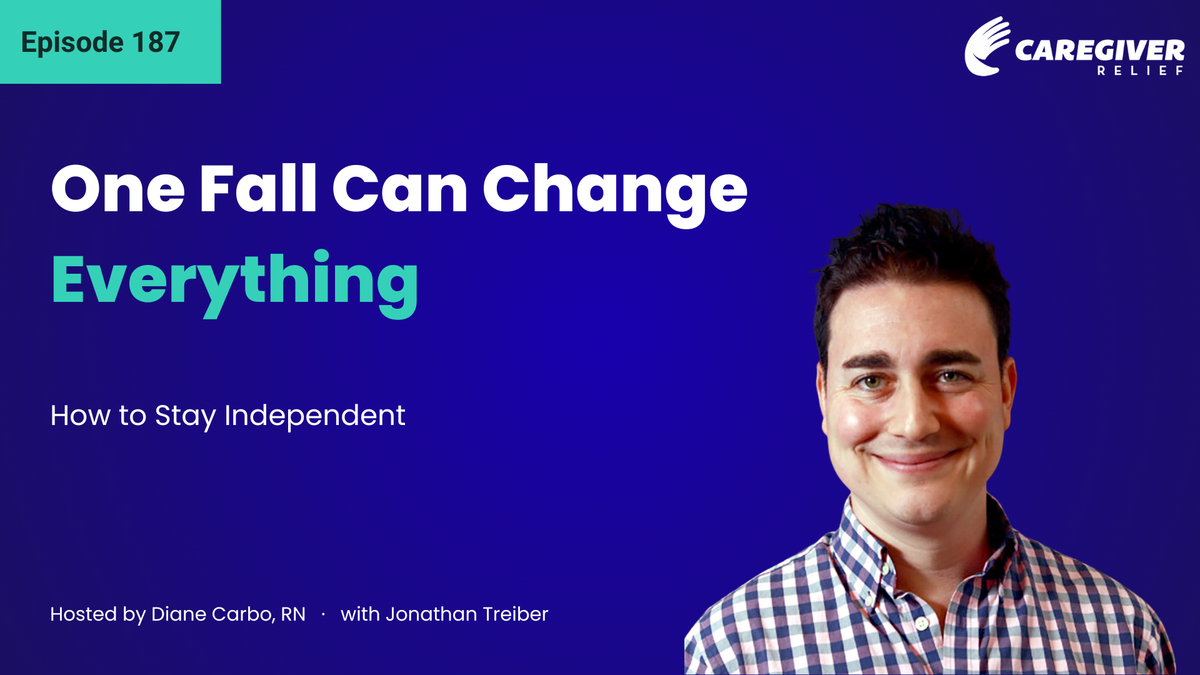
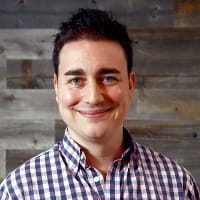
In this powerful episode of the Caregiver Relief Podcast, host Diane Carbo, RN, sits down with Jonathan Treiber, CEO of Skill Care. With over 40 years of experience in patient safety, Treiber dives deep into the "why" behind senior falls and, more importantly, how we can prevent them before they change a life forever.
🎙️ In This Episode, You’ll Learn:
- The "Three Mississippi" Rule: Why the first few steps out of bed are the most dangerous moment for a senior.
- The Psychology of Falling: How the fear of falling creates a cycle of inactivity that actually increases risk.
- The Rights vs. Safety Dilemma: A candid look at the "Right to Fall" legislation and how it impacts nursing care.
- Environmental Hazards: Why your loved one’s beloved four-poster bed or throw rug might be their biggest enemy.
- Proactive Strategies: The importance of "buddy systems," balance training, and why the bathroom isn't always where the fall starts.
📋 What We Covered
- The Turning Point: Diane discusses how a fall, rather than a diagnosis, is often what changes a senior's life. 📉
- The Skill Care Story: Jonathan shares how his father-in-law's engineering background led to 50 years of safety innovation. 🛠️
- Why Falls Still Happen: A breakdown of the three "buckets": state regulation, medication interactions, and nursing fatigue. 🏥
- The Struggle for Agency: The psychological battle between wanting independence and having "poor judgment" in the middle of the night. 🧠
- Overcoming the Fear: Strategies to build confidence through small building blocks of activity and the "Buddy System". 🤝
- The High-Risk Window: Understanding "Positional Vertigo" and why those first two steps from the bedside are critical. 🕒
- Safety vs. Dignity: Navigating the fine line between protecting a loved one and respecting their autonomy. ✨
✨ Key Takeaway for Caregivers
"The risk or highest probability of somebody falling is at night, going from a laying position... to a standing position. Count to 10 Mississippi before you stand up." — Jonathan Treiber
🎧 Why You Should Listen
Falls are the number one sentinel event in hospitals and the leading cause of injury for older adults. Whether you are caring for a parent with dementia or looking to "fall-proof" your own home, this episode provides the insights you need to protect safety without sacrificing dignity. 🛡️
Visit https://skil-care.com/ to learn more about mobility and safety products mentioned in this episode.
Podcast Episode Transcript
Diane: Welcome to the Caregiver Relief Podcast. I'm your host, Diane Carbo, rn. Today's episode is titled One Fall Can Change Everything. How To Stay Independent, because for many families, it's not the diagnosis that changes everything.
It's the fall. A fall can take away confidence long before it takes away mobility. It could turn a simple walk to the bathroom into a moment of fear, and it can quietly shift independence into dependence. Joining me today is. Jonathan Treiber, CEO of Skill Care, a company that has spent over four decades focused on patient safety, mobility, and fall prevention across hospitals, nursing homes, rehab facilities and homes.
Jonathan has seen what happens before a fall. During a fall and after a fall, and how often families wish they had known things sooner. Today we're talking about how false happen, how fear of falling changes behavior, and what caregivers and seniors can do to protect safety, dignity. And independence because one fall can change everything.
Diane: Jonathan, thank you so much for taking time outta your busy schedule to be with me today. I'm really excited about this is such a timely topic.
Jonathan: Thank you for having me, Diane. It's a pleasure to be here.
Diane: Now, you've been in patient safety for over decades. What made fall prevention, such a personal and professional priority for you?
Jonathan: I think it goes back to the origin story, and a fun little history nugget is that Skill Care is a family owned company that my father-in-law started now almost 50 years ago. his. Background as an engineer. he got into this business because he saw the need for various patient safety products for his parents who were aging in nursing homes.
and the feeling, which, he's told me plenty of stories about in the late seventies, there were a lot of products that patients could benefit from. And so from that standpoint. It really focused on, I would say two major areas. the first was fall, falls management, false prevention, and fall safety.
And there's some nuances between all of those. and then of course,things like, pressure offloading devices, specialty cushions, heel protectors, elbow protectors to,combat and prevent, pressure ulcers.
Diane: Yes. let's talk about falls. Why do falls remain the leading cause of injury and hospitalization for older adults?
despite how common they are?
Jonathan: Oh, wow. It's, it frustrating,that is a true statement after so many years, and I would explain it. In three major buckets that, that, three major reasons that converge. The first is regulation by state.
Diane: Yeah.
Jonathan: States have. determined from a legislation standpoint whether they are, for example, pro patient restraints or anti patient restraints.
Restraints is a very charged word. yes, it's, I think we need a different name for it, but the gist of it is that there are states that,have deemed, falling as a patient's.
Diane: You know what? I will tell you right now, Jonathan, that is really a dilemma we are facing because I have seen it.
Patient rights. They don't have to turn, they can develop pressure sores if they want. They can develop pneumonia if they don't wanna cough and debrief and move around. And we're co and I don't understand this patient rights thing to a point, there's a time when we, now I'm from, I'm an old school nurse.
I've been a nurse for 50 years and one of the things that I find astonishing is patients are being discharged with debit eye. pressure sores on their heels or the bottoms or their elbows, and it's not even documented in the charts anywhere, and they're coming home with no, information on wound care or even home care, referral at times.
our nursing, our nursing care, I think has been really hit. And, falls are the number one independence robber of seniors. And, one fall just destroys you. I know that they are preventable and there are steps you could take. That's why I'm so excited about having you here, with me today.
Absolutely. Because you
Jonathan: so Diane. Yeah. you're absolutely. So there's a bright light at the end of the tunnel, but what I'm trying to paint is a picture. Of that creates a lot of challenges for caregivers.
Diane: Yes.
Jonathan: and patient rights and legislation is one piece of it. The other piece in terms of why falls are, still a major, the, I think as you said, the number one sentinel event in hospital settings annually is also a, I think poorly managed, holistic, view of the patient as it relates not just to mobility and PT and balance training and some of these preventative things that we'll touch on, but also how all of that interacts with medication. Yes, and so holistically, this is, this is a problem when we add pharmacological,and sometimes necessary medication for elderly patients, especially blood pressure medication that create reactions within the patient, especially, in that.
nighttime window of a patient who's sleeping, who has to go to the bathroom, and that, the pressure equal, equilibration,when somebody goes from a lying down position to a standing position and getting dizzy, right? Those are,I would put, medication and pharma as a another contributing factor here that is.
I, I don't think is often talked about or analyzed as much as it should be. it's, people are obviously aware of how medication can impact falls. and then I would add the, patient cooperation. on one hand you have the states that, determine that the patient has, some states say that the patient has a right to fall.
I, I adamantly disagree with that. I do
Diane: too.
Jonathan: and I guess I missed the other leg of the stool, which is the fatigue that exists within the nursing staff, right? Yeah. Battling the uphill battle of, states saying, you can't use patient alert, alarm. patient, alarming devices you can't use.
Yeah. anything that could be deemed a restraint, which is a very questionable set of definitions. and what falls into that In my, humble opinion. So you have the nursing staff that's fatigued, feel like they're fighting an uphill battle. You have the, the state legislation that plays a role in this.
You have a, you have medication and the overall patient care, element to it. And then you have patient cooperation. And so patient cooperation comes down. I think of it as,as just maybe broadly the broad umbrella of, exerting one's own agency and independence.
But with poor judgment.
Diane: Yes. and
Jonathan: that comes down to. The patient being instructed, sometimes begged, sometimes, strongly worded by the nurse or the physician to say, please don't get out of bed in the middle of the night to go to the bathroom. hit the nurse call. We will run to you and we will help you.
Diane: Yes,
Jonathan: and there's a statistic that I don't have, but probably exists about how many times the patient just simply doesn't listen.
Diane: Oh, I would say that's really often having worked in long-term care assisted living and home care, I can tell you it, it's very common. Yeah. Yeah.
Jonathan: so patient compliance, is sadly at the crux of this, where we're really now talking not about the physical,
reasons why a patient might fall, that becomes a medication explanation, et cetera. We're now talking about psychology. Yeah. We're talking about the psychological drivers of why a patient falls, not because they want to fall, but because they don't wanna ask for help or, they think they can do it on their own or they really have to go to the bathroom.
Yeah. And so they don't wanna wait because the nurse takes, two minutes instead of, 10 seconds. So you think about all these things converging at once and you take, there are just too many variables. Yes. and that's why you have a situation where despite, so much talk about falls and so many solutions out there, and,magic products that, that people have invented to try, to prevent falls or identify falls in real time and all these things.
There, there is no silver bullet. Because it's a multidisciplinary Yeah, problem and there are multi-variate problem and a multidisciplinary solution.
Diane: Yeah. one of the things I will tell you is denial is a very strong emotion and, seniors, have them all the time. I can't tell you how many times I've been into someone's bedroom, a lot of, for eight, helping a person age in place, and these women have.
Four poster bed high beds that you need a stepping stool to get in. And I'm like, you have to, you either need to get a new bed or cut those legs off. I know they are horrified, but,and it's a battle with seniors to give up anything and they wanna appear to be normal and it's had detrimental.
Impact on so many because they just don't listen and it's, or are just closed-minded to the fact that they're aging and may need assistance. It's,
Jonathan: you bring up another set of variables, which, I didn't want to, I didn't, I, I think the facility-based care is doing a much better job, on mitigating environmental
Diane: Yeah.
Jonathan: Challenges for, falling. Absolutely. Home based care. it's still the wild west. and that's exactly right. If somebody wants their four four post bed, you can be assured that they also want their throw rug, right? Yes. In the middle of the room and they want their bed skirts and,
Diane: yeah.
Jonathan: and you name it, and all of a sudden you take a lens as a nurse into the risk of falling between that patient's bed and the bathroom.
And you're like, they're about a hundred ways this patient can injure themselves.
Diane: Yeah.
Jonathan: but they, they don't wanna modify. Yeah, their living environment. And that becomes its own set of challenges that most facilities have. I think, done the work to design, something that tries to balance.
safety and pragmatism, but,but also, some warm and welcoming and homey type feel. but still, it's not somebody's home, right? Yeah. And I think that's another leap, in another set of issues that yeah, a caregivers have to navigate.
Diane: So I wanna talk about the fear of falling.
I'm 70, going to be 73, and I, recently. not recently, but yes, recently I was in New Hampshire, visiting my son and it, blizzard area. And,I found myself. Avoiding going outside, which I do every day walking. 'cause I was afraid of falling on the ice because I know of things and I wanted to, I should have bought cleats or something because it's important to keep Uhhuh going outside.
I find myself gr like I'm living in Myrtle Beach right now and, I find myself loving, being free, but that fear of falling is real here. And it does change your. Attitude, it changes your confidence. how does that impact our movement and our ability to stay active?
Jonathan: Ooh. you're talking about the intersection between the physical and the mental
Diane: Yeah.
Jonathan: And it is in healthcare. I could give you a thousand examples of where that is, the dynamic.
Diane: Yeah.
Jonathan: something physical can impact the mental, something mental can impact the physical and with falling. I think we all have people in our lives who. Are, are in that same boat, a as you're articulating, right?
Yeah. I can give you examples of my mother-in-law who, is afraid of falling. and that impacts her choices in terms of, what she will do and where she will go. And,it absolutely. Turn somebody who has historically been independent into somebody who is now much more dependent.
Yep. your question is, what can be done about it in terms of,tools or, regimen? And what I would tell you is the number one thing is, easier said than done, but is not to succumb to the fear. Yes. Instead the modifications, which I know my mother-in-law has made as a, very personal anecdote.
or example is to make sure she is exercising Every day. And the, she's fortunate that my father-in-law Is still able-bodied. He's 84, God bless him, and she's 78. but they will walk together. So the concept, which she didn't really, doesn't think about, but she's got a buddy system.
Diane: And that's wonderful.
Jonathan: That's wonderful. And so anybody,
Diane: yeah,
Jonathan: if the choices do less and be active less because they're afraid of falling, right. That is to me a horrible. Dilemma.
Diane: Yes.
Jonathan: And certainly not the preferred choice. The alternative is some form of buddy system activity. Right.
Which it could be a friend, it could be a child, it could be a spouse. and my feeling is that. The simple repetition. She's not going on three mile runs anymore. She's not doing, ex strenuous hikes. Yeah. We're talking about, walking the dog around the block. Yep. And, but being able to build the confidence back.
Yeah. Again, psychologically where she's not jumping, and doing something crazy, but it's small building blocks of confidence.
Diane: Yes.
Jonathan: And a lot of it has to do with, physical activity and exercise. walking around the block is great, buttrying to also convince her to implement things like balance training.
Diane: Yes.
Jonathan: and using certain things, resistance bands for some resistance training. All of a sudden, I can promise you that the last two things I mentioned become a tall order for most people, Getting out there with a buddy system or, if it's even, a physical DME device, like a walker, which I know has its own stigma.
Yeah. But ultimately. Physical activity is awesome and great, but when you try to push. A lot of people into the exercising realm, even if it's basic stuff. And I can give you my grandmother as an example 'cause we make skill care, some exercise devices. Getting her to use it on a regular basis was torture.
she just didn't want it. And, explaining it to her. And she had her, wits about her and convincing her and trying to tell her, look, if you do this, you will be more confident in your physical mobility and you will be less likely to fall. And we know what happens. Everybody knows what happens when an elderly falls bad things is the answer.
And it's a question of how bad, even then she was resistant. Yeah. And This comes down to, again, psychological. She has all the time in the world. She's retired, so she, it's not even like time to do it. So it becomes like,you're debating with somebody and trying to convince them about something that's good for them and trying to figure out how to make it a routine that they can embrace, even if it's five minutes, for, for heaven's sake, to just get.
A little stronger because the alternative is obviously a greater chance of falling. Yeah. And that's the mental part that a lot of people don't connect is that the fear of falling. Yeah. As that perpetuates and potentially exacerbates the risk of falling goes up.
Diane: Yes.
Jonathan: And so trying to explain to somebody who hasn't fallen yet.
Is still so difficult, right.I feel like I'm speaking logic to you, but speaking to somebody, the patient right. it becomes very challenging. And then especially somebody who has fallen right. That fear is so real.
And how to get them, to do some of these things. I would argue like many things as it relates to even our own children, right there, there's a consistency or an analogy that I'll use, which is people don't wanna listen to their parents, right?
Kids don't often listen to their parents, and parents don't often wanna listen to their kids.
Diane: Yes.
Jonathan: And this is where, again, a whole set of separate challenges in terms of affordability and, external care, for physical therapists is really where I'm going with this, is to say, Hey, look, dad, we're gonna have, Joanne, who's a physical therapist
Come to the house, for an hour a week, two, two days, 30 minutes. And this is what they're gonna do with you. And she's really nice, but you don't have a choice.
Diane: Yep.
Jonathan: And that dynamic does work, right? It becomes a, Hey, I'm not the bad cop.
There's no bad cop here. We love you. We care about you, we want you to be healthy. The same way that sometimes as adults, we need the extra kick in the butt, for a physical trainer or, to go to the gym or that buddy system with regard to, somebody, a friend who's like, Hey, let's go for a walk tomorrow.
Right? That extra motivation, because most people, including even myself as an adult, and I consider myself a healthy adult. It's, sometimes we need the extra push. Yes. And, anyway, I think I answered the question, but it's, it's complicated and it comes down to the nature of the relationship between the caregiver and the patient.
Diane: Yes.
Jonathan: Which could be the child or the family, right? Yeah. Which is you talk about in your podcast is a $1.1 trillion, Job annually. and there's so much stress involved with that besides falls and the discussion of falls, you add falls in, most children who are caregivers are like, oh, I don't have the capacity for this to fight with mom or fight with dad anymore.
and so it becomes important but not urgent, if that makes sense. and that also is a dynamic I can talk about. it's a very real risk. The statistics support how bad this is,for the elderly. And even if it's not a physical injury, even if somebody is mentally afraid of falling The impact it can have on their,on their life And their wellbeing is dramatic and very unfortunate.
Diane: it negatively impacts the quality of the senior's life. I've seen it before. I wanna talk about the most overlooked fall risks that caregivers miss in everyday environments, like the bedrooms and the bathrooms.
Those are two places where most falls occur in the home. Can you talk about that a little bit, Jonathan? And what we're missing and what we need to look out for?
Jonathan: Absolutely. so I've done, or we've done a lot of learning and a lot of our own,research on that dynamic. and what I would share is paint a flow or a picture of A patient who is in the bed and the risk factors associated. In different scenarios. and here's what I mean. The risk of falling for people of a certain age with a certain body type who may be medicated in a certain way. There are different risk factors and then environmental risk factors.
Diane: Yeah.
Jonathan: what I'm trying to pinpoint is, and get closer to is what is the highest risk moment for a senior to fall? Okay. Where they fall, which is important.
What I feel we've zeroed in on is while there's risk everywhere.
Diane: Yeah.
Jonathan: The risk or highest probability of somebody falling is at night, going from a laying position, a horizontal position, a asleep.
To a standing position.
Diane: Yes.
Jonathan: And what that really means for most people is, I use the benchmark of three Mississippi.
Diane: Okay.
Jonathan: Okay. Because time I. Is a huge variable in all of this. Meaning if you start your stopwatch and a patient goes from a laying position to a seated position, to a standing position, and then takes three steps from the bed, that might be maybe five Mississippi, but those first two steps Within that timeframe. As I said, you have blood pressure medication. You have, just general disorientation you have, which creates dizziness That hits, and we've all faced it. I've felt that, yeah. That positional vertigo or disorientation is maximum within those first few steps from the bedside.
Diane: Interesting.
Jonathan: When the patient. If the patient
Makes it all the way to the bathroom.
What becomes fascinating to me is that by then, call it 10 Mississippi, 15 Mississippi. the blood pressure has equilibrated, the patient still may be di a little disoriented, but generally that dizzy spell has passed.
Diane: Okay.
Jonathan: It's gonna happen. Yeah. And so when the patient is in the bathroom, of course I look at that as a giant hazard, right? So many hard surfaces that could, if somebody falls, the injuries could be severe. But what becomes interesting is that the chances of somebody falling once they make it to the bathroom are actually a lot less.
It doesn't mean it's zero. So now look at this from a risk mitigation standpoint, and you say, okay. If the acute window for fall, for the maximum fall risk is between a patient getting outta bed from a sleeping position and standing and those first few steps, how do you mitigate that?
Diane: Yes.
Jonathan: Okay. what's exciting is that there are studies that have been done and are coming out to try to zero in on this because you have different things you would do with the bathroom.
in terms of padding and of course, modifications with grab bars and other things. But the number of fall incidents of people going from one seating or laying position to a sitting or standing position, that transition is the most problematic. and so there, there's a holistic amount of things that you can do from. Environmental changes or products that you can implement within the home, at, from everything from cushioned fall mats that exist near the bedside or along the bedside. It's not that people are rolling out of their bed, people are trying to get up out of their bed and they're dizzy and they fall, andwhy it's multidisciplinary and very holistic. There's not one product that can help, protect a patient from injury. There are a lot of products that could really need to be implemented to protect the patient from injury if they fall. And of course,the utopia is full prevention.
Yeah. And that's what we talked about, half an hour ago, which is still a bit of a pipe dream because full prevention. Unless you're restraining the patient in some unique way where they're not restrained and an alarm goes off 'cause they're getting outta bed and something, kind of restrain them or reminds them, hey, Mrs.
Jones don't get outta bed. The nurse is on her way, type of thing. We're now back to the agency of the patient, the desire to be independent. And the patient who probably should just sit at the edge of the bed, either hit the nurse call or frankly, the big piece of advice that a lot of therapists and nurses are trying to give patients is if you want to do it yourself, count to 10 Mississippi before you stand up.
Diane: I work with a lot of people at home that have dementia and their loved ones are taking care of them, and it's never realistic for them to fall. And they are the biggest fricks. you wanna wrap them in,the, air bubble wrap? Bubble wrap. Thank you. Wanna wrap them in bubble wrap?
Because, it's just, and you know what, I have visions of, a helmet on. And knee pads and bubble.
Jonathan: Yes. and all of a sudden, Diane, now you're in the realm of patient dignity, which is very real. Yeah. and how do you balance that? Now you have patient dignity, which I am a huge advocate of, but then on the opposite extreme, you have state regulations, right?
Where you have these patient rights.
Diane: Yeah.
Jonathan: That ultimately, do, tie our hands in terms of what we could implement that will keep the patient safe.
Diane: Yeah.
Jonathan: And obviously keeping a patient safe is keeping them healthy. Yes. And so this is a, it's just complicated, in terms of why the states are taking the path that they are.
you know how,there, there can be a better balance in terms of, I would say just sound judgment, that can be made on a patient by patient basis. but patient dignity is also very real, right? In terms of, putting somebody in a soft helmet, which. Yes. there are some patients who need that.
Yes. and if they Alzheimer's or dementia, maybe it's more excusable because they may not be fully aware.
Diane: Yes.
Jonathan: Of the health. And then is patient dignity, self graded by a patient who's saying, no, I don't want that. Because I would feel lesser than.
Diane: Yeah. But.
Jonathan: or is it externally imposed?
Yeah. Is it judgment on you that I don't want you wearing this type of product or device because that takes away your dignity even if you don't necessarily feel the same way.
Diane: Yes. And it's a fine line. Yeah.
Jonathan: Line.
Diane: yeah.
Jonathan: It comes down to, this is where I say it comes down to the patient.
It comes to the caregiver, not just the care environment, but then against the backdrop of sort of state regulations. Yeah. and it's, we talk with a lot of nurses in states who are very, adamant that patients have rights, they have the right to fall, they have the right to develop pressure ulcers.
They don't need to do anything they don't want to do.
Diane: Yep.
Jonathan: And those nurses, they're all frustrated. Oh,
Diane: I know.
Jonathan: We know what the punitive mechanisms are
Diane: Yes.
Jonathan: Against health providers when injuries and situations like this occur.
Diane: Yeah.
Jonathan: So they're caught between a rock and a hard place.
Diane: I've lived it, for many decades.
patients wanting to get out and move around and they're not able, I've even been fighting with, assisted living. Some of my clients have a loved one in assisted living, and they won't let them use alarms. They won't let them use anything, and it's really struggling. I even suggested because we used to do this.
Use a low bed, get 'em closer to the floor so they don't fall. And it's, it falls on deaf ears. That's why I thought knowing about some of your products and, what can help my clients stay safely at home even as long as possible. That's important. 'cause there is a struggle between safety and independence.
But how do families protect both? Both, assisted living to me, and forgive me, I know this is gonna make heads explode is the most dangerous of all our medical delivery systems, okay? And I'll tell you why. Yeah. It's based on a social model, not a medical model. And the people there are not trained in any way, shape, or form.
On, identifying changes in the body, like memory care, and you're supposed to be able to direct your own care. Okay. that's not happening in memory care. They're not directing their own care and the facilities, people are paying boku dollars to have a pa, their loved one in,a unit.
but they're not getting quality care. I hear, I had this one little lady, she's in her late eighties. Her husband is in his nineties. He's in a, an assisted living in, Florida. And she, that's how she called me and said, how do I get them to use alarms and how do I get 'em? She was going in every day and finding him not having breakfast.
Still it was cold, and he was soaked with you and stool every day. And, she was paying high bucks for this very Upscale assisted living. And, it's just that they have so many at a high level of, or a low high functioning or low functioning, patients with dementia. Only two AIDS is not enough to handle all those kinds of patients, and
They're not,staffing according to acuity levels. So I really have a hard time because, it's, if you want something done in assisted living, you have to have a home care company come in. That's why I'm very curious as what are you doing to help people reduce that risk of fall or, Or the pressure sores that are occurring. That is very concerning to me. I'm really disillusioned with our healthcare system because they keep cutting, and,we're talking about getting home care in. they're not even, they don't even want a nurse to go in anymore.
They're not reimbursing for that. So there's all these challenges and, the caregiver, the family caregiver, has more responsibility than ever. To provide the care. In fact, we were talking about physical therapy, Jonathan. They're going to a, an online model, virtual therapy, and it's very real and very soon, and we are also wait for it.
I'm doing a podcast on this later on this month, hospital in the home, and they're going to actually put high acuity patients. In the home to be cared for by their family members. And I don't know how that's gonna work. I don't because the family members aren't trained in things and it's a very deep concern of mine, but it's coming this way.
I don't know if you know this, but, Medicare. Advantage plans, make the high deductibles. right now in skilled care, this is why I am so curious is what do you have to tell us? Because Medicare Advantage plans are charging a copay of 200 to $400 a day outta your pocket. Seniors can't afford that.
No. and families are taking them home. So that's why I thought this was a topic that needs to be addressed and talked about because family caregivers don't know what they don't know. And I want 'em, I, and you are an expert if in this, so I really want to,Talk about, what's happening in our healthcare system and provide, offer you as a solution to these fall prevention, fall risk, or, other things that,what can we do, before the first fall?
or they become a risk because this is gonna be more of an issue, Jonathan, as we move forward, because patients are going to be in skilled care or rehab, they're going to be sent home.
Jonathan: Yeah. Yeah. Yeah. I look it's, this isn't a product pitch, but we have an extensive catalog and assortment of full falls management, falls monitoring, and,related devices.
We have a, very large line of wound care products,that, as I said, are aimed to reduce pressure injuries. but so much. Of what we're talking about is what wraps around the product, right? Yeah. It's about that caregiver. It's about the checklist, if you will.
Diane: Yes.
Jonathan: Here are things that need to be discussed with the patient.
Here's how to discuss it with the patient. Here's what the patient really needs to do. If they have the wherewithal, to make a judgment call. And, lay it out for them there. And here's what to do with patients that have Alzheimer's or dementia. who just can't make the judgment call for themselves.
and looking at it holistically,we're not physical therapists, right? We can recommend that a patient look at a physical therapist, either at a facility or in the home. Yes, it has added cost, but here are the benefits of that in terms of a weekly routine because it strengthens and, improving balance is such a huge component of this, but that's not the only thing.
And so from our standpoint, we're a product supplier. we don't provide rehab in the homes. We don't provide home healthcare. We're not skilled nurses. But we work with all those, it's an ecosystem, right? It,
Diane: yes, it
Jonathan: is. As everybody says, it takes a village.
Diane: Yes.
Jonathan: And it does.
And so we are a part of, every, the whole entire holistic solution. And that's exciting for us because, there are so many talented and passionate people who are on the same mission we are. and so what I can say is, we're. We're always partnering with physical therapists. We're always partnering with, with nursing facilities, home health agencies, to,as a trusted partner.
we're not just here to sell product. We're here to, listen to their. Assessment of the home environment. here's what we're dealing with and here's what we're suggesting they modify, and how would your products fit into that? And, are we thinking about the right stuff?
And, we tend to be very collaborative is my point. because as I said, there's no silver bullet for this. It takes a lot of, people who are willing participants. And even maybe most importantly, the patient. and that often is the hardest, in terms of, getting,compliance or buy-in from the patient to do what's in their best interest.
Diane: Yes. Jonathan, how do my clients and my listeners find you?
Jonathan: Oh, we're everywhere. I would say a simple, search for us on Google. we also, obviously they could come to our website, which is www. care.com. and, almost all of our products are available on Amazon, searching for skill care on Amazon.
You, you'll see the whole assortment of what we offer. and then of course reaching out to me personally, and other key folks at the company. our contact and bios are right on the website. we're always, happy to talk to people, that have questions or trying to navigate these topics.
and so we're, we're always willing to help even if it doesn't involve our products. 'cause again, it's about the mission. Yeah. And if we can prevent one person from falling, that's, a good day for us. so that's how you can find us.
Diane: Thank you Jonathan for your wealth of information.
fall prevention is definitely one of the hottest topics right now, and in the next 10 years, it's gonna be one of the major topics with the silver tsunami that is here. so thank you for your time. I really appreciate it. To my family, caregivers out there, you are the most important part of the caregiving equation.
Without you, it all falls apart. So please learn to be gentle with yourself. Practice self-care every day. Because you are worth it.
Caring for a loved one can be overwhelming — but you're not alone. If you have questions, big or small, our expert team is here to help.
👉 Click here to Ask the Expert
Our Resource section can help you find the information and tools that you need. We have courses, videos, checklists, guidebooks, cheat sheets, how-to guides and more.
You can get started by clicking on the link below. We know that taking care of a loved one is hard work, but with our help you can get the support that you need.
Click here to go to Resource Section now!