When Caregiving Hurts: Protecting Your Health While Caring for Others with Sabrina Ciceri - Episode 145
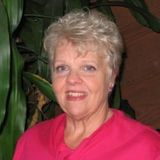
Are you giving so much to others that you are neglecting yourself?
In this poignant episode of the Caregiver Relief Podcast, Diane welcomes Sabrina Ciceri, a multifaceted author, wellness advocate, and devoted mother of six. With a unique background as a nurse in long-term care, a certified fitness instructor, and a foster parent, Sabrina brings a wealth of experience regarding the physical and emotional toll caregiving takes on the body and soul.
Together, Diane and Sabrina dive deep into the reality of caregiver burnout, the decline of holistic support in modern healthcare, and the vital importance of putting your own oxygen mask on first.
💡 Episode Highlights
The Decline of "Tender Loving Care" in Nursing Diane and Sabrina reminisce about the "old days" of nursing, where back massages and thorough skin checks were standard practice. They discuss how modern staffing shortages have made it difficult for professionals to provide holistic care, shifting a heavier burden onto family caregivers.
Recognizing the Signs of Burnout Sabrina shares striking patterns she has witnessed, such as spouses forfeiting their own lives to care for a partner with Alzheimer's. Caregivers often neglect their own nutrition—either losing weight or gaining it through stress eating—and some even turn to substances to numb the pain.
The "Oxygen Mask" Mentality You cannot pour from an empty cup. Sabrina emphasizes that caregivers must shift their mindset to realize that taking care of themselves is a necessity, not a luxury. By taking short breaks—even just an afternoon off—caregivers return to their loved ones stronger, better, and more connected.
Movement is Medicine 🚶♀️ As a fitness instructor, Sabrina explains that physical activity is vital for emotional resilience and curing anxiety. Diane adds that you don't need a full gym session; even a 10-minute walk in the sunshine or deep cleansing breaths can ground you and change your perspective.
The Art of Receiving Help One of the biggest hurdles for caregivers is accepting help without controlling how it is done. Diane shares a story about a friend who reloaded the dishwasher after being helped, noting that such behavior demeans the helper. The advice? If someone offers help, say yes, and accept their effort with gratitude rather than criticism.
📚 Resources & Links
- Guest: Sabrina Ciceri
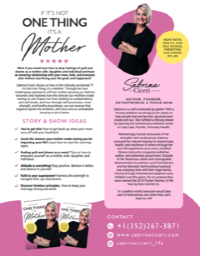
- Book: If It’s Not One Thing, It’s A Mother – A blend of humor, honesty, and heartfelt reflection.
- Website: sabrinaciceri.com

💭 A Final Thought for Caregivers
Diane reminds us that caregiving is a marathon, not a sprint. If you are feeling empty today, start small: hydrate, get 10 minutes of sun, or watch a funny show like I Love Lucy to find some laughter.
"You are the most important part of the caregiving equation. Without you, it all falls apart. So please learn to practice self-care every day because you are worth it." — Diane
Enjoyed this episode? Don't forget to like, share, and comment to help us reach more caregivers who need hope! ❤️
Podcast Episode Transcript
Diane: Welcome to the Caregiver Relief Podcast, where we shine a light on real challenges and the real resilience of family caregivers. Today I'm thrilled to welcome Sabrina Ciceri, a multifaceted author, wellness advocate, and devoted mother of six. Sabrina is the heart and voice behind the book if it's not one thing, it's a mother where she blends humor.
Honesty and heartfelt reflection to explore the dynamics of family, life and personal growth. With her u. Unique background as a nurse in long-term care and home health, a Ciceritified fitness instructor and a former magazine publisher, Sabrina has seen firsthand the toll that caregiving could take on health.
Wellbeing and quality of life. She's even published an article warning of the dangers caregivers face when they give so much to others that they neglect their own mental and physical wellbeing. Sabrina's mission is simple but powerful to empower others to embrace life with determination. Positivity and self-compassion so they can thrive rather than survive.
Diane: Sabrina, I'm so excited to have you here with me today. we share many things in common. I've done many types of nursing and I have been in long-term care and health, and you've worn so many hats. You're a nurse, you're an author, you're a wellness advocate, and a foster parent. Which of these roles first ignited your passion for helping others?
Sabrina: I think for sure it was years ago when I took the step into traditional nursing. I knew at that time that I had a care for doing, showing people not just clinical, taking care of them with their medication, but showing them what I felt like I saw was missing, which was love and tenderness and those things that, people get busy and don't do in their careers.
Diane: Yeah. one of the things that I find sad about, now I've been a nurse, I'll tell you for 50 some years. So in the dark ages, we would, when in, in acute care, we used to start at the end of the hall, at nighttime after our, we passed our PM meds or evening meds, and we would have a, bucket with, warm water with lotions, bottles of lotions so we could warm it up and we started at the end of the hall and we would do back massages.
and do skincare checks on the back, the bottoms, the knees, and the elbows and then you did oral care. Now, we don't even do that in nursing homes, so I know there's so much missing in our healthcare system because we're not able to take a holistic approach anymore. and you spent years in long-term care and home health, so you've seen what I've seen.
Sabrina: Oh yeah. No, it's terrible. You can't even, you can't even give the care in today's time that you could have done years ago because you're short staffed, you've got, you're overloaded with patient, numbers and it's weird hearing some of these words, like you say, skin check. I remember when a skin check was through and I did have lotion and everything, and it slowly got to where.
You didn't hardly have time. You could half do it. you were just checking 'em to make sure that they were okay, but you couldn't spend time because you were getting pulled in every direction. it was disheartening. That's one of the reasons why I got out of it. After about 15 years, I was discouraged and
Diane: yeah, kind
Sabrina: of changed path to be more of the, on the advocating side of wellness.
Diane: Sabrina, I'm coming across people that are being sent home with bed sores, pressure sores, and they're not even documented because nobody's done a skincare check. And what's even frightening is they now say patient's, If a patient wants to, refuse being turned. They have that right, and that causes more harm.
I don't know what's going on because I don't understand it, because the, we learned, you're prone to pneumonia, you're prone to skin breakdown. you're prone to so many things due to inactivity, and if you don't get people turned. They're actually, our healthcare system now is allowing serious complications to occur, which costs a ton more money to prepare and to take care of.
So I don't understand that. But I wanna, get us back on topic here. What were some of the most striking patterns you saw in caregiver burnout?
Sabrina: Oh, just putting the person that was suffering from the illness first just saw it constantly, if it was a wife and a husband and he had Alzheimer's or anything, any type of illness, she forfeited everything to care for herself.
Yeah. got up and took care of him. She would feed him first. Not even eat, just, I got to watch over the course of time. the spouse, the caregiver, sometimes it was a daughter, that was taking care of a mother, just absolutely just burden themselves, completely out, losing color in their face, losing weight.
Just it was very sad.
Diane: They either lose weight or they gain weight because they eat badly junk food. And some of them even, resort to drinking or drugs to help them numb them as they get through the caregiving journey. And I'm seeing a lot of that right now. And I love your article about caregiver health decline.
you sounded the alarm about the risk of giving until you break. What inspired you to write that?
Sabrina: It was really through, doing patient care and I was doing a lot of home health at the time, and it was just, it broke my heart to see, somebody give their own life up for another. I just felt like it didn't have to get to that point to where you were your every day you were Miserable, but couldn't even be honest to say you're miserable because that would mean what you didn't love your husband or, and all the guilt that would come over them just for wanting to sit down and watch a TV show or I just felt so bad that I wanted to try to put something together about that.
Diane: I think that was very a timely thing. In fact, it was probably before it is time because right now we have a situation where the family caregiver, is expected to do, ev things that were once done by healthcare professionals and, with the. Medicare is rationing care. they're even home care so that the family caregiver, unless they're from a wealthy family, are not getting the care.
And the other dynamic is family caregivers, whether they're the wife or a, an adult child, feel guilty. and a failure if they ask for help. And, I think that is, really a downfall for them because asking for help is absolutely a survival technique at this point in time. So in your experience, how can they begin shifting that mindset?
Sabrina: I just think they have to realize that they need to take care of themselves first. Just like on the airplanes where they say, put down the oxygen on yourself first before you try to help your child or help others. I think that they need to understand that by taking short breaks, by walking away for a little bit, going for the afternoon to get your nails done, or go to your dental appointment, stop putting yourself off.
I think that they're realizing that they're coming back stronger and better.
Diane: yes. one of the things I see all the time is caregivers and I, what I do is I encourage caregivers to build a care team, partner support group around them. And that is for, to have help them ask for help easily through this care team partner group where they ask for practical assistance.
And it may be, hey, can you. Put the groceries away or help me with laundry, or can you do the law, do the lawn for me, things that they don't need to do, or that take them away from actual caregiving. And, it does those little bits of. Breaks, help them so much or have a person who loves to do activities, whether it's games or movies or whatever, have them come and help bring activities to the person you're caring for while you go away to do the doctors or to do works working out or whatever.
Because I think that gives you a chance to rejuvenate and, caregivers neglect. Activities, they think they're fluff. and they're essential because, an act, doing an activity actually keeps the senior or the person you're caring for, busy. And, Interacting with something other than you, and it gives you that break, and it avoids, it can avoid challenging behaviors and negative behaviors. So I think it's really important that if they take anything away, get someone to help you bring in activities and interact with your loved ones so you get that break.
Sabrina: Yes. Yeah. And they,the, it's, they do this with their, the ones they're taking care of. Yeah. They do things to stimulate them and keep them healthy and sharp, but they don't do it for themselves.
And they also don't realize that they feel guilty, like they have to be the one with their spouse or the one all the time. But you're not doing them a favor. If they can't meet different people. It'd be better for them to hang out with a neighbor a little bit and get some different stimulation. Yes.
Yes.
Diane: I have to tell you a funny story. My, my. 85-year-old, mother-in-law would say, she belonged to a very, a church that, did visitations. And she would say to me, Diane, I'm going over to, babysit. That's what she called it. Yeah. one of her, one of her. parishioners in the church and here it was a 95-year-old lady that she was giving their caregiver, her daughter who was in her seventies, a break to be able to go get her hair done.
and I just loved that because, they would go, they would do things like this little lady was very, and my mother-in-law were very religious, so they would pray the rosary or something, but it was nice. To have a fresh face in front of you all the time and to do something that was important to you while your caregiver without refreshing themselves and feeling like they were human again.
And I think that's so important.
Sabrina: Yes,
Diane: it
Sabrina: is.
Diane: Now you're also a Ciceritified fitness instructor, so how do you see the connection between physical activity and emotional resilience for caregivers?
Sabrina: I think it's vital. I think it's, I think it's vital really with everybody in life. Until you've experienced it, you don't know how it cures depression.
It, anxiety, it helps with so many things to stay. I think there's people that are on medications today that might not need to be on them if they could get out and take a walk in the sunshine and move their body.
Diane: A hundred percent. I agree. yes. and caregivers come up with excuses, I can't leave or I can't get outside, or, you know what?
And I can't do a whole 30 minutes. then do 10 minutes, 10 minutes of a walk outside, or 10 minutes of just walking circles on the outside, on the porch or around the house for a few minutes. Get out, get that sunshine. Breathe in that air, whether it's warm and humid or brisk and cold.
It just, it grounds you. That's right.
Sabrina: It's very stimulating. Yeah. It's so good. Yeah.
Diane: Yes. And I also tell people during those times, take time to say positive things to yourself. I can, I'm, I wanna have a good day. I'm gonna have a good day, and or I choose to have a good day. there's mantras that people can say to themselves to lift them up and lift their spirits up, and I think that's really important.
Oh
Sabrina: yeah, definitely. Another thing that I think's missing with all of us, and I remind myself all the time, is breathing deep cleansing breaths. we only use the top part of our lungs. We shallow breathe all the time, and you can feel so good when you're feeling overwhelmed and exhausted to do a two or three just deep cleansing breaths.
It feels good.
Diane: I really encourage my caregivers when I'm working with them to, when they get anxious or they get upset, the first thing they should do is do just that. Take a deep breath. Let it out slow, count to 10 so that you, and it's not silly, it helps calm you, but take a several of them because, it changes your perspective and it calms you down and gives you a.
it helps make you less emotional at the time because people don't understand. If you make choices and decisions by emotion, you're making poor decisions because they have no logic to back them up. Yes. Yeah. Now you're a mother of six. God bless you, and you and your husband were honored as Foster Parents of the year.
Congratulations. That's very impressive. Thank you. So how has your personal caregiving shaped your understanding of burnout for.
Sabrina: Oh wow. it, when the little, the last little ones I had two newborns and a 2-year-old at the same time. Oh, that's, and they, I was taking care of 'em myself until they were eight months old.
And I think that. I realized I had to get help and I did. I went onto a caregiver.com or something. I can't, I think it's called care.com. Yes. And I found something, it's more affordable than people think that it is. Yes. And we had a budget in as to how much relief I could get, and we started with just two hours, three days a week, and.
It helped me so much. At first, I cried and I felt guilty, of course, but then as soon as I realized that having that little break, I was way more connected to the kids when I was, when I would come back, I had a little bit of a break, so I was a better mom to them when I was present.
Diane: it's funny, it's okay for us to have.
Babysitters come in and help us, but it's like we feel like we're failing if we, have somebody come to help take care of our loved one, whether they're a disabled person or an aging senior, and. The thing is they're both the same. You need to survive and you Yes, and it's not a sprint. it's a marathon you're on.
Many don't realize that the average caregiving journey is, around six to seven years, but some go as long as 20 years. Yeah, that's crazy. and to not take care of yourself. I have a client that called me. She's out in California. she's 75, she says, and I've been talking to her for a long time.
She goes, Diane, my mom's gonna be 102. I've decided to put her in a assisted living. And I said, it's about time. She said, I'm 75. I don't, I've been doing this for 20 years. And she says, I need to learn to take care of myself. Oh, just this learning. Yes. And it took her this long and she put her mom in assisted living.
And, she started living her life, which I just love because if she wait, her mom could live to 110, who knows anymore. Yeah. And for her to be able to take a break, I think was so important. But, it takes a village to do children. It also takes a village to take care of a disabled or an aging senior.
Absolutely. Yeah. So caregiving often blurs the line between family and care. What advice do you have for navigating this boundary?
Sabrina: I think it's just no matter what you're looking at, you have to look at yourself. you have to, and I'm a Christian woman and I know God loves me and takes care of me, but I also know that I have a responsibility to do some things for myself.
It's not all about the family or. the, even the person I'm trying to care for, or my job or anything. And as a woman in particular, which, I love men too. I, this isn't a male bashing thing, but women are, no, it's not. Women are nurturers. Yes. And we tend to nurture and give. Every, everything around us.
our pets a stray animal, yep. We can do it. But it, and it probably did take me too long in life, and I talk to young women all the time, encouraging them, don't feel guilty. Take breaks for yourself, because you need to start with loving yourself, for you to be able to fully love the people around you.
Diane: Caregivers don't realize that they need to know what their own limits are because We don't, we are not at,a pool of giving, giving all the time without replenishing our needs. We also have needs That a need to be met. And, I think one of the biggest problems that caregivers have is they don't know how to set boundaries.
And not only do they know how to set boundaries, but if they say it once,I can't do this right now, or I can't do this. Like she's, they're talking to an extended family member. I can't do this. Like I just need for you to be here to take out the trash on Wednesday, every Wednesday. That would help me so much.
Little things like that. And then they get up. So the caregiver gets upset when they have to ask more than one time. and then they feel guilty or they think, I'll do it myself. don't get into that victim mode. Don't get into that actually. People need to hear something six or seven times before it, it actually settles into their six, their long-term memory.
just send reminders out, text them, whatever. It's not being aggressive. It's not, it's necessary for your survival.
Sabrina: It is, but it's also, it's so hard because you are honored and glamorized and admired if you do too much. If it's, that old saying that says, if you want something done, give it to the woman that's already too busy.
'cause she'll take care of everything. So it's like you're almost applauded that she can do everything. Look at her go. And so if you're like, wow, if I slow down, then will I not be as good as somebody else? it's pressure.
Diane: And you know what's really sad? So many family caregivers end up with, nothing at the end.
They have nobody to take care of them. They have no many end up at or below poverty level after, and some even become homeless because they were living in a loved. Their, there's parents' home and when the parent died, there was no accommodations made for them. That's why I think one of the things I tell my caregivers if to set those boundaries is to create a family caregiver contract, which sets up what you will do.
how, and you look at it as a job, and I know caregivers get upset with me, but if you look at it as a job, then you get vacation times, you get breaks, and the people around you, the extended family members and uninvolved siblings, if they cannot physically help you, then they need to financially contribute so that you, they can.
Pay for someone to come in to give you those breaks you need. And I think that is really important. And I think that putting things in a contract makes it really simple and easy so that the family caregiver says, we all signed this and this is what we agreed to, and you have to honor your commitment to me.
Sabrina: Yeah, no, that's a great idea.
Diane: Yeah, I really am pushing for that because we have a silver tsunami here and it's just getting, it's going to get ugly and because Medicare reimbursement has been cut so low, or the Medicare Advantage, I just learned that, Medicare Advantage, if you're in a skilled facility or rehab, it's 200 to $500 a day copay.
Oh my. Can you imagine that? that's not an option for so many people. Exactly. So the family caregiver needs and home care has been cut. The benefits to it, we're getting ration care right now. And it is only going to get worse with the growing tsunami. So I really encourage people, get the caregivers, get that family caregiver contract in place, and be very specific about what you want and need and what you're going to get in return.
In fact. If you're going to be spending down to, apply for Medicaid, then it's a good place to start putting in what you're going to charge per day. And in on my caregiver relief website, there's directions on how to do that and how to charge accurately so that the, but you can't do it afterwards.
You can't do it retroactively. You have to do it from this day forward because it doesn't work like that with Medicaid. It, you have to have a. Concrete, documentation of where the money's going.
Now you've written a book. It's not one thing, it's a mother and it blends humor and honesty. How has your story storytelling helped you and others heal from life's challenges?
Sabrina: I think just recognizing that we understand each other, you've been in their shoes, you know what they're, what they feel like, so they don't feel like they're the only ones out there that feel a Ciceritain way. Yeah. And that, that, that's it. Just that connection. Yeah. as a woman growing up through, through being a daughter, then becoming a mother and now grandmother and mothering my own mother now, Yeah. The changes.
Diane: I understand totally. And I love that. Now you faced your share of obstacles. What one challenge, what was the one challenge that transformed the way you approach caregiving in life?
Sabrina: I think really it was my relationship with my mom. I'm an only child and my mother had me when she was 17, and I think that when I had to stop being angry and realize that she loved me the best she could and that she did the best she could.
Then I realized that I could accept her myself, people around me that I meet, and realizing that things aren't always against us personally. They're acting out of where they're at, and it might be the best they, they have. So just, I choose happiness every day. I choose to walk in love every day. Yes. And that's just what's brought me peace with every relationship in my life.
Diane: it, it's funny because people don't understand, they really do have choices. You could wake up and feel miserable and grumpy and growly. I know I have chronic pain and I always wake up every day and thank God that I woke up and I'm feeling okay, and I really encourage every caregiver to start their day.
With, an attitude of gratitude. Find one thing, even if it's, oh gosh, I woke up and the sun's out. I woke up and I slept through the night without an interruption. there's so many things. Just start with little things you're grateful for, and that puts you on a positive mindset for the rest of the day.
Sabrina: Definitely I, I do that same thing. I even have reminders on my walls that remind me of things, that are good because there are things that come up that are bad. there's some things that don't happen, right? And I wake up feeling Ciceritain ways and the cats kept me up all night and, different things.
there's still plenty of. Things to be happy for.
Diane: Yes. Yeah. when the dog gets me up at five o'clock in the morning, I'm like, ah. But you look at their little faces and you and their, and they look at you and your heart. My heart melts. I'm a sucker for a pretty face. I'm a sucker for an ugly one that me too, Oh, and when they're talking to you and, we wake up and sometimes I get them to go back to bed and cuddle with me, and other times it's ar oh, I know. Feed me, mama, take me for a walk. It's ugh.
Sabrina: But no, that's how it is. The ones that care, I don't know if it's something to do with, I've adopted kids, so I've got six, I've got three cats, three dogs.
I'm like, I and my husband says, you're, when's it gonna stop? I don't know. I'm hoping it'll stop too. But, you just find yourself drawn to more things to take care of.
Diane: you live a full life, and I will tell you when it does stop. You are going to have an empty house and,the pets may be the only thing that you have left.
'cause I know so many empty nesters right now that are totally lost because, the kids are gone out of the house, you many open the bottle of champagne and go and change the kids' room to a workout room or something. and, But then, there's a piece missing and that's when people have to reach out and do things.
And I hope that people, when they do become empty nesters, like you and I can see because of your husband and, your husband and you having such giving natures, you'll be volunteering. You'll be doing something to Yeah. To fill your life. but I get that. Now, if a caregiver listening right now feels they're running on empty, what's the first small step you recommend they take today?
Sabrina: I think they need to make sure that they're getting hydrated every day because that's a big thing. And as in nursing, there's a huge number of people that get admitted when it started with simple dehydration. yes.
Diane: And
Sabrina: just getting water in your body, not waiting till you're thirsty, but it clears the mind, it energizes, it's the feeling of dehydration.
Even mild is really bad feeling. Yeah. Yes. I think that's it.
Diane: I think, when they're running on empty, it may be they need to take care of themselves as well. Yes. And eat better. get out and walk. the other thing I tell people is watch old episodes of Lucy. I love Lucy. find some humor in your life.
I, it's hard, but if you can just laugh it, it re it does so much. It has so many health benefits for you.
Sabrina: Yeah. Laughter is huge. And definitely don't turn on the news for God's sake. Don't turn on the news.
Diane: no. it's
Sabrina: negative
Diane: And full of lies on top of it. exactly. Now, what role does community play in sustaining caregivers health and.
Sabrina: It's wonderful. I, these communities, when you start digging in, people think they live in rural areas and don't have anything. I live in the country myself, but there are groups out there ask the local churches. There's support groups of every kind people in the communities that I live, and I find this when I talk to other people, they do generally.
Most people in this world, even, there's a lot of negativity that's gone on since 2020. There's still the bulk of humanity that wants to love and care and support and look out for one another and be there and they're in your local communities. As small as it is. It might be the small church of God, but I guarantee you there's a group of people that meet to support one another.
Diane: And I think that's one of the hardest things caregivers have is asking for help. Yeah. And and they'll say, somebody will come up to 'em, Hey, if you need something, just give me a call. And then they never call that person. When somebody says that to you, say, oh, I have, I'd like for someone to help me with the yard, or I help like someone to help me with my pets, or I'd like someone to, help me manage my mom's medications.
there's so many things, that's why I tell my, again. Create a care team, partner support group where you are actually reaching out, asking people and asking them for specific things based on what you know about them. Yes. Like my mother-in-law who used to go babysit the 90-year-old, she's 85, she's five years younger than this little old lady or maybe six or seven years younger.
And there she is going out and she's sitting with her, helping. Keeping that woman company while her caregiver, her daughter actually gets out and goes to the hairdresser, gets her hair done, her nails done or whatever, giving that person, her, the caregiver, a chance to feel human again. And I think that's really important.
It is. And I
Sabrina: think there's one thing too, the caregivers that are listening that I think they really need to understand is that remember how good it makes you feel to help someone or to offer to help someone. And when someone offers to help you don't say, no, that's okay. And everything's okay because you're robbing them of the blessing that they're wanting to feel good and they want to help.
It. It's not about the fact that you can manage and you don't really have to have 'em, but if somebody offers it might be that it's been laid on their heart to bless somebody and don't take that away from 'em. Let 'em have it.
Diane: I love that point. And the other thing I'm gonna tell caregivers is, look, if somebody offers to help you, don't be a nudge and tell them they're doing it wrong.
I can't tell you for sure. I can't tell you how many caregivers, feel a need to have things done the way they do 'em, and it really turns people off. And I can tell you right now, I had a friend that I. Was helping her. I loaded the kitchen was a mess and I cleaned up the kitchen and put everything in the dishwasher.
I helped her, I wiped down the counters and stuff, and she actually came in after I was done and took everything out of the dishwasher and put it back in the way she liked it. Oh Lord. I'm like, you know that D is discouraging. don't diminish. Yes. That's demeaning to them when they tried, Yeah. Suck it up and if you don't like the way I ended up like to fi filled up your dishwasher, you're in trouble. so they don't comb the hair of your family member the way you do or something. It doesn't matter as long as the end result is your care. The person you're caring for is.
Meet, getting their needs met and you are getting a simple, wonderful, much needed break. Please accept the help in the fashion that it is given.
Sabrina: Yes. Consider it just like you would a child. when we're raising up children, they don't walk right. They're not talking right color, We don't demean 'em and make 'em feel bad.
We're like, oh, great job. Even though it's not a great job, we're, that's how you appreciate it. Their effort.
Diane: Yes. and just be grateful. Show gratitude to the person, because then they'll wanna come back and do something for you again. And, that's more important than having no support or help at all where you're, I, I say this statistic often is.
63% of family caregivers become seriously ill or pass before the person. They're caring for passes. Yes. And the chronic stress is real and the consequences of that chronic stress and the neglect of self-care is a absolutely making an a negative impact on the caregiver's health.
Sabrina: Yeah, a hundred percent.
Yeah, I saw it. I agree.
Diane: Sabrina, you've given us so much wisdom today. How can listeners connect with you, get your book or follow your
Sabrina: work? They can find the book on Amazon, but also just my name, Sabrina Ciceriy,C-I-C-E-R i.com.
Diane: Okay. to my listeners, it will be in the show notes and. Sabrina, we create a permanent page on caregiver relief with the content of this, podcast and links and we will put all your information there.
So as people peruse around, the, my site, they may come across you see your pretty face and see your, and. Push a link to read about your book or whatever. So Wonderful. Thank you. I've really enjoyed you
Sabrina: having me on.
Diane: Oh, I'm glad To my family caregivers out there, you are the most important part of the caregiving equation.
Without you, it all falls apart. So please learn to practice self-care every day because you are worth it.
Caring for a loved one can be overwhelming — but you're not alone. If you have questions, big or small, our expert team is here to help.
👉 Click here to Ask the Expert
Our Resource section can help you find the information and tools that you need. We have courses, videos, checklists, guidebooks, cheat sheets, how-to guides and more.
You can get started by clicking on the link below. We know that taking care of a loved one is hard work, but with our help you can get the support that you need.
Click here to go to Resource Section now!